 -by
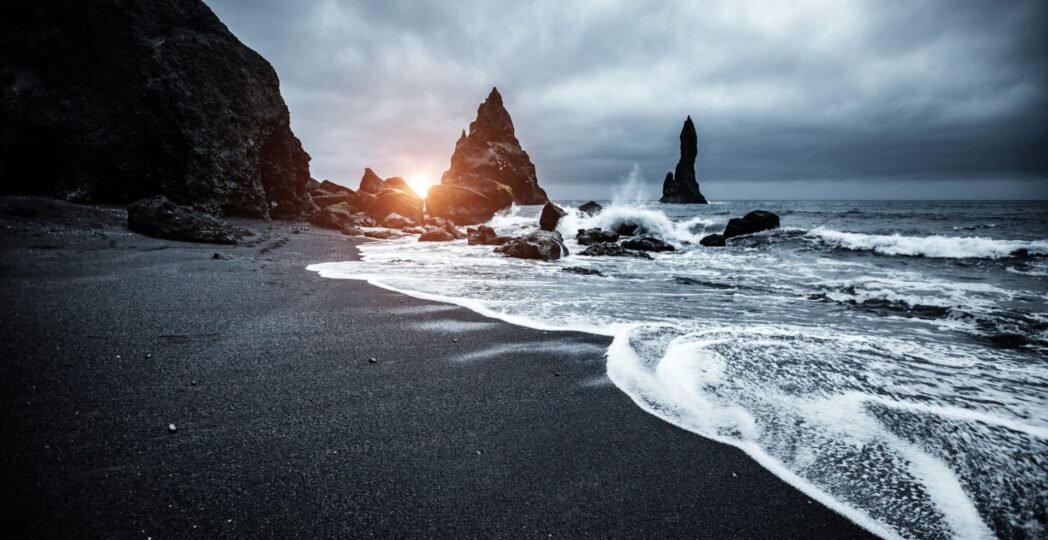
-by Black Sand Beach in Iceland—known locally as Reynisfjara—is one of the world’s most breathtaking and mysterious coastal destinations. Located on the southern coast near the village of Vík í Mýrdal, this volcanic shoreline is renowned for its jet-black sand, towering basalt columns, roaring Atlantic waves, and dramatic cliffs shaped by thousands of years of volcanic activity.
The moment you step onto the beach, you feel the raw power of Iceland’s landscape—where fire, ice, and ocean collide. Its cinematic scenery has made Reynisfjara a favorite among photographers, filmmakers, and travelers who want to experience a place that feels almost otherworldly.
From the echoing sound of crashing waves to the unique rock formations rising out of the sea, every part of the beach tells a story of natural forces at work. Whether you’re exploring Iceland’s South Coast for a day or planning a full Ring Road adventure, Reynisfjara is a destination that absolutely belongs on your itinerary.
Why Black Sand Beach Is So Famous
Reynisfjara’s beauty is unlike any other beach in the world. With its dramatic landscapes, roaring surf, and striking volcanic formations, it has become one of Iceland’s most iconic destinations. Travelers come here for that unforgettable “wow” moment—where nature feels both powerful and artistic at the same time. The beach has been featured in films, documentaries, and countless travel photos, making it a must-see stop along Iceland’s South Coast.
Read More – Green Sand Beach, Hawaii: Complete Guide to Papakōlea Beach
Key Highlights Include:
Black volcanic sand: Created from volcanic lava that has cooled, broken apart, and eroded over thousands of years, the sand gives the beach its otherworldly appearance. Walking along Reynisfjara feels like stepping onto a movie set or another planet.
Basalt columns & Reynisdrangar sea stacks: The geometric basalt stacks rising from the sea and the towering cliffs behind the beach are natural wonders formed through volcanic activity. The Reynisdrangar pillars offshore are especially famous and are wrapped in Icelandic folklore—said to be trolls turned to stone by the sunrise.
Hálsanefshellir Cave: This impressive cave showcases perfectly shaped hexagonal basalt formations, creating a unique texture that looks almost hand-carved. It’s a popular stop for photographers, especially during low tide.
Powerful Atlantic waves: Reynisfjara is known for its intense “sneaker waves,” which are beautiful to watch from a safe distance. The coastline is constantly shifting, adding to the sense of wild, untouched nature.
Nearby landmarks: Within minutes, you can explore the Dyrhólaey peninsula with its famous arch, the charming town of Vík, and even the distant ice cap of Mýrdalsjökull glacier. This makes the beach a perfect part of a larger South Coast road trip.
The Story Behind the Black Sand
Black Sand Beach in Iceland owes its dramatic appearance to the island’s fiery volcanic past. Iceland sits directly on the Mid-Atlantic Ridge, one of the most active volcanic regions on Earth. Here, tectonic plates constantly move apart, allowing magma to rise and create new land.
When hot lava flows from nearby volcanoes and meets the cold Atlantic Ocean, it cools almost instantly and shatters into tiny pieces of basalt. Over thousands of years, waves, storms, and erosion break these fragments down even further, forming the smooth, deep-black sand that makes Reynisfjara famous today.
The beach is more than just beautiful—it’s a living example of Iceland’s natural forces at work. The cliffs, sea stacks, and basalt columns nearby all tell the same story of fire, water, pressure, and time. This volcanic origin is a powerful reminder of why Iceland is known as the land “where fire meets ice”: glaciers and volcanoes shaping the landscape side by side.
For visitors, understanding how the sand was formed adds depth to the experience. You’re not just walking on a beach—you’re standing on the remnants of ancient lava flows, shaped by the ocean into one of the most iconic coastlines in the world.
Top Things to Do at Black Sand Beach
Whether you’re exploring on your own or visiting with a tour, there’s plenty to experience:
01. Explore the Basalt Column Wall
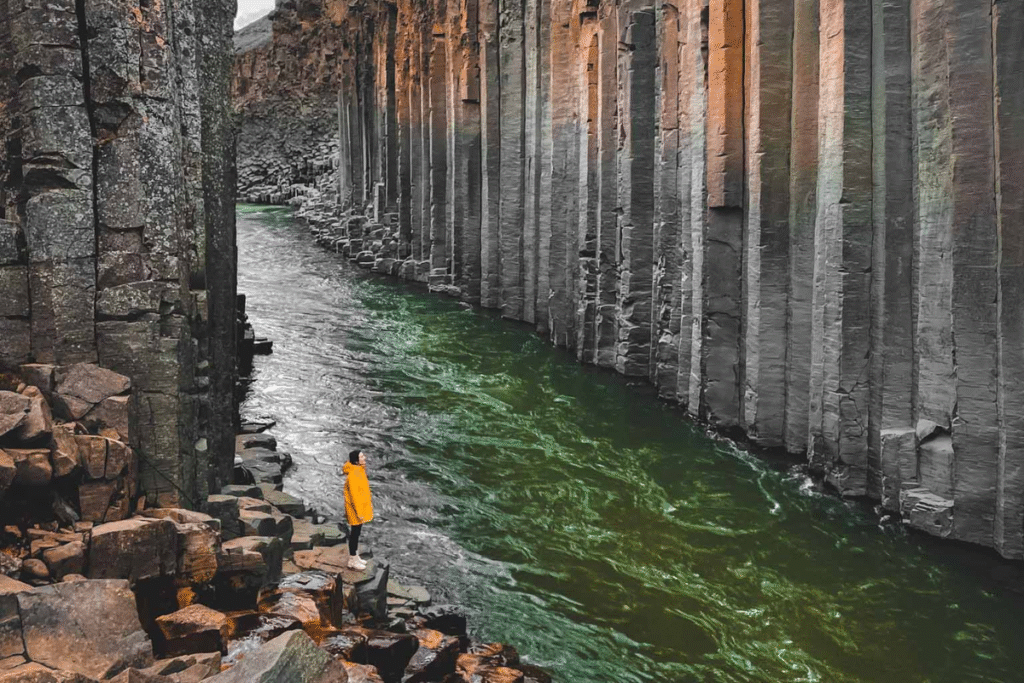
The towering hexagonal basalt columns behind Reynisfjara look almost man-made, yet they were formed naturally by cooling lava. These geometric formations create one of the most iconic photo spots in Iceland. Visitors often climb the lower steps for pictures, but caution is advised due to slippery surfaces. The contrast between the black sand and the columns makes this spot unforgettable.
02. Visit the Reynis drangar Sea Stacks
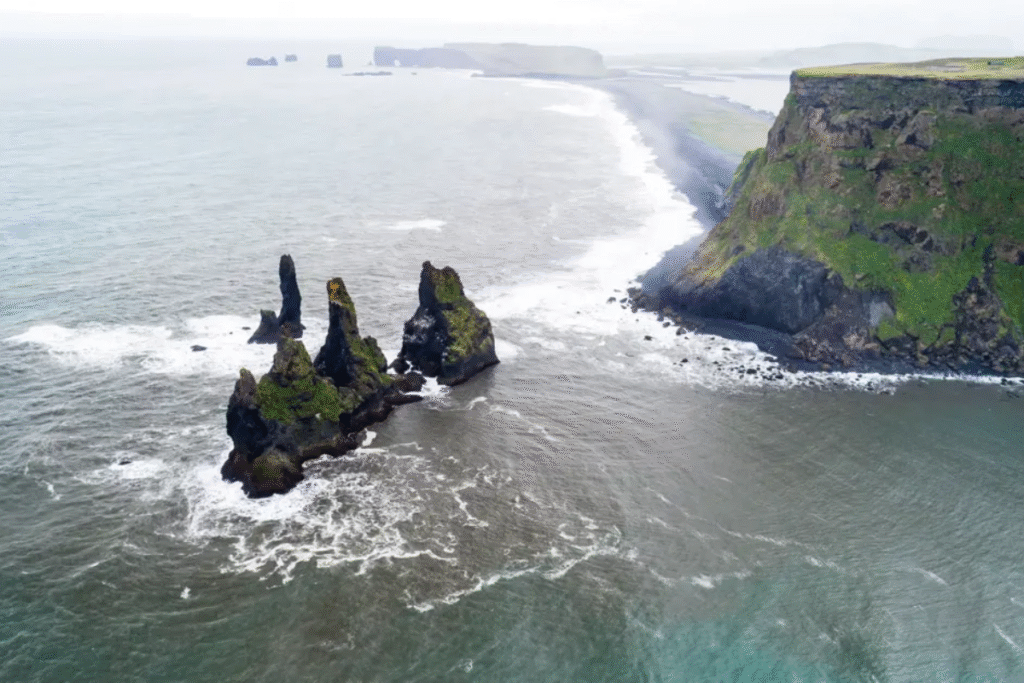
Rising dramatically from the Atlantic Ocean, the Reynisdrangar sea stacks are steeped in local folklore—said to be trolls turned to stone by the sunrise. Whether you visit during golden hour or under moody clouds, they create a striking silhouette against the crashing waves. These formations are a favorite among photographers and drone enthusiasts (when conditions allow).
03. Step Inside Hálsanefshellir Cave
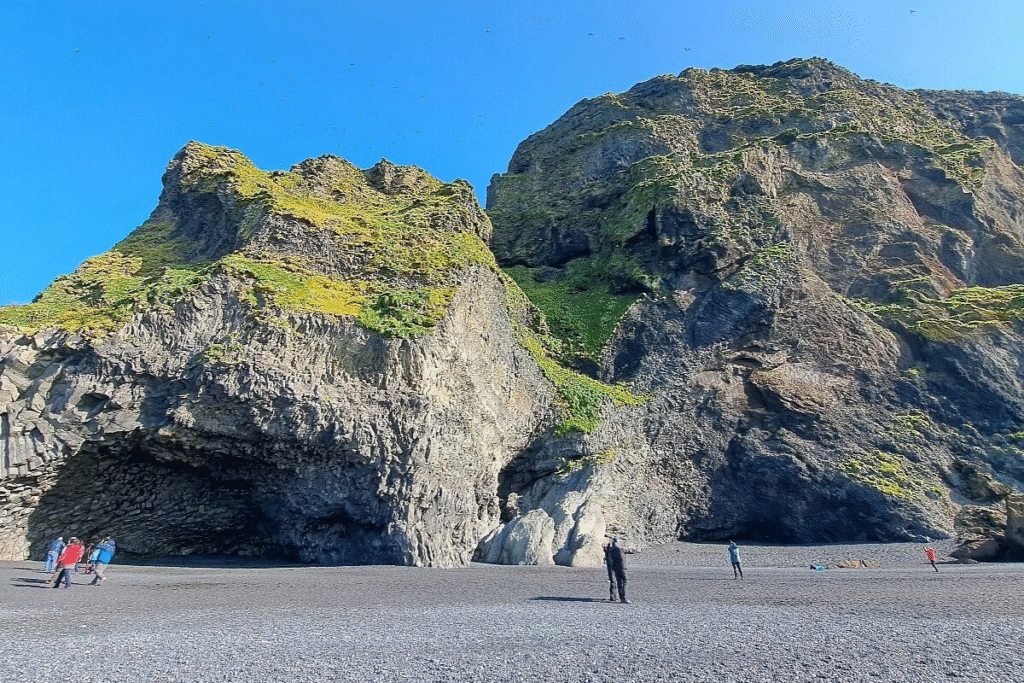
This basalt-column cave sits just steps from the shoreline and showcases some of the most fascinating geometric rock patterns in Iceland. The natural acoustics amplify the sound of the waves, creating an almost otherworldly atmosphere. It’s safest to explore during low tide, as waves can reach the cave quickly. For many visitors, it’s one of the most memorable features of Reynisfjara.
4. Photograph the Powerful Waves
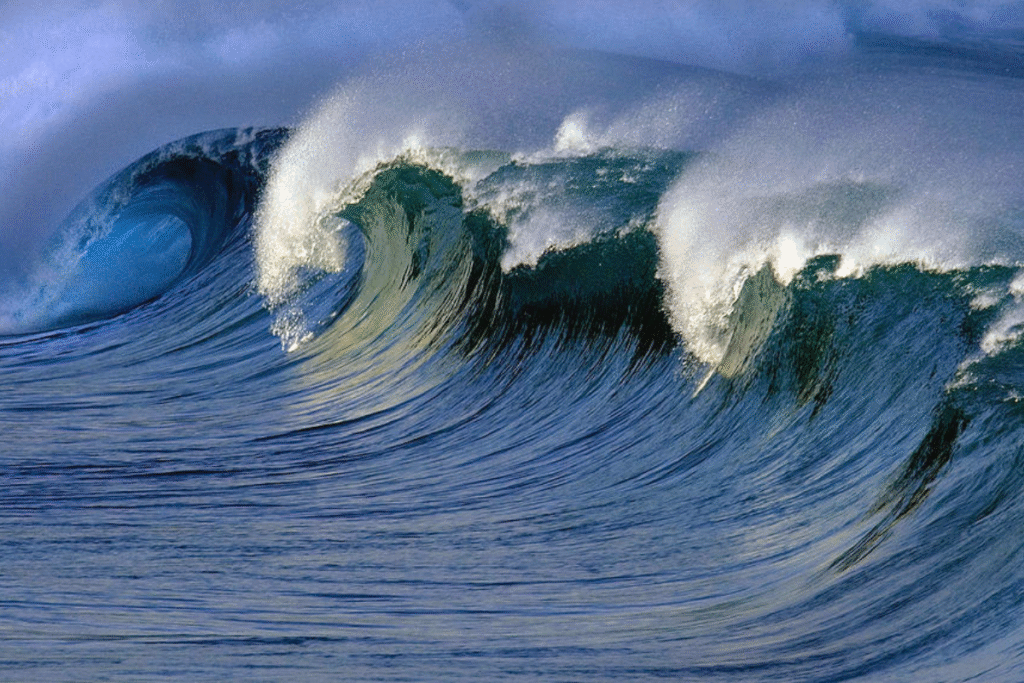
The Atlantic Ocean at Reynisfjara is bold, dramatic, and constantly changing. Photographers love capturing long-exposure shots of the waves rolling onto the black sand, creating a soft, misty effect. Even if you’re just taking phone photos, the scenery looks like something from a movie. Just remember to keep a safe distance—the waves are stronger and faster than they appear.
5. Explore Nearby Vík Village
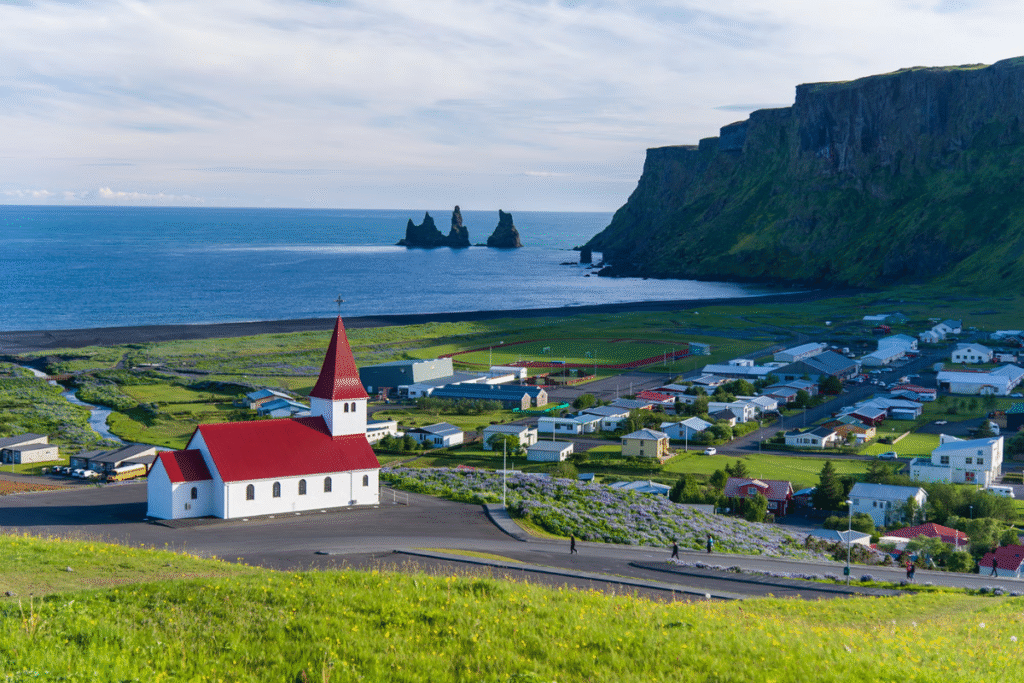
Only minutes from the beach, Vík is a charming coastal town known for its colorful houses, cozy cafés, and beautiful church overlooking the sea. It’s a great place to grab a meal, shop for Icelandic souvenirs, or simply relax after exploring Reynisfjara. The surrounding hillsides offer scenic photo spots with panoramic views of the coastline.
Where Can You Eat Near Black Sand Beach Iceland?
After exploring the dramatic coastline of Reynisfjara (Black Sand Beach), you’ll probably be ready to warm up and enjoy a delicious Icelandic meal. Although the beach area is rugged and remote, several great dining spots are located 10–15 minutes away in and around the village of Vík í Mýrdal—perfect for relaxing after your South Coast adventure.
01. Hálsanefshellir Cave
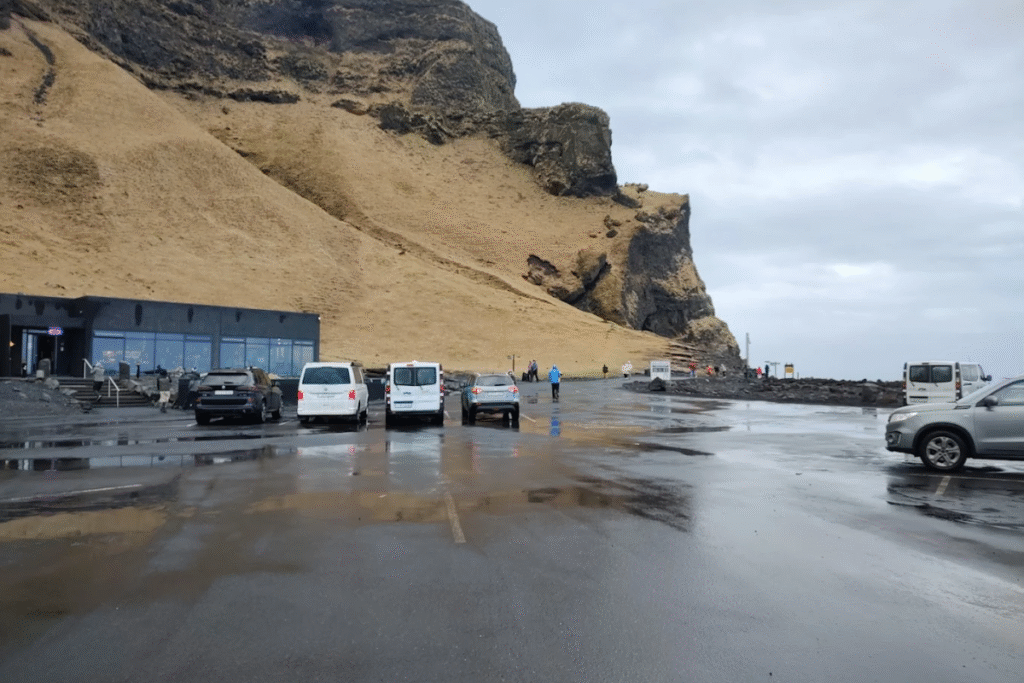
Hálsanefshellir is not a restaurant, but it’s one of the most iconic features along Reynisfjara Beach. Located just steps from the shore, this basalt-column cave is a must-see spot for travelers exploring the area. If you’re visiting the cave and looking for nearby food, you’ll find several dining spots only minutes away—perfect for warming up after exploring the cliffs, caves, and strong coastal winds.
Closest Food Option: You can walk directly to Black Beach Restaurant, located near the main Reynisfjara parking area. This is the nearest place to grab hot soups, pastries, drinks, and quick meals before or after visiting the cave.
Best for: Snacks, hot drinks, and a meal after exploring Reynisfjara.
Address: CX35+697, 871 Vik, Iceland
Phone: +1 354-571-2718
02. Black Crust Pizzeria – Vík

Black Crust Pizzeria is one of Vík’s newest and most popular casual dining spots, offering wood-fired pizzas with a unique Icelandic twist. Known for its warm atmosphere, fast service, and creative toppings, it’s a great place to relax after exploring Reynisfjara or the South Coast. Their crust is perfectly crispy, and the menu includes vegetarian options, local flavors, and hearty portions—ideal for warming up after a windy beach day.
Must-try: Volcano Pepperoni Pizza, Truffle Mushroom Pizza, or the signature “Black Crust Special.”
Address: Austurvegur 16, 870 Vík, Iceland
Phone: +1 354-854-6611
03. Black Beach Restaurant – Reynisfjara

Located right next to the famous basalt columns, Black Beach Restaurant is the most convenient dining option near Reynisfjara. The modern café-style restaurant offers comforting Icelandic dishes, hot soups, pastries, and stunning window views of the black sand. Perfect for warming up after braving the strong coastal winds.
Must-try: Icelandic lamb soup, fish stew, or the homemade chocolate cake.
Address: Reynisfjöru, Reynishverfisvegur, 871 Vík, Iceland
Phone: +1 354-571-2718
04. The Soup Company – Vík

Just a short drive from the beach, The Soup Company is one of Vík’s most-loved spots—famous for its warm, hearty soups served in bread bowls. It’s a cozy escape perfect for travelers coming from the cold Icelandic coast. The atmosphere is casual, friendly, and ideal for a quick but satisfying meal.
Must-try: The “Red Hot Lava Soup” or classic Icelandic lamb soup.
Address: Víkurbraut 5, 870 Vík, Iceland.
Phone: +1 354-778-6611
Perfect Stops After a South Coast Adventure
From beachfront cafés to warm soup houses and scenic restaurants overlooking Vík, these dining spots offer everything you need after exploring the iconic Black Sand Beach Iceland. Whether you’re craving a hearty Icelandic meal, a fresh seafood dish, or simply a cozy drink to warm up after the coastal winds, the area has plenty of welcoming options.
Many restaurants feature local ingredients, calming views, and friendly service that help you slow down and enjoy the moment. No matter what you choose, you’ll find the perfect place to relax, refuel, and recharge before continuing your South Coast adventure through Iceland’s stunning landscapes.
Safety Tips: Stay Aware of Sneaker Waves
Reynisfjara’s shoreline is stunning, but it’s also one of the most dangerous beaches in Iceland due to sneaker waves—powerful, fast-moving waves that surge much farther up the shore than expected. Even on calm days, these waves can appear suddenly, and many travelers underestimate their strength. To ensure a safe and enjoyable visit, keep these important guidelines in mind:
Never turn your back to the ocean.
Sneaker waves can rise quickly and without warning. Staying alert and facing the sea helps you react immediately if the water begins to rush in.
Stay well behind safety lines.
Iceland’s search-and-rescue teams have marked safe viewing zones. Keeping your distance from the water greatly reduces risk and still gives you an excellent view of the beach.
Keep an eye on children and pets.
Kids and animals move unpredictably and can easily wander too close to the waves if not watched carefully.
Avoid going near the water’s edge.
The waves are stronger than they look, and the steep drop-off under the water can pull you in quickly. Enjoy the scenery from a safe distance.
Be mindful of strong winds and slippery rocks.
The wind along the South Coast can be intense, and the basalt rocks can become slick—so walk carefully and avoid climbing near the shoreline.
Respect weather conditions.
Iceland’s weather changes fast. If conditions become stormy, windy, or visibility drops, it’s better to step away and return when it’s safer.
Iceland’s landscapes are incredibly beautiful, but they’re also powerful. Respecting the environment and following safety guidelines ensures you enjoy your visit to Black Sand Beach safely and without stress.
When Is the Best Time to Visit?
You can visit Black Sand Beach at any time of the year, but the experience changes dramatically with the seasons. Iceland’s South Coast has fast-changing weather, so planning your visit with the conditions in mind can make your trip safer, easier, and far more enjoyable.
Summer (June – August)
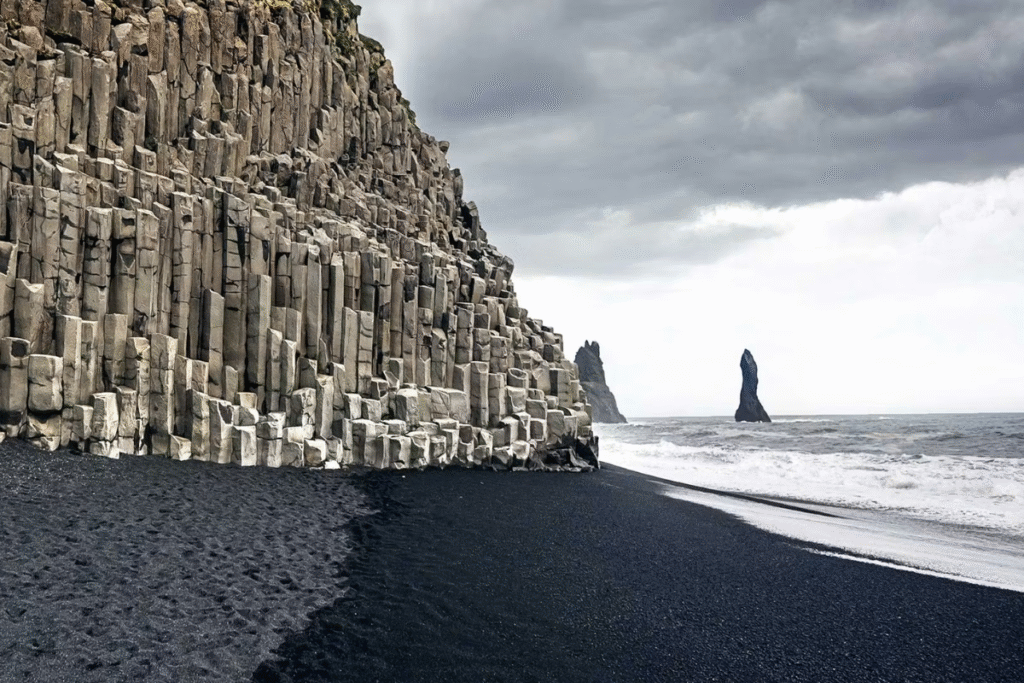
Summer is the most popular time to visit.
- Expect long daylight hours, sometimes up to 20–22 hours of light.
- Roads are easier to drive, and the weather is generally milder.
- The beach is ideal for photography, with deep blues, striking basalt columns, and lush green cliffs.
- This is the best time for families, first-time visitors, and those wanting to explore multiple stops along the South Coast in one day.
Winter (November – February)
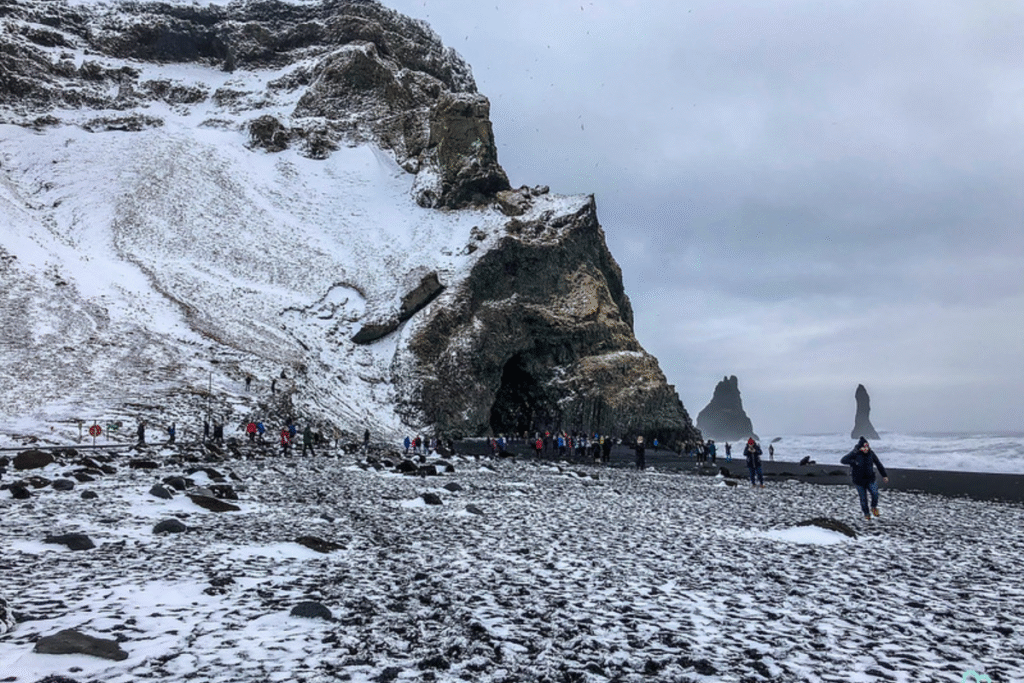
Winter brings a completely different atmosphere.
- Snow-covered cliffs and dark sands create one of the most dramatic contrasts in Iceland.
- Crowds are smaller, and the beach feels quieter and more mystical.
- With clear skies, you may even catch a glimpse of the Northern Lights dancing above the coastline.
- Be aware: winter weather can be harsh, so check road conditions before driving and dress warmly.
Sunrise & Sunset
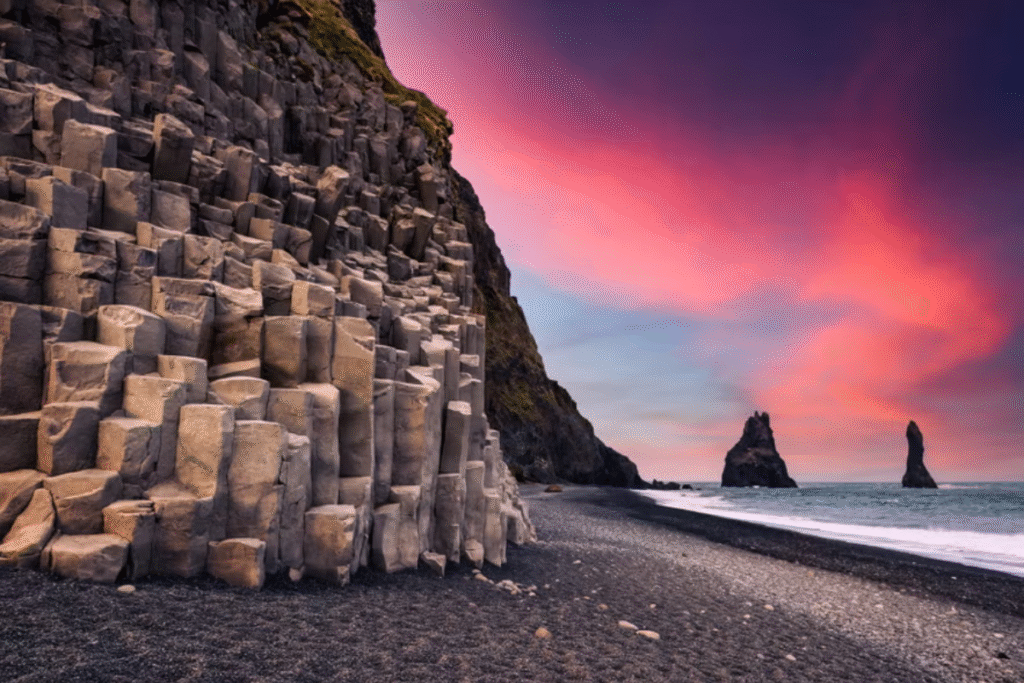
Regardless of the season, sunrise and sunset are the best times for photographers and nature lovers.
- Lower light casts warm golden tones across the black sands and sea stacks.
- The ocean appears more reflective, giving your photos a surreal quality.
- These times are also less crowded, offering a more peaceful experience on one of Iceland’s busiest beaches.
Final Thoughts
Black Sand Beach in Iceland—Reynisfjara—is more than a quick sightseeing stop; it’s a place that feels alive. The pounding Atlantic waves, the towering basalt columns, the haunting sea stacks of Reynisdrangar, and the vast sweep of midnight-black sand create an atmosphere that’s dramatic, wild, and unforgettable.
It’s the kind of landscape that reminds you of nature’s raw power. The beauty is striking, yes, but what stays with you is the wind, the roar of the waves, the deep contrast of black sand against silver water, and the feeling of standing somewhere shaped by fire and time.
For travelers who love rugged coastlines, photogenic scenery, and experiences that feel untouched, Reynisfjara Black Sand Beach is the type of place that lingers long after you leave. Dress warm, stay safe near the waves, explore the cliffs, and soak in one of Iceland’s most iconic natural wonders.
FAQs – Black Sand Beach Iceland
Q. Why is the sand at Black Sand Beach in Iceland black?
Ans: The sand is black because it’s made from volcanic basalt. When hot lava meets the cold ocean, it cools rapidly and breaks into tiny fragments, creating the dark, smooth sand that Reynisfjara is famous for.
Q. Is Black Sand Beach safe?
Ans: The beach is safe to visit, but you must be extremely cautious of sneaker waves — powerful, unpredictable waves that can pull visitors into the ocean. Stay well behind the warning signs, never turn your back to the sea, and keep a safe distance from the shoreline.
Q. Can you swim at Black Sand Beach?
Ans: No. Swimming is dangerous and not recommended due to strong currents, freezing water temperatures, and sudden waves. Reynisfjara is best enjoyed from the shore.
Q. How do you get to Black Sand Beach Iceland?
Ans: Black Sand Beach is located near Vík í Mýrdal, about a 2.5-hour drive from Reykjavík along the Ring Road (Route 1). From the village of Vík, follow signs toward Reynisfjara. A regular car is enough, and the drive is one of the most scenic stretches of Iceland’s South Coast.
Q. What should I bring when visiting Black Sand Beach?
Ans: Bring warm layers, waterproof shoes, a windproof jacket, gloves, and a camera. The weather changes quickly, so dressing properly makes the visit more comfortable. If you plan to stay long, pack snacks or visit nearby restaurants in Vík.
Q. When is the best time to visit Black Sand Beach?
Ans: You can visit year-round.
- Summer: Easier driving, long daylight hours, great for photos.
- Winter: Snow-dusted cliffs and fewer crowds—just prepare for colder winds.
Sunrise and sunset provide the most dramatic lighting for photography.
Related Keywords:
iceland black sand beach, Reynisdrangar sea stacks, how to get to black sand beach iceland, things to do near vik iceland, best time to visit black sand beach, south coast iceland attractions, dyrhólaey viewpoint, iceland basalt columns, reynisfjara safety tips, vik iceland restaurants, iceland beaches, volcanic beaches iceland, reynisfjara cave, basalt column cliffs iceland, iceland travel guide south coast, iconic beaches in iceland, black sand beaches world, black sand beach big island, black sand beach hawaii, pink sand beach, pink sands beach, pink sand beaches, black sand beach maui, hana maui black sand beach, pink beaches, reynisfjara beach