
 -by
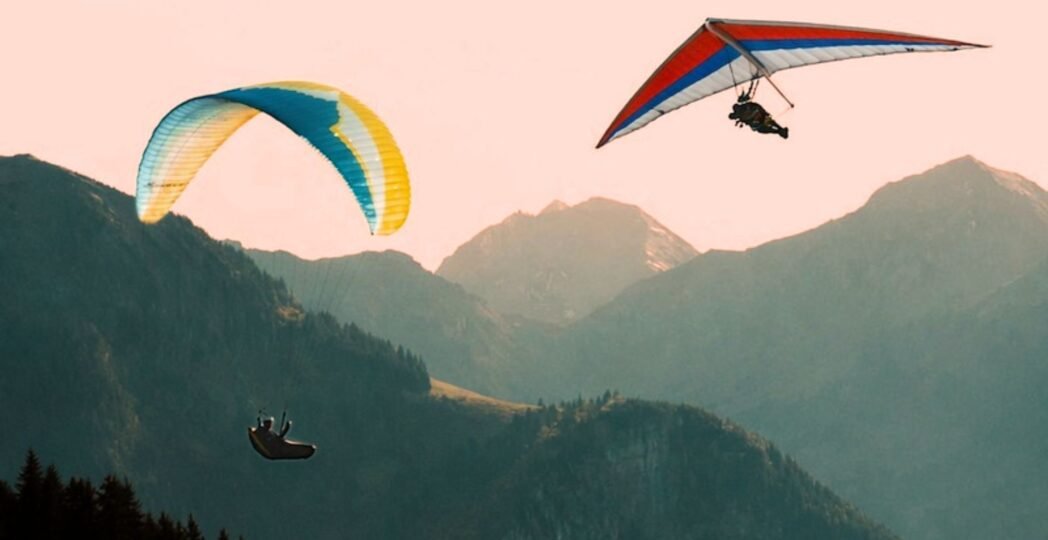
-by Imagine standing on the edge of a mountain with fresh air rushing past your face. The valley stretches below, the sky looks endless, and your heart beats a little faster. Now comes the big question: hang gliding vs paragliding—which one should you choose?
Many adventure lovers dream of flying like a bird at least once in their lives. However, choosing between these two popular air sports can feel confusing, especially if you are a beginner. Both offer breathtaking views and unforgettable memories, yet they deliver very different experiences.
During my travels, I had the chance to watch both hang gliders and paragliders soaring above beautiful mountain landscapes. At first glance, they looked similar. However, after talking with local instructors and experienced pilots, I realized they are completely different adventures.
This guide will help you understand the differences, benefits, costs, safety, and overall experience. Therefore, by the end of this article, you’ll know exactly which adventure fits your personality.
What Is Hang Gliding?
Hang gliding is an aerial sport where a pilot flies using a rigid wing made from an aluminum frame covered with strong fabric. The pilot hangs in a harness beneath the wing and controls the glider by shifting body weight.
Unlike powered aircraft, a hang glider depends entirely on wind currents and rising warm air called thermals. As a result, skilled pilots can stay in the air for hours while covering impressive distances.
The first time I watched a hang glider launch from a cliff, it felt almost magical. Instead of jumping into the air, the pilot simply ran a few steps before gracefully lifting into the sky. Moreover, hang gliding often attracts people who enjoy speed, long-distance flying, and technical flying skills.
What Is Paragliding?
Paragliding uses a soft, inflatable fabric wing instead of a rigid frame. The wing fills with air during takeoff, creating its flying shape. Pilots sit comfortably in a harness while steering with brake handles connected to suspension lines. Unlike hang gliding, paragliding equipment is lightweight and highly portable. Therefore, many travelers choose it because they can pack the entire setup into a backpack.
I still remember watching dozens of colorful paragliders floating above green hills during sunset. They moved gently with the wind, creating one of the most peaceful travel moments I’ve ever experienced. In addition, paragliding is often considered easier for beginners because it requires less equipment and a simpler learning process.
Hang Gliding vs Paragliding: Key Differences
Choosing between hang gliding vs paragliding becomes much easier when you compare them side by side.
| Feature | Hang Gliding | Paragliding |
| Wing Type | Rigid aluminum frame | Soft inflatable canopy |
| Speed | Faster | Slower |
| Portability | Difficult to transport | Easy to carry |
| Learning Curve | More challenging | Beginner-friendly |
| Equipment Weight | Heavy | Lightweight |
| Landing | Requires more space | Needs less landing area |
| Flight Duration | Often longer | Depends on weather conditions |
| Cost | Usually higher | More affordable |
Although both sports let you fly, the overall feeling is surprisingly different.
Flying Experience: Which Feels Better?
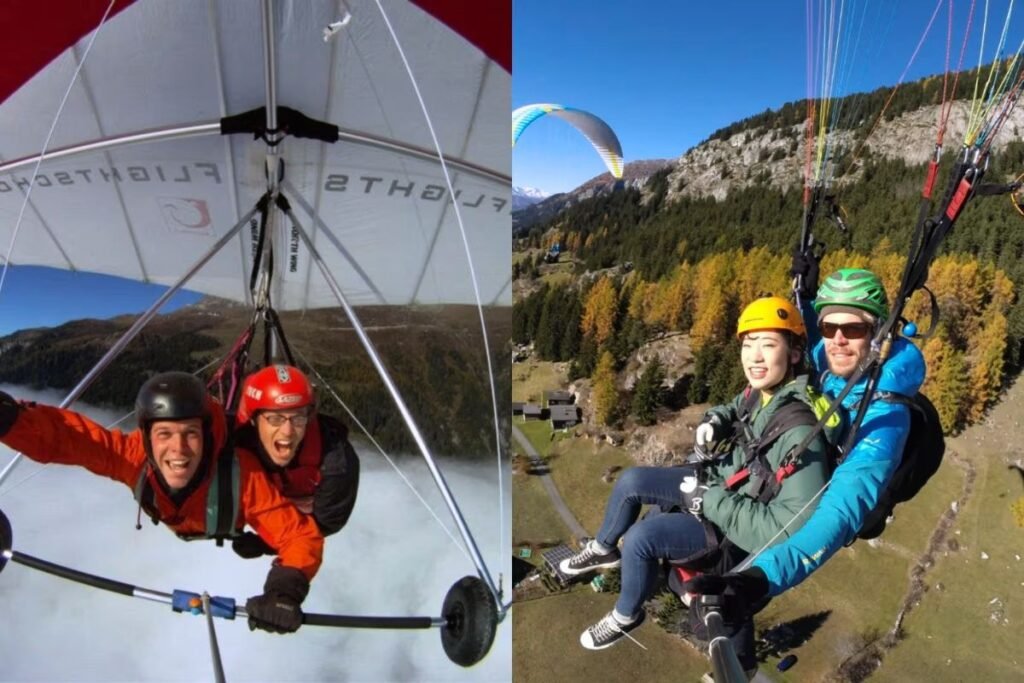
This is where personal preference matters most for Hang Gliding vs Paragliding. Hang gliding feels more like piloting a small aircraft. You gain speed quickly, make wide turns, and experience incredible stability. Therefore, thrill seekers often fall in love with it.
Paragliding, on the other hand, feels peaceful and relaxing. Instead of racing through the sky, you float quietly while enjoying panoramic scenery. Moreover, the slower pace gives you more time to appreciate every mountain, forest, and lake below.
Would you rather feel like a soaring eagle or drift peacefully like a cloud? Your answer may decide everything about Hang Gliding vs Paragliding.
Safety Comparison
Safety is one of the biggest concerns for anyone considering hang gliding vs paragliding, especially first-time flyers. The good news is that both sports have strong safety records when you fly with certified instructors, use well-maintained equipment, and follow established safety guidelines. However, weather conditions play a critical role in every flight.
Strong winds, turbulence, rain, or poor visibility can increase risks, which is why experienced operators carefully monitor weather forecasts before every takeoff. Hang gliders are generally more stable in stronger winds because their rigid wings provide better control and aerodynamic performance. In contrast, paragliders use flexible fabric canopies, making them more sensitive to sudden changes in wind and thermal activity.
Therefore, professional flight schools never operate when conditions are unsafe, regardless of the sport. Before booking your adventure, always choose a licensed operator with experienced pilots, modern safety equipment, and positive customer reviews. Ultimately, your safety depends far more on proper training, responsible decision-making, and suitable weather than on whether you choose hang gliding vs paragliding.
Which One Is Easier to Learn?
Hang Gliding vs Paragliding. For most beginners, paragliding wins this comparison. Because the equipment is lighter and the controls are simpler, many students complete their first training flights within just a few days. As a result, travelers often choose tandem paragliding during vacations.
Hang gliding requires more practice. Pilots must learn launch techniques, body positioning, and landing skills more carefully. However, experienced pilots often say the extra effort is worth it. If your goal is simply to enjoy flying during a holiday, paragliding offers a quicker path.
Cost Comparison
Your budget is an important factor when deciding between hang gliding vs paragliding, especially if you’re trying the sport for the first time. In general, paragliding is the more affordable option because the equipment is lightweight, easier to transport, and less expensive to maintain. Moreover, tandem paragliding flights are available in many popular tourist destinations, making it easy for beginners to enjoy the experience without investing in professional gear or lengthy training.
Hang gliding, on the other hand, usually comes with higher costs. The rigid wing, specialized equipment, transportation requirements, and longer training programs all contribute to the overall expense. Therefore, purchasing equipment or earning a hang gliding certification often requires a larger financial commitment.
However, many experienced pilots believe the extra investment is worthwhile because hang gliding offers greater speed, longer flight distances, and a more dynamic flying experience. Ultimately, whether you choose the budget-friendly simplicity of paragliding or the premium experience of hang gliding depends on your adventure goals and long-term interests.
However, many experienced pilots believe the investment delivers a unique flying experience that’s difficult to match.
Best Destinations for Hang Gliding
Choosing the right destination can make your first hang gliding experience even more memorable. While many countries offer excellent flying sites, a few locations have earned a global reputation for their breathtaking scenery, reliable weather conditions, and professional flight schools. Moreover, these destinations offer much more than adventure—you’ll also enjoy local culture, delicious food, and unforgettable landscapes.
Interlaken, Switzerland
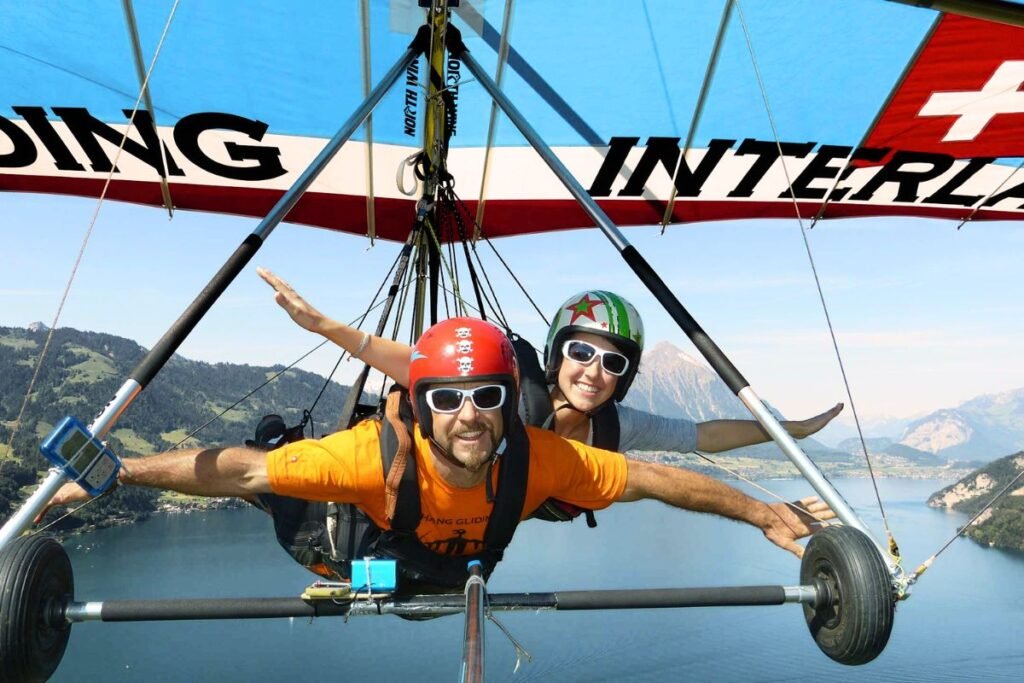
Nestled between two crystal-clear lakes and surrounded by the majestic Swiss Alps, Interlaken is one of the world’s most iconic hang gliding destinations. Stable mountain winds and experienced instructors make it suitable for both beginners and experienced pilots.
As you soar above snow-capped peaks, charming villages, and turquoise lakes, you’ll understand why photographers and adventure travelers return year after year. After your flight, explore cozy cafés, scenic hiking trails, or enjoy traditional Swiss cheese fondue while admiring the mountain views.
Queenstown, New Zealand
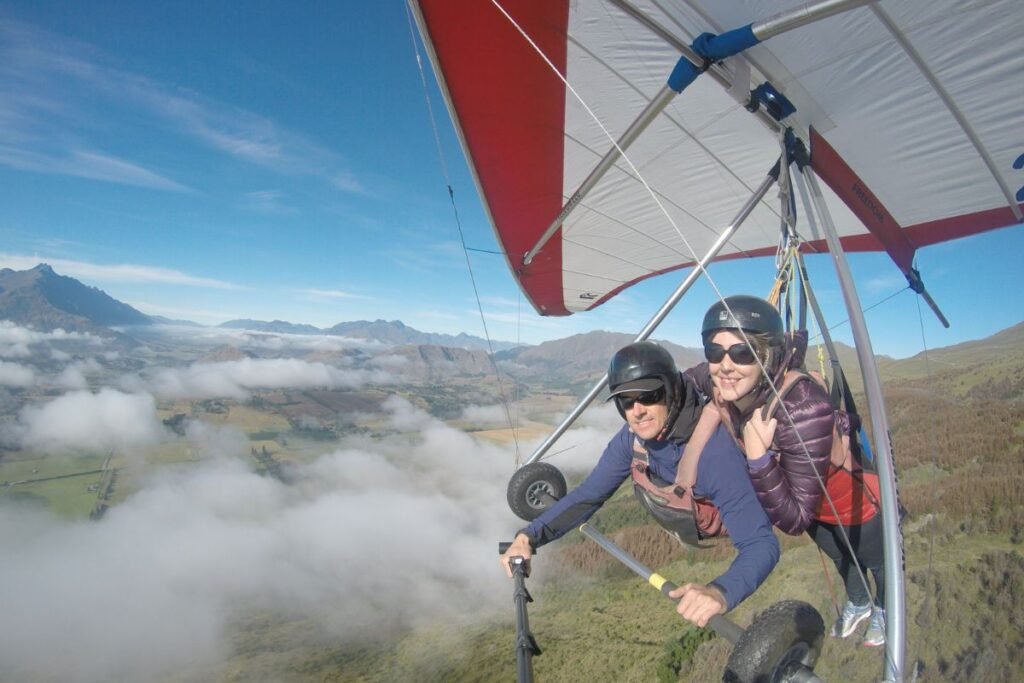
Often called the adventure capital of the world, Queenstown is a paradise for outdoor enthusiasts. The surrounding Remarkables mountain range, deep blue Lake Wakatipu, and strong thermal currents create excellent conditions for long, scenic flights.
Moreover, the region offers countless activities beyond hang gliding, including bungee jumping, jet boating, skydiving, and hiking. Local restaurants and lakeside cafés also make it easy to relax after an adrenaline-filled day.
Rio de Janeiro, Brazil
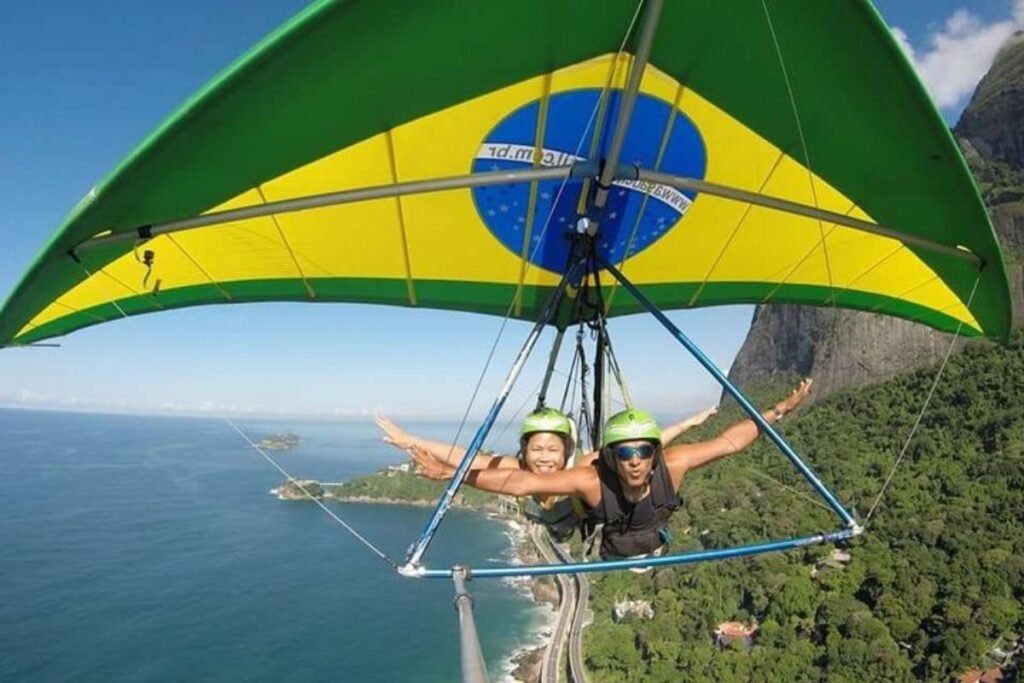
Few places combine city life, rainforest, and coastline as beautifully as Rio de Janeiro. Most hang gliding flights launch from Pedra Bonita, where pilots glide over the lush Tijuca Forest before landing on the golden sands of São Conrado Beach.
Therefore, every flight offers spectacular views of iconic landmarks, dramatic mountains, and the sparkling Atlantic Ocean. In addition, Rio’s lively culture, samba music, and famous Brazilian cuisine turn every adventure into a complete travel experience.
Valle de Bravo, Mexico
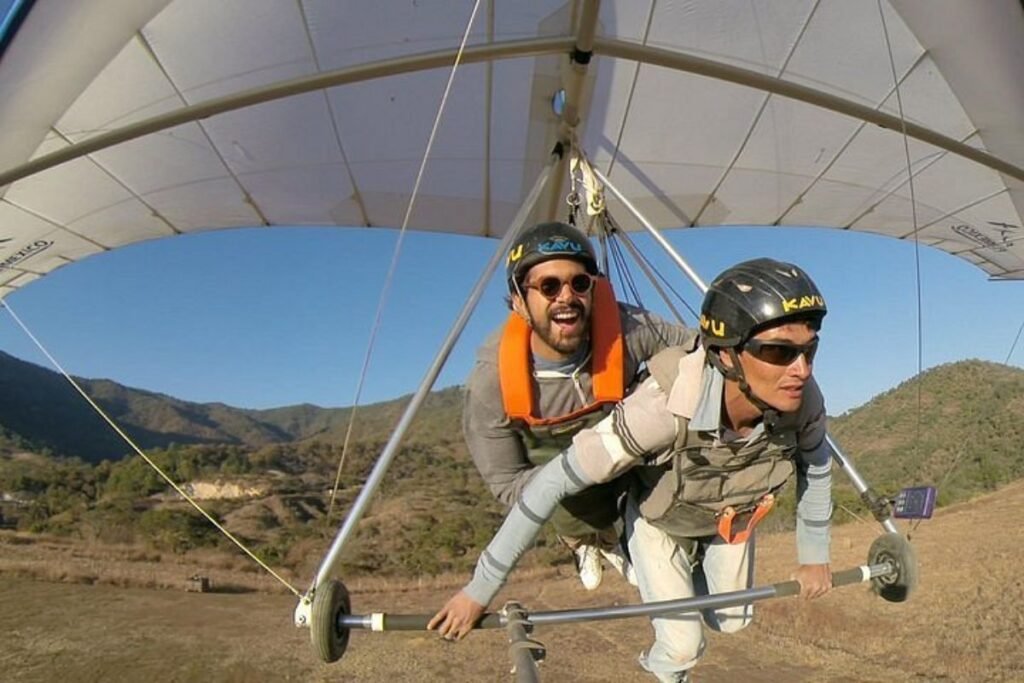
Located just a few hours from Mexico City, Valle de Bravo has become one of North America’s premier hang gliding destinations. Thanks to consistent thermals and favorable mountain weather, pilots can enjoy long cross-country flights throughout much of the year.
Meanwhile, the charming colonial town welcomes visitors with colorful streets, artisan markets, lakeside restaurants, and authentic Mexican dishes that perfectly complement an adventurous getaway.
Annecy, France
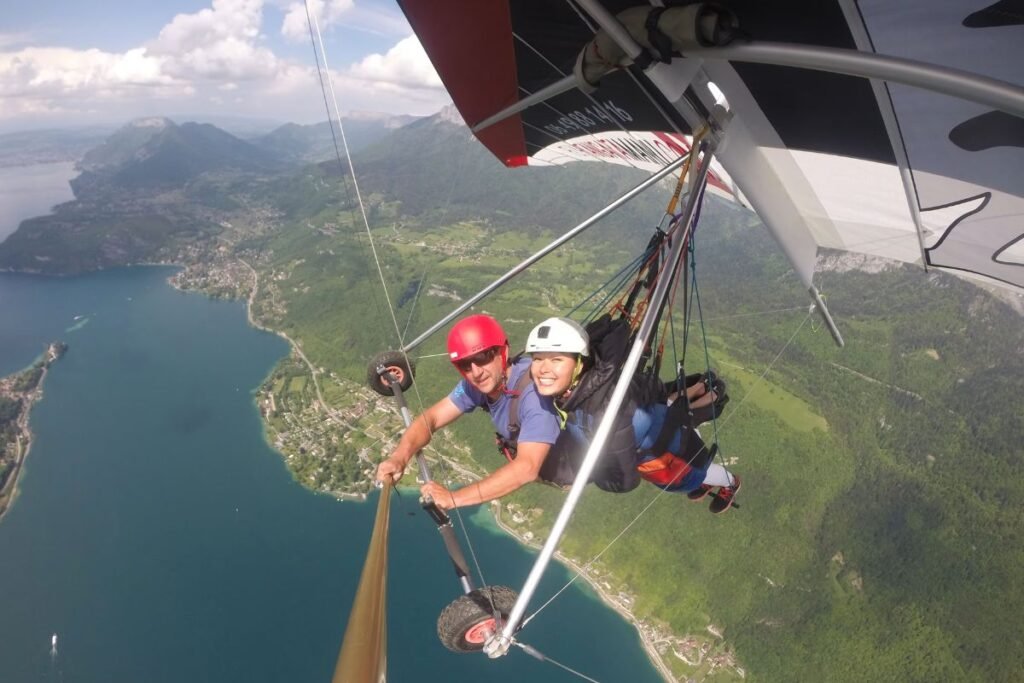
Annecy offers an unforgettable combination of Alpine mountains and one of Europe’s cleanest lakes. Flying above the emerald waters of Lake Annecy provides breathtaking panoramic views that attract adventure travelers from around the world.
Moreover, the town itself is famous for its canals, medieval architecture, and vibrant local markets. After landing, many visitors enjoy cycling around the lake or relaxing at waterfront cafés while soaking in the peaceful atmosphere.
Cape Town, South Africa
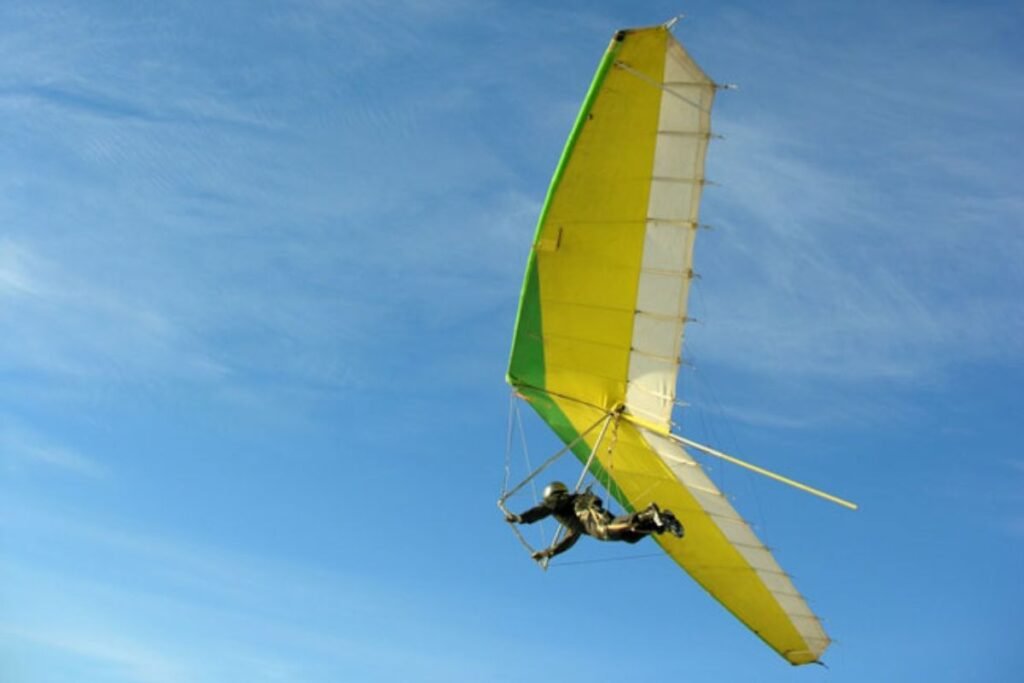
Cape Town delivers one of the most dramatic flying experiences on Earth. Depending on wind conditions, flights often launch from Signal Hill or nearby mountain sites overlooking Table Mountain, the Atlantic Ocean, and the city’s stunning coastline.
As a result, every flight feels like a scenic tour from the sky. Beyond hang gliding, visitors can explore beautiful beaches, wildlife reserves, local vineyards, and world-class seafood restaurants.
Kitty Hawk, North Carolina, USA
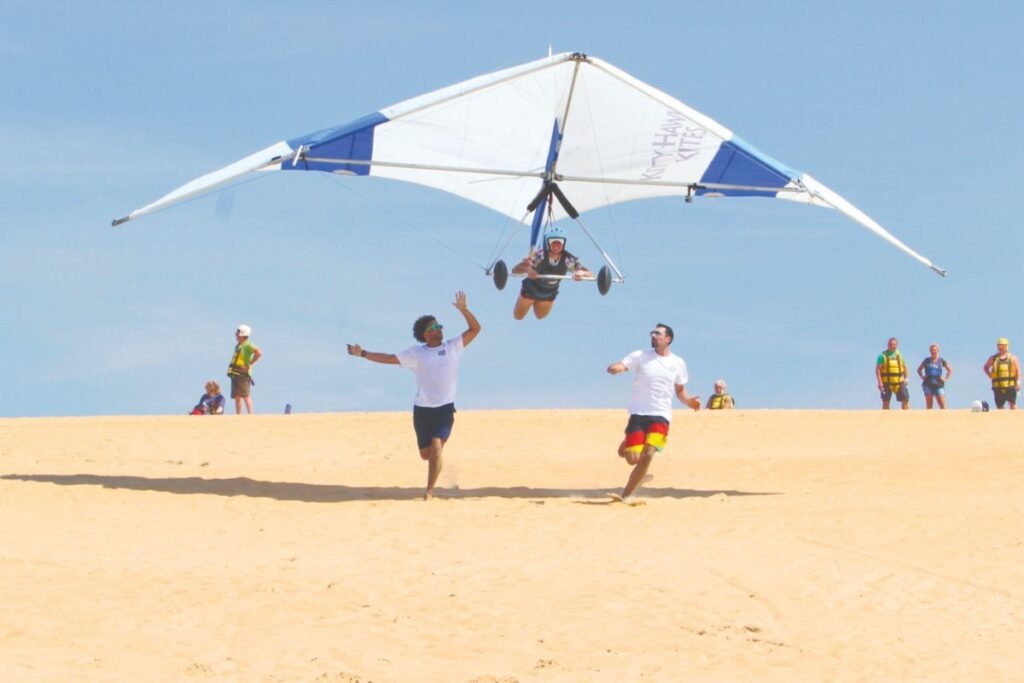
Known as the birthplace of powered flight, Kitty Hawk holds a special place in aviation history. Today, it remains one of the best locations for learning hang gliding, especially for beginners.
The soft sand dunes and steady coastal winds create ideal training conditions, while experienced instructors help first-time flyers build confidence. In addition, nearby museums and historical attractions make it an educational destination for aviation enthusiasts.
Best Destinations for Paragliding
Paragliding can transform an ordinary vacation into a once-in-a-lifetime adventure. From towering mountain ranges to stunning coastlines, some destinations offer ideal wind conditions, breathtaking scenery, and experienced instructors who make every flight both safe and unforgettable.
Moreover, these places allow you to experience local culture, delicious cuisine, and spectacular landscapes long after your feet touch the ground.
Oludeniz, Turkey
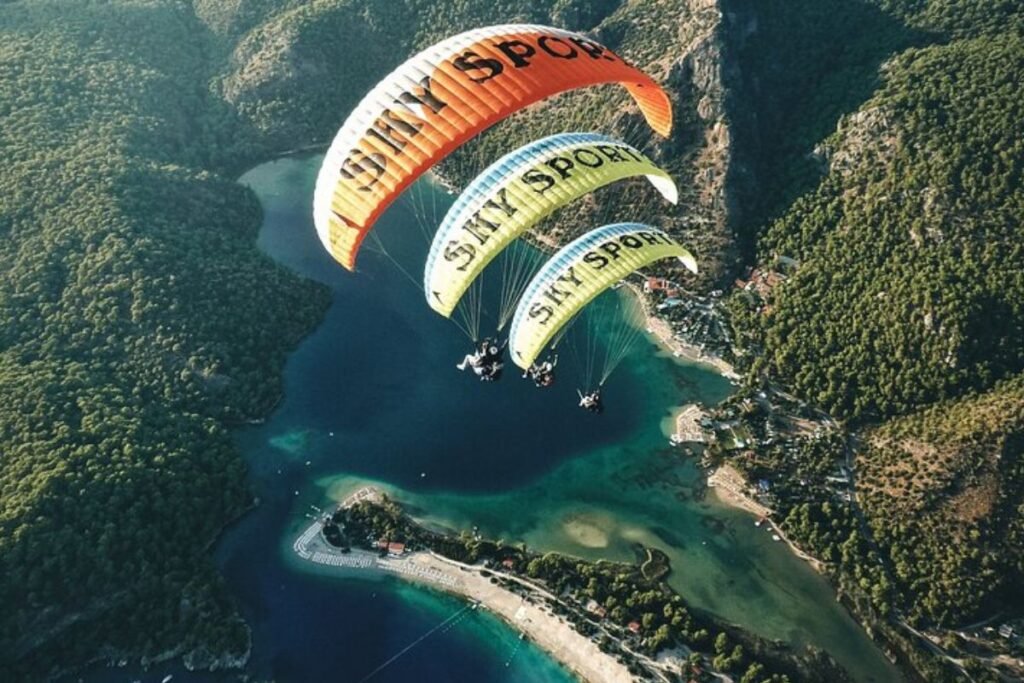
Oludeniz is widely considered one of the world’s premier paragliding destinations. Flights typically begin from Babadağ Mountain, rising more than 1,900 meters (6,200 feet) above sea level, before gliding toward the world-famous Blue Lagoon.
As you float through the sky, the turquoise Mediterranean Sea, white-sand beaches, and lush green mountains create postcard-perfect views in every direction. After landing, stroll along the beachfront promenade, enjoy fresh Turkish seafood, or relax with a traditional cup of Turkish tea while watching colorful paragliders fill the sky.
Pokhara, Nepal
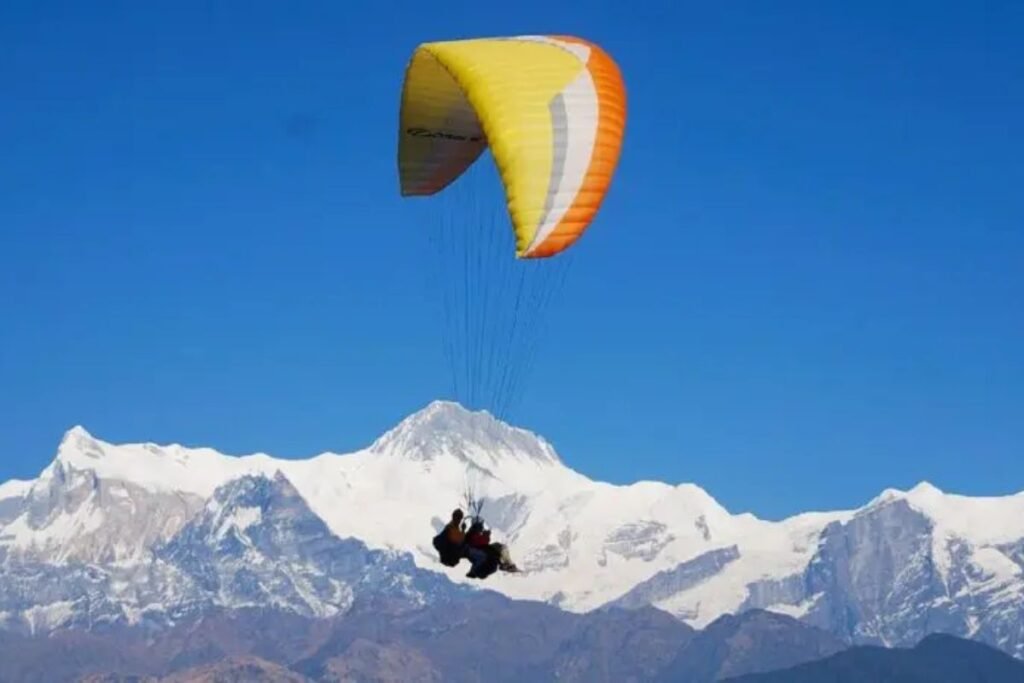
If you’ve ever dreamed of flying beside the Himalayas, Pokhara makes that dream a reality. The city sits beside the peaceful waters of Phewa Lake and offers panoramic views of the Annapurna mountain range, including the iconic Machapuchare (Fishtail Mountain).
Meanwhile, favorable thermal conditions provide long, smooth flights throughout much of the year. Beyond paragliding, visitors can explore Buddhist temples, paddle across the lake, sample authentic Nepali cuisine, and experience the warm hospitality that makes Pokhara one of Asia’s favorite adventure destinations.
Bir Billing, India
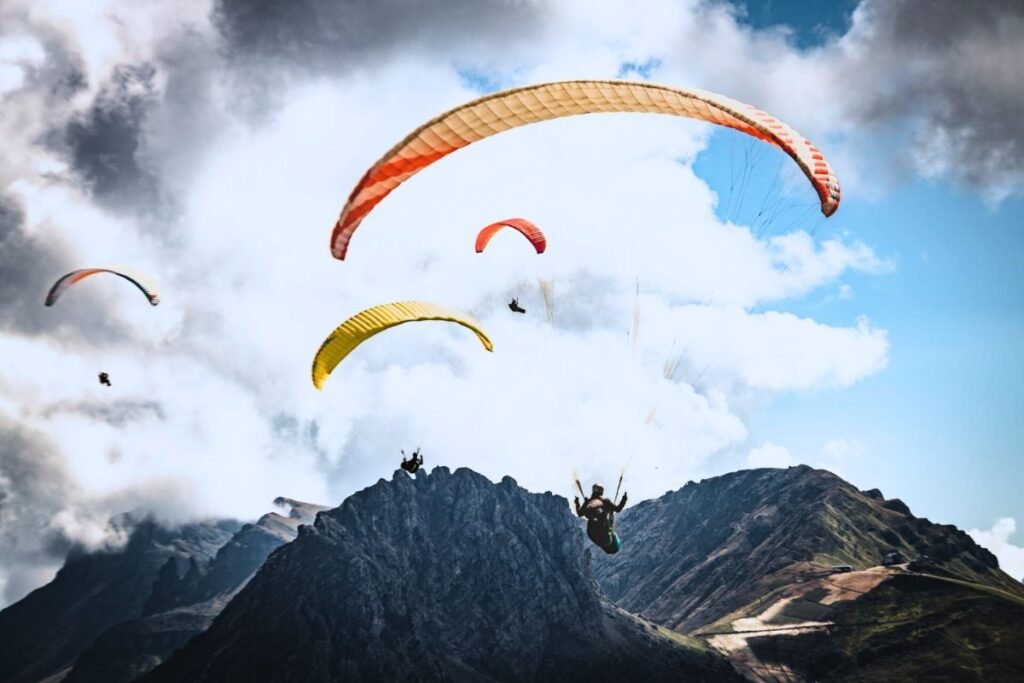
Nestled in the Himalayan foothills of Himachal Pradesh, Bir Billing has earned an international reputation as one of the world’s best paragliding sites. Known for its reliable thermals and excellent cross-country flying conditions, it regularly hosts international paragliding competitions.
Therefore, both beginners and experienced pilots travel here from around the globe. After your flight, wander through peaceful Tibetan monasteries, enjoy locally roasted coffee, or taste traditional Himachali dishes while soaking in the relaxed mountain atmosphere.
Queenstown, New Zealand
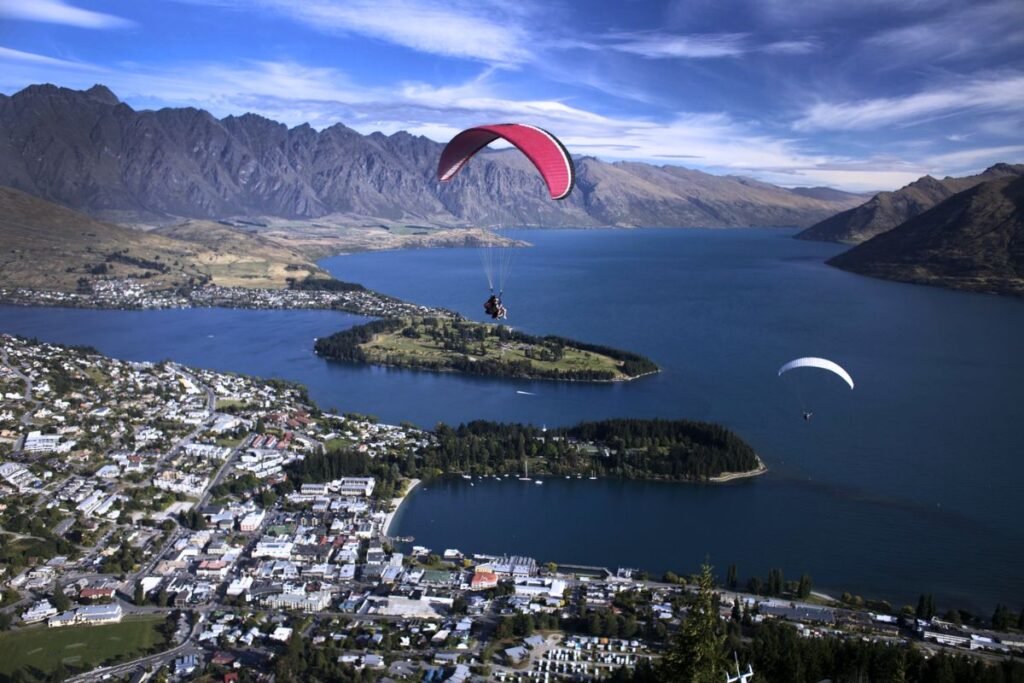
Although famous for bungee jumping and skydiving, Queenstown is also an outstanding destination for paragliding. Launching from nearby mountain peaks rewards visitors with incredible views of Lake Wakatipu, dramatic alpine landscapes, and rolling green valleys.
Moreover, experienced tandem pilots ensure that even first-time flyers can enjoy the experience with confidence. After landing, explore the lively town center, take a scenic lake cruise, or enjoy New Zealand’s renowned local cuisine.
Interlaken, Switzerland
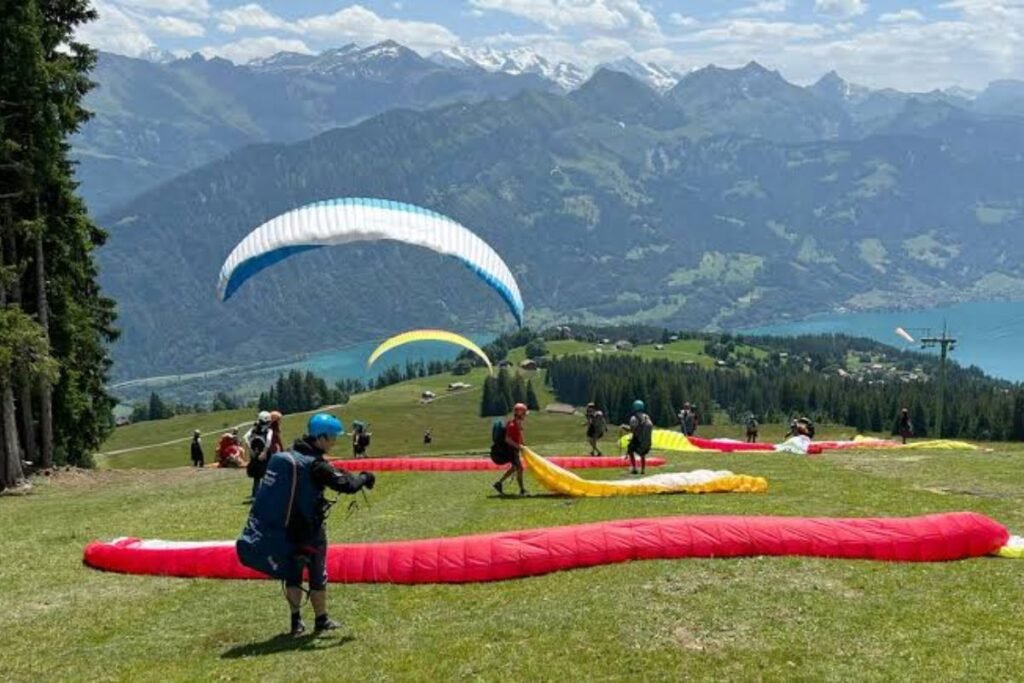
Interlaken offers one of Europe’s most spectacular paragliding experiences. Floating high above emerald lakes, charming Swiss villages, and the snow-covered Alps feels almost surreal.
Thanks to stable weather conditions and professional flight operators, it is an excellent destination for beginners as well as experienced adventurers. In addition, visitors can combine paragliding with hiking, mountain railways, and traditional Swiss food for the perfect Alpine holiday.
Valle de Bravo, Mexico
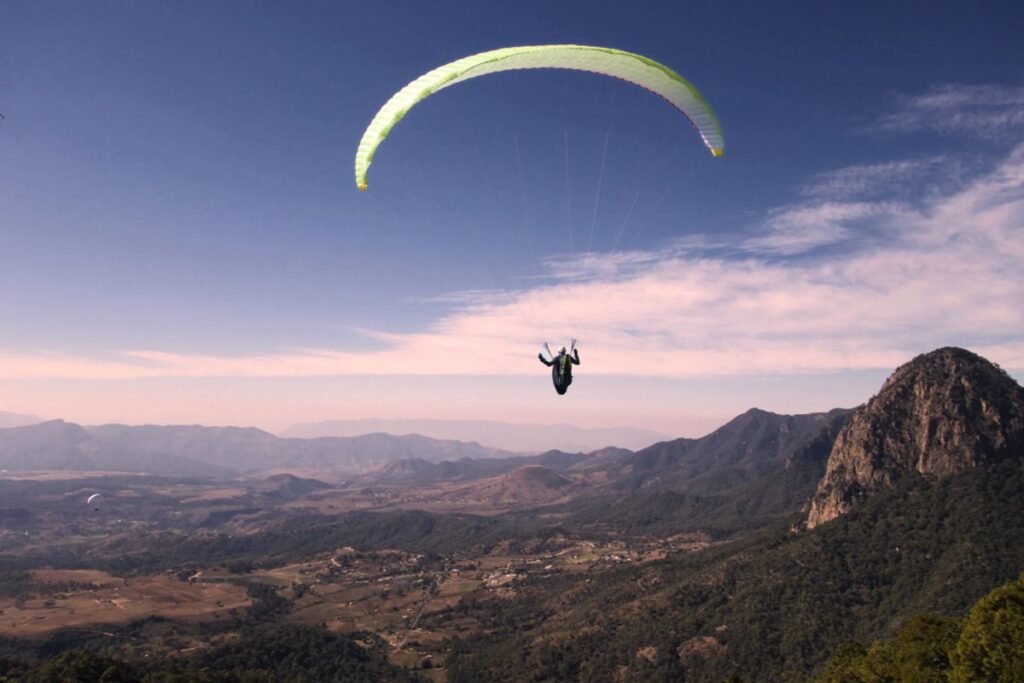
Located just a short drive from Mexico City, Valle de Bravo is one of Latin America’s most respected paragliding destinations. Consistent thermal conditions make it especially popular for long-distance flights and international competitions. Meanwhile, the charming lakeside town offers colorful colonial streets, artisan markets, and authentic Mexican cuisine that add even more character to your adventure.
Cape Town, South Africa
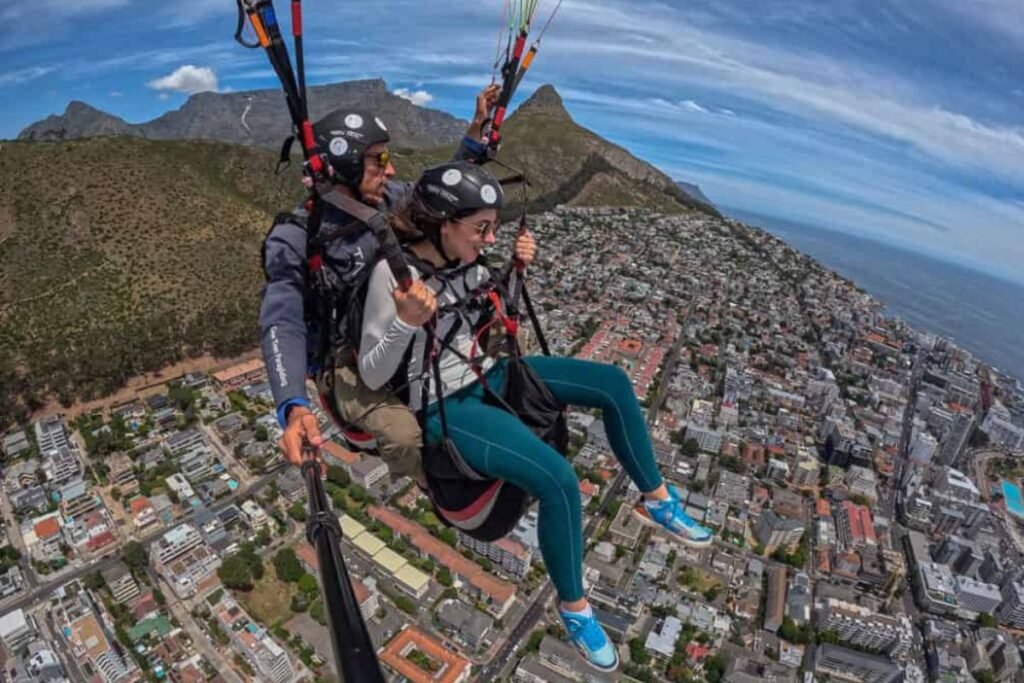
Cape Town combines mountain landscapes with breathtaking ocean views, making every paragliding flight unforgettable. Depending on weather conditions, flights often launch from Signal Hill or Lion’s Head, offering panoramic views of Table Mountain, the Atlantic coastline, and the vibrant city below. As a result, every flight feels like a scenic helicopter tour—only quieter and far more exhilarating.
Local Culture Makes the Experience Even Better
Flying may be the highlight of your journey, but it’s only one part of the adventure. After an unforgettable hang gliding vs paragliding flight, take time to explore the local culture that makes each destination truly unique. You’ll often find charming cafés, family-owned restaurants, colorful markets, and friendly communities eager to welcome visitors.
Moreover, many popular flying destinations host annual air sports festivals, bringing together pilots and adventure enthusiasts from around the world to share their passion and celebrate the thrill of flight. Food also plays an important role in the experience. After soaring through the sky, enjoying regional specialties or freshly prepared local dishes feels even more satisfying.
Whether you’re tasting Swiss cheese in Interlaken, authentic Turkish kebabs in Ölüdeniz, or traditional Himalayan cuisine in Pokhara, every meal adds another memorable chapter to your trip. As a result, these destinations offer much more than exciting flights—they provide a rich blend of adventure, culture, hospitality, and unforgettable travel experiences that you’ll remember long after you return home.
What Should You Wear for Hang Gliding vs Paragliding?
Wearing the right clothing can make your hang gliding vs paragliding adventure much safer and more comfortable. Since weather conditions often change at higher altitudes, it’s important to dress in layers. Choose comfortable sportswear or outdoor clothing that allows you to move freely without restricting your movements. Moreover, wear closed-toe hiking shoes or athletic shoes with a good grip, as they provide better stability during takeoff and landing.
Even if the weather feels warm on the ground, temperatures can be significantly cooler in the air. Therefore, carrying a lightweight windproof jacket is always a smart choice. Sunglasses with a secure strap will protect your eyes from bright sunlight and strong winds, while sunscreen helps prevent UV exposure during longer flights. In addition, avoid wearing loose scarves, large accessories, or flip-flops, as they may interfere with your safety equipment.
Most importantly, always follow your instructor’s clothing recommendations and safety instructions before takeoff. Being properly dressed allows you to relax, stay comfortable, and fully enjoy the breathtaking experience of flying high above stunning landscapes.
Tips for First-Time Flyers on Hang Gliding vs Paragliding
If this is your first flight, a few simple tips can make the experience even better.
- Book with certified adventure operators.
- Choose morning flights for calmer weather.
- Avoid heavy meals immediately before flying.
- Stay relaxed and trust your instructor.
- Bring a camera if allowed.
- Don’t forget to enjoy the view instead of only recording videos.
Most importantly, smile—you’ll remember this day for years.
Hang Gliding vs Paragliding: Which Is Right for You?
The answer depends entirely on your personality. If you love speed, technical flying, and longer-distance adventures, hang gliding may become your favorite sport.
However, if you prefer a peaceful flight, easy learning, lower costs, and convenient travel, paragliding is probably the better choice. Neither option is objectively better. Instead, each creates a unique kind of freedom above the earth.
Conclusion
When comparing hang gliding vs paragliding, there is no universal winner. Instead, each offers a different way to experience the incredible feeling of human flight.
If your dream is to race across mountain ridges with speed and precision, hang gliding may be your perfect match. However, if you want a calm, scenic adventure that combines breathtaking landscapes with gentle floating, paragliding is hard to beat.
Whichever you choose, one thing is certain: the moment your feet leave the ground, you’ll understand why so many travelers describe flying as one of life’s most unforgettable adventures.
FAQs – Hang Gliding vs Paragliding
Q1: Is hang gliding safer than paragliding?
Ans: Both activities are generally safe when operated by certified professionals under suitable weather conditions.
Q2: Which is cheaper?
Ans: Paragliding is usually more affordable because the equipment and training costs are lower.
Q3: Can beginners try hang gliding?
Ans: Yes. Most beginners start with tandem flights alongside certified instructors.
Q4: Which sport flies faster?
Ans: Hang gliding is significantly faster than paragliding.
Q5: Can children participate?
Ans: Many adventure operators allow teenagers and older children to enjoy tandem paragliding, provided they meet the required age and weight limits.
Q6: Which should I choose: hang gliding vs paragliding?
Ans: Choose hang gliding if you prefer speed, performance, and longer-distance flights. Choose paragliding if you value portability, easier learning, and a more relaxed flying experience.
Q7: What should I wear for a hang gliding vs paragliding flight?
Ans: Wear comfortable clothing, closed-toe shoes, sunglasses, and weather-appropriate layers. Safety gear such as a helmet is usually provided by the flight operator.
Q8: How long can a hang gliding vs paragliding flight last?
Ans: Flight duration depends on weather, wind, and pilot skill, but flights can range from a few minutes to several hours.
Q9: What weather conditions are best for hang gliding vs paragliding?
Ans: Calm winds, stable weather, and good visibility provide the safest flying conditions for both sports.
Q10: Do I need a license to go hang gliding vs paragliding?
Ans: Requirements vary by country. Many locations require training or certification before solo flights.