
 -by
-by The most memorable travel experiences are not always found at the destination everyone already knows. Sometimes, the better experience is a quieter beach, a small coastal town, an overlooked viewpoint, a local market, or a nature trail that receives far less attention than the headline attractions. These places can offer something many travelers are searching for: more space, stronger local character, and a slower way to experience a beach destination.
But there is an important catch. In travel, the phrase hidden gems is used so often that it can mean almost anything. A place does not need to be completely secret to be worthwhile, and a destination with few visitors is not automatically a good destination.
This guide explains what makes a place genuinely underrated, how to find lesser-known destinations safely, how to evaluate them before traveling, and how to explore them without harming the communities or environments that make them special. You will also find practical examples, planning strategies, mistakes to avoid, and ideas for discovering your own hidden corners of the world.
What Are Hidden Gems?
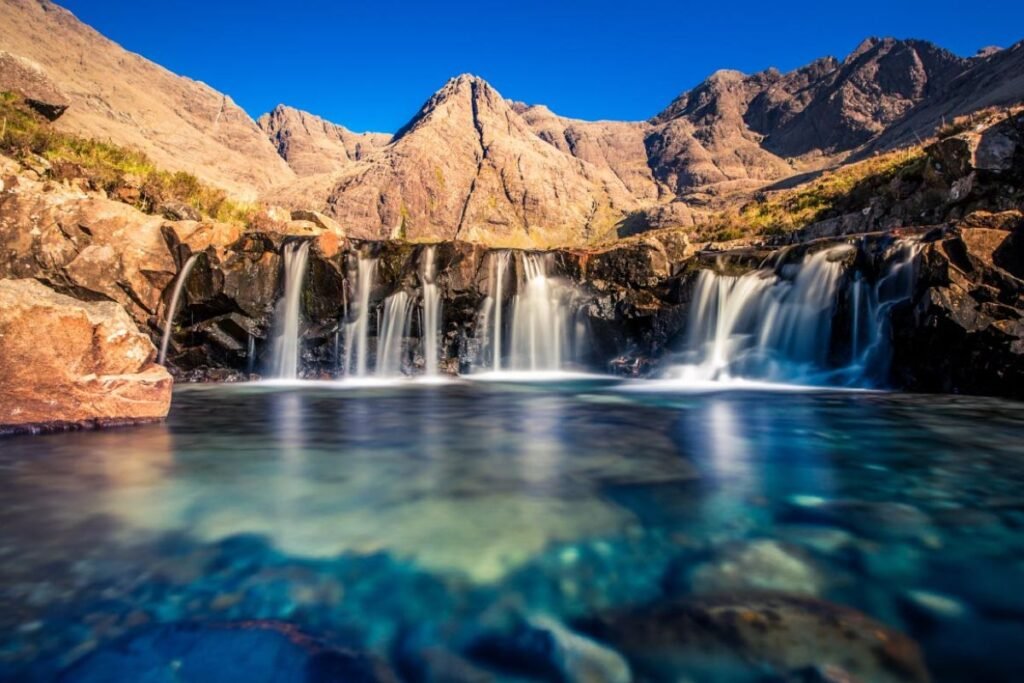
Hidden gems are places, experiences, or attractions that offer meaningful value but receive less attention than more famous alternatives. They may be quiet beaches, overlooked towns, local food spots, historic neighborhoods, nature areas, scenic viewpoints, or cultural experiences. They are not necessarily secret; rather, their appeal is often underestimated or overlooked by mainstream tourism.
The term can describe several different things:
- A destination that receives relatively little international attention
- A quieter alternative near a famous attraction
- A local neighborhood outside the main tourist district
- A small beach away from a major resort area
- A cultural or historical site that visitors frequently overlook
- A seasonal attraction that is quieter at certain times
- A memorable local experience that does not appear on standard itineraries
That distinction matters because less famous does not automatically mean better. A remote location may have beautiful scenery but poor transportation, limited medical services, difficult weather, or environmental restrictions. The goal is not simply to travel somewhere obscure. The goal is to find a place that matches your interests, abilities, budget, and expectations.
Why Travelers Search for Hidden Gems
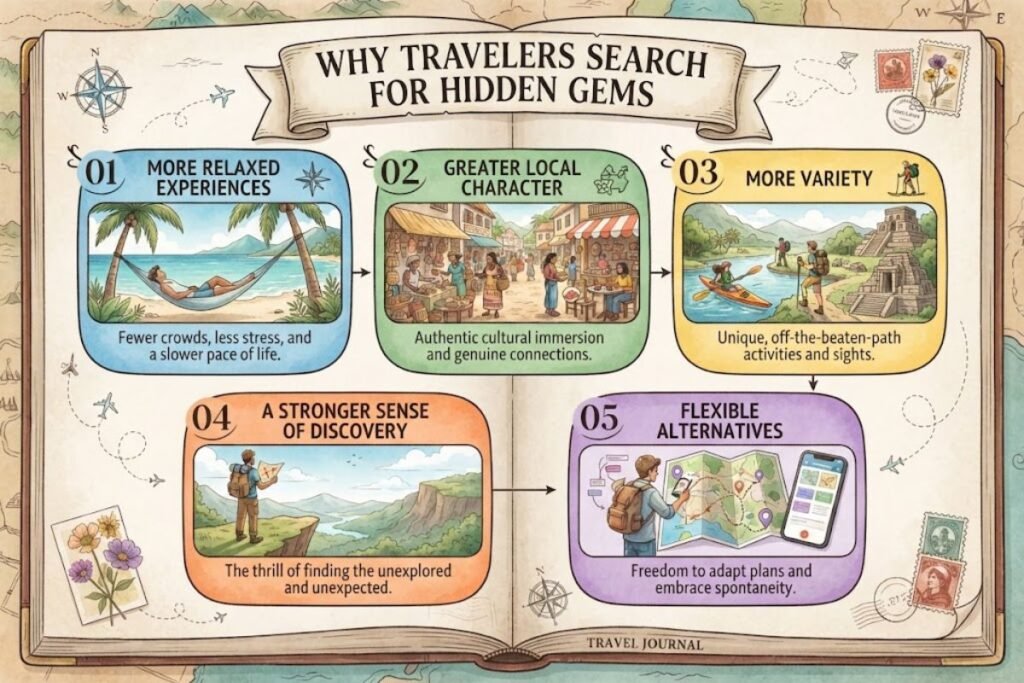
Travelers look beyond famous attractions for many different reasons. Some want to avoid crowds, while others want a more local experience. For some people, the attraction is the adventure of finding somewhere that does not appear on every standard itinerary.
There is also a practical reason to explore alternatives. A famous destination can be excellent while still being difficult during peak periods because of queues, congestion, limited availability, or higher demand. A nearby alternative may provide a different experience without requiring you to abandon the region altogether.
Travel + Leisure has similarly highlighted the appeal of under-the-radar destinations for travelers seeking fewer crowds, deeper cultural experiences, and alternatives to heavily visited locations.
The main benefits
01. More relaxed experiences
A quieter location can give you more time to appreciate scenery, architecture, food, or nature without constantly navigating crowds.
02. Greater local character
Smaller communities and less commercialized neighborhoods can sometimes provide a closer connection to everyday life.
03. More variety
Once you stop focusing only on famous attractions, your trip can include beautiful beaches, villages, markets, trails, museums, famous food experiences, and landscapes that you might otherwise miss.
04. A stronger sense of discovery
Finding a worthwhile place yourself can make a trip feel personal rather than simply following a checklist.
05. Flexible alternatives
If your preferred destination is crowded, expensive, or fully booked, a nearby alternative may give you another way to enjoy the same region.
However, these benefits are not guaranteed. Research remains important, particularly when a destination has limited infrastructure.
Hidden Does Not Mean Secret
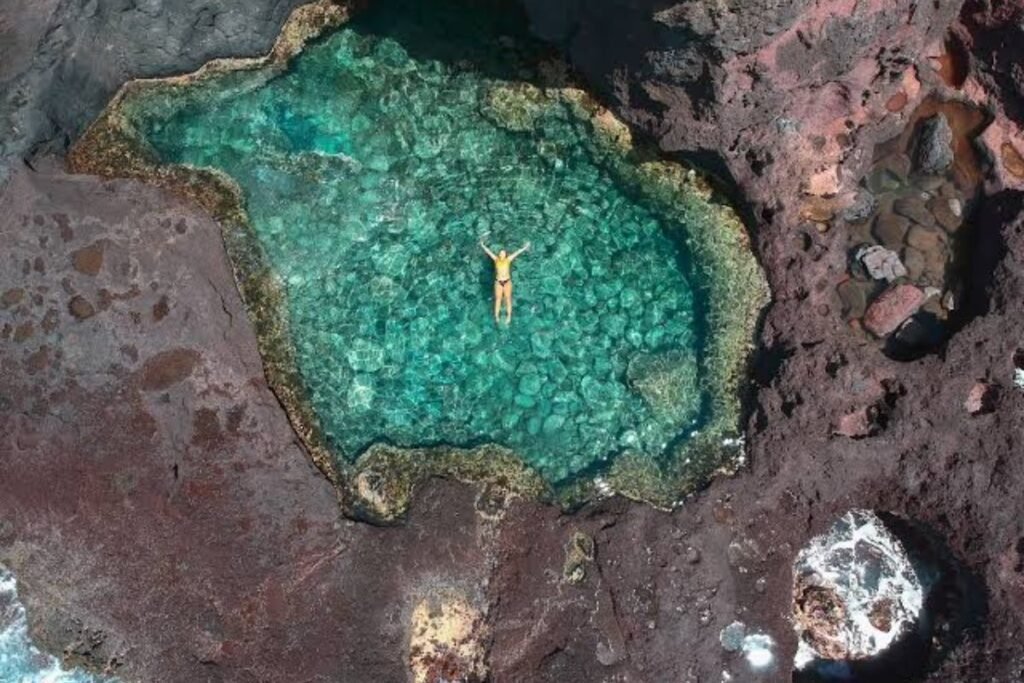
One of the biggest misconceptions about hidden gems is that they must be completely unknown. That is unrealistic in the age of online maps, travel blogs, social media, review platforms, and satellite imagery. A beach that appears in several travel guides is no longer truly secret, even if it remains relatively quiet. A better way to think about the term is “underappreciated.”
For example, consider three places:
| Type | What it means | What to expect |
| Famous destination | Widely recognized and heavily promoted | More visitors and established tourism infrastructure |
| Underrated destination | Valuable but receives less attention | Often a balance of accessibility and tranquility |
| Truly remote place | Difficult to reach or rarely visited | Limited facilities and potentially greater planning requirements |
This distinction helps travelers make better decisions. A remote beach might sound more exciting than a quiet beach near a well-serviced town. Yet for a family with young children, the second option could be much more practical. In other words, the best hidden gem is the one that fits your trip—not necessarily the one with the fewest visitors.
Different Types of Hidden Gems
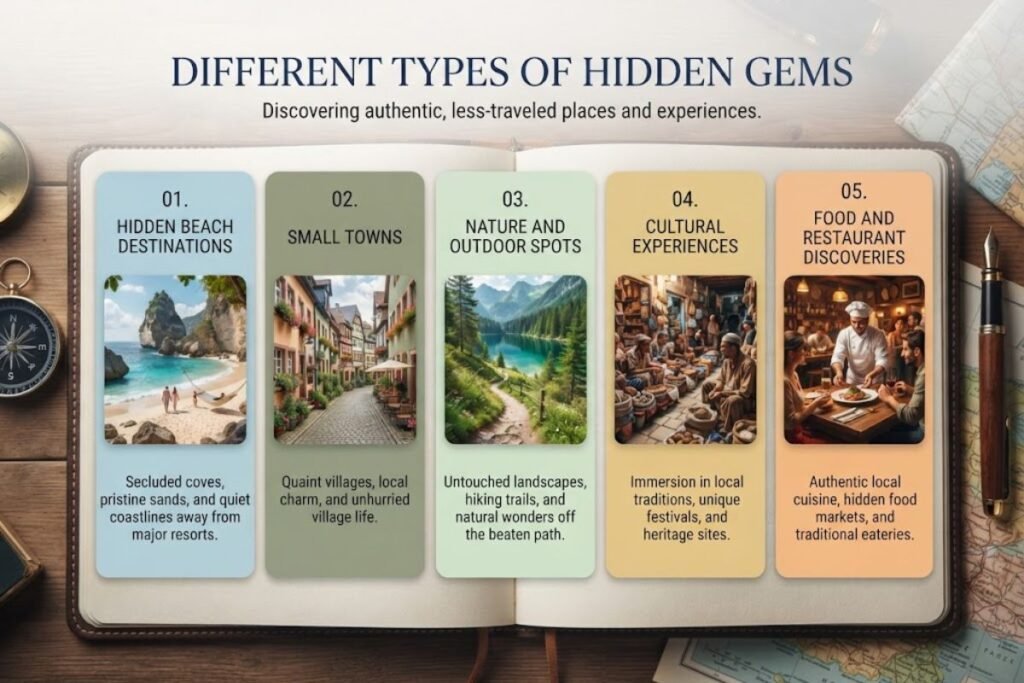
There is no single category of lesser-known destination. You can find them almost anywhere.
01. Hidden Beach Destinations
For a beach-focused website such as Beach Near, coastal discoveries are especially relevant.
A quieter beach may be located:
- Around the corner from a famous shoreline
- On a less-developed section of an island
- Near a small fishing community
- Along a coastal hiking route
- Outside a major resort district
- In a protected natural area
However, travelers should never assume that a secluded beach is automatically safe for swimming. Tides, currents, waves, weather, lack of lifeguards, and difficult access can create risks. Beach conditions can also change seasonally. Always check current local guidance before entering the water.
If you enjoy exploring different coastal environments, our guide to white sand beaches is a useful companion for comparing classic beach destinations with quieter coastal alternatives.
02. Small Towns
A small town can become a destination in its own right when it offers distinctive architecture, food, history, crafts, landscapes, or cultural traditions. Instead of staying in a major city, consider looking at nearby towns that are connected by rail, road, ferry, or regional transport. The advantage is often not a particular attraction. It is the combination of ordinary details: a local café, a market, an old street, a family-run shop, or a quiet public square.
03. Nature and Outdoor Spots
Nature-based hidden gems can include:
- Lesser-known hiking trails
- Quiet lakes
- Forest paths
- Regional parks
- Scenic overlooks
- Wetlands
- Caves
- Waterfalls
- Coastal viewpoints
These locations require extra responsibility. A low-traffic trail may have limited signage, poor mobile reception, or no nearby services. Before visiting, check official park or local authority information where available.
04. Cultural Experiences
Some of the most valuable discoveries are not physical attractions.
Examples include:
- Local cooking classes
- Traditional craft workshops
- Community festivals
- Small museums
- Neighborhood food markets
- Independent galleries
- Regional music performances
- Locally guided walking tours
These experiences can also direct spending toward local businesses and residents. UNESCO emphasizes that sustainable tourism works best when local communities are meaningfully involved and benefit from tourism rather than being treated simply as part of the scenery.
05. Food and Restaurant Discoveries
A restaurant does not need international recognition to be memorable. A neighborhood restaurant, bakery, food stall, seafood counter, or family-run café may introduce travelers to dishes that are more closely connected to local eating habits than standardized tourist menus.
When searching for local food, look beyond influencer lists. Regional newspapers, local tourism organizations, community recommendations, and recent reviews can provide useful clues. For coastal travelers, you can also explore Beach Near’s guide to coastal restaurants in the USA when planning a trip that combines beaches and local dining.
How to Find Hidden Gems Before Your Trip
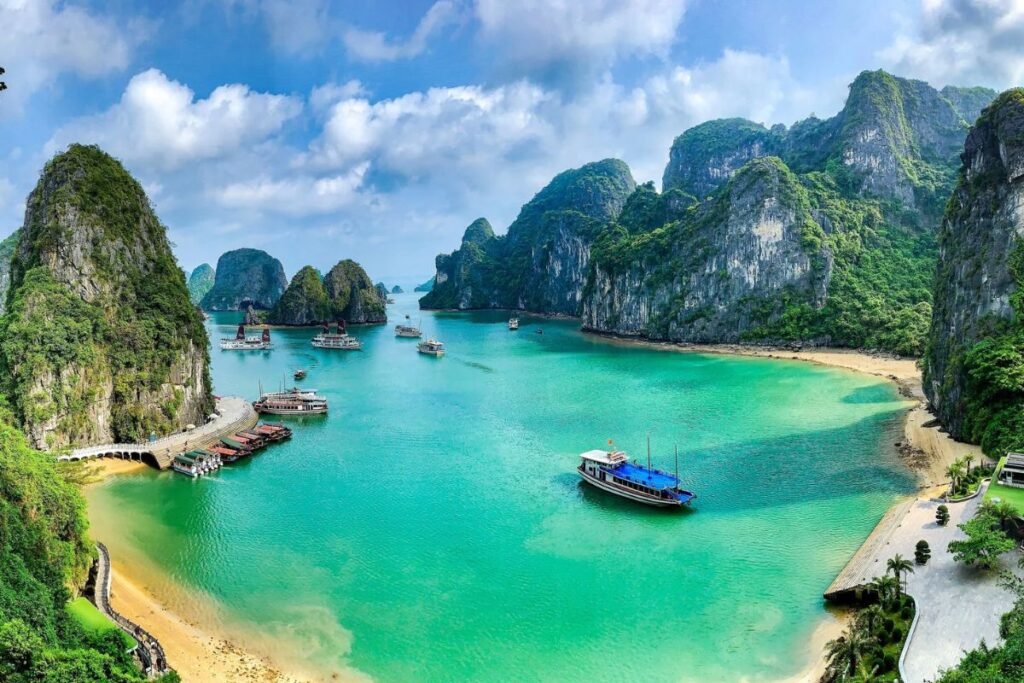
Finding lesser-known places is partly research and partly curiosity. You do not need a complicated system, but you should use several sources rather than trusting a single list.
Step 01: Start With a Famous Destination
This may sound counterintuitive, but popular destinations can be excellent starting points.
Suppose you want to visit a famous beach city. Instead of asking only, “What are the best attractions?” ask:
- What is 30–60 minutes away?
- Which neighboring towns receive fewer visitors?
- Are there regional parks nearby?
- Are there public beaches outside the main resort area?
- Which neighborhoods do residents recommend?
- What do people visit outside the main season?
This turns a destination into a wider search area.
Step 02: Look at a Map
Maps are one of the simplest research tools available.
Look for:
- Small beaches
- Local parks
- Historic districts
- Nature reserves
- Scenic roads
- Viewpoints
- Independent businesses
- Museums
- Markets
- Walking trails
Do not assume every location shown on a map is publicly accessible. Some places may be private property, environmentally sensitive areas, or restricted sites.
Step 03: Read Recent Reviews Carefully
Reviews can reveal details that destination marketing does not.
Look for repeated comments about:
- Parking
- Crowds
- Road conditions
- Accessibility
- Opening hours
- Seasonal closures
- Water conditions
- Cleanliness
- Facilities
- Construction
- Local restrictions
Give more weight to recent information when conditions can change.
Step 04: Check Official Sources
For parks, beaches, protected areas, heritage sites, and public facilities, official sources should take priority over random social posts.
Look for:
- Government tourism websites
- National park authorities
- Municipal websites
- Protected-area authorities
- Official transport operators
- Heritage organizations
- Local tourism boards
This is especially important for rules, closures, permits, weather-related restrictions, and access conditions.
Step 05: Compare Multiple Sources
A useful destination should survive basic verification. If one social media post claims a place is “completely secret,” but dozens of recent reviews show heavy crowds, treat the description skeptically. Likewise, if a beautiful location repeatedly receives complaints about difficult access, that information should influence your planning.
How to Evaluate a Hidden Gem
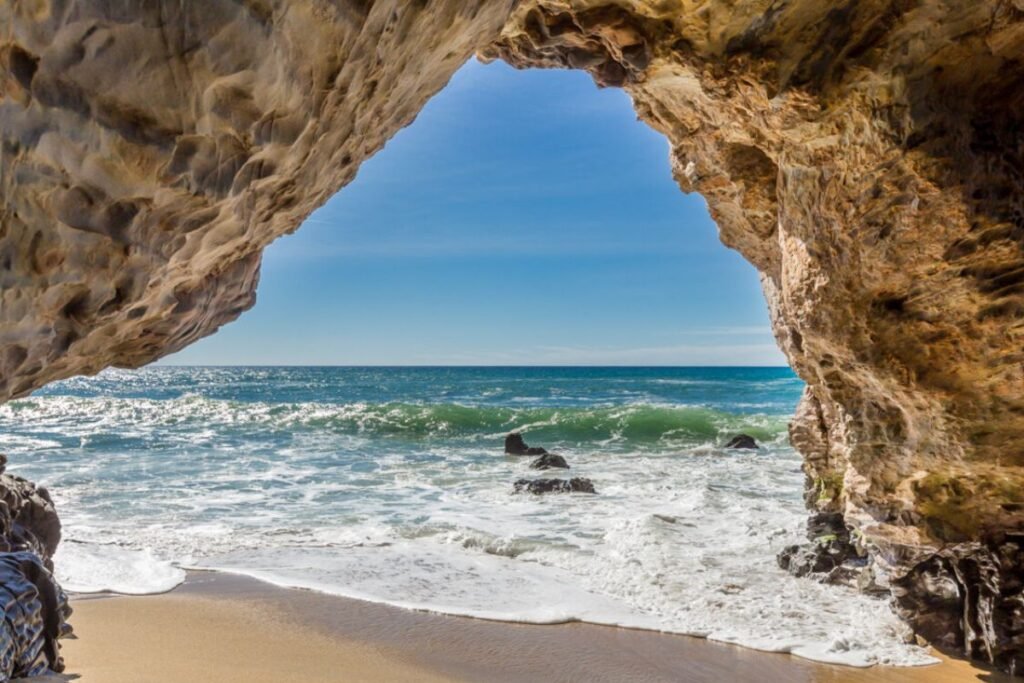
Before adding a lesser-known place to your itinerary, evaluate it across five areas.
Accessibility
Ask:
- How will I get there?
- Is public transportation available?
- Is a private vehicle necessary?
- Is a boat transfer required?
- Is the final section a hike?
- Can I return safely before dark?
Safety
Check:
- Weather
- Tides
- Road conditions
- Wildlife warnings
- Water conditions
- Local regulations
- Emergency services
- Mobile connectivity
Remote does not mean dangerous, but remoteness can make ordinary problems harder to solve.
Facilities
A quiet destination may have:
- No public toilets
- Limited food
- Little shade
- No lifeguard
- Few accommodations
- Limited transportation
- Limited medical access
That may be perfectly acceptable for experienced travelers but unsuitable for others.
Environmental sensitivity
Ask whether the location is:
- Protected
- Wildlife habitat
- Culturally significant
- Vulnerable to erosion
- Subject to visitor limits
A place can be beautiful precisely because it has not been heavily developed. Visitors should not contribute to the pressure that destroys that quality.
Community impact
Consider who benefits from your visit. UNESCO’s sustainable tourism guidance specifically recommends engaging local businesses and communities and creating opportunities for local people to benefit economically from tourism. That can mean choosing a locally owned guesthouse, eating at a local restaurant, hiring a qualified local guide, or purchasing appropriate locally made products.
Hidden Gems vs. Popular Destinations
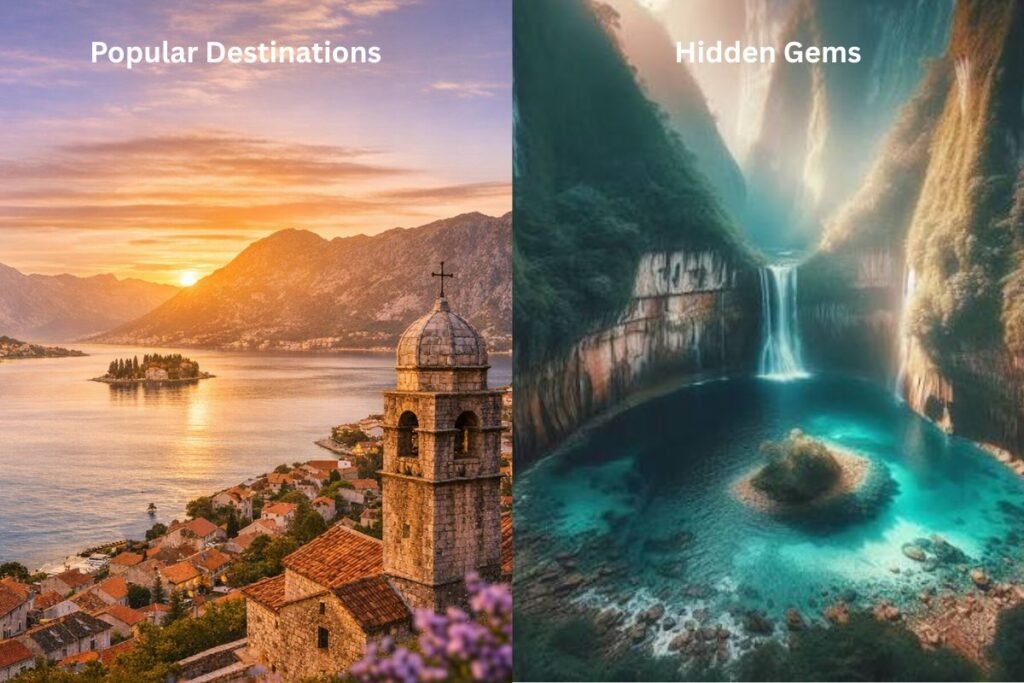
Choosing between a famous attraction and a lesser-known alternative is not a simple “quiet is better” decision.
| Factor | Popular destination | Lesser-known destination |
| Recognition | Very high | Lower |
| Infrastructure | Often extensive | Can be limited |
| Crowds | Usually higher | Often lower, but not guaranteed |
| Planning | Usually easier | May require more research |
| Local character | Varies | Can feel more community-oriented |
| Services | More choices | Fewer choices |
| Accessibility | Often easier | May be more difficult |
| Risk of over-tourism | Can be significant | Often lower, but growth can change this |
| Discovery factor | Lower | Higher |
The ideal strategy for many travelers is not choosing one over the other. Instead, combine them. Visit one major attraction and then spend another day exploring the surrounding region. This gives you the satisfaction of seeing an iconic place without making the entire trip dependent on crowded tourist hubs.
How to Find Hidden Beach Gems
For travelers who love coastal destinations, use a slightly different research process.
Search beyond the main beach.
If a destination is famous for one beach, look at the neighboring coastline.
Search for terms such as:
- Quiet beaches near [destination]
- Less crowded beaches near [destination]
- Local beaches near [destination]
- Secluded beaches accessible by public transport
- Coastal trails near [destination]
- Family-friendly quiet beaches
- Sunrise beaches near [destination]
Do not rely on the word “secret.” Search intent is often better served by practical terms such as “quiet,” “less crowded,” or “local.”
Check access before going
A beach that looks perfect on a map may be accessible only by boat, private property, difficult trails, or roads that are unsuitable for your vehicle. Verify the route before leaving.
Research tides and conditions
For coastal trips, timing can matter. A beach may look completely different at high and low tide. Some coastal routes can also become unsafe when water levels rise. If the destination is tidal or exposed, consult current local guidance rather than relying on an old travel article.
Respect beach ecosystems
Do not remove shells, coral, plants, rocks, or other natural material where local rules prohibit it. Keep wildlife at a respectful distance, stay on designated paths when required, and take your waste with you.
How Technology Helps You Discover Better Places
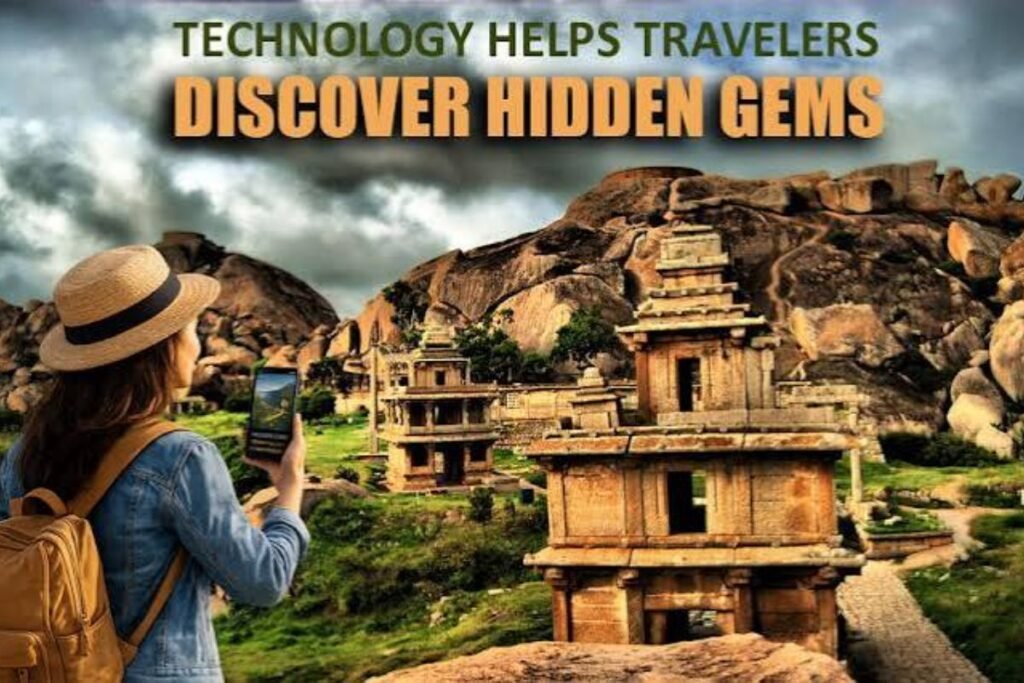
Although travel discovery is ultimately about places and people, technology can make research much easier.
Digital maps
Online maps help identify smaller roads, trails, viewpoints, beaches, parks, and businesses that may not appear in traditional guidebooks. However, map data is not always perfect. A marked trail may be poorly maintained, and a business listing may be outdated. Use maps as a starting point, not the final authority.
Satellite imagery
Satellite views can help you understand:
- Coastline shape
- Parking areas
- Nearby development
- Road access
- Distance from towns
- Surrounding terrain
This is particularly useful for remote coastal areas.
Weather and marine apps
Weather applications can help with:
- Rain
- Wind
- Temperature
- Storm conditions
- Visibility
For beaches and boating, consult appropriate marine or local authority information as well.
Translation tools
Translation apps can make communication easier when traveling internationally. Still, technology should not replace basic cultural awareness. Learn a few local phrases where practical, and do not assume automated translations capture every cultural nuance.
Offline information
If you are traveling somewhere remote, download maps, reservation details, addresses, transport information, and emergency contacts before leaving reliable internet coverage. This small step can make a major difference when connectivity disappears.
How Professionals Can Use Hidden Gems Strategically

Hidden destinations are not only relevant to leisure travelers. Tourism professionals can use the concept to develop more balanced destination strategies.
For travel writers
Instead of producing another generic list, focus on:
- Why the place matters
- Who it suits
- How to reach it
- When to visit
- What limitations exist
- How visitors should behave
This creates more useful content than simply calling every location “secret.”
For tourism marketers
Promoting lesser-known destinations can help distribute visitor activity, but promotion should be coordinated with capacity. UNESCO notes that tourism development needs destination-level planning and stakeholder participation, particularly when natural and cultural heritage is involved. Marketing a fragile location without considering infrastructure can create the exact problem the campaign was meant to solve.
For accommodation providers
Local accommodation businesses can create value by helping guests discover nearby experiences rather than directing everyone toward the same famous attractions.
Useful additions include:
- Local walking maps
- Seasonal recommendations
- Local restaurant guides
- Community events
- Public transportation information
- Responsible travel advice
For destination managers
A destination should consider not only visitor numbers but also visitor behavior, local quality of life, infrastructure, environmental pressure, and community participation. UNESCO’s sustainable tourism framework emphasizes balancing tourism with heritage protection and local community needs.
Common Mistakes Travelers Make
Mistake 01: Believing every “secret” location is secret
A place repeatedly promoted online may already be popular.
Better approach: Think in terms of relative popularity rather than secrecy.
Mistake 02: Ignoring access conditions
Beautiful photographs rarely show the entire journey.
Better approach: Research the last kilometer, not just the destination.
Mistake 03: Assuming quiet means safe
A beach without crowds may also lack lifeguards and emergency services.
Better approach: Assess conditions before visiting.
Mistake 04: Visiting without checking local rules
Protected areas can have restrictions on swimming, camping, fires, drones, fishing, collecting natural materials, or entering certain zones.
Better approach: Check official rules before arrival.
Mistake 05: Treating local communities as attractions
A village is someone’s home, not a theme park.
Better approach: Ask permission before photographing people, respect privacy, and spend money thoughtfully.
Mistake 06: Revealing fragile locations carelessly
Publicizing exact coordinates of a vulnerable natural site can contribute to sudden overcrowding.
Better approach: Share responsibly when a location has ecological or cultural sensitivity.
Mistake 07: Expecting luxury everywhere
A lesser-known destination may not have five-star facilities.
Better approach: Decide what level of comfort you actually need before choosing your destination.
A Simple Hidden-Gem Planning Method
If you are a beginner, use this seven-step process.
01. Choose your main destination
Pick a city, island, beach region, or country that interests you.
02. Identify three alternatives
Find three nearby places that receive less mainstream attention.
03. Verify access
Check transportation, roads, walking distances, opening hours, permits, and seasonal restrictions.
04. Check current conditions
Look at recent reviews and official updates.
05. Evaluate safety
Consider weather, terrain, water, transport, communications, and emergency access.
06. Build a realistic itinerary
Do not pack five remote places into one day. Travel time often takes longer than expected.
07. Leave room for discovery
The best travel plans are structured enough to work but flexible enough to change.
A useful itinerary might look like this:
Morning: Famous attraction
Afternoon: Local neighborhood or small town
Evening: Independent restaurant or coastal viewpoint
This approach provides both iconic experiences and less obvious discoveries.
How to Explore Responsibly
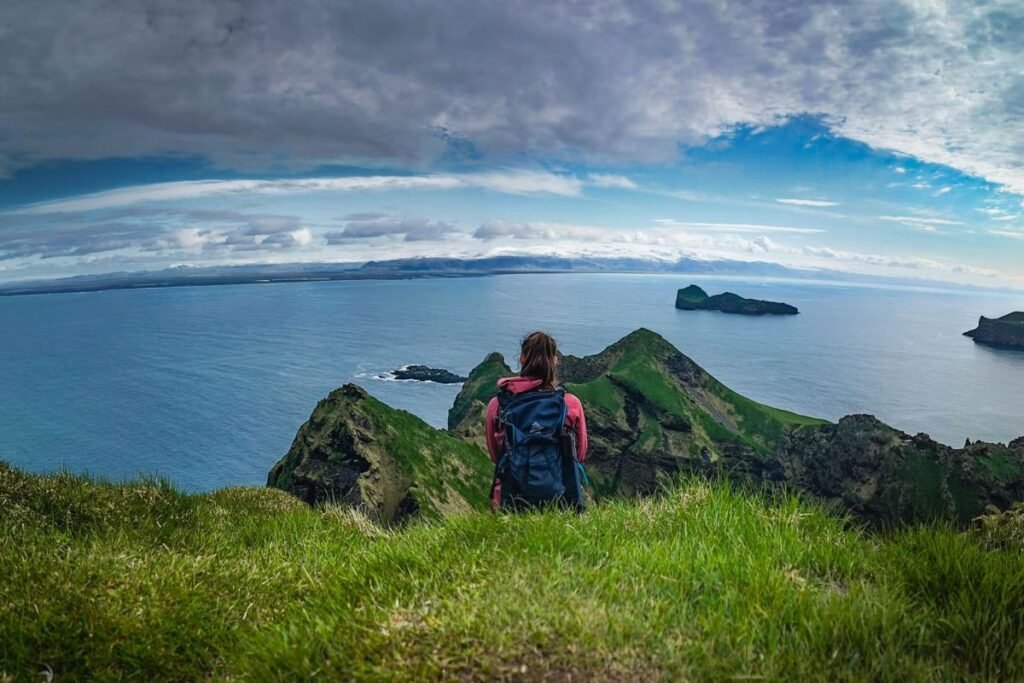
Discovering a quiet place creates a responsibility to help keep it enjoyable and sustainable.
Follow these principles:
- Stay on designated trails where required.
- Carry out your waste.
- Avoid disturbing wildlife.
- Follow local photography rules.
- Respect private property.
- Do not trespass.
- Support local businesses where possible.
- Follow protected-area regulations.
- Avoid taking natural objects when prohibited.
- Keep noise reasonable.
- Do not publish sensitive locations irresponsibly.
- Listen when local communities express concerns.
Sustainable tourism is not simply about protecting nature. It also involves people, livelihoods, heritage, infrastructure, and local decision-making. UNESCO’s guidance stresses that local communities should have a meaningful voice in tourism that affects them.
Are Hidden Gems Always Better?
No.
This is one of the most important conclusions for travelers. A famous destination may be famous because it genuinely offers something extraordinary. It may also have excellent transport, accessibility, medical facilities, accommodation, restaurants, and visitor services. A lesser-known place may offer more peace but fewer conveniences. The right choice depends on your priorities.
Choose a lesser-known destination if you value:
- Quiet surroundings
- Local character
- Exploration
- Smaller-scale experiences
- Flexibility
- Nature
- Avoiding major crowds
Choose a famous destination if you value:
- Easy transportation
- Extensive facilities
- Major landmarks
- Broad accommodation choices
- Established tourist services
- First-time convenience
Choose a combination if you want both
For many travelers, this is the strongest approach. See the landmark everyone talks about, then spend time exploring the places that receive less attention.
Examples of the Hidden-Gem Mindset

You do not need a specific destination list to apply the idea. Imagine you are visiting a famous coastal city.
Instead of spending every day on the main tourist beach, you could:
- Visit the famous beach early.
- Explore a quieter neighboring shoreline later.
- Eat at a locally owned restaurant.
- Visit a small coastal village.
- Walk a less-promoted nature trail.
- Return to the main city for a major attraction.
Or imagine a European city famous for its historic center.
You could combine the central landmarks with:
- A residential neighborhood
- A local food market
- A small museum
- A regional park
- A nearby town
- A community cultural event
The principle is simple: look one layer beyond the obvious itinerary.
How Hidden Gems Change Over Time
A destination can move through several stages.
Stage 01: Little-known
Few travelers know about it, and infrastructure may be limited.
Stage 02: Early discovery
Travel writers and independent travelers begin sharing it.
Stage 03: Growing popularity
More businesses appear, transportation improves, and visitor numbers increase.
Stage 04: Mainstream destination
The place becomes part of standard travel itineraries.
Stage 05: Management challenge
The destination may need stronger visitor management, environmental protection, or infrastructure planning. This is why the label “hidden gem” should never be treated as permanent.
A destination’s character can change as more people discover it. UNESCO notes that rapid or poorly managed tourism can place pressure on heritage sites and communities, making responsible tourism management increasingly important.
Helpful Resources
Finding hidden gems is easier when you combine travel inspiration with reliable maps, official destination information, recent reviews, and responsible travel guidance. The following resources can help you research lesser-known destinations, quiet beaches, local experiences, and underrated places around the world.
- Beach Near — Explore hidden beach destinations, coastal travel ideas, beach guides, and destination inspiration for travelers looking beyond crowded tourist areas.
- Visit Orlando — Although focused on Orlando, its destination resources can help travelers discover nearby neighborhoods, outdoor attractions, local experiences, and alternative places beyond the major tourist sites.
- UNESCO World Heritage Centre — Learn about sustainable tourism, cultural heritage, protected destinations, and responsible ways to explore places with significant historical or natural value.
- UNESCO Sustainable Tourism Toolkit — Find practical guidance for understanding local communities, protecting destinations, managing visitors, and exploring hidden gems responsibly.
- Tech All World — Explore practical technology guides that can help travelers use digital maps, smartphones, apps, AI tools, and other technology while searching for hidden gems.
- TechH AtoZ — Discover smartphone, AI, and technology tips that can support trip planning, navigation, communication, and digital research when exploring hidden gems.
- Restaurent — Explore restaurant and food guides to discover local dining options and culinary experiences that can become memorable hidden gems during your travels.
- Beach Near Beach Vacation Guides — Browse additional beach and destination guides for ideas when planning trips that combine popular attractions with quieter hidden gems.
When researching hidden gems, always verify important details through official sources whenever possible. Access rules, opening hours, transportation, weather conditions, environmental restrictions, and local regulations can change.
If you are planning a trip around lesser-known destinations, compare recent traveler information with official tourism resources before making final arrangements. For coastal destinations, also check local beach conditions and safety guidance before entering the water.
Most importantly, remember that responsible travel helps protect the hidden gems you discover. Respect local communities, avoid trespassing, reduce waste, follow environmental rules, and avoid sharing sensitive locations when increased exposure could damage the destination.
Conclusion
The true value of hidden gems is not discovering places that few people know. Instead, hidden gems encourage travelers to explore with curiosity, patience, and better judgment. From quiet beaches and overlooked towns to local restaurants and peaceful nature areas, hidden gems can make a journey feel more personal. However, finding hidden gems requires more than following a social media post.
Travelers should research access, check safety conditions, follow local rules, and respect communities that make hidden gems special. For beginners, hidden gems can provide an easy way to explore beyond famous attractions. Experienced travelers can use hidden gems to discover cultural experiences without adding unnecessary pressure to fragile locations. Tourism professionals can promote hidden gems responsibly by supporting local businesses, protecting natural resources, and respecting community needs.
The best hidden gems are not always the most remote or secret places. Often, hidden gems are simply overlooked destinations with meaningful experiences. Ultimately, successful travel is about finding hidden gems while helping preserve them. When visitors value and protect these hidden gems, they can remain truly memorable destinations for future travelers.
Frequently Asked Questions – Hidden Gems
Q: What are hidden gems in travel?
Ans: Hidden gems are lesser-known destinations, attractions, beaches, or experiences that offer memorable value without the crowds of famous places. Hidden gems do not have to be completely unknown.
Q: How can I find hidden gems?
Ans: Search maps, local recommendations, recent reviews, tourism websites, and travel communities to discover hidden gems. Always confirm access and current conditions.
Q: Are hidden gems safe?
Ans: Hidden gems can be safe, but conditions vary. Check weather, roads, water conditions, transportation, local rules, and emergency services before visiting hidden gems.
Q: Are hidden beaches less crowded?
Ans: Not always. Some hidden gems become popular after appearing online. Check recent reviews and seasonal information before visiting hidden gems.
Q: How can I explore hidden gems responsibly?
Ans: Respect residents, follow local regulations, avoid littering, protect nature, and never trespass while visiting hidden gems.
Q: Are hidden gems suitable for beginners?
Ans: Yes. Beginners should choose accessible hidden gems with dependable transportation, facilities, and clear safety information.
Q: Are hidden gems affordable?
Ans: Some hidden gems are budget-friendly, while others cost more because of transportation or limited accommodation. Compare the complete travel cost first.
Q: Can small towns be hidden gems?
Ans: Yes. Small towns can become hidden gems when they offer distinctive culture, food, history, scenery, or local experiences.
Q: How can I verify hidden gems?
Ans: Check recent reviews, official websites, opening hours, transportation details, and local regulations before visiting hidden gems.
Q: Should I share hidden gems online?
Ans: Consider environmental and community impacts. Avoid revealing sensitive locations if publicity could harm hidden gems.
Q: Are hidden gems good for families?
Ans: Some hidden gems are family-friendly, but check accessibility, facilities, safety, food, shade, and medical services beforehand.
Q: How should I plan hidden gems into an itinerary?
Ans: Combine hidden gems with major attractions, allow realistic travel time, verify conditions, and leave flexibility for unexpected discoveries.




1 Comment