
 -by
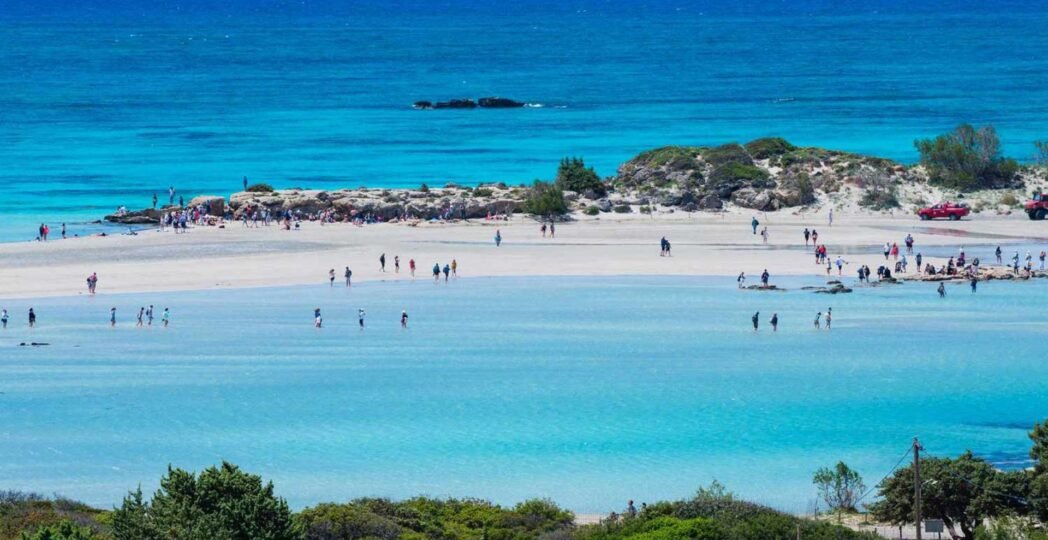
-by Europe has no single definition of a perfect beach. Some travelers want calm, shallow water and easy facilities for children. Others prefer dramatic cliffs, secluded coves, surfable waves, wild landscapes, or a beautiful place to watch the sunset. That is why choosing the best beaches in Europe is less about naming one winner and more about matching a destination to the kind of beach holiday you actually want.
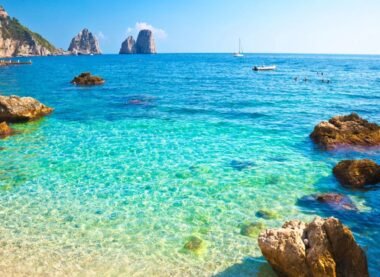
From the turquoise bays of Greece and Croatia to the Atlantic cliffs of Portugal, the volcanic shores of the Canary Islands, and the sandy Mediterranean beaches of Spain and Italy, Europe offers remarkable variety within relatively short travel distances.
This guide highlights 20 beaches and beach areas that stand out for different reasons. You will find practical comparisons, advice on when to go, what type of traveler each destination suits, potential drawbacks, and tips for checking conditions before you travel.
Importantly, a beautiful photograph does not always tell you what a beach is like in person. Access, wind, waves, crowds, shade, parking, facilities, and seasonal restrictions can make a major difference. Use this guide as a starting point, then verify local conditions before setting out.
What Makes a Beach One of the Best in Europe?
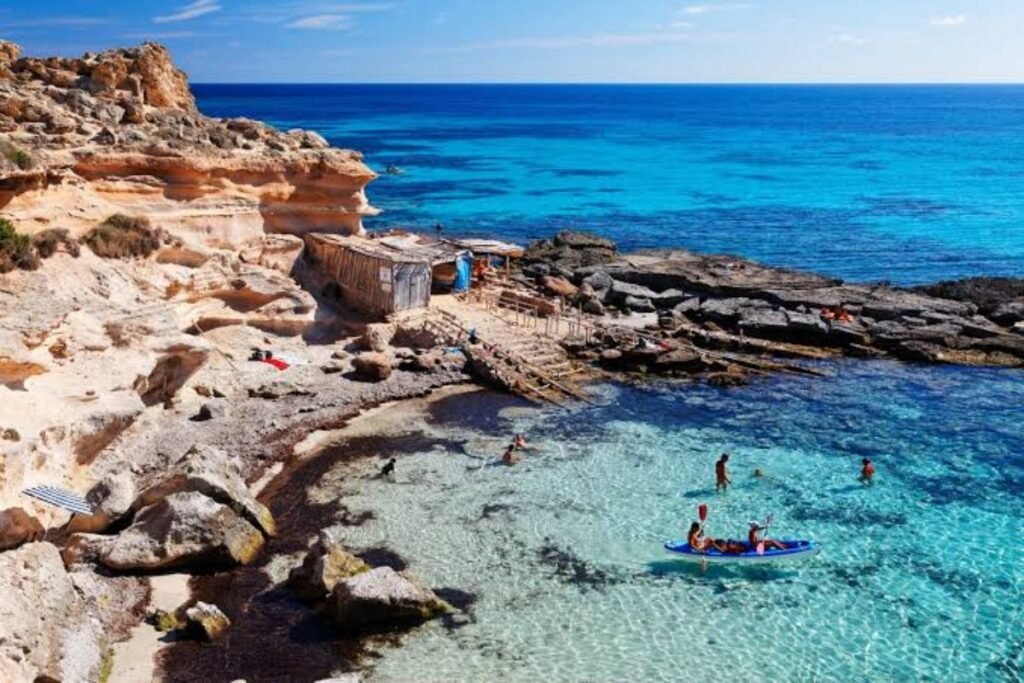
There is no universal scoring system for the best European beach. A secluded cove may be perfect for a couple but inconvenient for a family with a stroller. A lively resort may offer excellent facilities but feel too crowded for someone looking for solitude.
For this guide, the most useful factors include:
- Water quality: Important for swimmers and families.
- Swimming conditions: Calm, shallow water is very different from exposed surf.
- Natural scenery: Cliffs, dunes, forests, caves, islands, and unusual rock formations can transform a Beach Vacations visit.
- Accessibility: Consider roads, walking routes, stairs, boats, and public transport.
- Facilities: Toilets, showers, restaurants, lifeguards, rentals, and changing areas can matter enormously.
- Crowd levels: Some famous beaches are spectacular but become extremely busy in peak summer.
- Activities: Surfing, snorkeling, diving, kayaking, paddleboarding, and sailing suit different coastlines.
- Seasonality: A beach can feel completely different in June, August, or October.
- Environmental protection: Protected landscapes may have restrictions designed to preserve fragile ecosystems.
Water quality is also worth checking rather than assuming that clear-looking water automatically means perfect conditions. The European Environment Agency reported that 85% of assessed bathing waters across the EU, Albania, and Switzerland were classified as excellent for the 2025 bathing season, while 96% met at least the minimum quality standard. Coastal waters generally performed better than inland bathing waters.
Best European Beaches by Travel Style
| Beach or destination | Country | Best for | Beach character | Main consideration |
| Elafonissi | Greece | Families, swimming | Pale sand, shallow water | Can be busy in summer |
| Myrtos | Greece | Scenery, photography | Dramatic bay, pebbles | Water conditions can change |
| Simos Beach | Greece | Relaxation, nature | White sand and dunes | Limited feel compared with resorts |
| Praia da Marinha | Portugal | Scenery, couples | Cliffs and clear water | Stairs and access |
| Praia da Falésia | Portugal | Long beach walks | Sand backed by cliffs | Less sheltered from wind |
| Ses Illetes | Spain | Clear water, island escape | Fine sand, shallow turquoise water | Popular in peak season |
| La Concha | Spain | City beach | Sheltered urban bay | Urban rather than secluded |
| Cala Macarella | Spain | Nature, couples | Forested cove | Access can be restricted |
| Cala Goloritzè | Italy | Hiking, nature | Wild cove and cliffs | Access requires planning |
| La Pelosa | Italy | Swimming, families | Shallow turquoise water | Visitor management may apply |
| Palombaggia | France | Families, scenery | Sand and Mediterranean water | Summer crowds |
| Zlatni Rat | Croatia | Water sports, scenery | Distinctive pebble spit | Shape and conditions vary |
| Stiniva | Croatia | Seclusion | Enclosed cove | Difficult access |
| Nissi Beach | Cyprus | Families, activities | Fine sand, calm bay | Busy and lively |
| Ölüdeniz | Türkiye | Swimming, paragliding | Lagoon and mountain scenery | Popular resort |
| Golden Sands | Malta | Families, facilities | Sandy bay | Busy in summer |
| Papagayo | Spain | Wild scenery | Volcanic landscape, clear water | Limited natural shade |
| Cofete | Spain | Wilderness | Huge Atlantic beach | Strong surf and remote setting |
| Praia do Amado | Portugal | Surfing | Atlantic sand beach | Waves unsuitable for casual swimming |
| Comino/Blue Lagoon area | Malta | Boat trips, snorkeling | Rocky coast and vivid water | Very busy at peak times |
20 Best European Beaches for Your Travel List
01. Elafonissi, Crete, Greece
Best for: Families, shallow-water swimming, scenic landscapes and relaxed beach days.
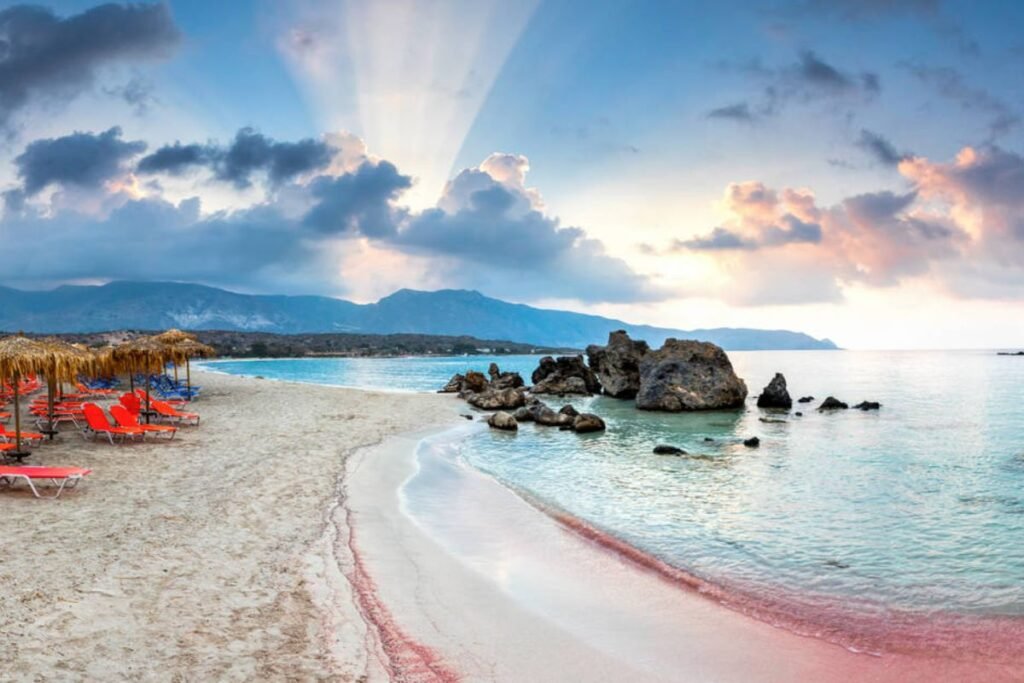
Elafonissi is one of the most recognizable beaches in Crete, thanks to its pale sand, shallow turquoise water and lagoon-like coastal landscape. It is located in southwestern Crete and is particularly attractive to travelers who want a beach that combines beautiful scenery with relatively easy swimming conditions.
The water and sandbars can create different shades of blue depending on weather, sunlight, and sea conditions. The surrounding landscape also has ecological importance, so visitors should treat dunes and vegetation carefully. The main drawback is popularity. A beach that looks wonderfully peaceful in an early-morning photograph can feel very different during the busiest summer hours.
Why choose it: Excellent for a relaxed swim and families.
Think twice if: Your priority is complete solitude in July or August.
Greece’s official tourism information emphasizes the extraordinary diversity of its coastline, ranging from long sandy beaches and sheltered coves to dunes, pebbles, caves and volcanic shores.
02. Myrtos Beach, Kefalonia, Greece
Best for: Dramatic scenery and photography.
Myrtos is one of the beaches that demonstrates why Greek beaches are so visually distinctive. The bay is framed by steep mountains, while pale pebbles meet intensely blue water.
It is particularly impressive from above, making the outdoor viewpoint part of the experience. Down on the beach, however, remember that a spectacular landscape does not necessarily mean perfectly calm swimming conditions every day. Myrtos works well for travelers who value scenery as much as swimming.
Practical tip: Check wind and sea conditions before planning a long swimming session.
03. Simos Beach, Elafonisos, Greece
Best for: Sand, shallow water and a quieter island atmosphere.
Simos is located on Elafonisos, a small island off the southeastern Peloponnese. Greece’s official tourism portal describes the area around Simos as having fine, almost white sand, shallow clear water and a landscape combining dunes and coastal vegetation. Parts of the landscape are protected under the Natura 2000 network.
This is an excellent choice for travelers who want something that feels more natural than a heavily developed resort. The island setting does mean you should plan transportation and accommodation rather than treating the beach as an effortless day stop.
04. Praia da Marinha, Algarve, Portugal
Best for: Dramatic cliffs, photography and couples.
Praia da Marinha is one of the Algarve’s signature beaches, surrounded by limestone cliffs and distinctive rock formations. The setting is more important here than simply having a large expanse of sand.
Portugal’s official tourism information highlights the Algarve’s combination of sandy beaches, rocky coves, cliffs, and generally clear water. The landscape also means access can involve stairs and uneven terrain. Travelers with mobility limitations or young children should investigate the route before choosing it.
Best approach: Arrive early, explore the viewpoints, and allow time to appreciate the coastline rather than rushing down for a swim.
05. Praia da Falésia, Algarve, Portugal
Best for: Long walks, families and travelers who want more space.
Praia da Falésia offers a very different experience from a small rocky cove. The beach stretches along a long section of Algarve coastline beneath striking red and golden cliffs. Its length makes it easier to find a section that feels less concentrated than some famous small beaches. It is particularly good for walking, relaxing and combining a beach day with a wider Algarve itinerary.
The main issue is exposure. Atlantic conditions and wind can make the beach feel very different from sheltered Mediterranean coves. Portugal’s tourism authority describes the Algarve as having a wide variety of beaches, from long sandy stretches to small cliff-protected bays.
06. Ses Illetes, Formentera, Spain
Best for: Turquoise water, island scenery and a classic Mediterranean beach experience.
Ses Illetes is one of Formentera’s most famous beaches. The combination of pale sand, shallow-looking turquoise water and low-lying island scenery gives it a tropical appearance without leaving Europe.
Spain’s official tourism portal specifically lists Ses Illetes among its notable beaches and notes that visitors can reach it on foot or by bicycle. Its popularity is both its strength and weakness. The beach can be highly desirable precisely because it photographs so well.
Best for: Travelers who don’t mind paying attention to access arrangements and visiting at less crowded times.
07. La Concha Beach, San Sebastián, Spain
Best for: Travelers who want a beach and city break together.
La Concha is different from many beaches on this list because its greatest advantage is not isolation. It sits beside San Sebastián, giving travelers immediate access to seafood restaurants, accommodation, culture and city attractions. The sheltered bay creates a very different atmosphere from an exposed Atlantic surf beach.
It is a strong option for first-time visitors who want a European coastal destination without staying in a remote resort. Spain’s tourism authority includes La Concha among its notable beaches and highlights the diversity of Spain’s coastline, from Mediterranean coves to Atlantic and Cantabrian shores.
Choose La Concha if: You want beach time without sacrificing restaurants, architecture and urban convenience.
08. Cala Macarella, Menorca, Spain
Best for: Nature lovers and travelers seeking a classic Mediterranean cove.
Menorca is famous for its smaller coves, locally known as calas, where forested hills and rocky terrain meet clear Mediterranean water. Cala Macarella is particularly attractive for travelers who prefer a natural setting over a large commercial beach resort.
However, smaller coves often have limited space, which means the famous ones can become crowded despite their remote appearance. Spain’s official tourism material highlights the Balearic Islands for their coves, turquoise waters and distinctive natural landscapes.
Planning tip: Always check current road, parking and access rules before traveling to a protected or heavily visited cove.
09. Cala Goloritzè, Sardinia, Italy
Best for: Hiking, dramatic landscapes and adventurous travelers.
Cala Goloritzè is one of Sardinia’s most striking natural coves. It combines pale stones, clear water, cliffs, and a distinctive rock landscape. Unlike a large resort beach, reaching a remote cove can be part of the adventure.
That is also the point: the journey requires more planning than simply parking next to a developed beach. Italy’s official tourism portal describes the country’s coastal attractions as ranging from isolated bays accessible by sea to organized sandy resorts.
Best for: Active travelers who enjoy hiking and natural scenery.
Not ideal for: Anyone looking for effortless accessibility or extensive beach facilities.
10. La Pelosa, Sardinia, Italy
Best for: Families, shallow-water swimming and postcard scenery.
La Pelosa near Stintino is famous for pale sand, shallow-looking turquoise water and the historic coastal landscape around the beach. The beauty of La Pelosa is also the reason visitor management has become important. Famous beaches with fragile sand systems can be damaged by excessive foot traffic, so local rules and reservation systems may change over time.
Before visiting, check the current official rules rather than relying on information from an old travel blog. Italy has an extensive coastline and a wide range of beach types, from secluded natural bays to developed seaside resorts.
11. Palombaggia, Corsica, France
Best for: Families, scenic swimming and Mediterranean relaxation.
Palombaggia is one of Corsica’s best-known beach areas, combining pale sand, Mediterranean water and a landscape of low vegetation and distinctive coastal rock formations.
Corsica is particularly useful for travelers who want a European beach trip that feels more nature-oriented than a conventional resort holiday. The main consideration is summer demand. Famous Corsican beaches can become busy, especially around the most accessible sections.
Travel strategy: Consider staying nearby and visiting early in the day instead of treating the beach as a short afternoon stop.
12. Zlatni Rat, Brač, Croatia
Best for: Water sports, photography and a distinctive coastline.
Zlatni Rat is famous for its unusual shape: a narrow, tree-lined pebble spit extending into the Adriatic. Its appearance can change subtly with wind, currents and sea conditions.
That makes it more than just another beach with clear water. The landscape itself is the attraction. The beach is located near Bol, making it relatively easy to combine with restaurants, accommodation and other activities on Brač.
Best for: Travelers who want scenery plus water-based activities.
Potential drawback: It is a major attraction, so solitude should not be the expectation during peak summer.
13. Stiniva, Vis, Croatia
Best for: Dramatic scenery and a secluded-cove atmosphere.
Stiniva is enclosed by steep rock walls, giving it a natural amphitheater-like appearance. The approach from the sea provides one of the most memorable ways to experience it. The trade-off is access. A beach that feels remote often requires more effort to reach, and the available space may be limited.
This is a good example of why “best” should not simply mean “most beautiful.” If you are traveling with mobility challenges, lots of luggage or very young children, a more accessible beach could provide a better experience.
14. Nissi Beach, Cyprus
Best for: Families, activities, organized facilities and lively holidays.
Nissi Beach near Ayia Napa is a strong choice if you want a classic resort beach rather than a remote natural cove. The official Cyprus tourism portal describes Nissi Beach as a fine golden-sand beach with shallow, calm water sheltered by a natural bay. It also lists facilities including toilets, changing areas, sunbeds, umbrellas, water sports, seafood restaurants and nearby accommodation.
That combination makes it particularly convenient for first-time beach travelers. The downside is obvious: convenience attracts people. If your ideal beach day means quiet reading under an empty tree, Nissi may not be your first choice.
15. Ölüdeniz, Türkiye
Best for: Lagoon scenery, swimming, boat trips and adventure activities.
Ölüdeniz is one of Türkiye’s most recognizable coastal destinations. Its combination of a sheltered lagoon, surrounding mountains and Mediterranean scenery makes it particularly memorable.
It also appeals to travelers who want more than swimming. Boat excursions, hiking and paragliding are among the activities associated with the area. Because it is a major tourism destination, expect developed accommodation and busy periods rather than untouched wilderness.
Best for: Travelers who want a beach-centered holiday with plenty of activities nearby.
16. Golden Sands, Malta
Best for: Families and travelers who prioritize facilities.
Malta is not dominated by enormous sandy beaches, which makes a place such as Golden Sands particularly useful for travelers who specifically want sand. The Maltese tourism authority highlights the country’s variety of swimming spots, including sandy, rocky and pebbly beaches, as well as opportunities for swimming, kayaking, surfing and other water activities.
Malta can also work well for short trips because beaches can be combined with historical sites, towns and coastal excursions.
Choose it if: You want beach time but also want a compact destination with plenty to do away from the sand.
17. Papagayo Beaches, Lanzarote, Spain
Best for: Volcanic landscapes and travelers seeking a more rugged beach environment.
The Papagayo area in Lanzarote offers a dramatic contrast to the green hills and limestone coves of parts of the Mediterranean. The volcanic character of the Canary Islands gives the coastline a distinctly different appearance.
Spain’s official tourism material identifies the Canary Islands as a major beach destination with volcanic landscapes and beaches that can be enjoyed outside the traditional summer season. The climate makes the Canary Islands particularly attractive to travelers looking for a European winter sun escape.
Remember: “Warm climate” does not mean every day will have calm water. Wind is an important consideration in the Canaries.
18. Cofete, Fuerteventura, Spain
Best for: Wilderness, dramatic landscapes and long walks.
Cofete is almost the opposite of a conventional family resort beach. It is famous for its enormous scale, mountainous backdrop and rugged Atlantic atmosphere.
Spain’s tourism authority includes Cofete among the country’s notable long beaches and describes it as a vast, natural stretch of sand. The wildness is the attraction, but it also means you should not approach it expecting the same facilities as an urban beach.
Best for: Experienced travelers who value landscape over convenience.
Not ideal for: A stress-free swimming day with small children if conditions are rough.
19. Praia do Amado, Algarve, Portugal
Best for: Surfing and Atlantic coastal scenery.
Praia do Amado is an excellent reminder that the best beach for swimming is not necessarily the best beach for surfing. Portugal’s official tourism information highlights the western Algarve around beaches such as Praia do Amado as an area well known among surfers and bodyboarders.
If you are learning to surf, local instruction and current sea conditions matter more than simply choosing a famous beach. For casual swimmers, always assess the waves and follow local safety instructions.
20. Blue Lagoon and Comino, Malta
Best for: Snorkeling, boat trips and spectacular water.
The Blue Lagoon area of Comino is one of Malta’s most famous coastal attractions. The exceptionally clear-looking water and rocky shoreline create a striking setting for swimming and snorkeling. But this is another destination where photographs can create unrealistic expectations.
A famous lagoon can become extremely busy, especially when boat excursions arrive at the same time. Visit Malta’s official tourism site identifies Comino and its caves among the islands’ major sea experiences and promotes swimming, kayaking, and other water activities.
Best strategy: Consider visiting outside the busiest part of the day and check current access arrangements before traveling.
Best Beaches in Europe for Families
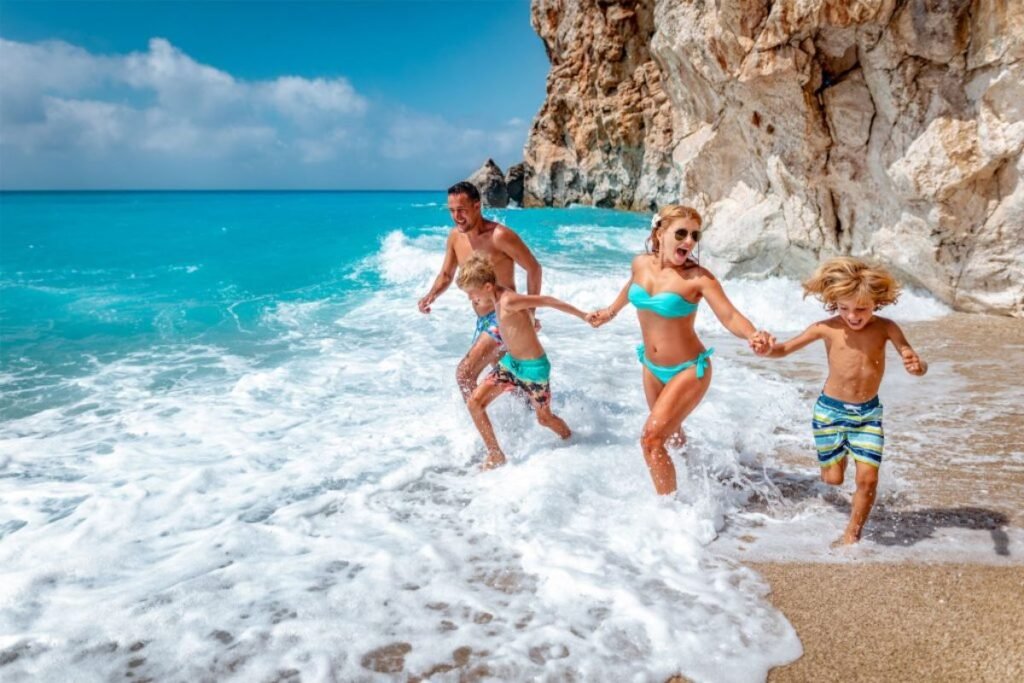
Families should evaluate beaches differently from solo travelers. A beautiful but isolated beach with steep access may be a poor choice for a family with a stroller. Conversely, a busy organized beach may be perfect because it offers toilets, restaurants, shade options, lifeguards, and easy access.
Some strong family-oriented choices include:
Nissi Beach, Cyprus
Its shallow and sheltered water, facilities, and easy access make it convenient for families.
Elafonissi, Greece
The shallow-water environment and sandy landscape can work well for children, although peak-season crowds should be considered.
Golden Sands, Malta
A practical option when facilities and a sandy beach are priorities.
La Pelosa, Italy
A visually spectacular option, but current visitor-management rules should be checked before traveling.
Praia da Falésia, Portugal
A good option for families who want a long sandy beach, although individual access points can differ significantly.
Family checklist:
- Check the water conditions.
- Confirm whether lifeguards operate during your travel period.
- Look for toilets and changing facilities.
- Check the walking distance from parking or public transport.
- Bring shade protection where natural shade is limited.
- Avoid assuming shallow water remains shallow farther from shore.
- Follow local flags, signs and swimming restrictions.
Best Beaches in Europe for Couples
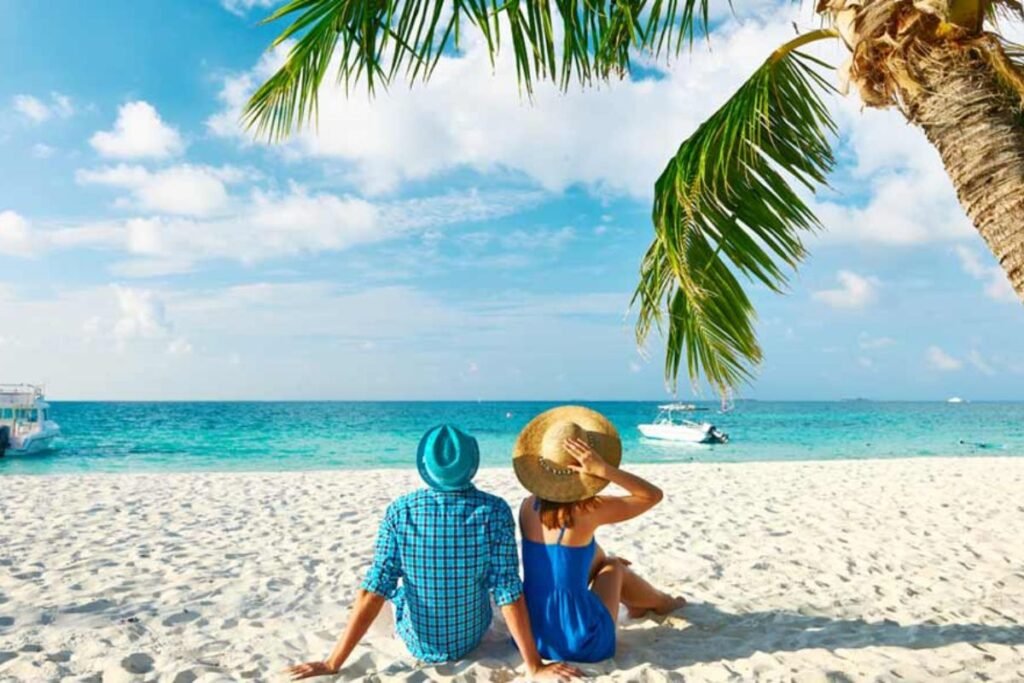
Couples often value scenery, atmosphere and the ability to combine beach time with restaurants or scenic walks.
Consider:
- Praia da Marinha, Portugal for dramatic cliffs.
- Cala Macarella, Spain for a natural Mediterranean cove.
- Myrtos, Greece for spectacular scenery.
- Palombaggia, France for a relaxed Corsican setting.
- Simos, Greece for a more natural island atmosphere.
- La Concha, Spain for a beach-and-city combination.
The best choice depends heavily on whether you want nightlife or quiet. A famous resort beach may be romantic for one couple and exhausting for another.
Best Beaches in Europe for Surfing
If surfing is your priority, do not choose a beach solely because its water looks calm and beautiful. Atlantic-facing coastlines are often the stronger starting point for surf trips.
Good destinations include:
- Praia do Amado, Portugal
- Parts of the Algarve
- Portugal’s broader Atlantic coast
- Spain’s northern Atlantic and Cantabrian coasts
- Selected Canary Islands beaches
- Parts of southwest France
Spain’s official tourism information notes that the country offers three major coastal influences—the Mediterranean, Atlantic and Cantabrian seas—with different conditions for water sports. For beginners, local surf schools can be especially useful because instructors understand daily conditions and can recommend the safest section of beach.
Best Beaches in Europe for Clear Water
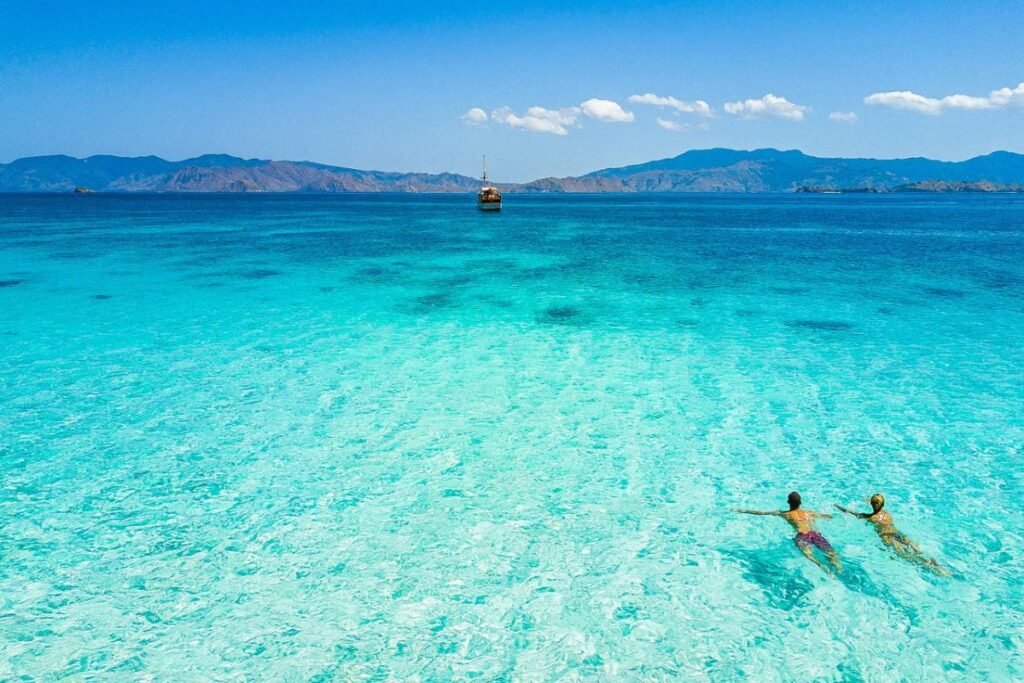
“Clear water” is one of the most searched beach characteristics, but visibility changes with wind, waves, sediment, rainfall, and human activity.
Some destinations frequently associated with exceptionally clear Mediterranean water include:
- Elafonissi, Greece
- Nissi Beach, Cyprus
- Ses Illetes, Spain
- Cala Goloritzè, Italy
- La Pelosa, Italy
- Praia da Marinha, Portugal
- Ölüdeniz, Türkiye
- Malta’s coastal swimming areas
Do not treat photographs as a guarantee of conditions on a particular day. Water that looks crystal clear from an aerial photograph may become less transparent after wind or rough weather.
Best Beaches in Europe for Nature and Seclusion
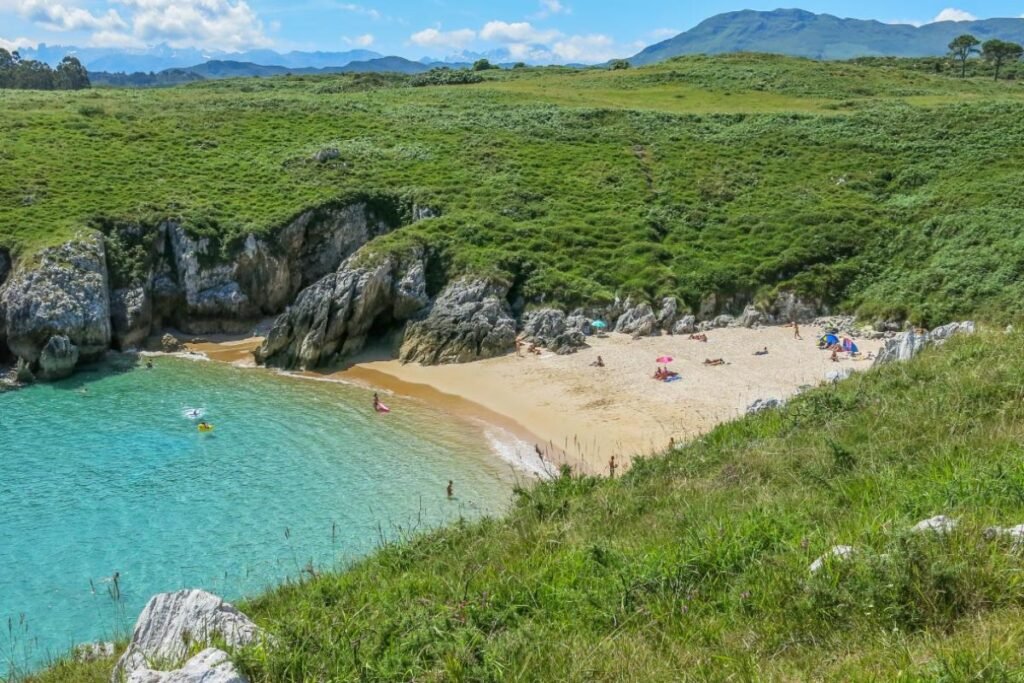
If avoiding crowds matters more than having restaurants and sunbeds immediately nearby, look beyond famous resort beaches.
Natural or more remote experiences can be found at:
- Cofete, Fuerteventura
- Cala Goloritzè, Sardinia
- Stiniva, Croatia
- Simos, Elafonisos
- Parts of the Algarve’s western coast
- Selected coves of Menorca
- Remote areas of Corsica
The important lesson is that “secluded” usually comes with a cost: longer walks, fewer facilities, limited shade, difficult roads or boat-only access. Before choosing a remote beach, ask yourself whether you are prepared to carry water, Most Expensive Food, sun protection and anything else you may need for several hours.
When Is the Best Time to Visit European Beaches?
There is no single best month for every European beach.
May to June
Usually a good compromise for travelers who want pleasant weather and fewer peak-season crowds than July and August. Sea temperatures can still feel cool in some northern or Atlantic locations.
July to August
This is the classic European beach season. Many beach destinations have their warmest weather and liveliest atmosphere, but popular beaches can become crowded.
September
Often one of the most attractive periods for Mediterranean beach trips. Water can remain warm while the atmosphere may be calmer than the peak summer period.
October to April
The Mediterranean can still be beautiful, but swimming conditions vary. The Canary Islands and some southern European destinations are particularly useful for travelers seeking a milder winter climate.
Spain’s official tourism information specifically promotes destinations such as the Canary Islands, Costa del Sol, Costa Blanca and Cabo de Gata for beach travel beyond the hottest summer months.
How to Choose the Right European Beach
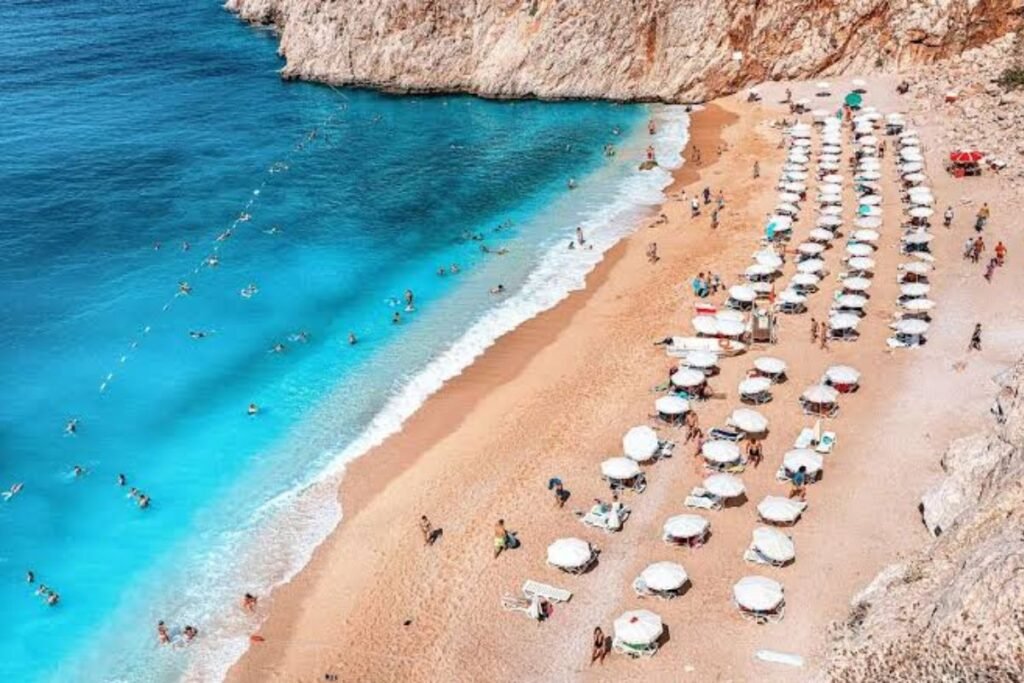
Instead of asking, “Which is the most beautiful beach?” start with five questions.
01. How important is swimming?
If swimming is the main purpose, prioritize sheltered bays and reliable local water information.
02. Do you need facilities?
Families and travelers with mobility needs may benefit from developed beaches with toilets, parking, accessible paths and nearby restaurants.
03. Are you comfortable with walking?
Some of Europe’s most spectacular beaches require steep paths, stairs or hikes.
04. How much do crowds bother you?
The most photographed beaches are often the most popular. Consider early mornings, shoulder seasons or less famous nearby beaches.
05. What is your ideal coastline?
Choose based on scenery:
- Cliffs: Algarve, Greece, Corsica
- Long sand: Spain, Portugal
- Rocky coves: Croatia, Malta, Italy
- Volcanic scenery: Canary Islands
- Urban beach: San Sebastián
- Island beaches: Greece, Spain, Italy and Croatia
Beach Safety: What to Check Before Swimming
A visually beautiful beach is not automatically a safe swimming beach.
Before entering the water:
- Check local warning flags and signs.
- Look for lifeguard information where available.
- Check weather and wind forecasts.
- Pay attention to currents and waves.
- Avoid swimming after heavy rainfall when local authorities advise against it.
- Keep children within close reach rather than relying solely on flotation devices.
- Be cautious around cliffs, caves and unstable rocks.
- Do not swim beyond designated safe areas simply to reach a photograph-worthy viewpoint.
The EEA’s bathing-water assessment is useful for understanding long-term water-quality classifications, but it is not a substitute for same-day local warnings. Its monitoring focuses primarily on microbiological indicators such as E. coli and intestinal enterococci, while other environmental risks are handled through different regulatory frameworks. You can also use the EEA’s European bathing-water map to investigate monitored bathing sites and historical classifications before planning a trip.
Blue Flag Beaches: What Does the Label Actually Mean?
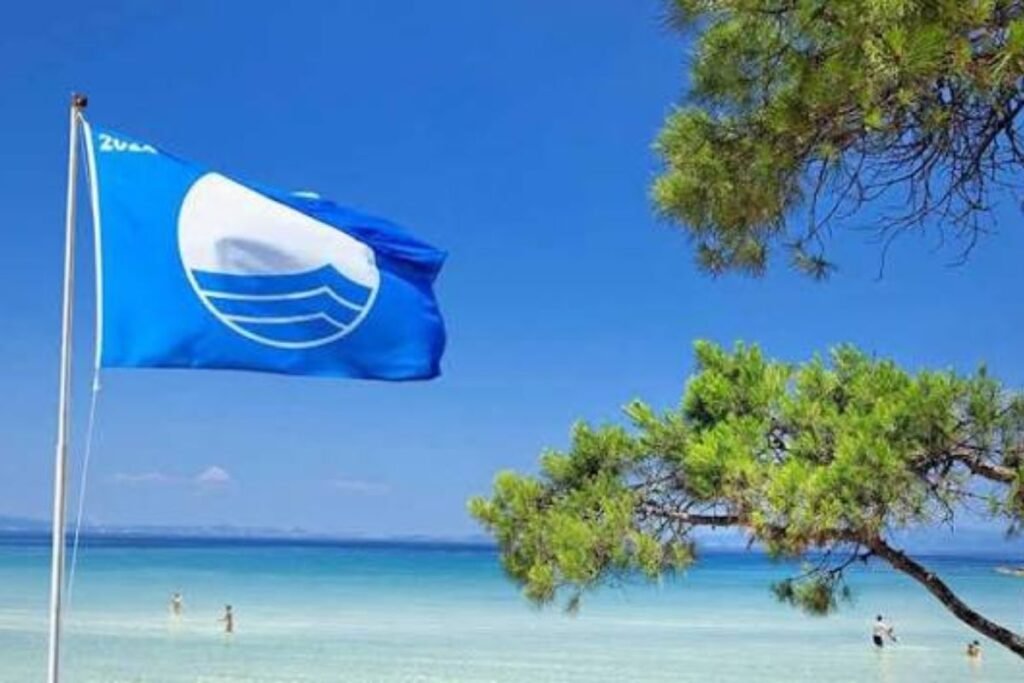
The Blue Flag is widely recognized as an environmental and beach-quality label, but it should not be interpreted as meaning that every beach carrying the label is automatically the perfect beach for every traveler.
When comparing beaches, also consider:
- Water conditions
- Environmental management
- Accessibility
- Safety arrangements
- Facilities
- Crowding
- Natural character
- Local restrictions
A small natural beach and a large organized resort can both be excellent choices for completely different reasons. The most useful approach is to treat awards as one data point rather than the entire decision.
Common Mistakes Travelers Make When Choosing European Beaches
Choosing a beach from Instagram alone
Aerial photographs often hide crowds, stairs, limited parking, and strong wind.
Visiting the most famous beach automatically
Fame does not guarantee the best experience. A nearby less-famous beach may have better swimming conditions and more space.
Ignoring the coast’s geography
An Atlantic beach and a sheltered Mediterranean bay can look equally beautiful online while offering completely different swimming conditions.
Assuming “remote” means peaceful.
Remote beaches can become busy because everyone follows the same travel guide.
Forgetting the return journey
A steep hike down to a beach is only half the challenge. You also need enough energy and water for the way back.
Ignoring seasonal rules
Parking, reservations, beach access, boat landings, protected areas and visitor limits can change. Always check the relevant local authority or official tourism source shortly before your trip.
How to Build a European Beach Trip
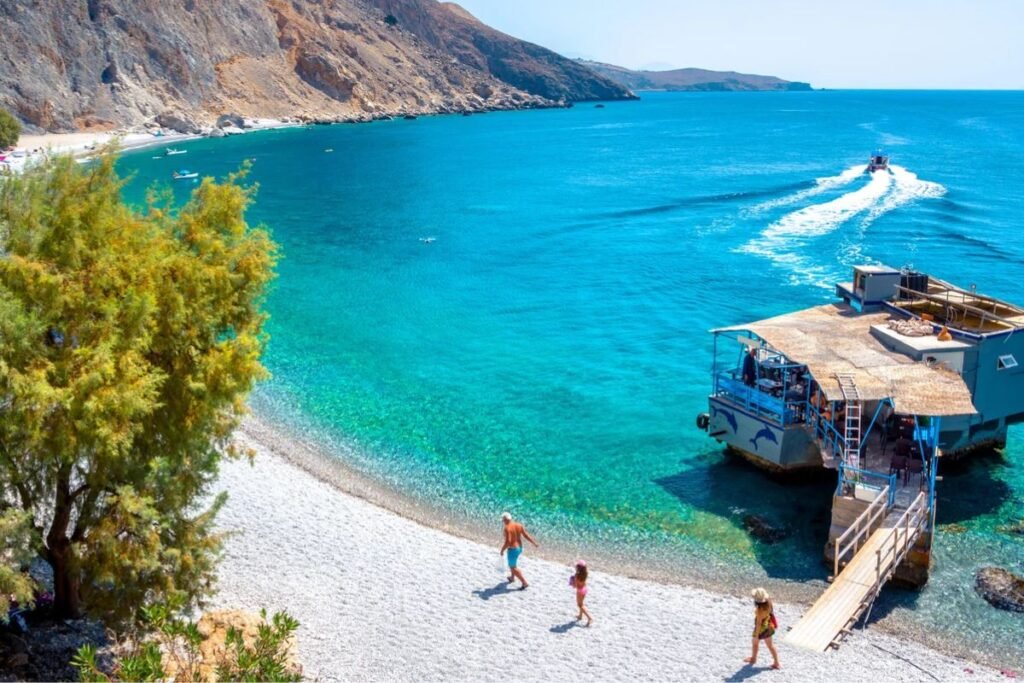
You do not need to visit 10 countries to experience different types of coastline. A smarter itinerary might combine nearby beaches with different characteristics.
Example: Algarve, Portugal
Combine:
- Praia da Marinha for scenery.
- Praia da Falésia for a long beach day.
- Praia do Amado for surfing.
- Lagos-area beaches for coves and boat excursions.
Portugal’s tourism authority describes the Algarve as a highly varied coastline, with the western section particularly associated with surfing and the central and eastern sections offering different types of beaches and resort environments.
Example: Greek island-focused trip
Instead of trying to see the entire country, choose one island or region and explore several beaches. Greece’s coastline and islands offer radically different landscapes, from sandy bays to pebbly beaches and volcanic shores.
Example: Spain
Spain is particularly flexible because its coast includes Mediterranean, Atlantic and Cantabrian environments. A traveler can choose between island coves, city beaches, surf beaches, volcanic landscapes and long sandy shores.
Helpful Resources for Your European Beach Trip
Planning a European beach vacation is easier when you have reliable resources for beaches, dining, and travel technology. Explore Beach Near to discover more beach destinations, coastal guides, and beach vacation ideas. When you are ready to find places to eat near your beach destination, visit Restaurent.net for restaurant guides and dining inspiration. For useful technology tips, apps, and travel-related tech advice, explore TechHatoz. You can also visit TechAllWorld for practical technology guides, apps, and digital tools. Together, these resources can help you plan your beaches, meals, and technology needs before your European adventure.
Conclusion
Europe’s best beaches are not defined by one shade of blue water or one famous photograph. The right destination depends on what you want from the trip. For calm swimming and family convenience, destinations such as Elafonissi and Nissi Beach can be strong choices. For dramatic scenery, Myrtos, Praia da Marinha and Cala Goloritzè stand out. If you prefer long sandy coastlines, Praia da Falésia, Cofete and many Spanish beaches offer a very different experience.
Surf travelers should look toward Atlantic-facing coastlines, while travelers who want city life alongside the sea may prefer La Concha. The most important lesson is to research beyond the photograph. Check access, weather, sea conditions, visitor rules, water-quality information, facilities and seasonal restrictions before you go. A less famous beach that matches your needs can easily provide a better holiday than Europe’s most celebrated postcard destination.
Start by deciding what matters most—swimming, scenery, surfing, family convenience, solitude or nightlife—then choose the coastline that fits. That approach will help you find a beach that is genuinely right for your trip, rather than simply famous online.
Frequently Asked Questions
Q: What are the best beaches in Europe?
Ans: There is no objective single winner. Strong choices include Elafonissi and Myrtos in Greece, Praia da Marinha and Praia da Falésia in Portugal, Ses Illetes and La Concha in Spain, Cala Goloritzè and La Pelosa in Italy, Zlatni Rat in Croatia, Nissi Beach in Cyprus, and several beaches in Malta.
Q: Which European country has the best beaches?
Ans: It depends on your priorities. Greece is exceptional for island variety and dramatic coves; Spain offers enormous coastal diversity; Portugal is particularly strong for Atlantic scenery and surfing; Italy combines beaches with culture and food; Croatia is known for Adriatic islands and rocky coves.
Q: What are the best beaches in Europe for families?
Ans: Look for sheltered water, easy access, lifeguards where available, toilets, shade options and nearby services. Nissi Beach in Cyprus, Elafonissi in Greece, Golden Sands in Malta and selected beaches in Portugal and Spain can be good options depending on the family’s needs.
Q: Which European beaches have the clearest water?
Ans: Many Mediterranean destinations are known for clear water, including Greece, Cyprus, Croatia, Italy, Malta and parts of Spain and Portugal. However, water clarity varies with weather, waves, sediment and season.
Q: What is the best month for a European beach holiday?
Ans: June and September are often attractive compromise months for Mediterranean destinations because they can offer warm conditions without the full intensity of peak summer. July and August suit travelers who want the classic summer atmosphere and don’t mind crowds.
Q: Are European beaches free to enter?
Ans: Many beaches are freely accessible, but this is not universal. Some protected areas, managed beaches, parking areas, and facilities may charge fees or impose restrictions. Always check current local information.
Q: Are European beaches safe for swimming?
Ans: Most monitored European bathing waters meet minimum quality requirements. For the 2025 season, the EEA reported that 96% of monitored bathing waters across the EU, Albania and Switzerland met at least the minimum standard, with 85% rated excellent. However, water quality and physical swimming conditions are separate issues, so travelers should still check local warnings, currents and weather.
Q: Which European beaches are best for surfing?
Ans: Portugal’s Atlantic coast, Spain’s Atlantic and northern coasts, southwest France and parts of the Canary Islands are strong choices. Praia do Amado in Portugal is one example of an Algarve beach associated with surfing and bodyboarding.
Q: Are the most beautiful European beaches usually crowded?
Ans: Often, yes. Popular beaches become attractions precisely because of their scenery. Visiting early, traveling in the shoulder season, or choosing a nearby alternative can produce a better overall experience.
Q: What should I bring to a remote European beach?
Ans: Bring enough drinking water, sun protection, suitable footwear, food if facilities are unavailable, a charged phone, and any medication or personal essentials you need. Take your waste with you and follow local environmental rules.
Q: How can I check beach water quality before visiting?
Ans: For EU destinations, the European Environment Agency provides bathing-water information and a map covering monitored coastal and inland sites. National and local authorities may also publish more immediate warnings and restrictions.
1 Comment