
 -by
-by Choosing the best Tourist Places in the world is harder than simply picking the cities with the most famous landmarks. A great destination should offer something meaningful to different kinds of travellers—history, culture, food, nature, beaches, architecture, adventure, or simply the chance to experience a very different way of life.
There is also no universally accepted ranking of the world’s top destinations. Travel publications, review platforms, tourism organizations, and individual travelers use different criteria. For example, Tripadvisor’s 2026 Travelers’ Choice awards currently place Bali at the top of its global destination category, while other major travel publications publish very different selections.
So this guide takes a practical editorial approach rather than pretending there is one objectively correct ranking. The following ten Tourist Places stand out because they combine iconic attractions with cultural depth, distinctive landscapes, memorable experiences, and enough variety to appeal to first-time international travelers and experienced explorers alike. You’ll learn what makes each tourist place special, what to see, who it suits best, potential drawbacks, when to consider going, and how to plan a smarter trip.
Top 10 World’s Best Tourist Places
| Destination | Country | Best For | Ideal Trip Style | Main Highlight |
| Paris | France | Art, culture, romance | City break | Eiffel Tower, Louvre, Seine |
| Bali | Indonesia | Beaches, culture, wellness | Relaxation + exploration | Beaches, temples, Ubud |
| Rome | Italy | History, architecture, food | Cultural city trip | Colosseum, Pantheon, Vatican area |
| Tokyo | Japan | Food, technology, culture | City exploration | Modern Tokyo + traditional neighborhoods |
| New York City | USA | Museums, entertainment, landmarks | Fast-paced city trip | Manhattan, museums, skyline |
| London | United Kingdom | History, museums, culture | Flexible city break | Royal landmarks, museums, neighborhoods |
| Dubai | UAE | Luxury, architecture, shopping | Modern urban escape | Burj Khalifa, desert, beaches |
| Barcelona | Spain | Architecture, food, beaches | City + seaside | Gaudí architecture and Mediterranean coast |
| Machu Picchu | Peru | Adventure, archaeology, scenery | Bucket-list journey | Inca citadel and Andes |
| Great Barrier Reef | Australia | Marine life, nature, beaches | Outdoor adventure | Coral reefs and tropical islands |
Important: This is an editorial selection, not an official worldwide ranking. Travel priorities differ, and the “best” Tourist Places for you depend on budget, available time, interests, mobility, season, and visa requirements.
01. Paris, France
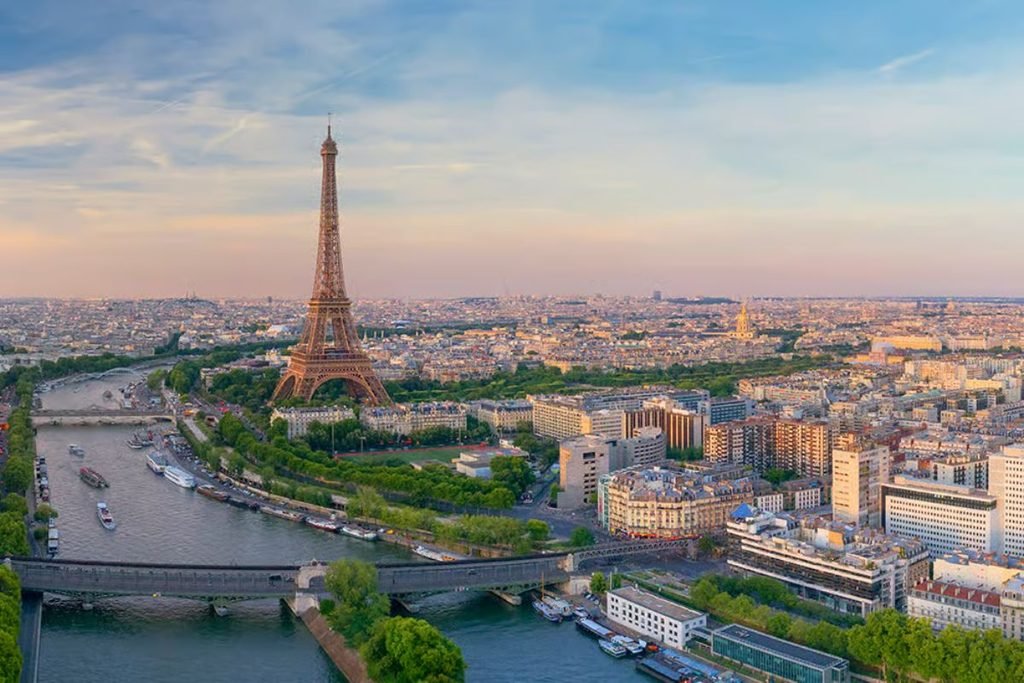
Paris remains one of the world’s most recognizable travel Tourist Places because its appeal goes far beyond a single landmark. The city brings together monumental architecture, museums, historic neighborhoods, cafés, gardens, fashion, food, and the River Seine. UNESCO’s World Heritage listing for the Banks of the Seine highlights the concentration of major landmarks along the river, including the Louvre, Eiffel Tower, Notre-Dame, Sainte-Chapelle, and other architectural and urban landmarks.
What to see in Paris
For a first visit, prioritize:
- Eiffel Tower and the surrounding Champ de Mars
- Louvre Museum
- Notre-Dame and Île de la Cité
- Sainte-Chapelle
- Arc de Triomphe and the Champs-Élysées
- Montmartre and Sacré-Cœur
- Musée d’Orsay
- Luxembourg Gardens
- Seine riverbanks
One useful strategy is to avoid treating Paris as a checklist of monuments. Pick one or two major attractions each day and leave time to walk between neighborhoods.
Why Paris is worth visiting
Paris works particularly well for travelers who want a mixture of culture and relaxed exploration. You can spend a morning inside a major museum, have lunch in a neighborhood café, walk beside the Seine in the afternoon, and finish the day in a historic square.
Potential drawback
The city’s most famous attractions can become extremely busy. First-time visitors often make the mistake of scheduling too many major sights in one day. A slower itinerary generally produces a better experience.
Best for: Couples, first-time Europe travellers, art lovers, photographers, food travellers, and history enthusiasts.
02. Bali, Indonesia
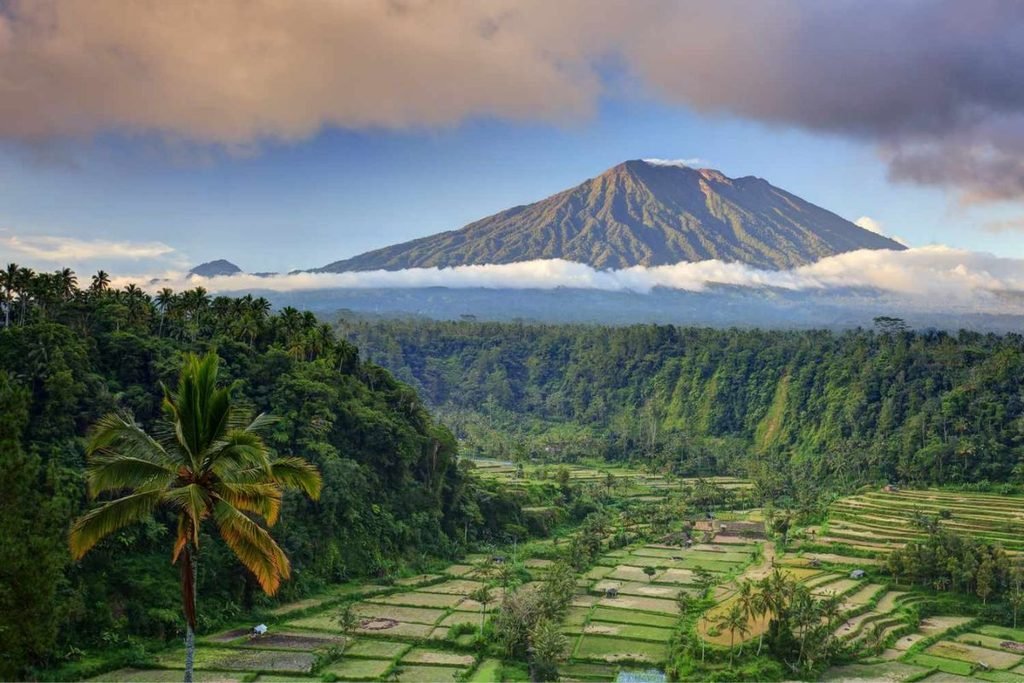
Bali is one of the strongest choices for travellers who want several types of experiences in one destination. It combines beaches, temples, rice landscapes, traditional arts, wellness retreats, outdoor activities, cafés, and distinctive local culture. Its popularity is not just theoretical: TripAdvisor’s 2026 Travellers’ Choice ranking names Bali the world’s No. 1 Tourist Place in its top global category, based on traveller reviews and opinion data.
Where to go in Bali
Bali is much more than a beach destination. Ubud is a strong base for cultural experiences, rice terraces, art, wellness, and inland exploration. Uluwatu and the Bukit Peninsula are attractive for dramatic coastal scenery, cliffs, beaches, and sunset views. Seminyak and Canggu offer a more developed mix of restaurants, cafés, accommodation, and nightlife. North and central Bali provide opportunities to escape some of the busiest Tourist Places and explore waterfalls, mountains, temples, and rural landscapes.
Why Bali stands out
The biggest advantage is variety. A traveler can combine:
- Beach time
- Temple visits
- Hiking
- Surfing
- Spa and wellness activities
- Local food
- Cultural performances
- Rice-terrace walks
- Day trips
For a travel website such as Beach Near, Bali is particularly relevant because its coastal attractions can be combined naturally with broader Tourist Places planning.
Potential drawback
Popular parts of Bali can be congested, particularly when large numbers of visitors are concentrated in the same areas. Traffic can also make short distances take much longer than expected. Instead of trying to cover the entire island from one hotel, consider dividing your stay between two areas.
Best for: Beach lovers, couples, solo travelers, wellness trips, photographers, and travelers seeking a combination of nature and culture.
03. Rome, Italy
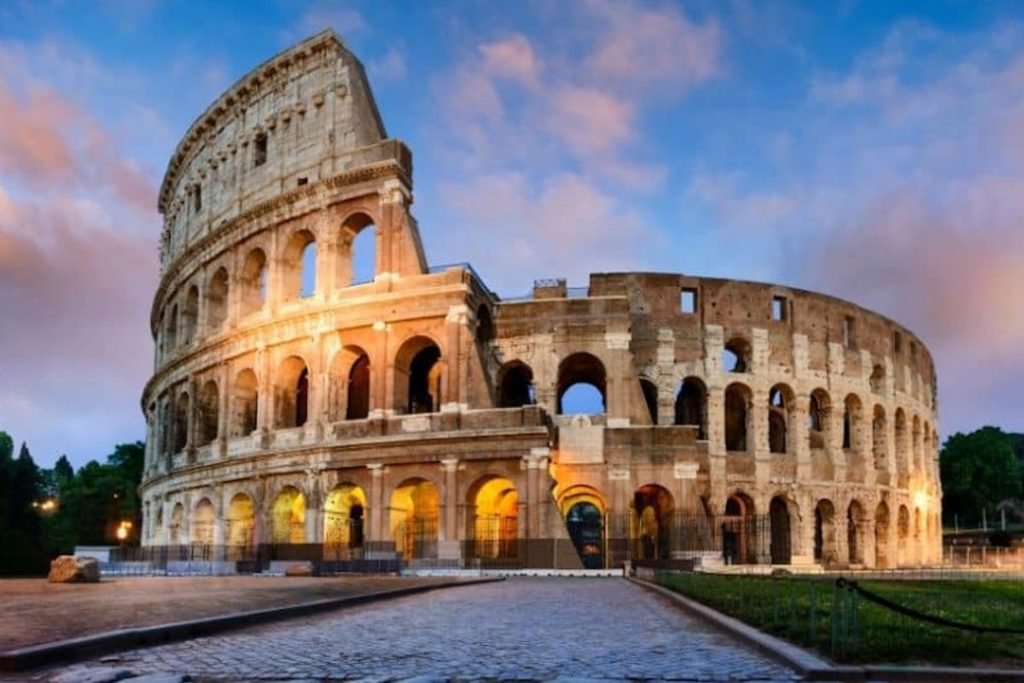
Rome is one of the world’s great Tourist Places for travelers who want to see history embedded directly into a modern city. UNESCO describes Rome’s historic center as a complex, layered urban environment containing archaeological sites and monuments from antiquity through Christian, Renaissance, and Baroque periods. That layering is what makes Rome different from a conventional museum destination. Ancient ruins, churches, fountains, cafés, residential streets, and modern businesses exist alongside one another.
Essential places to visit
- Colosseum
- Roman Forum
- Pantheon
- Trevi Fountain
- Piazza Navona
- Spanish Steps
- Vatican Museums
- St. Peter’s Basilica
- Castel Sant’Angelo
- Trastevere
How to experience Rome better
Do not plan Rome exclusively around famous attractions. Some of the city’s greatest pleasures come from walking between them. For example, a route connecting the Pantheon, Piazza Navona, Campo de’ Fiori, and nearby streets can turn several separate attractions into one manageable walking experience. Another important consideration is footwear. Historic Rome involves substantial walking over stone streets and uneven surfaces.
Why Rome belongs on the list
Rome appeals to several travel styles simultaneously:
- History
- Architecture
- Art
- Food
- Religious heritage
- Photography
- Urban exploration
Its biggest strength is density. You can encounter centuries of history within a relatively compact area.
Potential drawback
Crowds around the most famous monuments can be intense, particularly during popular travel periods. Planning may be worthwhile for attractions with timed admission.
Best for: History lovers, architecture enthusiasts, food travelers, photographers, and cultural travelers.
04. Tokyo, Japan
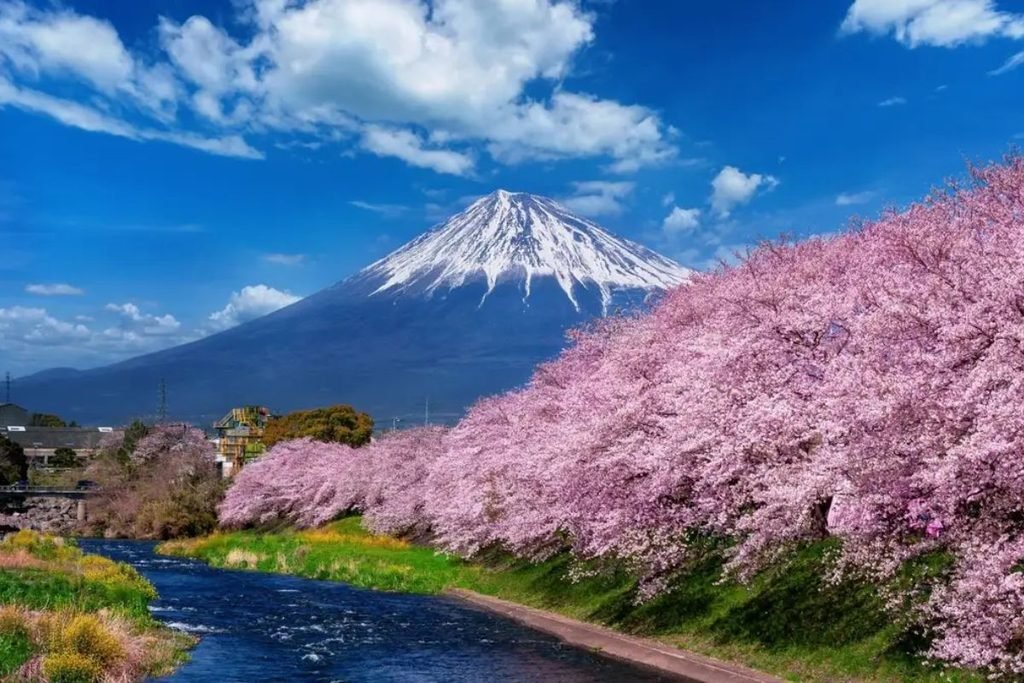
Tokyo is a compelling choice for travelers who want to experience the coexistence of traditional culture and highly modern urban life. The city can feel almost contradictory in the best possible way. A traveler can move from quiet temple grounds to one of the world’s busiest commercial districts within a short journey.
What to experience
Consider including:
- Shibuya
- Shinjuku
- Asakusa
- Senso-ji
- Meiji Jingu
- Tokyo Skytree
- Tsukiji outer market area
- Harajuku
- Ginza
- Akihabara
Japanese food deserves its own place in the itinerary. Tokyo is not simply about famous restaurants; neighborhood eateries, markets, noodle shops, bakeries, cafés, and convenience stores can all become part of the travel experience.
Why Tokyo is different
Tokyo rewards curiosity. Instead of focusing exclusively on landmark photography, explore different neighborhoods and notice how architecture, food, transportation, shopping, and daily life change from one district to another.
Potential drawback
Tokyo can initially feel overwhelming because of its size and complexity. First-time visitors should group activities geographically rather than crossing the city repeatedly.
A simple planning principle is:
One neighborhood cluster per half-day. This reduces unnecessary travel and gives you more time to explore.
Best for: Food lovers, technology enthusiasts, solo travelers, culture seekers, photographers, and experienced city travelers.
05. New York City, USA
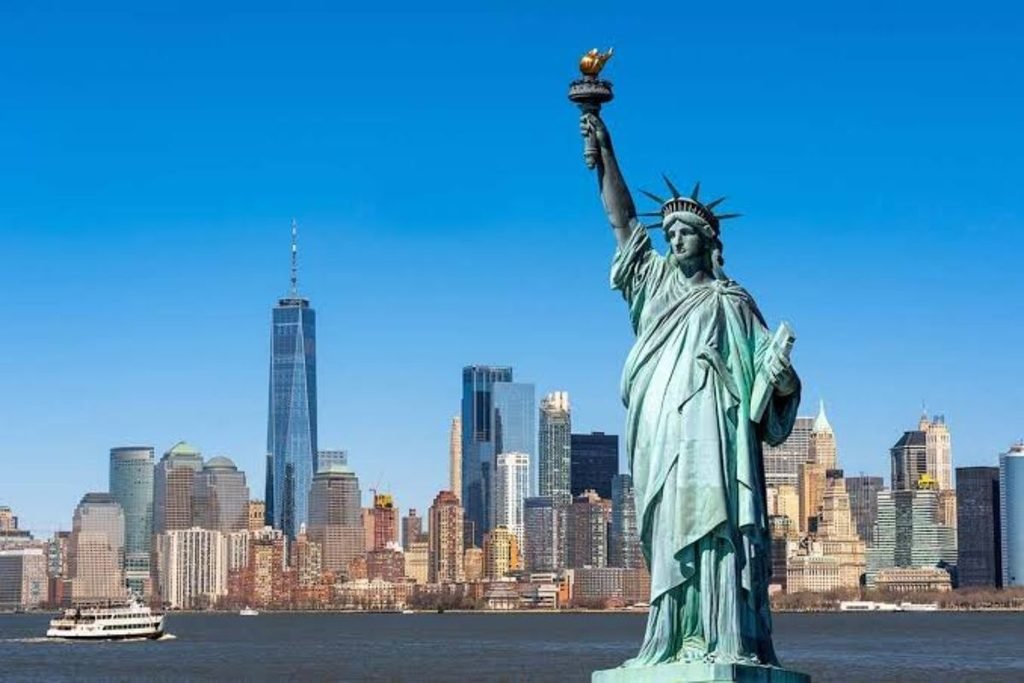
New York City offers an unusually broad range of experiences within one metropolitan destination. It combines museums, architecture, theater, food, shopping, parks, neighborhoods, waterfronts, and some of the world’s best-known urban landmarks. The Statue of Liberty, for example, is not simply a recognizable monument; UNESCO recognizes its artistic, engineering, and symbolic significance.
Top experiences
- Statue of Liberty and Ellis Island
- Central Park
- Metropolitan Museum of Art
- Museum of Modern Art
- Empire State Building
- One World Observatory
- Brooklyn Bridge
- Times Square
- Broadway
- Greenwich Village
- Lower Manhattan
A better way to explore New York
Avoid trying to “see New York” in one visit. Instead, choose a theme for each day.
For example:
Day 1: Midtown and Central Park
Day 2: Lower Manhattan and Statue of Liberty
Day 3: Museums and Upper Manhattan
Day 4: Brooklyn and waterfront neighborhoods
This creates a more manageable trip than repeatedly traveling from one end of the city to another.
Why visit?
New York is particularly strong for travelers who want entertainment and cultural variety. It is also a useful destination for people who enjoy independent exploration because different neighborhoods can feel dramatically different.
Potential drawback
Accommodation, dining, transportation, and major attractions can make a New York trip expensive. Travelers should establish a daily budget before arrival.
Best for: First-time USA visitors, culture lovers, food travelers, museum enthusiasts, Tourist Places, shoppers, and entertainment fans.
06. London, United Kingdom
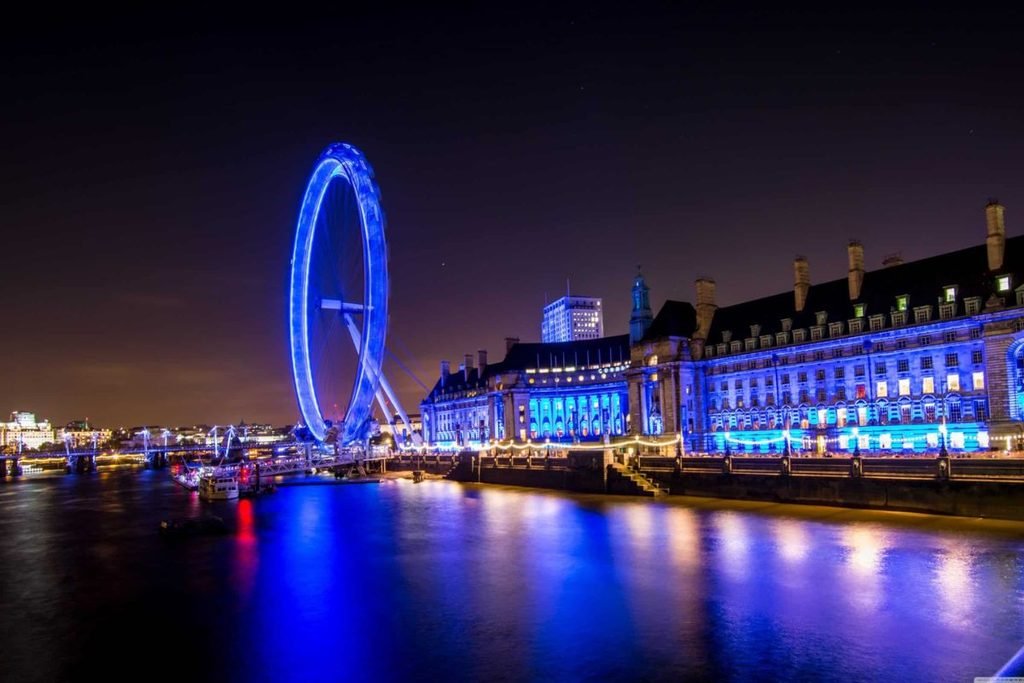
London is one of the easiest Tourist Places to recommend to a broad international audience because it combines historic landmarks with world-class museums, diverse neighborhoods, parks, theater, food, and a major public transportation network. The city also works well for repeat visits. A first trip can focus on iconic sights, while later trips can explore neighborhoods, markets, museums, and less-touristed areas.
Places to prioritize
- Buckingham Palace
- Westminster Abbey
- Big Ben and the Palace of Westminster
- Tower Bridge
- Tower of London
- British Museum
- Natural History Museum
- National Gallery
- St. Paul’s Cathedral
- Hyde Park
- Covent Garden
- Camden
A useful London strategy
Many museums and attractions are located relatively close to one another, so organize days by area. For instance, Westminster can fill much of one day, while the Tower of London, Tower Bridge, and nearby riverside areas can form another itinerary. London also works well as a starting point for wider UK travel.
Potential drawback
Weather can be unpredictable. Travelers should pack for changing conditions rather than planning every day around sunshine.
Best for: Families, history lovers, museum visitors, first-time UK travelers, and travelers who enjoy urban exploration.
07. Dubai, United Arab Emirates
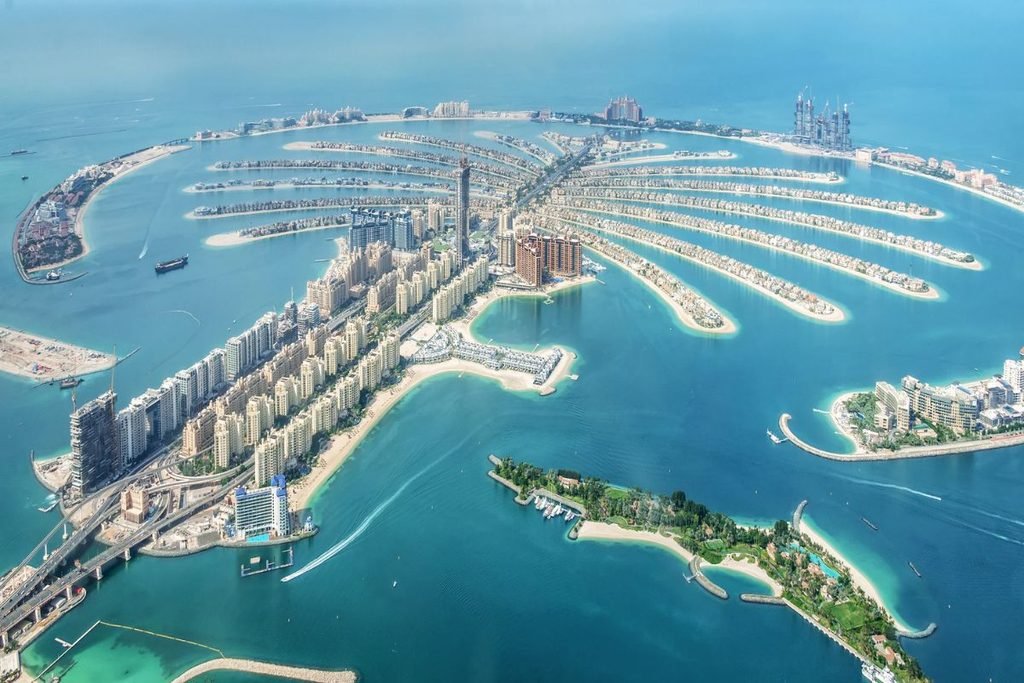
Dubai is a dramatically different type of destination from Rome or Machu Picchu. Its appeal comes from modern architecture, shopping, entertainment, beaches, desert experiences, hospitality, and an urban environment built on a huge scale. The city is particularly attractive for travelers who want a short, highly structured vacation with plenty of activities available within a modern tourism infrastructure.
Things to do
- Burj Khalifa
- Dubai Mall
- Dubai Marina
- Palm Jumeirah
- Jumeirah Beach
- Al Fahidi Historical Neighbourhood
- Dubai Creek
- Desert excursions
- Souks
- Museum and cultural attractions
Why Dubai belongs on the list
Dubai can work particularly well as a stopover destination or short city break.
A traveler might combine:
Morning: Architecture or shopping
Afternoon: Beach
Evening: Dining or skyline views
Another day can combine cultural attractions with a desert experience.
Look beyond the skyscrapers
A common mistake is assuming Dubai is only about luxury malls and modern buildings. Exploring older neighborhoods, waterways, markets, and cultural attractions gives the destination more context.
Potential drawback
Heat can strongly affect outdoor plans during the hottest part of the year. Travelers should check seasonal conditions and schedule outdoor activities accordingly.
Best for: Luxury travelers, families, shoppers, beach visitors, architecture enthusiasts, and stopover travelers.
08. Barcelona, Spain
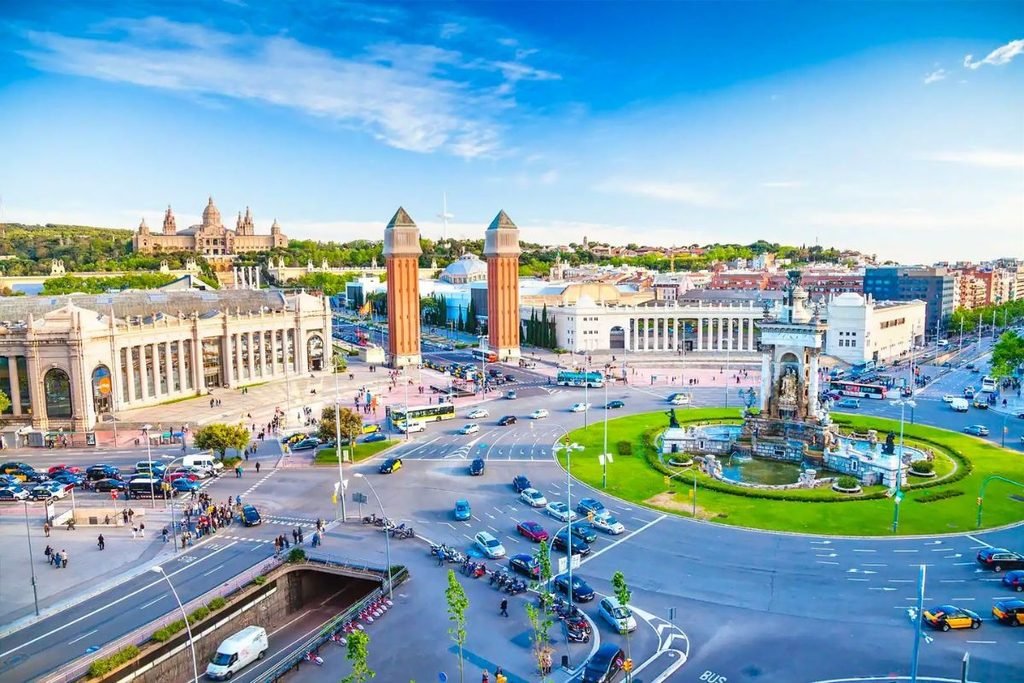
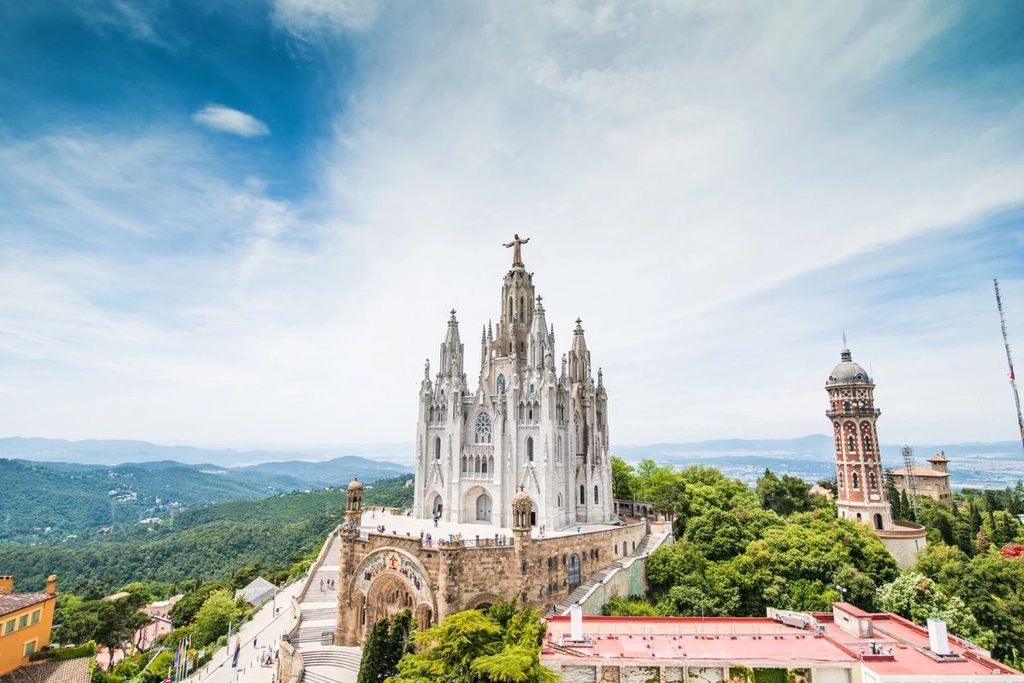
Barcelona offers one of the strongest combinations of architecture, food, history, urban culture, and Mediterranean coastline. The city is particularly famous for Antoni Gaudí’s architecture. UNESCO’s World Heritage listing includes seven Gaudí-related properties in and around Barcelona, including Park Güell, Casa Milà, Casa Batlló, and the Nativity façade and crypt of the Sagrada Família.
What to see
- Sagrada Família
- Park Güell
- Casa Batlló
- Casa Milà
- Gothic Quarter
- La Rambla
- Barceloneta
- Montjuïc
- Picasso Museum
- Local food markets
Why Barcelona is special
Few major European cities make it so easy to combine a cultural sightseeing itinerary with time beside the sea. That makes Barcelona especially attractive for travellers who do not want to choose between a traditional city vacation and a beach vacation.
Practical advice
Book popular architectural attractions according to your itinerary rather than trying to fit them in spontaneously. Then leave unscheduled time for walking and eating. The city’s architecture rewards slow observation. Some visitors rush between famous buildings and miss the details that make Barcelona distinctive.
Best for: Architecture lovers, beach travelers, food enthusiasts, couples, photographers, and first-time Spain visitors.
09. Machu Picchu, Peru
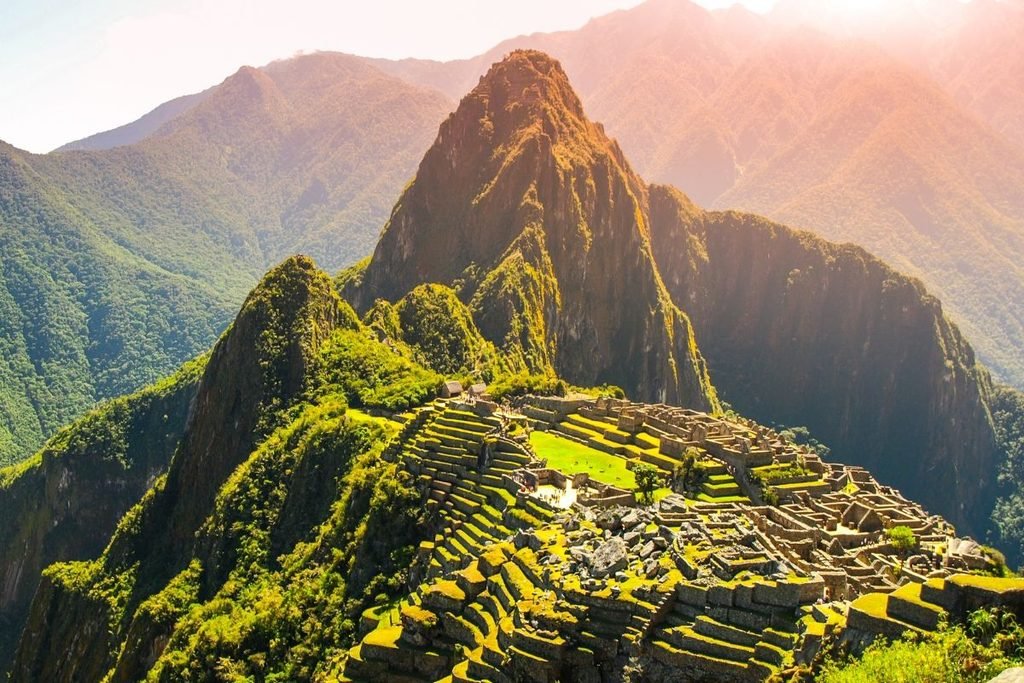
Machu Picchu is different from most destinations on this list because the attraction is not a major modern city. It is an archaeological and cultural landscape set high in the Andes. UNESCO describes the Historic Sanctuary of Machu Picchu as a mixed cultural and natural World Heritage property. The archaeological complex sits at about 2,430 meters above sea level within a mountain environment connected to the eastern Andes and Amazon basin.
Why Machu Picchu is extraordinary
The appeal comes from the relationship between human construction and landscape. Stone terraces, walls, pathways, and structures are integrated into steep mountain terrain. The surrounding sanctuary also contains diverse habitats, making the broader experience about more than the ruins themselves.
What to plan
A Machu Picchu trip requires more preparation than a typical city break.
Consider:
- Your route to the region
- Accommodation location
- Entrance arrangements
- Train or trekking logistics where applicable
- Altitude considerations
- Weather
- Walking ability
- Luggage arrangements
Common mistake
Do not treat Machu Picchu as a quick photo stop without considering the journey. The surrounding region—including Cusco and the Sacred Valley—can add significant cultural and historical depth to the trip.
Best for
Adventure travelers, history enthusiasts, photographers, hikers, archaeology lovers, and bucket-list travelers.
10. Great Barrier Reef, Australia
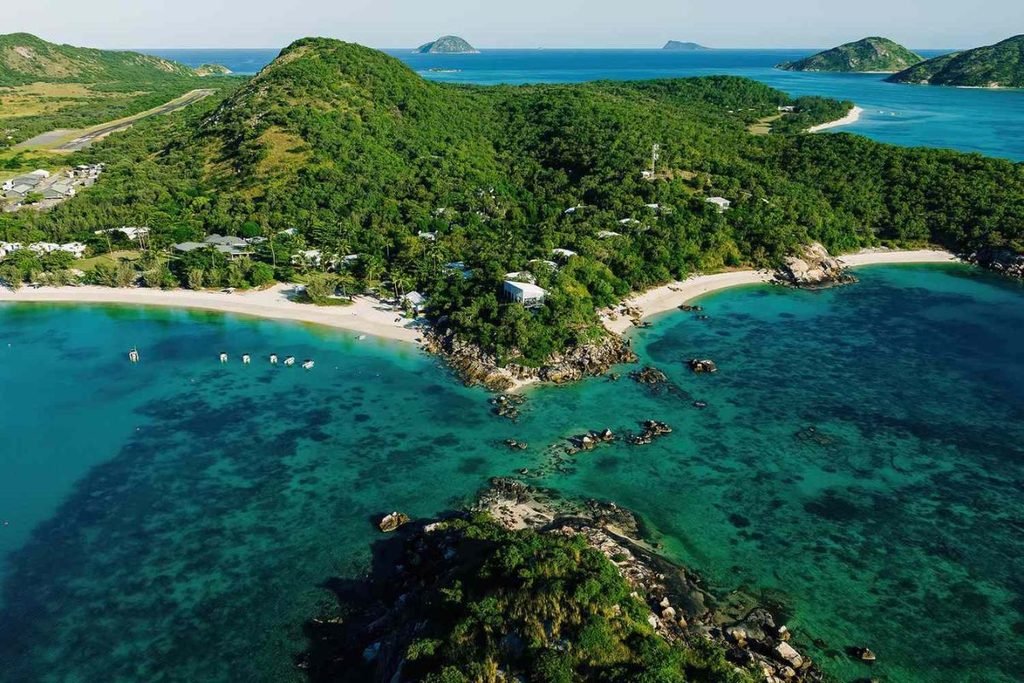
The Great Barrier Reef provides something the major cities on this list cannot: an enormous marine ecosystem where the destination itself is the natural environment. UNESCO recognizes the Great Barrier Reef as a World Heritage property of exceptional natural importance. It includes a vast reef ecosystem off Australia’s Queensland coast, with thousands of individual reefs and hundreds of islands.
What can travelers experience?
Depending on location and conditions, visitors may choose experiences such as:
- Snorkeling
- Scuba diving
- Boat trips
- Island stays
- Reef viewing
- Wildlife experiences
- Coastal exploration
You do not necessarily need to be an experienced diver. Different tour formats allow travelers with different comfort levels in the water to experience the reef.
Why it deserves a place among the world’s top destinations
The Great Barrier Reef is especially valuable for travelers who want nature rather than monuments. It also illustrates why responsible tourism matters: marine environments are sensitive, and visitors should follow local operator and conservation guidance.
Potential drawback
Weather and sea conditions can affect marine activities. Reef trips should therefore be planned with some flexibility.
Best for: Nature lovers, divers, snorkelers, families, photographers, and adventure travelers.
How to Choose the Right Tourist Place for You
The “best” destination depends on what you actually want from the trip.
Use this simple comparison:
| If you want… | Consider |
| Famous landmarks and museums | Paris, London, New York |
| Ancient history | Rome, Machu Picchu |
| Beaches plus culture | Bali, Barcelona, Dubai |
| Modern city life | Tokyo, New York, Dubai |
| Architecture | Paris, Barcelona, Rome |
| Nature and marine life | Great Barrier Reef, Bali |
| Adventure | Machu Picchu, Great Barrier Reef, Bali |
| Food experiences | Tokyo, Rome, Paris, Barcelona |
| Family-friendly variety | London, Dubai, Bali |
| A romantic trip | Paris, Bali, Rome, Barcelona |
| A short city break | Paris, Rome, London, Dubai |
| A once-in-a-lifetime adventure | Machu Picchu, Great Barrier Reef |
This approach is more useful than choosing a destination simply because it appears at number one on somebody else’s list.
How to Plan a Trip to the World’s Top Destinations
01. Define the purpose of your trip
Before booking flights, answer one question: What do I want to remember about this trip? If the answer is “relaxing beside the sea,” a dense sightseeing itinerary may be a poor choice. If the answer is “seeing historic landmarks,” spending most of your time at a resort may not satisfy you. Start with the experience, then choose the destination.
02. Check entry requirements early
Visa rules, passport requirements, electronic travel authorizations, health requirements, and permitted lengths of stay can change. Always verify current requirements using the destination country’s official government or immigration resources before booking a non-refundable trip. This is particularly important for travelers visiting several countries on one itinerary.
03. Check the season
For example:
- Beach destinations depend heavily on rainfall, sea conditions, and heat.
- Mountain destinations can be affected by snow or storms.
- Major cities may be enjoyable year-round but feel very different in peak and low seasons.
- Outdoor destinations can become difficult when weather conditions deteriorate.
Choose the season according to your preferred activities rather than simply searching for the warmest month.
04. Build realistic daily schedules
A common beginner mistake is attempting too much.
Instead of:
8 attractions + 3 museums + shopping + nightlife in one day
try:
1 major attraction + 1 neighborhood + flexible food/exploration time.
You will see fewer attractions but may enjoy the destination considerably more.
05. Consider travel time within the destination
A destination can look small on a map and still require significant transportation time. Tokyo, New York, Bali, and Dubai are good examples where your accommodation location can significantly affect your daily schedule. Before booking accommodation, identify the areas where you expect to spend most of your time.
06. Keep one flexible day when possible
A flexible day is useful for:
- Bad weather
- Jet lag
- Delayed transportation
- Unexpected closures
- Rest
- A spontaneous activity
- Returning to a favorite neighborhood
It also prevents a vacation from feeling like a work schedule.
Common Mistakes Travelers Make
Even experienced travellers can make planning mistakes. Some of the most common include:
Trying to visit too many destinations
Adding five countries to a short vacation may look impressive on paper but can turn the trip into a sequence of airports, hotels, and transfers.
Choosing a destination only for photographs
An iconic photograph tells you what a place looks like—not what it feels like to spend four days there. Consider food, transportation, weather, walking requirements, local culture, and your interests.
Ignoring travel time
A two-hour transfer may not sound significant until you repeat it several times.
Booking everything too early
Some travelers reserve every hour before arrival. Others leave everything until the last minute. A better balance is to secure important time-sensitive attractions while keeping some space open.
Ignoring local etiquette
Research basic cultural expectations before arrival. Dress requirements, photography rules, public behavior, tipping practices, and religious-site etiquette can vary substantially.
Treating popular attractions as the entire destination
The Eiffel Tower is not all of Paris. The Colosseum is not all of Rome. Sagrada Família is not all of Barcelona. Major landmarks are entry points into a destination—not substitutes for experiencing it.
How to Travel More Responsibly
Popular Tourist Places face pressure from large visitor numbers, environmental challenges, and the need to preserve cultural heritage. Responsible travel does not require giving up enjoyable experiences.
Small choices can help:
- Respect local rules and protected areas.
- Avoid touching archaeological structures.
- Follow reef and marine-life guidelines.
- Use refillable water containers where practical.
- Choose locally owned businesses when appropriate.
- Avoid purchasing products made from protected wildlife.
- Stay on designated trails.
- Do not leave waste behind.
- Respect local communities and religious sites.
- Consider visiting less-crowded areas rather than concentrating entirely on famous hotspots.
This is particularly important in destinations such as Machu Picchu and the Great Barrier Reef, where preservation is closely connected to the visitor experience. UNESCO’s World Heritage documentation emphasizes the need for continued protection and management of significant natural and cultural sites.
Food is also an important part of exploring the world, and travelers who love seafood can discover exceptional dining experiences through our guide to the best seafood buffets.
What About Beaches?
If beaches are your main priority, not all destinations on this list are equally suitable.
Best beach-oriented choices:
- Bali
- Great Barrier Reef and Queensland coast
- Barcelona
- Dubai
Best destinations for combining beaches with culture:
- Bali
- Barcelona
- Dubai
For travelers whose trip is primarily about beaches, it can be more useful to explore dedicated destination guides rather than choosing a city famous mainly for museums or historical monuments. Beach Near can serve as a starting point for researching beach-focused destinations and travel ideas.
Which Destination Is Best for Different Travelers?

For beginners
Paris, London, or Dubai. These destinations provide extensive tourism infrastructure and a large range of attractions.
For couples
Paris, Bali, or Rome. Each offers a different style of romantic travel, from city walks and architecture to tropical landscapes and historic streets.
For families
London, Dubai, or Bali. The best choice depends on children’s ages and interests, but these destinations offer a broad mixture of attractions and activities.
For adventure travelers
Machu Picchu or the Great Barrier Reef. Choose Machu Picchu for mountains, archaeology, and trekking-oriented experiences; choose the reef for marine adventures.
For food lovers
Tokyo, Rome, Paris, or Barcelona. Food is deeply integrated into the experience of each destination rather than being simply an extra activity.
For beach lovers
Bali or the Great Barrier Reef. These provide substantially more beach- and marine-focused experiences than the major European capitals.
For architecture enthusiasts
Barcelona, Paris, Rome, and Dubai. The architectural styles could hardly be more different, which is precisely what makes this comparison interesting.
Food lovers can make their trips even more memorable by exploring local specialties and discovering the best seafood restaurants along the way, especially in coastal destinations known for fresh catches.
Final Thoughts
The world’s best Tourist Places are not necessarily the places with the longest attraction lists. They are destinations that give travelers a strong reason to explore, learn, relax, connect with a culture, or experience a landscape unlike home.
Paris excels at art, architecture, food, and urban beauty. Bali combines beaches with culture and nature. Rome turns history into part of everyday city life. Tokyo offers a remarkable meeting of tradition and modernity. New York and London deliver enormous cultural variety. Dubai showcases contemporary architecture and desert-and-coast experiences. Barcelona blends Gaudí’s extraordinary work with Mediterranean life. Machu Picchu connects archaeology with dramatic mountain scenery, while the Great Barrier Reef offers an entirely different perspective through marine ecosystems.
Instead of asking only, “What is the world’s best destination?”, ask a more useful question: “Which destination best matches the trip I want to have?”
Once you answer that, choosing where to go becomes much easier. Check the current entry rules, seasonal conditions, transportation, attraction requirements, and conservation guidance before booking—and leave enough room in your itinerary to experience the destination rather than simply collect photographs.
Frequently Asked Questions
Q1. What is the No. 1 tourist place in the world?
Ans: There is no universally accepted No. 1 tourist destination. Different organizations use different methods. For 2026, Tripadvisor’s Travelers’ Choice global ranking places Bali at No. 1, while other travel publications publish different lists.
Q2. Which country has the best tourist places?
Ans: There is no single best country for everyone. France, Italy, Japan, Indonesia, Spain, Australia, the United States, Peru, and the UAE all offer very different travel experiences. Your preferred destination should depend on your interests, budget, season, and travel requirements.
Q3. What are the best tourist places for first-time international travelers?
Ans: Paris, London, Rome, Dubai, and Tokyo are strong choices because they offer extensive attractions, transportation options, accommodation choices, and well-established tourism infrastructure.
Q4. Which tourist place is best for beaches?
Ans: Bali and Australia’s Great Barrier Reef region are excellent choices for travelers prioritizing beaches and marine experiences. Barcelona and Dubai are also useful options for travelers who want beaches combined with a major city.
Q5. What is the best destination for history lovers?
Ans: Rome and Machu Picchu are particularly compelling. Rome offers layers of ancient, Christian, Renaissance, and Baroque history, while Machu Picchu provides a remarkable connection to Inca civilization and the Andean landscape.
Q6. Which tourist place is best for couples?
Ans: Paris and Bali are two strong options, but the right choice depends on the desired experience. Paris suits couples interested in architecture, food, museums, and city walks, while Bali is better suited to travelers seeking tropical scenery, beaches, wellness, and cultural experiences.
Q7. How many days are enough for these destinations?
Ans: It varies considerably. A short city break can work in Paris, Rome, London, or Dubai, while destinations such as Bali and Machu Picchu generally benefit from additional time because of travel distances and the number of experiences available.
Q8. Should I book famous attractions in advance?
Ans: For highly popular attractions with timed entry or limited capacity, advance booking can be sensible. Check the attraction’s official website for current admission arrangements rather than relying on outdated travel information.
Q9. What should I consider before choosing a tourist destination?
Ans: Consider five things first: weather, budget, travel time, entry requirements, and the type of experience you want. These factors can matter more than a destination’s position on a generic ranking.
Q10. Are these destinations suitable for solo travelers?
Ans: Yes. Paris, Tokyo, London, Rome, Bali, Barcelona, and New York can all work for solo travelers. Your choice should depend on your comfort with large cities, transportation, language differences, and independent travel.
Q11. Which destination is best for nature?
Ans: The Great Barrier Reef and Machu Picchu stand out for nature-focused travel. Bali also offers a strong combination of beaches, forests, mountains, agricultural landscapes, and cultural sites.
Q12. Is the most famous destination always the best choice?
Ans: No. Popularity and personal suitability are different things. A less famous destination may provide a better experience if it matches your interests, preferred pace, budget, and travel season.



6 Comments