
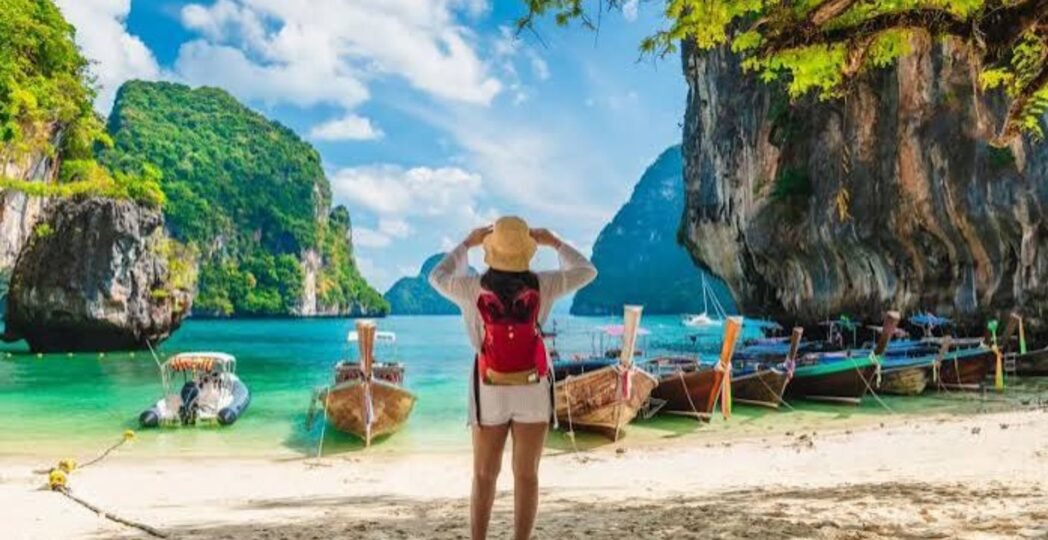
 -by
-by Thailand is one of those destinations where a single trip can feel like several different vacations. You can explore Bangkok’s busy streets and historic temples, travel north for mountains and traditional communities, relax on Andaman Sea beaches, or slow down on a Gulf island. The challenge for a first-time visitor is not finding things to do—it is deciding where to go, how long to stay, when to visit, and how to move between regions without making the itinerary exhausting.
This Thailand travel guide is designed to help you make those decisions. It covers the country’s major regions and destinations, the best times to travel, suggested itineraries, transportation, accommodation, food, budgeting considerations, cultural etiquette, safety, entry requirements, and common planning mistakes. Weather varies considerably by region, and entry rules can change, so always check current official information before departure. Thailand’s Tourism Authority describes the country as having distinct hot, rainy, and cooler periods, while southern coastal weather can differ between the Andaman and Gulf sides.
Thailand at a Glance
| Travel question | Practical answer |
| Best for | Beaches, food, culture, temples, cities, islands, nature and value-conscious travel |
| Best first trip length | About 10–14 days gives a useful introduction without rushing too much |
| Best-known city | Bangkok |
| Popular northern base | Chiang Mai |
| Popular Andaman destinations | Phuket, Krabi, Koh Phi Phi, Koh Lanta |
| Popular Gulf destinations | Koh Samui, Koh Phangan, Koh Tao |
| Currency | Thai baht (THB) |
| Language | Thai; English is widely used in major tourist areas |
| Climate | Tropical, with substantial regional and seasonal variation |
| Main airports for international travelers | Bangkok, Phuket and other regional gateways |
| Important entry task | Eligible travelers should verify visa rules and complete the Thailand Digital Arrival Card when required |
Why Visit Thailand?

Thailand works particularly well for Travel Guides who want variety without constantly changing countries.
A single itinerary can combine:
- Ancient temples and historic cities
- Modern shopping and nightlife
- Tropical beaches and islands
- National parks and mountains
- Street food and regional cuisine
- Diving, snorkeling and kayaking
- Wellness and spa experiences
- Markets and local neighborhoods
- Luxury resorts and inexpensive guesthouses
- Family activities and romantic escapes
The country’s Travel Guide biggest advantage for first-time visitors is this mix of experiences. You do not have to choose between a city holiday and a beach vacation. With sensible planning, you can experience both.
The key is resisting the temptation to cover too much. Thailand Travel Guide is larger and more geographically diverse than a map can make it appear. Moving from Bangkok to Chiang Mai and then to a southern island is possible, but every transfer consumes time. A slower itinerary often produces a better trip than trying to collect a long list of destinations.
Best Places to Visit in Thailand
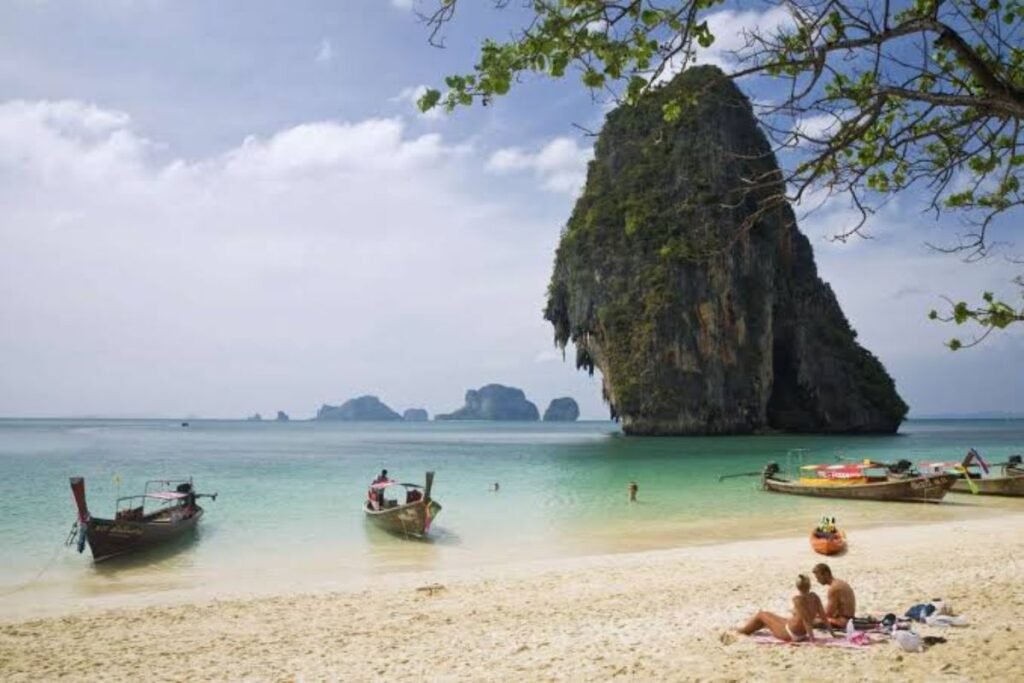
Thailand has several distinct regions. Choosing the right one depends more on your interests than on a universal “best destination.”
Bangkok: Best for First-Time Visitors and City Experiences
Bangkok Travel Guide is the most useful starting point for many international visitors because it combines major transport connections with culture, food, shopping, and nightlife.
First-time visitors can consider:
- Grand Palace and Wat Phra Kaew
- Wat Arun
- Wat Pho
- Chao Phraya River
- Chinatown
- Local markets
- Contemporary shopping districts
- Rooftop viewpoints
- Street-food neighborhoods
Bangkok can feel overwhelming if you try to see everything in one day. Instead, divide your sightseeing geographically. For example, spend one day around the historic riverside area and another exploring modern Bangkok. This reduces unnecessary travel and leaves room for meals and spontaneous discoveries.
Best for: first-time visitors, food lovers, culture, shopping and nightlife.
Chiang Mai: Best for Mountains, Culture and a Slower Pace
Chiang Mai offers a different atmosphere from Bangkok. The northern city is known for temples, mountain scenery, markets, craft traditions and access to outdoor experiences.
Possible activities include:
- Exploring the Old City
- Visiting northern Thai temples
- Exploring Doi Inthanon National Park
- Visiting local markets
- Taking cooking classes
- Exploring surrounding villages
- Hiking and nature trips
If you enjoy cultural travel more than nightlife, Chiang Mai deserves several days. Northern Thailand Travel Guide also has a different climate from the southern islands. The Tourism Authority of Thailand notes that northern Thailand has clearer seasonal differences, with cooler conditions generally occurring from November to February.
Best for: culture, nature, temples, food and travelers who prefer a slower pace.
Phuket: Best for Convenience and a Wide Choice of Activities
Phuket is one of Thailand’s easiest Hidden Beach destinations for travelers who want plenty of accommodation, restaurants, tours and transportation options. It is not one single experience. Some areas are energetic and entertainment-focused, while others are more suitable for families, couples or travelers looking for a quieter beach stay.
You can combine:
- Beach time
- Island excursions
- Phuket Old Town
- Snorkeling
- Diving
- Boat trips
- Restaurants and nightlife
Phuket is especially convenient if you want a beach holiday without traveling deep into a remote island.
Best for: first-time beach travelers, families, couples, nightlife and convenience.
Krabi and Railay: Best for Dramatic Scenery and Adventure
Krabi is famous for limestone cliffs rising above turquoise water. The scenery makes the region particularly attractive to photographers and outdoor travelers. Ao Nang is a practical base for exploring the surrounding coastline, while Railay provides a more distinctive island-like experience despite being part of the mainland area.
Popular activities include:
- Island hopping
- Rock climbing
- Kayaking
- Snorkeling
- Beach days
- Viewpoint hikes
- Boat trips
If dramatic landscapes are high on your priority list, Krabi is one of the strongest choices in southern Thailand.
Best for: scenery, adventure, beaches, couples and outdoor activities.
For more coastal ideas, see Beach Near’s guide to white sand beaches in Thailand.
Koh Samui: Best for a Comfortable Island Holiday
Koh Samui is a popular choice for travelers who want an island environment with a developed tourism infrastructure.
You can find:
- Resort accommodation
- Restaurants
- Beaches
- Wellness experiences
- Boat excursions
- Family activities
- Night markets
- Day trips to nearby islands
It is particularly suitable for travelers who want tropical scenery without giving up comfort and convenience.
Best for: couples, families, resort holidays and travelers seeking an easy island base.
Koh Phangan: More Than the Full Moon Party
Koh Phangan is often associated with its famous parties, but that is only one part of the island. The island also has quieter beaches, nature, viewpoints, wellness experiences, and relaxed coastal communities.
Travelers looking for a peaceful side of Koh Phangan can explore beaches away from the main party areas. Beach Near’s guide to the best beaches in Koh Phangan is useful if your itinerary is centered on the island’s coastline.
Best for: beach Travel Guide, nightlife, wellness, and longer island stays.
Koh Tao: Best for Diving and Snorkeling
Koh Tao is particularly well known among travelers interested in diving.
It is also attractive for:
- Snorkeling
- Beaches
- Viewpoints
- Island excursions
- Casual backpacking
- Small-scale resort stays
If learning to dive is one of your main goals, Koh Tao may make more sense than adding it as a rushed two-day stop.
Best for: diving, snorkeling, younger travelers and active island holidays.
Koh Lanta: Best for a More Relaxed Beach Escape
Koh Lanta is worth considering if you want southern Thailand’s coastal scenery without basing your trip around the busiest tourist centers.
The island is suited to travelers who enjoy:
- Long beach days
- Relaxed restaurants
- Island excursions
- Snorkeling
- Sunset walks
- A slower travel rhythm
How to Choose Where to Go in Thailand

Instead of asking, “What is the best place in Thailand?” start with your travel priorities.
| Your priority | Consider |
| First visit and broad experience | Bangkok + Chiang Mai + one southern destination |
| Beaches and convenience | Phuket |
| Limestone scenery and adventure | Krabi |
| Resort vacation | Koh Samui |
| Diving | Koh Tao |
| Nightlife | Bangkok, Phuket or Koh Phangan |
| Culture and mountains | Chiang Mai |
| Quieter island atmosphere | Koh Lanta |
| Luxury beach holiday | Phuket or Koh Samui |
| Budget-focused island travel | Koh Tao, Koh Phangan or Koh Lanta |
There is no need to visit every destination. Three well-chosen bases can produce a much better vacation than six rushed stops.
Best Time to Visit Thailand
Thailand does not have one simple nationwide “best month.” The Tourism Authority of Thailand describes three broad seasonal patterns—hot, rainy, and cooler periods—but conditions differ by region. Southern Thailand also has different rainfall patterns on the Andaman Sea and Gulf of Thailand sides.
November to February
This period is generally attractive for travelers seeking comfortable conditions in many parts of Thailand, particularly northern and central areas.
Advantages can include:
- More comfortable temperatures in northern areas
- Strong conditions for sightseeing
- Popular beach travel period
- Good conditions for many outdoor activities
The trade-off is demand. Popular destinations can be busier, and accommodation may cost more than during quieter periods.
March to May
Conditions become hotter, particularly in central and northern Thailand. This can still be an enjoyable time to visit if you plan around the heat.
Practical strategies include:
- Sightsee early
- During the warmest portion of the afternoon, take pauses.
- Stay hydrated
- Choose accommodation with reliable air conditioning
- Build swimming or indoor activities into the itinerary
April is also associated with Songkran, Thailand’s traditional New Year celebration, which can transform the atmosphere of cities and towns.
June to October
Rain becomes more important when planning a trip, but “rainy season” does not mean it rains continuously everywhere. Rainfall can be highly localized and seasonal.
Potential advantages include:
- Fewer visitors in some destinations
- Potentially better accommodation deals
- Green landscapes
- A more relaxed atmosphere
The disadvantage is greater weather uncertainty, especially for boat trips and beach-focused itineraries.
A smarter approach to seasonal planning
Do not choose travel dates solely from a nationwide weather chart.
Instead:
- Choose your region.
- Check its historical seasonal pattern.
- Look at your planned activities.
- Keep some flexibility for weather-sensitive excursions.
- Check the forecast shortly before traveling.
How Long Should You Spend in Thailand?

A good Thailand itinerary depends on how much time you have.
5–7 Days
Keep the trip geographically simple.
Option A: Bangkok + beach
- Bangkok: 2–3 days
- Beach destination: 3–4 days
Option B: Bangkok + Chiang Mai
- Bangkok: 3 days
- Chiang Mai: 3–4 days
Do not try to add multiple islands.
10 Days
A balanced itinerary could be:
- Bangkok: 2–3 days
- Chiang Mai: 3 days
- Southern Thailand: 4–5 days
This provides a useful mix of city, culture and beaches.
14 Days
Two weeks allows greater flexibility.
Example:
Days 1–3: Bangkok
Days 4–6: Chiang Mai
Days 7–10: Krabi
Days 11–13: Island or beach extension
Day 14: Return toward your departure airport
Another approach is to skip the north and spend more time in southern Thailand. The best itinerary is the one that matches your interests—not the one with the most destinations.
How to Get Around Thailand
Thailand has a broad transportation network, but the best option depends on distance and geography.
Domestic Flights
Flying is often the practical choice when crossing long distances. For example, a traveler may save substantial vacation time by flying between Bangkok and northern or southern destinations rather than using surface transportation for every long journey. Allow enough time for airport transfers and check baggage rules before booking.
Trains
Trains can be an enjoyable alternative when the journey itself is part of the experience. Thailand’s State Railway provides passenger services and online ticketing resources. For longer journeys, overnight trains can also reduce the need for a separate hotel night, although comfort and travel time should be considered.
Buses and Minivans
Buses and minivans connect many towns and tourist destinations. They can be useful for shorter regional journeys where flying would add airport time unnecessarily. However, schedules and comfort vary, so use reputable operators and confirm the departure location.
Ferries and Boats
Island travel often involves ferries, speedboats, or long-tail boats. Build flexibility into your schedule when sea conditions may affect services. Avoid scheduling an important international flight immediately after a complicated island-to-airport transfer.
Taxis and Ride-Hailing
In major cities, taxis and ride-hailing services can be convenient. Before accepting a taxi ride, make sure you understand whether the fare will be metered or agreed in advance. For airport and intercity transfers, prearranged transportation can sometimes make arrival easier, particularly for families or travelers carrying significant luggage.
Where to Stay in Thailand

Accommodation should be selected based on location first and property second. A cheap room far from everything may cost more in time and transportation than a slightly more expensive room in a convenient area.
Bangkok
Choose your neighborhood according to your plans.
- Historic areas: good for temples and cultural sightseeing
- Riverside: attractive for views and atmosphere
- Sukhumvit: convenient for restaurants, shopping and transport
- Chinatown: strong choice for food and street atmosphere
Chiang Mai
The Old City is convenient for temples and walking, while areas outside the center can offer a quieter experience.
Phuket
Choose the beach area according to your personality. A lively beach district and a quiet resort area can provide completely different vacations.
Islands
Check:
- Distance from the pier
- Beach access
- Restaurants nearby
- Transport availability
- Whether the property is suitable during rainy weather
- Cancellation policies
Do not assume every island accommodation is interchangeable.
Thai Food: What to Eat
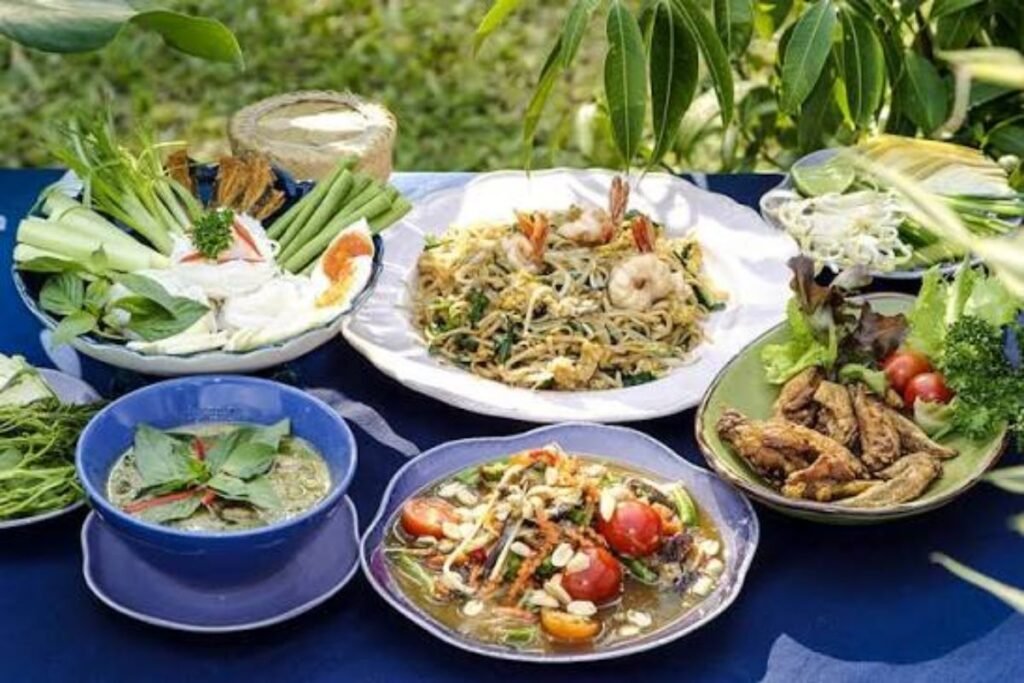
Food is one of the strongest reasons to travel around Thailand because regional cooking varies. Start with familiar classics, but also try dishes you have not encountered before.
Dishes Worth Trying
- Pad Thai
- Tom Yum
- Green curry
- Massaman curry
- Som Tam
- Khao Soi
- Mango sticky rice
- Thai grilled chicken
- Fresh seafood
- Regional noodle dishes
Street food can be excellent, but travelers should still use basic food-safety judgment. Look for busy vendors with high turnover, observe food handling practices, and be cautious with food that has been sitting unrefrigerated for long periods. If you have dietary restrictions or allergies, learn the relevant Thai words or carry a translated card explaining the ingredients you need to avoid.
Thai Culture and Etiquette
A little cultural awareness can prevent awkward situations.
Dress Respectfully at Temples
Temples are religious spaces, not simply tourist attractions.
When visiting:
- Dress modestly
- Cover shoulders and knees where required
- Remove shoes when requested
- Follow photography restrictions
- Avoid loud or disruptive behavior
The Wai
The traditional Thai greeting known as the wai involves bringing the hands together and making a slight bow. Visitors do not need to imitate every social custom perfectly. A polite attitude matters more than performing unfamiliar etiquette incorrectly.
Respect Religious Images
Buddha images and religious objects deserve respect. Avoid climbing on statues, posing disrespectfully, or treating sacred spaces as photo props.
Feet and Head
Traditional Thai etiquette generally treats the feet as the less respectful part of the body and the head as more important. Avoid pointing your feet directly at people or religious objects.
What to Pack for Thailand
Pack for heat, humidity, rain, and walking.
Essentials
- Lightweight clothing
- Comfortable walking shoes
- Sandals
- Sun protection
- Reusable water bottle
- Small daypack
- Insect repellent
- Light rain jacket or compact umbrella
- Swimwear
- Power adapter
- Copies of important travel documents
- Necessary medications
For temple visits, pack at least one outfit that provides more coverage. For island trips, a dry bag or waterproof pouch can be useful for protecting phones and documents during boat transfers.
Thailand Travel Safety Tips
Thailand is a popular international destination, but normal travel precautions still matter.
Protect Your Passport
Keep your passport secure and carry a copy or digital backup of important documents.
Be Careful With Motorbikes
Motorbike rental can seem like an easy way to explore islands, but unfamiliar roads, traffic, weather, and riding conditions can create serious risks. Do not rent a motorcycle simply because it is convenient if you are not properly licensed, insured, and experienced.
Watch the Weather
Boat trips, hiking, and swimming conditions can change. Follow local warnings and operator instructions rather than assuming an activity is safe because it was advertised.
Protect Yourself From Mosquitoes
Mosquito-borne illnesses occur in Thailand. The CDC recommends travelers review routine vaccinations and destination-specific health recommendations before departure; it also lists diseases and prevention considerations relevant to Thailand. A travel-health consultation is especially worthwhile for longer trips, rural travel or travelers with specific medical considerations.
Travel Insurance
Travel insurance can be useful for international trips, especially when your itinerary includes flights, ferries, diving, motorbike travel or expensive prepaid accommodation.
Thailand Entry Requirements: What to Check Before You Fly
Entry requirements are one area where travelers should not rely on an old blog post. Visa eligibility depends on nationality, passport, and travel circumstances, and Thai authorities have revised visa-exemption and visa-on-arrival policies. In May 2026, Thai authorities announced revisions that included changes to visa-exemption and visa-on-arrival schemes, with implementation tied to subsequent official announcements.
Therefore, before booking or departing:
- Check your passport’s current Thailand visa requirements.
- Confirm the permitted length of stay.
- Check whether you need an e-Visa or another authorization.
- Confirm passport validity requirements.
- Check onward or return-ticket requirements if applicable.
- Complete the Thailand Digital Arrival Card when required.
Thailand Digital Arrival Card
The Thailand Digital Arrival Card (TDAC) is an online arrival form replacing the traditional paper arrival card. Thailand’s Immigration Bureau states that all non-Thai nationals entering Thailand must complete the TDAC, and the information should be submitted within three days before arrival.
The system applies to arrivals by air, land, or sea, with exceptions such as travelers who remain in international transit without passing immigration. The official system is free. Be careful with third-party websites charging fees for the form. Thai immigration authorities specifically state that TDAC registration is free.
Important: TDAC is an arrival form, not a visa.
Because immigration requirements can change, verify the rules again immediately before departure.
Thailand Travel Budget: How to Plan Your Spending
There is no single “Thailand travel cost” because travel styles vary enormously.
Your total budget depends on:
- Season
- Accommodation standard
- Domestic flights
- Island transfers
- Restaurants versus street food
- Tours and activities
- Nightlife
- Shopping
- Trip length
- Number of destinations
A useful way to build a budget is to divide spending into categories rather than choosing an arbitrary daily number.
Create five budget categories
- Accommodation
- Transportation
- Food and drinks
- Activities
- Emergency and miscellaneous spending
Then add a separate buffer for unexpected transportation, weather-related changes, or medical expenses. This method works better than budgeting only for hotels because transportation can become a significant part of a multi-region itinerary.
Common Thailand Travel Mistakes
01. Trying to See Too Much
Bangkok → Chiang Mai → Phuket → Phi Phi → Koh Samui → Koh Tao may look exciting on paper.
In practice, the transfers can consume a large portion of a short vacation.
Better approach: choose two or three regions.
02. Ignoring Regional Weather
A nationwide “best month” can be misleading. Thailand’s southern coasts do not always experience identical weather patterns.
Better approach: check the weather for your exact destination.
03. Booking Every Activity in Advance
Some experiences need reservations, but filling every hour removes flexibility.
Leave space for:
- Weather changes
- Jet lag
- Local discoveries
- Slow mornings
- Unexpected delays
04. Choosing Accommodation Only by Price
A cheap hotel may be inconvenient. Compare the location, transportation access, and total daily travel time.
05. Assuming All Beaches Are Similar
Phuket, Krabi, Koh Samui, Koh Phangan, Koh Tao, and Koh Lanta have different atmospheres. Research the specific area rather than simply searching for “Thailand beach.”
06. Forgetting Transfer Time
A ferry departure may look short on a timetable, but the complete journey includes hotel checkout, road transfer, pier waiting, boat travel, and arrival transportation. Think in terms of door-to-door time, not just flight or ferry duration.
A Practical 10-Day Thailand Itinerary
For a first-time traveler wanting a broad introduction, this structure is relatively balanced.
Days 1–3: Bangkok
- Historic temples
- Chao Phraya River
- Chinatown
- Thai food
- Modern city exploration
Days 4–6: Chiang Mai
- Old City
- Temples
- Northern Thai cuisine
- Market visit
- Mountain or nature excursion
Days 7–10: Southern Thailand
Choose one base such as Krabi or Phuket.
Use the final days for:
- Beaches
- Boat excursion
- Snorkeling
- Relaxation
- Local restaurants
This itinerary deliberately avoids adding another island simply for the sake of variety. If beaches are your absolute priority, replace Chiang Mai with additional time in southern Thailand.
How to Build a Better Thailand Itinerary
Use this simple planning sequence.
Step 01: Decide your travel style
Are you mainly interested in:
- Culture?
- Beaches?
- Food?
- Adventure?
- Nightlife?
- Wellness?
- Luxury?
- Family activities?
Step 02: Select two or three regions
Do not begin with a list of 15 attractions. Begin with geography.
Step 03: Check seasonal conditions
Compare your destinations rather than relying on a generic national forecast.
Step 04: Choose your arrival and departure airports
A multi-city flight can sometimes save unnecessary backtracking.
Step 05: Add transportation
Estimate the actual door-to-door time between destinations.
Step 06: Book the essential parts
Secure international flights, important accommodation, and activities that genuinely sell out.
Step 07: Keep flexibility
Leave at least some unscheduled time.
Step 08: Recheck entry requirements
Do this shortly before departure because visa and immigration policies can change.
Is Thailand Good for First-Time International Travelers?

Yes, provided the traveler prepares for its differences in climate, transportation, traffic, and culture.
Thailand offers a useful mix for beginners:
- Well-developed tourism infrastructure
- Major international airports
- Many accommodation choices
- Extensive transportation options
- Large English-speaking tourism sector
- Diverse destinations
- Strong range of activities
At the same time, first-time visitors should not assume everything will work exactly like home. Traffic can be intense, tropical weather can disrupt plans, and travel between islands often takes longer than expected. The easiest strategy is to plan the important logistics while leaving room for spontaneity.
Sustainable and Responsible Travel in Thailand
A better trip is not only about what you see but also how you behave as a visitor.
Consider:
- Carrying reusable items instead of unnecessary single-use plastic
- Avoiding litter on beaches
- Following rules in marine parks
- Not touching coral or marine animals
- Choosing responsible wildlife experiences
- Supporting locally owned businesses when practical
- Respecting local communities and religious sites
- Avoiding activities that exploit animals
Thailand’s coastal environments are particularly vulnerable to pressure from tourism. Responsible behavior helps protect the beaches and marine ecosystems that attract visitors in the first place.
Final Thoughts
The best Thailand trip is not necessarily the one with the longest destination list. It is the one that gives you enough time to experience each place without spending most of your vacation in airports, taxis, ferries, and hotel checkouts.
For first-time visitors, a combination such as Bangkok + Chiang Mai + one southern destination offers an excellent introduction to the country’s cities, culture, food, nature, and beaches. Travelers with limited time should simplify further, while beach-focused visitors can devote most of their trip to the south.
Before departure, check the latest visa requirements, complete the Thailand Digital Arrival Card when applicable, review health guidance, and confirm transportation and weather conditions. The official Tourism Authority of Thailand provides destination, weather, and transportation information, while Thai Immigration provides the current TDAC system.
Most importantly, choose Thailand based on what you actually want from the trip. Whether that means temples and food, mountain landscapes, diving, quiet beaches, nightlife, or a little of everything, the country is flexible enough to build an itinerary around you.
Frequently Asked Questions
Q1. What is the best time to visit Thailand?
Ans: There is no single best period for every destination. November to February is generally attractive for many northern and central destinations, while southern coastal weather varies between the Andaman and Gulf sides. Check conditions for your specific destination before booking.
Q2. How many days are enough for Thailand?
Ans: About 10–14 days is a useful length for a first trip covering several regions. With one week, focus on two destinations rather than trying to see the entire country.
Q3. Is Thailand expensive to visit?
Ans: Thailand Travel Guide can accommodate different travel budgets. Accommodation, transportation, food, and activities range from relatively simple options to high-end experiences. Your destination and Travel Guide season can significantly affect the total cost.
Q4. Which part of Thailand is best for beaches?
Ans: There is no universal winner. Phuket is convenient and highly developed, Krabi is excellent for dramatic scenery, Koh Samui suits resort-style travel, Koh Tao is strong for diving, and Koh Lanta appeals to travelers seeking a more relaxed atmosphere.
Q5. Should I visit Bangkok on my first trip?
Ans: For most first-time visitors, Bangkok Travel Guide is worth including. It provides access to major cultural attractions, food experiences, shopping, nightlife, and transportation connections.
Q6. Is Chiang Mai worth visiting?
Ans: Yes, particularly if you enjoy temples, northern Thai culture, food, mountains and nature. It provides a strong contrast with Bangkok Travel Guide and southern beach destinations.
Q7. Do I need a visa for Thailand?
Ans: It depends on your nationality and current Thai immigration rules. Visa-exemption and visa-on-arrival policies can change, so check official Thai government or embassy information for your passport before traveling. Recent 2026 policy revisions demonstrate why older travel guides should not be treated as definitive.
Q8. What is the Thailand Digital Arrival Card?
Ans: TDAC is an online arrival form for non-Thai nationals entering Thailand. The Immigration Bureau says it should be submitted within three days before arrival and applies to entry by air, land or sea, subject to the stated exceptions.
Q9. Is Thailand suitable for families?
Ans: Yes. Families can choose resorts, beaches, cultural attractions, wildlife-free nature activities, cooking experiences and destinations with convenient transportation. The best destination Travel Guide depends on the children’s ages and the family’s tolerance for transfers.
Q10. Should I rent a motorbike in Thailand?
Ans: Only if you are properly licensed, experienced, insured, and comfortable with the local road environment. Convenience should not outweigh safety.
Q11. Can I travel around Thailand by train?
Ans: Yes. Thailand has a national railway network, and train travel can be a useful alternative for certain routes. The State Railway of Thailand Travel Guide provides passenger information and ticketing services.
Q12. What should I not miss in Thailand?
Ans: For a first Travel Guide, prioritize experiences rather than a checklist: explore Bangkok’s historic areas, eat regional Thai food, experience northern culture if time allows, and spend several days on a coast or island that matches your preferred travel style.





3 Comments