

 -by
-by Choosing among the best countries to visit can be surprisingly difficult. A country that is perfect for a beach holiday may be a poor choice for someone seeking mountain adventures, while a history lover may value a destination very differently from a first-time international traveler. The “best” destination is therefore less about a universal ranking and more about finding the country that matches your budget, interests, travel style, available time, and preferred season.
This guide compares 15 outstanding countries across Asia, Europe, Oceania, Africa, and the Americas. You’ll find options for beaches, culture, food, nature, road trips, luxury travel, family holidays, adventure, and first international trips. You’ll also learn how to choose between destinations, when to travel, what practical issues to check before booking, and which common planning mistakes can make an otherwise excellent trip unnecessarily difficult.
If you are starting with a blank map, use this guide as a decision-making tool—not a checklist. You do not need to visit the country with the most famous landmarks. You need the destination that best fits your trip.
What Makes a Country One of the Best Countries to Visit?
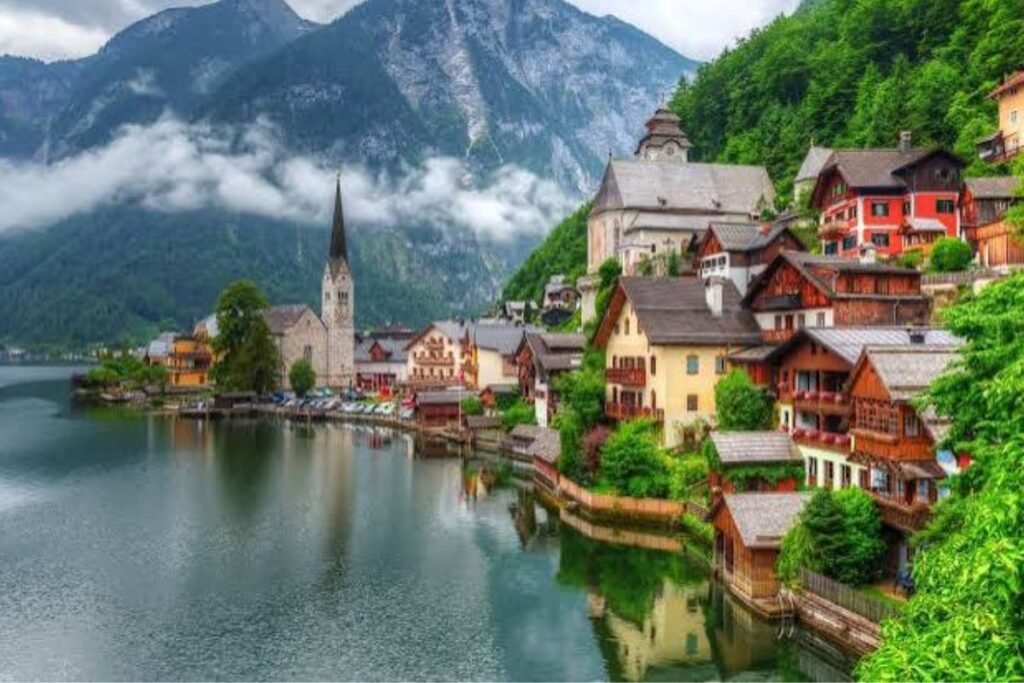
There is no objective worldwide list of the best countries for every traveler. A useful destination should instead be evaluated through several factors:
- Natural scenery: beaches, mountains, forests, deserts, islands, or wildlife.
- Culture and history: historic cities, architecture, museums, traditions, and heritage sites.
- Food: local cuisine, markets, regional specialties, and dining variety.
- Travel practicality: transportation, connectivity, accommodation choices, and ease of planning.
- Value: what you can reasonably experience for your travel budget.
- Seasonality: whether the weather suits your preferred activities when you can travel.
- Trip length: whether the country works for a short break or rewards a longer journey.
- Travel style: solo travel, family travel, honeymoon, backpacking, luxury, road trips, or adventure.
- Beaches and coastal experiences: especially important if your ideal vacation involves swimming, snorkeling, islands, or relaxing by the sea.
UNESCO’s World Heritage framework is another useful starting point for travelers interested in cultural and natural heritage. The organization’s World Heritage List includes properties across countries and regions worldwide, making it useful for identifying destinations with significant heritage value.
Best Countries to Visit at a Glance
| Country | Best for | Ideal traveler | Trip style |
| Japan | Culture, food, technology, nature | First-timers, couples, families | City + cultural exploration |
| Italy | History, food, art | Couples, culture lovers | Slow travel + cities |
| Spain | Beaches, food, nightlife, culture | Families, couples, groups | Flexible multi-city trip |
| Thailand | Beaches, islands, food, value | Beginners, beach lovers | Beach + culture |
| Greece | Islands, beaches, history | Couples, families | Island + mainland |
| Portugal | Coastal scenery, cities, food | Couples, families | Road trip + city breaks |
| New Zealand | Nature and adventure | Outdoor travelers | Road trip |
| Australia | Beaches, cities, wildlife | Families, long-haul travelers | Extended itinerary |
| Switzerland | Alps, trains, lakes | Nature lovers, families | Scenic travel |
| France | Art, food, history, coast | Almost every traveler | City + regional travel |
| Costa Rica | Wildlife and adventure | Nature lovers | Eco-adventure |
| Indonesia | Islands, beaches, culture | Backpackers, couples | Island + cultural trip |
| Vietnam | Food, culture, landscapes | Budget-conscious travelers | Multi-city journey |
| Türkiye | History, food, coast | Culture + beach travelers | Regional exploration |
| South Africa | Wildlife, scenery, coast | Adventure travelers | Safari + road trip |
The table is intentionally not a strict ranking. Your priorities should determine the order.
01. Japan — Best for Culture, Food, Cities, and Contrasting Landscapes

Japan is one of the strongest all-round destinations for travelers who want a trip with considerable variety. A single itinerary can combine enormous modern cities, quiet temples, traditional neighborhoods, mountain landscapes, coastal areas, gardens, museums, and regional food cultures.
Tokyo works particularly well for travelers interested in modern urban life, shopping, entertainment, technology, and food. Kyoto offers a very different atmosphere, with temples, gardens, traditional architecture, and historic districts. Osaka is especially attractive to travelers who prioritize food and lively city experiences.
Why visit Japan?
- Exceptional food culture
- Strong combination of modern and traditional experiences
- Beautiful seasonal scenery
- Major cities with distinctive personalities
- Extensive rail connections between many popular destinations
- Excellent choice for repeat travelers
Japan also works for travelers who do not want a conventional beach vacation. Okinawa provides a warmer, more tropical side of the country, while the Japanese Alps and northern regions offer very different landscapes.
Best for
Culture lovers, food travelers, photographers, families, couples, and first-time visitors seeking a highly varied itinerary.
Watch out for
Japan can be more complicated than it initially appears because distances between regions can make an ambitious itinerary exhausting. Do not try to cover Tokyo, Kyoto, Osaka, Hiroshima, Hokkaido, and Okinawa in one short trip.
Better strategy: choose one geographic area and explore it properly.
02. Italy — Best for History, Art, Food, and Romantic Travel
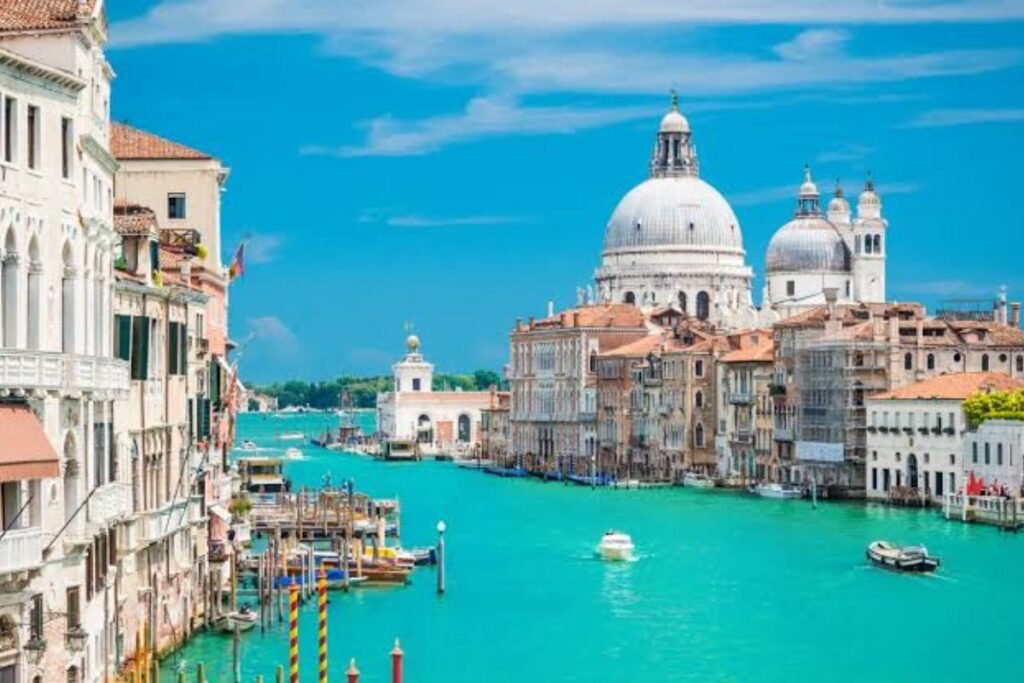
Italy is particularly strong when your idea of travel involves historic cities, Italian regional cuisine, architecture, art, countryside, and coastal scenery. Rome offers ancient history and major cultural landmarks. Florence is a natural choice for Renaissance art and architecture. Venice provides a completely different urban environment, while southern Italy and the islands bring beaches, villages, and slower-paced travel.
Italy’s major advantage is its regional diversity. Food, landscapes, architecture, traditions, and even travel rhythms can change considerably from one part of the country to another.
Why Italy stands out
- Ancient and Renaissance history
- World-famous art and architecture
- Strong regional food traditions
- Mediterranean coastline
- Islands and countryside
- Excellent choices for romantic trips
Italy’s official tourism portal highlights cities, regions, UNESCO sites, villages, coastal areas, wellness destinations, and food and wine, reflecting just how broad the country’s tourism offering is.
Best for
Couples, history lovers, food enthusiasts, photographers, and travelers who enjoy combining cities with countryside or coastal areas.
Practical tip
Do not judge Italy only by its famous cities. Smaller towns and regional destinations can be a major part of the experience.
03. Spain — Best for Beaches, Food, Cities, and Nightlife
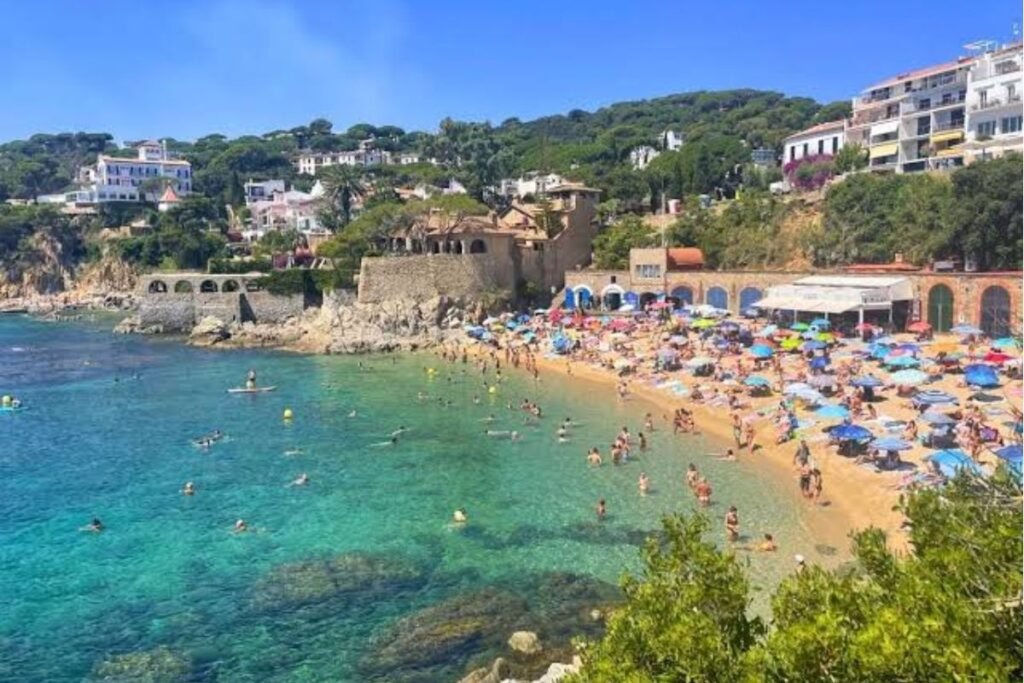
Spain is one of the most versatile choices for travelers who want both culture and relaxation. You can build an itinerary around Barcelona and Madrid, focus on Andalusia, explore northern Spain, or spend most of your time on Mediterranean or island beaches.
The official Spanish tourism portal divides travel experiences into areas such as culture, beaches and coasts, nature, food and wine, sport, shopping, and urban tourism.
Why visit Spain?
- Mediterranean and Atlantic coastlines
- Major historic cities
- Strong food culture
- Island destinations
- Architecture and art
- Active nightlife
- Diverse landscapes
Barcelona is a natural choice for architecture and city life, while Seville offers a different Andalusian character. The Balearic and Canary Islands appeal to travelers prioritizing coastal holidays.
Best for
Beach travelers, families, couples, food lovers, first-time Europe visitors, and travelers who want a flexible itinerary.
A useful planning approach
Instead of trying to see the whole country, choose a region:
- Catalonia: Barcelona + Costa Brava
- Andalusia: Seville + Granada + Córdoba + Málaga area
- Basque Country: food + culture + northern coast
- Balearic Islands: beaches + island life
- Canary Islands: year-round outdoor and coastal experiences
04. Thailand — Best for Beaches, Islands, Food, and Value
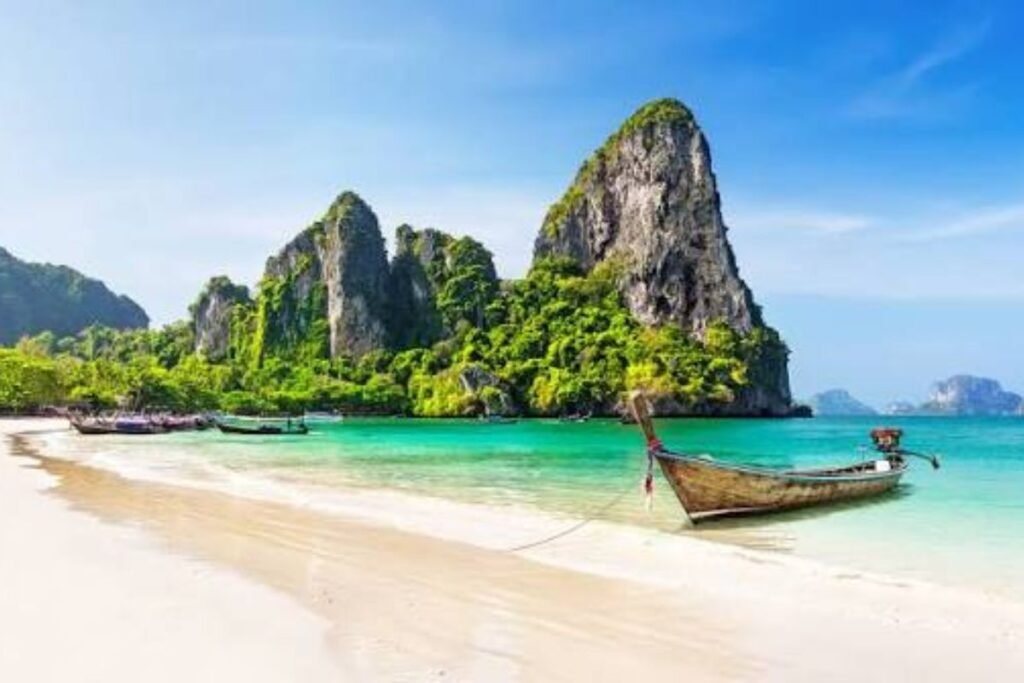
For travelers who want a combination of tropical beaches, islands, food, temples, markets, and lively cities, Thailand remains one of the most versatile destinations in Southeast Asia. Bangkok provides a huge contrast to the islands. Northern Thailand offers mountains, cultural experiences, and a different atmosphere, while the southern regions are especially attractive to beach travelers.
The Tourism Authority of Thailand officially promotes beaches, adventures, temples, palaces, festivals, food, and regional destinations, demonstrating the country’s broader appeal beyond beach resorts.
Why Thailand belongs on the list
- Tropical beaches and islands
- Distinctive cuisine
- Temples and cultural attractions
- Wide range of accommodation
- Backpacker and luxury options
- Large variety of activities
- Strong choice for a first Southeast Asian trip
Best for
Beach lovers, first-time international travelers, couples, backpackers, families, food travelers, and luxury travelers.
If beaches are your main reason for visiting, use Beach Near‘s broader travel resources alongside destination-specific planning rather than choosing a destination only by its photographs.
Important consideration
Thailand’s weather varies considerably by region. Before booking, check the conditions for the specific island or coastal area you intend to visit rather than assuming the entire country has identical weather.
05. Greece — Best for Islands, Beaches, History, and Mediterranean Travel
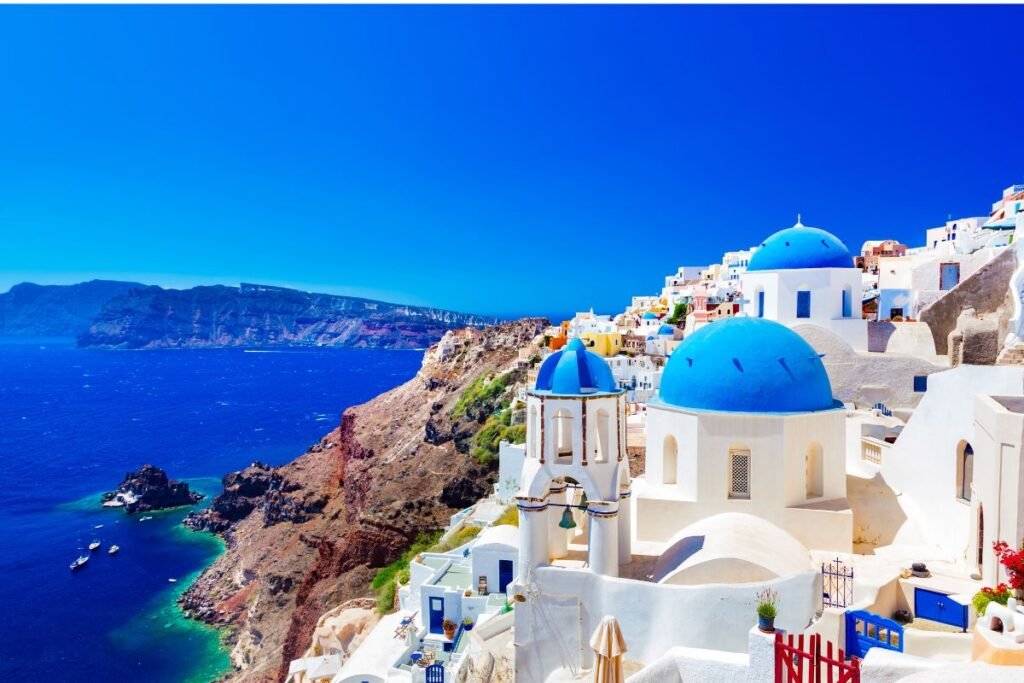
Greece combines ancient history with some of Europe’s most recognizable island landscapes. It can work equally well as a cultural trip, a beach holiday, a romantic getaway, or a mixture of all three.
Athens provides access to ancient history, while islands such as Crete, Corfu, Rhodes, and destinations in the Cyclades offer different coastal experiences.
The official Greek tourism organization highlights beaches, nature, cultural heritage, local living, gastronomy, hiking, and island experiences across its destination resources.
Why Greece?
- Ancient archaeological sites
- Island diversity
- Mediterranean food
- Beaches and swimming
- Mountain landscapes
- Traditional villages
- Strong summer appeal
Best for
Couples, families, history lovers, island travelers, photographers, and beach enthusiasts.
Common mistake
Do not assume every Greek island offers the same experience. Some are better suited to nightlife, others to quiet villages, hiking, beaches, or family holidays. Choose the island based on the type of vacation you want.
06. Portugal — Best for Coastal Road Trips and Relaxed European Travel
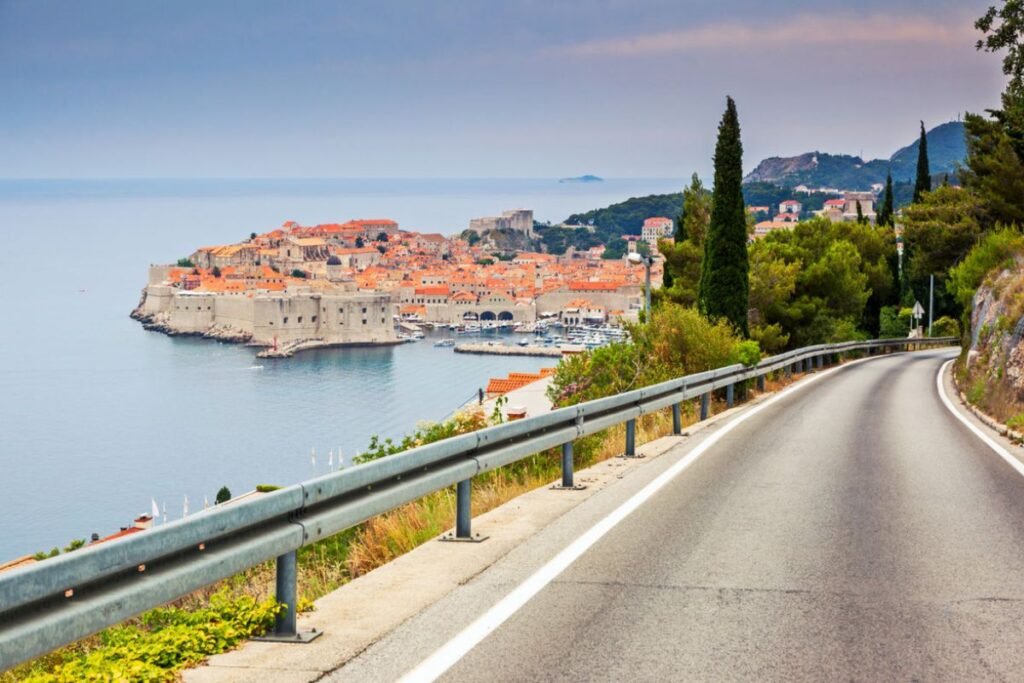
Portugal is an excellent option for travelers who want European history without building an itinerary entirely around enormous cities.
Lisbon provides urban culture, food, and architecture. Porto offers a distinct northern atmosphere, while the Algarve is particularly attractive for coastal scenery and beaches. Madeira and the Azores provide another side of Portugal for travelers interested in dramatic landscapes and outdoor activities.
Why Portugal?
- Atlantic beaches
- Historic cities
- Scenic coastal drives
- Seafood and regional cuisine
- Islands
- Walkable urban destinations
- Good combination of culture and relaxation
Best for
Couples, families, road-trippers, beach travelers, food lovers, and first-time European travelers.
Portugal is particularly appealing when you want to combine sightseeing with downtime rather than moving between major attractions every day.
07. New Zealand — Best for Nature and Adventure
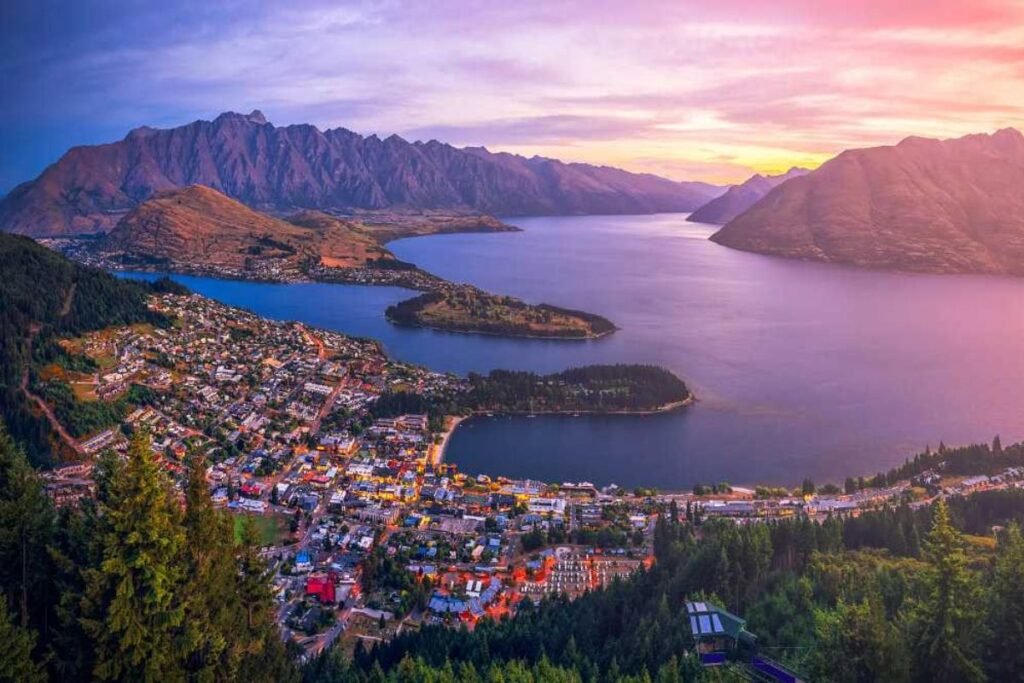
New Zealand is a standout destination for travelers who would rather spend their vacation outdoors than inside museums or shopping districts. The country is known for dramatic landscapes, mountains, lakes, coastlines, hiking opportunities, and road-trip potential. Tourism New Zealand’s official site provides planning information covering itineraries, climate, health and safety, accommodation, transportation, and entry requirements.
Why visit New Zealand?
- Mountains and lakes
- Hiking and outdoor recreation
- Scenic road trips
- Coastal landscapes
- Adventure activities
- Distinct North and South Island experiences
Best for
Outdoor enthusiasts, photographers, couples, road-trippers, and adventure travelers.
Planning advice
Distance matters. A map can make New Zealand look compact, but trying to see too much in a short trip can turn a relaxing road trip into a sequence of long driving days.
Choose fewer regions and spend more time in them.
8. Australia — Best for Beaches, Wildlife, Cities, and Long Trips
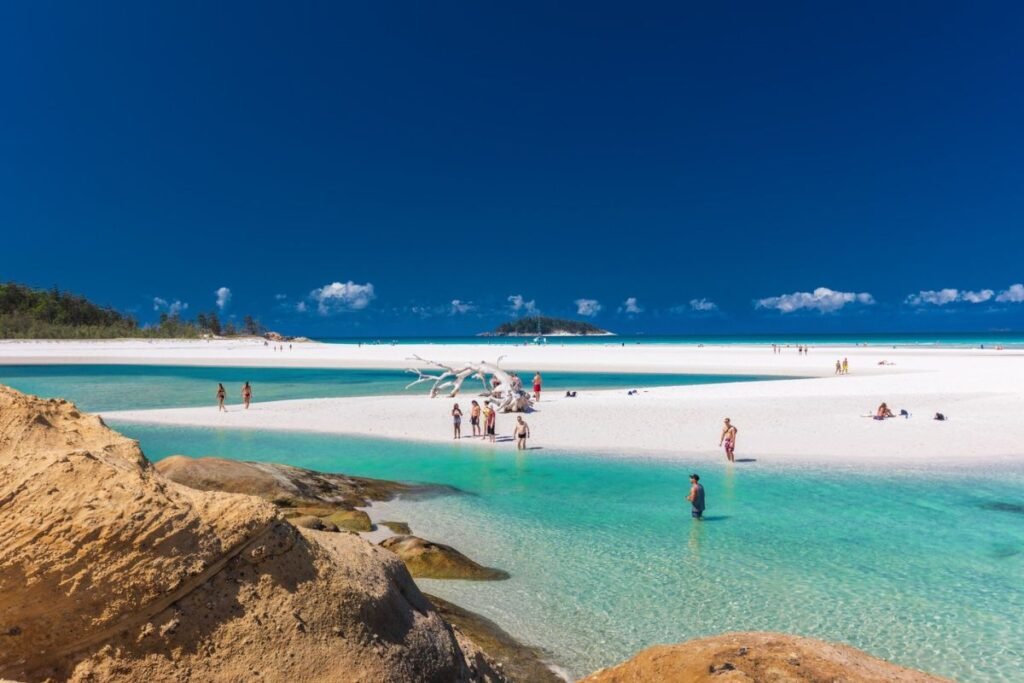
Australia is difficult to experience fully on a short vacation because of its enormous geographic scale. However, that same scale creates exceptional variety. Sydney offers an iconic combination of city life and coastal scenery. Melbourne is particularly appealing for food, arts, and urban culture. Queensland offers tropical environments and the Great Barrier Reef region, while Western Australia provides vast landscapes and a very different travel experience.
Best reasons to visit
- World-famous beaches
- Wildlife
- Major cities
- Road trips
- Coral reefs and marine experiences
- National parks
- Diverse regional food cultures
Best for
Families, beach lovers, wildlife enthusiasts, road-trippers, and travelers planning longer vacations.
Key tip
Do not build an itinerary based solely on what looks close on a map. Internal travel can consume significant time.
A better plan is to choose one or two regions.
9. Switzerland — Best for Mountains, Lakes, and Scenic Travel
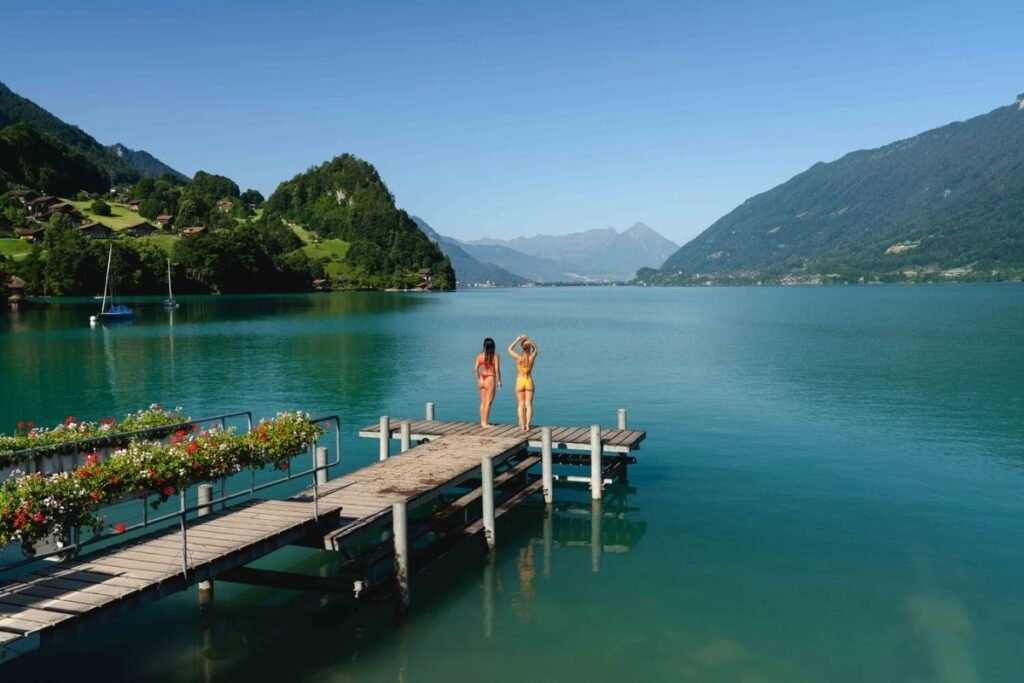
Switzerland is an obvious choice if dramatic mountain scenery is a major priority. The country works especially well for travelers who enjoy scenic transportation, hiking, lakeside towns, alpine landscapes, and well-organized sightseeing.
Why Switzerland?
- Alps
- Lakes
- Mountain villages
- Scenic train journeys
- Hiking
- Winter sports
- Beautiful viewpoints
Best for
Nature lovers, photographers, couples, families, and travelers who prefer scenery over nightlife.
Switzerland can be expensive, so travelers on a limited budget should plan transportation and accommodation carefully.
Money-saving approach
Rather than trying to stay in the most famous resort towns throughout the trip, compare nearby bases and decide which experiences actually require premium locations.
10. France — Best for Food, Art, History, and Regional Diversity

France is far more than Paris. Paris remains one of the world’s great city destinations, but travelers can also explore Mediterranean coastlines, Alpine landscapes, wine regions, countryside villages, Atlantic beaches, and historic towns.
Why France?
- Art and museums
- French cuisine
- Historic architecture
- Mediterranean coast
- Alps
- Wine regions
- Charming smaller towns
Best for
Couples, food travelers, art lovers, families, history enthusiasts, and experienced travelers. A first trip could combine Paris with one regional destination rather than trying to cover the country.
This approach reduces transportation time and gives the trip more depth.
11. Costa Rica — Best for Wildlife and Eco-Adventure

Costa Rica is especially appealing if your definition of a great vacation includes forests, wildlife, volcanoes, beaches, and outdoor activities. Instead of treating it as a conventional resort destination, think of Costa Rica as an active nature trip.
What makes it special?
- Tropical forests
- Wildlife viewing
- Volcano landscapes
- Pacific and Caribbean coasts
- Hiking
- Outdoor adventure
- Nature-focused accommodation
Best for
Nature lovers, couples, families, photographers, and adventure travelers.
Planning advice
Allow enough time for transfers between regions. Costa Rica’s attractions are spread across different environments, and a trip that looks simple on a map can involve considerable road travel.
12. Indonesia — Best for Islands, Beaches, Culture, and Adventure
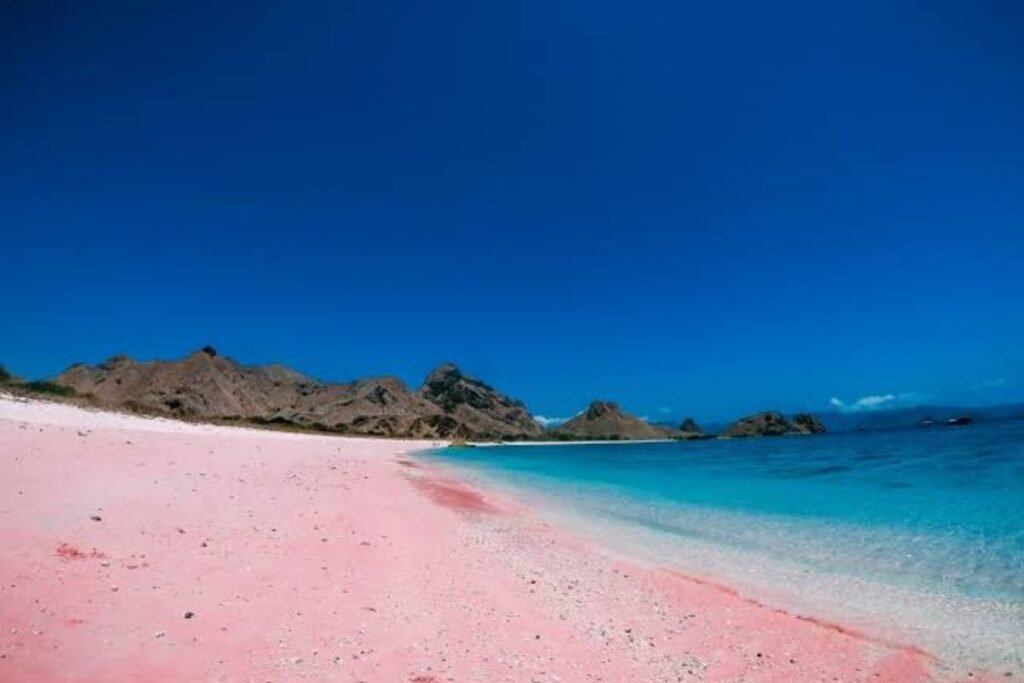
Indonesia is an excellent choice for travelers who want island experiences but do not want their entire trip to revolve around one resort. Bali is the most internationally recognizable destination, but Indonesia contains many other islands and regions with very different cultures and landscapes.
Why Indonesia?
- Tropical beaches
- Island-hopping opportunities
- Diving and snorkeling
- Temples and cultural sites
- Rice landscapes
- Volcanoes
- Diverse regional traditions
Best for
Backpackers, couples, pink beach lovers, divers, photographers, and adventurous travelers.
Important tip
Avoid treating Indonesia as if it were one compact destination. Choose a small number of islands or regions based on your interests. For example, a beach-focused trip requires different planning from a volcano-and-culture itinerary.
13. Vietnam — Best for Food, Culture, Landscapes, and Value
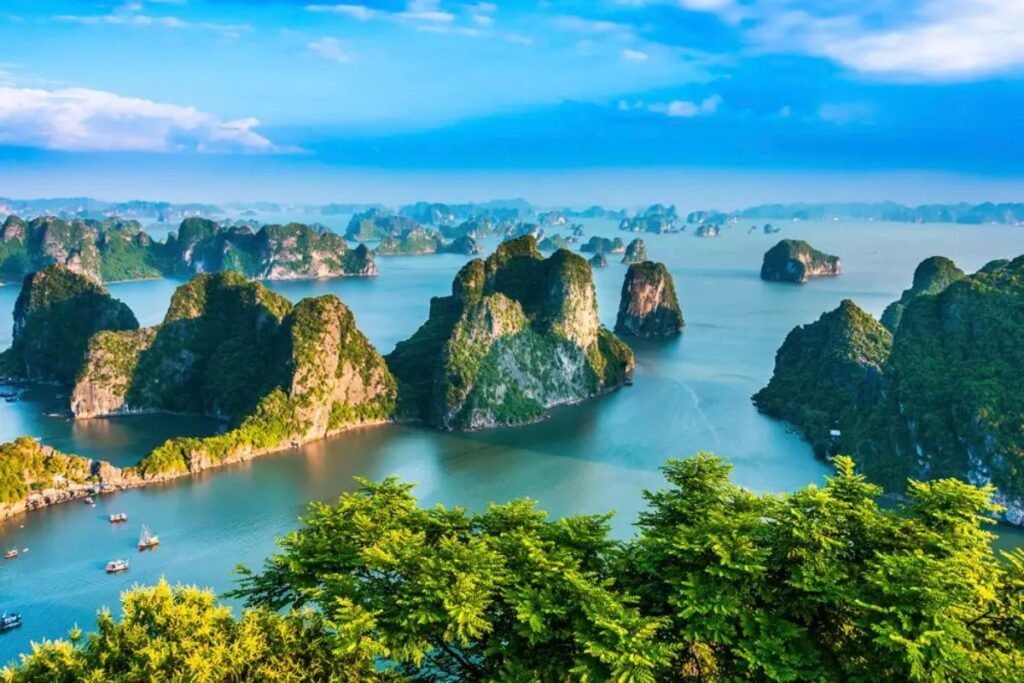
Vietnam offers a strong combination of food, history, urban experiences, natural landscapes, and coastal destinations. Hanoi provides a very different atmosphere from Ho Chi Minh City. Central Vietnam adds historic towns and coastal areas, while northern landscapes can appeal strongly to hikers and photographers.
Why Vietnam?
- Excellent food culture
- Historic cities
- Coastal destinations
- Mountain scenery
- Markets and street food
- Cultural diversity
- Strong option for budget-conscious travelers
Best for
Food travelers, backpackers, photographers, culture lovers, and travelers seeking a varied itinerary.
Planning advice
Vietnam’s elongated geography can tempt travelers into covering too much ground. Consider domestic flights when they genuinely save time, and avoid filling every day with transportation.
14. Türkiye — Best for History, Food, Coastlines, and Unique Landscapes
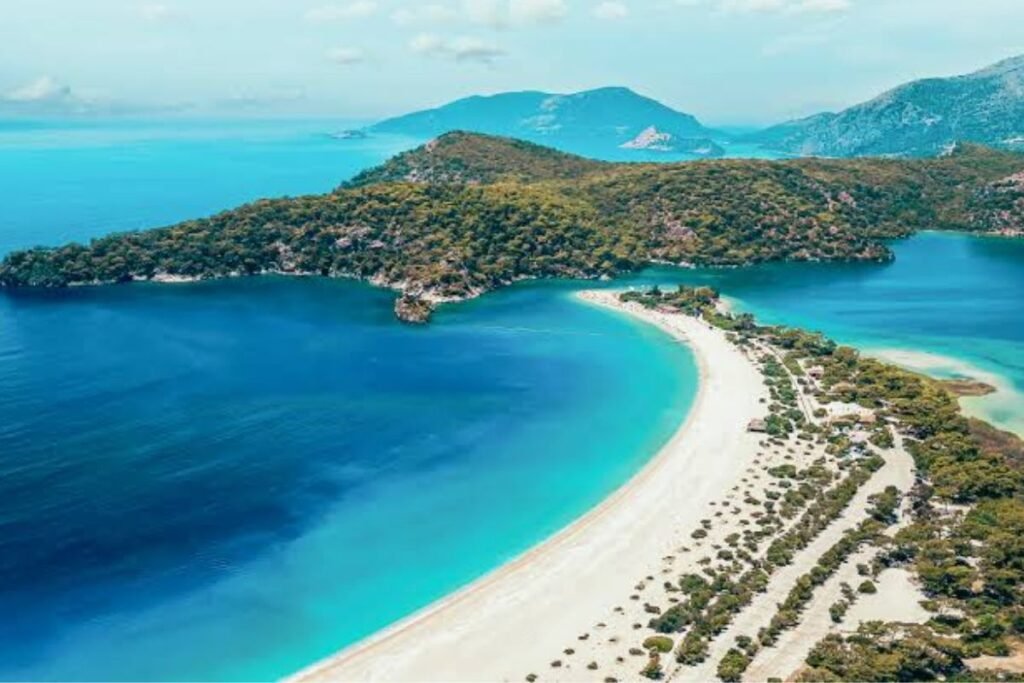
Türkiye sits at an unusual crossroads of geographic and cultural influences, giving travelers access to historic cities, archaeological sites, Mediterranean and Aegean coastlines, mountain landscapes, and distinctive cuisine. Istanbul is often the starting point, but travelers who stop there miss much of the country’s geographic diversity.
Why Türkiye?
- Istanbul’s historic districts
- Ancient ruins
- Mediterranean and Aegean coast
- Turkish cuisine
- Unique landscapes
- Traditional towns
- Strong combination of culture and relaxation
Best for
History lovers, food travelers, couples, photographers, and travelers wanting a combination of cities and beaches. A useful itinerary can combine Istanbul with a smaller number of regional destinations rather than attempting to see everything.
15. South Africa — Best for Wildlife, Scenery, and Adventure

South Africa is one of the most interesting choices for travelers who want several major experiences in one trip. Depending on the itinerary, travelers can combine urban attractions, coastal scenery, mountains, vineyards, road trips, and wildlife viewing.
Why South Africa?
- Safari opportunities
- Coastal scenery
- Mountain landscapes
- Scenic drives
- Diverse food and wine experiences
- Major cities
- Wildlife photography
Best for
Adventure travelers, photographers, wildlife enthusiasts, couples, and experienced international travelers.
Practical consideration
A South Africa itinerary requires more attention to route planning and local safety guidance than a simple city break. Research your individual destinations and transportation arrangements before departure.
How to Choose the Best Country for Your Trip
Instead of asking, “Which country is the best?” ask five more useful questions.
01. What do I actually want to do?
Write down your top three priorities.
For example:
Beach + food + culture
could point toward Thailand, Greece, Spain, Portugal, Italy, Indonesia, or Türkiye.
Mountains + hiking + scenery
could point toward Switzerland or New Zealand.
Wildlife + nature + adventure
could point toward Costa Rica, South Africa, Australia, or New Zealand.
This approach immediately reduces the number of destinations you need to compare.
02. How much time do I have?
Trip length changes the answer dramatically.
3–5 days
Choose a destination where you can concentrate on one city or compact region.
7–10 days
You can usually combine two or three nearby areas without making the trip entirely about transportation.
2–3 weeks
Longer regional itineraries become much more practical.
One month or more
You can consider geographically large countries or multi-region journeys, provided the budget and logistics work.
03. What is my travel budget?
Do not compare countries using accommodation prices alone.
Your real budget includes:
- Flights
- Visas or entry-related costs
- Accommodation
- Local transportation
- Food
- Attractions
- Tours
- Travel insurance
- SIM/eSIM or connectivity
- Airport transfers
- Emergency funds
A destination with inexpensive hotels can still become expensive if transportation between attractions is costly.
04. When can I travel?
Seasonality may matter more than almost anything else. A country can be a fantastic destination but a poor choice for your particular travel dates.
Before booking, research:
- Rainy and dry seasons
- Heat and humidity
- Winter conditions
- Hurricane or cyclone seasons where relevant
- Peak tourist periods
- Major festivals
- School holidays
- Seasonal transportation limitations
Do not assume that “summer” means ideal beach weather everywhere.
05. How much planning do I want to do?
Some travelers enjoy building complex itineraries. Others want to arrive, check into a hotel, and relax.
If you prefer simplicity
Consider a destination with:
- Reliable tourism infrastructure
- Straightforward transportation
- Many accommodation choices
- Plenty of established tourist services
If you enjoy adventure
A destination with more logistical challenges may actually be more rewarding. There is no correct travel style. The right destination is partly determined by how much uncertainty you enjoy.
Best Countries by Travel Type
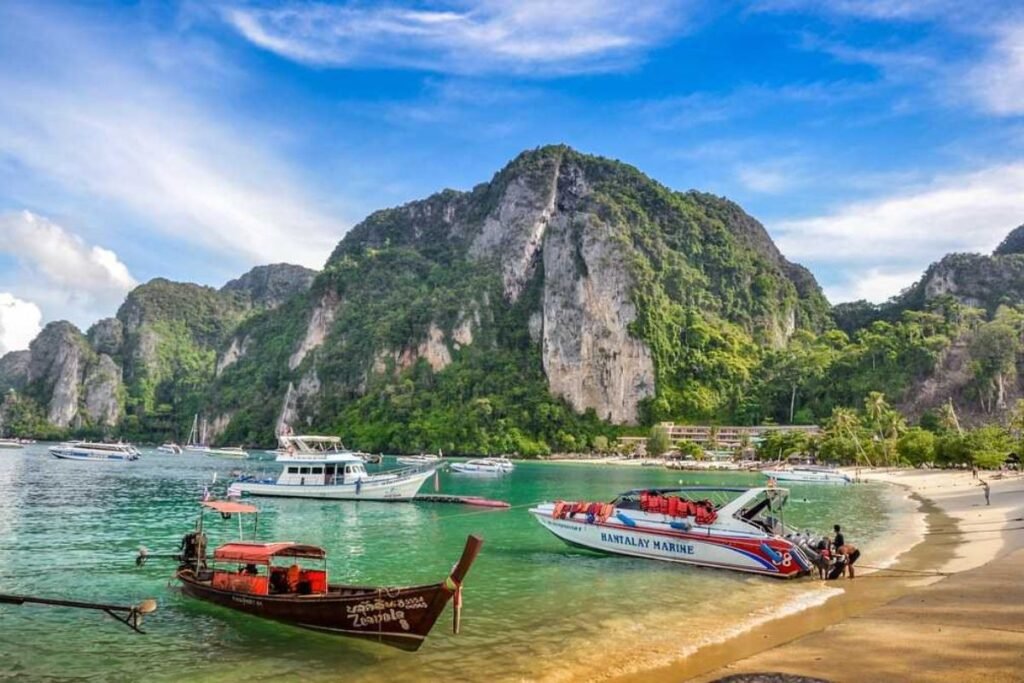
| Travel goal | Strong choices |
| Best for beaches | Thailand, Greece, Spain, Portugal, Australia, Indonesia |
| Best for food | Italy, Japan, Spain, France, Thailand, Vietnam, Türkiye |
| Best for history | Italy, Greece, Japan, France, Türkiye |
| Best for nature | New Zealand, Switzerland, Costa Rica, Australia |
| Best for wildlife | South Africa, Costa Rica, Australia |
| Best for island travel | Greece, Thailand, Indonesia, Australia |
| Best for road trips | New Zealand, Australia, Portugal, South Africa |
| Best for couples | Italy, Greece, Portugal, Japan, France |
| Best for families | Japan, Spain, Australia, Portugal, New Zealand |
| Best for adventure | New Zealand, Costa Rica, South Africa, Australia |
| Best for culture | Japan, Italy, France, Greece, Türkiye |
| Best for a beach + culture combination | Thailand, Greece, Spain, Italy, Türkiye |
These are recommendations based on the type of experience each destination can provide—not claims that one country is universally superior.
Best Countries for Beach Holidays
Because Beach Near focuses on travel and coastal destinations, beach travelers deserve a more specific comparison.
Thailand
Choose Thailand when you want beaches combined with food, temples, markets, islands, and a wide range of accommodation.
Greece
Choose Greece if you want Mediterranean scenery, island villages, history, and a European beach experience.
Spain
Choose Spain for beaches combined with cities, nightlife, food, culture, and varied coastal regions.
Portugal
Choose Portugal for Atlantic beaches, coastal road trips, historic towns, and a more relaxed European rhythm.
Indonesia
Choose Indonesia if tropical islands, snorkeling, diving, cultural attractions, and adventure are all important.
Australia
Choose Australia if beaches are part of a much larger trip involving wildlife, cities, road trips, and nature.
The best beach destination is not necessarily the one with the most beautiful photograph. Consider water conditions, season, accessibility, accommodation, local transportation, and the type of beach experience you actually want.
Best Countries for First-Time International Travelers

First-time travelers often benefit from destinations where there is a broad range of tourism infrastructure. Japan, Spain, Portugal, Thailand, Italy, and Australia can all be strong choices, depending on the traveler’s origin, budget, language ability, and preferred travel style. However, “easy” is not universal.
Visa requirements, flight availability, language, payment systems, cultural norms, and transportation can differ substantially depending on your passport and where you are traveling from. Before purchasing non-refundable flights, check the destination’s current immigration requirements through an official government or embassy source.
A Simple First-Trip Formula
For a first international journey:
- Choose one country.
- Pick two or three bases.
- Leave some unscheduled time.
- Research local transportation before arrival.
- Check entry requirements.
- Purchase suitable travel insurance.
- Keep digital and physical copies of important travel information.
- Learn a few useful local phrases.
- Avoid changing hotels every night.
The goal of a first trip should be to enjoy international travel—not to prove how many attractions you can visit.
How to Research a Country Before Booking
A good travel decision requires more than reading destination lists.
Step 01: Check entry requirements
Visa and entry rules depend on nationality and can change.
Never rely on an old blog post when an official immigration or embassy source is available.
Step 02: Check health guidance
The World Health Organization recommends that travelers consider destination-specific health risks and consult appropriate health professionals regarding vaccines and preventive measures. Requirements and recommendations can differ by destination and traveler.
Step 03: Research transportation
Find out:
- How you reach the destination
- How you move between cities
- Whether trains, buses, flights, ferries, or rental cars are practical
- How long transfers actually take
Step 04: Research the weather
Look at historical seasonal patterns rather than relying on a single forecast.
Step 05: Check current safety information
Read current government travel advice relevant to your nationality and the specific places you intend to visit.
Step 06: Look beyond the capital
The capital may be fascinating, but it rarely represents the entire country.
Research at least two or three regions before deciding.
Common Mistakes When Choosing a Country
Mistake 01: Trying to follow someone else’s “best countries” list
A destination can be perfect for another traveler and wrong for you.
Your priorities matter more than a ranking.
Mistake 02: Ignoring the season
A beautiful destination during its ideal season may be much less enjoyable during periods of extreme heat, heavy rain, storms, or winter conditions.
Mistake 03: Planning too many destinations
Constantly changing hotels creates fatigue and consumes time.
Mistake 04: Looking only at hotel prices
Transportation, food, attraction fees, and flights can change the total cost significantly.
Mistake 05: Assuming neighboring countries are equally easy to visit
Borders, visas, transportation systems, currency requirements, and entry rules differ.
Mistake 06: Booking before checking entry requirements
This can create an expensive problem if your passport requires a visa or additional documentation.
Mistake 07: Treating online photographs as reality
Popular beaches and landmarks may be crowded during peak periods.
Research opening hours, seasonal conditions, access, and crowd patterns where relevant.
How to Build a Better International Travel Itinerary
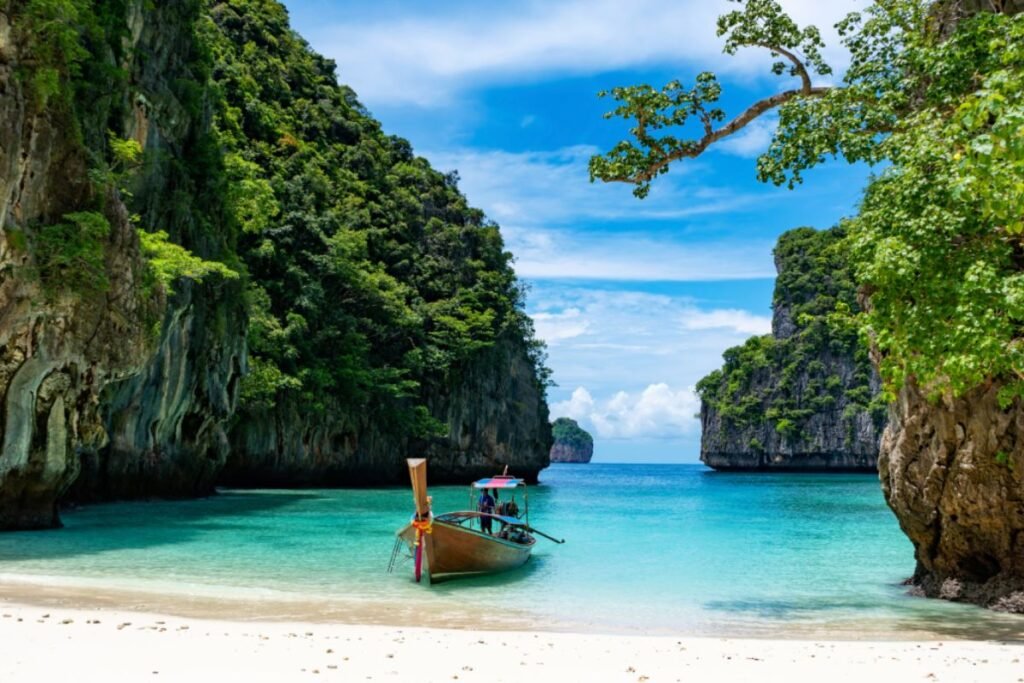
A useful itinerary balances must-see experiences, practical transportation, and free time.
Try this structure:
Day 1: Arrival
Keep the schedule light.
Days 2–3: Major highlights
Explore the main attractions.
Day 4: Flexible day
Leave room for weather changes, rest, or spontaneous exploration.
Days 5–7: Second destination
Move only if the second destination adds something substantially different.
Final day: Departure buffer
Avoid scheduling a complicated long-distance transfer immediately before an important flight whenever possible.
This approach is less exciting on paper than an itinerary containing 17 destinations—but much more enjoyable in practice.
Sustainable Travel: How to Make Better Destination Choices
Travel has environmental, cultural, and economic consequences.
You can reduce unnecessary impact by:
- Staying longer instead of taking many short trips.
- Supporting locally owned accommodation and restaurants where practical.
- Respecting local customs.
- Avoiding activities that exploit wildlife.
- Reducing single-use plastics.
- Following marked trails.
- Avoiding damage to coral reefs and marine environments.
- Using public transportation when practical.
- Following local rules around protected areas.
UNESCO emphasizes the protection and management of World Heritage properties, so travelers should treat cultural and natural heritage sites as places to respect rather than simply photo opportunities.
Final Thoughts
The world’s best countries are not necessarily the countries with the highest rankings, most famous landmarks, or biggest tourism industries. The right destination is the one that matches your interests, schedule, budget, comfort level, and expectations.
For beaches, Thailand, Greece, Spain, Portugal, Indonesia, and Australia offer very different coastal experiences. For history and culture, Japan, Italy, France, Greece, and Türkiye are compelling. Nature lovers may prefer New Zealand, Switzerland, Costa Rica, Australia, or South Africa. Food travelers have an enormous range of choices, from Japan and Italy to Thailand, Spain, Vietnam, France, and Türkiye.
Start by identifying what you want from the trip. Then narrow the list according to season, budget, travel time, transportation, and entry requirements. Most importantly, resist the temptation to see everything. A thoughtfully planned trip to one country can be far more rewarding than a rushed journey through several.
Before finalizing your plans, verify current immigration and health information through authoritative sources. Travel requirements can change, and destination-specific conditions matter. WHO’s current international travel guidance is a useful health-planning reference, while official tourism and government websites should be your starting points for destination and entry information. The best country to visit is ultimately the one that makes sense for your journey.
Frequently Asked Questions About the Best Countries to Visit
Q1. What are the best countries to visit for a first international trip?
Ans: Japan, Spain, Portugal, Thailand, Italy, and Australia can all be excellent options, but the best choice depends on your passport, budget, travel dates, and preferred experiences. Check entry requirements and transportation before booking.
Q2. Which country is best for a beach vacation?
Ans: There is no single winner. Thailand and Indonesia are strong tropical options, while Greece, Spain, and Portugal are excellent for Mediterranean and Atlantic coastal travel. Australia offers beaches alongside wildlife, cities, and outdoor experiences.
Q3. What are the best countries to visit for couples?
Ans: Italy, Greece, Portugal, France, Japan, and New Zealand are strong choices for couples. The best option depends on whether you prefer food and culture, beaches, nature, or adventure.
Q4. Which countries are best for families?
Ans: Japan, Spain, Portugal, Australia, and New Zealand can work particularly well for family trips because they offer a broad mix of attractions and activities. Families should still consider children’s ages, travel distances, climate, and accommodation needs.
Q5. Which country is best for nature lovers?
Ans: New Zealand, Switzerland, Costa Rica, Australia, and South Africa are particularly attractive for travelers prioritizing mountains, wildlife, forests, coastlines, and outdoor activities.
Q6. What is the best country for food travel?
Ans: Italy, Japan, Thailand, Spain, France, Vietnam, and Türkiye are excellent choices for travelers who plan their trips around food. Regional differences make it worthwhile to explore beyond major tourist centers.
Q7. How many countries should I visit on one trip?
Ans: For most travelers, fewer destinations usually create a better experience. On a one-week trip, one country or even one region is often enough. With two or three weeks, you can consider a larger regional itinerary.
Q8. How do I choose between Thailand and Greece for a beach holiday?
Ans: Choose Thailand for tropical beaches, Southeast Asian cuisine, islands, temples, and a broader range of travel styles. Choose Greece for Mediterranean scenery, ancient history, European island culture, and Greek food.
Q9. Should I book flights before checking visa requirements?
Ans: No. Check current entry and visa requirements for your nationality before making expensive non-refundable bookings. Requirements can change, so use official government, immigration, embassy, or consular information.
Q10. How far in advance should I plan an international trip?
Ans: It depends on destination, season, airfare, accommodation availability, and visa processing. Popular destinations during peak periods generally benefit from earlier planning, while flexible travelers may have more options.
Q11. Are the cheapest countries always the best for budget travelers?
Ans: Not necessarily. A low accommodation price does not guarantee a low overall trip cost. Compare flights, transportation, food, activities, accommodation, and entry-related costs together.
Q12. What should I check immediately before traveling?
Ans: Recheck entry requirements, passport validity, travel advisories, flight information, accommodation, transportation arrangements, health guidance, weather, and important local restrictions shortly before departure.




1 Comment