
 -by
-by Choosing among the world’s greatest Tourist Attractions is harder than it sounds. A famous landmark may be spectacular, but the best destination for one traveler can be completely different from the best choice for another. Some people want ancient history; others want beaches and wildlife; many travelers prefer architecture, dramatic landscapes, culture, or unforgettable city experiences.
This guide brings together 50 exceptional attractions across every inhabited continent. The list is an editorial selection based on factors such as historical and cultural importance, natural beauty, architectural significance, uniqueness, visitor appeal, and the depth of experience available around each place. It is not an official popularity ranking, and the order should not be interpreted as a precise “number one to number fifty” measurement.
You will find ancient wonders such as the Pyramids of Giza and Petra, cultural icons such as the Taj Mahal and the Acropolis, natural masterpieces such as the Great Barrier Reef and the Grand Canyon, and famous city landmarks including the Eiffel Tower and the Sydney Opera House. You will also learn how to choose the right attraction, avoid common travel mistakes, and build a realistic itinerary around your interests.
What Makes a Tourist Attraction Worth Visiting?

A great tourist attraction is more than a place that looks impressive in photographs. The strongest destinations usually combine something distinctive to see with a meaningful reason to be there.
For example, Machu Picchu combines remarkable Inca engineering with an extraordinary mountain setting. The Great Barrier Reef offers an enormous marine ecosystem rather than a single monument. Rome brings together layers of ancient, Renaissance, Baroque, and Christian history within one urban landscape.
UNESCO describes World Heritage as places of outstanding universal value to humanity, and its list includes examples as diverse as the Pyramids of Egypt, Great Barrier Reef, Galápagos Islands, Taj Mahal, Grand Canyon, and Acropolis.
When deciding whether an attraction belongs on your itinerary, consider:
- Historical importance: Does the place help explain a civilization, event, or period?
- Natural significance: Is the landscape, ecosystem, or geological feature unusual?
- Architecture and design: Does the site represent an exceptional artistic achievement?
- Cultural value: Can you learn about local traditions and communities?
- Experience: Will you simply look at it, or can you explore, hike, swim, learn, or interact responsibly?
- Practicality: Can you realistically reach and enjoy it within your schedule?
A famous name alone should not determine your itinerary.
The World’s 50 Best Tourist Attractions
From ancient monuments and historic cities to breathtaking beaches and natural wonders, the world’s best tourist attractions offer unforgettable experiences for every type of traveler. This guide highlights 50 remarkable destinations across the globe, including iconic landmarks, archaeological treasures, national parks, cultural sites, and scenic landscapes. Whether you love history, architecture, wildlife, adventure, or relaxation, these famous attractions can inspire your next unforgettable journey around the world.
01. Eiffel Tower — Paris, France
The Eiffel Tower is one of the world’s most recognizable landmarks and an enduring symbol of Paris. Its iron lattice structure dominates the city skyline and provides elevated views across the French capital.
Best for: First-time visitors, couples, photographers, architecture enthusiasts.
Travel tip: Consider seeing it from several perspectives rather than spending your entire visit inside the tower. The surrounding areas along the Seine and Champ de Mars add considerably to the experience.
02. Louvre Museum — Paris, France
The Louvre is far more than a museum famous for the Mona Lisa. Its enormous collection spans thousands of years of art and civilization, while the former royal palace itself is an attraction.
Best for: Art lovers, history enthusiasts, culture-focused travelers.
Travel tip: Do not attempt to see everything. Select several departments or works before arriving and leave time for the building itself.
03. Colosseum — Rome, Italy
The Colosseum is among the most powerful surviving symbols of ancient Rome. Its enormous amphitheatre illustrates the engineering, entertainment culture, and political world of the Roman Empire. Rome’s historic centre contains layers of archaeological remains, religious buildings, Renaissance works, and Baroque architecture, making the city particularly rewarding for travelers interested in history.
Best for: History lovers, photographers, first-time Europe visitors.
Travel tip: Combine it with the Roman Forum and Palatine Hill rather than treating it as an isolated stop.
04. Pyramids of Giza — Giza, Egypt
The Pyramids of Giza are among the world’s most extraordinary ancient monuments. The Great Pyramid of Khufu is the only surviving member of the traditional Seven Wonders of the Ancient World. The broader Memphis and its Necropolis World Heritage property includes pyramid fields stretching from Giza toward Dahshur, along with other monuments and archaeological remains that reveal the development of ancient Egyptian funerary architecture.
Best for: Ancient-history enthusiasts, photographers, families.
Travel tip: Allow time beyond the pyramids themselves to understand the wider archaeological landscape.
05. Taj Mahal — Agra, India
The Taj Mahal is one of the world’s most admired examples of Mughal architecture. Built in Agra by order of Emperor Shah Jahan in memory of Mumtaz Mahal, the complex combines white marble, gardens, symmetry, calligraphy, and detailed inlay work. UNESCO recognizes it as an outstanding masterpiece of Indo-Islamic architecture.
Best for: Architecture lovers, photographers, couples, history travelers.
Travel tip: Give yourself enough time to appreciate the complete complex rather than focusing only on the famous front view.
06. Machu Picchu — Peru
Machu Picchu combines archaeological mystery, sophisticated Inca engineering, terraces, stone architecture, and dramatic Andean scenery. The Historic Sanctuary sits more than 2,400 metres above sea level and is recognized by UNESCO for both cultural and natural values.
Best for: Hikers, history enthusiasts, photographers, adventure travelers.
Travel tip: Altitude and physical exertion matter. Plan your journey so that the visit is enjoyable rather than rushed.
07. Great Wall of China — China
The Great Wall is not one continuous structure built at one time. It represents centuries of defensive construction and modification across different periods of Chinese history. UNESCO notes that the wider Great Wall system extends for more than 20,000 kilometres.
Best for: History lovers, hikers, photographers.
Travel tip: Research the specific section you plan to visit. Different sections can provide very different landscapes and walking experiences.
08. Acropolis of Athens — Greece
The Acropolis rises above Athens and contains some of the defining monuments of classical Greek architecture, including the Parthenon, Erechtheion, Propylaea, and Temple of Athena Nike. UNESCO identifies it as an exceptional expression of classical Greek civilization.
Best for: History, architecture, archaeology, and culture travelers.
Travel tip: Visit with enough time to explore both the monuments and the surrounding historic districts of Athens.
09. Petra — Jordan
Petra is an extraordinary archaeological city carved and constructed into the sandstone landscape of southern Jordan. It became an important Nabataean caravan centre connecting major trading regions. Its elaborate tombs, temples, water-management systems, and rock-cut architecture make Petra much more than the famous Treasury image seen in travel brochures.
Best for: Archaeology enthusiasts, hikers, photographers, adventure travelers.
Travel tip: Wear comfortable footwear and allow substantial time for walking through the wider archaeological area.
10. Angkor Wat and Angkor Archaeological Park — Cambodia
Angkor is one of Southeast Asia’s great archaeological landscapes. The park extends across a huge area and contains temples and remains associated with the Khmer Empire, including Angkor Wat, Bayon, and Ta Prohm. UNESCO emphasizes that the site combines architecture, urban planning, religion, water management, and cultural history.
Best for: History lovers, photographers, architecture enthusiasts.
Travel tip: Do not limit your visit to Angkor Wat. The surrounding temples provide a much fuller understanding of Angkor.
11. Sydney Opera House — Sydney, Australia
The Sydney Opera House is one of the most recognizable examples of modern architecture. Its sail-like roof forms have become closely associated with Sydney Harbour and Australia.
Best for: Architecture enthusiasts, city travelers, photographers, performing-arts fans.
Travel tip: Combine the building with a harbour walk or ferry journey to appreciate its relationship with the surrounding landscape.
12. Great Barrier Reef — Australia
The Great Barrier Reef is an enormous coral reef ecosystem rather than a single sightseeing point. UNESCO describes it as the world’s most extensive coral reef ecosystem, containing thousands of reefs and hundreds of islands.
Best for: Divers, snorkelers, marine-life enthusiasts, nature travelers.
Travel tip: Choose operators that demonstrate strong environmental practices and follow local marine-protection rules.
13. Grand Canyon — Arizona, USA
The Grand Canyon is a vast geological landscape shaped by erosion and the Colorado River. Its exposed rock layers reveal an extraordinary geological record, while the scale of the canyon creates viewpoints unlike almost anywhere else. UNESCO describes the gorge as nearly 1.5 kilometres deep in places and recognizes its exceptional geological and scenic significance.
Best for: Hikers, road-trippers, photographers, nature lovers.
Travel tip: Do not underestimate distances, heat, cold, or hiking difficulty. Seeing the canyon from a rim viewpoint is very different from hiking below the rim.
14. Yellowstone National Park — USA
Yellowstone combines geysers, hot springs, wildlife, forests, lakes, waterfalls, and dramatic geological features. UNESCO notes that the park contains roughly half of the world’s known geothermal features and the world’s greatest concentration of geysers.
Best for: Wildlife watchers, photographers, hikers, families.
Travel tip: Treat wildlife as wild animals. Keep appropriate distances and follow park instructions rather than approaching animals for photographs.
15. Statue of Liberty — New York City, USA
The Statue of Liberty has become a global symbol associated with freedom and New York Harbor. Its location also makes it an excellent starting point for understanding the city’s waterfront and immigration history.
Best for: First-time New York visitors, families, history travelers.
Travel tip: Plan the ferry and nearby attractions together so transportation time does not consume your day.
16. Niagara Falls — Canada and USA
Niagara Falls is a group of enormous waterfalls on the international border between Canada and the United States. The combination of immense water flow, viewpoints, boat experiences, and surrounding attractions makes it one of North America’s classic sightseeing destinations.
Best for: Families, photographers, road-trippers.
Travel tip: Weather changes the experience significantly. Pack waterproof protection if you plan to get close to the falls.
17. Sagrada Família — Barcelona, Spain
Antoni Gaudí’s Sagrada Família is one of Barcelona’s defining architectural works. Its unusual forms, structural experimentation, religious symbolism, and detailed interiors make it particularly rewarding for visitors interested in architecture.
Best for: Architecture lovers, photographers, art travelers.
Travel tip: Look upward and study the interior as carefully as the exterior. Much of the building’s impact comes from light and structure.
18. Alhambra — Granada, Spain
The Alhambra combines fortress architecture, palaces, gardens, decorative arts, and the surrounding historic landscape of Granada. UNESCO’s World Heritage property also includes the Generalife gardens and Albayzín district, reflecting the city’s medieval Islamic and later architectural history.
Best for: Architecture, gardens, history, photography.
Travel tip: Treat your visit as a half-day or longer experience rather than a quick photo stop.
19. Stonehenge — England, UK
It forms part of a larger World Heritage property that includes Avebury and associated prehistoric landscapes. UNESCO describes Stonehenge as an exceptionally sophisticated prehistoric stone circle and notes that the wider landscape reflects around 2,000 years of Neolithic and Bronze Age ceremonial and funerary activity.
Best for: Archaeology enthusiasts, history travelers, photographers.
Travel tip: Learn about the surrounding landscape, not just the stones themselves.
20. Historic Centre of Prague — Czechia
Prague’s historic centre brings together Gothic, Baroque, medieval, and later architectural traditions. Charles Bridge, Prague Castle, St Vitus Cathedral, Old Town, and the Vltava River create a highly walkable sightseeing environment. UNESCO recognizes the historic centre for its exceptional urban and architectural character.
Best for: City breaks, architecture, photography, couples.
Travel tip: Explore early in the day and also walk after dark when many streets take on a different atmosphere.
21. Galápagos Islands — Ecuador
The Galápagos Islands offer an unusually close look at wildlife and evolutionary processes. The archipelago’s isolation and volcanic history contributed to the development of distinctive species, including giant tortoises and marine and land iguanas.
Best for: Wildlife enthusiasts, nature photographers, conservation-minded travelers.
Travel tip: Follow island rules carefully. Responsible behavior is essential in such a sensitive ecosystem.
22. Serengeti National Park — Tanzania
The Serengeti is famous for its vast grasslands and wildlife, particularly large mammal migrations. It is one of Africa’s most compelling destinations for travelers who want to experience ecosystems at a scale that is difficult to understand from photographs alone.
Best for: Wildlife safaris, photographers, nature travelers.
Travel tip: Safari experiences vary by season and location. Choose your travel period according to the animals and landscapes you most want to see.
23. Victoria Falls — Zambia and Zimbabwe
Victoria Falls is one of Africa’s great natural spectacles, where the Zambezi River plunges through a dramatic gorge. The experience changes with river levels and seasonal conditions, affecting spray, visibility, and viewpoints.
Best for: Nature travelers, photographers, adventure seekers.
Travel tip: Consider exploring viewpoints on the appropriate side of the border depending on your itinerary and current travel arrangements.
24. Iguazú Falls — Argentina and Brazil
Iguazú Falls spreads across the border between Argentina and Brazil, creating a huge network of waterfalls surrounded by subtropical rainforest. UNESCO highlights the area’s spectacular waterfalls and rich biodiversity.
Best for: Nature lovers, photographers, rainforest enthusiasts.
Travel tip: If your visa and itinerary allow, consider experiencing viewpoints from both countries because they offer different perspectives.
25. Amazon Rainforest — South America
The Amazon is not one attraction with a single entrance. It is a vast ecosystem spanning multiple countries and containing rivers, forests, wildlife, and communities.
Best for: Nature enthusiasts, photographers, adventure travelers.
Travel tip: Choose responsible local operators and research exactly what your tour includes. “Amazon experience” can mean anything from a comfortable lodge stay to a demanding expedition.
26. Galata and Historic Istanbul — Türkiye
Istanbul is compelling because major civilizations and trade routes have shaped the city for centuries. The historic areas contain monumental mosques, palaces, markets, churches, and urban landscapes connecting Europe and Asia.
Best for: History, food, architecture, and city travelers.
Travel tip: Give yourself several days rather than attempting to compress Istanbul’s historic attractions into one sightseeing day.
27. Mount Fuji — Japan
Mount Fuji is Japan’s iconic volcanic mountain and an important part of the country’s visual and cultural identity. Its presence can be appreciated from several surrounding towns and viewpoints, while climbing is a separate experience requiring planning.
Best for: Photographers, hikers, nature travelers.
Travel tip: Weather determines visibility. Do not build an entire itinerary around seeing the mountain from one viewpoint.
28. Fushimi Inari Taisha — Kyoto, Japan
Fushimi Inari is famous for its long paths lined with thousands of vermilion torii gates. The shrine and surrounding mountain paths provide a different experience from Kyoto’s larger temple complexes.
Best for: Culture travelers, photographers, walkers.
Travel tip: The popular entrance area becomes busy. Walking farther along the mountain route can provide a quieter experience.
29. Ha Long Bay — Vietnam
Ha Long Bay is known for its karst limestone formations rising dramatically from the sea. The scenery is best understood as a landscape rather than a single viewpoint.
Best for: Boat travelers, photographers, nature lovers.
Travel tip: Weather can significantly affect visibility and boat operations, so keep your itinerary flexible.
30. Borobudur Temple — Indonesia
Borobudur is a monumental Buddhist site on Java. Its stepped structure, relief panels, stupas, and relationship with the surrounding landscape make it one of Asia’s most important historic attractions. UNESCO recognizes the Borobudur Temple Compounds as a masterpiece of Buddhist architecture and notes that the property also includes Mendut and Pawon temples.
Best for: History, architecture, spirituality, photography.
Travel tip: Respect local religious customs and current visitor-management rules.
31. Bali — Indonesia
Bali offers a broader travel experience than any single attraction: temples, rice terraces, beaches, volcanic landscapes, arts, food, and village culture.
Best for: Beach vacations, culture, wellness, couples, families.
Travel tip: Avoid treating Bali as one homogeneous destination. Coastal resort areas, inland cultural districts, and northern landscapes can feel completely different.
For readers interested in combining famous attractions with quieter coastal experiences, Beach Near’s guide to [hidden beach destinations in Thailand] can provide a useful comparison when planning an Asia-focused trip.
32. Bagan — Myanmar
Bagan is renowned for its vast archaeological landscape filled with ancient Buddhist temples and pagodas. The scale of the site creates a strong sense of historical depth and makes it particularly memorable from elevated viewpoints where permitted.
Best for: Archaeology, history, photography.
Travel tip: Check current travel advisories, transportation conditions, and access rules before planning a visit.
33. Cappadocia — Türkiye
Cappadocia is famous for unusual rock formations, underground settlements, valleys, and cave architecture. The landscape is the attraction: erosion has created shapes that look almost artificial.
Best for: Adventure travelers, photographers, couples.
Travel tip: Hiking conditions vary by season. Plan around heat, cold, and the amount of walking involved.
34. Santorini — Greece
Santorini combines volcanic landscapes, cliffside settlements, Aegean views, and distinctive architecture. The island is especially famous for its sunset views and whitewashed villages.
Best for: Couples, photographers, cruise travelers, island visitors.
Travel tip: The island’s most famous viewpoints can become crowded. Exploring outside peak hours can produce a more relaxed experience.
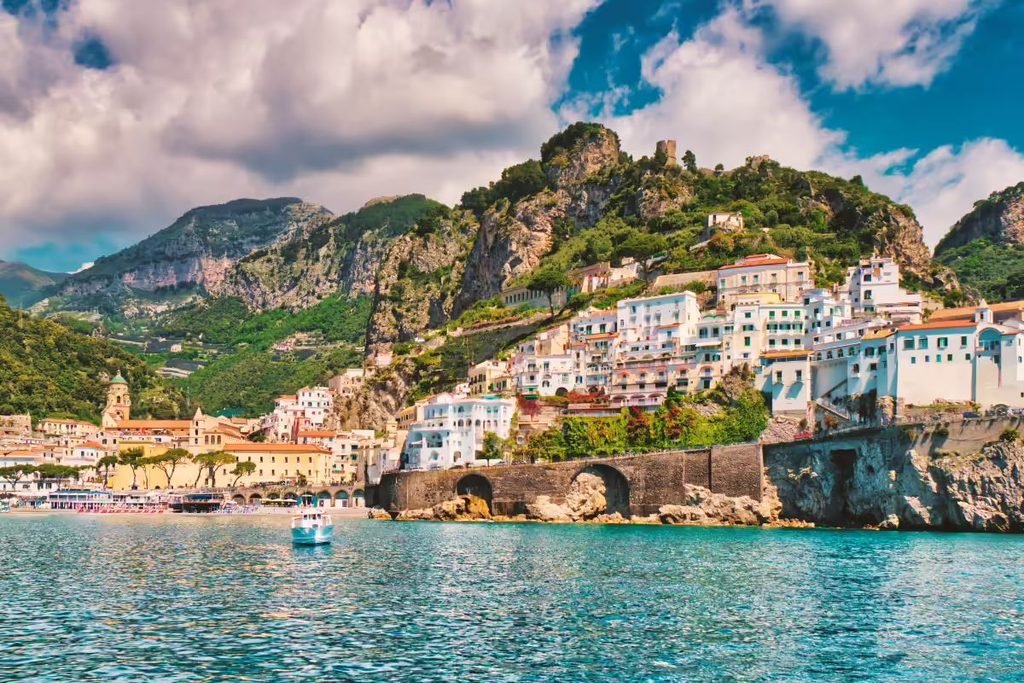
35. Amalfi Coast — Italy
The Amalfi Coast is a dramatic Mediterranean landscape of cliffs, villages, winding roads, and sea views. The journey itself is part of the attraction.
Best for: Scenic road trips, couples, photographers, food travelers.
Travel tip: Do not underestimate transportation time. Narrow roads and seasonal congestion can make short distances surprisingly slow.
36. Bora Bora — French Polynesia
Bora Bora is known for a striking lagoon, volcanic mountain backdrop, coral reefs, and overwater accommodation. It is particularly suited to travelers looking for a high-end tropical escape.
Best for: Honeymoons, snorkeling, couples, luxury travelers.
Travel tip: Budget beyond accommodation. Transfers, excursions, dining, and activities can substantially affect the overall cost.
37. Maldives
The Maldives is a destination made up of numerous islands and atolls, with shallow lagoons, coral reefs, and beaches forming the central attraction.
Best for: Beach holidays, diving, snorkeling, couples.
Travel tip: Research the island type carefully. Resort islands, local islands, and liveaboard trips can provide very different experiences.
For more coastal travel planning ideas, Beach Near’s White-Sand Beaches in Thailand Guide explores how beach type, activities, seasons, and traveler preferences can influence destination choice.
38. Table Mountain — Cape Town, South Africa
Table Mountain provides one of Cape Town’s defining landscapes and sweeping views across the city, coastline, and surrounding mountains.
Best for: Hikers, photographers, city travelers, nature lovers.
Travel tip: Weather can change quickly. Check conditions before choosing between hiking and other ways of reaching viewpoints.
39. Kruger National Park — South Africa
Kruger is one of Africa’s best-known safari destinations, offering extensive landscapes and opportunities to observe wildlife in a protected environment.
Best for: Wildlife enthusiasts, photographers, families, road-trip travelers.
Travel tip: Safari success is partly about patience. Wildlife is unpredictable, so avoid itineraries that promise a specific animal sighting.
40. Banff National Park — Canada
Banff combines dramatic Rocky Mountain scenery with lakes, forests, glaciers, hiking trails, and wildlife. Places such as Lake Louise have become internationally recognizable landscape icons.
Best for: Hikers, photographers, road-trippers, families.
Travel tip: Popular locations can become crowded. Research parking, shuttle, trail, and seasonal-access requirements before traveling.
41. Bora Bora and French Polynesian Lagoons — French Polynesia
Beyond Bora Bora itself, French Polynesia offers a wider collection of volcanic islands and lagoons. Travelers interested in marine activities can combine scenic relaxation with snorkeling, diving, kayaking, and boat excursions.
Best for: Island-hopping, marine adventures, couples.
Travel tip: Island geography matters. A transfer between islands can take significant planning, so avoid building an itinerary with too many short stays.
42. Chichén Itzá — Mexico
Chichén Itzá is one of Mexico’s most important archaeological attractions and an outstanding representation of Maya civilization. Its monumental architecture makes it a particularly accessible introduction to Mesoamerican history.
Best for: Families, history travelers, archaeology enthusiasts.
Travel tip: Learn about the site’s history before arriving. Understanding the architecture makes the visit much more meaningful.
43. Bora Bora’s Coral Lagoons — French Polynesia
For travelers whose priority is marine scenery rather than historical sightseeing, the lagoons of French Polynesia deserve special attention. Clear water, coral ecosystems, volcanic mountains, and island landscapes create a very different type of attraction from Europe’s monuments or Asia’s archaeological sites.
Best for: Snorkeling, diving, relaxation, photographers.
Travel tip: Marine ecosystems are fragile. Avoid touching coral and wildlife, and follow local guidance on responsible water activities.
44. Great Ocean Road — Australia
Australia’s Great Ocean Road is a scenic coastal journey rather than a single attraction. Cliffs, beaches, forests, rock formations, and viewpoints make it especially attractive to travelers who prefer movement and exploration over a fixed sightseeing location.
Best for: Road trips, photographers, coastal travelers.
Travel tip: Build extra time into the itinerary for viewpoints and unexpected stops instead of treating the route as a race.
45. Torres del Paine National Park — Chile
Torres del Paine is one of Patagonia’s great landscapes, combining dramatic granite peaks, glaciers, lakes, rivers, and open wilderness.
Best for: Hikers, adventure travelers, landscape photographers.
Travel tip: Patagonia weather can change rapidly. Clothing, navigation, fitness, and contingency planning matter more here than they do on a conventional city sightseeing trip.
46. Galápagos Marine and Island Ecosystems — Ecuador
The Galápagos deserves recognition not only for famous animals but for the relationship between terrestrial and marine environments. Its isolation and unusual ecosystems have made it one of the world’s most important destinations for nature-focused travel.
Best for: Wildlife photographers, divers, conservation-minded travelers.
Travel tip: Choose experiences based on conservation standards and follow all visitor restrictions.
47. Swiss Alps — Switzerland
The Swiss Alps offer a broad collection of mountain villages, valleys, cable-car viewpoints, hiking routes, lakes, and winter sports destinations. Unlike a single monument, the attraction is the combination of landscape and access.
Best for: Hikers, skiers, photographers, families.
Travel tip: Choose your base carefully. Switzerland’s excellent transportation makes many areas accessible, but travel time still matters when planning day trips.
48. Victoria Harbour — Hong Kong
Victoria Harbour provides one of the world’s most recognizable urban waterfront views, with dense high-rise architecture set against mountains and water.
Best for: City travelers, photographers, architecture enthusiasts.
Travel tip: Experience the harbour from both the waterfront and the water if your schedule permits.
49. New York City — USA
New York itself can be considered a giant collection of attractions: Central Park, Times Square, Broadway, museums, historic neighbourhoods, skyscrapers, waterfronts, and diverse food districts.
Best for: First-time international travelers, families, culture lovers.
Travel tip: Organize sightseeing geographically. Visiting attractions in nearby neighbourhoods on the same day can save hours of unnecessary travel.
50. Sydney Harbour and Harbour Bridge — Australia
Sydney Harbour combines natural scenery, architecture, beaches, ferries, parks, and some of Australia’s most recognizable landmarks. The Harbour Bridge and Opera House together create an exceptionally memorable cityscape.
Best for: First-time Australia visitors, photographers, families, architecture lovers.
Travel tip: Explore the harbour from different angles. A ferry ride can provide a perspective that walking around the central city cannot.
How to Choose the Right Tourist Attractions for Your Trip
Fifty attractions sound exciting until you realize that visiting even a fraction of them requires enormous time and money. The smarter approach is to match attractions to your travel style.
| Traveler type | Attractions to prioritize | Why |
| First-time international traveler | Eiffel Tower, Colosseum, Taj Mahal, Pyramids | Iconic and culturally significant |
| History enthusiast | Petra, Machu Picchu, Angkor, Acropolis | Deep historical context |
| Beach lover | Maldives, Bora Bora, Great Barrier Reef | Marine and coastal experiences |
| Wildlife traveler | Serengeti, Galápagos, Yellowstone, Kruger | Nature and animal viewing |
| Architecture fan | Sagrada Família, Taj Mahal, Sydney Opera House | Distinctive design |
| Hiker | Torres del Paine, Banff, Machu Picchu, Grand Canyon | Strong outdoor component |
| Family traveler | Niagara Falls, New York, Pyramids, Sydney | Broad appeal and varied activities |
| Photographer | Santorini, Cappadocia, Grand Canyon, Victoria Falls | Dramatic landscapes |
| Budget-conscious traveler | Historic cities and national parks | More flexibility in accommodation and activities |
Should You Visit Famous Attractions or Hidden Gems?
There is no universal answer.
Famous attractions are usually better when:
- You are visiting a destination for the first time.
- The site has genuine historical or cultural significance.
- You may not return to that region.
- You want to understand the destination’s identity.
Less-famous places can be better when:
- You dislike crowds.
- You have already seen the headline attractions.
- You want a slower experience.
- You want to support smaller communities and local businesses.
The best trip often combines both. A first-time visitor to Paris, for example, may reasonably want to see the Eiffel Tower and Louvre. But they can also leave room for a neighbourhood market, local park, smaller museum, or less crowded viewpoint.
Beach Near’s recent guide to discovering underrated places around the world offers a useful framework for finding less-obvious destinations without assuming that every “hidden gem” is automatically better.
How to Plan a Tourist Attractions Itinerary
A common beginner mistake is putting too many famous places into one day.
Instead, follow this simple process:
01. Choose your travel theme
Decide whether the trip is mainly about:
- History
- Beaches
- Nature
- Food
- Architecture
- Adventure
- Culture
- Wildlife
- Photography
02. Select your top three priorities
Do not start with 20 attractions. Choose the three experiences you would regret missing.
03. Group attractions geographically
If two attractions are close together, visit them on the same day. This sounds obvious, but inefficient transportation is one of the easiest ways to waste a vacation.
04. Check opening requirements
Popular attractions may use:
- Timed admission
- Reservations
- Seasonal schedules
- Visitor limits
- Security screening
- Special clothing rules
- Restricted photography
Always verify current requirements with the official attraction or tourism authority before traveling.
05. Leave space
A good itinerary should have breathing room.
Unexpected discoveries often happen between scheduled attractions: a café, market, viewpoint, local street food, beach, or small museum may become one of the most memorable parts of the trip.
Common Mistakes When Visiting Famous Attractions
Even experienced travelers can make avoidable mistakes.
Trying to see everything
A city such as Rome or Paris cannot be meaningfully experienced in one rushed day.
Ignoring travel time
A destination may look close on a map but take much longer because of traffic, queues, terrain, transfers, or public transportation.
Visiting only for photographs
A photograph can show what a place looks like but not why it matters. Read a little history before visiting major heritage sites.
Ignoring weather
Mountain, desert, tropical, and coastal attractions can change dramatically with weather conditions.
Assuming famous means easy
Some iconic attractions involve steep walking, high altitude, heat, long queues, or complicated transportation.
Forgetting local rules
Protected natural areas and religious or historic sites may have restrictions designed to protect the destination.
Building an itinerary around social media
A visually impressive viewpoint may be crowded, difficult to reach, or less interesting in person than expected. Use photographs as inspiration, not as the sole basis for choosing a destination.
How to Visit Tourist Attractions Responsibly
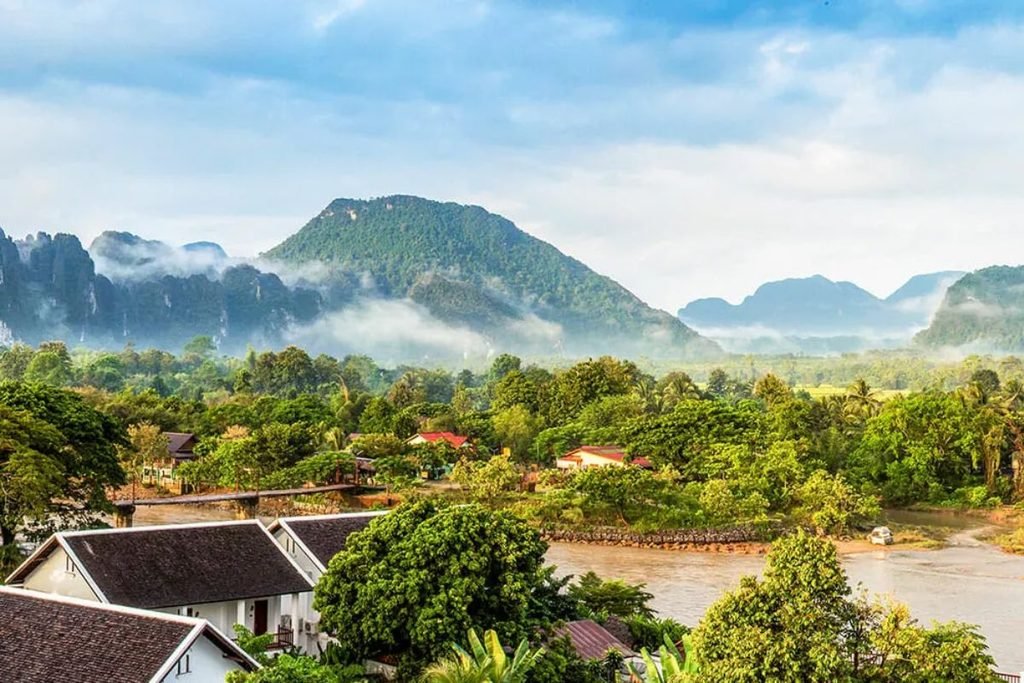
Tourism can support conservation, heritage protection, and local economies, but large visitor numbers can also create pressure.
Responsible travelers can:
- Respect local communities and cultural traditions.
- Stay on designated paths.
- Avoid touching archaeological structures.
- Never remove stones, plants, shells, or other natural materials.
- Keep wildlife at a safe distance.
- Reduce single-use plastic where practical.
- Choose reputable local guides and operators.
- Follow photography restrictions.
- Avoid feeding wild animals.
- Respect religious customs.
- Support locally owned businesses when possible.
UNESCO’s descriptions of major heritage destinations repeatedly emphasize conservation and management challenges associated with tourism. Angkor, for example, has substantial tourism pressure alongside its enormous cultural value, while Borobudur also faces pressures from tourism and development.
The goal is simple: leave the attraction in a condition that allows future travelers to experience it too.
Are the World’s Most Famous Attractions Always the Best?
No. “Best” depends on the traveler. Someone fascinated by ancient civilization may prefer Petra to a luxury island. A diver may find the Great Barrier Reef more rewarding than a famous European cathedral. A photographer might prefer Cappadocia or the Grand Canyon. A family could value Niagara Falls or Sydney more than a difficult archaeological site.
That is why this list should be used as a starting point rather than a checklist.
The most successful travel plans usually combine:
- One or two major iconic attractions.
- Several experiences connected to local culture.
- Time for food and neighbourhood exploration.
- Outdoor or nature experiences when available.
- Enough flexibility to avoid rushing.
Final Thoughts
The world’s greatest Tourist Attractions are not valuable simply because millions of people recognize their names. Their real appeal comes from what they reveal: civilizations that built extraordinary cities, artists who transformed architecture, landscapes shaped by geological forces, ecosystems that support remarkable wildlife, and communities whose cultures continue to evolve.
The 50 destinations in this guide offer very different experiences. The Pyramids and Petra appeal to travelers fascinated by ancient civilizations. Machu Picchu and the Great Wall combine history with dramatic landscapes. The Great Barrier Reef, Galápagos, Serengeti, and Yellowstone are ideal for nature-focused journeys. Cities such as Paris, Rome, Prague, Sydney, and New York offer an entirely different form of discovery.
You do not need to visit all 50. In fact, trying to do so would miss the point of travel. Choose a handful that genuinely match your interests, research current access and local conditions, allow enough time to experience them properly, and leave room for discoveries that were never on your original itinerary. The best attraction is ultimately the one that fits your trip, your curiosity, and the experience you want to bring home.
Frequently Asked Questions
Q: What are the world’s most famous tourist attractions?
Ans: Some of the most internationally recognized attractions include the Eiffel Tower, Pyramids of Giza, Taj Mahal, Great Wall of China, Machu Picchu, Colosseum, Acropolis, Petra, Grand Canyon, Great Barrier Reef, Statue of Liberty, and Angkor Wat.
Q: Which tourist attraction should I visit first?
Ans: Choose based on your interests rather than popularity. History lovers may prefer Petra or Machu Picchu, beach travelers may prefer the Maldives or Great Barrier Reef, and architecture enthusiasts may enjoy the Eiffel Tower, Sagrada Família, Taj Mahal, or Sydney Opera House.
Q: What is the best tourist attraction for history lovers?
Ans: Petra, Machu Picchu, the Pyramids of Giza, the Acropolis of Athens, the Colosseum, the Great Wall of China, and Angkor are particularly strong choices because they provide substantial historical and archaeological context.
Q: What are the best natural tourist attractions?
Ans: Outstanding natural choices include the Grand Canyon, Great Barrier Reef, Galápagos Islands, Yellowstone, Iguazú Falls, Victoria Falls, Serengeti, Banff, and Torres del Paine.
Q: How many tourist attractions should I visit in one day?
Ans: For most travelers, two or three major attractions are a reasonable starting point, depending on distance, admission procedures, walking requirements, and the size of the attraction. A huge museum or archaeological park may require several hours by itself.
Q: Are famous attractions expensive?
Ans: They can be, but the overall cost depends heavily on destination, transportation, accommodation, admission fees, and activities. Many major cities also contain free public spaces, viewpoints, parks, historic streets, and cultural experiences. Always check current official prices before budgeting.
Q: How can I avoid crowds at popular attractions?
Ans: Travel during less busy periods when practical, arrive early, consider later visiting hours when available, reserve timed entry when appropriate, and explore nearby alternatives. Visiting outside the most photographed viewpoint can also make a major difference.
Q: Are World Heritage Sites automatically the best places to visit?
Ans: Not necessarily. UNESCO World Heritage status identifies places considered to have outstanding universal value; it does not mean that every listed place is the best match for every traveler.
Q: What should I research before visiting a major attraction?
Ans: Check current opening arrangements, admission requirements, transportation, weather, local customs, accessibility, safety guidance, photography rules, and seasonal conditions. Official attraction or tourism websites should be your primary source for information that changes frequently.
Q: Should I book tourist attractions in advance?
Ans: For highly popular attractions, booking can be sensible when the official site uses timed entry or when visitor capacity is limited. For other attractions, booking may not be necessary. Always check the attraction’s official information before paying a third-party seller.
Q: How can I travel more responsibly?
Ans: Follow local regulations, respect residents and sacred places, avoid disturbing wildlife, stay on marked trails, reduce waste, and support legitimate local businesses and guides. Responsible tourism protects the attractions that make destinations worth visiting.




5 Comments