
 -by
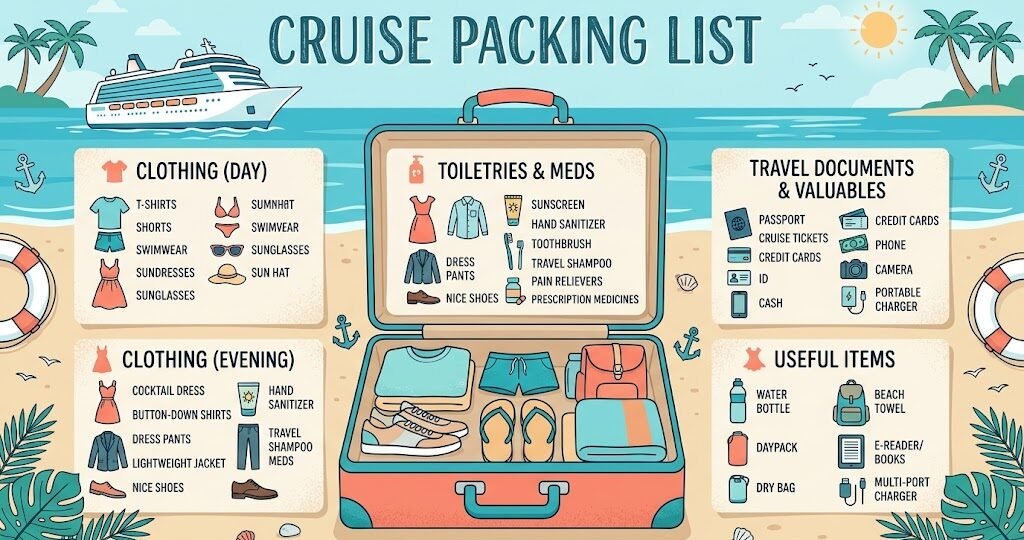
-by Packing for your first cruise can feel surprisingly complicated. A cruise is not quite a hotel vacation, not quite a beach holiday, and not quite an international flight. You may need comfortable clothes for sea days, smarter outfits for dinner, swimwear, shore-excursion gear, travel documents, medication, electronics, and items that make a small cabin easier to live in.
That is why a good cruise packing list should do more than tell you to bring clothes and sunscreen. It should help you decide what belongs in your checked luggage, what must stay in your carry-on, what depends on your destination, and what you should leave at home.
This 2026 guide is designed for first-time cruisers, international travelers, couples, families, and busy professionals who want a practical checklist without packing their entire house. You will find a complete cruise checklist, embarkation-day strategy, clothing guide, health and toiletries list, destination-specific advice, cabin essentials, prohibited-item warnings, common mistakes, and a final printable-style checklist.
Important: Cruise-line rules are not universal. Always check your own cruise line’s current prohibited-items, alcohol, luggage, documentation, and dress-code policies before departure.
What Should You Pack for Your First Cruise?
A first-time cruise packing list should cover six major areas: travel documents, embarkation-day essentials, clothing, toiletries and health items, electronics, and destination-specific gear. The most important rule is to separate items you may need immediately from luggage that may be delivered to your cabin later.
Your exact list depends on the cruise length, itinerary, climate, cruise line, activities, and personal needs. A seven-night Caribbean cruise requires very different outerwear from an Alaska sailing, while a Mediterranean cruise may involve considerably more walking.
Think of packing as a simple three-part system:
- Carry-on bag: documents, medication, valuables, electronics, swimwear, and anything you need during the first few hours.
- Main luggage: clothing, shoes, toiletries, and most personal belongings.
- Small day bag: items you need when leaving the ship for excursions and port visits.
This approach prevents one of the most frustrating first-cruise mistakes: putting an essential item in checked luggage and then needing it before your suitcase reaches your cabin.
What Travel Documents Should You Pack for a Cruise?
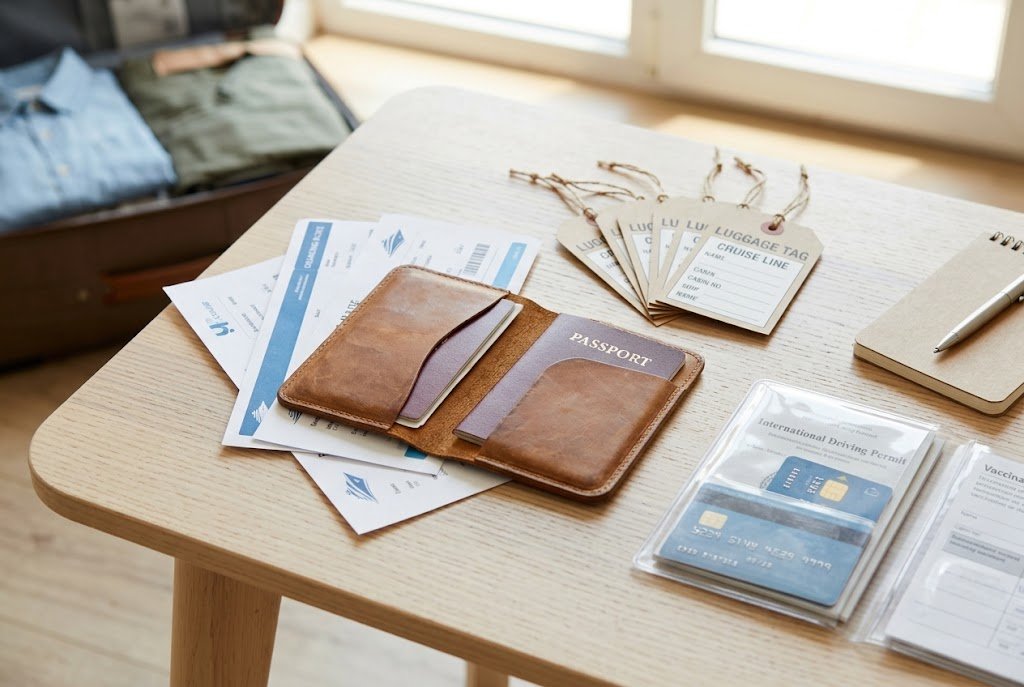
Travel documents belong at the top of your checklist because forgetting a shirt is inconvenient, but arriving without required documentation can prevent you from boarding. Depending on your nationality, itinerary, embarkation port, and destination, you may need a passport, visa, government-issued identification, cruise documents, proof of travel insurance, or other supporting documents.
For international travel, requirements can vary by country and nationality. The U.S. Department of State, for example, advises cruise passengers to travel internationally with a valid passport and notes that even certain closed-loop cruises that may permit alternative documentation can create problems if an emergency requires air travel back to the United States.
Cruise document checklist
- Passport
- Required visas or electronic travel authorizations
- Government-issued photo ID, where applicable
- Cruise booking confirmation
- Online check-in confirmation
- Boarding documents
- Port or terminal information
- Hotel reservation details if arriving early
- Flight information
- Travel insurance information
- Emergency contact information
- Copies of important documents
- Prescription information
- Relevant vaccination or health documentation if required for your itinerary
Keep the original documents somewhere secure and keep accessible digital copies as a backup.
Why should you carry your passport?
Because cruise itineraries can involve multiple countries and unexpected situations. Immigration rules, emergency evacuation, missed-ship situations, and flights home can create complications. Your cruise line’s official documentation requirements should always take priority over a generic packing article.
What Should Go in Your Cruise Carry-On Bag?
Your carry-on is arguably the most important bag you pack. On embarkation day, your main luggage may be handed to porters and delivered to your cabin later. Therefore, you should not assume that your suitcase will be available immediately after boarding.
Cruise packing guidance from Royal Caribbean specifically recommends keeping important travel documents, medication, and other essentials accessible rather than burying them in checked luggage.
Your embarkation-day carry-on checklist
Documents
- Passport and required identification
- Boarding documents
- Cruise reservation information
- Travel insurance details
Health
- Prescription medications
- Essential over-the-counter medication
- Motion-sickness medication or other preferred remedy
- Necessary medical equipment
Technology
- Smartphone
- Phone charger
- Power bank, if permitted by your cruise line
- Earbuds or headphones
First-day clothing
- Swimsuit
- Cover-up
- Comfortable clothes
- Light layer
- Comfortable shoes
Personal items
- Sunglasses
- Sunscreen
- Toiletries you need immediately
- Reusable water bottle
- Small amount of cash
- Credit/debit card
Valuables
- Camera
- Jewelry you actually need
- Important electronics
A smart first-day trick
Pack one complete mini-outfit in your carry-on.
For example:
Swimsuit + cover-up + T-shirt + shorts + underwear + sandals
If your cabin isn’t ready yet, you can change and start enjoying the ship instead of sitting around in airport clothes.
How Many Clothes Do You Really Need for a Cruise?
One of the easiest ways to overpack is to prepare a completely different outfit for every day. You usually need versatile clothing rather than a huge wardrobe. For a typical seven-night warm-weather cruise, a practical starting point might include:
| Clothing | Suggested starting point |
| T-shirts/tops | 5–7 |
| Shorts/skirts | 2–4 |
| Casual trousers | 1–2 |
| Dinner outfits | 2–4 |
| Dressier outfit | 1–2 |
| Swimsuits | 2–3 |
| Underwear | 8–10 pairs |
| Socks | 5–8 pairs |
| Sleepwear | 1–2 sets |
| Light sweater/jacket | 1 |
| Workout outfit | 1–2 |
| Cover-up | 1–2 |
These are starting points, not rules. A traveler who spends most days at the pool may need fewer daytime outfits. Someone taking long walking excursions may need additional shirts and socks.
Why pack two swimsuits?
A second swimsuit is one of those small decisions that can make a cruise much more comfortable. If one suit is wet after swimming, you can wear the dry one instead of putting on damp clothing. The same principle applies to lightweight shirts and socks.
What Should You Wear on Cruise Formal or Dressy Nights?

Cruise dress codes vary significantly. Some ships have formal or elegant evenings, while others use terms such as smart casual or dress-your-best. The exact expectations depend on the cruise line and sailing. Before packing, open your cruise line’s app or official website and check the dress guidance for your specific sailing.
A flexible dressier packing strategy
Instead of bringing a complete formal wardrobe, choose one or two versatile dressier outfits.
For example:
Women
- One cocktail-style dress
- One dressy blouse with trousers or a skirt
- Comfortable dress shoes
- Simple accessories
Men
- Collared shirt
- Dress trousers or chinos
- Loafers or other smart shoes
- Optional blazer or jacket
You may not need a tuxedo or evening gown unless your specific cruise has a dress code that calls for it. The goal is flexibility. A black dress can work for dinner, a show, or an evening event. Likewise, dark trousers and a collared shirt can often be dressed up or down.
Which Shoes Should You Pack for a Cruise?
Shoes can become one of the heaviest parts of your suitcase. Instead of packing shoes for every outfit, choose footwear that performs multiple jobs.
A practical cruise shoe collection
- Comfortable walking shoes
- Sandals
- Pool shoes or flip-flops
- One dressier pair
- Optional athletic shoes
- Destination-specific footwear
Why comfortable walking shoes matter
Port days can involve much more walking than beginners expect. You might walk through a historic city, climb stairs, explore a market, visit a beach, and walk back to the ship—all on the same day. A beautiful pair of shoes that becomes painful after 30 minutes is not a useful travel shoe. Wear your most comfortable walking shoes while traveling to the cruise port. That also saves luggage space.
What Toiletries Should Be on a Cruise Packing List?
You don’t necessarily need to pack every bathroom product you use at home. Cruise cabins commonly provide at least some basic amenities, although exactly what is supplied differs by cruise line and cabin category. Royal Caribbean, for example, notes that cabins have basic toiletries and hairdryers, while recommending travelers bring personal products they specifically need.
Cruise toiletries checklist
- Toothbrush
- Toothpaste
- Deodorant
- Shampoo
- Conditioner
- Face cleanser
- Moisturizer
- Razor
- Shaving products
- Hairbrush or comb
- Hair ties
- Makeup
- Makeup remover
- Lip balm
- Sunscreen
- After-sun lotion or aloe
- Hand sanitizer
- Wet wipes
- Feminine hygiene products
- Travel tissues
- Contact lenses and solution, if applicable
Don’t forget sunscreen
Even if you’re not planning to spend the entire cruise at the pool, outdoor decks, shore excursions, and port walks can mean substantial sun exposure. Pack sunscreen before leaving home rather than assuming you’ll easily find your preferred product onboard.
What Medications and Health Items Should You Pack?
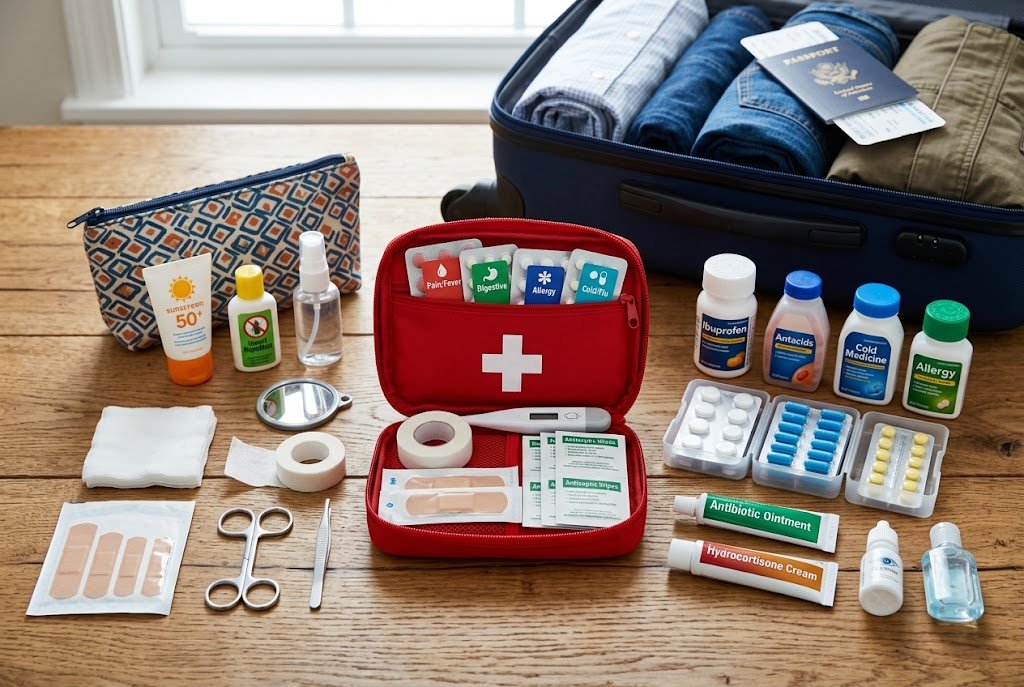
Medication should never be an afterthought. Bring enough prescription medication for the entire trip, plus a reasonable buffer when appropriate. Keep essential medications in your carry-on rather than putting them in checked luggage.
Health checklist
- Prescription medication
- Required medical devices
- Motion-sickness medication or preferred remedy
- Pain reliever
- Basic first-aid supplies
- Bandages
- Blister treatment
- Allergy medication if normally used
- Stomach or digestive medication you normally rely on
- Hand sanitizer
- Sunscreen
- Insect repellent for relevant destinations
Royal Caribbean’s current packing guidance also recommends considering motion-sickness products, first-aid basics, prescription medication, sunscreen, and hand sanitizer.
What about seasickness?
Don’t assume you cannot experience motion sickness simply because you have never experienced it on land. If you are concerned, speak with a healthcare professional or pharmacist before traveling about appropriate options for you. Some remedies can cause drowsiness or interact with other medications. Also remember that medication rules vary by country. Carry medicines in their original packaging where practical and know what you are taking.
What Electronics Should You Pack?
A cruise does not require every electronic device you own.
For most travelers, the basics are enough:
- Smartphone
- Phone charger
- Charging cables
- Camera, if you use one
- E-reader or tablet, optional
- Laptop, only if genuinely needed
- Headphones
- Power bank, subject to cruise-line rules
- Appropriate travel adapter
Should you bring a power strip?
Only if your cruise line allows the exact type you plan to bring. This is an area where generic cruise advice can become dangerous because cruise-line policies differ. Royal Caribbean currently lists power strips and certain electrical accessories among prohibited items, while Carnival allows power strips, multi-outlet adapters, and extension cords without surge protection, subject to safety restrictions. Therefore, don’t buy a “cruise power strip” simply because a travel blog calls it cruise-approved. Check your cruise line’s current policy first.
Why do cruise cabins need charging planning?
Cabin outlets can be limited. Carnival, for example, says its staterooms have an outlet at the desk, with the exact arrangement varying by ship.
If two people are charging multiple devices, planning becomes useful. A compact charger with multiple ports may be more practical than carrying several individual adapters—but again, verify the cruise line’s rules.
What Beach and Pool Items Should You Bring?
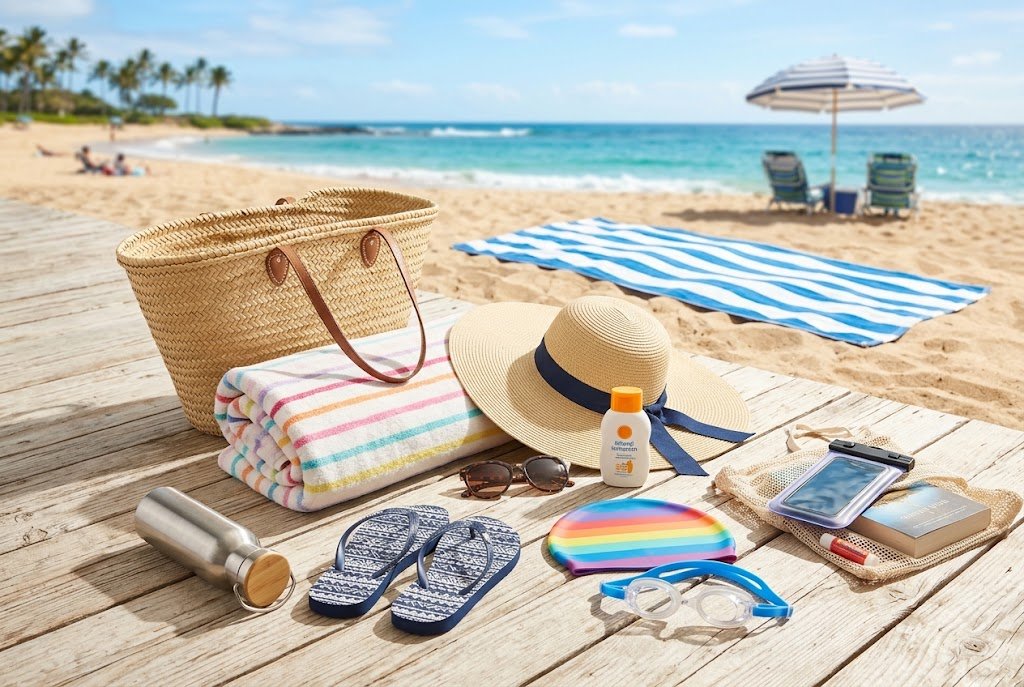
For a Caribbean, Bahamas, Mexican Riviera, South Pacific, or other warm-weather cruise, your cruise packing list should include a small collection of beach essentials.
Beach and pool checklist
- Swimsuit
- Cover-up
- Sunglasses
- Sun hat
- Sunscreen
- Waterproof phone pouch
- Reusable water bottle
- Sandals
- Water shoes, if useful for your destination
- Small beach or excursion bag
- Dry bag, optional
- Snorkel equipment, optional
You don’t necessarily need to bring every piece of beach equipment from home. For example, if your itinerary includes a one-hour snorkeling excursion, renting equipment locally may be more convenient than carrying bulky gear across airports and terminals. On the other hand, travelers who regularly snorkel may prefer their own properly fitted mask.
What Should You Pack for Shore Excursions?
Your port-day bag should be lighter than your suitcase. The best strategy is to pack based on the activity rather than the destination name.
For a city walking tour
Bring:
- Comfortable walking shoes
- Water bottle
- Sunglasses
- Sunscreen
- Phone
- Small wallet
- Light layer
- Portable battery, if permitted
- Copies or secure digital access to necessary documents
For a beach excursion
Bring:
- Swimsuit
- Cover-up
- Sunscreen
- Hat
- Waterproof phone protection
- Towel if the excursion instructions require one
- Water
- Cash/card
- Change of clothes if needed
For hiking or adventure activities
Consider:
- Proper footwear
- Lightweight clothing
- Rain protection
- Insect repellent
- Sun protection
- Small first-aid supplies
- Water
- Destination-specific equipment
Always read the excursion operator’s instructions before packing. A beach excursion and a rainforest hike should not have the same packing list.
How Should You Pack for Different Cruise Destinations?
The destination should influence your luggage almost as much as the cruise itself.
Caribbean and tropical cruises
Prioritize:
- Breathable clothing
- Multiple swimsuits
- Sandals
- Sun protection
- Light rain layer
- Comfortable walking shoes
- Waterproof phone protection
- Insect repellent where appropriate
Alaska cruises
Cold-weather cruising requires a completely different strategy.
Consider:
- Waterproof outer layer
- Warm jacket
- Fleece or insulating layer
- Thermal base layer
- Warm socks
- Waterproof walking shoes
- Gloves
- Hat
- Rain protection
- Binoculars, optional
Layering is generally more flexible than bringing one giant heavy coat for every situation.
Mediterranean cruises
Prepare for:
- Warm daytime temperatures
- Cooler evenings depending on season
- Extensive walking
- Comfortable shoes
- Modest clothing for religious or cultural sites where appropriate
- Sun protection
- Lightweight day bag
- Smart-casual dinner clothing
Northern Europe cruises
Expect changing weather. A compact waterproof jacket, layers, comfortable walking shoes, and adaptable clothing can be more useful than packing only for the warmest forecast.
Expedition or remote-area cruises
Packing requirements may be much more specialized. Follow the cruise operator’s equipment list rather than relying on a general cruise checklist.
What Cabin Organization Items Are Actually Useful?
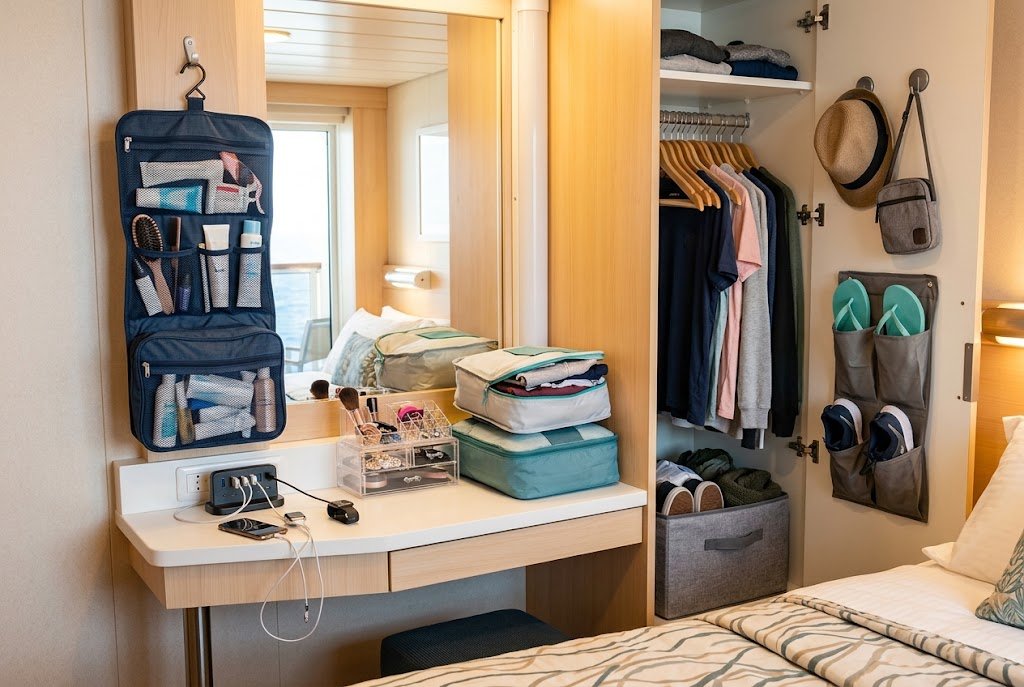
Cruise cabins can be comfortable, but storage is often more limited than what you have at home. You don’t need dozens of cabin gadgets.
Useful organization items may include:
- Packing cubes
- Small laundry bag
- Foldable tote
- Reusable shopping bag
- Small toiletry organizer
- Luggage tags
- Compact daypack
- Magnetic organization products only when permitted
- Travel-size detergent if you plan to wash small items
Packing cubes are particularly useful because they let you separate categories.
For example:
- Cube 1: tops
- Cube 2: bottoms
- Cube 3: underwear and socks
- Cube 4: swimwear
- Cube 5: dressier clothes
That means you don’t need to turn your entire suitcase upside down to find a swimsuit.
What Should You Leave at Home?
Knowing what not to pack is just as important as knowing what to bring. Cruise ships have strict safety policies because many common household items create fire, security, or operational risks.
Common prohibited items can include:
- Clothing irons
- Garment steamers
- Candles
- Incense
- Certain heating appliances
- Weapons
- Illegal drugs
- Fireworks
- Certain flammable materials
- Some electrical devices
- Certain power strips or extension cords
However, the exact rules vary by cruise line. Royal Caribbean currently prohibits irons and garment steamers and restricts various electrical items, while Carnival’s policy permits some power strips and extension cords without surge protection but prohibits irons, steamers, coffee makers, hot plates, and several other heating appliances. Norwegian Cruise Line also prohibits numerous heating devices and other safety-sensitive items.
Never assume an item is allowed.
This is particularly important for:
- Power strips
- Extension cords
- Drones
- Walkie-talkies
- Large batteries
- Knives or multitools
- Heating appliances
- Food and beverages
- Alcohol
- Sporting equipment
The safest approach is simple:
Check your cruise line’s current prohibited-items page immediately before packing.
What About Alcohol and Drinks?

Alcohol policies vary by cruise line. For example, Carnival currently allows guests aged 21 or older to bring one 750 ml bottle of wine or champagne per person, while prohibiting beer and hard liquor brought onboard. Royal Caribbean’s current policy similarly permits one 750 ml bottle of wine or champagne per eligible adult, with additional restrictions on other alcoholic beverages. Don’t apply one cruise line’s alcohol policy to another.
The same rule applies to:
- Bottled water
- Soda
- Energy drinks
- Baby formula
- Medical beverages
- Specialty food
Check the exact policy for your sailing.
What Are the Most Common First-Time Cruise Packing Mistakes?
Mistake 1: Packing too many clothes
Most people don’t need a new outfit for every hour of a seven-night cruise. Choose versatile clothing instead.
Mistake 2: Checking medication
Keep essential medication in your carry-on.
Mistake 3: Forgetting embarkation-day essentials
Your swimsuit, medication, documents, charger, and valuables should not disappear into checked luggage.
Mistake 4: Bringing prohibited electrical equipment
An iron that works perfectly at home can still be prohibited onboard.
Mistake 5: Bringing uncomfortable shoes
Port days can involve long walks. Prioritize comfort.
Mistake 6: Ignoring the weather
Don’t pack for the ship alone. Check the forecast and climate for every major port.
Mistake 7: Overpacking toiletries
Bring what you genuinely use and check what your cabin supplies.
Mistake 8: Forgetting a light layer
Even warm destinations can have cool evenings, air-conditioned interiors, or windy open decks.
Mistake 9: Packing without checking dress codes
Your cruise may have dressier dining or event expectations.
Mistake 10: Treating every cruise as the same
A tropical cruise, Alaska cruise, European cruise, and expedition cruise require different equipment.
For more European travel inspiration, check out the best European countries, best beaches in Europe, and hidden gems in Europe to help plan your cruise stops.
How to Pack Your Suitcase More Efficiently
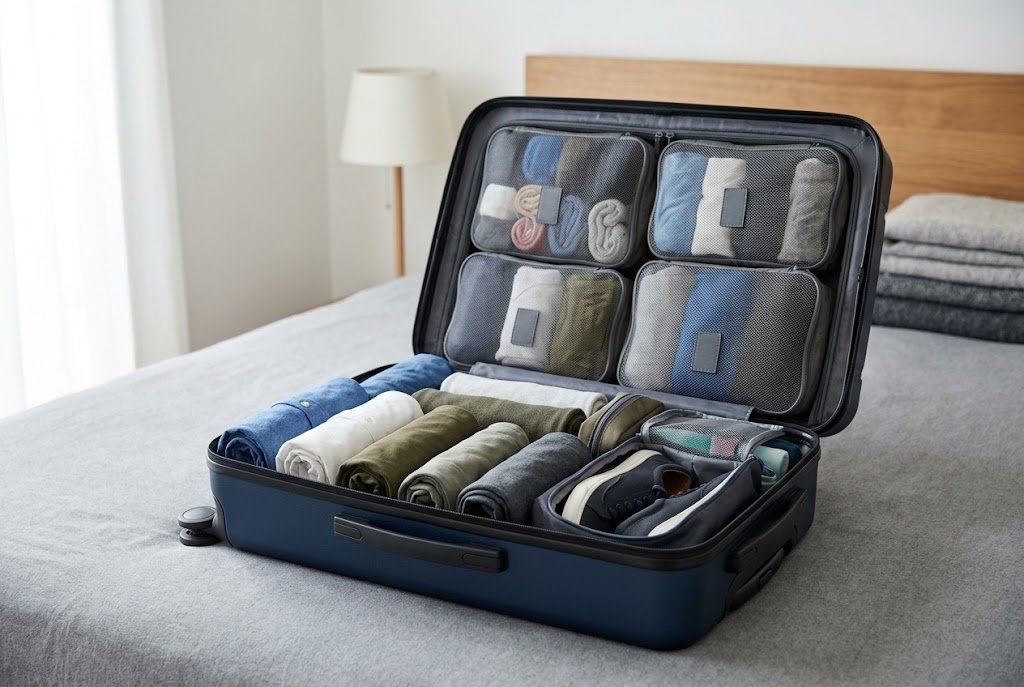
You don’t need an elaborate system. Use this five-step method.
Step 1: Check the itinerary
Write down:
- Number of nights
- Sea days
- Ports
- Excursions
- Weather
- Dress-code requirements
Step 2: Build outfits
Don’t simply count shirts and trousers. Create combinations.
For example:
Top A + Bottom A + Shoes A
Then reuse the same bottom with another top.
Step 3: Separate your first-day bag
Put everything needed for the first several hours into your carry-on.
Step 4: Check prohibited items
Compare your final luggage against the cruise line’s current official restrictions.
Step 5: Leave some space
You may buy souvenirs, clothing, food products, or gifts during the trip.
A suitcase packed to maximum capacity on day one becomes a problem on the way home.
The Complete Cruise Packing Checklist
Use this as your final pre-departure checklist.
Documents
- Passport
- Visa or travel authorization, if required
- Government ID
- Cruise boarding documents
- Flight information
- Hotel reservations
- Travel insurance details
- Emergency contacts
- Copies/backups of important documents
Carry-On
- Passport
- Cruise documents
- Medication
- Phone
- Charger
- Valuables
- Swimsuit
- Cover-up
- Change of clothes
- Sunglasses
- Sunscreen
- Toiletries
- Water bottle
- Credit/debit card
- Small amount of cash
Clothing
- T-shirts/tops
- Shorts/skirts
- Casual trousers
- Dinner outfits
- Dressier outfit
- Underwear
- Socks
- Sleepwear
- Light jacket/sweater
- Workout clothing
- Swimwear
- Cover-up
- Weather-specific layers
Shoes
- Walking shoes
- Sandals
- Pool shoes
- Dress shoes
- Hiking/adventure shoes if needed
Toiletries
- Toothbrush
- Toothpaste
- Deodorant
- Shampoo
- Conditioner
- Skincare
- Razor
- Hairbrush
- Makeup
- Personal hygiene products
- Sunscreen
- After-sun lotion
- Hand sanitizer
- Wipes
Health
- Prescription medication
- First-aid supplies
- Motion-sickness remedy
- Pain relief medication
- Allergy medication if needed
- Medical equipment
- Copies of prescriptions where useful
Electronics
- Smartphone
- Charger
- Charging cables
- Camera
- Headphones
- E-reader/tablet
- Power bank if permitted
- Approved travel adapter
- Cruise-approved charging equipment
Port Days
- Small backpack/day bag
- Water bottle
- Sunscreen
- Sunglasses
- Hat
- Phone
- Wallet
- Waterproof phone protection
- Weather layer
- Activity-specific equipment
Optional Comfort Items
- Packing cubes
- Laundry bag
- Foldable tote
- Small detergent
- Book/e-reader
- Sleep mask
- Earplugs
- Reusable bottle
- Compact umbrella or rain layer
- Binoculars for scenic itineraries
What Should You Pack Differently for a Family Cruise?
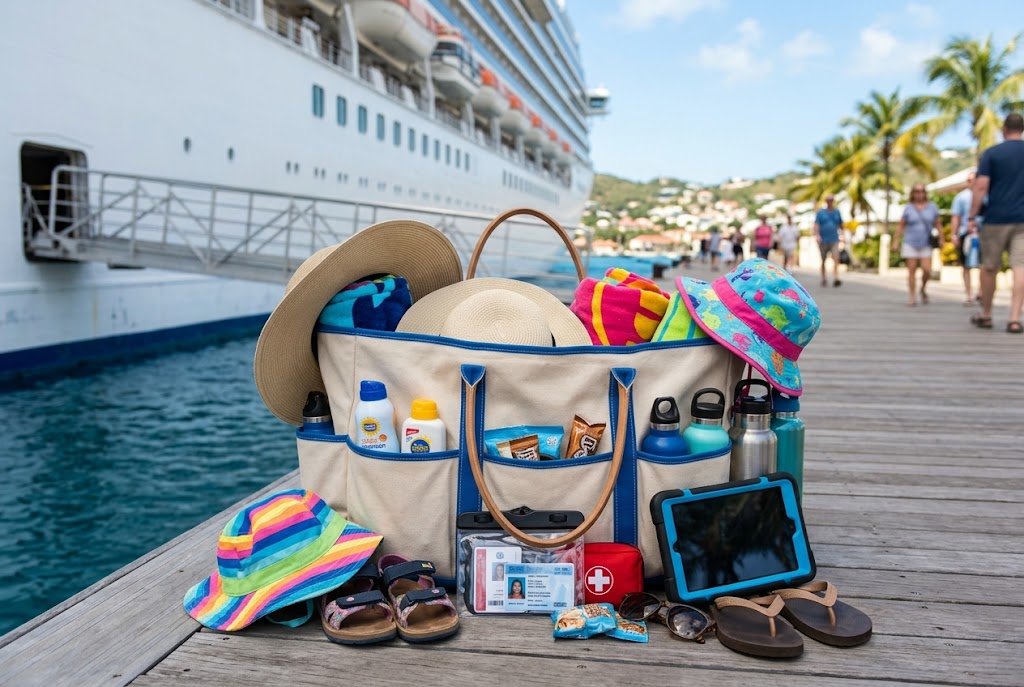
Families need more organization than simply adding more clothes.
For children, consider:
- Extra swimwear
- Comfortable shoes
- Familiar snacks where permitted
- Favorite sleep item
- Sun protection
- Child-specific medication
- Refillable water bottle
- Entertainment for travel
- Small daypack
- Extra changes of clothes
Don’t assume children’s requirements are identical to adult requirements. If traveling internationally with minors, check documentation requirements carefully. Depending on the countries involved and the child’s travel circumstances, additional evidence or consent documentation may be required.
What Should Professionals Pack for a Work-Friendly Cruise?
If you’re combining business travel with a cruise, resist the temptation to bring an entire office.
Start with:
- Laptop, if genuinely necessary
- Charger
- Universal or cruise-approved adapter
- Headphones
- One business-casual outfit
- Portable organization pouch
- Notebook
- Backup digital documents
Then decide whether you actually need the equipment. A cruise vacation can become less relaxing when every device comes along “just in case.”If you have scheduled remote meetings, verify connectivity expectations before sailing. Shipboard internet performance and availability can vary, and you should not assume it will work exactly like your home connection.
Should You Buy Special Cruise Accessories?
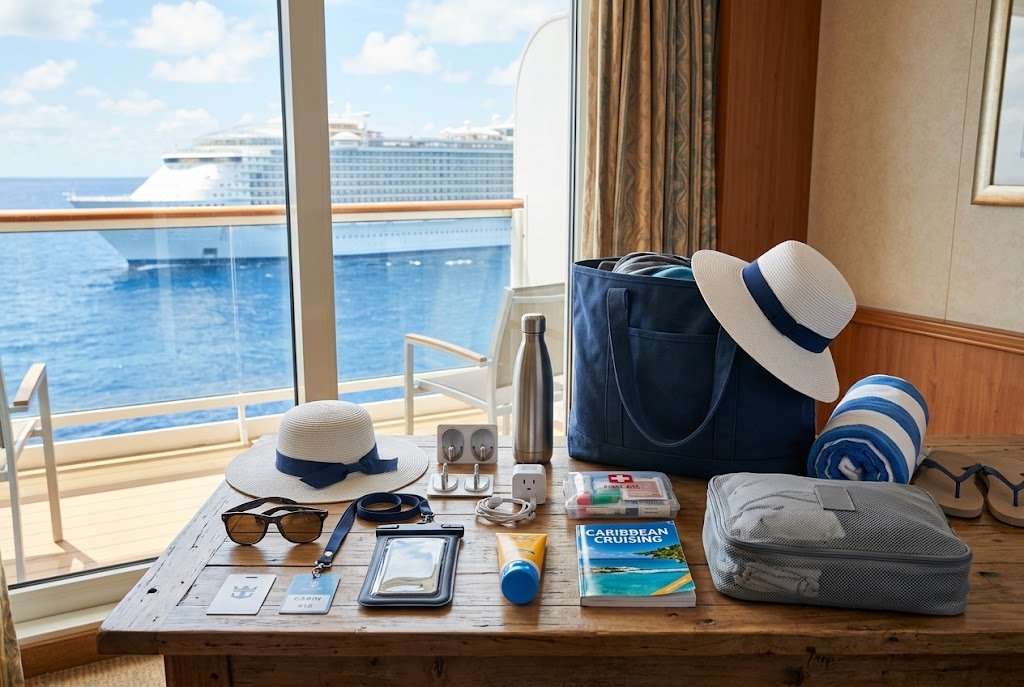
Not necessarily. Some cruise-specific products can be useful, but many are optional.
Usually useful
- Packing cubes
- Luggage tags
- Small day bag
- Travel toiletry organizer
- Waterproof phone pouch
- Reusable bottle
Depends on the traveler
- Magnetic hooks
- Cruise card lanyard
- Foldable laundry basket
- Travel fan
- Door organizer
- Portable clothesline
Often unnecessary
- Huge cabin gadget kits
- Multiple duplicate chargers
- Excessive formalwear
- Large quantities of toiletries
- Every electronic device you own
Before purchasing anything, ask:
Will I use this several times during the cruise, or does it solve a problem I might never have?
That simple question can save luggage space and money.
What Is the Best Way to Prepare the Week Before Your Cruise?
Don’t wait until the night before.
Seven days before
Check:
- Passport validity
- Visa requirements
- Cruise documents
- Weather
- Dress code
- Excursions
- Cruise-line prohibited items
- Medication supply
Three to five days before
Start packing:
- Clothing
- Shoes
- Toiletries
- Electronics
- Beach items
One to two days before
Finish:
- Carry-on
- Documents
- Medication
- Chargers
- Travel clothes
- Final weather check
The night before
Keep these together:
- Passport
- Wallet
- Phone
- Medication
- Boarding documents
- Carry-on
This reduces the chance of leaving something important behind.
Where Can Beach Travelers Find More Destination Planning Ideas?
If your cruise includes beach destinations, don’t plan only for the ship. Research each port separately. For readers using Beachnear.net, relevant beach guides can help you compare nearby beaches, understand what to expect at coastal destinations, and plan time around the shore rather than simply choosing a random beach after arrival.
Final Thoughts
Packing for a cruise does not have to mean filling every inch of your suitcase. The smartest approach is to pack according to your itinerary, cruise activities, dining plans, and the weather at each destination. Start with the essentials you absolutely cannot replace easily, such as your travel documents, medications, important valuables, and embarkation-day necessities.
Before leaving home, give your cruise packing list one final check. Make sure you have comfortable walking shoes, swimwear, sun protection, appropriate evening clothes, toiletries, chargers, and everything you need for your planned shore excursions. Keep important documents, medication, valuables, and a change of clothes in your carry-on rather than your checked luggage.
Most importantly, check your cruise line’s latest dress code, luggage guidelines, and prohibited-item rules before you close your suitcase. These details can vary between cruise lines, ships, and itineraries, so a few minutes of preparation can prevent unnecessary problems at embarkation.
The goal is not to pack everything you own—it is to bring the right things for the experience you are about to have. With a well-planned cruise packing list, you can spend less time worrying about your luggage and more time enjoying the ship, exploring new destinations, relaxing at sea, and making unforgettable memories.
Frequently Asked Questions
Q1. What is the most important thing to pack for a first cruise?
Ans: Your required travel documents and essential medication are the highest-priority items. After that, pack a carry-on with your phone, charger, valuables, swimsuit, sunscreen, and a change of clothes so you can function comfortably before your main luggage arrives.
Q2. How many outfits should I pack for a seven-night cruise?
Ans: A practical starting point is five to seven daytime tops, several interchangeable bottoms, two to four dinner outfits, one or two dressier options, two or three swimsuits, and enough underwear and socks for the trip. Adjust according to laundry access, activities, and personal preferences.
Q3. Do I need formal clothes on a cruise?
Ans: It depends on your cruise line and itinerary. Some ships have formal or elegant evenings, while others are more relaxed. Check the current dress code for your specific sailing before deciding whether you need a suit, cocktail dress, blazer, or simply smart-casual clothing.
Q4. Can I bring an iron on a cruise ship?
Ans: Often, no. Royal Caribbean explicitly prohibits clothing irons and garment steamers, and Carnival also lists irons and steamers among prohibited electrical/heating devices.
Q5. Can I bring a power strip on a cruise?
Ans: It depends on the cruise line and the exact product. Carnival currently allows certain power strips and extension cords without surge protection, while Royal Caribbean’s current policy restricts power strips and similar electrical accessories. Always check your own cruise line’s rules before packing one.
Q6. Should prescription medication go in checked luggage?
Ans: No. Keep essential medication with you in your carry-on so you can access it during travel and embarkation. Carry enough for your itinerary and follow any applicable medication and customs requirements.
Q7. Do I need a passport for a cruise?
Ans: Documentation requirements depend on your nationality, itinerary, embarkation country, and destinations. Some closed-loop itineraries may permit alternative documents for certain travelers, but a passport can provide important flexibility in emergencies. Check both your cruise line and the relevant government authorities before departure.
Q8. Should I pack two swimsuits?
Ans: For most warm-weather cruises, two swimsuits are practical. One can dry while you use the other, which is especially useful when you spend several days around pools or beaches.
Q10. What should I wear on embarkation day?
Ans: Choose comfortable travel clothing and comfortable shoes. Keep your swimsuit, cover-up, sunscreen, medication, documents, and valuables in your carry-on if you expect to use them before your cabin luggage arrives.
Q11.What should I not overpack for a cruise?
Ans: Avoid bringing excessive formalwear, too many shoes, full-size toiletries you won’t finish, duplicate electronics, and destination gear you will use only once. Build your luggage around the itinerary rather than packing for every possible scenario.
Q12. Is a cruise packing list different for Alaska and the Caribbean?
Ans: Yes. Caribbean cruises usually emphasize swimwear, breathable clothing, sun protection, and light rain layers. Alaska cruises require more layering, rain protection, warm clothing, and appropriate outdoor footwear. Always check the expected conditions close to departure.