
 -by
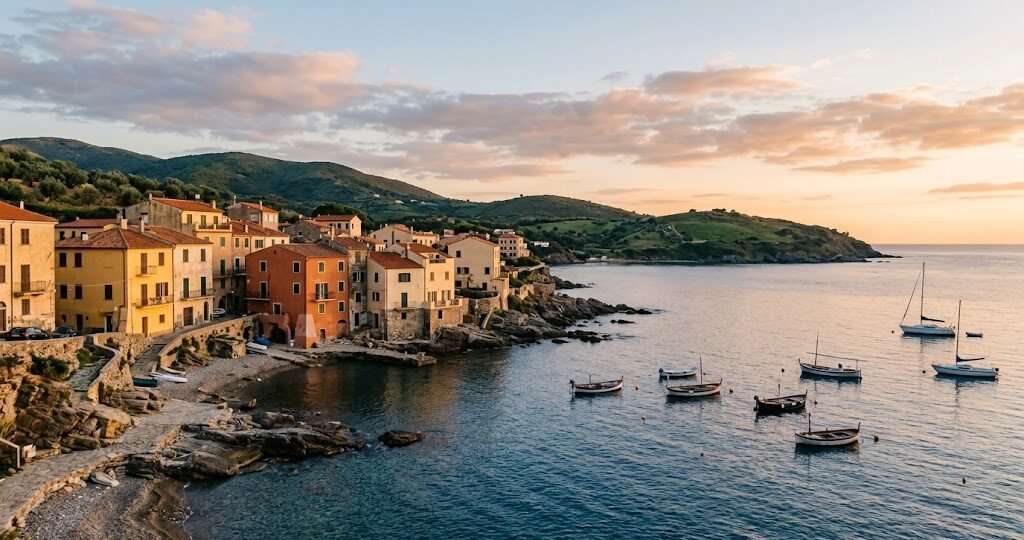
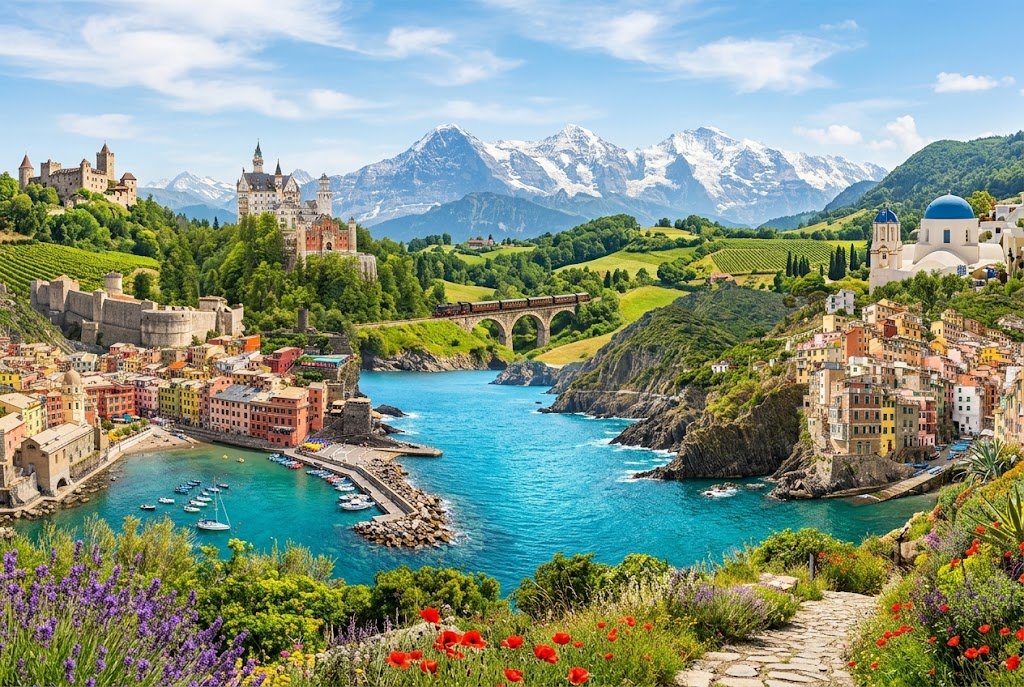
-by Europe can feel almost impossible to choose from. One country offers ancient ruins and Mediterranean beaches, another gives you Alpine villages and mountain trains, while another is built around castles, forests, fjords, or world-class museums. That variety is exactly what makes choosing among the best Countries of European so difficult.
This guide compares 25 destinations for 2026 based on what travelers can actually get from a trip: scenery, culture, food, beaches, outdoor activities, transport, family appeal, value, and the type of traveler each country suits best. Instead of saying one destination is automatically “the best,” the goal is to help you find the country that fits your trip.
You will also find practical advice on when to visit, how long to stay, which countries work well together, common planning mistakes, and important 2026 entry information. Because travel rules and costs can change, always confirm the latest requirements before booking flights or accommodation.
How Should You Choose the Best European Country for Your Trip?
The best destination depends less on a universal ranking and more on your travel priorities. For example, Italy is difficult to beat for a first trip because it combines history, art, food, cities, countryside, mountains, and beaches. Switzerland is a stronger choice if dramatic scenery is your main goal. Portugal can be excellent for travelers who want coastal landscapes, food, cities, and a relatively relaxed pace.
A simple way to narrow your choice is to ask:
- Want history and famous landmarks? Choose Italy, France, Greece, or the United Kingdom.
- Want beaches? Consider Greece, Portugal, Spain, Croatia, or Albania.
- Want mountains? Switzerland, Austria, Norway, or Slovenia are strong choices.
- Want food? Italy, France, Spain, Portugal, and Greece stand out.
- Want a family-friendly trip? Denmark, Austria, the Netherlands, and Germany are worth considering.
- Want a romantic getaway? France, Italy, Greece, Portugal, or Switzerland.
- Want a lower-cost European adventure? Poland, Hungary, Albania, and parts of Slovenia can offer attractive options.
- Want dramatic nature? Norway and Iceland are difficult to replace.
- Want a classic first European vacation? Italy, France, Spain, or Portugal are practical starting points.
There is no single perfect country. The right choice depends on your available days, budget, season, interests, and tolerance for moving between destinations.
25 Best European Countries to Visit in 2026
| Country | Best for | Ideal trip length | Budget level |
| Italy | History, food, art, coast | 10–14 days | Medium–High |
| France | Culture, food, romance | 7–12 days | Medium–High |
| Spain | Beaches, cities, food | 7–14 days | Medium |
| Portugal | Coast, food, value | 7–10 days | Medium |
| Greece | Islands, beaches, history | 7–14 days | Medium–High |
| Switzerland | Mountains and scenery | 5–10 days | High |
| Austria | Alps, music, cities | 5–9 days | Medium–High |
| Germany | History, cities, castles | 7–12 days | Medium |
| Czechia | Architecture and city breaks | 3–7 days | Medium |
| Croatia | Adriatic coast | 7–10 days | Medium–High |
| Slovenia | Nature and small-city escapes | 4–8 days | Medium |
| Norway | Fjords and outdoor travel | 7–12 days | High |
| Iceland | Landscapes and adventure | 5–10 days | High |
| Denmark | Design, family travel, cities | 4–7 days | High |
| Sweden | Nordic cities and nature | 5–9 days | Medium–High |
| Finland | Lakes, forests, Nordic culture | 5–9 days | High |
| Netherlands | Museums, canals, cycling | 4–7 days | Medium–High |
| Ireland | Green landscapes and road trips | 5–10 days | Medium–High |
| United Kingdom | History, cities, countryside | 7–14 days | Medium–High |
| Poland | History and value | 5–10 days | Medium |
| Hungary | Budapest and thermal culture | 3–6 days | Medium |
| Albania | Beaches and value | 5–10 days | Medium |
| Montenegro | Mountains and Adriatic coast | 4–8 days | Medium |
| Belgium | Food, architecture, city breaks | 3–6 days | Medium–High |
01. Italy: Best Overall for First-Time Visitors
Italy is one of the easiest choices if you want a trip with several different experiences in one country. Rome delivers ancient history and major landmarks. Florence is ideal for Renaissance art and architecture. Venice offers a completely different urban experience, while Tuscany brings countryside, food, vineyards, and smaller towns. Southern Italy adds dramatic coastlines, historic cities, and Mediterranean scenery.
Why visit Italy?
- Ancient Roman sites
- Renaissance art
- Excellent regional food
- Mediterranean beaches
- Alpine scenery in the north
- Famous cities and smaller towns
- Extensive rail connections between major cities
Best for: first-time visitors, couples, food lovers, history enthusiasts, families.
Best time: Spring and early autumn are often easier for comfortable sightseeing than the busiest summer period.
Planning tip: Do not try to see Rome, Florence, Venice, Amalfi, Tuscany, Sicily, and Milan in one short trip. Italy rewards slower travel.
02. France: Best for Culture, Food, and Romance
France is much more than Paris. Paris remains an obvious starting point for museums, architecture, neighborhoods, restaurants, and famous landmarks. However, the country becomes even more interesting when you explore beyond the capital.
The French Riviera offers Mediterranean scenery. Provence is known for villages, landscapes, and food. Normandy combines history and coastline, while the Loire Valley is filled with grand châteaux.
Best for: couples, culture lovers, food travelers, photographers, luxury travelers.
Best time: Late spring and early autumn are excellent periods for combining cities with outdoor sightseeing.
Practical tip: Pick one region outside Paris instead of trying to cover the entire country.
03. Spain: Best for Beaches, Food, and City Life
Spain is one of the most versatile destinations in Europe. Barcelona combines architecture, food, beaches, and urban energy. Madrid is excellent for art, nightlife, parks, and museums. Andalusia brings cities such as Seville, Granada, and Córdoba, while Spain’s islands offer very different coastal experiences. Spain also works well for travelers who enjoy eating late, spending evenings outdoors, and mixing sightseeing with relaxed social time.
Best for: beach lovers, foodies, families, couples, nightlife travelers.
Best time: Spring and autumn are particularly useful for city sightseeing. Summer is attractive for beaches but can be very hot in parts of the country.
Planning tip: Spain is large. Barcelona and Andalusia, for example, make more sense as separate trips unless you have enough time.
04. Portugal: Best for Coastal Scenery and Relaxed Travel
Portugal is compact enough to explore without constantly changing hotels. Lisbon offers hills, viewpoints, historic neighborhoods, and easy access to nearby attractions. Porto provides a different atmosphere with its riverside setting and food culture. The Algarve is famous for dramatic coastal scenery and beaches. Portugal is also useful for travelers who want a European trip without the intensity of a huge itinerary.
Best for: couples, solo travelers, beach lovers, food lovers, first-time Europe visitors.
Best time: Spring and early autumn are excellent for combining sightseeing and coastal activities.
Planning tip: Look beyond Lisbon. Porto and the Algarve can completely change the character of your trip.
05. Greece: Best for Islands, Beaches, and Ancient History
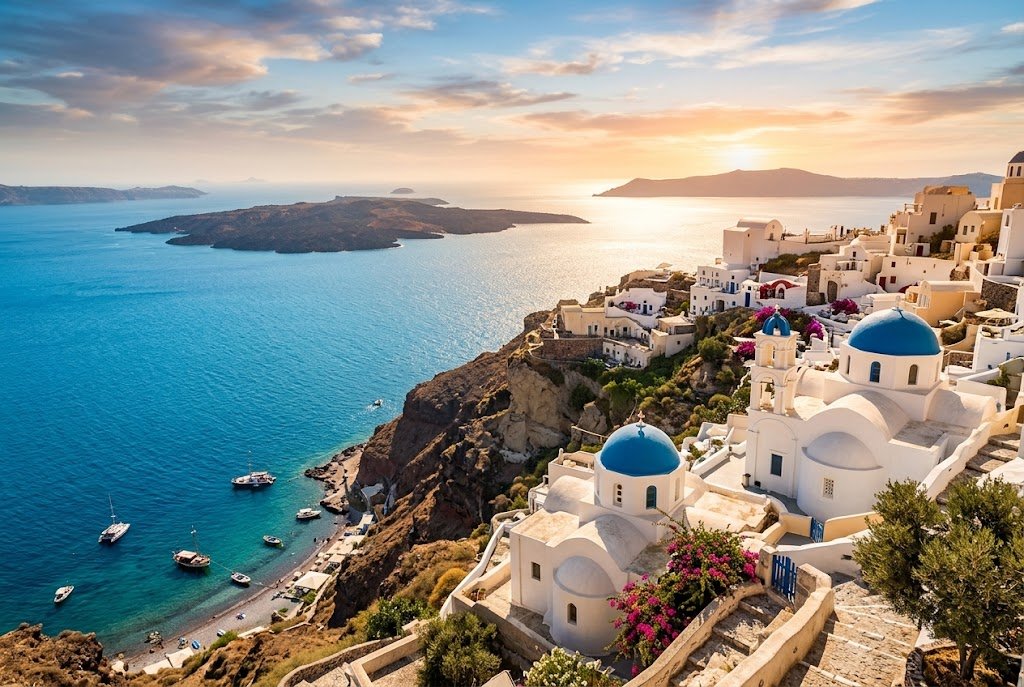
Greece combines two powerful travel experiences: ancient history and island life. Athens is an excellent starting point for archaeological sites and Greek culture. Beyond the capital, travelers can choose from islands and mainland destinations with very different personalities.
Santorini is famous for its views and architecture, while Crete offers beaches, food, history, and more space to explore. Other islands can be better suited to travelers looking for a quieter experience.
Best for: beach holidays, couples, history lovers, island travelers.
Best time: Late spring and early autumn can provide a useful balance between weather and crowds.
Planning tip: Island-hopping takes transportation time. Build your itinerary around ferry or flight connections rather than simply counting islands.
06. Switzerland: Best for Mountain Scenery
Switzerland is the destination to consider when scenery is the main event. The Alps dominate the travel experience, but Switzerland also offers attractive cities such as Zurich, Lucerne, and Geneva. Mountain railways and public transport make it possible to combine towns with high-altitude landscapes. The biggest limitation is cost. Switzerland generally requires a larger travel budget than many Central European destinations.
Best for: hikers, photographers, couples, scenic train travelers, luxury travelers.
Best time: Summer is ideal for many hiking routes. Winter is particularly attractive for snow sports.
Planning tip: You do not need to visit every famous mountain. Choose one or two regions and spend more time there.
07. Austria: Best for Alpine Villages and Classical Culture
Austria combines elegant cities with mountain scenery. Vienna is a natural highlight, particularly for architecture, museums, classical music, cafés, and imperial history. Salzburg offers a smaller historic setting, while the Austrian Alps provide hiking and winter sports.
Best for: families, couples, culture lovers, mountain travelers.
Best time: Spring through autumn for general sightseeing; winter for skiing and festive travel.
Planning tip: Vienna works well as a city break, while Salzburg and Alpine regions are better when you have additional days.
08. Germany: Best for History, Castles, and Diverse Cities
Germany offers much more variety than a simple Berlin-and-Munich itinerary suggests. Berlin is known for modern culture and 20th-century history. Munich provides Bavarian architecture and access to Alpine areas. The Rhine and Moselle regions offer castles and river scenery, while smaller historic towns can provide a slower experience.
Best for: history lovers, families, road trippers, city travelers.
Best time: Late spring through early autumn for broad itinerary flexibility.
Planning tip: Germany is particularly useful for multi-city trips because major urban centers are well connected.
09. Czechia: Best for Architecture and Affordable City Breaks
Prague is one of Europe’s most recognizable historic cities, with bridges, old streets, churches, squares, and dramatic architecture. However, Czechia should not be reduced to Prague. Smaller towns and countryside areas provide another side of the country.
Best for: short breaks, architecture lovers, couples, first-time Europe travelers.
Best time: Spring and autumn are comfortable for exploring cities on foot.
Planning tip: Stay outside the most crowded central areas if you want a quieter evening experience.
10. Croatia: Best for the Adriatic Coast
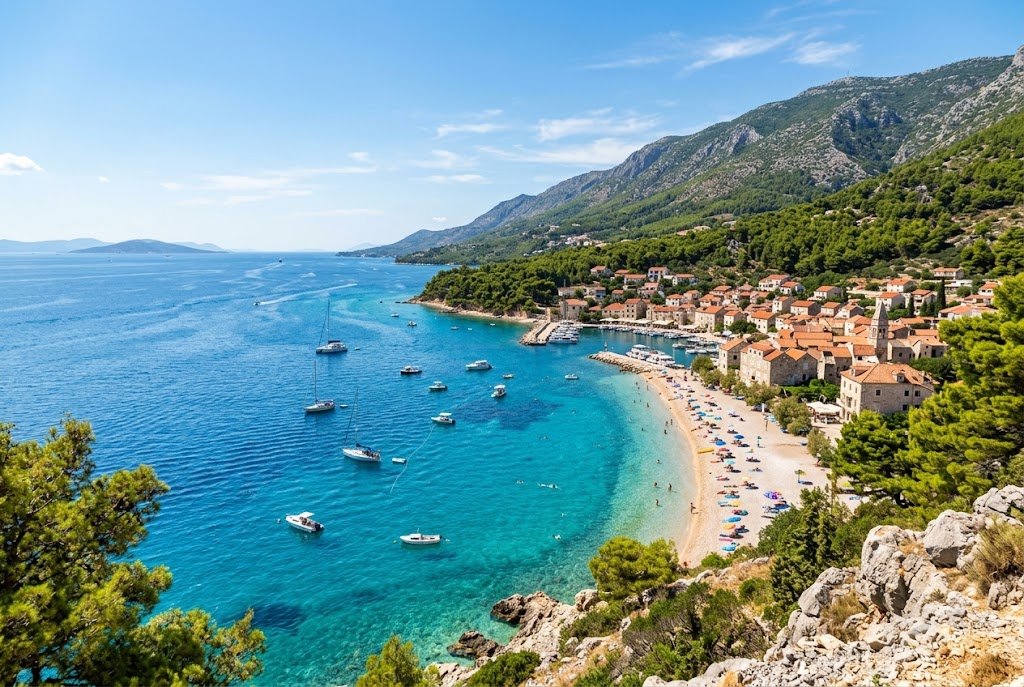
Croatia has become one of Europe’s major coastal destinations, and its appeal goes beyond beaches. Dubrovnik offers famous historic walls and Adriatic views. Split combines Roman history with coastal life, while the islands provide opportunities for swimming, boating, and slower travel.
Best for: beach lovers, couples, photographers, island travelers.
Best time: Late spring and early autumn can offer a better balance than the peak summer period.
Planning tip: Coastal transport schedules matter. Do not create an island itinerary without checking actual ferry connections.
11. Slovenia: Best for Nature in a Compact Country
Slovenia is especially attractive if you want mountains, lakes, forests, and charming towns without spending your entire vacation in transit. Lake Bled is the country’s best-known destination, but the Julian Alps, Ljubljana, caves, rivers, and coastal areas create a surprisingly varied trip.
Best for: outdoor travelers, couples, photographers, families.
Best time: Late spring through early autumn for hiking and outdoor activities.
Planning tip: Combine Ljubljana with Lake Bled and another natural area rather than treating the capital as the entire trip.
12. Norway: Best for Fjords and Outdoor Adventures
Norway is about dramatic landscapes. Its fjords, mountains, waterfalls, coastal towns, and long summer days create an excellent destination for travelers who prefer outdoor experiences over museum-heavy itineraries. The main drawback is cost. Transport, accommodation, and dining can require careful budgeting.
Best for: hikers, photographers, road trippers, nature lovers.
Best time: Summer for many outdoor activities; winter for a different Nordic experience.
Planning tip: Decide whether you want a road trip, hiking holiday, city break, or fjord-focused journey. Trying to combine everything can make the itinerary exhausting.
13. Iceland: Best for Otherworldly Landscapes
Iceland feels different from mainland Europe. Volcanic landscapes, waterfalls, geothermal areas, black-sand beaches, glaciers, and rugged coastlines create the country’s distinctive character. Reykjavík is useful as a base, but many of the strongest experiences are outside the capital.
Best for: adventure travelers, photographers, road trippers, nature lovers.
Best time: Summer offers long daylight and easier access to many outdoor areas. Winter provides a different landscape and potential northern lights opportunities, but weather and daylight require more careful planning.
Planning tip: Check road and weather conditions frequently if driving.
14. Denmark: Best for Design, Families, and Easy City Travel
Denmark is compact, organized, and especially appealing for travelers who enjoy design, architecture, food, cycling, and family attractions. Copenhagen is the obvious starting point, but the country’s smaller towns and coastal areas are worth considering if you have more time.
Best for: families, couples, design lovers, city travelers.
Best time: Late spring and summer for longer daylight and outdoor activities.
Planning tip: Copenhagen can work well as a short European city break rather than requiring a two-week itinerary.
15. Sweden: Best for Nordic Cities and Nature
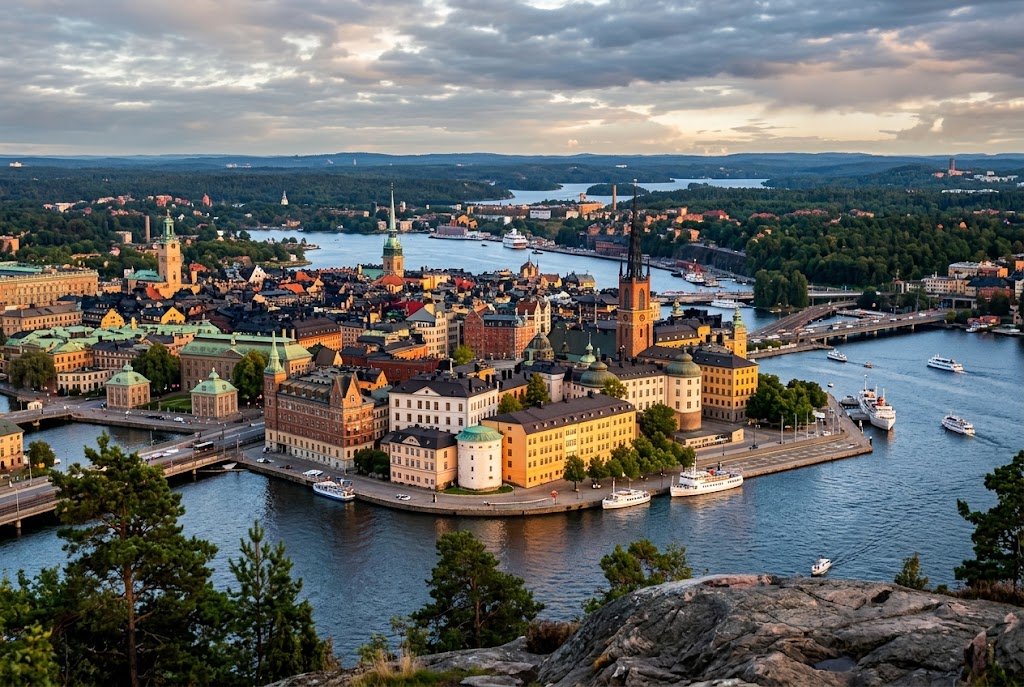
Sweden offers an appealing mixture of modern design, historic neighborhoods, forests, lakes, and northern landscapes. Stockholm is built around islands and waterways, making it visually distinctive. Travelers with more time can head into Sweden’s natural areas.
Best for: solo travelers, couples, design enthusiasts, nature lovers.
Best time: Summer is particularly useful for enjoying long daylight hours.
Planning tip: If you want nature, do not spend your entire trip in Stockholm.
16. Finland: Best for Forests, Lakes, and Quiet Travel
Finland is ideal for travelers who enjoy space and slower experiences. Helsinki offers architecture, design, food, and access to nearby islands. Beyond the capital, forests and lakes dominate much of the country’s landscape. Lapland provides a very different seasonal experience.
Best for: nature lovers, families, winter travelers, travelers seeking a quieter trip.
Best time: Summer for lakes and outdoor exploration; winter for snow-based experiences.
Planning tip: Distances become significant outside southern Finland, so check transport times before adding remote destinations.
17. Netherlands: Best for Museums, Canals, and Cycling
The Netherlands works exceptionally well for short trips. Amsterdam is famous for canals and museums, but travelers should consider exploring beyond the capital. Dutch towns and countryside can offer a calmer experience and a better understanding of the country’s landscapes and culture.
Best for: museum lovers, couples, families, cyclists, short-break travelers.
Best time: Spring is popular for flowers, while summer offers longer daylight.
Planning tip: Do not use Amsterdam as your only picture of the Netherlands. Regional travel can add considerable variety.
18. Ireland: Best for Green Landscapes and Road Trips
Ireland is particularly attractive if your ideal vacation includes dramatic coastlines, green countryside, historic sites, small towns, and scenic drives. Dublin provides an easy urban starting point, but the country’s strongest appeal is often found outside the capital.
Best for: road trippers, photographers, couples, nature lovers.
Best time: Late spring through early autumn is generally useful for road-trip planning.
Planning tip: Driving distances can look short on a map but take longer on rural roads. Avoid creating an itinerary that requires constant long-distance driving.
19. United Kingdom: Best for History and Variety
The United Kingdom offers several distinct travel experiences within one trip. London alone can fill a week for many visitors. Beyond London, travelers can explore Scotland, Wales, northern England, historic cities, national parks, and coastal areas. Because the UK has its own entry rules separate from the Schengen Area, check requirements based on your nationality before traveling.
Best for: history lovers, city travelers, families, literature fans, road trippers.
Best time: Spring through early autumn for broad sightseeing.
Planning tip: Choose London plus one region instead of attempting to see the entire UK in a short vacation.
20. Poland: Best for History and Value
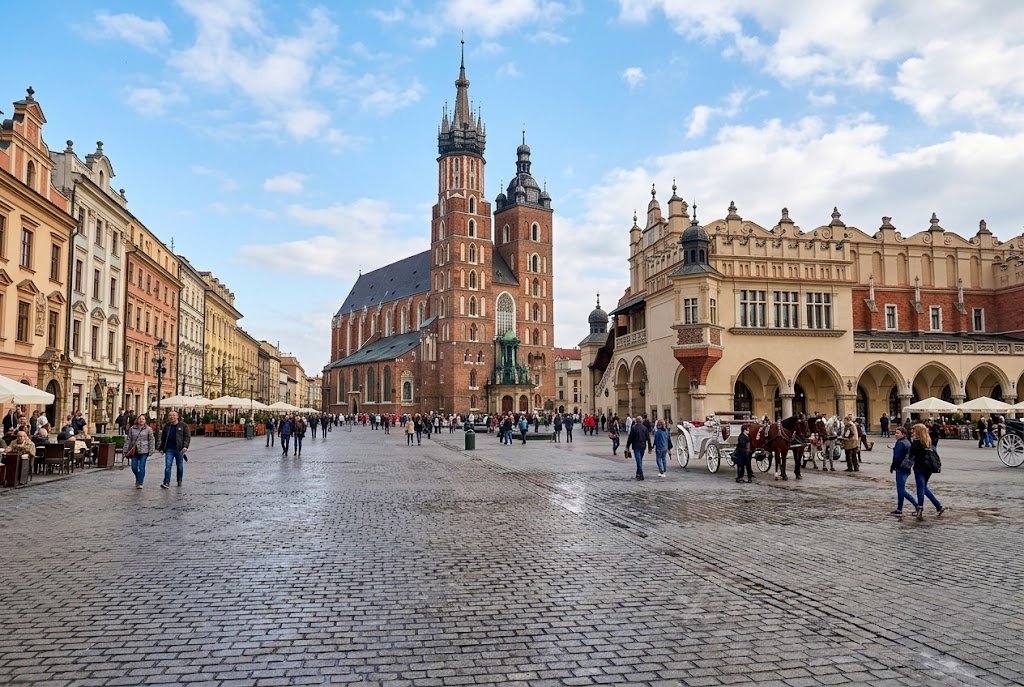
Poland deserves more attention from travelers looking for history, architecture, food, and good city experiences. Kraków has a well-preserved historic center and is a useful base for exploring nearby attractions. Warsaw provides a different perspective through its modern cityscape and complex history.
Best for: history travelers, budget-conscious visitors, city breakers, food lovers.
Best time: Spring, summer, and early autumn depending on the type of trip.
Planning tip: Poland can work particularly well as part of a Central European itinerary.
21. Hungary: Best for Budapest and Thermal Experiences
Budapest is the main attraction, and for a short trip it can easily justify several days. The Danube, historic architecture, food, nightlife, and thermal-bath culture give the city a distinctive personality.
Best for: couples, city-break travelers, food lovers, architecture enthusiasts.
Best time: Spring and autumn are comfortable for sightseeing, while summer brings longer evenings.
Planning tip: Spend time on both sides of the Danube rather than treating the city as one compact neighborhood.
22. Albania: Best for Emerging Coastal Travel and Value
Albania is a strong option for travelers who want Mediterranean scenery while looking beyond Europe’s most established coastal destinations. The Albanian Riviera, historic towns, mountains, and inland landscapes offer considerable variety. Infrastructure and travel logistics can vary more than in Western European destinations, so flexibility is useful.
Best for: beach lovers, road trippers, adventurous travelers, budget-conscious visitors.
Best time: Late spring and early autumn can be attractive for coastal travel.
Planning tip: Do not plan Albania like a high-speed Western European rail trip. Allow extra time for road journeys.
23. Montenegro: Best for Mountains Beside the Sea
Montenegro is small, but its geography is impressive. The Bay of Kotor combines mountains and water, while the Adriatic coast provides beaches and historic towns. Inland areas offer a completely different mountain environment.
Best for: couples, photographers, outdoor travelers, beach lovers.
Best time: Late spring and early autumn for a mix of coastal and outdoor activities.
Planning tip: The country is compact geographically, but mountain roads can make journeys slower than expected.
24. Belgium: Best for Food, Architecture, and Short Trips
Belgium is easy to overlook because of its size, but it works very well for a short European vacation. Brussels, Bruges, Ghent, and Antwerp each offer different architecture, food, and cultural experiences. Belgian chocolate, waffles, beer, and regional dishes are also part of the travel experience.
Best for: food lovers, architecture enthusiasts, couples, weekend travelers.
Best time: Spring through early autumn for comfortable city exploration.
Planning tip: Belgium is especially easy to combine with neighboring countries by train.
25. Romania: Best for Castles, Mountains, and Hidden European Charm
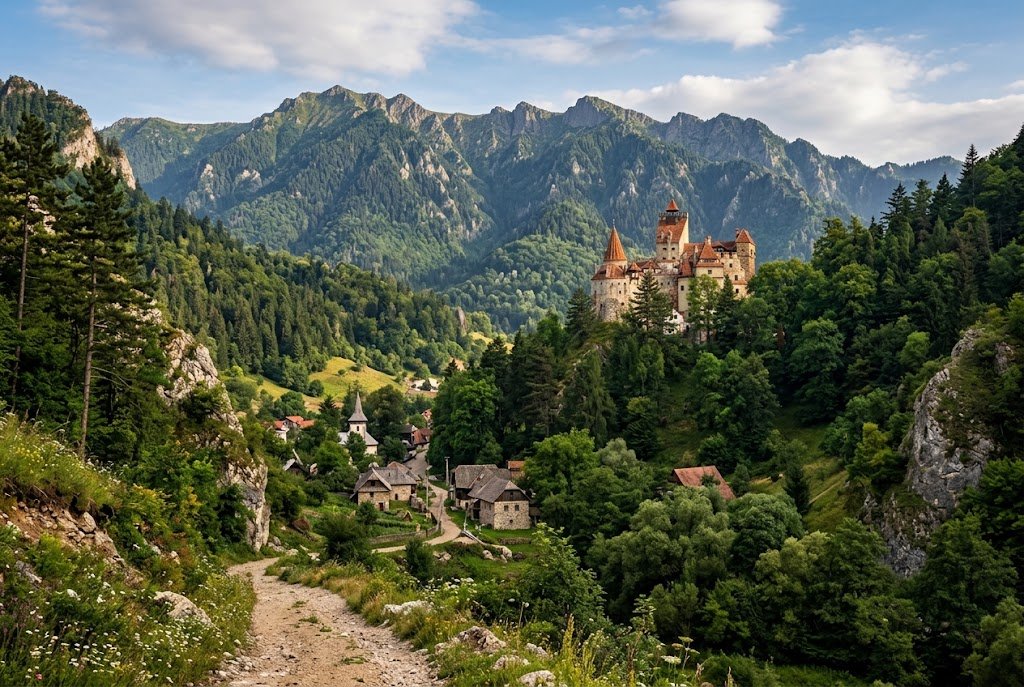
Romania is an excellent choice if you want a European trip that combines medieval towns, dramatic mountain landscapes, fascinating history, and relatively less-crowded destinations. Bucharest offers grand architecture, museums, parks, and a lively urban atmosphere, while Transylvania is famous for its fortified towns, castles, and Carpathian scenery. Brasov makes a particularly convenient base for exploring the region, with Bran Castle, medieval villages, and mountain attractions nearby.
Why visit Romania?
- Fairytale castles and medieval towns
- Dramatic Carpathian Mountains
- Historic Transylvania
- Charming cities such as Brasov and Sibiu
- Traditional villages and countryside
- Beautiful hiking and outdoor opportunities
- Generally less crowded than Europe’s most famous destinations
Best for: castle lovers, nature enthusiasts, photographers, history enthusiasts, couples, and travelers seeking less-touristy European destinations.
Best time: Late spring through early autumn is ideal for sightseeing and outdoor activities, while winter is especially appealing for travelers interested in snow and mountain experiences.
Planning tip: Give yourself enough time to explore beyond Bucharest. A route combining Bucharest, Brasov, Bran, Sibiu, and Sighisoara can provide a much richer introduction to Romania than staying in the capital alone.
Greece’s Neighboring Alternative: Why You Should Also Consider Regional Pairing
Rather than treating every country as an isolated vacation, some of the best European trips combine nearby destinations.
For example:
- France + Belgium: Paris, Brussels, Bruges, and nearby cities.
- Italy + Switzerland: Northern Italy followed by the Alps.
- Austria + Czechia + Hungary: A strong Central European route.
- Portugal + Spain: Iberian cities and Atlantic/Mediterranean coasts.
- Croatia + Montenegro: Adriatic coast and mountain scenery.
- Slovenia + Croatia: Lakes, mountains, historic towns, and coastline.
- Norway + Denmark: Nordic cities and contrasting landscapes.
However, more countries do not automatically mean a better trip. Every hotel change, train journey, airport transfer, and check-in takes time.
Which European Countries Are Best for Different Travelers?
Best European Countries for Families
Consider:
- Denmark
- Austria
- Netherlands
- Germany
- Italy
Families should look at more than attractions. Short transfers, comfortable accommodation, easy food options, and activities for different ages can make a much bigger difference.
Best for Couples
Italy, France, Greece, Portugal, Switzerland, and Croatia are strong choices. For a romantic trip, think about the pace as much as the destination. A slower itinerary through Tuscany or the Greek islands can be more enjoyable than changing hotels every two nights.
Best for Solo Travelers
Portugal, Slovenia, Denmark, Austria, and Ireland can be appealing because they offer a mixture of cities, nature, and straightforward travel options. Solo travelers should also consider how comfortable they are with driving, nightlife, public transportation, and navigating unfamiliar places.
Best for Beach Lovers
If beaches are your main priority, consider:
- Greece
- Spain
- Portugal
- Croatia
- Albania
- Montenegro
For a pure beach vacation, do not automatically choose the most famous city. A coastal region or island may fit your goal better.
Best for Nature Lovers
Norway, Iceland, Switzerland, Slovenia, Austria, Finland, and Ireland are excellent candidates. Think about what kind of nature you want. Fjords, glaciers, mountains, forests, lakes, and coastlines create very different vacations.
What Is the Best Time to Visit Europe in 2026?
There is no universal “best month.”
Spring: March to May
Spring is useful for:
- City sightseeing
- Gardens and parks
- Mild-weather walking
- Lower-season travel in some destinations
- Mediterranean trips before the hottest months
Summer: June to August
Summer is best for:
- Alpine hiking
- Nordic travel
- Long daylight hours
- Beach vacations
- Outdoor festivals
The downside is that many famous destinations become busier and more expensive.
Autumn: September to November
Early autumn can be one of the most useful periods for European travel. You can often combine comfortable sightseeing with beaches, wine regions, countryside, and city trips.
Winter: December to February
Winter is ideal for:
- Christmas markets
- Ski destinations
- Nordic winter experiences
- Museums and city breaks
- Seasonal events
However, daylight and weather vary dramatically between southern and northern Europe.
How Much Time Do You Need for a Europe Trip?
A common mistake is trying to visit too many countries. For a first trip, these approaches usually make more sense:
5–7 days: One country or one major region.
8–10 days: One country in depth or two nearby destinations.
12–14 days: Two or three carefully connected countries.
3+ weeks: A larger multi-country itinerary becomes more realistic.
A useful rule is to count travel days as part of the itinerary. A four-hour train journey, airport transfer, hotel check-in, and unpacking can consume much of a day.
Should You Travel by Train, Plane, or Car?
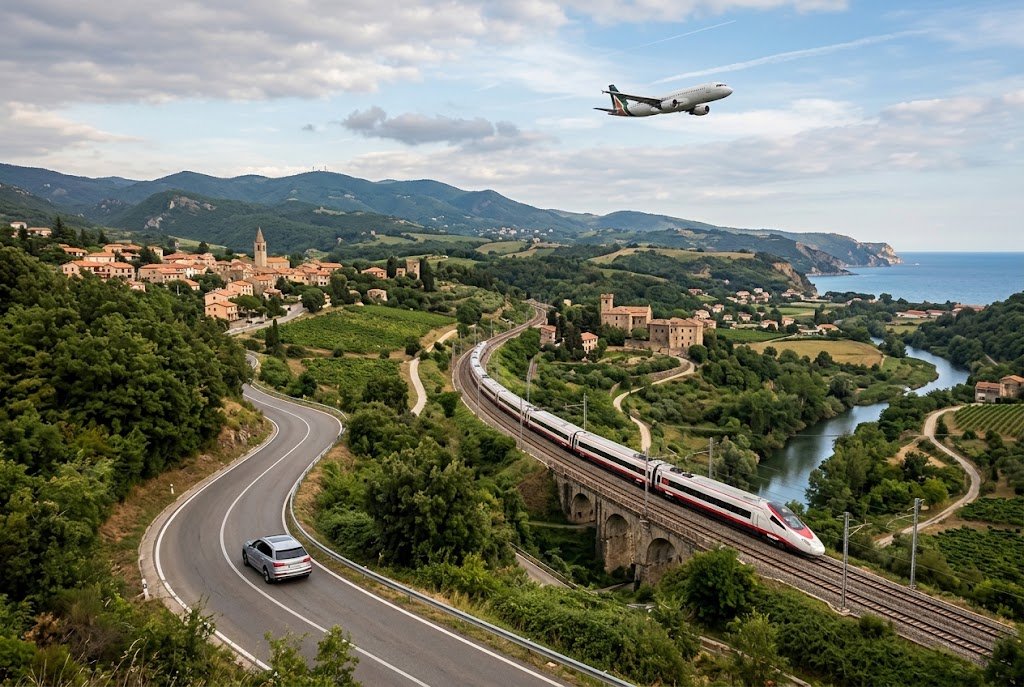
Train
Best for:
- Italy
- France
- Germany
- Switzerland
- Austria
- Czechia
- Belgium
- Netherlands
- parts of Spain
Trains are particularly useful when city centers are connected directly.
Car
Best for:
- Iceland
- Ireland
- Slovenia
- parts of Croatia
- Albania
- Montenegro
- rural France
- countryside Spain
A car provides flexibility but also introduces parking, tolls, fuel, insurance, and navigation considerations.
Flights
Flights make more sense when crossing long distances or traveling between areas with weak rail connections. Do not compare only the flight time. Add airport transfers, security, waiting time, and luggage considerations.
What About Schengen and European Entry Rules in 2026?
Travelers often confuse “Europe,” the European Union, and the Schengen Area. They are not the same thing. The Schengen Area has common short-stay rules, and the European Commission states that the standard short-stay framework for eligible non-EU visitors is generally up to 90 days in any 180-day period across the Schengen Area, rather than 90 days per country. Another important 2026 development is the Entry/Exit System (EES).
The European Commission says EES became fully operational across Schengen countries on 10 April 2026 and records relevant biometric and entry/exit information for applicable non-EU short-stay travelers. ETIAS is separate. As of the latest official European Union information available when this guide was prepared, ETIAS was not yet operating, and the EU says travelers should wait for the official launch announcement rather than applying through unofficial websites.
Because entry requirements depend on nationality, passport, residence status, and destination, check the official European Union information and the relevant embassy or government authority before departure.
How Can You Build a Better European Itinerary?
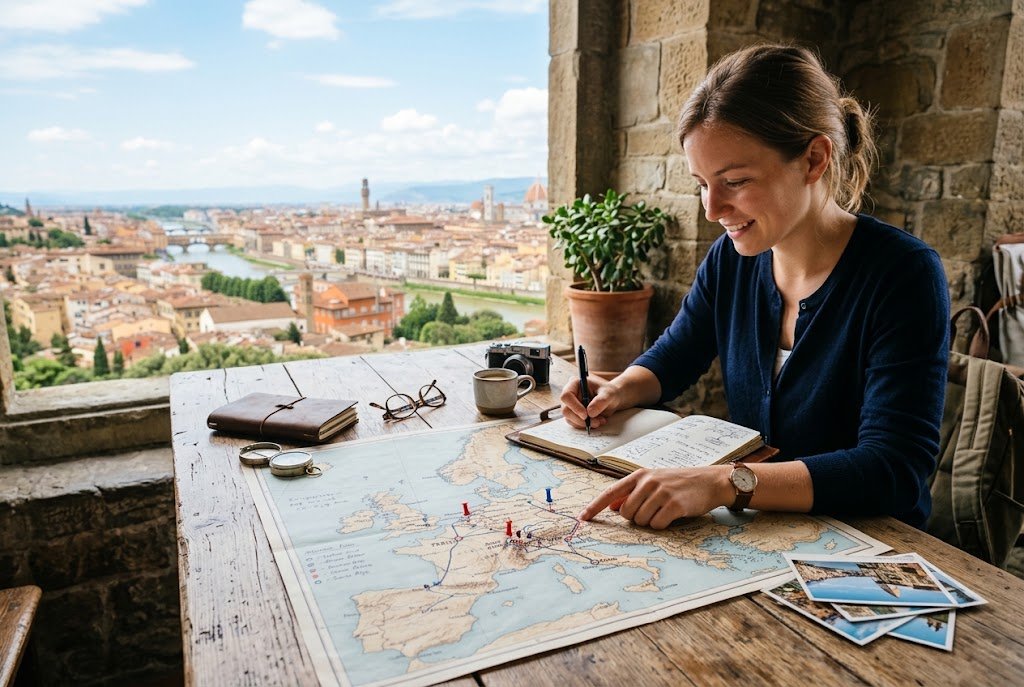
Use this simple process.
Step 1: Choose your main travel goal
Pick one primary reason for the trip:
- Beaches
- History
- Food
- Nature
- Art
- Family activities
- Romance
- Adventure
- Winter sports
Step 2: Choose the season
Your destination should match your travel dates. For example, northern Europe can be especially rewarding in summer, while Mediterranean countries can be more comfortable outside the hottest peak period.
Step 3: Choose one anchor destination
Start with a city or region that genuinely interests you. Examples include Rome, Paris, Lisbon, Athens, Vienna, Copenhagen, Reykjavik, or Zurich.
Step 4: Add nearby destinations
Only add another country when the transportation connection is sensible.
Step 5: Leave empty space
Do not schedule every morning and afternoon. Unexpected discoveries, weather changes, tiredness, restaurant reservations, and transport delays are normal parts of travel.
Common Mistakes Travelers Make in Europe
Trying to see too many countries
A ten-day trip with six countries can become a transportation project instead of a vacation.
Visiting only famous capitals
Capital cities are useful starting points, but regional travel often provides a more complete picture.
Ignoring the season
A beach destination in winter and a Nordic road trip in the darkest part of the year can produce very different experiences from what you imagined.
Booking everything too late
Popular accommodation, trains, ferries, and attractions can have limited availability during busy periods.
Assuming prices are the same everywhere
Western and Northern Europe can be significantly more expensive than some Central or Southeastern destinations.
Forgetting local rules
Tourist taxes, transportation regulations, attraction reservations, driving rules, and entry requirements can change.
Using one giant itinerary
If something goes wrong on day three, a tightly packed schedule can cause problems for the entire trip.
How Can You Travel More Responsibly?
Responsible travel does not require giving up popular destinations.
Instead:
- Travel outside peak periods when possible.
- Spend money with local businesses.
- Stay longer rather than constantly moving.
- Respect local residential areas.
- Use trains and public transportation where practical.
- Follow protected-area rules.
- Avoid damaging natural environments for photographs.
- Do not treat local culture as a performance created for tourists.
- Check local guidance before visiting beaches, mountains, archaeological sites, and protected areas.
This approach can also improve the trip itself because slower travel often leaves more time for local food, neighborhoods, and unexpected discoveries.
Final Thoughts
Europe offers an extraordinary range of travel experiences, making it difficult to choose just one destination. From Italy’s historic cities and Mediterranean landscapes to Romania’s medieval castles and mountain scenery, each European country has its own character, culture, food, and attractions. Whether you are looking for beautiful beaches, historic landmarks, romantic getaways, outdoor adventures, or affordable travel, there is a destination to match your interests and budget.
When choosing among the best European countries to visit, consider more than famous attractions. Think about the season, your travel style, transportation options, budget, and how much time you have. Popular destinations can be rewarding, but lesser-known cities and regions often provide equally memorable experiences with fewer crowds.
Ultimately, the best European country for your trip is the one that matches what you want to experience. Take time to research your options, create a realistic itinerary, and leave room for unexpected discoveries. With thoughtful planning, your European journey can become a collection of experiences you will remember long after you return home.
Frequently Asked Questions
Q1. What is the best European country to visit for the first time?
Ans: Italy is one of the strongest all-round choices because it combines history, art, food, cities, countryside, mountains, and coastline. France, Spain, and Portugal are also excellent alternatives depending on your interests.
Q2. Which European country is best for a beach vacation?
Ans: Greece, Spain, Portugal, Croatia, Albania, and Montenegro are strong choices. Greece is especially useful for island-focused trips, while Portugal offers a dramatic Atlantic coastline and Croatia combines historic towns with Adriatic scenery.
Q3. What is the cheapest European country to visit?
Ans: There is no single cheapest destination because accommodation, transport, food, and exchange rates vary by city and season. Poland, Hungary, Albania, and parts of Central and Southeastern Europe can offer better value than expensive destinations such as Switzerland or Denmark.
Q4. Which European countries are best for families?
Ans: Denmark, Austria, Germany, the Netherlands, and Italy are worth considering. Families should compare transport, accommodation, attractions, and travel distances rather than choosing solely from a country ranking.
Q5. How many European countries can I visit in two weeks?
Ans: Two or three countries is usually a comfortable target for a first trip. Four can work if they are close together and well connected, but adding more often means spending too much time packing, checking out, and traveling.
Q6. Is Switzerland worth the higher travel cost?
Ans: For travelers who prioritize mountains, lakes, scenic transportation, hiking, and Alpine scenery, Switzerland can be worth the extra cost. However, it is not necessary for every European itinerary.
Q7. Is Europe safe for solo travelers?
Ans: Many European destinations are popular with solo travelers, but safety varies by location and situation. Normal precautions still matter, particularly around crowded transport hubs, nightlife areas, and tourist attractions.
Q8. When is the best time to visit Europe?
Ans: Spring and early autumn are excellent for many travelers because they can offer a balance of comfortable weather and sightseeing. Summer is strongest for beaches and northern outdoor travel, while winter suits skiing, Christmas markets, and seasonal trips.
Q9. Do I need a Schengen visa?
Ans: That depends on your nationality and circumstances. The Schengen Area has common short-stay rules, but visa requirements vary by passport. Check the European Commission and your country’s official travel or visa information before booking.
Q10. Is ETIAS required in 2026?
Ans: At the time of this guide’s preparation, ETIAS was not yet in operation. The European Union says the official launch date will be announced in advance, so travelers should check the official EU website rather than relying on third-party claims.
Q11. Which European country is best for nature?
Ans: Norway, Iceland, Switzerland, Slovenia, Finland, Austria, and Ireland are excellent options. The best choice depends on whether you prefer mountains, fjords, glaciers, forests, lakes, or coastal scenery.




1 Comment