
 -by
-by Europe can feel overwhelming when you are planning your first trip. One region can offer ancient ruins, Mediterranean beaches, Alpine landscapes, historic cities, islands, food traditions, museums, and scenic train journeys. The challenge is not finding places to visit. It is choosing destinations that actually fit your time, budget, interests, and travel style.
This guide explores some of the most useful travel destinations in Europe for different types of trips. Instead of treating every city as equally suitable, it explains what makes each place worth considering and what type of traveler may enjoy it most.
You will find ideas for first-time visitors, couples, families, beach lovers, history enthusiasts, food travelers, outdoor adventurers, and travelers working with a limited itinerary. You will also learn how to combine destinations without spending your entire vacation moving between airports and train stations.
Whether you have five days, two weeks, or a month, choose beach destinations based on experiences rather than simply collecting countries. A thoughtful itinerary with fewer stops can often produce a better trip than an ambitious schedule that leaves little time to enjoy each place.
How to Choose the Best Travel Destinations in Europe
The right destination depends on what you want from your trip. A city that is excellent for museums may not be ideal for someone whose priority is swimming and relaxing.
Before booking flights, consider these six factors:
- Your available time – A five-day trip requires a different plan from a three-week journey.
- Your interests – History, beaches, food, architecture, nightlife, nature, or shopping can change your choices.
- Your travel season – Northern Europe, Mediterranean islands, and Alpine regions can feel very different at the same time of year.
- Your transportation style – Some destinations work especially well by train, while islands often require ferries or flights.
- Your budget – Accommodation, transportation, meals, and attractions vary considerably between countries and cities.
- Your entry requirements – Visa, passport, and border requirements depend on your nationality and the countries you visit.
A useful rule is to build your itinerary around travel destinations that are geographically close. For example, Paris and Amsterdam can form a logical combination, while Rome and Athens may require more transportation planning.
Quick Comparison of European Travel Destinations
| Destination | Best For | Suggested Stay | Main Strength |
| Paris, France | First-time visitors, culture, couples | 3–5 days | Art, architecture, food |
| Rome, Italy | History, food, culture | 3–5 days | Ancient and historic sites |
| Barcelona, Spain | Architecture, beaches, food | 3–4 days | City-and-coast combination |
| Lisbon, Portugal | First trips, food, viewpoints | 3–4 days | Compact historic atmosphere |
| Athens, Greece | History, islands connection | 2–3 days | Classical heritage |
| Santorini, Greece | Couples, scenery | 2–4 days | Caldera and volcanic landscape |
| Prague, Czechia | Architecture, history | 2–3 days | Historic city center |
| Amsterdam, Netherlands | Museums, canals, short trips | 2–3 days | Walkable urban experiences |
| Dubrovnik, Croatia | Coast, history, scenery | 2–3 days | Adriatic setting |
| Vienna, Austria | Culture, architecture, music | 2–4 days | Imperial heritage |
| Florence, Italy | Art, history, food | 2–3 days | Renaissance heritage |
| Nice, France | Beaches, Riviera, relaxed trips | 2–4 days | Mediterranean coast |
| Edinburgh, Scotland | History, scenery, culture | 2–4 days | Old Town and landscapes |
| Reykjavik, Iceland | Nature, road trips | 2–4 days | Access to Icelandic landscapes |
| Budapest, Hungary | Architecture, culture, city breaks | 2–4 days | Danube setting and historic baths |
These are not rankings. They represent different types of experiences, so the most suitable choice depends on your own priorities.
01. Paris, France

Paris is one of the most versatile travel destinations in Europe because a single trip can combine art, architecture, food, history, shopping, neighborhoods, and river scenery. The city works particularly well for first-time visitors because there is no need to travel far outside the urban center to find major attractions. The Louvre, Eiffel Tower, Seine, Notre-Dame area, Musée d’Orsay, Montmartre, and historic neighborhoods can form a full itinerary without constant transportation. UNESCO’s description of the historic Seine area highlights the relationship between the river, bridges, historic buildings, the Louvre, Eiffel Tower, and major architectural landmarks.
Why visit Paris?
- Major art collections and museums
- Historic architecture
- French food and café culture
- Seine River walks
- Easy day-trip possibilities
- Diverse neighborhoods
Paris is especially suitable for travelers who want a destination with many different activities.
Best for: First-time Europe trips, couples, culture lovers, photographers, food travelers.
Planning tip: Do not schedule every hour around major attractions. Leave time to explore neighborhoods on foot. Some of the most enjoyable parts of a city trip come between the famous landmarks.
02. Rome, Italy
Rome is one of the strongest choices among travel destinations for travelers who want history to be part of everyday sightseeing. The city brings together ancient Roman structures, Renaissance art, Baroque architecture, churches, public squares, museums, and modern Italian life. UNESCO describes Rome’s historic center as a complex urban landscape containing archaeological areas and monuments from several periods of history.
What to see in Rome
- Colosseum
- Roman Forum
- Pantheon
- Trevi Fountain
- Piazza Navona
- Vatican Museums and St. Peter’s Basilica
- Trastevere
- Historic streets around the city center
Rome can be physically demanding because many attractions involve walking, uneven surfaces, crowds, and long periods outdoors.
Best for: History enthusiasts, food lovers, first-time visitors, architecture fans.
Planning tip: Group attractions by neighborhood instead of crossing the city repeatedly. This saves time and makes the itinerary more comfortable.
03. Barcelona, Spain
Barcelona is a particularly interesting option among travel destinations because it combines a major European city with Mediterranean coastal experiences. Travelers can move from architectural landmarks to neighborhoods, markets, restaurants, parks, and beaches within the same trip. The city is therefore useful for people who do not want to choose between a city vacation and a beach vacation.
Barcelona highlights
- Sagrada Família
- Gothic Quarter
- Park Güell
- Passeig de Gràcia
- Local markets
- Mediterranean waterfront
- Catalan food
Barcelona works well for short breaks because many attractions can be organized into geographic clusters.
Best for: Couples, families with older children, architecture lovers, food travelers, beach-and-city trips.
If beaches are the central purpose of your trip rather than an additional activity, compare Barcelona with destinations where the coast is the main attraction.
04. Lisbon, Portugal
Lisbon is one of the most approachable travel destinations for travelers who want history, food, viewpoints, and a relatively compact urban experience. The Portuguese capital has historic neighborhoods, tiled buildings, viewpoints, traditional food, waterfront areas, and access to nearby coastal destinations. The city’s hills are an important practical consideration. Walking routes that look short on a map can involve significant climbs.
Why choose Lisbon?
- Historic neighborhoods
- Portuguese cuisine
- Riverfront scenery
- Viewpoints
- Day trips
- Easy combination with other Portuguese regions
Lisbon can also work as the starting point for exploring destinations farther west or south.
Best for: First-time visitors, couples, food travelers, photographers, short city breaks.
Planning tip: Choose accommodation based not only on price but also on proximity to the neighborhoods you plan to explore.
05. Athens, Greece
Athens is among the most important travel destinations for travelers interested in ancient history. The Acropolis dominates many first-time itineraries, but Athens is more than an archaeological stop. The city combines ancient monuments with modern neighborhoods, food, markets, museums, and access to the Greek islands. UNESCO identifies the Acropolis as an exceptional ancient Greek monumental complex and describes monuments including the Parthenon, Erechtheion, Propylaia, and Temple of Athena Nike.
Athens is best for
- Ancient history
- Archaeology
- Greek food
- City-and-island itineraries
- Travelers who want a cultural introduction to Greece
A practical itinerary might use Athens for a few days before continuing to an island or another Greek region.
Planning tip: Check attraction opening arrangements and seasonal conditions before visiting major archaeological sites.
6. Santorini, Greece
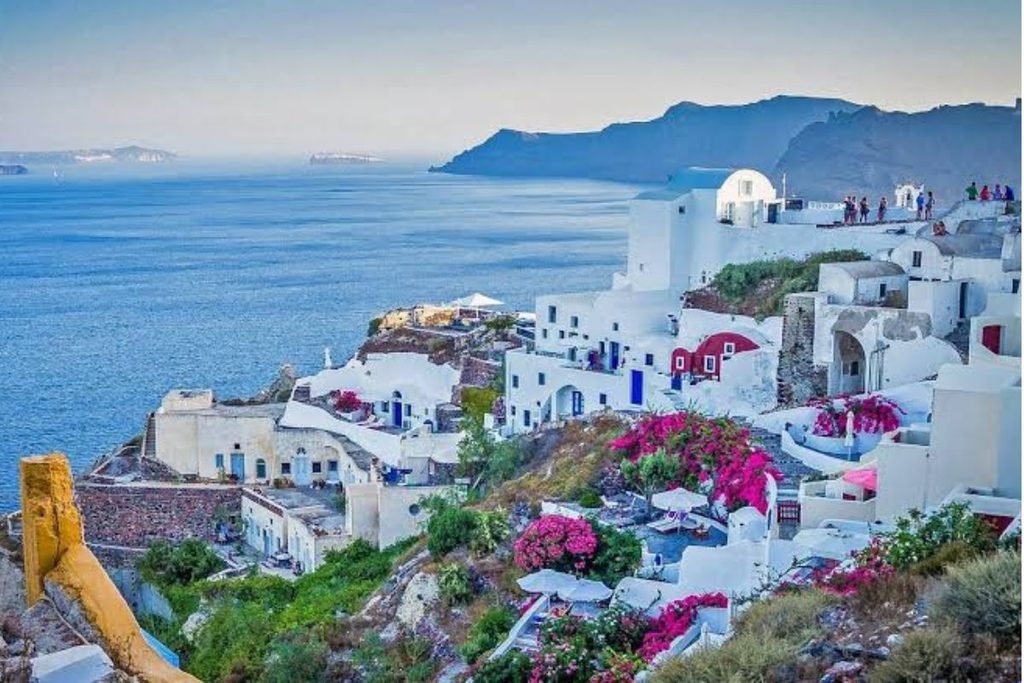
Santorini is one of the most recognizable travel destinations in the Mediterranean. Its appeal comes from volcanic geography, caldera views, whitewashed settlements, distinctive beaches, and island scenery. The official Greek tourism organization highlights Santorini’s volcanic history, caldera settlements, black and red beaches, villages, local food, and wine traditions.
What makes Santorini different?
Santorini is more about landscape and atmosphere than a conventional sandy-beach vacation. Some beaches have volcanic sand or pebbles rather than the soft sand travelers may expect.
Best for: Couples, photographers, scenic trips, honeymoon-style vacations, food and wine travelers.
Planning tip: Compare accommodation locations carefully. Staying somewhere with a beautiful view can provide a very different experience from staying near a transport hub or a quieter village.
For more beach-focused inspiration, see our guide to the best beaches in Europe.
07. Prague, Czechia
Prague is one of the most rewarding travel destinations for travelers interested in historic architecture. Its historic center includes the Old Town, Lesser Town, New Town, Prague Castle area, Charles Bridge, churches, palaces, and other structures representing centuries of architectural development. UNESCO recognizes the Historic Centre of Prague as a World Heritage property.
Prague highlights
- Prague Castle
- Charles Bridge
- Old Town Square
- Jewish Quarter
- Vltava River
- Historic cafés
- Traditional Czech food
The city is especially suitable for a two- or three-day visit.
Best for: Architecture lovers, photographers, couples, history travelers, European city breaks.
08. Amsterdam, Netherlands
Amsterdam is among the most practical travel destinations for a short European city break. Its canals, museums, historic streets, cycling culture, and compact central districts create a strong combination for travelers who want several types of experiences without covering huge distances.
What to do in Amsterdam
- Explore the canal belt
- Visit major museums
- Walk through historic neighborhoods
- Take a canal cruise
- Explore local food markets
- Use public transportation or cycling infrastructure responsibly
Amsterdam can become crowded in central areas, particularly during popular travel periods.
Planning tip: Book high-demand museums and attractions ahead when required. Do not assume that arriving at the door will guarantee entry.
09. Florence, Italy
Florence is one of the best travel destinations for travelers who want Renaissance art and architecture in a compact setting. The city can be combined with Tuscany, making it useful for travelers who want both an urban cultural experience and countryside scenery.
Florence highlights
- Duomo complex
- Uffizi Gallery
- Ponte Vecchio
- Piazza della Signoria
- Palazzo Vecchio
- Oltrarno
- Tuscan food and wine experiences
Best for: Art lovers, couples, history travelers, photographers, food enthusiasts.
A common mistake is treating Florence as only a quick stop between Rome and Venice. Even a few well-planned days can provide a much deeper experience.
10. Nice and the French Riviera
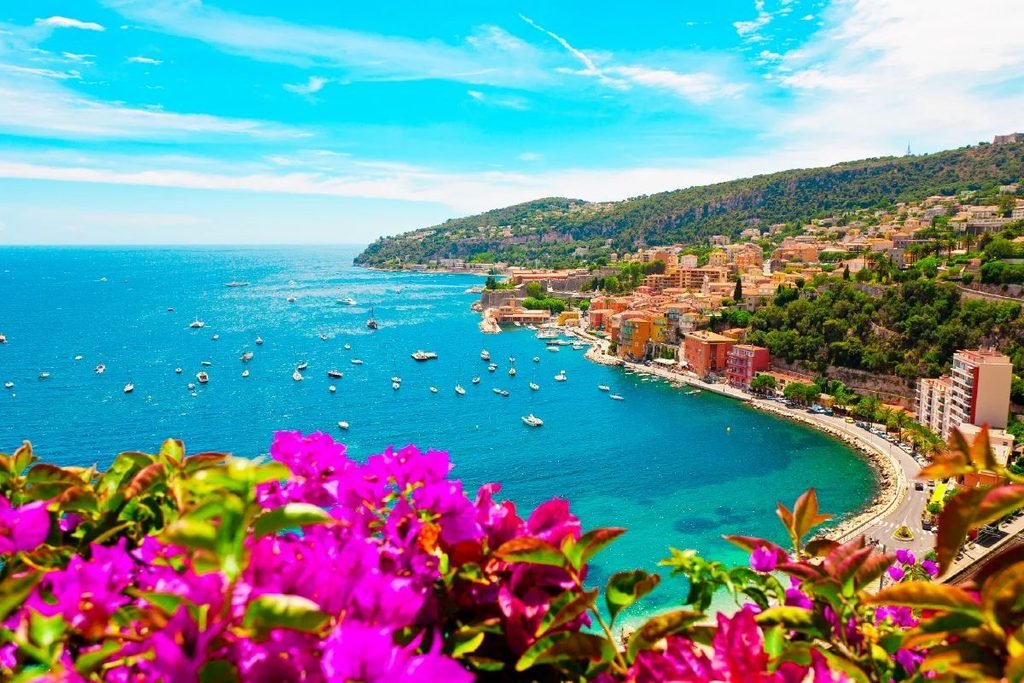
Nice is a strong option among coastal travel destinations for travelers who want Mediterranean scenery without committing to an island vacation. France’s official tourism site describes Nice as the capital of the Côte d’Azur and highlights the Promenade des Anglais, pebble beaches, surrounding hill villages, local produce, and museums.
Why choose Nice?
- Mediterranean waterfront
- Historic old town
- Museums
- Coastal walks
- Access to nearby Riviera towns
- Combination of urban and coastal experiences
Best for: Couples, beach travelers, families, food travelers, relaxed city breaks.
For travelers whose main objective is a beach holiday, research the exact beach type before booking. A Mediterranean destination does not automatically mean soft, wide, sandy beaches.
11. Dubrovnik, Croatia
Dubrovnik is a particularly attractive choice for travelers who want history and Adriatic scenery in the same destination. The Old City is a UNESCO World Heritage site with Gothic, Renaissance, and Baroque buildings. UNESCO also notes its long maritime history and restoration efforts following historical damage.
Dubrovnik is ideal for
- Historic old towns
- Adriatic scenery
- Photography
- Coastal trips
- Short cultural breaks
The old city is compact, but popular areas can become busy. Travelers who prefer a quieter experience should consider timing their visit carefully.
12. Vienna, Austria
Vienna is one of the more useful travel destinations for travelers interested in classical music, imperial history, museums, architecture, and cafés. The city also works well as part of a Central European itinerary that includes Prague, Budapest, or other nearby cities.
Vienna highlights
- Historic palaces
- Museums
- Classical music
- Coffeehouse culture
- Schönbrunn
- Historic city center
- Austrian cuisine
Best for: Culture travelers, mature travelers, couples, architecture enthusiasts.
Vienna is also a good choice when weather makes outdoor-heavy itineraries less attractive because many activities are indoors.
13. Budapest, Hungary
Budapest offers a strong combination of architecture, history, food, river scenery, and thermal-bath culture. The Danube divides Buda and Pest, creating two distinct sides of the city with different views and neighborhoods.
Why visit Budapest?
- Danube scenery
- Historic architecture
- Thermal baths
- Hungarian cuisine
- Evening city views
- Central European atmosphere
Budapest can fit comfortably into shorter itineraries, but adding extra days allows travelers to explore beyond the central attractions.
Best for: Couples, city-break travelers, food lovers, architecture fans.
14. Edinburgh, Scotland
Edinburgh is one of the most atmospheric travel destinations for travelers interested in history, literature, architecture, and dramatic landscapes. The city combines an old historic core with hills, viewpoints, museums, and access to Scotland’s wider countryside.
Edinburgh highlights
- Edinburgh Castle
- Royal Mile
- Old Town
- New Town
- Arthur’s Seat
- Scottish food and cultural experiences
Weather can change quickly, so flexible clothing and realistic outdoor plans are useful.
Best for: History lovers, photographers, hikers, couples, cultural travelers.
15. Reykjavik and Iceland

Reykjavik is different from many traditional European city-break travel destinations because the city often serves as a base for exploring Iceland’s natural landscapes. Travelers can use Reykjavik as part of a broader itinerary involving waterfalls, volcanic landscapes, geothermal areas, glaciers, and coastal scenery.
Iceland works best for
- Nature
- Road trips
- Photography
- Geothermal experiences
- Winter landscapes
- Outdoor adventures
Do not plan Iceland like a conventional urban vacation. Driving conditions, daylight, weather, and distances can influence the itinerary.
Planning tip: Avoid building an extremely tight schedule around driving. Allow flexibility for changing conditions.
Best European Travel Destinations for First-Time Visitors
First-time visitors often make the mistake of trying to see too much. A better strategy is to choose a regional cluster.
Classic Western Europe
Consider:
- Paris
- Amsterdam
- Brussels
- London
This combination works for travelers who want museums, architecture, food, historic neighborhoods, and major cities.
Italy-focused trip
Consider:
- Rome
- Florence
- Venice
- Naples or the Amalfi Coast
This route provides a mixture of history, art, food, and coastal scenery.
Greece-focused trip
Consider:
- Athens
- Santorini
- Crete
- Another Cycladic island
This is useful for travelers who want history followed by island time.
Central Europe
Consider:
- Prague
- Vienna
- Budapest
These cities can create a coherent itinerary focused on architecture, history, food, and river landscapes.
Best Travel Destinations in Europe for Couples
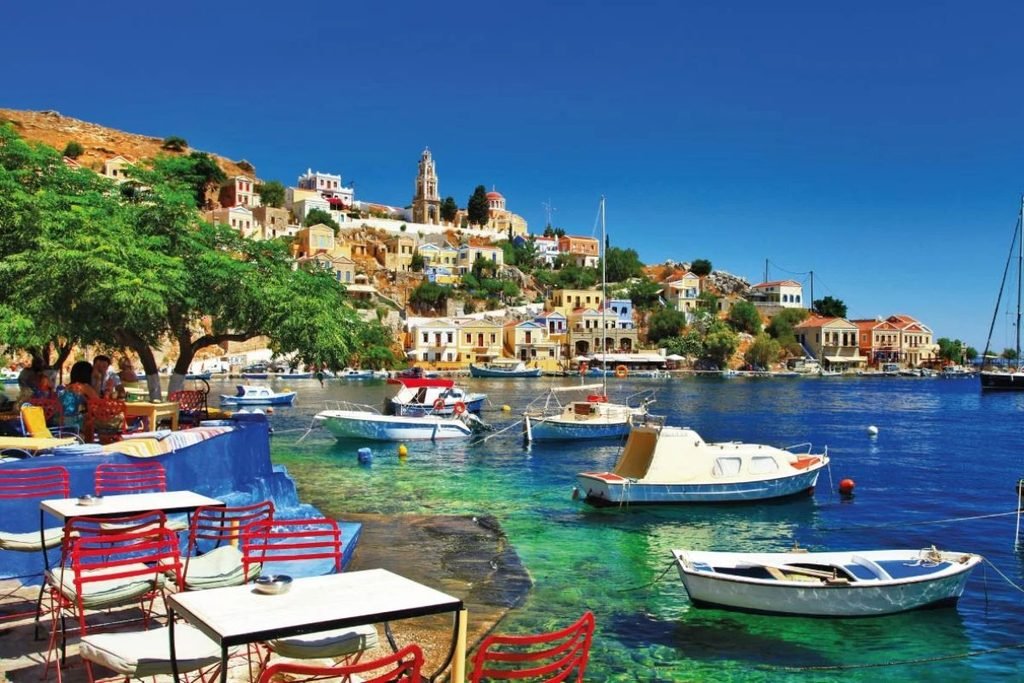
Couples do not necessarily need a romantic resort. A good couples itinerary can combine beautiful surroundings with activities you can share.
Consider:
- Paris for museums, food, and evening walks
- Santorini for volcanic scenery and island views
- Florence for art and food
- Nice for Mediterranean coastal experiences
- Prague for architecture and atmospheric streets
- Lisbon for viewpoints and food
- Dubrovnik for Adriatic scenery
When comparing romantic travel destinations, look beyond photographs. Consider walking distances, transportation, accommodation location, seasonal crowds, and the amount of free time available.
Best Travel Destinations for Families
Families often need different priorities from solo travelers.
Look for:
- Reliable transportation
- Accommodation with suitable room configurations
- Shorter transfer times
- Activities for different age groups
- Accessible food choices
- Parks or outdoor spaces
- Attractions that can be enjoyed without long queues
Paris, Barcelona, Lisbon, Amsterdam, Vienna, and several Italian cities can work well when the itinerary is paced carefully. Families should avoid changing hotels every one or two nights unless there is a strong reason to do so.
For another family-beach coastal planning resource, see our guide to family beaches.
Best European Destinations for Beach Lovers
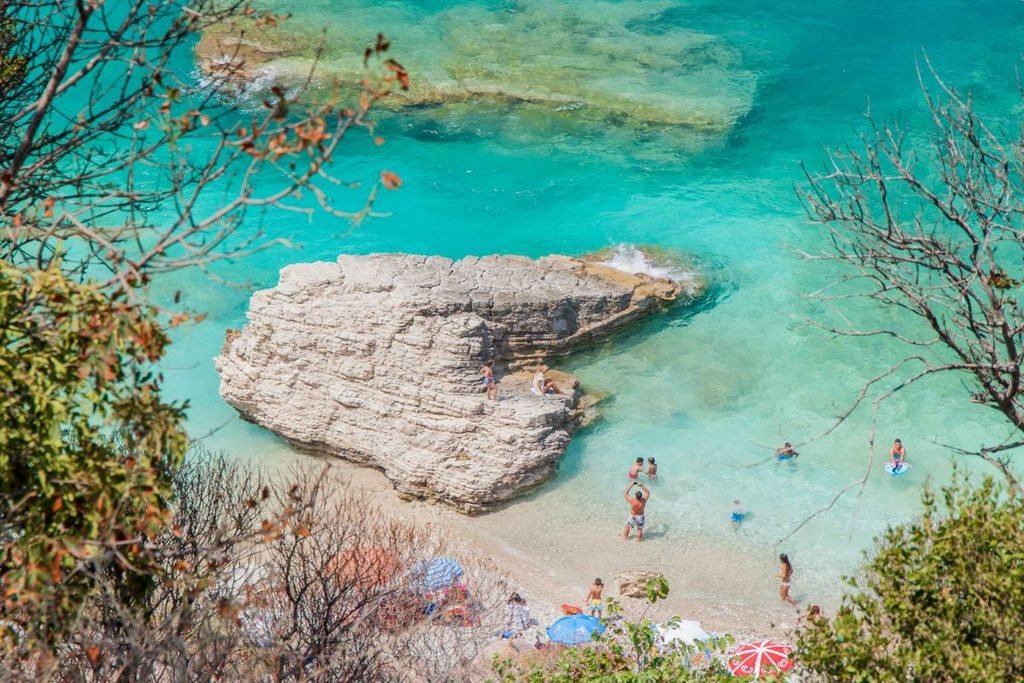
Europe has a wide range of coastal travel destinations, from Mediterranean islands to Atlantic beaches and Adriatic towns.
Popular options include:
- Greek islands
- Spanish Mediterranean coast
- Portugal’s Algarve
- French Riviera
- Croatian Adriatic coast
- Italian islands and coastal regions
- Canary Islands
- Balearic Islands
Beach quality should not be judged by photographs alone. Check whether a beach is sandy or pebbly, how exposed it is to wind, whether swimming conditions vary seasonally, and what facilities are available. The European Environment Agency publishes bathing-water information covering thousands of coastal and inland sites. Its 2025 assessment found that coastal bathing waters generally had a higher share of excellent classifications than inland bathing waters.
For more coastal planning ideas, explore beach destinations around the world.
Best European Destinations for Food Lovers
Food can be a major reason to choose one of several similar-looking travel destinations.
Consider:
Italy
Look beyond pizza and pasta. Regional Italian cooking varies considerably between cities and regions.
Spain
Tapas culture, seafood, regional dishes, markets, and contemporary restaurants create many possibilities.
Portugal
Lisbon and other regions offer seafood, pastries, grilled dishes, and traditional Portuguese cooking.
Greece
Greek cuisine works especially well for travelers who enjoy fresh vegetables, seafood, grilled foods, cheeses, and regional specialties.
France
French cuisine ranges from everyday bakery and café food to regional dishes and fine dining.
When choosing food-focused travel destinations, research local specialties rather than simply searching for restaurants near major tourist attractions. For additional food-travel inspiration, visit restaurant and food guides at Restaurent. You can also explore European-inspired restaurant and dining ideas when planning your broader food itinerary.
Best European Destinations for History Lovers
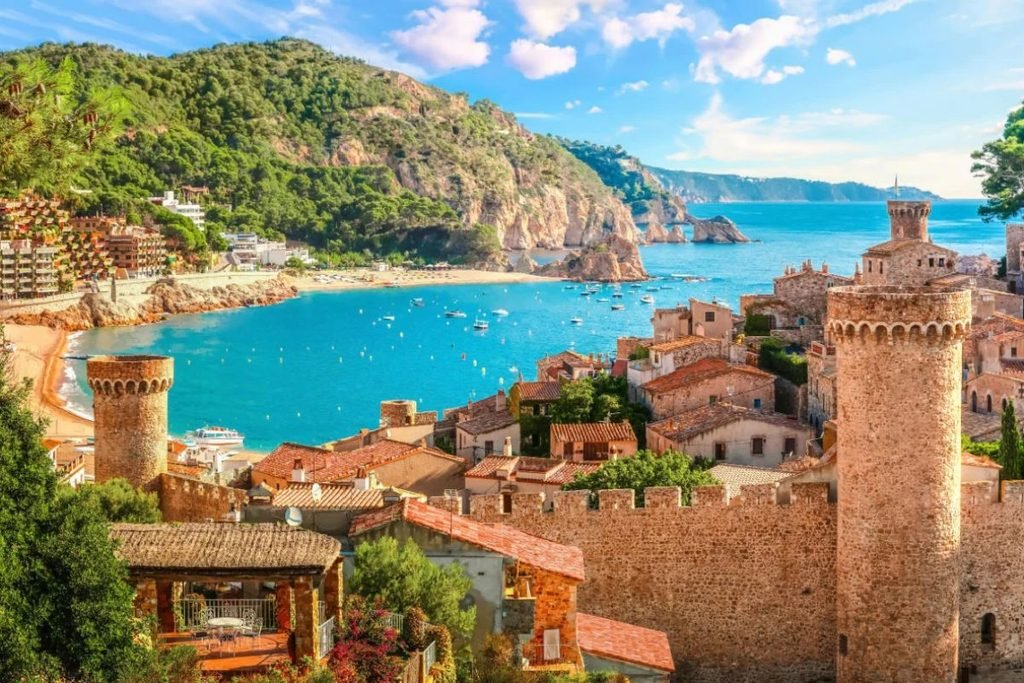
Europe is particularly valuable for history-focused travel because different periods often exist side by side.
Strong choices include:
- Rome for ancient Roman history
- Athens for classical Greek history
- Florence for Renaissance culture
- Paris for French history and art
- Prague for medieval and later architecture
- Edinburgh for Scottish history
- Dubrovnik for Adriatic and maritime heritage
- Vienna for imperial history
Rome’s UNESCO-listed historic center, for example, contains layers of archaeological, religious, Renaissance, and Baroque heritage rather than a single historical period. That is an important reason to slow down. Historical destinations become more meaningful when you understand the relationship between buildings, neighborhoods, political changes, and everyday life.
How Many European Destinations Should You Visit?
There is no universal number. For a seven-day trip, two major bases can be enough. For a 14-day trip, three or four bases may work better than trying to visit six or seven countries. For three weeks or more, you can create a broader regional itinerary, but transportation time still matters.
A useful calculation is: Trip length − travel days − recovery time = actual sightseeing time.
For example, if a two-week itinerary includes four long transportation days, you may have considerably less sightseeing time than the calendar suggests. The biggest mistake with European travel destinations is confusing the number of countries visited with the quality of the trip.
How to Build a Europe Itinerary Step by Step
Step 01: Choose your main travel theme
Pick one or two priorities:
- History
- Beaches
- Food
- Nature
- Art
- Architecture
- Family experiences
- Nightlife
- Relaxation
Step 02: Choose a geographic region
Avoid randomly combining destinations that are far apart.
For example:
Italy: Rome → Florence → Venice
Central Europe: Prague → Vienna → Budapest
Portugal: Lisbon → Porto → Algarve
Greece: Athens → island destination → Athens
Step 03: Check transportation
Compare:
- Train
- Flight
- Ferry
- Bus
- Rental car
Do not compare only ticket prices. Include station transfers, airport transfers, baggage, check-in time, and travel time.
Step 04: Plan your arrival and departure intelligently
An open-jaw itinerary can sometimes reduce unnecessary backtracking. This means arriving in one city and departing from another.
For example, you might enter Europe through one major city and leave from another if the transport connections make sense.
Step 05: Keep one flexible block
Leave at least some unplanned time. A flexible afternoon can absorb delays, bad weather, exhaustion, or a spontaneous decision to stay longer in a neighborhood.
Europe Travel by Season
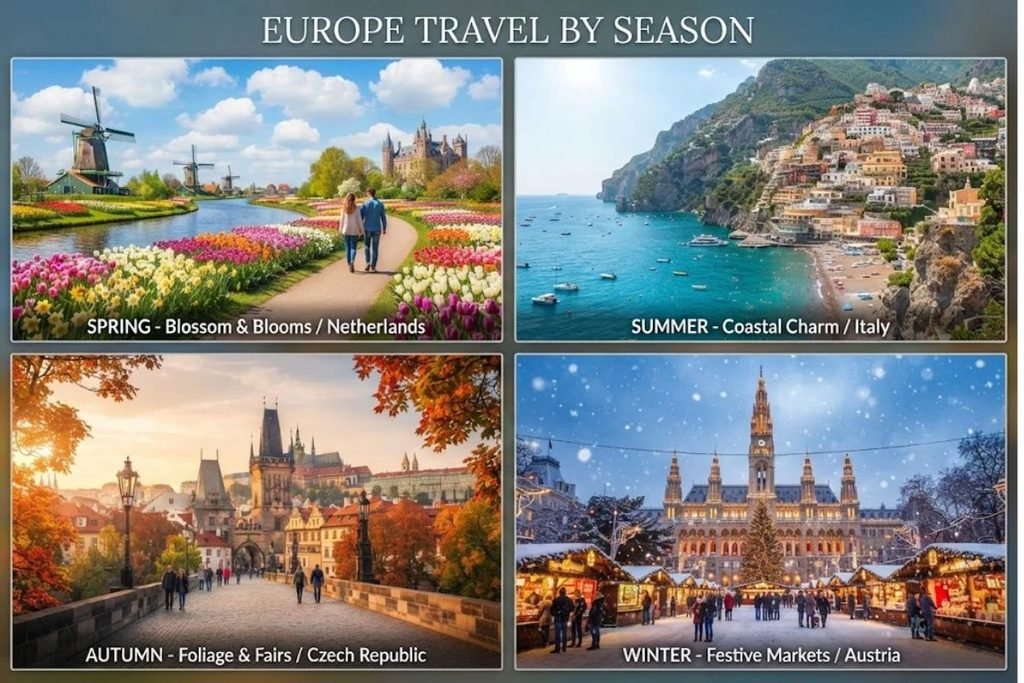
Spring
Spring can be useful for city sightseeing, walking, gardens, and cultural trips. Mediterranean destinations may offer a different experience from the height of summer, while northern destinations can remain cooler.
Summer
Summer is particularly popular for coastal travel destinations. Expect stronger demand in many famous cities and resort regions. Book popular attractions and accommodation with appropriate planning. For beach trips, check local bathing information and weather conditions instead of assuming every beach is suitable every day.
Autumn
Autumn can be excellent for cities, food trips, cultural travel, and countryside experiences. Temperatures vary considerably from southern to northern Europe, so pack for the region rather than “Europe” as a whole.
Winter
Winter changes the purpose of a European trip. Cities such as Vienna, Prague, Paris, Budapest, and Amsterdam can provide museums, cafés, architecture, seasonal events, and indoor attractions. Northern destinations can also appeal to travelers interested in winter landscapes. The key is to choose travel destinations based on what the season actually offers rather than expecting summer conditions in December.
Europe Travel Requirements: What to Check Before Booking
Travel requirements depend on nationality, destination, passport, length of stay, and purpose of travel. The Schengen area currently includes 29 countries, while Ireland and Cyprus follow different arrangements for border and visa purposes. For short stays, the standard Schengen framework generally uses a maximum of 90 days within 180 days for travelers subject to that rule. However, visa requirements differ by nationality.
Before booking, check:
- Passport validity
- Visa requirements
- Length-of-stay rules
- Travel insurance requirements where applicable
- Entry requirements for each non-Schengen destination
- Airline documentation requirements
- Transit requirements
- Accommodation documentation if required
The EU’s Entry/Exit System is now operational, and ETIAS is scheduled to begin during the last quarter of 2026. Travelers should verify the latest official requirements before departure rather than relying on old travel articles. If you are traveling from Bangladesh, for example, do not assume that information written for visa-exempt travelers applies to you. EU guidance states that Bangladeshi citizens require a visa for entry into the Schengen area.
Common Mistakes When Planning European Travel
Trying to visit too many countries
More destinations do not automatically mean a better vacation.
Ignoring transfer time
A three-hour train journey may become a much longer travel day after hotel checkout, station transfers, waiting, and check-in.
Choosing accommodation only by price
A cheaper hotel far from your planned activities may cost more in time and transportation.
Planning every minute
Overplanning can make a vacation feel like a work schedule.
Assuming Europe has one climate
Europe stretches across several climate zones. Conditions in Greece can be very different from those in Iceland or Scotland during the same month.
Ignoring local rules
Opening hours, reservation requirements, transport rules, beach restrictions, and attraction access can change.
Booking non-refundable travel too early
Flexible options can sometimes be valuable when your itinerary depends on multiple transport connections.
How to Save Money on European Travel
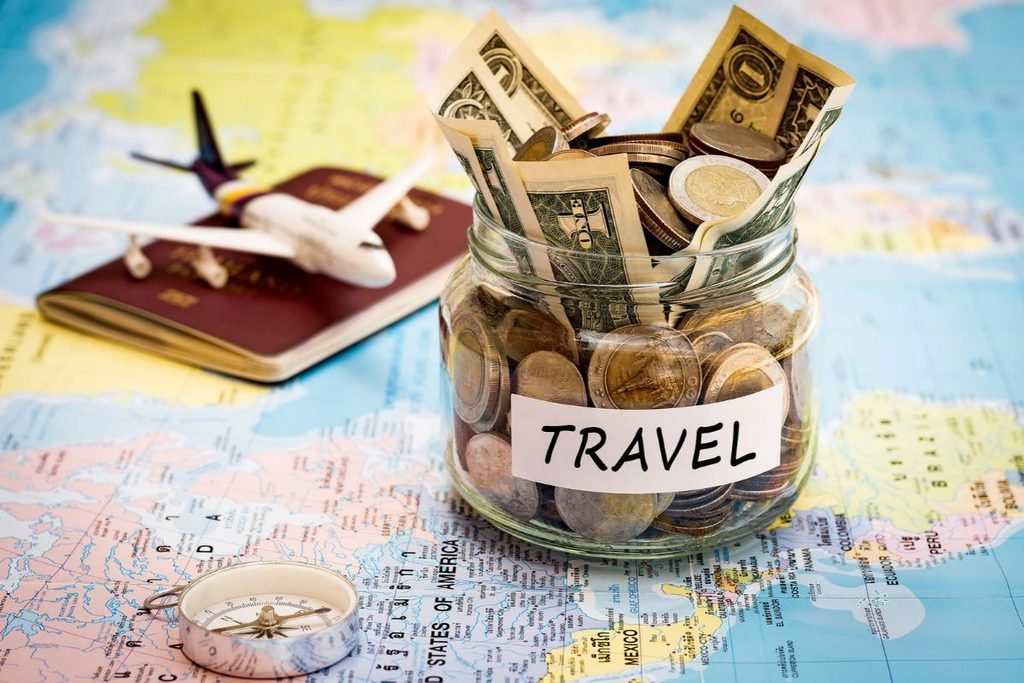
Budget travel does not always mean choosing the cheapest destination. Instead, reduce unnecessary costs.
Stay longer in fewer places
Moving every day creates transport expenses and consumes sightseeing time.
Compare accommodation locations
A slightly more expensive room near public transportation may reduce daily travel costs.
Eat outside the busiest tourist zones
You can often find more local dining experiences by walking a few streets away from major attractions.
For travelers who enjoy researching food before a trip, food and restaurant guides can help you discover cuisines and dishes before building your dining list.
Use public transportation where practical
Many European cities have extensive public transport networks.
Travel in the shoulder season
When weather and schedules work for your plans, spring or autumn may offer a different balance of demand and availability than peak summer.
Check attraction reservations
A missed timed-entry reservation can waste both money and valuable vacation time.
Useful Technology for European Travel
Technology can make a multi-city trip easier, especially when you need to manage maps, digital tickets, translation, weather, reservations, and travel documents.
Before leaving, organize:
- Offline maps
- Digital copies of important documents
- Train and flight confirmations
- Accommodation addresses
- Emergency contact information
- Translation tools
- Weather apps
- Banking notifications
- Backup charging options
If you want to research travel technology before departure, technology tutorials and digital guides can be useful for preparing your devices and apps. You can also review practical technology guides from TechHatoz when deciding which digital tools to use while traveling. Do not rely exclusively on your phone. A dead battery, lost connection, or damaged device can make basic information difficult to access. Keep essential addresses and booking information available offline.
How to Choose Between City, Beach, and Nature Destinations
A simple decision framework can make your choice easier.
Choose a city if you want:
- Museums
- Architecture
- Food
- History
- Shopping
- Public transportation
- Nightlife
Choose a beach destination if you want:
- Swimming
- Coastal scenery
- Relaxation
- Water activities
- Slow-paced days
Choose a nature destination if you want:
- Hiking
- Landscapes
- Wildlife
- Road trips
- Outdoor photography
Choose a mixed destination if you want:
- City sightseeing
- Food
- Beaches
- Day trips
Barcelona, Nice, Lisbon, Athens, and several Italian and Croatian destinations can work particularly well for mixed itineraries. For travelers specifically interested in coastal European planning, hidden beaches and coastal escapes can provide ideas beyond the most heavily visited attractions. Explore more: Hidden Gems in Europe.
What Makes a Good European Itinerary?
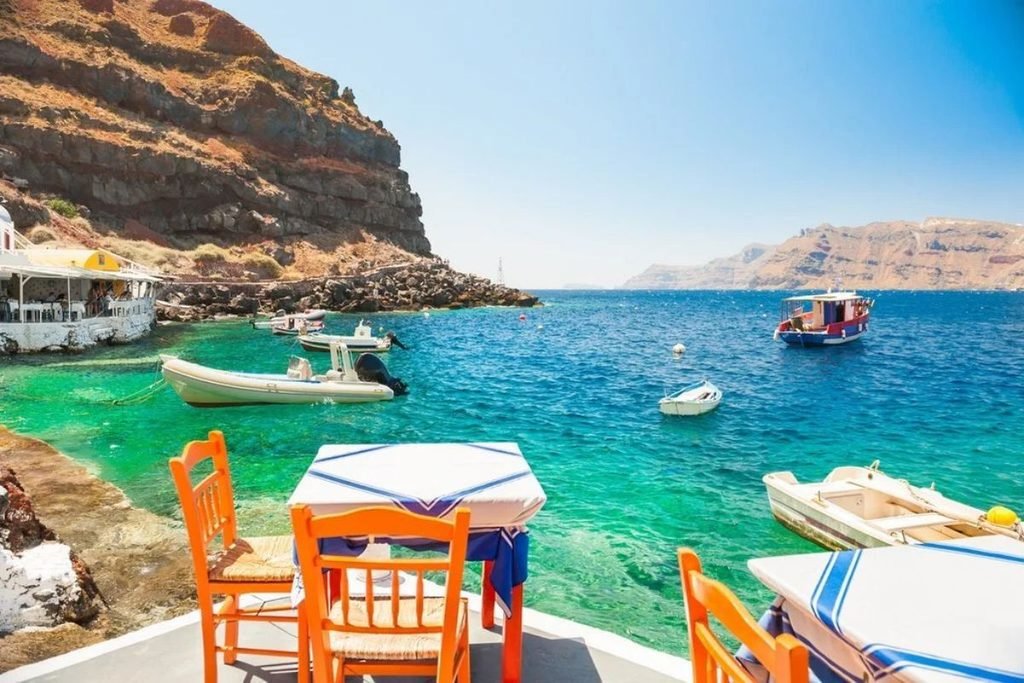
A good itinerary is not the one with the most destinations.
It is the one where:
- Travel time is reasonable.
- Accommodation locations make sense.
- Major attractions are grouped efficiently.
- You have enough time to rest.
- Your activities match the season.
- You understand entry requirements.
- You have some flexibility.
- Your budget covers both planned and unexpected costs.
Think of the itinerary as a sequence of experiences rather than a checklist of countries. If you love history, build around historic cities. If you want relaxation, do not fill every day with museums. If beaches are your priority, give coastal areas enough time instead of adding a beach as a rushed afternoon excursion.
Final Thoughts
Europe offers an unusually wide range of travel destinations, but choosing well requires more than looking at a list of famous cities. The best itinerary depends on your interests, available time, budget, travel season, transportation preferences, and entry requirements.
For a first trip, start with a manageable regional route. History lovers may prefer Rome, Athens, Florence, or Prague. Couples may enjoy Paris, Santorini, Nice, or Dubrovnik. Families can focus on cities with convenient transportation and varied attractions. Beach travelers have extensive choices around the Mediterranean and Atlantic coasts.
Most importantly, resist the temptation to measure your trip by how many countries you visit. Two or three destinations explored properly can provide more value than eight destinations connected by exhausting transfers.
Before booking, verify current visa and border requirements, transportation schedules, attraction reservations, and local conditions. Then leave some room for slower mornings, unexpected discoveries, and changes of plan. The most memorable European trip is usually the one that fits your priorities—not someone else’s checklist.
Frequently Asked Questions About European Travel Destinations
Q: What are the best travel destinations in Europe for first-time visitors?
Ans: Paris, Rome, Barcelona, Lisbon, Amsterdam, and Athens are useful starting points because they offer a broad range of culture, history, food, architecture, and sightseeing. Your choice should depend on the season, budget, and type of experience you want.
Q: How many days are enough for a European vacation?
Ans: Seven days can work for one or two major cities. Two weeks allows a more comfortable multi-city itinerary. Three weeks or more provides greater flexibility, but adding destinations should not come at the expense of excessive transportation.
Q: What are the best European destinations for couples?
Ans: Paris, Santorini, Florence, Lisbon, Nice, Prague, and Dubrovnik are popular options for couples because they combine scenery, culture, food, architecture, or coastal experiences. The best fit depends on whether you prefer a city, island, or slower coastal trip.
Q: Which European destinations are best for families?
Ans: Barcelona, Paris, Amsterdam, Lisbon, Vienna, and selected Italian cities can work well for families. Focus on accommodation, transportation, attraction length, meal options, and the ages of the children rather than choosing based only on popularity.
Q: What are the best beach destinations in Europe?
Ans: The Mediterranean offers many options, including Greek islands, Spanish coastal areas, southern Portugal, the French Riviera, Croatia, and Italian coastal regions. Always check the beach type, seasonal conditions, facilities, and local bathing information.
Q: Is summer the best time to visit Europe?
Ans: Summer is useful for many coastal trips and long daylight hours, but it is not automatically the best season for every destination. Spring and autumn can be attractive for city sightseeing, while winter offers different experiences in northern and central Europe.
Q: Can I visit multiple European countries on one trip?
Ans: Yes. Many travelers combine nearby countries using trains, buses, flights, or other transportation. The key is to choose destinations that create a logical route rather than adding countries simply to increase the number visited.
Q: Do I need a Schengen visa to travel around Europe?
Ans: It depends on your nationality and itinerary. Many European countries are in the Schengen area, but not every European country uses the same visa system. Check official EU and national government sources before booking.
Q: What is the 90/180 rule in Europe?
Ans: For travelers subject to the Schengen short-stay rule, the general limit is up to 90 days during any 180 days. The calculation is based on a rolling period, so travelers making multiple visits should check their exact dates carefully.
Q: Should I book trains in advance?
Ans: For popular routes, advance booking can be useful, particularly when you want a specific departure time or fare. However, the best booking strategy depends on the country, route, operator, season, and ticket conditions.
Q: How can I avoid spending too much on a Europe trip?
Ans: Limit unnecessary hotel changes, compare accommodation locations, use public transportation, research attraction fees, eat at a mix of local and tourist-area restaurants, and build an itinerary around geographically close destinations.





1 Comment