 -by
-by Traveling alone can be an opportunity to explore new cultures, enjoy beautiful landscapes, meet interesting people, and discover what you truly enjoy. However, choosing the right destination matters, especially when you are planning your first independent trip. You may want somewhere with reliable transportation, comfortable accommodation, welcoming communities, interesting activities, and practical ways to manage safety concerns.
The best places to travel for solo female travelers are not necessarily the most famous or expensive destinations. They are places where you can build an itinerary that matches your experience, budget, interests, and comfort level. A well-connected city may suit a first international trip, while an island, mountain region, or coastal town may appeal to someone seeking a quieter escape.
This guide explores destinations across Asia, Europe, North America, Oceania, and Latin America. It explains what makes each place worth considering, what to expect, potential drawbacks, and how to plan a more comfortable journey. You will also find destination comparisons, budgeting advice, accommodation tips, practical safety guidance, and answers to common questions.
There is no single destination that is perfect for every woman. The goal is to help you choose a place that fits your needs and travel style, so you can enjoy greater independence without overlooking important practical details.
What Makes a Destination Good for Solo Female Travelers?
A good destination combines interesting experiences with practical infrastructure and manageable travel arrangements. Solo female travelers should consider more than a country’s general reputation for safety because conditions can vary between neighborhoods, transport routes, and rural areas.
Before booking, evaluate these six factors:
- Everyday safety: Consider common scams, theft, harassment, local laws, emergency services, and current government travel advice.
- Transportation: Look for dependable public transit, clear signage, reputable taxis, and convenient airport connections.
- Accommodation: Check recent reviews, neighborhood conditions, reception hours, access arrangements, and the availability of women-only dormitories if desired.
- Ease of communication: Destinations with useful English-language information, translation resources, and clear tourist services can reduce stress.
- Social opportunities: Walking tours, cooking classes, hostels, group excursions, and community events make it easier to meet people.
- Budget and accessibility: Consider transport costs, seasonal prices, visa requirements, accessibility needs, and the distance between attractions.
No destination can guarantee personal safety. Even places with good infrastructure require sensible precautions, and a high ranking in a travel survey does not mean every street or situation is equally safe. The recommendations below are practical starting points rather than a definitive safety ranking.
01. Japan: Best for First-Time Solo Travelers
Japan is an excellent starting point for women who want to explore a different culture while benefiting from well-developed public transportation, organized urban services, and a wide range of activities suitable for one person.
Tokyo offers modern neighborhoods, museums, shopping streets, gardens, and restaurants where dining alone feels ordinary. Kyoto provides a slower experience through temples, traditional architecture, tea experiences, and historic districts. Osaka appeals to food lovers, while Hiroshima offers museums, historical sites, and waterfront walks.
What makes Japan appealing?
- Transportation: Trains and metro systems connect major urban attractions, although rural connections can be less frequent.
- Independent dining: Counter seating, small restaurants, and casual eateries make eating alone convenient.
- Cultural experiences: Visitors can join cooking classes, guided walks, craft workshops, and traditional tea experiences.
- Accommodation choices: Hotels, guesthouses, hostels, and women-only dormitories offer different levels of privacy and cost.
Things to consider
Japan’s major cities can feel crowded, and navigating stations may take time. Some rural attractions require planning. Language differences can also make complex situations more difficult, so keep offline maps and translation tools available.
For a first visit, spend four or five nights in Tokyo and three nights in Kyoto, adjusting the schedule to your interests and budget. Reserve accommodation near a convenient station rather than choosing a distant property simply because it costs less.
Best for: First-time international travelers, culture lovers, solo diners, and women who enjoy organized city exploration.
02. Portugal: Best for Coastal Cities and Relaxed Exploration
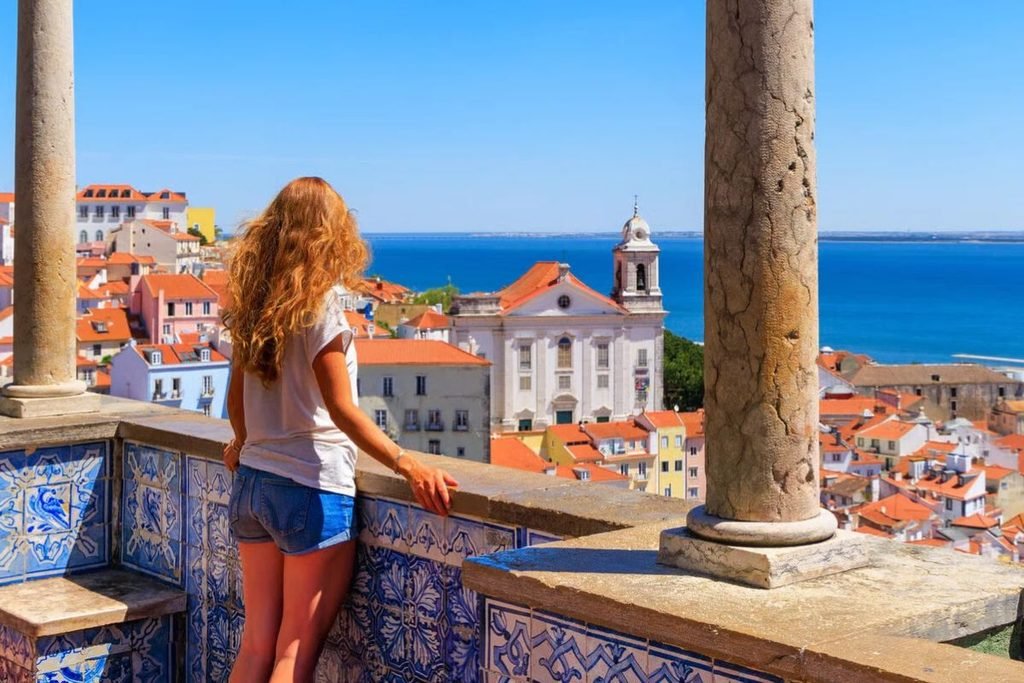
Portugal combines historic cities, coastal scenery, food experiences, and accessible regional travel. It suits women who want to alternate sightseeing with quiet café visits, beach walks, and opportunities to socialize.
Lisbon has viewpoints, museums, historic neighborhoods, and lively public squares. Porto offers riverside architecture, traditional markets, and scenic walks along the Douro River. Cascais provides a coastal break, while Sintra makes a rewarding day trip for visitors interested in palaces and wooded hills.
Why choose Portugal?
The country has an established tourism infrastructure, and major destinations provide accommodation for different budgets. Walking tours and small-group excursions can help newcomers learn about the city while meeting other travelers.
Portugal is particularly attractive to women who prefer a combination of urban culture and seaside relaxation. Beach options around Cascais and the wider Algarve region can extend a city break into a longer coastal holiday.
For more ideas, explore beachnear.net’s guide to coastal and beach destinations for inspiration when comparing different seaside experiences.
Things to consider
Lisbon and Porto have steep streets, and historic pavements can be slippery. Pickpocketing and tourist-targeted scams can occur in busy areas. Accommodation in popular neighborhoods may also become expensive during peak travel periods. Stay somewhere with a straightforward route from the airport or train station. If you plan to visit beaches, check seasonal transport schedules and swimming conditions rather than assuming every beach is suitable throughout the year.
Best for: Coastal escapes, food lovers, culture enthusiasts, and travelers who want city sightseeing with opportunities for relaxation.
03. Iceland: Best for Dramatic Landscapes and Nature
Iceland is a compelling choice for solo female travelers who dream of waterfalls, volcanic scenery, glaciers, geothermal pools, and wide-open landscapes. Reykjavik makes a practical base for a city-focused trip, while organized excursions offer access to natural attractions without requiring you to drive.
Experiences worth considering
- Explore Reykjavik’s cafés, museums, harbor, and cultural attractions.
- Join a guided Golden Circle excursion.
- Visit waterfalls and coastal viewpoints on an organized day trip.
- Experience geothermal bathing at a suitable public pool or established bathing facility.
- Plan a Northern Lights excursion during the appropriate season, remembering that sightings are never guaranteed.
Why it can work for solo travel
Guided excursions reduce the need to arrange complicated rural transportation. They also provide company during long journeys through remote landscapes. Reykjavik has guesthouses, hotels, and hostels that allow travelers to choose between privacy and social interaction.
What to know before booking
Iceland can be expensive, particularly for accommodation, restaurant meals, car rental, and organized activities. Weather changes quickly, daylight varies significantly by season, and roads can become hazardous.
Travelers who are unfamiliar with winter driving should consider guided transportation instead of renting a car. Never approach unstable cliffs, walk onto dangerous waves, or enter restricted areas for photographs.
Beachnear.net’s guide to black-sand beaches in Iceland can help you understand the appeal of Iceland’s unusual coastal scenery.
Best for: Nature lovers, photographers, outdoor enthusiasts, and travelers who prefer guided adventures over independent driving.
04. New Zealand: Best for Outdoor Adventures
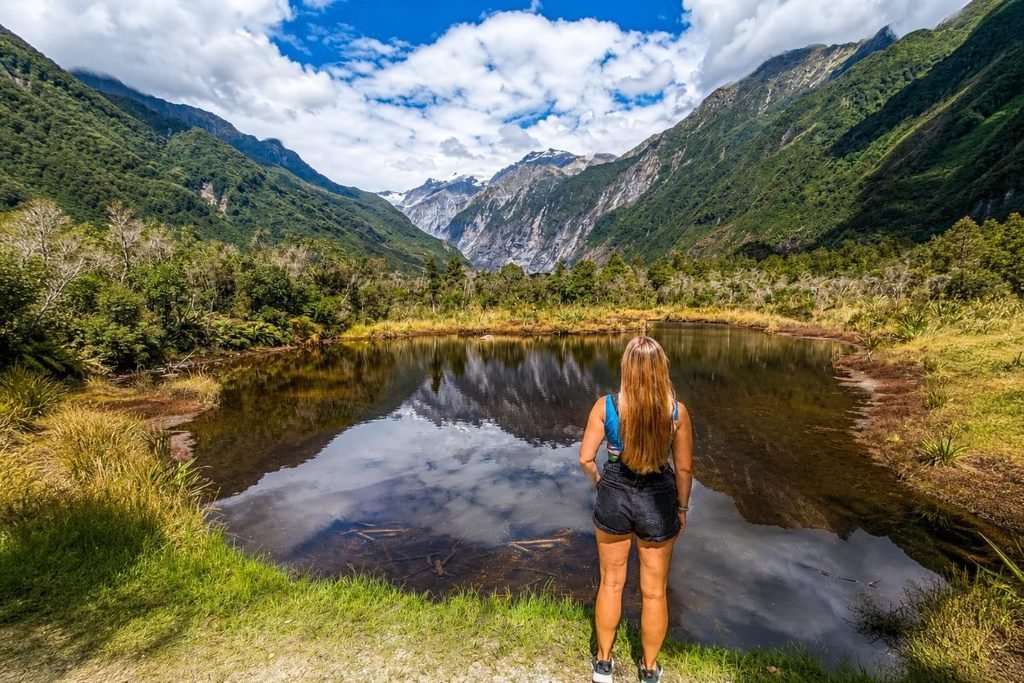
New Zealand appeals to women who enjoy mountains, lakes, coastal walks, wildlife, and outdoor activities. Its towns and cities provide different travel experiences, from the urban atmosphere of Wellington to the alpine surroundings of Queenstown.
Auckland is a practical starting point for international visitors, while Rotorua offers geothermal attractions and opportunities to learn about Māori culture through appropriate local experiences. The South Island attracts travelers interested in mountain scenery, hiking, lakes, and road trips.
How to explore independently
New Zealand works well when you plan around a small number of bases instead of trying to cover the entire country in a short visit.
- Spend a few days exploring Auckland or Wellington.
- Choose Rotorua for geothermal landscapes and cultural activities.
- Visit Queenstown for guided outdoor excursions and lake scenery.
- Consider Lake Tekapo or nearby destinations if mountain landscapes are a priority.
Organized excursions are useful if you do not drive. However, check how long transfers take because distances between attractions can be greater than they appear on a map.
Potential drawbacks
Rental cars, domestic flights, and accommodation can make a New Zealand itinerary costly. Remote roads, changing weather, and isolated walking routes require preparation. Do not assume a popular hiking trail is suitable for every fitness level or weather condition.
The official New Zealand travel resource, SafeTravel, recommends researching local customs, regional risks, and accommodation arrangements before departure.
Best for: Hikers, road-trip enthusiasts, nature photographers, and women who enjoy active holidays.
05. Taiwan: Best for Night Markets and Convenient City Travel
Taiwan is a strong option for travelers who want a combination of urban convenience, local food, scenic day trips, and cultural experiences. Taipei offers an efficient metro network, traditional temples, shopping districts, and night markets.
The city is also a practical base for exploring nearby destinations. Depending on transport schedules and weather, travelers can arrange trips to Jiufen, hot-spring areas, coastal scenery, and mountain viewpoints.
What makes Taiwan worth considering?
- Public transportation makes many urban journeys straightforward.
- Night markets provide opportunities to sample different foods without booking a formal restaurant.
- Cafés, museums, temples, and shopping districts offer plenty of activities for independent exploration.
- Day tours can simplify visits to destinations that are less convenient to reach alone.
Things to consider
Typhoons, heavy rain, earthquakes, and other natural hazards can affect travel plans. Check weather alerts and follow local instructions. Busy night markets and stations also require the usual awareness of belongings and traffic. Taiwan is an excellent option for someone who wants to begin with a city-based itinerary and add nature excursions after becoming comfortable with local transportation.
Best for: Food enthusiasts, first-time solo travelers, city explorers, and women interested in East Asian culture.
06. Singapore: Best for a Short and Structured City Break
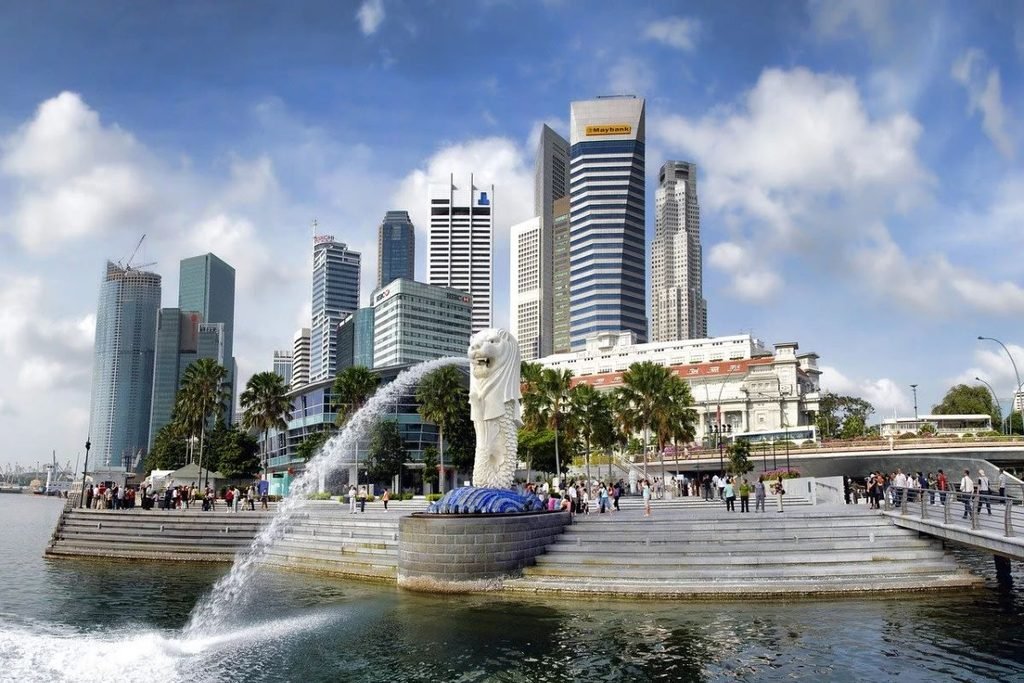
Singapore is a compact destination with modern transport, diverse neighborhoods, extensive dining options, and attractions that are relatively easy to organize into a short itinerary. For women who have limited vacation time, it can be a practical introduction to international solo travel.
Spend time around Marina Bay, explore Chinatown and Little India, visit the Botanic Gardens, and sample local dishes at established hawker centres. Gardens, museums, shopping districts, and waterfront areas offer enough variety for several days without complicated intercity transfers.
Why it suits independent travelers
A short trip can cover several types of experiences. Public transport reduces the need to rent a vehicle, and many attractions are connected by clear transit routes. English is widely used in public life, which can make everyday communication easier for many international visitors.
Limitations
Singapore can be expensive compared with some Southeast Asian destinations, especially for private accommodation. Its tropical climate also brings heat, humidity, and sudden rain. Learn the country’s laws before you arrive, including rules affecting public behavior, smoking, drugs, and other regulated activities. Do not assume that laws or social expectations match those of your home country.
Best for: Short trips, organized city exploration, food lovers, and women who value convenient transport.
07. Slovenia: Best for Small Cities and Alpine Scenery
Slovenia is a rewarding European travel option for those who want historic streets, mountain landscapes, lakes, and a small stretch of Adriatic coastline. Ljubljana, the capital, has a compact center that is easy to explore on foot, with riverside cafés, museums, markets, and pedestrian areas.
Lake Bled is known for its alpine scenery, while Piran offers coastal architecture and waterfront walks. Outdoor enthusiasts can also explore the Julian Alps and Triglav National Park through suitable guided activities.
Planning a Slovenia trip
Use Ljubljana as your first base, then add Lake Bled or another well-connected destination. A short trip might focus on the capital and lake scenery; a longer visit can include coastal towns or mountain activities. Slovenia can be easier to manage than an itinerary that crosses several large countries, although regional bus and train schedules still need checking.
What to consider
Mountain weather can change rapidly, and some trails require more preparation than visitors expect. Summer demand can increase prices in popular areas, while quieter seasons may involve reduced services. If you plan to hike, check trail conditions, daylight, transport availability, and the difficulty level before leaving.
Best for: Travelers who enjoy lakes, historic towns, moderate outdoor adventures, and a slower pace.
08. Netherlands: Best for Museums, Cycling Culture, and Urban Exploration
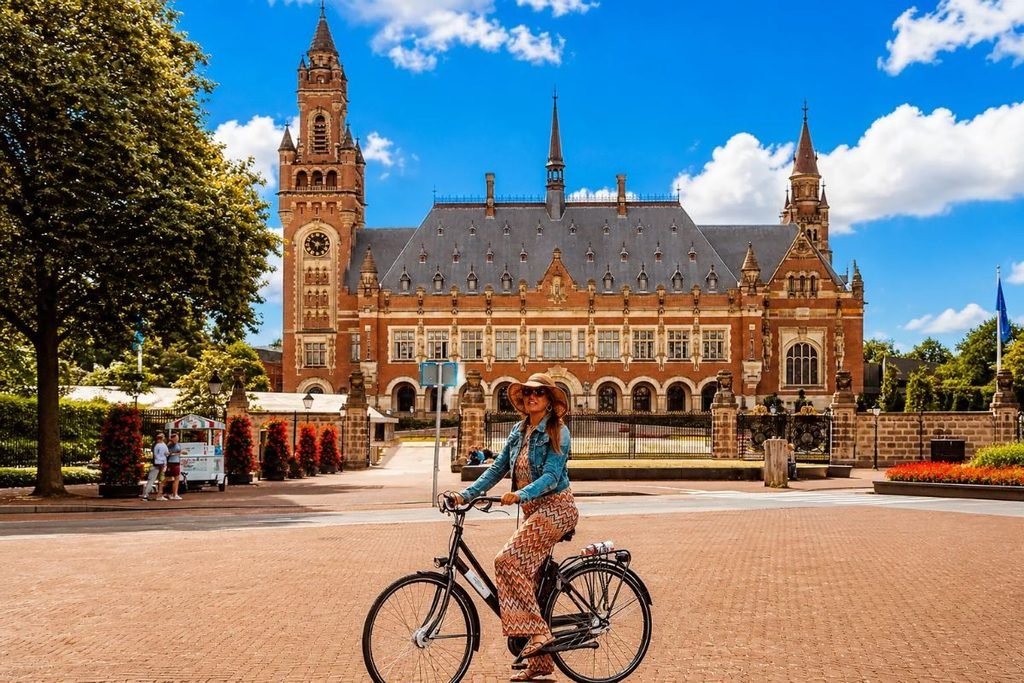
The Netherlands is a good choice for women interested in museums, historic architecture, design, cafés, and independent city exploration. Amsterdam is the best-known starting point, but Utrecht, Leiden, and other towns can provide a quieter experience. Amsterdam has world-class museums, canal neighborhoods, markets, and a varied food scene. Utrecht offers picturesque canals and a lively city center, while Leiden combines university-town character with historic streets.
Why it works
Frequent rail services make it possible to visit multiple towns without changing accommodation every night. Museums, guided tours, and cultural events also offer structured activities for solo visitors. If you enjoy cycling, you may want to try a guided ride before renting a bicycle independently. Local cycling traffic can be fast, and visitors unfamiliar with the rules may find busy routes stressful.
Potential drawbacks
Accommodation in Amsterdam can be expensive. Pickpocketing may occur in crowded tourist areas, and cyclists require awareness from pedestrians. The weather can also change quickly. Choose a base with convenient public transport, and do not assume that a canal-side address is automatically the most practical place to stay.
Best for: Museum lovers, architecture enthusiasts, cyclists, and travelers interested in short regional train trips.
09. Thailand: Best for Tropical Beaches and Social Travel
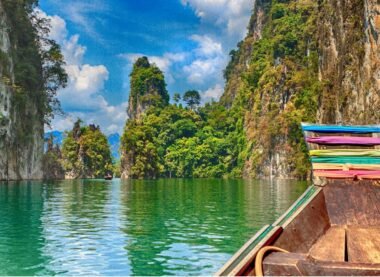
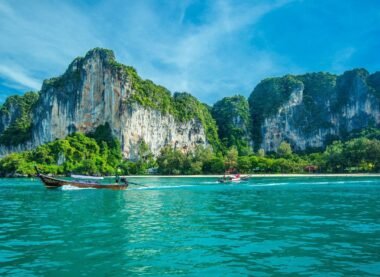
Thailand is a popular option for women who want a mix of beaches, food, temples, markets, and opportunities to meet other travelers. It offers a range of experiences, from busy cities to quieter islands and mountain towns. Bangkok provides temples, shopping, street food, and urban energy. Chiang Mai appeals to travelers interested in northern Thai food culture, cooking classes, markets, and nearby nature. Southern destinations such as Krabi, Phuket, and Koh Lanta offer beach stays and boat excursions.
How to plan a comfortable solo trip
For a first visit, choose two or three bases rather than attempting to visit every major destination.
- Begin in Bangkok to adjust to the climate and explore cultural attractions.
- Continue to Chiang Mai if you enjoy markets, temples, and cooking experiences.
- Finish at a beach destination such as Krabi or Koh Lanta if you want swimming, boat trips, and time to relax.
Thailand’s established travel routes, group tours, and hostels can make meeting people easier. However, tourism infrastructure varies between locations, and island transportation often requires additional planning.
Safety and practical considerations
Use reputable transport providers, protect your belongings, and be cautious about accepting drinks from strangers. If you rent a scooter, understand the local licensing requirements, insurance exclusions, road conditions, and helmet rules. A scooter is not a necessary part of a successful trip. Check weather conditions before booking boat trips or visiting exposed beaches. Also review local customs, temple dress requirements, entry rules, and current travel advisories. If beach time is your priority, read beachnear.net’s guide to the best beaches in Thailand to compare coastal destinations before deciding where to stay.
Best for: Beach lovers, food enthusiasts, social travelers, and women seeking a mix of culture and tropical scenery.
10. Canada: Best for Nature, Diverse Cities, and Longer Stays
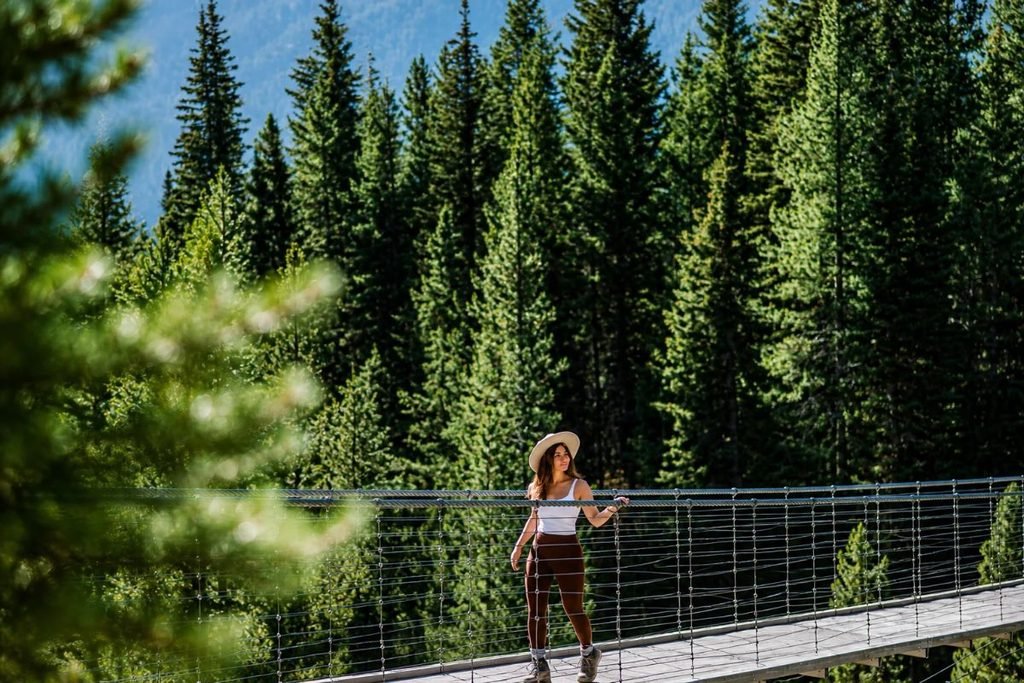
Canada offers a wide range of experiences, from major cities to lakes, forests, mountains, and coastal scenery. The best destination depends on whether you prefer urban activities, outdoor adventures, or a combination of both. Vancouver provides waterfront walks, parks, museums, and access to outdoor activities. Quebec City offers historic architecture and French-Canadian culture. Toronto appeals to travelers who enjoy museums, neighborhoods, and food from many different cultures. Banff is attractive for mountain scenery and hiking, although it requires careful planning around transport and accommodation.
What makes Canada a good option?
Travelers can combine urban sightseeing with guided nature excursions. Major cities have extensive visitor services, while organized tours make certain outdoor experiences accessible without a rental car. Canada is geographically vast, however. A trip that combines Vancouver, Toronto, and Quebec City may require multiple flights or long journeys. It is usually more practical to explore one region thoroughly.
Things to consider
Accommodation and transportation can be expensive, especially in popular cities and national park areas. Winter conditions may affect road travel, walking, and outdoor activities. Wildlife encounters also require appropriate precautions. Before visiting a national park, check current trail conditions, park notices, transport options, and rules for wildlife viewing.
Best for: Nature enthusiasts, city explorers, hikers, and women planning a longer North American trip.
11. Costa Rica: Best for Wildlife and Guided Nature Adventures
Costa Rica combines tropical beaches, rainforests, wildlife, volcanic landscapes, and adventure activities. It can suit solo female travelers who enjoy nature and want opportunities to join guided excursions.
La Fortuna is a popular base for exploring the Arenal region, while Monteverde offers cloud forest experiences. The Pacific coast has a variety of beach towns, and Manuel Antonio combines coastal scenery with access to a national park.
A practical way to explore
Select one inland destination and one coastal base. This gives you time to enjoy activities without spending much of the trip in transit. A guided wildlife walk, established nature excursion, or small-group adventure can be particularly useful if you prefer not to explore unfamiliar trails alone. Choose operators that explain safety procedures and provide clear transport arrangements.
What to consider
Road conditions, journey times, weather, and transport connections vary. Some routes take longer than their distance suggests. Theft can occur, so avoid leaving valuables visible in vehicles or unattended on beaches. Check local advice before swimming, surfing, hiking, or visiting remote areas. Wildlife should be observed from a safe distance, and activities involving rivers or the ocean should match your abilities.
Best for: Nature lovers, wildlife enthusiasts, surfers, Costa Rica’s famous food, and travelers interested in active tropical holidays.
12. Spain: Best for Food, History, and Sociable City Life

Spain suits travelers who enjoy architecture, local cuisine, museums, historic neighborhoods, beaches, and lively public spaces. Its major cities provide plenty to do during the day, while regional rail services can make multi-city itineraries possible. Barcelona combines architecture, urban beaches, markets, and museums. Madrid offers major art collections, parks, and day-trip opportunities. Seville provides historic landmarks, courtyards, and traditional cultural experiences, while Granada is known for the Alhambra and its distinctive Andalusian heritage.
Why Spain works for solo travelers
Food tours, walking tours, language exchanges, cooking classes, and museum visits create natural opportunities to meet people. Travelers can also choose between busy cities and smaller towns, depending on their preference for activity or relaxation. For a first trip, consider spending several nights in one city and taking one or two day trips rather than changing hotels frequently.
Potential drawbacks
Pickpocketing can be a concern in crowded tourist areas and on public transport. Late dining hours may also require adjustment if you are accustomed to eating early. During summer, heat can make sightseeing uncomfortable, especially in southern Spain. Use official transport information, keep your phone and bag secure in crowded places, and plan the route back to your accommodation before an evening out.
Best for: Food lovers, history enthusiasts, beach seekers, and travelers who enjoy a lively cultural atmosphere.
Best Places for Solo Female Travelers: Quick Comparison
The table below compares the destinations by travel style and practical considerations. It is not a formal safety ranking, and actual costs depend on travel dates, accommodation, exchange rates, and personal choices.
| Destination | Best for | Budget considerations | Getting around |
| Japan | Culture and first solo trips | Moderate to high | Excellent major-city rail networks |
| Portugal | Coastlines and historic cities | Moderate | Urban transit and regional trains |
| Iceland | Nature and dramatic scenery | High | Guided tours or carefully planned driving |
| New Zealand | Hiking and outdoor adventures | Moderate to high | Buses, tours, and rental cars |
| Taiwan | Food and city exploration | Moderate | Convenient urban transit |
| Singapore | Short city breaks | Moderate to high | Extensive urban transit |
| Slovenia | Lakes and small cities | Moderate | Trains, buses, and some driving |
| Netherlands | Museums and regional cities | Moderate to high | Rail, trams, buses, and cycling |
| Thailand | Beaches and social travel | Low to moderate in many areas | Buses, trains, flights, and ferries |
| Canada | Nature and city experiences | Moderate to high | Urban transit, regional travel, and tours |
| Costa Rica | Wildlife and tropical adventure | Moderate to high | Buses, shuttles, tours, and some driving |
| Spain | Food and cultural experiences | Moderate | Metro systems and regional trains |
Budget categories are broad planning estimates, not verified current prices. Accommodation, flights, season, and exchange rates can change the total substantially.
How to Choose the Right Destination for Your First Solo Trip
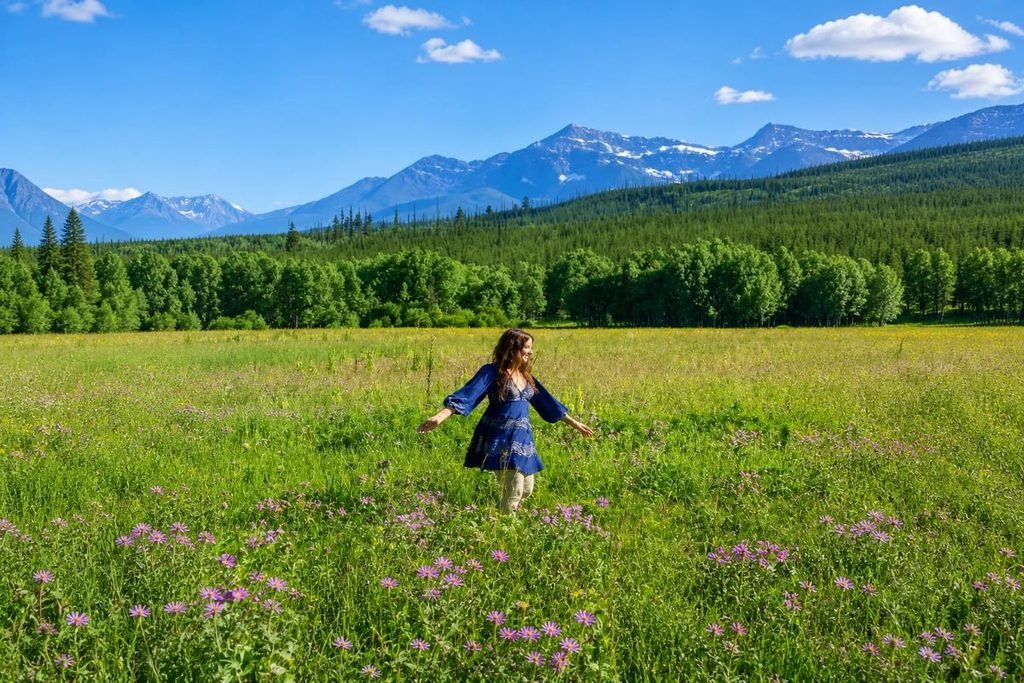
The best destination is the one that makes your first trip manageable without limiting the experiences you care about most.
Step 01: Decide what you want from the trip
Write down your three main priorities. For example:
- Beaches, swimming, and relaxation.
- Food, markets, and cultural activities.
- Hiking, wildlife, and natural scenery.
- Museums, shopping, and urban exploration.
- Meeting other travelers and joining group activities.
This short list helps eliminate destinations that look appealing in photographs but do not match your preferred experience.
Step 02: Match the destination to your experience
If you have never traveled internationally alone, a well-connected city may be easier than a remote island or a self-drive itinerary. Consider Japan, Singapore, Taiwan, or Portugal for a first city-focused trip. Consider Iceland or New Zealand if you prefer nature and are comfortable booking guided excursions. Thailand may appeal if you want beaches and a social travel scene. These are starting points rather than strict rules. Your language skills, mobility, nationality, previous travel experience, and comfort with uncertainty all influence what will work best.
Step 03: Research the specific area, not just the country
A country’s overall reputation does not tell you whether a particular hotel is convenient or whether a route is appropriate after dark.
Before booking, investigate:
- The neighborhood around your accommodation.
- The journey from the airport or station.
- The availability of transport in the evening.
- Recent reports about scams and theft.
- Local customs, dress expectations, and relevant laws.
- Access to pharmacies, medical services, and emergency assistance.
The U.S. Department of State’s guidance for women travelers recommends researching local customs, transport arrangements, accommodation, and emergency options. These principles are useful for travelers generally, although official advice from your own government may be more relevant to your circumstances.
Step 04: Build a realistic budget
Include more than airfare and accommodation. Your total budget should cover:
- International and domestic transportation.
- Accommodation and any city or tourist taxes.
- Food, drinking water, and occasional convenience purchases.
- Tours, entrance fees, and equipment rentals.
- Travel insurance and necessary health expenses.
- A reserve for emergencies, delays, or last-minute transport.
A destination that appears inexpensive may become costly if you need private transfers or last-minute accommodation. Conversely, a more expensive city can be manageable if you stay in one neighborhood, use public transportation, and choose free or low-cost attractions.
Step 05: Book the first night and arrival transfer
For a first solo trip, arrange accommodation for your arrival night before leaving home. Confirm check-in times, reception arrangements, and the best way to reach the property. Arriving late at night without a confirmed room or a clear transport plan can create unnecessary stress. You can retain flexibility for later nights while making the first part of your journey more predictable.
Essential Safety Tips for Solo Female Travelers
Safety planning should help you feel prepared, not make you afraid to travel. Many precautions are simple habits that reduce uncertainty and give you more control over your decisions.
01. Choose accommodation carefully
Look beyond photographs and star ratings. Read recent reviews from solo guests and check comments about noise, staff behavior, cleanliness, access, and the surrounding area.
Consider the following:
- A convenient location near transport and places you plan to visit.
- Secure entry and clear check-in procedures.
- A staffed reception or reliable assistance if you arrive late.
- A private room or women-only dormitory if that suits your comfort level.
- A realistic route back from restaurants and evening activities.
A cheap travel room far from the center may cost more in transportation and time. For a short trip, paying slightly more for a practical location can be worthwhile.
02. Plan how you will get around
Research official transit systems, licensed taxis, and reputable ride-hailing services before arrival. If you use an app-based ride, confirm the vehicle registration and driver details before entering. The U.S. Department of State advises women travelers to research transport providers and consider sharing ride information with a trusted contact. Save your accommodation’s address in the local language when possible. Keep offline directions available in case your mobile data stops working.
03. Protect your documents and money
Carry only what you need for the day. Keep your passport secure, and maintain a separate digital copy of important documents in a protected account or device. A practical approach is to divide your payment methods between separate secure locations. If you lose a wallet or card, having another option can help you manage the immediate problem. For digital security, use strong passwords and multi-factor authentication where available. Avoid accessing sensitive accounts through unfamiliar public computers, and use a trusted connection for important transactions.
04. Share your itinerary with someone you trust
Send a trusted person your accommodation details, travel dates, and major transport arrangements. Agree on a reasonable check-in schedule that suits your itinerary. You do not need to report every movement. The purpose is to make it easier for someone to notice if a planned check-in is missed and help if you need support.
05. Be selective about social invitations
Meeting people is one of the pleasures of solo travel, but you are never obliged to accept an invitation. If you join a group outing or meet someone through a travel community, choose a public meeting place and arrange your own way back. Keep control of your phone, payment method, and drinks. Be cautious if someone pressures you to change plans, share accommodation details, or visit an isolated location. Trust your judgment. Leaving a situation that feels uncomfortable is a reasonable decision, even when you cannot explain exactly why it feels wrong.
06. Respect local customs without compromising your comfort
Research dress expectations, rules for religious sites, public behavior, and local laws. In some places, modest clothing is expected in certain settings, and visitors may need to cover their shoulders, knees, or hair when entering specific religious spaces. Following local customs can make visits smoother, but you should also research whether local laws or social conditions create concerns relevant to your personal circumstances.
07. Check travel advisories before departure
Government advice can change because of political unrest, natural disasters, disease outbreaks, crime, or transport disruptions. Review the current advisory for each destination and any regions you plan to visit. Travelers should consult the official guidance issued by their own government and check visa and entry requirements for their nationality. The UK government’s advice for women traveling abroad provides further guidance on researching local conditions, laws, customs, and gender-related concerns.
How to Meet People Without Depending on Other Travelers
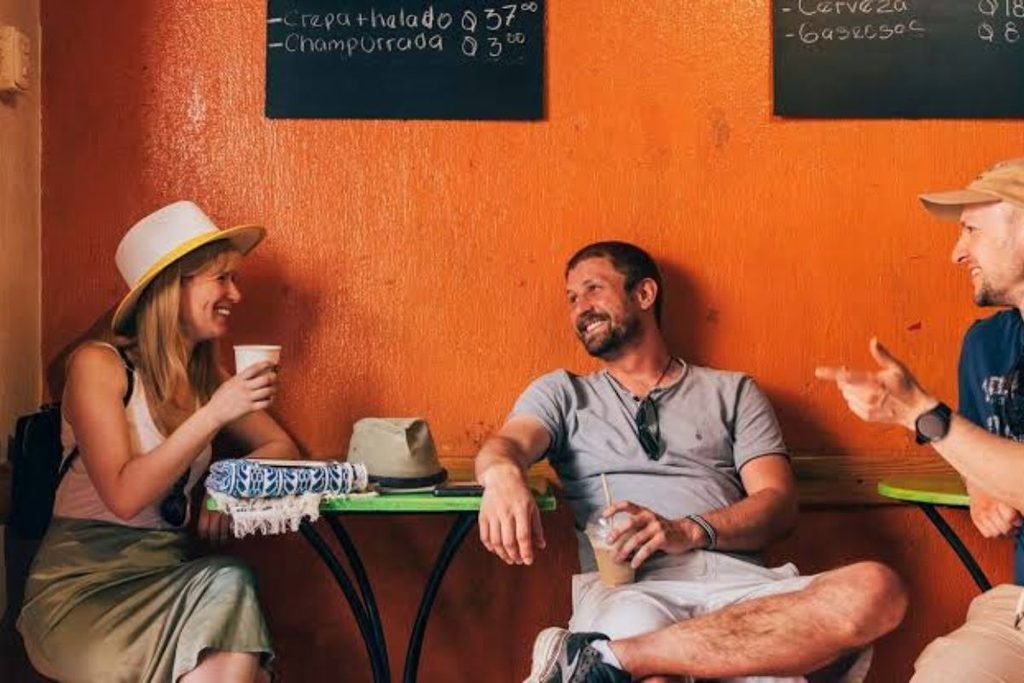
One concern for many solo female travelers is loneliness. Independent travel gives you freedom, but it also means deciding how much social interaction you want each day. You can enjoy solitude without spending your entire trip alone.
Join a small-group activity.
A walking tour, cooking class, photography workshop, guided hike, or food tour creates a natural reason to talk to other people. It also provides structure on the first day in an unfamiliar destination. Choose activities with clear meeting arrangements, recent reviews, and transparent pricing.
Stay somewhere that matches your social preferences.
Hostels often offer communal spaces and organized activities. However, a hostel is not automatically the best choice for every traveler. If you value quiet and privacy, consider a private room in a guesthouse or a hotel that offers shared tours or common areas. If you prefer a social atmosphere, check whether a hostel organizes activities without requiring guests to participate.
Use shared interests as a starting point.t
Museum tours, language exchanges, local walking groups, and food workshops can help you meet people with similar interests. You do not need to make lasting friendships on every trip. A pleasant conversation over lunch or a shared afternoon excursion can be enough.
Allow yourself quiet days
Not every day needs to be packed with activities. Reading in a café, visiting a garden, taking photographs, or walking through a market can be rewarding on your own. For additional inspiration, beachnear.net’s guide to hidden beaches can help you explore quieter coastal experiences when you want a slower travel day.
What to Pack for a Solo Trip
Packing well makes independent travel easier because you cannot rely on a companion to carry extra items or solve every small problem. Your exact packing list depends on the destination, season, and planned activities. Start with the essentials below.
Solo travel packing checklist
Documents and money
- Passport, visas, and required entry documents
- Travel insurance details and emergency contacts
- Payment cards and a small amount of local currency
- Secure digital copies of important documents
Technology
- Phone and charging cable
- Power bank and suitable travel adapter
- Offline maps and translation resources
- Local SIM or eSIM plan, where appropriate
Personal essentials
- Prescription medication and basic first-aid items
- Personal hygiene and menstrual products
- Weather-appropriate clothing and comfortable shoes
- Day bag with secure closures
Safety and comfort
- Accommodation and transport details
- Reusable water bottle where appropriate
- Small personal alarm, if legal and suitable
- A spare payment method stored separately
For beach holidays, add swimwear, sun protection, suitable footwear, and a dry bag if needed. For mountain trips, prioritize layers, appropriate footwear, rain protection, and any equipment required by your chosen activities. Avoid packing safety equipment without checking local laws. Rules regarding items such as pepper spray can differ between countries.
How to Manage Common Solo Travel Problems
Even a carefully planned trip can involve delays, confusion, or unexpected changes. A simple response plan can help you handle problems without feeling overwhelmed.
| Problem | Practical response |
| Your phone battery dies | Carry a power bank and keep essential addresses written down. |
| You miss a train or bus | Check the official operator’s next departure and avoid rushing into an unfamiliar alternative. |
| Your accommodation is unavailable.e | Contact the property through verified details and use a reputable booking provider to arrange an alternative. |
| You lose a bank card | Contact the card issuer promptly, freeze the card if possible, and use your backup payment method. |
| You feel uncomfortable with someone | Move to a public or staffed place, contact someone you trust, and seek local assistance if needed. |
| Bad weather disrupts an excursion | Follow official warnings and choose a safe indoor activity or reschedule. |
| You feel lonely or exhausted.d | Reduce your schedule, eat properly, rest, or join a low-pressure group activity. |
What to do in an emergency
If you face an immediate threat, move toward a safe, staffed location if possible and contact local emergency services. Know the relevant emergency number before traveling. Your country’s embassy or consulate may also be able to provide assistance to its citizens, although the services available vary. Keep insurance contact details accessible and understand how your policy handles medical treatment, evacuation, theft, and trip interruption.
Budgeting Tips for Women Traveling Alone
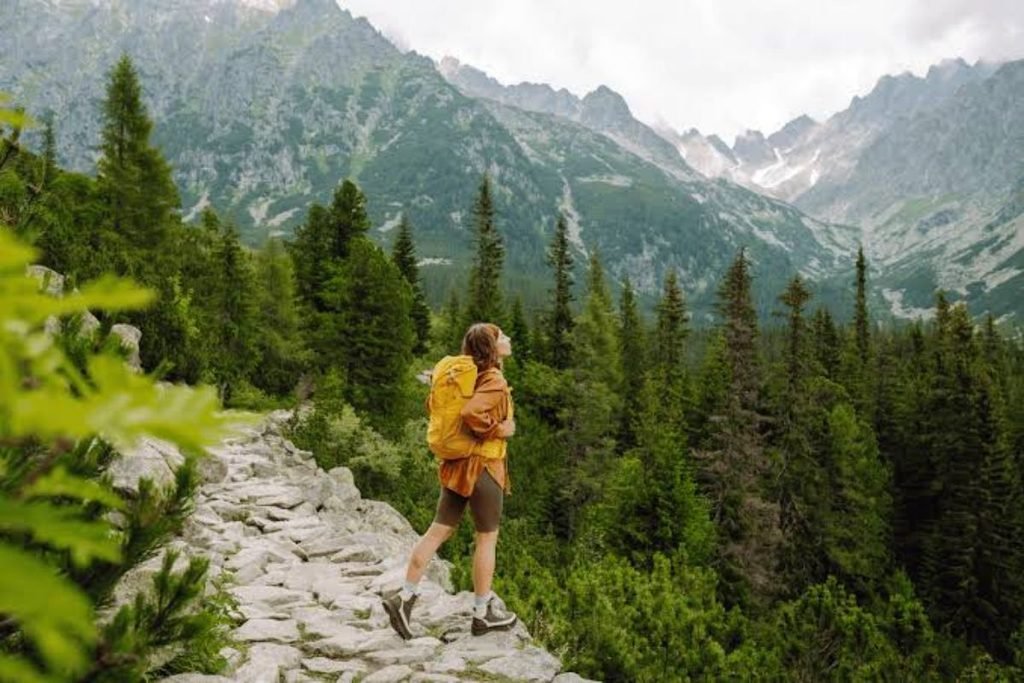
Your budget affects not only where you go but also how comfortable your trip feels. A destination with inexpensive meals may still have costly accommodation, while a Beach Party with affordable guesthouses may require expensive transfers. Use these strategies to manage costs without sacrificing essential comfort.
Travel during shoulder season
Shoulder season refers to periods between the busiest and quietest travel seasons. Depending on the destination, these months may offer a useful balance between weather, crowd levels, and accommodation prices. However, always check seasonal conditions. A cheaper trip during monsoon season, severe winter weather, or a period when attractions are closed may not provide the experience you want.
Compare the total cost of accommodation.on
Compare properties by their full cost, including taxes, cleaning fees, breakfast, transport, and other charges. Check cancellation terms before committing. A central room may be better value than a cheaper property that requires expensive taxi journeys every evening.
Mix free activities with paid experiences
Many destinations offer free walking routes, parks, public beaches, historic districts, markets, and cultural spaces. Choose a few paid activities that matter most to you, such as a museum, guided hike, cooking class, or boat excursion.
Plan food spending around your interests .ests
Local markets, bakeries, casual cafés, and food halls can provide variety without requiring a restaurant reservation for every meal. Research food hygiene and local dining customs, and choose places with appropriate food-handling practices. If discovering regional dishes is a major reason for your trip, explore international food guides for inspiration when planning a food-focused itinerary.
Keep an emergency reserve.
Do not spend your entire travel budget before departure. Set aside money for an unexpected hotel night, a replacement phone, urgent transportation, or another unplanned expense. If your trip involves several destinations, estimate the cost of changing one major transport booking. Knowing your options in advance can reduce stress if plans change.
How to Plan a Seven-Day Solo Trip
A seven-day itinerary should give you enough time to explore without making every day feel like a race. The best structure depends on the destination, but the following framework works for many city-and-coast trips.
Example seven-day itinerary
Days 1–2: Arrive and explore the city
Settle into your accommodation, learn the local transport system, visit nearby attractions, and join a walking tour if you wish.
Day 3: Explore local culture
Visit a museum, market, historic neighborhood, or cooking class. Keep the evening flexible.
Days 4–5: Take a day trip or visit the coast
Choose a guided excursion, nearby town, nature reserve, or beach destination that fits the local transport network.
Day 6: Enjoy a flexible day
Revisit a favorite neighborhood, shop locally, relax at a café, or join another activity if you feel like it.
Day 7: Leave room for departure
Pack, check transport times, and leave sufficient time to reach the airport or station. This is a flexible framework rather than a destination-specific route. Before booking, verify actual journey times, attraction schedules, and opening days.
If you prefer a longer independent journey, beachnear.net’s backpacking and travel guide offers a related starting point for thinking about travel style and preparation.
Common Mistakes to Avoid
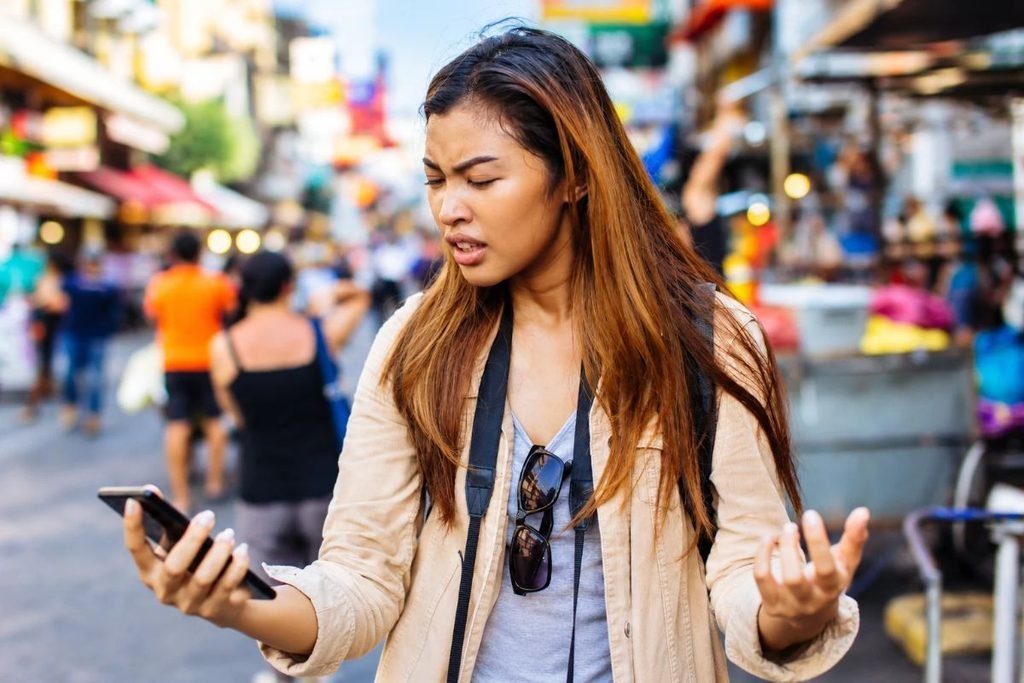
Even experienced travelers can make planning mistakes. These are particularly important to consider when you are responsible for all your own arrangements.
- Choosing a destination only because it is trending: Popularity does not mean the location suits your budget, interests, or comfort level.
- Trying to visit too many places: Frequent transfers can increase costs and leave less time to enjoy each destination.
- Booking accommodation without checking its location: A beautiful room can be inconvenient if it is far from transport or the activities you want.
- Assuming every destination has the same social rules: Research laws, customs, and gender-related concerns before departure.
- Relying entirely on mobile data: Download essential information and keep a backup way to access important details.
- Accepting every social invitation: You can be friendly while still setting clear boundaries.
- Ignoring fatigue: Travel becomes more difficult when you are hungry, dehydrated, or sleep-deprived. Schedule time to rest.
- Skipping travel insurance without checking the consequences: Understand what protection is available for your trip and what risks you would have to pay for yourself.
The strongest itinerary is not necessarily the one with the most activities. It is the one that gives you room to enjoy your experiences while leaving enough time and money to handle unexpected changes.
Useful Digital Tools for Independent Travel
Your phone can help with navigation, bookings, translations, and emergency communication. Before departure, install the apps you need and confirm that they work in your destination.
- Use offline maps to find accommodation, stations, pharmacies, and meeting points.
- Save digital copies of reservations and transport tickets.
- Enable device security features, including a screen lock and remote device-location tools.
- Use reputable translation tools to understand signs, menus, and basic conversations.
- Keep important information accessible if you lose internet access.
For broader guidance on protecting accounts and devices, review digital security resources before you travel. You can also explore technology tutorials and practical digital tools to prepare your phone and other devices for a trip. Remember that an app is a tool, not a guarantee of safety. Confirm important bookings with the provider, protect your account credentials, and avoid sharing live location information publicly.
Planning a Food-Focused Solo Journey

Food can be an enjoyable way to understand a destination. Markets, neighborhood cafés, regional specialties, and cooking classes give you opportunities to learn about local traditions while keeping your itinerary flexible.
Research opening hours, common payment methods, dietary requirements, and any food-safety concerns before you arrive. If you want to discover more regional cuisines, browse restaurant and food destination guides when deciding which dishes and dining experiences to include.
Beach holidays can also be a good fit for solo travel when you choose a base with convenient accommodation, established transport, and activities that match your swimming or outdoor experience. If you are considering a seasonal escape, beachnear.net’s beach vacation ideas for Christmas can help you explore warm-weather alternatives for the holiday period.
These links are optional planning resources, not endorsements of a specific property or tour operator. Always verify current information before booking.
Conclusion
The best places to travel for solo female travelers offer more than beautiful scenery. They combine experiences you enjoy with practical transportation, suitable accommodation, manageable costs, and access to reliable local information. Japan and Taiwan are appealing for city exploration, Portugal and Spain combine culture with coastal experiences, Iceland and New Zealand offer dramatic nature, and Thailand is an option for tropical beaches and social travel.
Before choosing your destination, consider your budget, experience, interests, and comfort with independent transportation. Research the specific neighborhoods you plan to visit, review current government travel advice, and arrange your first night’s accommodation before departure.
You do not need to plan every moment or choose the most adventurous destination to have a meaningful solo trip. Start with a manageable itinerary, leave room for rest, and make decisions that suit your needs. With thoughtful preparation, traveling alone can give you the freedom to explore at your own pace and create a journey that feels genuinely yours.
Frequently Asked Questions
Q01. What are the best places to travel for solo female travelers for the first time?
Ans: Japan, Singapore, Taiwan, Portugal, and the Netherlands are excellent options for solo female travelers who value organized transportation, established tourism services, and independent activities. These destinations can help first-time solo female travelers build confidence while exploring at their own pace. The right choice depends on your budget, language comfort, interests, and current travel advice.
Q02. Which country is safest for a woman traveling alone?
Ans: There is no single country that is safest for every woman, in every fashion or every situation. Japan, Iceland, Singapore, Taiwan, and Slovenia may appeal to solo female travelers because of their infrastructure and visitor services. However, safety varies by location, time, and activity. Solo female travelers should review current official travel advice and local conditions before choosing a destination.
Q03. Where can I travel alone as a woman on a budget?
Ans: Thailand and Taiwan may offer good value, while parts of Portugal, Slovenia, and Spain can suit budget-conscious solo female travelers with careful planning. Compare flights, accommodation, transport, activities, and insurance before booking. Budget planning helps solo female travelers manage expenses and enjoy their trips without unnecessary financial stress.
Q04. What is the best place for a solo female beach vacation?
Ans: Thailand is a useful option for solo female travelers who want tropical beaches, boat trips, and opportunities to meet other visitors. Portugal and Spain combine coastal experiences with historic cities, while Costa Rica offers beaches, wildlife, and nature activities. Solo female travelers should check swimming conditions, seasonal weather, and local transportation before booking a beach vacation.
Q05. How can I meet other travelers when traveling alone?
Ans: Join small-group walking tours, cooking classes, guided hikes, or cultural workshops. Hostels and guesthouses with communal spaces can also help solo female travelers connect with others. Choose reputable organizers, confirm meeting arrangements, and trust your instincts. Solo female travelers should never feel pressured to accept invitations or share personal information.
Q06. Is solo female travel suitable for beginners?
Ans: Yes. Beginners can start with a short trip to one city, book their first night’s accommodation in advance, and arrange arrival transportation. These simple steps help solo female travelers feel more prepared. First-time solo female travelers can also plan a few activities each day while leaving enough time for rest and unexpected discoveries.
Q07. How much money should I save for a solo trip?
Ans: The amount depends on your departure country, destination, trip length, season, and accommodation preferences. Solo female travelers should estimate transportation, lodging, meals, activities, insurance, and visa expenses before setting a budget. It is also wise for solo female travelers to keep emergency funds available for unexpected costs or changes in travel plans.
Q08. What should women wear when traveling alone?
Ans: Wear clothing appropriate for the weather, planned activities, and local customs. Some religious sites require covered shoulders, legs, or hair, while hiking and beach activities may need specialized clothing. Solo female travelers should research local expectations in advance and pack versatile items that provide comfort and suit their itinerary.
Q09. Should I travel alone or join a group tour?
Ans: Independent travel offers flexibility, while group tours can simplify transportation and provide companionship. Solo female travelers can combine both approaches by exploring cities independently and joining guided tours for remote hikes, wildlife excursions, or destinations with complicated logistics. This flexible approach allows solo female travelers to balance independence with organized support.
Q10. How can I stay connected and safe while traveling alone?
Ans: Arrange mobile connectivity, save offline maps, secure your devices, and share your broad itinerary with a trusted contact. Solo female travelers should keep emergency numbers and insurance details accessible. Research local transport, learn how to contact emergency services, and choose reputable providers for transfers and organized activities.
Q11. Is it better to stay in a hotel or a hostel?
Ans: Hotels may offer more privacy and predictable services, while hostels can provide lower-cost rooms and social opportunities. Guesthouses are another option. Solo female travelers should read recent reviews, check the neighborhood, confirm reception hours, and compare room security before booking. The best choice depends on personal comfort, budget, and travel preferences.
Q12. What should I do if I feel lonely during a solo trip?
Ans: Allow yourself to rest and adjust your schedule. Try a group activity, call a friend, visit a welcoming café, or explore a public attraction. Loneliness can be a normal part of independent travel, and solo female travelers do not need to socialize constantly to enjoy a rewarding experience. Taking breaks and choosing activities you genuinely enjoy can make the journey more fulfilling.