

 -by
-by Thailand is one of the easiest countries in Southeast Asia for a beach-focused trip, but choosing where to go can be surprisingly difficult. Phuket offers convenience and nightlife, Krabi combines beaches with dramatic limestone scenery, Koh Samui is built for comfortable island holidays, while quieter islands such as Koh Kood and Koh Lanta suit travelers who want a slower pace.
The best Thailand beach destinations are not interchangeable. Each coast has different weather patterns, transport options, beach environments, activities, and levels of development. A destination that works perfectly for a family vacation may be a poor choice for someone looking for nightlife or serious diving.
This guide breaks down Thailand’s major beach areas so you can make a practical choice rather than simply picking the most famous island. You’ll learn which destinations are best for first-time visitors, couples, families, diving, snorkeling, nightlife, quiet escapes, short trips, and longer island-hopping journeys. You’ll also learn how Thailand’s two main southern coasts—the Andaman Sea and Gulf of Thailand—affect your choice of when and where to travel.
What Are the Best Thailand Beach Destinations?
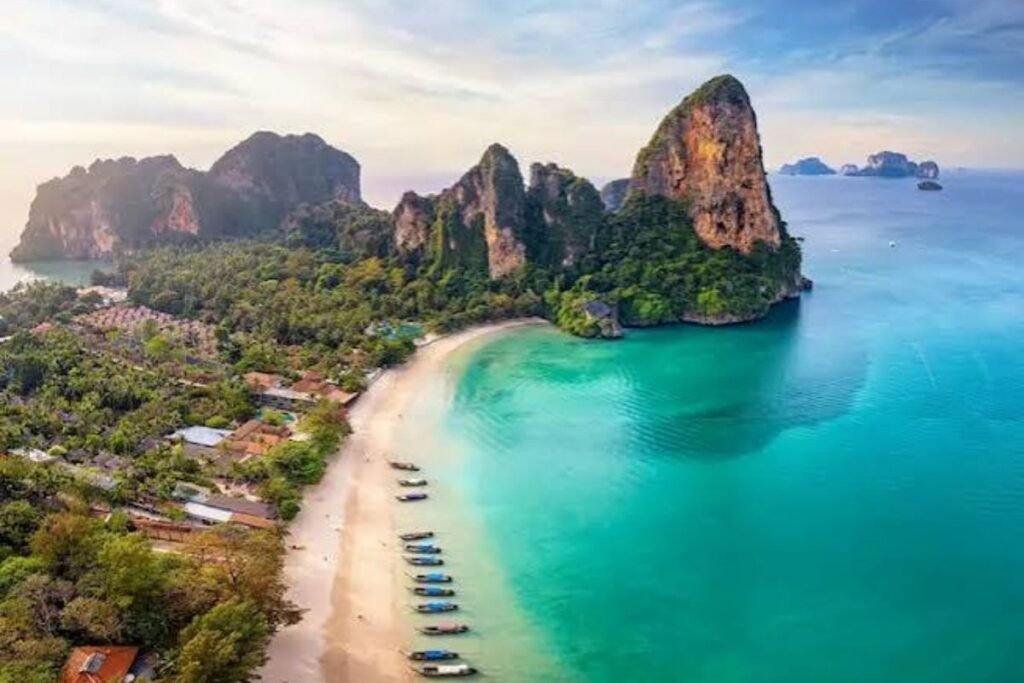
The best beach destination in Thailand depends on your priorities. Phuket is a strong all-round choice for first-time visitors, Krabi is excellent for scenery and island trips, Koh Samui suits travelers seeking comfort and convenience, Koh Tao is particularly attractive for diving and snorkeling, Koh Lanta offers a relaxed balance, and Koh Kood is ideal for travelers seeking a quieter island environment. Thailand’s beaches stretch across several distinct coastal areas, including the Andaman coast, the Gulf of Thailand, and the southeastern coast.
Thailand’s Two Main Beach Coasts
Before choosing an island, understand Thailand’s geography.
Southern Thailand has two major beach regions:
- Andaman Sea: Phuket, Krabi, Koh Phi Phi, Koh Lanta, Koh Lipe, and nearby islands
- Gulf of Thailand: Koh Samui, Koh Phangan, Koh Tao, and the Ang Thong island group
There are also important beach destinations along Thailand’s eastern and southeastern coast, including Koh Chang, Koh Kood, and Koh Samet. This matters because the weather is not identical on every coast at the same time. Thailand is influenced by seasonal monsoons, and rainfall patterns can vary significantly by region. The Tourism Authority of Thailand describes the country as having distinct rainy, cooler/drier, and hotter periods, although local conditions differ.
Andaman Coast
The Andaman side is home to some of Thailand’s most recognizable scenery.
Expect:
- Tall limestone cliffs
- Dramatic islands
- Clear tropical beach water
- Snorkeling and diving opportunities
- Beach resorts ranging from budget to luxury
- Easy access to famous island excursions
For many travelers, Krabi and Phuket are the easiest starting points.
Gulf of Thailand
The Gulf side includes:
- Koh Samui
- Koh Phangan
- Koh Tao
- Ang Thong National Marine Park
- Coastal destinations such as Chumphon
It is particularly useful for travelers interested in combining beaches with diving, snorkeling, island-hopping, wellness, nightlife, or a more traditional island atmosphere.
Best Thailand Beach Destinations at a Glance
| Destination | Best For | Atmosphere | Main Strength |
| Phuket | First-time visitors | Lively and developed | Convenience and variety |
| Krabi | Scenery and island trips | Active but flexible | Limestone cliffs and beaches |
| Koh Samui | Families and resorts | Comfortable and developed | Convenience and variety |
| Koh Tao | Diving and snorkeling | Casual island atmosphere | Underwater activities |
| Koh Phangan | Beaches and nightlife | Varied | Quiet beaches plus nightlife |
| Koh Lanta | Couples and families | Relaxed | Balance of comfort and tranquility |
| Koh Phi Phi | Island scenery and social trips | Lively | Dramatic scenery |
| Koh Lipe | Snorkeling and tropical scenery | Compact and busy in popular periods | Reefs and clear water |
| Koh Chang | Nature and longer stays | Relaxed | Beaches, rainforest, outdoor activities |
| Koh Kood | Quiet escapes | Peaceful | Less-developed island environment |
| Koh Samet | Short trips from Bangkok | Resort-oriented | Accessibility |
| Chumphon | Quiet beaches and gateway travel | Low-key | Coastline and access to Koh Tao |
01. Phuket: The Best All-Round Choice for First-Time Visitors
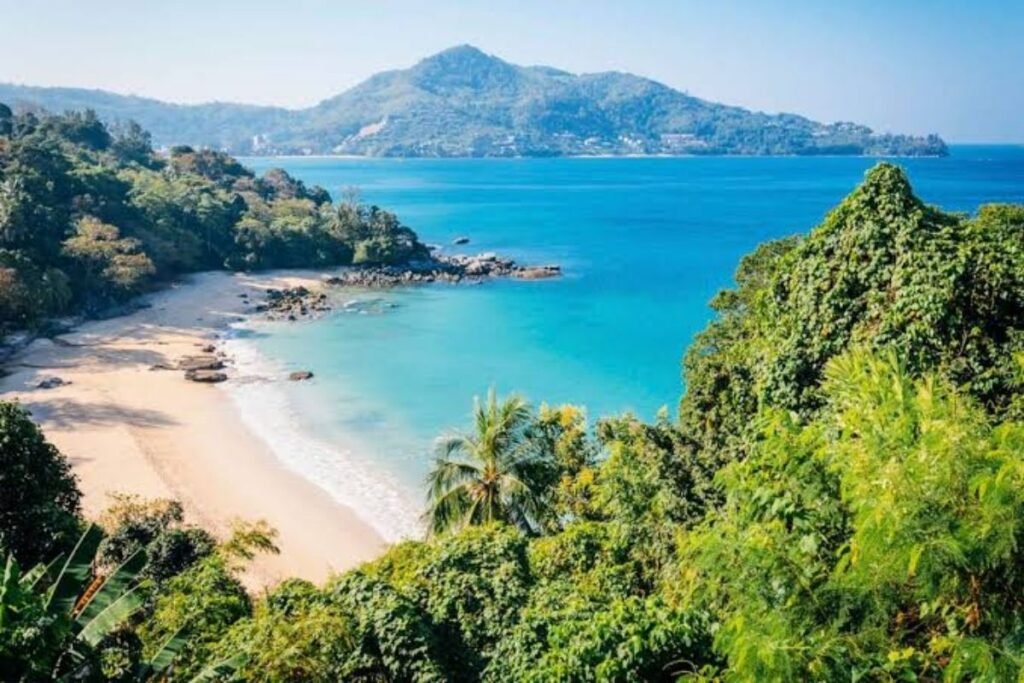
Phuket is often the easiest introduction to Thailand’s beach scene. Thailand’s largest island sits in the Andaman Sea and offers a broad range of beaches, accommodation, restaurants, activities, transportation, and nightlife. Major beaches include Patong, Karon, Kata, Kata Noi, Kamala, Nai Harn, Nai Yang, and Mai Khao.
Why choose Phuket?
Phuket works particularly well if different people in your group want different things. One person can spend the afternoon at the beach, another can explore Old Phuket Town, and another can arrange snorkeling, diving, sailing, or an island excursion. It is also one of the easier destinations for travelers who do not want a complicated transfer involving several boats.
Best for
- First-time visitors to Thailand
- Families
- Groups
- Nightlife
- Resort holidays
- Travelers who want many restaurant choices
- Travelers combining beaches with sightseeing
Beaches to consider
Patong Beach is the obvious choice for travelers who prioritize nightlife, shopping, restaurants, and activity. Kata and Kata Noi are better suited to travelers who want a beach holiday without staying in the busiest part of Phuket.
Mai Khao and Nai Yang can appeal to travelers looking for a quieter northern side of the island. The Tourism Authority of Thailand notes that Phuket’s southern beaches tend to be busier, while the north is generally more tranquil.
Phuket’s main drawback
If your idea of a tropical escape is a nearly empty beach surrounded by nature, Phuket may feel too developed. Choose Phuket for choice and convenience, not isolation.
02. Krabi: Best for Dramatic Scenery and Island-Hopping
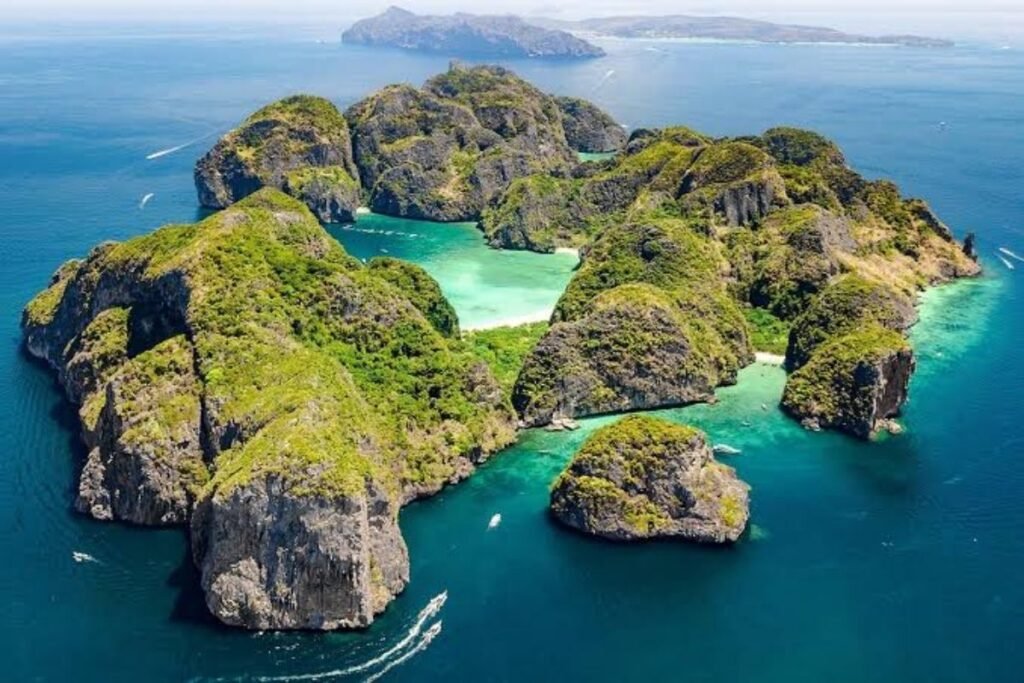
Krabi is one of the strongest choices for travelers who want beaches plus spectacular natural scenery. Krabi is known for limestone cliffs, beaches, islands, coral reefs, caves, hot springs, and access to destinations such as Koh Phi Phi and Koh Lanta. Ao Nang functions as an important base for boat trips to nearby islands and beaches.
Why choose Krabi?
The landscape is the biggest reason. Instead of simply looking at an open sea horizon, you often have towering limestone formations rising from the water. This gives Krabi a visual character that is very different from many conventional resort destinations.
Best places to explore
- Ao Nang
- Railay
- Phra Nang
- Koh Poda
- Koh Phi Phi
- Nearby islands around Krabi
Railay is particularly memorable because the beach environment is framed by limestone cliffs and is accessible primarily by boat.
Best for
- Couples
- First-time island-hoppers
- Photographers
- Adventure travelers
- Rock climbers
- Families
- Travelers who want several day-trip options
Krabi’s main drawback
Ao Nang can become busy, especially during popular travel periods. If you want a quieter experience, consider staying away from the busiest center and using Krabi as a base for excursions.
03. Koh Samui: Best for Comfort, Families, and Resort Holidays

Koh Samui is one of Thailand’s best-developed island destinations. The island has a broad selection of beaches, resorts, restaurants, wellness facilities, activities, and transportation. Chaweng, Lamai, Taling Ngam, and other beaches offer different experiences. Koh Samui is also a convenient base for visiting the Ang Thong National Marine Park.
Why choose Koh Samui?
Koh Samui is particularly useful when you want an island holiday without giving up many of the conveniences you would expect from a developed tourist destination.
It can work for:
- Families
- Couples
- Honeymooners
- Luxury travelers
- Wellness trips
- Longer island stays
- Travelers who want beaches and activities in the same destination
Chaweng vs. quieter beaches
Chaweng is the island’s livelier option, with plenty of accommodation, dining, entertainment, and beach activity. For a more relaxed atmosphere, look toward beaches such as Taling Ngam or other less-central areas.
Don’t overlook Ang Thong
One of the advantages of choosing Samui is access to the Ang Thong island group. The area is known for its marine environment, islands, viewpoints, and kayaking opportunities.
Koh Samui’s main drawback
The island’s popularity means that some areas feel highly developed. If your priority is a remote, low-infrastructure island, consider Koh Kood or a quieter part of Koh Lanta instead.
04. Koh Tao: Best for Diving and Snorkeling
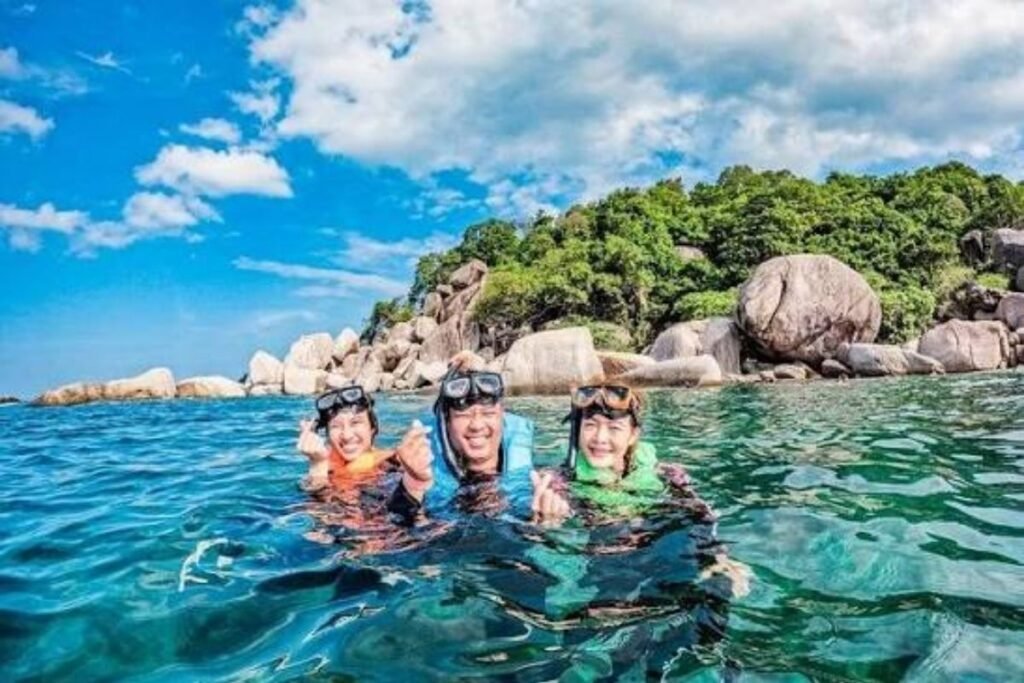
The small island is particularly associated with diving and snorkeling, while Sairee Beach provides a lively base for visitors. The Tourism Authority of Thailand describes Koh Tao as a major scuba-diving destination and highlights its efforts around environmentally responsible diving and marine conservation.
Why choose Koh Tao?
If underwater experiences are more important to you than luxury resorts, Koh Tao deserves serious consideration.
It is suitable for:
- Beginner divers
- Certified divers
- Snorkelers
- Backpackers
- Travelers seeking an active island trip
You can combine diving with beach time rather than treating the beach as the only activity.
Important diving advice
Do not choose a dive operator purely because it offers the lowest price.
Check:
- Instructor or guide credentials
- Group size
- Equipment condition
- Safety procedures
- Dive-site selection
- What is included
- Whether insurance requirements apply
The Tourism Authority of Thailand specifically advises visitors to make sure their scuba-diving instructor is properly certified.
05. Koh Phangan: More Than the Full Moon Party

Koh Phangan is internationally associated with the Full Moon Party, but reducing the island to nightlife misses much of its character. The island also has beaches, local communities, coconut-growing areas, and quieter areas away from the major party scene.
Best for
- Younger travelers
- Nightlife
- Groups
- Backpackers
- Travelers who want both social and quiet experiences
The key is choosing your location carefully. If nightlife is your priority, staying near the main party area can make sense. If you want a peaceful beach vacation, deliberately choose accommodation away from the busiest nightlife zones.
06. Koh Lanta: One of the Best Balanced Beach Destinations

Koh Lanta is a particularly good choice for travelers who want a slower pace without sacrificing basic tourist infrastructure. The island has multiple beaches, resorts, restaurants, forests, viewpoints, and access to nearby diving and snorkeling locations. The Tourism Authority of Thailand describes Koh Lanta as suitable for families, couples, backpackers, and divers while maintaining a relatively laid-back character.
Why Koh Lanta stands out
It occupies a useful middle ground.
It is:
- More relaxed than Phuket
- Less party-oriented than Koh Phangan
- More developed than a truly remote island
- Suitable for both budget and upscale travelers
This makes it a strong option for people who are not sure what type of Thai island they want.
A seasonal consideration
Some smaller islands and marine areas around Koh Lanta can close during the monsoon period, so travelers planning snorkeling or diving excursions should verify current operating conditions before booking.
07. Koh Phi Phi: Best for Iconic Island Scenery
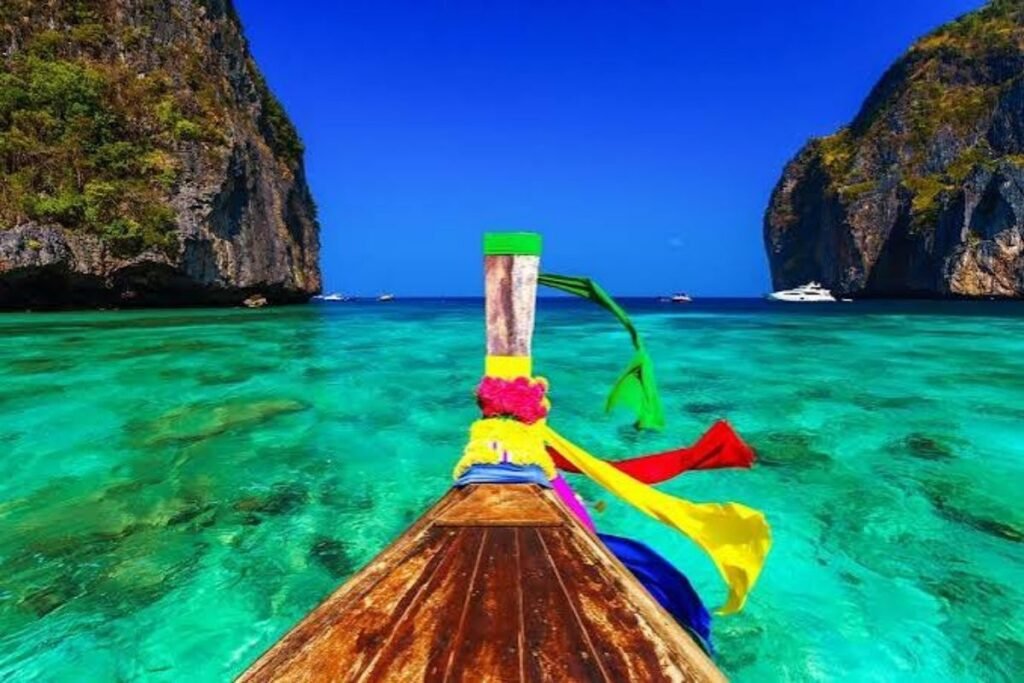
Koh Phi Phi is famous for its turquoise water, limestone cliffs, beaches, and Maya Bay. The Phi Phi group includes Phi Phi Don and Phi Phi Leh along with smaller surrounding islands, and the area forms part of the Noppharat Thara–Mu Ko Phi Phi National Park.
Why visit?
The scenery is the main attraction.
Phi Phi is particularly suitable for:
- First-time island-hoppers
- Photographers
- Social travelers
- Short trips
- Scenic boat tours
- Travelers interested in snorkeling
What to expect
Phi Phi Don has a lively tourist center with restaurants, shops, bars, and accommodation. That means you should not expect the entire destination to feel secluded. If tranquility is your priority, consider Koh Lanta or Koh Kood instead. Also remember that conditions and access rules around protected areas such as Maya Bay can change. Check current park guidance before traveling.
08. Koh Lipe: Best for Snorkeling and Tropical Island Scenery
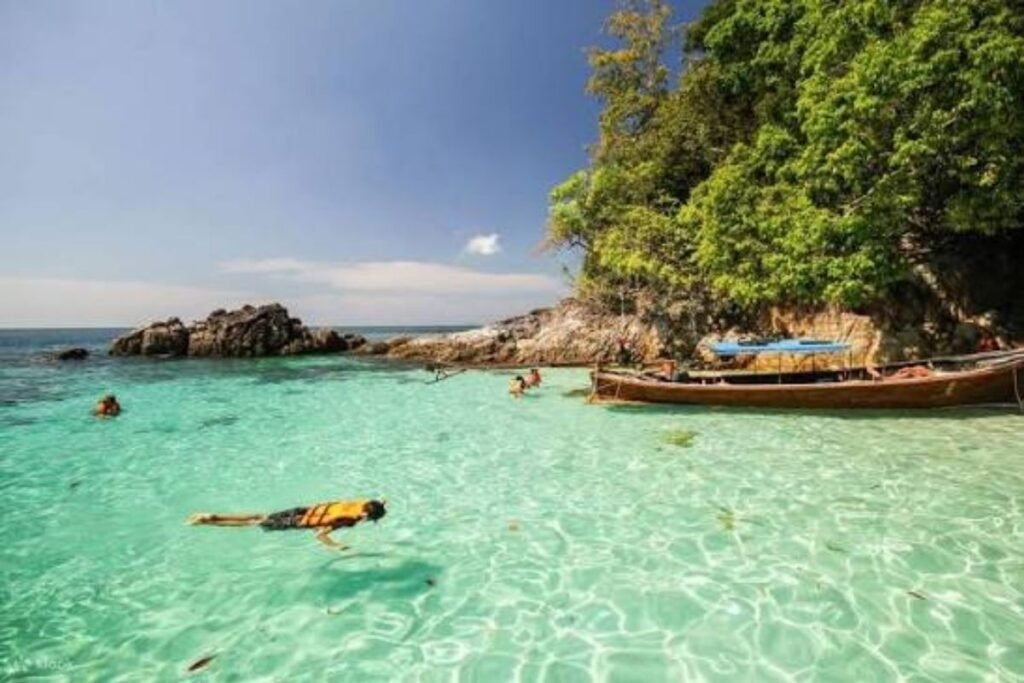
Koh Lipe sits in Thailand’s southern Andaman Sea and is known for clear water, beaches, coral reefs, and access to nearby islands. The Tourism Authority of Thailand highlights Koh Lipe’s snorkeling opportunities and its position within the southern Andaman region.
Best for
- Snorkeling
- Couples
- Island-hopping
- Beach lovers
- Travelers who enjoy compact walkable destinations
Koh Lipe is also associated with the wider Tarutao National Park region, which gives travelers opportunities to explore other islands and natural areas.
Potential drawback
Its remote southern location makes it less convenient for a very short Thailand trip. If you only have three or four days, Phuket or Krabi may make more logistical sense.
09. Koh Chang: Best for Beaches Plus Nature

Koh Chang is one of the strongest alternatives to Thailand’s better-known southern islands. The island combines beaches with rainforest, waterfalls, snorkeling, diving, hiking, and access to the Koh Chang marine park area. The Tourism Authority of Thailand notes that Koh Chang remains suitable for both budget travelers and families while also offering upscale resorts.
Best for
- Families
- Nature lovers
- Longer stays
- Travelers who want beaches and hiking
- Visitors seeking an alternative to Phuket or Samui
Koh Chang is also useful for travelers exploring eastern Thailand rather than concentrating entirely on the southern islands.
10. Koh Kood: Best for a Quiet Island Escape
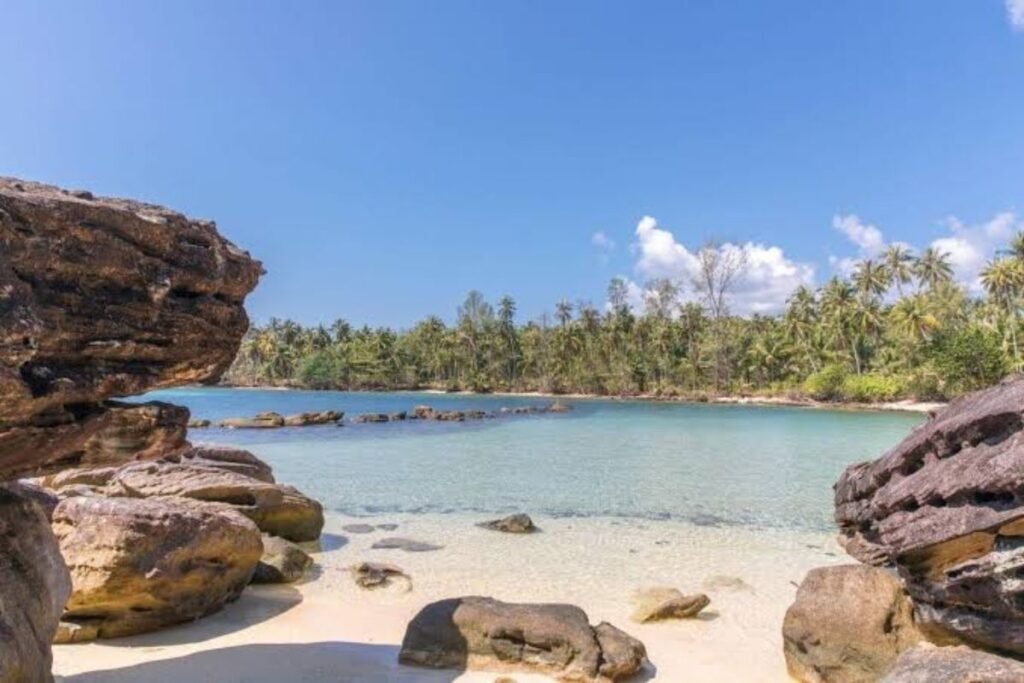
Koh Kood is a strong candidate when your ideal beach vacation involves soft sand, clear water, forest, and relatively little development. The Tourism Authority of Thailand describes Koh Kood as a quiet resort destination with limited infrastructure, beaches, forests, snorkeling, waterfalls, and a relaxed local lifestyle.
Best for
- Couples
- Honeymoon-style trips
- Quiet vacations
- Nature lovers
- Travelers who dislike crowded resort areas
What you give up
The island’s quieter character means fewer conveniences. That can be a benefit or a drawback depending on your travel style. Before going, check transportation schedules and accommodation services carefully, particularly during lower-demand periods. Boat services can be more limited outside the main season.
11. Koh Samet: Best for a Short Beach Escape From Bangkok
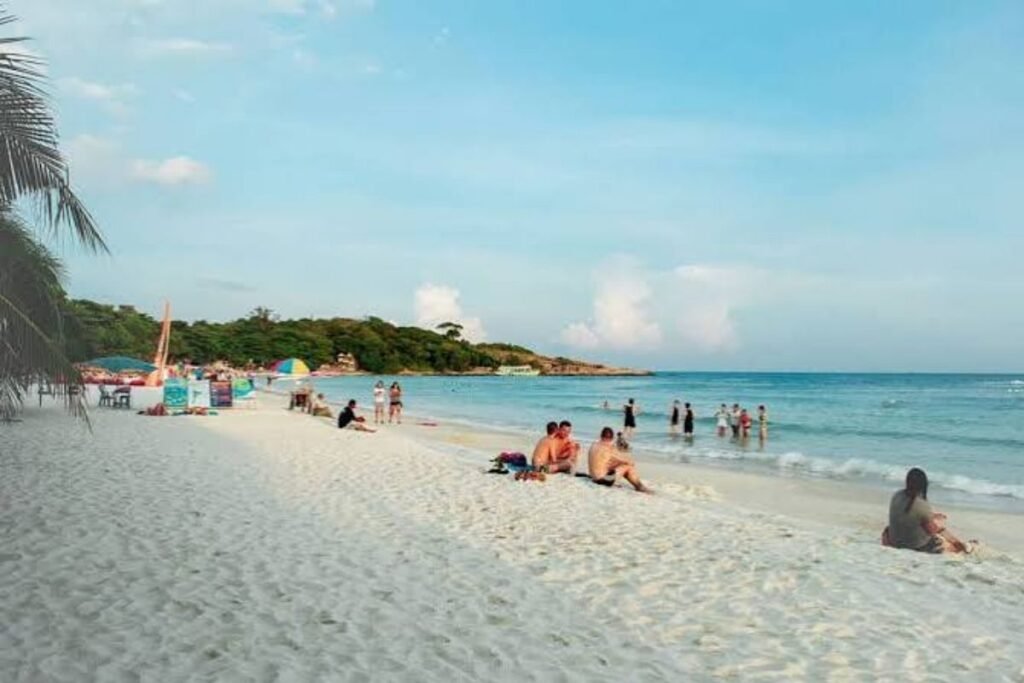
Koh Samet is one of the more practical beach options for travelers who want to combine Bangkok with an island stay. The island is known for numerous beaches, resorts, restaurants, and a weekend-oriented atmosphere. Tourism Thailand describes it as a popular getaway for both Thai and international visitors living in or near Bangkok.
Best for
- Short trips
- Bangkok combinations
- Couples
- Groups
- Travelers who do not want a long domestic journey
Koh Samet can become lively on weekends, so weekday travelers may find a more relaxed atmosphere.
12. Chumphon: An Underrated Beach and Diving Gateway
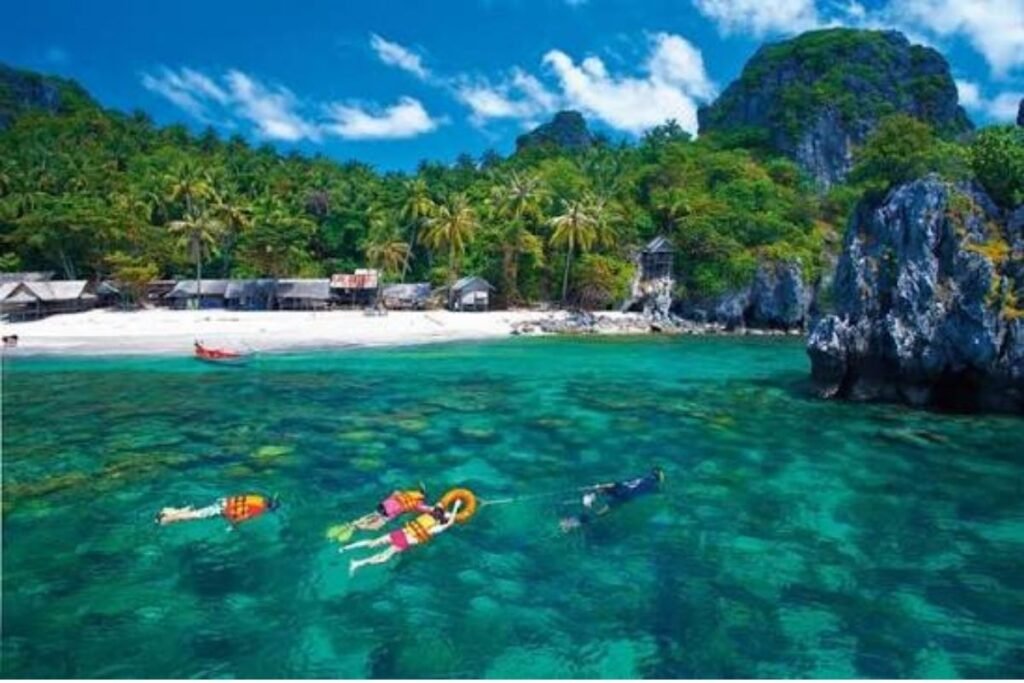
Chumphon is worth considering if you want quieter coastal scenery or are traveling toward Koh Tao. The province has a long coastline with beaches, snorkeling, diving, and other outdoor restaurants & activities. It also functions as an important gateway to the Gulf islands, particularly Koh Tao.
Best for
- Travelers avoiding major tourist centers
- Road trips
- Beach-and-nature trips
- Travelers connecting to Koh Tao
- Those who prefer mainland beaches
Chumphon may not have the international profile of Phuket or Samui, but that is precisely why it can appeal to travelers looking for something less obvious.
Best Thailand Beach Destinations by Travel Style
Instead of asking which island is universally “best,” match the destination to your trip.
| Your Priority | Recommended Destinations |
| First Thailand beach trip | Phuket or Krabi |
| Best scenery | Krabi or Phi Phi |
| Family vacation | Koh Samui, Phuket, Koh Lanta |
| Honeymoon or romantic escape | Koh Kood, Koh Lanta, Koh Samui |
| Diving | Koh Tao |
| Snorkeling | Koh Lipe, Koh Tao, Phi Phi |
| Nightlife | Phuket or Koh Phangan |
| Quiet beaches | Koh Kood, Koh Lanta |
| Nature and beaches | Koh Chang |
| Short trip from Bangkok | Koh Samet |
| Luxury resort holiday | Phuket or Koh Samui |
| Backpacking | Koh Tao, Koh Phangan, Koh Lanta |
| Island-hopping | Krabi, Phuket, Koh Lipe |
| Beaches plus mainland sightseeing | Krabi, Phuket, Chumphon |
These are recommendations rather than strict rankings. Your preferred accommodation, season, transport tolerance, and activity level can change which destination is the better fit.
Best Time to Visit Thailand’s Beaches
There is no single “best beach month” for every part of Thailand. This is one of the most important details to understand before booking flights. Thailand’s climate is influenced by different monsoon systems, and rainfall patterns differ between the Andaman coast and the Gulf of Thailand.
November to February
This period is often attractive for beach trips, particularly on the Andaman side, although conditions vary by location and year. January, for example, is highlighted by Tourism Thailand as a favorable period for beach activities on both the Gulf and Andaman coasts, with swimming, snorkeling, diving, kayaking, and other water activities commonly suited to the season. Expect higher demand around popular holiday periods.
March to April
Temperatures generally become hotter. This can still be an excellent period for an island trip, but plan around heat, sun exposure, and hydration.
May to October
Rain becomes more relevant across much of Thailand, but do not assume every beach destination has identical conditions. For example, Tourism Thailand has specifically recommended the Gulf of Thailand for sea trips in September because the monsoon can still affect the Andaman Sea at that time. This is why “Thailand beach season” should not be treated as one simple calendar.
The practical rule
If your trip dates are fixed:
- Identify the coast you want to visit.
- Check recent local weather patterns.
- Check marine conditions.
- Verify ferry schedules.
- Check national park or island closures.
- Keep some flexibility for boat excursions.
A beautiful destination is not much use if rough seas prevent the trip you planned.
How to Choose the Right Thai Beach Destination
Use this decision process before booking.
Step 1: Decide how much travel you can tolerate
If you have only a few days, choose somewhere with easy access. Phuket, Krabi, Samui, or Koh Samet can make more sense than traveling deep into southern Thailand for a remote island. For a two-week holiday, you have much more flexibility.
Step 2: Choose between convenience and isolation
Ask yourself:
Do I want lots of restaurants, hotels, tours, transportation, and nightlife? Choose Phuket, Samui, or developed areas of Krabi. Do I want quiet beaches and fewer commercial services? Look at Koh Kood, Koh Lanta, or quieter areas of Koh Chang.
Step 3: Identify your main activity
If you mainly want to:
- Swim → choose a beach-oriented resort
- Dive → prioritize Koh Tao
- Snorkel → consider Koh Lipe, Koh Tao, or island areas around Krabi
- Party → consider Phuket or Koh Phangan
- Hike → consider Koh Chang or destinations with mainland nature access
- Photograph scenery → consider Krabi and Phi Phi
- Relax → consider Koh Kood or Koh Lanta
Step 4: Check the season
Do this before committing to an island.
Weather can affect:
- Boat schedules
- Visibility for diving
- Swimming conditions
- Island tours
- National park access
- Accommodation availability
Step 5: Decide whether you want one base or island-hopping
For a relaxed trip, staying in one place can be better. Island-hopping sounds exciting, but every transfer consumes time and introduces another point where weather or transportation can disrupt your plan.
Thailand Beach Destinations for Families
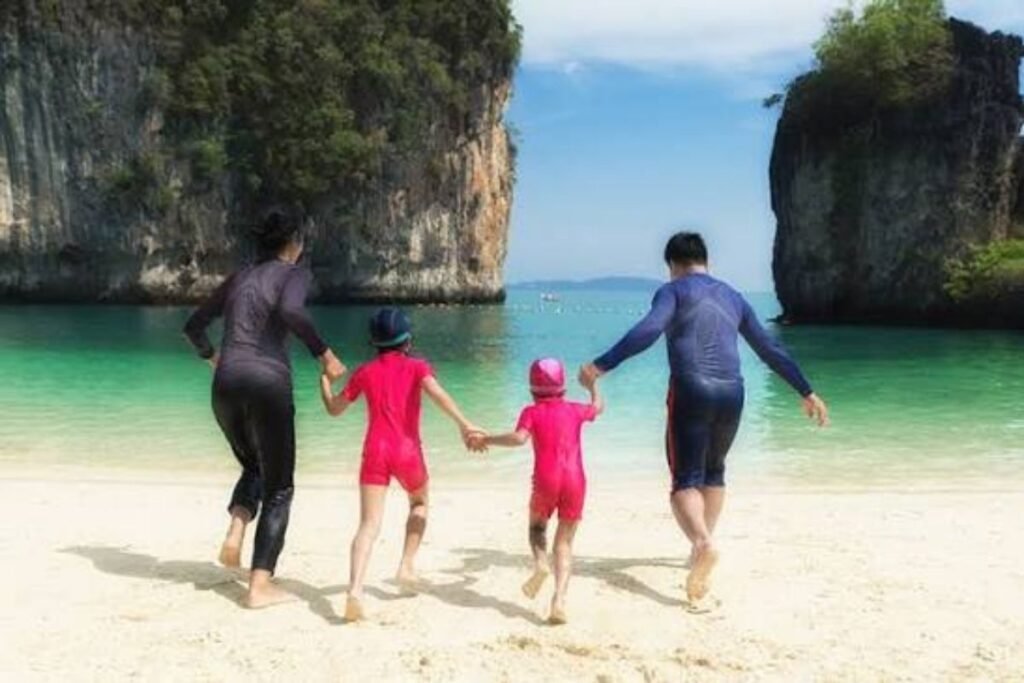
Families often benefit from choosing convenience over remoteness.
Good choices
- Koh Samui: strong combination of beaches, accommodation, restaurants, and activities.
- Phuket: extensive infrastructure and plenty of choices.
- Koh Lanta: slower pace while still offering accommodation and services.
- Koh Chang: beaches plus nature and outdoor activities.
When traveling with children, consider more than the beach itself.
Check:
- Distance from airport or ferry terminal
- Swimming conditions
- Shade
- Family room options
- Nearby medical services
- Restaurant availability
- Transfer duration
- Whether boat excursions are appropriate for your children
A remote beach may look perfect in photographs but be inconvenient with young children and luggage.
Thailand Beach Destinations for Couples

Couples should decide whether they want activity or isolation.
For luxury and convenience
Choose Phuket or Koh Samui.
For quiet surroundings
Choose Koh Kood.
For relaxed island living
Consider Koh Lanta.
For dramatic scenery
Krabi and the Phi Phi region offer spectacular landscapes.
The best romantic destination is not necessarily the least crowded. Some couples prefer having good restaurants, spas, comfortable accommodation, and easy transportation nearby.
Thailand Beach Destinations for Budget Travelers
Thailand offers a wide range of accommodation, but your total trip cost depends on more than the room rate.
Consider:
- Airport transfers
- Ferry tickets
- Island excursions
- Food
- Scooter or local transport
- Diving
- National park fees
- Travel insurance
- Additional accommodation during transfers
A cheap room on a remote island can become less economical if transportation is expensive or complicated. Koh Tao, Koh Lanta, parts of Phuket, Koh Phangan, and Koh Chang can all work for budget-conscious travelers, but costs vary considerably by season and location.
Should You Choose a Beach or an Island?
Not every beach trip requires staying on an island. Mainland destinations such as Krabi and Chumphon can provide beach access while making transportation easier.
Choose an island if:
- You want an immersive island atmosphere
- The majority of your time will be spent by the water.
- You enjoy boat trips
- You are comfortable with ferry or speedboat transfers
Choose a mainland base if:
- You want easier transport
- You plan to explore inland attractions
- You prefer more predictable road access
- You dislike frequent boat transfers
Krabi is an excellent example of a mainland base that still provides access to numerous island experiences.
Common Mistakes When Planning a Thailand Beach Trip

01. Choosing the destination only from photos
A beautiful beach photograph does not tell you:
- How crowded the area is
- How long transfers take
- What the weather is like during your dates
- Whether the beach is suitable for swimming
- How much the area is developed
02. Ignoring the coast’s seasonal differences
This is one of the biggest planning mistakes. Do not assume that “Thailand” has one uniform beach season. Check the specific coast and destination.
03. Trying to visit too many islands
Moving every two days can turn a relaxing beach vacation into a logistics exercise. For a one-week trip, one or two bases are often more practical than four or five.
04. Booking non-refundable transportation too early
Weather and sea conditions can affect boat travel. If your itinerary involves several ferries or speedboats, leave reasonable flexibility where possible.
05. Treating national parks like ordinary beaches
Protected marine areas can have special rules, seasonal closures, conservation measures, and access restrictions. Check official information before visiting.
06. Ignoring beach safety
The Tourism Authority of Thailand advises visitors to pay attention to beach warning flags and exercise caution when swimming. Never assume calm-looking water is automatically safe. Avoid swimming alone at night and follow local warnings.
Responsible Beach Travel in Thailand
Beautiful beaches depend on healthy marine and coastal ecosystems.
Travelers can reduce their impact by:
- Avoiding single-use plastics where practical
- Never touching or standing on coral
- Keeping distance from marine wildlife
- Taking rubbish with them
- Using reef-conscious behavior when snorkeling
- Following national park rules
- Choosing responsible tour operators
- Respecting local communities
- Avoiding activities that disturb wildlife
Marine conservation is an active concern in Thailand. Recent work in the Similan Islands has included efforts to manage marine debris and monitor coral ecosystems. Responsible tourism is not just an environmental issue. It also helps protect the destinations that travelers come to enjoy.
Practical Planning Checklist
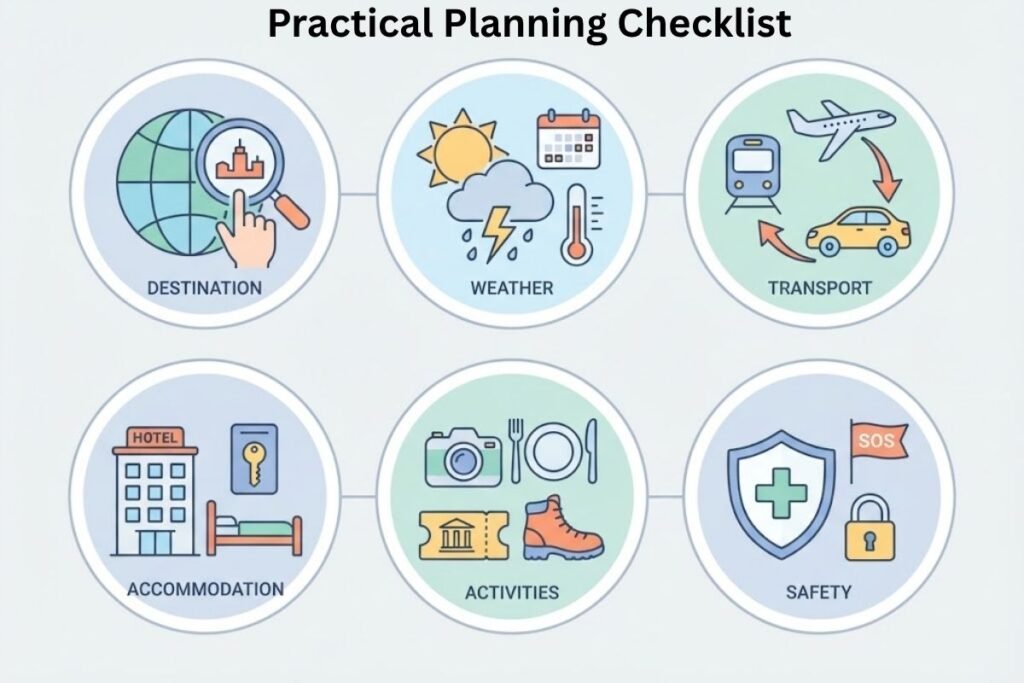
Before booking your Thailand beach holiday, confirm these items:
Destination
- Which coast are you visiting?
- Does the destination fit your travel style?
- Is the beach itself your priority or just one part of the trip?
Weather
- What is the expected seasonal pattern?
- Is this destination on the Andaman or Gulf coast?
- Could rain or rough seas affect boat trips?
Transport
- Where is the nearest airport?
- Is a ferry required?
- How long will the complete transfer take?
- Are there seasonal transportation changes?
Accommodation
- Is it close to the beach?
- Is it in a busy or quiet area?
- Are restaurants within walking distance?
- Does the location suit your preferred activities?
Activities
- Do you need to pre-book diving?
- Are snorkeling tours weather-dependent?
- Are national park fees or regulations applicable?
- Are there seasonal closures?
Safety
- Check local beach warnings.
- Use reputable diving operators.
- Wear appropriate safety equipment.
- Be cautious on scooters and unfamiliar roads.
- Follow local instructions around marine conditions.
The Tourism Authority of Thailand also advises travelers using motorbikes to wear helmets, avoid driving under the influence, and drive defensively.
Suggested Travel Combinations
You do not have to choose one destination for your entire vacation.
7-day first-time itinerary
Option: Phuket + Krabi
- Days 1–3: Phuket
- Days 4–7: Krabi
This gives you a mixture of developed beaches, sightseeing, restaurants, and dramatic limestone scenery.
7-day Gulf itinerary
Option: Koh Samui + Koh Tao
- Days 1–4: Koh Samui
- Days 5–7: Koh Tao
This combination works particularly well if you want comfortable resort time followed by snorkeling or diving.
10-day relaxed itinerary
Option: Krabi + Koh Lanta
Spend several days around Krabi and then slow down on Koh Lanta. This avoids the need to change hotels constantly while still giving you access to beaches and island excursions.
10–14-day eastern itinerary
Option: Koh Chang + Koh Kood
This is worth considering for travelers who want a quieter island-focused trip away from Thailand’s most internationally famous beach hubs.
Helpful Resources That Can Help You Plan
For comparing beach-focused destinations, a related guide to coastal restaurants in the USA can be useful when planning a seaside trip or exploring dining options near popular coastal destinations.
Once you have chosen the island or coastal area that fits your Thailand trip, research accommodation, transportation, weather, activities, and local dining options for that specific location. You can also explore Restaurent.net for restaurant and food guides, Beach Near for beach and coastal travel inspiration, Techh AtoZ for technology and travel-tech tips, and Tech All World for additional technology resources.
This version keeps the four website mentions natural and avoids making the resource section feel like a list of unrelated promotional links.
Conclusion – Thailand Beach Destinations
The best Beach Destinations in Thailand are not determined by a single ranking. Instead, the right Beach Destinations depend on your travel style, preferred activities, budget, and timing. Phuket remains one of the most convenient Beach Destinations for travelers who want variety, entertainment, beaches, restaurants, and easy transportation. Krabi stands out among Thailand’s Beach Destinations for dramatic limestone cliffs, scenic islands, and outdoor adventures.
For a comfortable island vacation, Koh Samui is one of the most popular Beach Destinations, while Koh Tao is ideal for travelers who prioritize diving and snorkeling. Koh Lanta offers relaxed Beach Destinations with a balanced atmosphere, while Koh Phi Phi attracts visitors seeking spectacular scenery and vibrant island experiences. Koh Lipe is another excellent choice for travelers searching for beautiful Beach Destinations with clear water and excellent snorkeling.
Meanwhile, Koh Chang combines tropical beaches with nature, making it one of the more diverse Beach Destinations to consider. Koh Kood is perfect for travelers who prefer peaceful surroundings and a slower pace. These Beach Destinations each offer something different, so comparing them before booking can help you find the right match.
Most importantly, consider the season when choosing your Beach Destinations. Thailand’s two major coastal regions can experience different weather patterns. The best Beach Destinations are ultimately the ones that match your season, travel style, activities, and logistics. With thoughtful planning, Thailand’s Beach Destinations can deliver an unforgettable tropical getaway.
Frequently Asked Questions
Q1. What is the best beach destination in Thailand for first-time visitors?
Ans: Phuket and Krabi are two of the easiest choices. Phuket offers extensive infrastructure, beaches, restaurants, activities, and nightlife, while Krabi provides spectacular limestone scenery and easy access to nearby islands. Your choice depends on whether convenience or scenery matters more.
Q2. Which Thailand beach destination is best for families?
Ans: Koh Samui, Phuket, Koh Lanta, and Koh Chang are strong options because they combine beaches with accommodation, restaurants, transportation, and activities. Families should choose the specific area carefully rather than judging an entire island as family-friendly.
Q3. Which Thai island is best for diving?
Ans: Koh Tao is one of Thailand’s most established diving destinations and has many diving schools and operators. The island also works for travelers who want to combine diving with snorkeling and beach time.
Q4. Is Phuket or Krabi better?
Ans: Neither is universally better. Phuket is generally stronger for convenience, nightlife, shopping, restaurants, and variety. Krabi is particularly attractive for limestone scenery, island trips, beaches, and outdoor activities.
Q5. Which Thailand beach destinations are quieter?
Ans: Koh Kood and Koh Lanta are good starting points for travelers seeking a slower pace. Koh Chang also offers opportunities to combine beaches with nature. Even quieter islands can become busier during popular travel periods.
Q6. Is Koh Samui good for a beach holiday?
Ans: Yes. Koh Samui has numerous beaches, accommodation choices, activities, restaurants, and convenient access to the Ang Thong island group. It is particularly suitable for travelers who want a developed island destination.
Q7. Is Koh Phi Phi worth visiting?
Ans: Koh Phi Phi is worth considering if dramatic island scenery, snorkeling, boat trips, and a lively atmosphere appeal to you. However, travelers looking for a quiet beach escape may prefer Koh Lanta or Koh Kood.
Q8. What is the best month to visit Thailand beaches?
Ans: There is no single best month for every coast. Weather patterns differ between the Andaman Sea and Gulf of Thailand. January can offer favorable beach conditions across both regions, while some Gulf destinations can be preferable during periods when the Andaman coast experiences stronger monsoon influence.
Q9. Should I visit Phuket or Koh Samui?
Ans: Choose Phuket if you want extensive sightseeing, nightlife, restaurants, and access to the Andaman region. Choose Koh Samui if you prefer a developed island resort environment and want easy access to destinations such as Ang Thong and neighboring Gulf islands.
Q10. How many Thai islands should I visit on one trip?
Ans: For a one-week vacation, one or two destinations are usually easier to enjoy than trying to visit several islands. With 10–14 days, two or three bases can work well if transportation connections are sensible.
Q11. Are Thailand’s beaches safe for swimming?
Ans: Swimming safety depends on the beach, weather, currents, tides, season, and local warnings. Always follow warning flags and local instructions. Do not assume that clear tropical water is automatically safe.
Q12. What should I check before booking a Thailand island trip?
Ans: Check the weather for your specific coast, transportation connections, ferry schedules, accommodation location, seasonal closures, marine conditions, and the activities you want to do. These details can have a greater effect on your trip than simply choosing the island with the highest online popularity.





8 Comments