
 -by
Off Season Greece offers a different way to experience the country, from quieter archaeological sites and traditional villages to peaceful coastal walks and seasonal local food. Although Greece is famous for its sun-drenched islands, turquoise beaches, whitewashed villages, and lively summer resorts, visiting outside the peak tourist season reveals a calmer side of this popular destination.
Traveling to Greece during the off-season can be an excellent option for visitors who want to explore Greek culture, history, landscapes, and local life at a more relaxed pace. Depending on when you visit, you may enjoy mild autumn weather, winter city breaks, spring wildflowers, or quieter coastal destinations. You may also find lower accommodation prices, although savings vary by destination, travel dates, and availability.
Planning an Off Season Greece trip requires understanding how seasonal changes affect transportation, accommodation, attractions, and local businesses. Some islands become quieter, while certain beach bars, hotels, ferry routes, and resorts reduce their services or close temporarily. Athens, Thessaloniki, Crete, Rhodes, and mainland Greece offer different experiences during these months. This guide explains the best months to visit Greece, the destinations worth exploring, the activities to enjoy, transportation options, packing essentials, and the practical trade-offs to consider before booking your trip.
What Does Off-Season Greece Mean?
The off-season in Greece generally refers to the period when summer tourism declines, particularly from November through March. However, no single off-season calendar applies equally to every destination.
Travelers often divide the year into three practical periods:
- Shoulder season: April to June and September to October, when many destinations remain active, but conditions are often less intense than during midsummer.
- Low season: November to March, when visitor numbers fall, weather cools, and many seasonal tourism businesses reduce operations or close.
- Peak season: Usually July and August, when beach resorts, popular islands, and major attractions experience their busiest period.
These are broad planning categories, not official dates. Easter, school holidays, local festivals, weather, and individual business decisions can change the experience. For example, October in Crete can still be suitable for coastal walks and sightseeing, while January in Athens is better suited to museums, restaurants, and historical landmarks. A small Cycladic island may become very quiet in November, even though residents continue their everyday routines. For an official overview of seasonal destinations and activities, explore Visit Greece, the country’s tourism website.
Why Visit Greece During the Off-Season?
Traveling outside summer is not simply about avoiding crowds. It changes the type of trip you can enjoy.
Fewer crowds at famous attractions
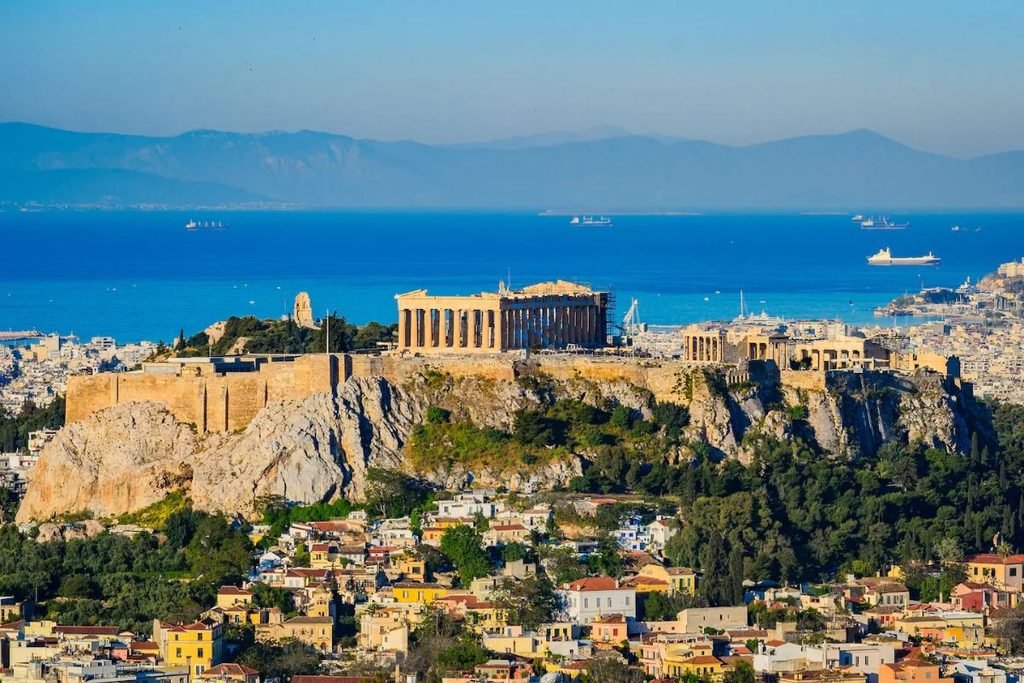
The Acropolis in Athens, the archaeological sites of Delphi, and many historic towns can be more comfortable to explore when visitor numbers are lower. You may have more time to read museum displays, photograph architectural details, and enjoy a slower visit. However, school groups, holidays, and popular events can still attract crowds.
Potentially better accommodation value
Hotels, guesthouses, and some holiday rentals may offer lower rates outside peak summer. This can make a centrally located hotel or a longer stay more accessible to travelers working with a budget. Savings are not guaranteed. Some hotels close completely, while luxury properties, city-center accommodation, and special-event dates may remain expensive. Compare the total cost, including transport, heating, meals, and activities, instead of judging a trip by the room rate alone.
A different view of Greek culture
In summer, many coastal destinations focus on visitors. During quieter months, daily life becomes more visible: cafés serve residents, markets continue their routines, and traditional neighborhoods feel less oriented around sightseeing. This can be especially rewarding in Athens, Thessaloniki, Chania, and mainland villages where communities operate throughout the year.
Better conditions for some outdoor activities
Spring and autumn can be excellent for walking, photography, archaeological exploration, and countryside trips. Cooler temperatures may make longer walks more comfortable than during the hottest summer days. Winter brings opportunities for mountain scenery and, where conditions permit, skiing. Nevertheless, rain, snow, strong winds, and shorter daylight hours require more flexible plans.
A slower, more flexible travel style
With fewer visitors competing for attention, you may find it easier to spend an afternoon in a neighborhood café, browse a market, or explore a town without following a tightly scheduled sightseeing list. The trade-off is that reduced demand can mean fewer tours, restaurants, flights, and ferry departures. A relaxed itinerary works best when you check what is available before you arrive.
Best Time to Visit Greece Off-Season
The best time depends on your priorities. If you want warm afternoons and open beach businesses, early autumn may suit you better than winter. If your main goal is archaeology and city sightseeing, the colder months can still be rewarding.
| Travel period | What to expect | Best for |
| March | Early spring, changeable weather, emerging wildflowers | History, countryside, quiet city breaks |
| April | Spring scenery, Easter celebrations in some years, variable temperatures | Culture, walking, photography |
| May | Generally milder-to-warm conditions, many seasonal businesses reopening | First-time visitors, mixed itineraries |
| September | Warm conditions often continue, with summer infrastructure still operating in many places | Beaches, island trips, couples |
| October | Cooler evenings, fewer visitors, some seasonal closures | Food, history, road trips |
| November | Increasing rain and reduced island services | Athens, Thessaloniki, cultural travel |
| December | Winter atmosphere, festive city events, shorter days | City breaks, food, museums |
| January–February | Cooler weather, quieter attractions, possible snow in mountain regions | History, local culture, winter landscapes |
This table describes general seasonal patterns, not a weather forecast. Conditions differ between northern Greece, the mainland, the Aegean islands, and southern Crete.
March to April: Spring exploration
Spring is a good choice for travelers who want to explore ancient ruins, traditional villages, and green landscapes without midsummer heat. Wildflowers may appear across parts of the countryside, and the days gradually become longer. However, March can still be cold and wet, while April conditions vary considerably.
Greek Orthodox Easter is an important consideration. Celebrations can create memorable cultural experiences, but accommodation and transport demand may increase around the holiday. Confirm the dates for your travel year before booking. Best approach: Combine Athens with a mainland destination such as Delphi or the Peloponnese, and allow flexibility for rain.
May to June: The early-season sweet spot
May is often one of the most versatile months for visiting Greece outside peak summer. Many hotels, restaurants, boat operators, and island transport services are preparing for the busy season or already operating. Beach conditions depend on the weather and personal comfort with water temperature. You can enjoy seaside scenery without making swimming the main purpose of every day. Early June may suit travelers who want a more summery experience while avoiding some of the intensity of July and August. It is not always a low-cost period, particularly in popular island destinations.
Best approach: Plan a combination of coastal time, cultural sightseeing, and short hikes. Confirm that any seasonal excursion you want is running on your exact dates.
September to October: The autumn advantage
September is particularly appealing if you want to enjoy Greece’s beaches while reducing your exposure to peak-season crowds. Sea temperatures may remain pleasant after summer, especially in southern destinations, although weather and swimming conditions are never guaranteed. October is usually quieter and can offer rewarding conditions for exploring historic centers, mountain villages, vineyards, and archaeological sites. Some beach resorts begin winding down, especially later in the month.
Best approach: Prioritize September for a beach-focused holiday and September or early October for a balanced trip involving islands, towns, and history.
November to February: True winter travel
Winter offers a different kind of Greek holiday. Athens and Thessaloniki remain functioning cities, and larger islands with substantial year-round populations continue to support local life. You should expect shorter days, cooler temperatures, possible heavy rain, and fewer tourism services. Swimming and island-hopping become less dependable as central activities.
Best approach: Choose one or two well-connected bases, book accommodation that explicitly operates during winter, and build your itinerary around food, museums, architecture, and countryside excursions.
Best Places to Visit in Greece During the Off-Season
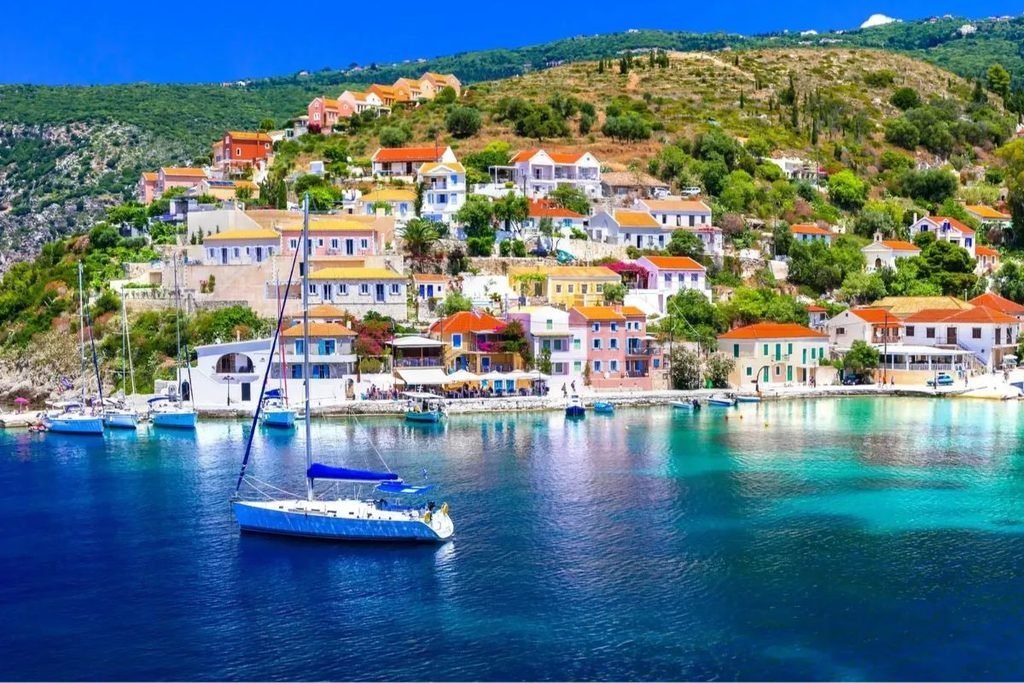
Choosing the right destination matters more in winter than it does in midsummer. A busy city or large island usually provides more reliable services than a small resort community built around summer tourism.
01. Athens
Best all-round winter base. Athens is a strong choice for first-time visitors. Explore the Acropolis, archaeological museums, Plaka, Monastiraki, and the city’s food markets. You can also take a day trip to Cape Sounion when weather and transport conditions allow.
Ideal for: History, museums, food, architecture, and short city breaks.
Planning tip: Check official opening hours for the Acropolis and museums before visiting, particularly on public holidays and during winter schedules.
02. Crete
Best larger island. Crete combines historic towns, archaeological sites, mountain landscapes, and a strong year-round local population. Chania and Heraklion are useful bases, with access to museums, restaurants, and historic attractions.
Ideal for: Travelers who want an island atmosphere without relying entirely on summer tourism.
Planning tip: Crete is large. Choose one region for a short trip rather than assuming every beach, village, and mountain attraction can be covered in a few days.
03. Rhodes
Rhodes offers a medieval Old Town, archaeological attractions, villages, and a long coastline. Its main town remains an appealing place to explore outside summer, although resort areas can become much quieter.
Ideal for: History lovers, photographers, and travelers interested in combining an island setting with cultural sightseeing.
Planning tip: Verify the operating dates of specific resorts, restaurants, and excursions. A functioning town does not mean every tourist service stays open.
04. Thessaloniki
Thessaloniki is known for its waterfront, Byzantine heritage, museums, cafés, and distinctive food culture. It works well when your priority is city life rather than warm-weather beach activities.
Ideal for: Food-focused travel, urban exploration, history, and longer winter weekends.
Planning tip: Allow time for neighborhood walks and meals rather than treating the city as a brief stop between flights.
05. Nafplio
Nafplio is an attractive base for exploring the Peloponnese, with a historic center, waterfront walks, and access to important archaeological destinations such as Mycenae and Epidaurus.
Ideal for: Couples, history enthusiasts, road trips, and travelers who prefer smaller towns to large cities.
Planning tip: Check seasonal opening times for nearby archaeological sites and allow enough daylight for driving between destinations.
06. Meteora
Meteora’s monasteries and dramatic rock formations create a memorable destination in cooler weather. Mist, changing light, and quieter walking routes can make the landscape particularly atmospheric.
Ideal for: Photography, religious heritage, hiking, and nature-focused trips.
Planning tip: Monasteries may have different weekly schedules, dress requirements, and visitor rules. Check each monastery’s current arrangements before traveling.
07. Corfu
Corfu Town’s historic architecture, museums, cafés, and narrow streets offer cultural interest beyond the beach season. The wider island is greener than many travelers expect, although winter can be wet.
Ideal for: Architecture, slow travel, and visitors seeking a quieter island atmosphere.
Planning tip: Stay near Corfu Town if you want easier access to year-round services. Remote resort areas can have fewer open businesses.
08. Delphi
Delphi is a rewarding destination for exploring ancient Greek history against a mountainous landscape. The archaeological site and museum offer context for the religious and political importance of the ancient sanctuary.
Ideal for: Ancient history, archaeology, and mainland excursions from Athens.
Planning tip: Mountain weather can change quickly. Check site hours, road conditions, and the forecast before setting out.
What about Santorini and Mykonos?
Santorini and Mykonos can be beautiful outside summer, especially for coastal scenery, architecture, and photography. However, the experience differs considerably from the high season. Some accommodation, restaurants, boat tours, and beach clubs close or operate on limited schedules. Inter-island transport can also be less convenient.
If visiting Santorini in winter, base yourself in a town with year-round services and confirm your hotel is open. If you want Mykonos mainly for beach clubs and nightlife, the warmer months are generally a better fit. For small islands, the key question is not simply whether you can reach them. It is whether you can comfortably spend your planned number of days there with the services available.
Best Things to Do in Greece Off-Season
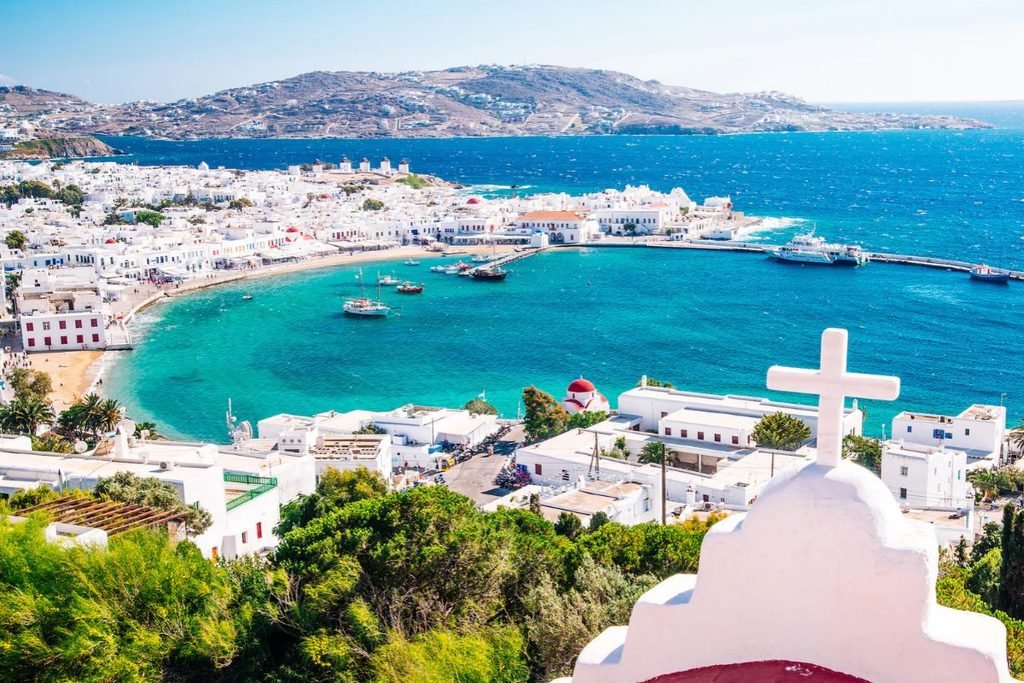
A successful off-season trip focuses on activities that remain enjoyable even when beach facilities and seasonal tours are unavailable.
Explore archaeological sites and museums.s
Greece’s ancient heritage is one of its biggest advantages during the quieter months. Visit the Acropolis and its museum in Athens, explore the archaeological museum in Heraklion, or plan a trip to Delphi, Olympia, or Mycenae. Cooler conditions can make walking around extensive ruins more comfortable. Lower visitor numbers may also make it easier to appreciate architectural details and historical interpretation.
Before leaving your hotel, confirm:
- Opening and last-admission times.
- Whether tickets require booking.
- Any weekly closure or public-holiday changes.
- Weather-related access restrictions.
- Whether nearby museums and restaurants will also be open.
Do not assume all archaeological sites share the same winter timetable.
Enjoy Greek food and seasonal produce.
Food is a particularly good reason to visit Greece outside summer. Instead of planning every meal around waterfront restaurants, explore neighborhood tavernas, bakeries, markets, and cafés used by local residents. Depending on the region and time of year, you may encounter dishes featuring beans, lentils, seasonal greens, roasted vegetables, grilled meats, seafood, and warming soups. Olive oil, cheeses, breads, and regional specialties remain central to Greek food culture.
Ask about the day’s dishes rather than expecting every summer menu to be available. Smaller restaurants may operate on selected days during winter, so check their current hours. For travelers interested in food beyond Greece, Beach Near’s broader travel coverage can also complement a culinary itinerary. For example, explore Thai street food and regional food experiences when comparing food-focused destinations for future trips.
Discover traditional villages
Villages in the Peloponnese, Crete, Epirus, and parts of mainland Greece offer a different perspective from busy island resorts. Walk through stone-built settlements, visit local cafés, explore historic churches where visitors are welcome, and enjoy mountain or coastal scenery. Spring and autumn are often convenient seasons for combining villages with longer drives or walks. Some rural businesses have limited hours, particularly during winter weekdays. If a particular guesthouse or restaurant is essential to your trip, contact it directly before arriving.
Go hiking and enjoy nature.e
Off-season Greece can suit outdoor travelers who prefer cooler conditions. Depending on the region, activities include coastal walking, mountain trails, forest excursions, and countryside photography. Crete’s mountainous interior, the Peloponnese, and mainland destinations around Meteora offer varied landscapes. The experience is highly seasonal, however. Some trails become muddy or slippery after rain, while mountain routes can experience snow or poor visibility. Use marked trails, check current local conditions, and avoid assuming a route is safe because it is popular in summer. For remote hikes, carry offline navigation, water, suitable clothing, and a realistic turnaround time.
Experience Greek winter landscapes
Although Greece is strongly associated with summer, mainland mountain regions can offer snow, traditional winter villages, and opportunities for skiing when conditions permit. Destinations around Arachova and the Parnassus region, as well as parts of northern Greece, may appeal to travelers interested in winter scenery. Snowfall and ski operations vary from year to year. Check resort conditions and road access rather than booking on the assumption that snow will be present.
Photograph the quieter coast.
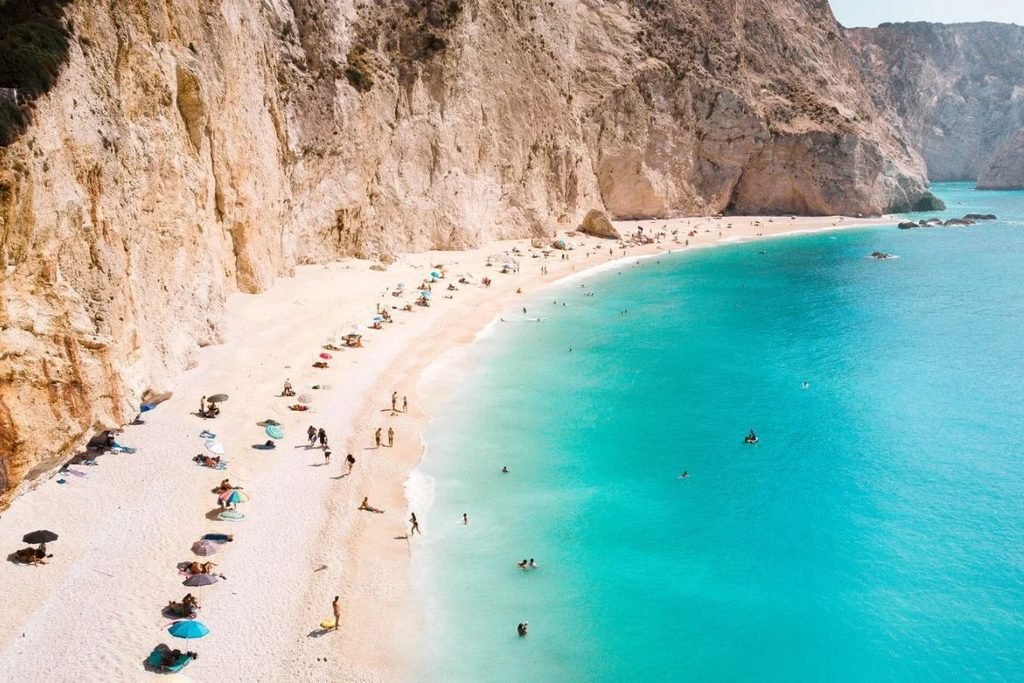
You do not need to swim to enjoy Greece’s coastline. In the off-season, beaches can become peaceful places for photography, walking, birdwatching, and watching changing light over the sea. The sea may be rough, and coastal winds can make exposed beaches uncomfortable. Check local warnings, avoid unstable cliff edges, and do not enter the water in dangerous conditions.
What Is the Weather Like in Greece During the Off-Season?
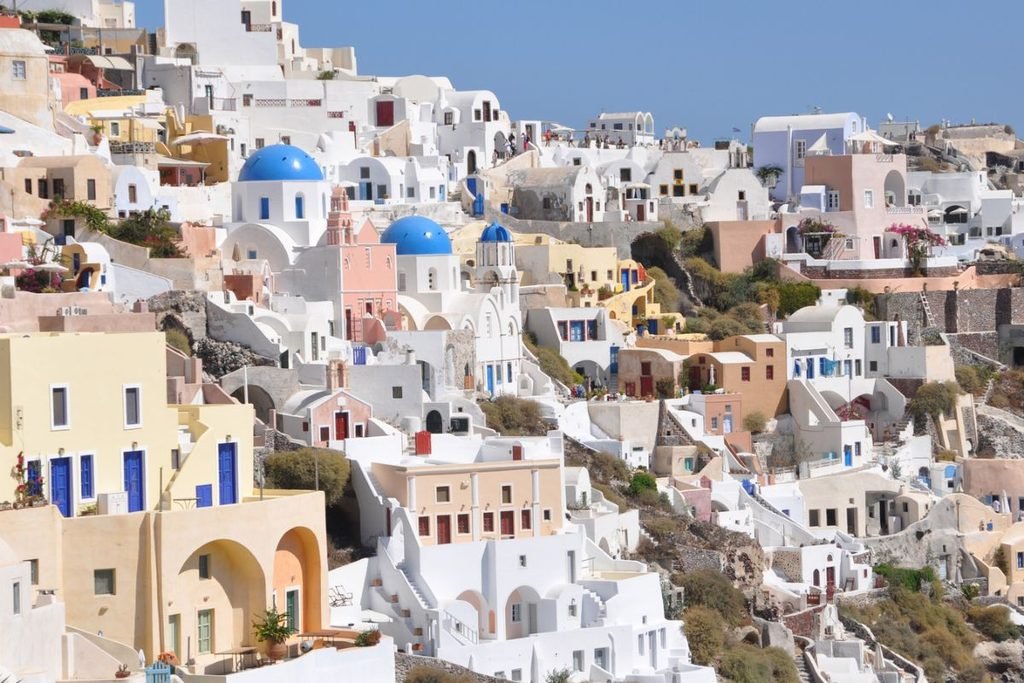
Greece has a Mediterranean climate in many coastal regions, but conditions differ between islands, lowland cities, and mountainous areas. Winter is not uniformly mild, and summer-like weather should not be expected throughout the off-season. The following is a practical guide to typical conditions rather than a forecast.
| Region | Spring and autumn | Winter considerations |
| Athens and Attica | Often suitable for walking and sightseeing | Rainy spells, cooler evenings, occasional cold weather |
| Crete | Southern areas can remain comparatively mild | Wind, rain, cooler mountain conditions |
| Rhodes and the Dodecanese | Often pleasant for cultural trips and coastal walks | Rain and wind; some tourist businesses close |
| Cyclades | Potentially pleasant in late spring and early autumn | Strong winds, reduced ferry frequency, seasonal closures |
| Northern Greece | Good for cities and countryside in milder periods | Colder weather, possible snow in higher areas |
| Peloponnese | Varied coastal and inland conditions | Mountain areas can be much colder than the coast |
What should you pack?
Your packing list should match your itinerary rather than the country’s summer reputation.
For spring and autumn, consider:
- Comfortable walking shoes with good grip.
- Light layers that can be added or removed.
- A waterproof jacket or compact raincoat.
- Sunglasses and sun protection.
- A small day bag for water and personal items.
For November through March, add warmer layers, a sweater or fleece, long trousers, and weather-appropriate footwear. A warmer coat may be necessary in northern Greece or the mountains. If you are visiting churches or monasteries, pack clothing that respects local dress expectations. Some sites require shoulders or knees to be covered. Check the forecast a few days before departure and again during the trip. Weather can influence ferry travel, hiking, road conditions, and outdoor sightseeing.
Is Greece Cheaper During the Off-Season?
Off-season Greece can be less expensive than a comparable summer trip, particularly for accommodation, but it is not automatically cheaper in every category. The final cost depends on your destination, travel dates, transport needs, and the businesses that remain open.
| Expense | Potential off-season advantage | What to watch for |
| Accommodation | Lower rates at some hotels and rentals | Limited choice in seasonal resorts |
| Flights | Some routes may have lower fares | Fewer direct international services |
| Ferries | Some routes may have lower demand | Reduced departures and fewer alternatives |
| Food | Local restaurants may offer better value than tourist-focused venues | Fewer dining options in small resorts |
| Attractions | Less time spent waiting at some sites | Winter hours may shorten visiting time |
| Activities | Less crowded walks and cultural visits | Boat tours and water sports may stop operating |
How to save money without compromising the trip
Choose a base with year-round services. In winter, a reasonably priced hotel in Athens or Heraklion may be more practical than a cheap room in a remote resort that requires expensive transport to reach open restaurants. Compare total transportation costs. A low-priced flight to an island may not be the best option if you need an extra connection, a taxi from the airport, or an additional night because of the timetable.
Travel for longer if your schedule allows. A longer stay in one city can reduce the need for repeated transfers and help you enjoy local neighborhoods at a more relaxed pace. Check heating and other amenities. In colder months, confirm that accommodation provides adequate heating, hot water, and any facilities you consider essential. A low nightly rate is less attractive if the room is uncomfortable.
Avoid paying for unavailable experiences. Confirm that boat tours, guided excursions, rental services, and seasonal restaurants will operate on your dates. For a realistic budget, calculate accommodation, meals, transfers, entrance fees, travel insurance, and a contingency for weather-related changes. Compare this total against a similar summer itinerary rather than assuming a fixed percentage saving.
How to Get Around Greece in the Off-Season
Transportation deserves more attention during the low season because the options available in summer may not operate as frequently.
Flights
Athens is an important hub for domestic air travel. Some islands have year-round air services, but frequencies and direct connections vary by destination and date. Check the actual timetable for your travel period before choosing your accommodation or planning an island-hopping route. A route operating daily in summer may have fewer departures in winter.
Ferries
Ferries connect mainland ports with many Greek islands throughout the year, but schedules are often reduced during the low season. Some smaller-island connections may operate infrequently or pause seasonally. Weather can also affect sailings, particularly during periods of strong winds.
A safer booking strategy is to:
- Check the exact ferry route for your travel dates.
- Confirm the departure port and arrival port.
- Review the operator’s cancellation and change policies.
- Check for alternative sailings where available.
- Leave a buffer before an important international flight.
Do not plan a tight ferry-to-flight connection in winter. A delay can be particularly disruptive when the next sailing is not until another day. You can start with the official information provided by Discover Greece and verify current departures with the relevant ferry operator.
Buses and trains
Mainland Greece has intercity bus services, while rail connects selected destinations. Availability depends on the route, and some rural locations require additional transfers. Island bus services may continue to serve residents during winter, but tourist-oriented routes can run less frequently. Confirm the last departure of the day before planning an excursion.
Rental cars
A rental car can be useful for exploring the Peloponnese, Crete, and rural mainland destinations. It offers flexibility when public transport is limited, but winter driving requires attention to weather and daylight.
Before renting, check:
- Whether the rental office operates on your arrival date and time.
- Insurance terms and excess charges.
- Any restrictions on taking the vehicle on ferries.
- Parking arrangements in historic town centers.
- Mountain-road conditions and winter equipment requirements where applicable.
If you are unfamiliar with driving on narrow roads, prefer a base with accessible public transport and arrange local excursions where needed.
Suggested Off-Season Greece Itineraries
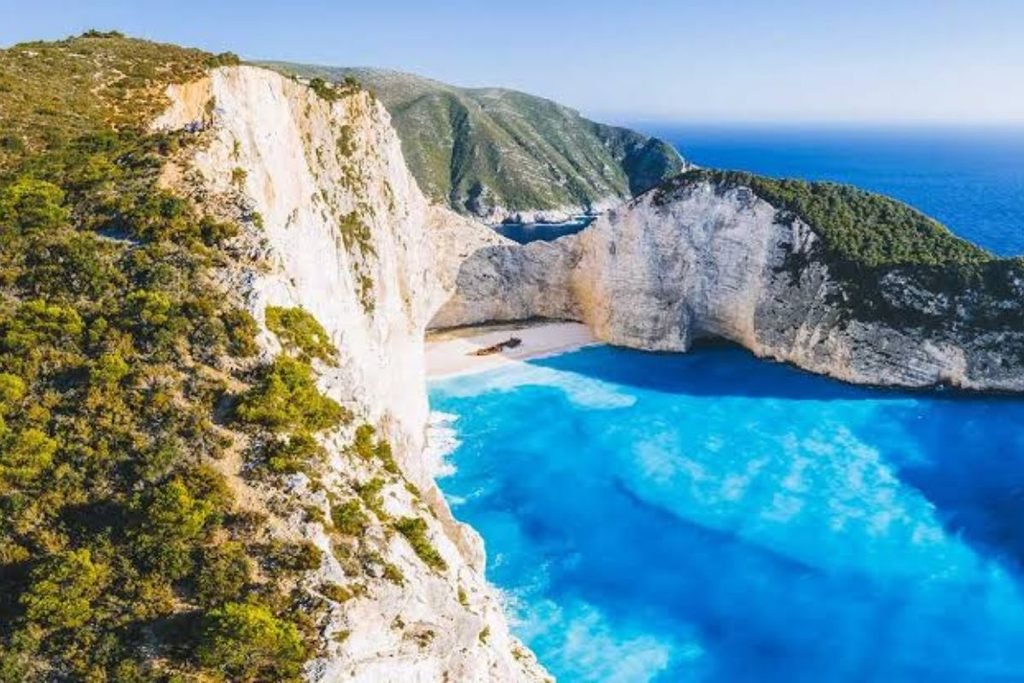
A practical itinerary should minimize unnecessary transfers and include activities that remain available if the weather changes.
Itinerary A: 4 days in Athens
Best for winter visitors and first-time travelers
Day 1: Ancient Athens
Visit the Acropolis and explore the surrounding historic neighborhoods. Check admission times in advance.
Day 2: Museums and local food
Spend time at the Acropolis Museum or another museum that matches your interests. Enjoy a leisurely meal in a neighborhood taverna.
Day 3: Markets and neighborhoods
Explore Monastiraki, Plaka, and other central districts, leaving time for cafés and independent shops.
Day 4: Optional excursion
Visit Cape Sounion or choose another accessible attraction. If the weather is poor, stay in Athens and explore more museums.
Itinerary B: 7 days in Crete
Best for a winter island trip or a longer autumn holiday
- Days 1–2: Explore Heraklion, its museums, and the Palace of Knossos, checking current opening arrangements.
- Days 3–4: Travel to Chania and explore its Venetian harbor, old town, and local food scene.
- Day 5: Take a countryside excursion or visit a nearby village if transport and weather conditions permit.
- Day 6: Explore another local cultural or archaeological attraction.
- Day 7: Keep the day flexible for a relaxed meal, an extra walk, or your return journey.
Crete is too large to cover completely in one week. For a winter trip, choose a manageable route and verify transport before booking separate hotels.
Itinerary C: 7 days in mainland Greece
Best for archaeology, scenery, and historic towns
- Days 1–2: Explore Athens and its major historical attractions.
- Day 3: Travel to Delphi and visit the archaeological site and museum.
- Day 4: Continue toward the Peloponnese, allowing enough time for the journey.
- Days 5–6: Explore Nafplio and selected nearby sites such as Mycenae or Epidaurus, depending on opening hours.
- Day 7: Return to Athens or continue your onward journey.
This itinerary works best with carefully planned transport. A rental car can provide flexibility, while public transport may require adjustments to the order of stops. For any itinerary, keep at least one indoor alternative available for rainy days. During winter, it is often more useful to explore fewer places properly than to rush through several destinations with uncertain connections.
How to Plan an Off-Season Greece Trip Step by Step
Use this checklist to build an itinerary around your actual priorities.
Trip planning checklist
- Choose your travel month based on weather, crowds, and activities.
- Select a destination with enough year-round services for your needs.
- Confirm that your accommodation is open on every night of your stay.
- Check flight, ferry, bus, and train schedules for the exact dates.
- Verify attraction opening hours and reserve tickets if required.
- Build a realistic budget that includes transfers and a weather contingency.
- Pack layers, rain protection, comfortable footwear, and essential medication.
- Save important bookings, offline maps, and emergency contact details.
- Copy checklist
A few additional planning considerations
Travel insurance: Review coverage for medical emergencies, trip interruption, cancellation, and travel delays. Check exclusions and conditions carefully, particularly if your plans include hiking, winter sports, or ferry connections affected by weather. A policy’s coverage depends on its specific terms.
Entry requirements: Passport validity, visa requirements, and permitted lengths of stay depend on your nationality and travel circumstances. Verify the rules that apply to you through the relevant official Greek or consular authority before departure.
Accessibility: Historic streets, archaeological sites, and rural accommodation may involve uneven paving, steep slopes, or stairs. Contact venues and hotels directly if step-free access or other accommodations are important.
Connectivity: If you depend on mobile data for navigation or bookings, confirm your roaming or local SIM arrangements and download essential maps before traveling into rural areas.
Is Off-Season Greece Right for You?
The off-season is not automatically better than summer. It is better for particular travel styles.
| Traveler type | Suitability | Why |
| History and culture enthusiasts | Excellent in many destinations | More time for museums, ruins, and city exploration |
| Budget-conscious travelers | Often good | Some accommodation and transport options may cost less |
| Couples seeking quiet trips | Often very good | Quieter towns and opportunities for slower travel |
| Hikers and photographers | Good in suitable conditions | Cooler days and varied seasonal landscapes |
| Families with school-age children | Depends on dates | School holidays, weather, and open attractions matter |
| Beach-club and nightlife travelers | Usually weaker in winter | Many seasonal businesses close |
| Swimmers seeking warm water | Better in early autumn than winter | Sea and air temperatures become cooler |
| Travelers who need predictable connections | Best with careful planning | Reduced services can limit flexibility |
If this is your first trip to Greece, May, early June, September, or early October can offer a useful balance between sightseeing, coastal experiences, and seasonal availability. If you have already visited the famous islands in summer, a winter trip centered on Athens, Thessaloniki, Crete, or the Peloponnese can reveal a different side of the country.
For travelers whose main goal is beach relaxation, it is worth comparing the season carefully with destinations featured in Beach Near’s guide to the best beaches in Europe. The right timing matters as much as the destination itself.
Common Mistakes to Avoid When Visiting Greece Off-Season
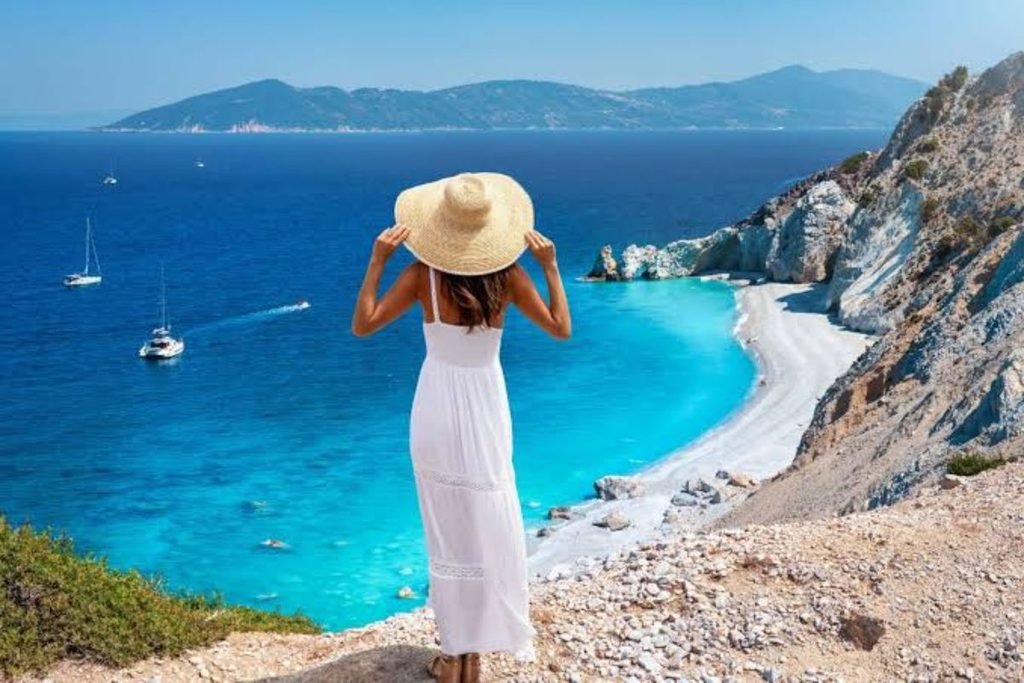
A little preparation can prevent the most common problems associated with low-season travel.
Assuming every island stays fully open
Greek islands are inhabited year-round, but their tourism services differ considerably. A working port and supermarket do not guarantee that beach resorts, organized tours, or waterfront restaurants will be operating. Better approach: Confirm your accommodation, restaurants, and main activities before booking nonrefundable transportation.
Trying to visit too many islands
Summer ferry schedules make island-hopping look simple. In winter, fewer departures and weather disruptions can make a multi-island itinerary difficult. Better approach: Choose one island as your base, or combine a mainland city with one island that has reliable connections for your dates.
Booking accommodation far from the main town
A remote summer resort can be peaceful and beautiful, but it may have limited transport, dining, and shopping options outside peak season. Better approach: In winter, prioritize walkable neighborhoods and access to year-round services. For rural accommodation, confirm how you will reach restaurants and attractions.
Planning the entire trip around swimming
The sea can remain inviting in early autumn, but winter swimming conditions vary and many beach facilities close. Better approach: Include coastal walks, historic towns, museums, and local food experiences. Treat swimming as a bonus unless your dates and destination are specifically suited to it.
Ignoring public holidays and seasonal opening hours
Archaeological sites, museums, restaurants, and transport services can follow different schedules on holidays. Shorter winter opening hours can also limit how many attractions you can visit in one day. Better approach: Check the official website of each major attraction and make a realistic daily plan.
Leaving no room for delays
A missed ferry or canceled excursion can disrupt an itinerary when alternative departures are limited. Better approach: Leave a buffer before an international flight, purchase suitable travel insurance, and understand the conditions under which your tickets can be changed or refunded.
Conclusion
Off Season Greece offers a rewarding alternative to the busy summer holiday, particularly for travelers who value history, food, architecture, nature, and a more relaxed pace. You can explore Athens without building every day around beach activities, discover Crete’s historic towns, enjoy the cultural life of Thessaloniki, or visit mainland destinations such as Delphi, Nafplio, and Meteora.
The key to planning an Off Season Greece trip is choosing the right time for your priorities. May and September are versatile options for combining sightseeing with coastal experiences, while October can suit quieter cultural trips. November through March is better approached as a city, history, food, or winter-landscape holiday rather than a traditional beach escape.
Before booking your Off Season Greece holiday, confirm accommodation availability, ferry and flight schedules, attraction opening hours, and the weather conditions expected for your destinations. Keep your itinerary flexible and leave time for unexpected discoveries.
The best Off Season Greece experience is not necessarily the cheapest or quietest one. It is the trip that matches what you want to experience with what your destination can realistically offer at that time of year. With thoughtful planning, Off Season Greece can provide a memorable journey filled with cultural discoveries, scenic landscapes, and authentic local experiences.
Frequently Asked Questions
Q01. What is the best month to visit Greece off-season?
Ans: September and May are excellent starting points for an Off Season Greece trip. September often retains a summery atmosphere, while May offers spring scenery and the reopening of many seasonal businesses. October can also be rewarding for sightseeing, although weather conditions and opening schedules vary by destination. For travelers planning an Off Season Greece holiday, these months offer a useful balance between comfortable weather and fewer crowds.
Q02. Is Greece worth visiting in winter?
Ans: Yes, an Off Season Greece vacation can be rewarding, especially if you enjoy history, food, architecture, museums, and quieter towns. Athens and Thessaloniki are particularly practical winter destinations. Larger islands such as Crete and Rhodes can also work well, but beach resorts and tourist services may operate on reduced schedules. Choosing the right destinations makes an Off Season Greece itinerary more comfortable and enjoyable.
Q03. Are the Greek islands open during winter?
Ans: Many Greek islands remain inhabited and accessible during an Off Season Greece trip, but their tourism facilities do not all stay open. Larger islands generally provide more year-round services, while smaller resort destinations can become very quiet. Before planning an Off Season Greece island holiday, check accommodation, transport, restaurants, and activities individually to confirm availability.
Q04. Can you swim in Greece during the off-season?
Ans: Swimming may be possible during an Off Season Greece holiday in September and sometimes October, depending on the location and weather. From November through winter, the sea is generally colder, and wind or rough conditions can make swimming uncomfortable or unsafe. Travelers considering an Off Season Greece beach visit should check local sea conditions and safety warnings before entering the water.
Q05. Is Greece cheaper in November or January?
Ans: An Off Season Greece trip in November or January may offer lower accommodation prices and cheaper travel services than peak summer. However, savings vary, and limited transport or closed businesses can increase other expenses. When budgeting for Off Season Greece, compare the complete trip cost, including transport, meals, activities, and accommodation, rather than relying only on hotel prices.
Q06. Which Greek island is best to visit in winter?
Ans: Crete is a strong choice for an Off Season Greece holiday because of its size, year-round population, historic towns, and range of cultural attractions. Rhodes can also suit winter travelers interested in history and coastal scenery. The best island for your Off Season Greece itinerary depends on flight connections, your preferred base, local transport, and which services operate on your travel dates.
Q07. Is Santorini worth visiting in the off-season?
Ans: Santorini can be worthwhile during an Off Season Greece trip if you want quieter streets, caldera views, photography, and a slower pace. However, many seasonal hotels, restaurants, and excursions may close. For a successful Off Season Greece visit to Santorini, choose accommodation with confirmed winter operations and avoid expecting the same beach-club atmosphere available during summer.
Q08. Do ferries operate in Greece during winter?
Ans: Yes, many ferry routes continue operating during an Off Season Greece holiday, but schedules are often reduced, and smaller-island connections may be limited. Strong winds and other adverse weather can cause delays or cancellations. If your Off Season Greece itinerary includes island hopping, verify each route and timetable in advance and leave a buffer before important onward travel.
Q09. What should I wear in Greece during the off-season?
Ans: Packing layers is essential for an Off Season Greece holiday. Bring comfortable walking shoes, a rain jacket, and warmer clothing for evenings. During winter, pack a proper coat and additional layers, especially if you are visiting northern Greece or mountain areas. For Off Season Greece travel, check the forecast for each destination because coastal and inland conditions can differ considerably.
Q10. Are tourist attractions open year-round?
Ans: Many major museums, historic sites, and city attractions remain open for much of the year during an Off Season Greece visit, but opening hours and closure days can change seasonally. Some smaller attractions may close temporarily. Before setting your Off Season Greece sightseeing schedule, check the official website of each attraction rather than relying on summer opening hours.
Q11. Is October a good time to visit Greece?
Ans: October is often an excellent month for an Off Season Greece vacation, particularly for travelers interested in sightseeing, local food, countryside exploration, and quieter coastal towns. Early October may still feel summery in some southern destinations, but conditions become less predictable as the month progresses. During an Off Season Greece trip in October, confirm which seasonal businesses and excursions remain available.
Q12. How many days do you need for an off-season trip to Greece?
Ans: Four days can work well for Athens, while a week allows time for a larger island or a mainland road trip. For an Off Season Greece winter visit, choosing fewer destinations and staying longer in each place usually makes more sense than trying to visit several islands on a tight schedule. A well-paced Off Season Greece itinerary also leaves room for weather changes, transport delays, and spontaneous cultural experiences.