 -by
-by Thailand is famous for its tropical beaches, vibrant cities, and beautiful islands, but its natural attractions extend far beyond the coastline. A visit to a national park reveals another side of the country, with ancient rainforests, limestone mountains, dramatic waterfalls, rare wildlife, freshwater lakes, and coral-rich marine environments.
Choosing the right national park in Thailand depends on the experience you want. Some parks are ideal for beginners who prefer accessible viewpoints and short walks. Others suit experienced hikers, wildlife enthusiasts, photographers, and travelers looking for quiet island escapes. However, weather, transportation, trail conditions, and seasonal closures can significantly affect your plans.
This guide explores some of Thailand’s most rewarding protected natural areas and explains how to choose a travel destination, plan your journey, prepare for local conditions, and travel responsibly. You will also learn when to visit, what to pack, how park fees work, and which safety rules matter most.
Whether you are planning a first trip to Southeast Asia or a longer nature-focused holiday, understanding these practical details will help you enjoy Thailand’s landscapes while respecting the ecosystems that make them special.
What Is a National Park in Thailand?
A national park is a protected area managed to conserve natural environments, wildlife, landscapes, and ecological resources while allowing certain forms of regulated recreation and tourism. In Thailand, national parks include terrestrial forests, mountain ranges, waterfalls, caves, islands, coral reefs, and coastal habitats. The Department of National Parks, Wildlife and Plant Conservation (DNP) oversees the national park system. The country’s protected areas offer opportunities for hiking, birdwatching, camping, snorkeling, kayaking, and learning about local ecosystems.
The important travel distinction is that a national park is not simply a sightseeing destination. Conservation comes first, so some trails, waterfalls, beaches, and marine areas may close temporarily to protect visitors and allow habitats to recover. The Tourism Authority of Thailand reported 156 national parks in January 2026. Individual attractions may have different opening schedules, facilities, and access requirements.
Best National Parks in Thailand to Visit
Thailand has protected landscapes across the north, northeast, central plains, and southern peninsula. Each region offers a different combination of climate, scenery, wildlife, and outdoor activities. The following destinations are worth considering, but check current access conditions before finalizing your itinerary.
In particular, Khao Yai was reported closed indefinitely following flood damage to a bridge near Haew Narok Waterfall on September 27, 2026. Do not assume that the park or its attractions have reopened; confirm the latest notice with park authorities before traveling.
01. Khao Yai National Park: Forests, Waterfalls, and Wildlife
Khao Yai National Park is one of Thailand’s best-known protected areas. Located northeast of Bangkok, it stretches across parts of Nakhon Ratchasima, Prachinburi, Nakhon Nayok, and Saraburi provinces. Its landscape includes evergreen forest, grassland, streams, and waterfalls. The park is known for its rich wildlife, including elephants, deer, gibbons, and numerous bird species. Wildlife sightings are never guaranteed, however, and animals should always be observed from a safe distance.
What makes it special:
- Forest drives and designated nature trails.
- Waterfalls and scenic viewpoints when accessible.
- Opportunities for birdwatching and guided wildlife observation.
- A relatively convenient location for travelers exploring central Thailand.
Who should consider it? Nature lovers, photographers, birdwatchers, and travelers who want a forest experience without organizing a remote expedition. Important current access note: Khao Yai’s reported closure after the September 2026 flood damage means you should treat this as a future-trip option until authorities confirm reopening. Never attempt to bypass a closure or approach damaged bridges.
02. Khao Sok National Park: Rainforest and Limestone Mountains
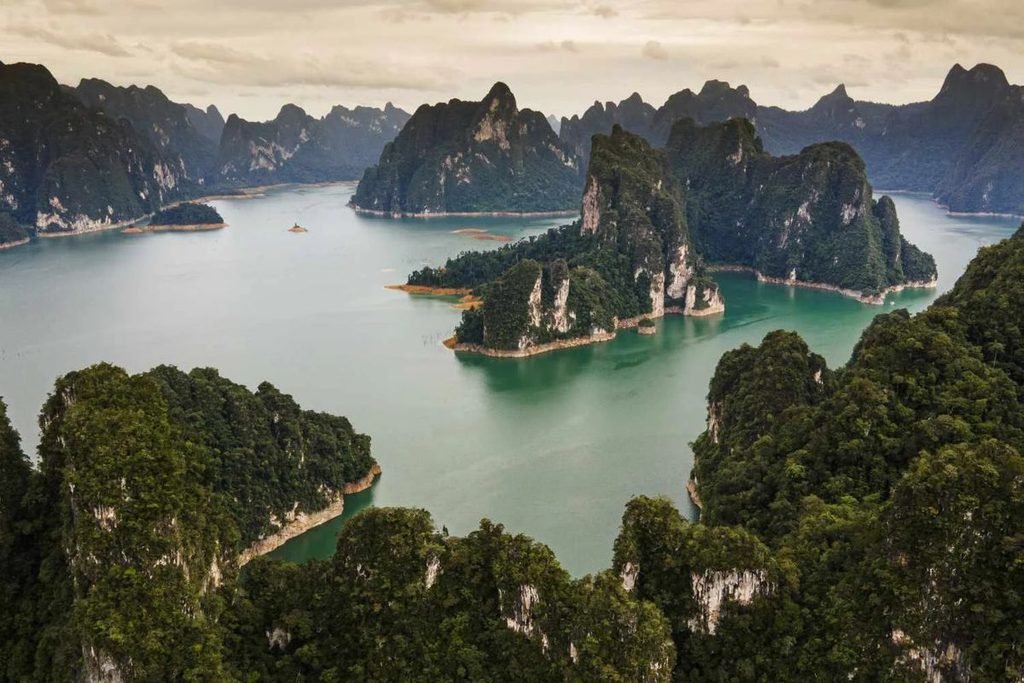
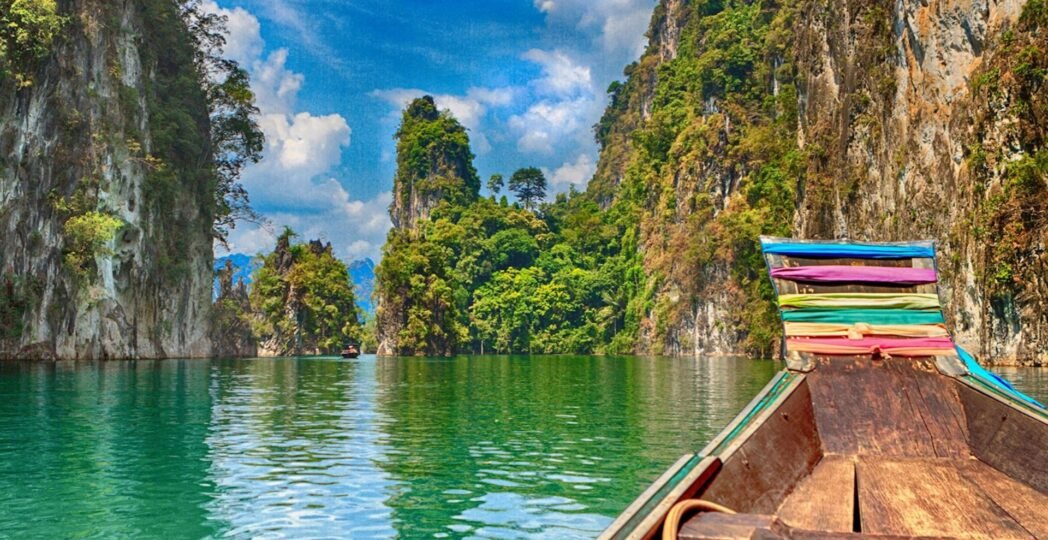
Khao Sok National Park in southern Thailand is famous for dense tropical rainforest, limestone cliffs, waterways, and the striking scenery of Cheow Lan Lake. It is a strong choice for travelers who want to combine forest exploration with time on the water. The park offers a different experience from Thailand’s beach destinations. Instead of spending every day beside the sea, visitors can explore forest environments, take permitted boat trips, join guided walks, and stay in accommodation near or on the lake.
Things to do:
- Take an authorized boat trip across Cheow Lan Lake.
- Enjoy the scenery of limestone formations rising from the water.
- Explore designated forest trails with appropriate guidance.
- Look for birds, insects, and other wildlife without disturbing them.
- Consider a floating raft-house stay if transport, weather, and availability permit.
Khao Sok is particularly appealing to couples, photographers, and travelers who want a multi-day nature experience. However, do not assume that every lake activity begins at the main park headquarters. The lake and forest areas have different access points and transport arrangements, so plan the logistics before booking accommodation. Rain can also make trails slippery and river conditions dangerous. Check local guidance before entering the forest or joining a boat excursion.
03. Doi Inthanon National Park: Thailand’s Highest Mountain
Located in Chiang Mai province, Doi Inthanon National Park protects a mountain landscape with cool highland forests, waterfalls, viewpoints, and distinctive plant life. Doi Inthanon is widely known as Thailand’s highest mountain. Its elevation creates noticeably cooler conditions than many lowland and coastal destinations, especially in the early morning and during the cooler months.
Visitors can combine several experiences in one trip:
- Visit designated summit areas and viewpoints.
- Explore permitted nature trails.
- Photograph waterfalls where access is open.
- Observe highland vegetation and birdlife.
- Learn about the region’s mountain environments and local communities.
Doi Inthanon works well for travelers staying in Chiang Mai who want a day trip into the mountains. A longer visit can provide more time for walking and exploring nearby areas. Practical tip: Bring a light jacket even if Chiang Mai is warm. Conditions at higher elevations can feel substantially colder, and mist may reduce visibility. If you plan to hike, check whether your chosen trail requires a local guide or advance arrangements.
04. Erawan National Park: Waterfalls and Turquoise Pools
Erawan National Park in Kanchanaburi province is known for Erawan Waterfall, a series of cascades surrounded by forest. The water’s color can appear turquoise or greenish-blue under suitable light and water conditions. The waterfall is a popular destination for travelers who enjoy swimming where permitted, nature photography, and forest walks.
What to expect:
- A waterfall route with several levels.
- Uneven paths, steps, and potentially slippery rocks.
- Natural pools, subject to current access and swimming restrictions.
- Opportunities to enjoy forest scenery without undertaking a remote expedition.
Although Erawan is popular with beginners, it is not completely effortless. Walking between waterfall levels can be tiring in hot weather, and wet surfaces increase the risk of falls. Wear footwear with a good grip, carry drinking water, and obey signs that restrict swimming or access to particular areas. Never jump into a pool unless local authorities explicitly permit the activity and confirm the conditions are safe. To avoid rushing, arrive early enough to enjoy the permitted trails while allowing time to return before closing.
05. Mu Ko Ang Thong National Marine Park: Islands and Emerald Water
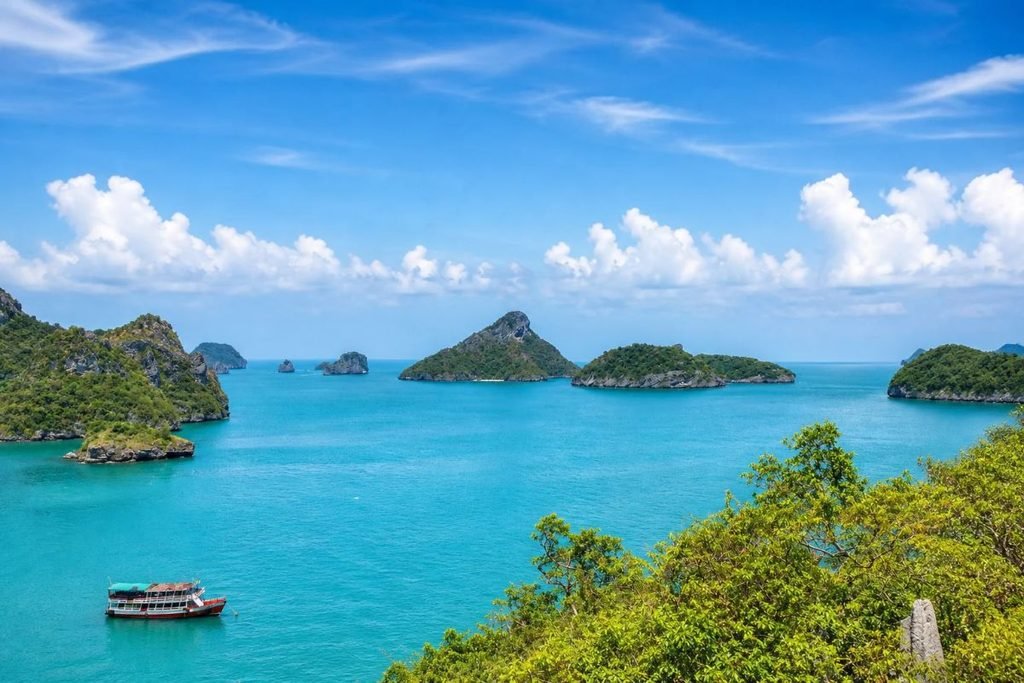
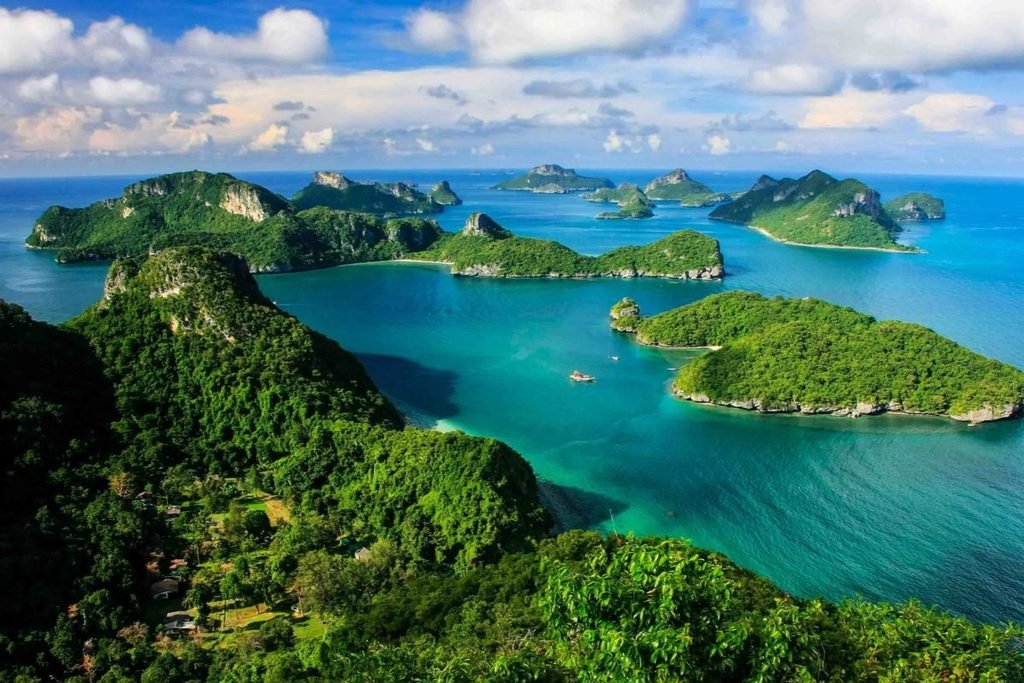
Mu Ko Ang Thong National Marine Park, in the Gulf of Thailand, is a protected archipelago known for limestone islands, sheltered coves, clear-water scenery, and a dramatic marine landscape. It appeals to travelers who want to experience Thailand’s islands beyond a conventional beach holiday.
Popular activities, when authorized and available, include:
- Boat trips around the island group.
- Kayaking in permitted areas.
- Hiking to designated viewpoints.
- Swimming and snorkeling at approved locations.
- Photography of limestone formations and coastal scenery.
Most visitors arrange an excursion through an established operator serving the Gulf islands. Boat transfers, departure points, permitted activities, and return times depend on the tour and current park rules. Sea conditions can change, and rough water may cause trips to be delayed or canceled. Choose an operator that follows park regulations, provides appropriate safety equipment, and does not pressure passengers to continue when conditions are unsafe. This park is best for travelers who enjoy marine scenery and are comfortable with organized boat travel.
06. Khao Sam Roi Yot National Park: Wetlands, Limestone Hills, and Coastline
Khao Sam Roi Yot National Park lies in Prachuap Khiri Khan province, south of Hua Hin. Its landscape combines limestone hills, coastal environments, wetlands, beaches, and caves. The park offers a useful alternative for travelers who want both nature and coastal scenery. It is not just a beach destination: the variety of habitats makes it interesting for birdwatching, photography, and exploring geological features.
A well-known attraction is Phraya Nakhon Cave, which contains a pavilion beneath an opening in the cave roof. Reaching it typically involves a walk and, depending on the route, a climb. The terrain may be challenging in heat or rain. Other areas provide opportunities to observe wetland birds and enjoy views of limestone formations rising above the surrounding landscape.
Best for: Travelers who want a mix of coastal scenery, wildlife habitats, photography, and moderate outdoor activity.
Before visiting, check which entrances and trails are open, and allow sufficient time for the return journey. If you prefer a gentle outing, choose a shorter accessible attraction rather than trying to cover the entire park in one day.
07. Kui Buri National Park: A Chance to Observe Wild Elephants
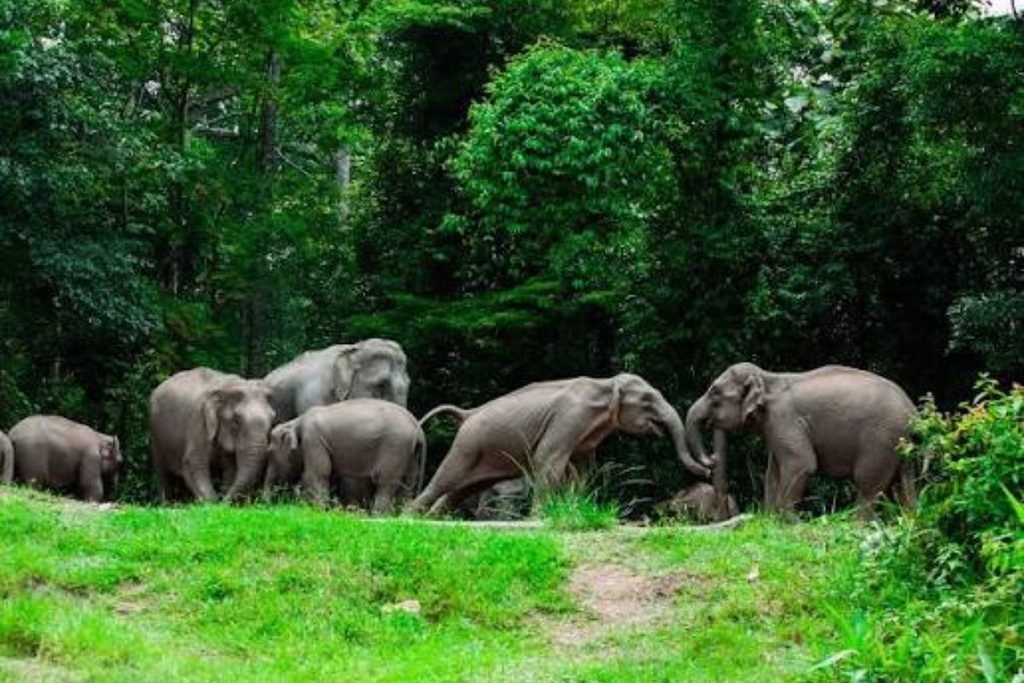
Kui Buri National Park, also in Prachuap Khiri Khan province, is a destination for travelers particularly interested in wildlife conservation and elephant observation. Rather than offering a conventional zoo experience, the park provides opportunities to look for wild elephants and other animals in their natural habitat through authorized viewing arrangements. Wildlife observation requires patience. Animals may remain out of sight, move into dense vegetation, or appear only briefly. A responsible trip accepts these uncertainties rather than treating a sighting as a guaranteed result.
When planning a visit:
- Confirm the park’s current wildlife-viewing arrangements.
- Use authorized guides and vehicles where required.
- Stay inside the designated viewing area.
- Keep noise low and never approach, feed, or call animals.
- Follow instructions if wildlife moves near the vehicle.
Kui Buri is especially appropriate for visitors who value conservation and understand that responsible wildlife tourism puts animal welfare ahead of photographs.
08. Khao Luang National Park: Waterfalls and Southern Mountain Forests
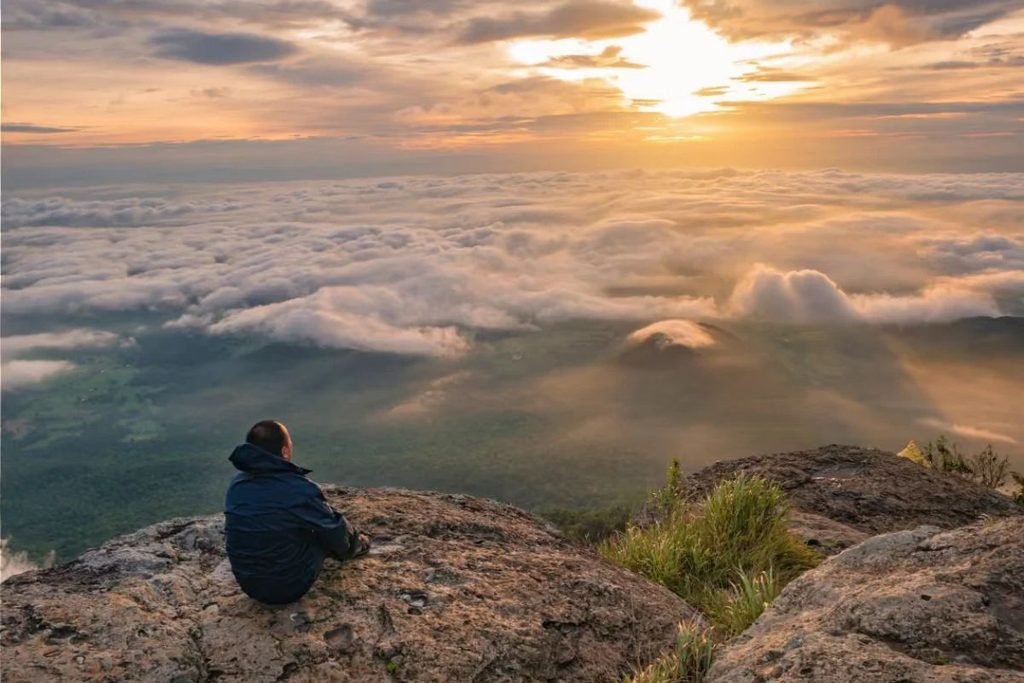
Khao Luang National Park in southern Thailand protects mountainous rainforest, streams, waterfalls, and diverse plant communities. It is a worthwhile option for travelers interested in a less beach-focused side of the southern peninsula. The park’s terrain and rainfall make preparation important. Trails may be steep, muddy, or difficult after heavy rain. Some routes require more time, fitness, and local knowledge than visitors expect.
Consider Khao Luang if you enjoy:
- Forest hiking and mountain scenery.
- Waterfalls and streams.
- Nature photography.
- Exploring the less familiar landscapes of southern Thailand.
Before booking a trek, ask about the route’s distance, elevation gain, expected duration, current conditions, and guide requirements. A trail described as short may still be demanding if it involves steep climbs and wet ground. For inexperienced hikers, a shorter established route is usually a better starting point than a strenuous mountain trek.
09. Khao Sam Roi Yot and Other Coastal Parks for Beach Lovers
Beach lovers do not need to choose between coastal scenery and conservation. Thailand’s coastal and marine protected areas include beaches, mangroves, seagrass habitats, islands, coral reefs, and important breeding or feeding areas for marine life. Khao Sam Roi Yot is a practical starting point for combining inland wetlands with a coastal landscape. For island scenery, Mu Ko Ang Thong offers a different setting in the Gulf. Other marine parks may be suitable depending on your route, but they should not be treated as interchangeable. Some are best for snorkeling, some for boat-based sightseeing, and others for quiet coastal environments.
When comparing coastal parks, ask these questions:
- Is the beach open to visitors during your travel dates?
- Are swimming and snorkeling permitted at the selected location?
- Are boat transfers available in the current season?
- Are there restrictions on sunscreen, single-use plastics, or marine activities?
- Does the trip require a long transfer from your hotel?
A protected beach may have fewer facilities than a developed resort area. That is not necessarily a disadvantage, but you should plan Thai food, water, shade, and transportation accordingly.
10. Tarutao National Park: Remote Islands and Marine Landscapes
Tarutao National Park, in Satun province near the Andaman Sea, includes numerous islands and surrounding marine environments. It is suited to travelers who want a combination of island scenery, beaches, forest, and a more nature-oriented holiday. The park’s island groups have different access arrangements. Travelers generally use boat services from Pak Bara Pier for relevant park destinations, but schedules depend on the season and local operating conditions.
A visit may include beaches, forest exploration, boat transfers, and opportunities to enjoy the marine landscape. Facilities and accommodation options vary by island, so do not assume that every location has shops, restaurants, or regular transport. Tarutao is especially attractive for travelers willing to plan and adapt to seasonal operations. The park’s official tourism information identifies November through the following spring as the main visitor season for important island areas, with some locations closed during the monsoon months. Exact opening dates should be checked before booking.
Thailand National Park Comparison: Which One Should You Choose?
If you have limited time, compare the parks by the experience they offer rather than trying to visit as many as possible.
| National park | Best known for | Suitable trip style | Main consideration |
| Khao Yai | Forests, wildlife, waterfalls | Day trip or short break | Check current closure status |
| Khao Sok | Rainforest, limestone scenery, lake | Multi-day nature escape | Plan transfers and accommodation |
| Doi Inthanon | Mountain scenery and cool highlands | Day trip or hiking break | Cooler weather and trail conditions |
| Erawan | Cascading waterfalls and pools | Day trip | Slippery paths and swimming rules |
| Mu Ko Ang Thong | Islands and marine scenery | Boat excursion | Weather and sea conditions |
| Khao Sam Roi Yot | Wetlands, caves, coast | Day trip or coastal break | Walking conditions and heat |
| Kui Buri | Wild elephant observation | Guided wildlife trip | Sightings are not guaranteed |
| Khao Luang | Mountain rainforest and waterfalls | Hiking-focused visit | Rain, terrain, and fitness |
| Tarutao | Islands and marine landscapes | Island holiday | Seasonal access and boat schedules |
The best option depends on your travel priorities.
- For first-time visitors: Erawan or a straightforward Doi Inthanon excursion may be easier to organize than a remote island trip, depending on current access.
- For rainforest lovers: Khao Sok offers a compelling combination of forest and lake scenery.
- For wildlife enthusiasts: Consider Kui Buri or Khao Yai when the relevant areas are officially open.
- For coastal travelers: Compare Mu Ko Ang Thong, Tarutao, and Khao Sam Roi Yot.
- For experienced hikers: Research Khao Luang and selected mountain trails before committing to a demanding route.
One useful rule is to choose a park that fits your available time, fitness, and transportation. A carefully planned two-day visit often offers more enjoyment than trying to fit several distant destinations into a rushed itinerary.
When Is the Best Time to Visit a National Park in Thailand?
Thailand has tropical weather, but conditions vary by region and elevation. Rainfall, sea conditions, and local park management decisions can affect access to trails, waterfalls, viewpoints, and islands. There is no single best month for every destination.
November to February: A Popular Period for Outdoor Travel
For many destinations, the cooler months can offer comfortable conditions for hiking, sightseeing, and wildlife observation. Northern mountain areas may feel cool in the early morning, while southern coastal conditions depend on which side of the peninsula you visit. This period can also be busy at well-known attractions. Book suitable accommodation ahead of time during popular holiday periods, and verify current transport schedules. For marine parks, favorable conditions still depend on local weather and operating rules.
March to May: Hot Weather and Changing Conditions
Late winter and spring transition into hotter conditions across much of Thailand. Forest walks and exposed viewpoints can become tiring during the middle of the day.
To make a trip more comfortable:
- Start outdoor activities early.
- Carry enough drinking water.
- Wear sun protection and lightweight clothing.
- Choose shorter trails if the heat is intense.
- Check for local fire, smoke, or weather advisories where relevant.
Mountain destinations may remain cooler than lowland areas, but that does not eliminate the need for preparation.
June to October: Rainy Season and Green Landscapes
The rainy season can bring lush vegetation, flowing waterfalls, and fewer visitors at some destinations. However, heavy rain also increases the risk of flash floods, landslides, slippery trails, and unsafe river crossings. Marine parks may close completely or restrict access to selected islands, beaches, and trails. These closures are often designed to protect both visitors and ecosystems.
For example, Thailand’s authorities reported multiple park closures and flood-related access restrictions in late September 2026. Conditions can change rapidly, so an old travel article or previously published timetable is not enough to confirm that an attraction is open.
Seasonal Planning at a Glance
| Travel period | Potential advantages | What to watch for |
| November–February | Comfortable conditions in many regions | Crowds and bookings |
| March–May | Opportunities for early-morning excursions | Heat and dehydration |
| June–October | Lush forest scenery and flowing waterfalls | Heavy rain, flooding, and closures |
These are broad seasonal patterns, not guarantees. Check the specific park and region before setting your dates.
How to Plan a Thailand National Park Trip
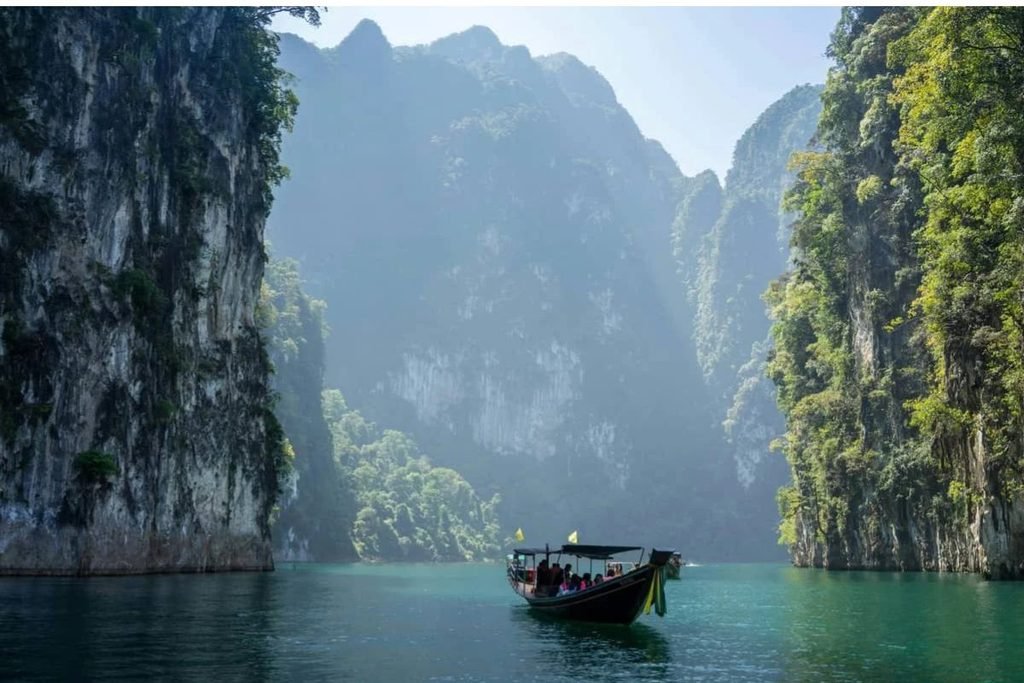
Good planning helps you avoid unnecessary transfers, unexpected costs, and activities that are unavailable when you arrive.
Step 01: Choose Your Main Experience
Start with one priority: rainforest, mountain hiking, waterfalls, wildlife, islands, or coastal scenery. For example, a traveler interested in limestone mountains and boat trips may prefer Khao Sok. Someone who wants a waterfall walk could investigate Erawan, while a traveler interested in wild elephants might research Kui Buri’s authorized viewing arrangements. Avoid choosing a destination based solely on a photograph. Consider how long it takes to reach the park and whether the activities you want are actually available.
Step 02: Check Official Opening Information
Before paying for accommodation or a tour, verify:
- Whether the park itself is open.
- Whether your preferred trail or attraction is accessible.
- Whether swimming, camping, or boating is permitted.
- Whether a guide or reservation is required.
- Whether rain has affected roads, bridges, or visitor facilities.
Start with the Department of National Parks’ official portal and the Tourism Authority of Thailand. For current closures, check the specific park’s announcements or contact its office. This is particularly important during the rainy season and after storms.
Step 03: Work Out Transportation
Some parks are accessible from major cities, while others require several transfers.
A typical trip may involve:
- Traveling by train, bus, or plane to a regional hub.
- Taking a local bus, taxi, minivan, or private transfer to the park area.
- Using park transport, a permitted boat, or an authorized guide for specific attractions.
Do not assume that public transport will take you directly to a trailhead. Services may stop running before the park closes, and remote accommodations may have limited transfer options. If you rent a vehicle, confirm road conditions, insurance coverage, parking arrangements, and any park-specific restrictions. Avoid driving unfamiliar mountain roads after dark or during heavy rain.
Step 04: Plan a Realistic Itinerary
Give yourself enough time to enjoy the landscape without rushing between activities. For a day trip, select one or two main attractions. For a rainforest or island destination, consider staying nearby for one or more nights if your budget and schedule permit.
A practical itinerary should include:
- Travel time in both directions.
- Time for entry procedures and local transport.
- Breaks for food and water.
- A reasonable turnaround time for hiking.
- A backup plan if weather closes an attraction.
If an area is officially closed, do not build your itinerary around reaching it by an alternative unauthorized route.
Step 05: Estimate Your Budget
Your total cost depends on the park, nationality-based admission rules where applicable, transport, accommodation, guided activities, and meals.
A simple budget checklist includes:
- Park admission for each traveler.
- Vehicle or boat charges.
- Transport to and from the park.
- Accommodation or camping fees.
- Guide or activity fees.
- Food and drinking water.
- Suitable footwear or equipment rental.
- A reserve for unexpected changes.
Keep your budget flexible. A low admission price does not necessarily mean a low-cost trip if you need a private transfer, overnight accommodation, or a specialized boat excursion.
National Park Entrance Fees and Reservations
Park fees in Thailand are not identical nationwide. They can vary by destination, visitor category, entrance, activity, and accommodation arrangement. Some parks charge separate fees for visitors and vehicles. Certain destinations also require bookings or use electronic ticketing for specific activities or entry points. For that reason, avoid relying on a single admission price found in an old travel post.
Before departure, confirm:
- The current fee for your visitor category.
- Whether vehicle or boat fees apply.
- Whether your ticket covers all the areas you plan to visit.
- Whether camping or accommodation costs are separate.
- Whether online booking is available or required.
- Whether tickets can be refunded if severe weather cancels access.
Khao Sok, for example, has different published admission arrangements for its forest and reservoir areas. Travelers should check the official information for the exact area they intend to visit. For Khao Yai, the park’s official visitor information describes admission at designated entrances and separate vehicle charges. However, its current closure status must take priority over previously published operating details.
What to Pack for a Thailand National Park Adventure
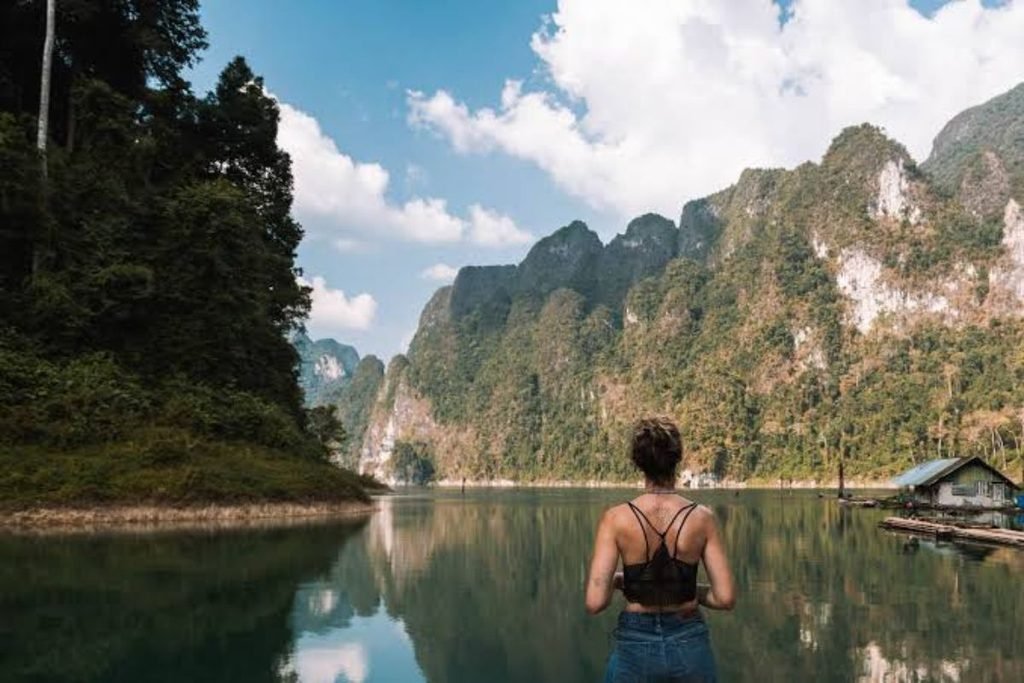
Your packing list should match the climate, terrain, and activities rather than the destination’s name alone.
Essential Items
- Comfortable walking shoes with suitable grip.
- Lightweight, breathable clothing.
- A rain jacket or compact rain protection.
- Refillable drinking-water bottles.
- Sun protection, including a hat and sunscreen.
- Insect repellent appropriate for your circumstances.
- Personal medication and a basic first-aid kit.
- A small flashlight or headlamp for early starts and emergencies.
- A waterproof bag or dry pouch for electronics.
- A bag for carrying your own rubbish.
For longer treks, you may also need spare clothing, additional food, navigation equipment, and overnight gear. Follow the park’s requirements and the advice of your guide.
What to Wear
Long, lightweight trousers and sleeves can help protect against insects, scratches, and sun exposure. For mountain trips, pack a warm layer. For wet trails, choose footwear that provides traction and dries reasonably quickly. Flip-flops may be suitable around accommodation or a beach, but they are generally a poor choice for steep, muddy, or rocky hiking trails.
Food and Drinking Water
Carry enough drinking water for the planned activity, taking account of heat, duration, and exertion. Do not assume that every trail has safe drinking-water facilities. Bring suitable snacks when needed, but follow local rules on food storage and rubbish disposal. Never leave food out to attract wildlife or discard scraps along a trail.
Safety Tips for Exploring Thailand’s National Parks
Natural areas can be unpredictable. Even an easy-looking trail can become dangerous during a storm, and wildlife may behave differently from animals in a controlled environment. The safest approach is to follow local instructions and choose activities that match your experience.
01. Respect Trail Closures and Weather Warnings
Do not enter a closed trail, cross a flooded stream, or attempt to pass a damaged bridge. Water levels can rise quickly after heavy rainfall, even when the sky above you appears clear. If park staff restrict access, change your plan rather than searching for another way in.
02. Prepare for Heat and Dehydration
Drink water regularly, take breaks in appropriate places, and avoid pushing yourself during the hottest part of the day. Signs of heat-related illness can include dizziness, headache, nausea, weakness, and unusual confusion. Stop the activity and seek help if symptoms develop. Severe symptoms require urgent medical attention.
03. Keep a Safe Distance From Wildlife
Wild elephants, monkeys, snakes, and other animals should never be treated as photo props.
- Never feed wildlife.
- Do not approach an animal for a closer photograph.
- Keep food securely stored.
- Stay in your vehicle or designated viewing area where required.
- Follow your guide’s instructions immediately if an animal approaches.
Do not assume that an animal is harmless because it appears calm.
04. Take Care Around Waterfalls and Rivers
Wet rocks are slippery, currents may be stronger than they appear, and pools can contain submerged hazards. Swim only where it is permitted, obey warning signs, and avoid entering water during or after heavy rain when conditions may be unsafe.
05. Prepare for Insects and Leeches
Insects are part of tropical forest environments, particularly after rain. Use appropriate repellent, cover exposed skin when practical, and check your clothing after walking through vegetation. If you are concerned about insect-borne illness, consult a qualified travel-health professional before departure for destination-specific advice.
06. Stay Connected Without Relying on Your Phone
Mobile coverage may be limited in remote forests, mountains, and islands. Download useful maps where possible, tell someone about your plans, and check whether your route requires a guide. Carry a charged phone and a power bank, but remember that these do not replace proper navigation or emergency preparation. The Thai government’s published trekking advice also recommends suitable clothing and footwear, enough food, knowledge of trail conditions, and staying on designated routes.
Responsible Tourism: How to Protect Thailand’s Natural Environment
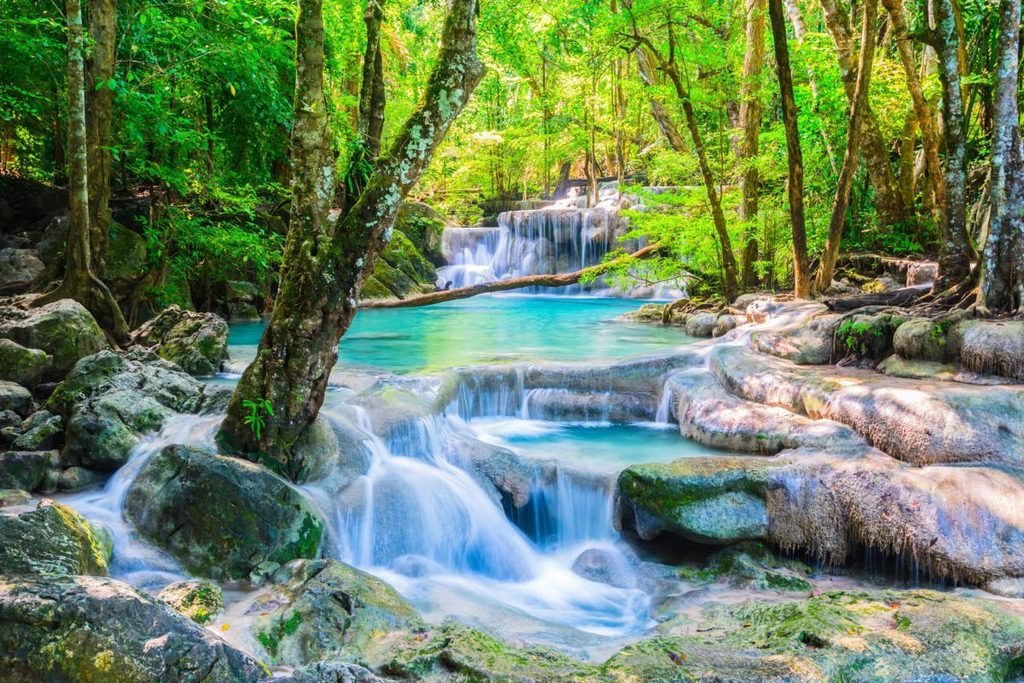
A visit to a national park can support conservation awareness, but tourism also creates pressure on wildlife, trails, waterways, and waste-management systems. Responsible behavior helps reduce that impact.
Follow Park Regulations
Thailand’s national park visitor rules include restrictions on feeding wildlife, collecting plants, straying from designated routes, making fires, and making excessive noise. Alcohol, pets, weapons, and certain types of waste are also restricted under the published guidance. Always check the regulations that apply to your destination.
Reduce Plastic Waste
Bring a refillable bottle and a reusable bag when permitted. Take your rubbish with you if suitable disposal facilities are unavailable. Avoid leaving food wrappers, cigarette ends, disposable containers, or other waste at viewpoints and beaches. Even small items can harm wildlife or pollute waterways.
Choose Responsible Tour Operators
For boat trips, snorkeling, wildlife viewing, and guided treks, look for operators that:
- Follow park permits and access restrictions.
- Explain safety procedures clearly.
- Avoid feeding or chasing wild animals.
- Provide appropriate safety equipment.
- Respect coral reefs and other sensitive habitats.
- Do not promise guaranteed wildlife sightings.
Be cautious of activities that allow visitors to touch, ride, or provoke wild animals. A close encounter is not automatically an ethical one.
Support Local Communities
Where practical, use locally owned accommodation, restaurants, guides, and transport providers. Ask about environmental practices and respect community customs. Local spending can help communities benefit from tourism, although the actual effect depends on who operates the business and how revenue is distributed.
Leave Natural Features Undisturbed
Do not remove shells, plants, rocks, coral, or other natural material unless park authorities explicitly permit the activity. Avoid writing on rocks, carving trees, or disturbing nesting areas. The aim is simple: leave the place in a condition that allows other visitors and wildlife to enjoy it without unnecessary damage.
Where to Stay Near a Thailand National Park
Accommodation can shape your entire experience, especially if you want to start a hike early or visit a waterfall before the busiest period.
Hotels and Guesthouses Near Park Entrances
These are practical for travelers who want private rooms, regular facilities, and easier access to restaurants or transport. Check the actual distance to your intended entrance. A hotel described as being near a park may still require a lengthy drive to the attraction you want to visit.
Park Bungalows and Official Accommodation
Some parks offer designated accommodation or camping facilities, subject to availability and local rules. These options can be useful for early starts, but they may have fewer conveniences than a town hotel. Confirm bedding, electricity, food services, booking arrangements, and cancellation conditions before committing.
Campsites
Camping can provide a closer connection to the landscape, but it requires appropriate equipment and a willingness to adapt to weather and insects. Use designated camping areas only. Check whether tents can be rented, whether reservations are necessary, and whether overnight stays have been suspended because of severe weather.
Floating Accommodation
In areas such as Cheow Lan Lake in Khao Sok, floating accommodation offers a distinctive setting surrounded by limestone scenery. However, transfers, meal arrangements, electricity, and access to activities may differ from those at conventional hotels. Ask what the package includes and how you will reach the property. Booking advice: Choose accommodation only after confirming that your intended park area is open. During the rainy season, a flexible reservation can be especially valuable.
How to Combine National Parks With Thailand’s Beaches and Cities
A nature-focused holiday does not need to exclude Thailand’s beaches, food, or cultural attractions. The key is to group destinations geographically instead of crossing the country repeatedly.
Southern Thailand: Forests, Lakes, and Islands
A southern itinerary can combine Khao Sok with selected coastal or island destinations, depending on your arrival point and available transport. For example, you might spend several nights exploring rainforest and lake scenery before moving to the coast for a few relaxing days. The journey should allow enough time for transfers and changing weather. If you want more coastal inspiration, explore beachNear’s guides to the best beaches in Thailand and beach destinations in Thailand.
Northern Thailand: Mountains and Local Culture
Travelers visiting Chiang Mai can consider Doi Inthanon alongside the region’s temples, markets, and local food experiences. A balanced itinerary might include a mountain excursion, time in the city, and a relaxed day for exploring nearby communities. Do not schedule every hour: road journeys and weather can make mountain trips longer than expected.
Central Thailand: Waterfalls and Inland Landscapes
When attractions are open, parks in central Thailand can complement a Bangkok itinerary with forest walks, waterfalls, and countryside scenery. However, the current reported closure at Khao Yai means travelers should choose an alternative only after checking the relevant authorities’ latest announcements.
Add Local Food to Your Trip
Regional food is an important part of travel. Try local dishes at reputable restaurants and markets, and choose food that is freshly prepared and stored appropriately. For ideas beyond the park, explore Thai street food and regional dishes, then plan meals around your transport schedule. Remote trailheads and island accommodation may offer fewer dining choices than nearby towns. For additional coastal trip planning, beachNear also covers coastal restaurants in the USA and beach destinations around the world, which can help readers researching future beach-focused holidays.
Common Mistakes to Avoid When Visiting a National Park
Even experienced travelers can overlook details that affect safety, comfort, and access.
Mistake 1: Assuming every attraction is open year-round. Seasonal closures, flooding, and conservation measures can affect individual trails or entire park areas. Check the latest official notices shortly before departure.
Mistake 2: Underestimating travel time. A park may be several hours from your hotel, and the main entrance may be far from the waterfall or viewpoint shown in a photograph. Check distances between the actual places you plan to visit.
Mistake 3: Wearing unsuitable footwear. Smooth sandals and ordinary fashion shoes can make wet forest paths more difficult. Choose footwear based on the route and weather.
Mistake 4: Expecting guaranteed wildlife encounters. Wild animals move freely. Choose a destination for its habitat and conservation value, not just the promise of a photograph.
Mistake 5: Trying to fit too much into one day. Long transfers, hot weather, and unexpected rain can make an ambitious itinerary stressful. Prioritize one main activity and leave room for delays.
Mistake 6: Ignoring local restrictions. Swimming, camping, boating, and hiking rules differ between destinations. Do not assume that an activity allowed in one park is permitted in another.
Mistake 7: Booking non-refundable travel before checking conditions. This is particularly risky during the monsoon season or after severe weather. Confirm access first and keep backup plans.
A Practical Three-Day National Park Itinerary
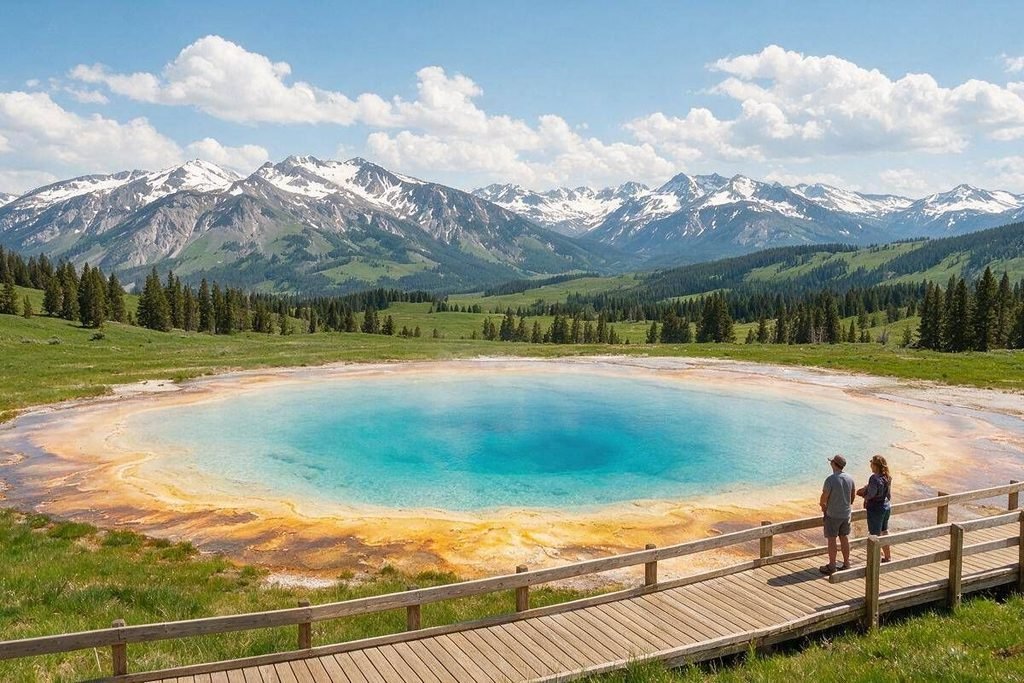
If you have three days available, concentrate on one main park instead of traveling across Thailand to visit several unrelated destinations. Here is an example for a trip based around Khao Sok, subject to current operating conditions and the availability of activities.
Day 01: Arrive and explore the forest area
Travel to the Khao Sok area, check in, and confirm your next day’s arrangements. If conditions permit, enjoy a short authorized walk or a local nature activity. Keep the first day flexible in case of transport delays.
Day 02: Explore the lake
If boat excursions are operating, spend the day exploring Cheow Lan Lake and its limestone scenery. Follow the operator’s safety instructions and confirm what meals, transfers, and activities are included.
Day 03: Enjoy a relaxed morning and depart
Choose a permitted short activity or enjoy the surrounding scenery before leaving. Allow enough time to reach your next destination without rushing or relying on a late connection. This is an illustrative itinerary, not a confirmation that every activity is currently available. Check the park’s latest announcements and the relevant operator’s schedule before booking. Travelers who prefer mountain landscapes can use the same planning principle for a Chiang Mai and Doi Inthanon trip. Those who prefer waterfalls can build a shorter itinerary around Erawan when access is confirmed.
Conclusion
Thailand’s protected natural areas offer much more than beautiful scenery. From the rainforests and limestone landscapes of Khao Sok to the mountain trails of Doi Inthanon, the waterfalls of Erawan, and the coastal islands of its marine parks, there is a destination for almost every kind of nature traveler. The best national park for your trip is the one that matches your interests, fitness, available time, and budget. Research transport before booking, pack for tropical weather, and check official opening information rather than assuming every attraction is accessible year-round.
Most importantly, approach each visit with respect for wildlife and the environment. Follow designated routes, avoid disturbing animals, and leave natural areas clean. With thoughtful planning and realistic expectations, you can experience a memorable side of Thailand while helping protect its forests, mountains, rivers, and marine habitats for future visitors.
Frequently Asked Questions
Q: What is the best national park to visit in Thailand?
Ans: The best choice depends on your interests. Khao Sok is known for rainforest and limestone lake scenery, Doi Inthanon for mountain landscapes, Erawan for waterfalls, and Kui Buri for wildlife-viewing opportunities. Check current access conditions before choosing.
Q: How many national parks are there in Thailand?
Ans: Thailand’s national park system had 156 national parks according to information published by the Thai government and the Tourism Authority of Thailand in January 2026. The number may change as the system develops.
Q: When is the best time to visit a national park in Thailand?
Ans: November through February is a popular period for outdoor travel in many parts of Thailand. However, conditions vary by region, and some attractions close seasonally. Check the specific park’s opening status and weather forecast before traveling.
Q: Are Thailand’s national parks suitable for beginners?
Ans: Yes. Many parks have visitor facilities, accessible viewpoints, or relatively short walking routes. However, difficulty varies. Choose an established route that matches your fitness and check for steep sections, slippery surfaces, and guide requirements.
Q: Do I need a guide to visit a national park in Thailand?
Ans: Not always. Some visitor areas can be explored independently, while particular trails, wildlife activities, or remote routes may require a guide or advance arrangements. Follow the rules of the specific park and use qualified local guidance when appropriate.
Q: How much does national park admission cost in Thailand?
Ans: There is no single admission fee for every park. Charges may depend on the destination, visitor category, vehicle, or activity. Check the park’s official information for current fees before departure.
Q: Can I camp inside Thailand’s national parks?
Ans: Camping is available in some parks and designated areas, subject to local rules and availability. Facilities differ, and severe weather may lead to temporary suspension of overnight stays. Confirm whether you need a reservation and whether equipment can be rented.
Q: Is it safe to swim in waterfalls inside Thailand’s national parks?
Ans: Swimming is permitted in some designated areas when conditions allow, but it is not safe everywhere. Obey warning signs, respect closures, and avoid rivers or pools affected by heavy rain. Never assume a natural pool is safe simply because other visitors are swimming.
Q: Can I see wild elephants in Thailand’s national parks?
Ans: Some parks, including Kui Buri and Khao Yai, are known for elephant habitat. However, sightings are never guaranteed. Observe animals only through authorized arrangements, maintain a safe distance, and never feed or approach them.
Q: Are national parks in Thailand open during the rainy season?
Ans: Some remain open, while others restrict or close particular attractions because of rain, flooding, rough seas, or conservation needs. Check official announcements shortly before departure and be prepared to change your plans.
Q: What should I bring to a national park in Thailand?
Ans: Bring suitable walking shoes, drinking water, sun protection, insect repellent, rain protection, personal medication, and a bag for rubbish. Longer hikes may require additional food, navigation equipment, and overnight gear.
Q: How can I travel responsibly in Thailand’s national parks?
Ans: Stay on designated trails, follow local rules, avoid feeding wildlife, carry out your rubbish, respect quiet areas, and use responsible tour operators. Do not remove plants, disturb animals, or enter restricted areas.