
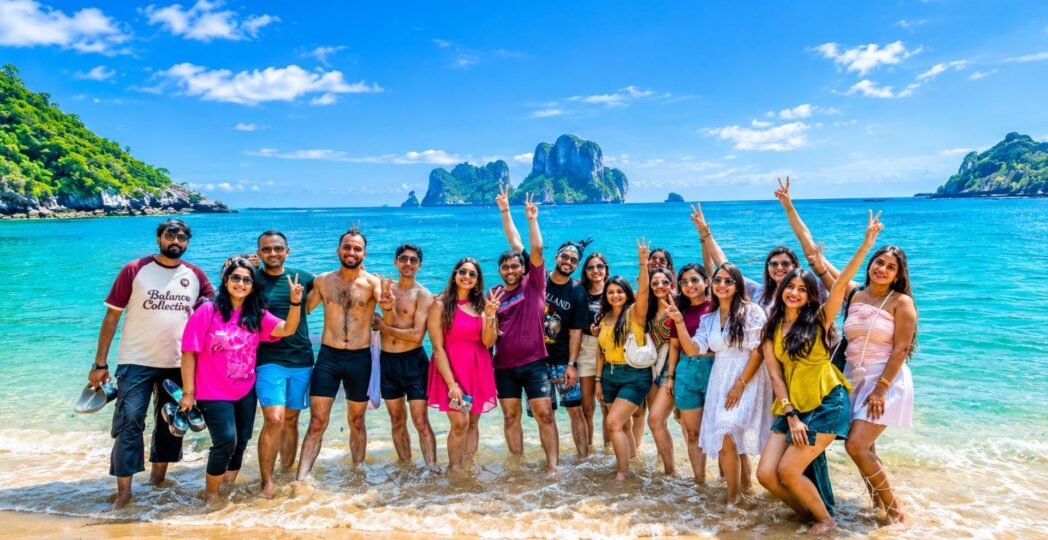
 -by
Group travel can turn an ordinary holiday into a shared adventure filled with memorable experiences, new friendships, and stories worth telling for years. Whether you are planning a beach vacation with friends, a family reunion, a corporate retreat, a group tour across Europe, or an adventure with fellow travelers, exploring the world together offers opportunities that solo trips cannot always provide.
However, traveling with several people also brings challenges. Different budgets, conflicting schedules, accommodation preferences, dietary needs, and expectations can make planning complicated. A trip that begins with excitement can become stressful if nobody knows who is responsible for bookings, how expenses will be divided, or what happens when plans change. The solution is not to control every detail. It is to create a flexible plan that gives everyone clarity while leaving enough room for spontaneity.
This comprehensive guide explains how to organize a successful group vacation, choose the right travel destination, manage shared expenses, select suitable accommodation, coordinate transportation, and prevent common travel problems. You will also learn how to decide between independent group travel and an organized tour, prepare for international travel, and make the experience enjoyable for travelers with different interests.
What Is Group Travel?

Group travel is a travel arrangement in which several people explore a destination or follow an itinerary together. Participants may be friends, relatives, colleagues, students, members of an organization, or travelers who meet through a tour operator. The trip can be independently organized or professionally managed. Some groups share transportation, accommodation, meals, and activities, while others travel together only for selected parts of the journey.
For example, six friends might rent a coastal holiday home, spend their mornings swimming, and arrange separate activities in the afternoon. Alternatively, a group of international travelers might join a guided tour that includes hotels, transportation, sightseeing, and a local guide. The best arrangement depends on the group’s size, budget, destination, travel experience, and preferred level of independence.
Why Choose Group Travel?
Traveling with others is about more than sharing photographs or splitting a hotel bill. A well-planned group holiday can make unfamiliar destinations easier to explore and create opportunities for people to connect through shared experiences.
01. Share Certain Travel Expenses
One practical advantage is the ability to divide eligible shared costs. For example, a group might share the cost of a vacation rental, private transfer, guide, or rental vehicle. These arrangements can reduce the per-person cost compared with purchasing equivalent services individually. Traveling with a group does not always guarantee a lower budget. Expenses for larger accommodations, private transfers, dining out, and group activities can add up quickly. Before confirming any bookings, work out the individual share of the total expenses and compare different options to see whether a group trip is truly more affordable.
02. Enjoy Shared Experiences
Watching a sunset from a beach, exploring a historic neighborhood, trying unfamiliar food, or taking a boat trip can become more meaningful when experienced with people you enjoy. Group trips also allow participants to exchange knowledge, recommend activities, and learn from different perspectives. These shared moments can be especially valuable during milestone celebrations, family holidays, reunions, and trips with close friends.
03. Make Travel Planning More Manageable
A group can divide responsibilities instead of leaving every task to one person. One traveler can research accommodation, another can compare transportation, and another can investigate attractions or restaurants. This approach works particularly well when responsibilities and deadlines are clearly agreed upon. The important point is to distribute tasks without creating confusion about who has final responsibility for each booking.
04. Explore New Destinations With Greater Confidence
Some people feel more comfortable visiting unfamiliar places with companions. Traveling together can provide practical support when navigating public transportation, communicating across language barriers, or finding accommodation. Nevertheless, a group should not assume that traveling together eliminates risk. Everyone should understand the itinerary, know how to contact local emergency services, and be able to access essential travel documents independently.
05. Build Relationships Beyond the Trip
A shared journey gives people time to talk, cooperate, solve problems, and experience something outside their normal routines. Family members can reconnect, colleagues can develop relationships outside the workplace, and people with similar interests can build lasting friendships. The strongest group trips leave room for both shared activities and personal space.
Types of Group Travel to Consider
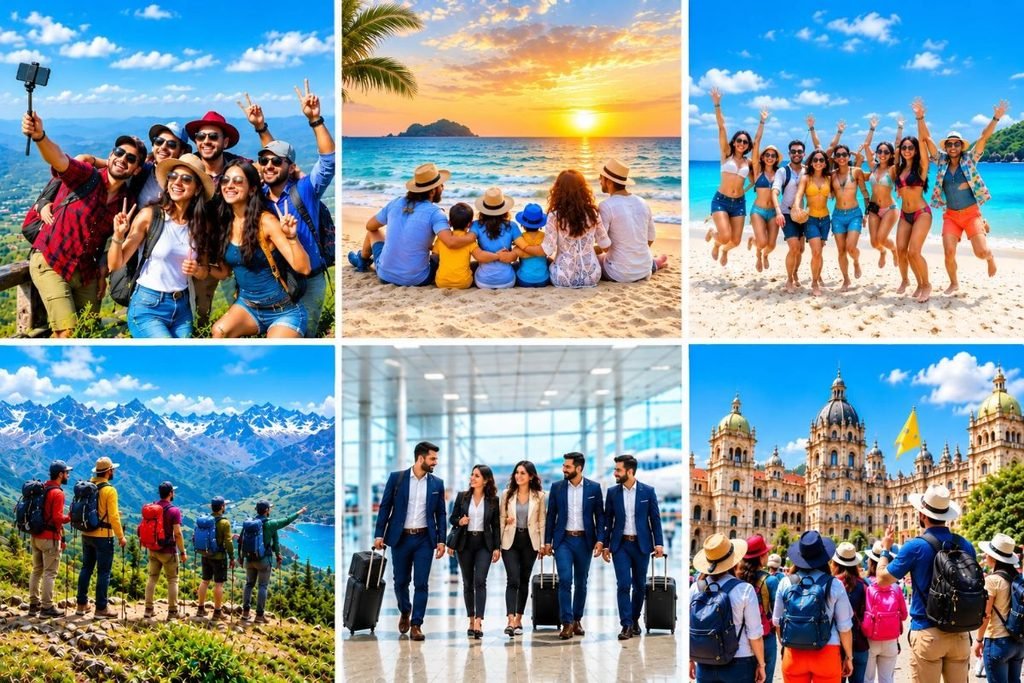
Different travel styles require different planning methods. Identifying your group’s purpose early makes it easier to choose a destination, accommodation, and itinerary.
Group Travel With Friends
Trips with friends often focus on relaxation, nightlife, adventure, food, shopping, or outdoor activities. The main challenge is balancing different expectations. One person may want to explore every attraction, while another prefers a slow morning and an afternoon by the pool. Choose a destination with several activity options and agree on which experiences everyone wants to share.
Family Group Vacations
Family travel can include grandparents, parents, children, and relatives with different mobility levels or interests. Look for destinations with convenient transportation, suitable accommodation, accessible facilities where needed, and activities appropriate for different ages. Allow extra time for meals, rest breaks, and changes in routine. A schedule that works for young adults may be tiring for children or older relatives.
Group Beach Holidays
Beach destinations are appealing for groups because they can combine swimming, relaxation, water activities, coastal sightseeing, and local food. When comparing beaches, consider more than the photographs. Check seasonal weather, swimming conditions, transport access, lifeguard availability where relevant, and whether the accommodation is close enough to reduce daily travel. For more destination inspiration, explore beach destination guides on Beach Near and compare locations according to your group’s interests.
Adventure and Outdoor Group Trips
Hiking, camping, cycling, kayaking, diving, and wildlife excursions can create exciting shared experiences. These trips require additional preparation. Check the physical demands of each activity, the experience required, equipment needs, local regulations, and the qualifications of any operator you hire. Do not assume that everyone has the same fitness level or appetite for risk. Offer suitable alternatives when possible.
Corporate and Professional Group Travel
Companies and professional organizations may arrange conferences, incentive trips, team-building events, training sessions, or business retreats. These trips need clear schedules, reliable transportation, suitable working facilities, and transparent expense policies. Business travel should also distinguish between required work activities and optional social events so participants understand their commitments.
Organized Group Tours
Organized tours are managed partly or entirely by a tour operator. Packages may include accommodation, transfers, guides, selected meals, excursions, and other services. They are particularly useful for travelers who prefer a structured itinerary or do not want to coordinate every detail themselves. Before paying, examine the inclusions, exclusions, cancellation conditions, group size, accessibility arrangements, and whether flights are included.
Step-by-Step Guide to Organizing a Group Trip
The most effective way to organize a group vacation is to make major decisions in the right order. Confirm the people, dates, and budget before committing to expensive bookings.
Step 01: Confirm Who Is Actually Going
Begin with a realistic headcount. A friend saying, “That sounds great,” is not the same as confirming dates and agreeing to pay.
Ask each participant to confirm:
- Whether they can travel during the proposed dates.
- Their approximate spending limit.
- Their preferred travel style.
- Any important accessibility, dietary, or scheduling requirements.
- Whether their leave from work or other obligations is approved.
Set a reasonable response deadline. This prevents the entire group from waiting indefinitely for uncertain participants.
Step 02: Agree on Dates and Trip Duration
Date selection is often harder than choosing the destination, especially when people live in different cities or countries. Offer two or three realistic date ranges rather than asking everyone to suggest unlimited options.
Consider:
- Work and school calendars.
- Public holidays and major local events.
- Seasonal weather and daylight.
- Flight and accommodation availability.
- Visa processing timelines for international trips.
- The amount of paid leave participants can use.
If travelers have different arrival times, plan a simple first-day schedule that does not depend on everyone arriving simultaneously.
Step 03: Establish a Realistic Budget
Budget disagreements can create tension before the trip even begins. Discuss money early, without making assumptions about what other people can afford.
Estimate the total cost per person, including:
| Expense | What to include |
| Transportation | Flights, trains, buses, local transfers, fuel, and parking |
| Accommodation | Room or rental costs, taxes, cleaning fees, and applicable deposits |
| Food | Groceries, restaurant meals, drinks, and special dietary needs |
| Activities | Tours, attraction tickets, equipment rental, and entrance fees |
| Travel documents | Applicable visa fees, passport expenses, and required permits |
| Insurance | Suitable individual travel coverage |
| Other expenses | Tips, mobile data, laundry, souvenirs, and emergency reserves |
Use actual quotations where possible. A low advertised room rate may not include taxes or fees, while an inexpensive flight might involve costly baggage charges. Agree on a comfortable spending range and establish a contingency reserve for unexpected expenses. Each traveler should also keep personal emergency funds separate from the shared trip budget.
Step 04: Choose the Destination Together
Once the group agrees on dates and spending limits, narrow the options to two or three destinations. Score each destination against the group’s priorities rather than choosing solely because one person has visited it before.
| Decision factor | Questions to ask |
| Budget | Can everyone reasonably afford transportation and accommodation? |
| Weather | Is the season suitable for the planned activities? |
| Accessibility | Can all travelers manage the terrain and transportation? |
| Activities | Are there enough interesting options for different preferences? |
| Transport | Can everyone reach the destination conveniently? |
| Accommodation | Are suitable rooms or rentals available for the group? |
| Entry rules | Can each traveler meet the destination’s visa and passport requirements? |
For a beach holiday, one destination may offer calm swimming conditions and family-friendly accommodation, while another may be better for surfing, nightlife, or remote coastal scenery. Choose the location that fits the group rather than expecting the group to adapt to a destination that only suits a few people.
Step 05: Assign Planning Responsibilities
A single organizer should not have to research every detail, chase every payment, and answer every question. Divide responsibilities among willing participants.
For example:
- Trip coordinator: Maintains the master itinerary and decision deadlines.
- Accommodation coordinator: Compares properties and confirms room arrangements.
- Transport coordinator: Checks routes, departure times, and local transfers.
- Activity coordinator: Researches attractions and makes required reservations.
- Expense coordinator: Records shared payments and calculates balances.
One person can take multiple country roles on a small trip. For a larger trip, assign backup contacts for essential arrangements. The person responsible for a booking should share its confirmation and cancellation terms in the group’s central itinerary.
Step 06: Book the Essential Arrangements
Book the services that are necessary for the trip to happen before filling every day with optional activities.
These usually include:
- Transportation to and from the destination.
- Accommodation for the confirmed headcount.
- Essential intercity transfers.
- Time-sensitive or capacity-limited attractions.
- Activities that require reservations.
Before paying, verify the booking dates, traveler names, occupancy limits, baggage rules, accessibility details, cancellation terms, and payment deadlines. Avoid making nonrefundable reservations based on uncertain participation. If the group is still changing, choose flexible arrangements where practical and affordable.
Step 07: Build a Flexible Itinerary
A good itinerary provides structure without turning the holiday into a race. Include essential reservations, realistic travel times, meeting points, and enough free time for rest or independent exploration.
For example, a three-day coastal trip might look like this:
Day 01: Arrival and settling in
- Arrive, check in, and allow time to rest.
- Explore a nearby beach or local neighborhood.
- Have an optional group dinner.
Day 02: Main shared experience
- Schedule one major activity, such as a guided boat excursion or coastal hike.
- Leave time for lunch and recovery.
- Offer a relaxed evening or an optional local outing.
Day 03: Flexible morning and departure
- Have breakfast and enjoy a short local walk.
- Leave sufficient time for packing, checkout, and transport.
- Avoid scheduling activities that could jeopardize departure times.
This example can be adapted to city breaks, mountain trips, cultural tours, or international holidays. Include addresses, confirmation numbers, transport details, meeting points, and the contact information for relevant service providers.
Step 08: Prepare Everyone Before Departure
Send a final travel summary before the trip.
Include:
- Confirmed dates and arrival information.
- Accommodation addresses and check-in instructions.
- Packing recommendations based on the destination and activities.
- Payment deadlines and remaining shared balances.
- Required travel documents and entry requirements.
- Emergency contact information.
- Any group-specific rules or arrangements.
Ask travelers to check their own documents and bookings rather than relying entirely on the organizer. For international travel, verify entry requirements with the relevant official authorities. Requirements vary according to nationality, destination, transit route, and travel purpose. The U.S. Department of State’s international travel checklist provides a useful example of official guidance covering travel documents, destination information, and insurance considerations.
How to Manage Group Travel Expenses Fairly

Money can become uncomfortable when one traveler regularly pays for everyone or when participants have different spending habits. A transparent system prevents small misunderstandings from turning into larger disputes.
Decide Which Costs Are Shared
Shared expenses may include accommodation, group transportation, groceries, or a jointly booked excursion. Personal expenses may include individual shopping, optional activities, private meals, and room upgrades requested by one traveler. Agree on the distinction before spending begins.
Use a Clear Cost-Splitting Method
Suppose four travelers book a shared accommodation costing $600 in total. If everyone agrees to split it equally, each person’s share is $150. However, an equal split isn’t always fair. If two people occupy a private room with an additional fee, or one participant joins for only part of the stay, the group may agree to allocate the cost differently.
For recurring shared purchases, maintain a simple record containing:
- The amount paid.
- The person who paid.
- What the expense covered.
- Who participated in the expense.
- Each person’s share.
- Any reimbursement already completed.
Expense-tracking applications can help, but a shared spreadsheet may be sufficient for a small group.
Agree on Payment Deadlines
Do not leave the organizer to cover large expenses indefinitely. Set deadlines for deposits and reimbursements, and explain what happens if someone withdraws after bookings become nonrefundable. Keep payment records and share summaries regularly. Handle disagreements privately and respectfully rather than criticizing someone in front of the group.
Choosing the Right Accommodation for a Group
Accommodation affects comfort, privacy, transportation, and the overall cost of a trip. The cheapest travel property is not necessarily the best choice once the group’s needs are considered.
| Accommodation type | Best suited for | Main consideration |
| Holiday home or villa | Families and groups of friends | Check occupancy rules, bedrooms, bathrooms, and shared facilities |
| Hotel | Groups needing predictable services | Confirm room availability, room types, and proximity to one another |
| Hostel | Budget-conscious travelers | Check dormitory arrangements, privacy, and age or guest policies |
| Resort | Leisure and beach holidays | Compare meal plans, activities, extra charges, and location |
| Apartment rental | Smaller groups seeking kitchen facilities | Verify local regulations, costs, cancelation policies, and check-in procedures. |
| Organized tour accommodation | Travelers seeking structured logistics | Review the property’s standard and what the package includes |
Check More Than the Number of Beds
Before booking, consider:
- Whether there are enough bathrooms.
- Whether bedrooms offer the privacy people expect.
- Whether the property has stairs or other accessibility barriers.
- Whether cooking and laundry facilities are available.
- How far the property is from restaurants, attractions, or public transportation.
- Whether noise rules or visitor restrictions could affect the group.
- Whether all occupants are permitted under the property’s booking terms.
For families, separate sleeping arrangements may be especially important. For friends, a shared beach rental may provide a comfortable social space while allowing everyone to maintain some privacy.
Transportation Options for Group Trips

The right transportation depends on distance, destination infrastructure, group size, luggage, and the number of stops.
Flights
Air travel can save time on long journeys, but group members may face different ticket prices and should not expect to be seated together without making arrangements. Before booking, review each airline’s luggage rules, layover durations, airport locations, seat reservation fees, and policies for group reservations. When participants are flying from separate cities, plan their schedules carefully and choose a convenient place to meet after arrival.
Trains and Buses
Public transportation can be economical and practical in many destinations. Research station locations, luggage policies, reservation requirements, accessibility, and the time needed to reach accommodation after arrival. For longer journeys, consider whether the savings justify the additional travel time.
Private Vans and Minibuses
A private vehicle can simplify transfers for a group traveling between several nearby destinations. Before booking, verify the legal passenger capacity, luggage space, insurance arrangements, pickup instructions, and whether the quoted price includes waiting time, fuel, parking, or tolls. Never choose a vehicle that cannot safely accommodate every traveler and their luggage.
Rental Cars
Rental cars may work well for smaller groups exploring areas with limited public transportation. Check the driver’s eligibility, license requirements, insurance, deposits, fuel policy, parking availability, and whether the rental agreement permits the intended route. International travelers should confirm whether an international driving permit or additional documentation is required.
Group Travel vs. Organized Group Tours
Independent planning and organized tours can both work well, but they serve different needs.
| Feature | Independent group travel | Organized group tour |
| Itinerary | Designed by the group | Usually structured by the operator |
| Flexibility | Generally higher | Depends on the package |
| Planning effort | Shared among participants | Much of the logistics may be handled |
| Budget control | More direct control over choices | Depends on inclusions and extra costs |
| Local guidance | Arranged separately if desired | May include a guide |
| Social experience | Best suited to people who already know one another or plan together | Can bring together travelers who have never met |
| Responsibility | Group manages most arrangements | Operator handles the services specified in the contract |
Choose independent travel when your group values flexibility, wants to customize activities, and has someone willing to coordinate bookings. Choose an organized tour when the destination is complicated to navigate, participants prefer a structured schedule, or professional coordination is worth the price. For either option, read the contract carefully. Confirm what happens if the operator cancels, a traveler withdraws, or a scheduled activity becomes unavailable.
Safety Tips for Group Travel
Traveling together can provide support, but everyone should remain responsible for personal safety and preparation.
Keep Important Documents Accessible
Check passport validity, visa requirements, transit rules, and any permits needed for planned activities. Store copies of essential documents separately from the originals, and avoid sharing sensitive passport or identity details in an unsecured group chat. For international trips, review official destination guidance well before departure. Rules can change, and a traveler’s nationality may affect entry requirements.
Arrange Appropriate Travel Insurance
Consider insurance that suits the destination, planned activities, trip cost, and individual needs. Review medical coverage, emergency evacuation, trip interruption, cancellation conditions, exclusions, and any limits on adventure activities. A policy that works for one traveler may not be appropriate for another. The official U.S. travel checklist explains why travelers should review insurance coverage rather than assume their existing health insurance will cover unexpected expenses abroad.
Establish a Simple Communication Plan
Agree on a main group communication channel, but do not rely on it as the only source of information.
Each participant should know:
- The accommodation address.
- The day’s main meeting point.
- How to contact the organizer.
- How to handle being cut off from the group.
- Where to find local emergency information.
Download essential directions and confirmations for offline access when possible.
Respect Individual Needs
Ask participants privately about relevant accessibility, dietary, or other practical requirements. For strenuous activities, confirm that everyone understands the demands and has suitable equipment. Do not pressure anyone to participate in an activity they consider uncomfortable or unsafe. For children or travelers who require additional assistance, clearly identify the responsible adult or support person for relevant parts of the trip.
Common Group Travel Mistakes and How to Avoid Them
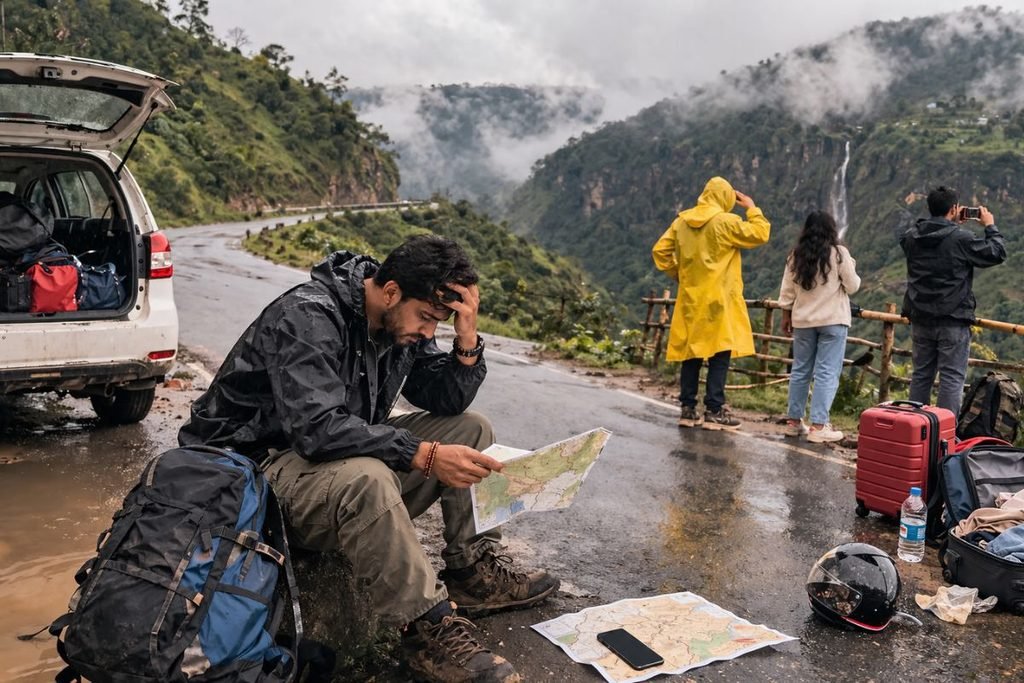
Even a well-intentioned group can run into trouble when important decisions remain unclear.
Mistake 01: Planning Around Unconfirmed Travelers
A group may discuss a trip for weeks before several people withdraw.
Solution: Finalize the initial headcount and set a commitment deadline before making expensive reservations.
Mistake 02: Ignoring Different Spending Limits
One person may be comfortable with premium hotels, while another needs a strict budget.
Solution: Establish a realistic spending range and agree on the standard of accommodation, transportation, and dining before booking.
Mistake 03: Trying to Do Everything Together
Constant group activities can leave some travelers exhausted or frustrated.
Solution: Plan a few shared highlights and allow free time for smaller groups or individual activities.
Mistake 04: Giving One Person Every Responsibility
The organizer may become too busy to enjoy the holiday.
Solution: Delegate tasks, publish the itinerary, and establish a backup contact for important arrangements.
Mistake 05: Forgetting Extra Costs
Taxes, baggage fees, parking, tips, equipment rental, and cancellation charges can affect the final budget.
Solution: Use a detailed expense estimate and maintain a reasonable reserve.
Mistake 06: Booking Without Reading the Terms
A low-priced booking may be nonrefundable or unsuitable for the final group size.
Solution: Read occupancy restrictions, payment deadlines, cancellation terms, and refund conditions before paying.
Mistake 07: Treating the Itinerary as Unchangeable
Bad weather, transport delays, illness, or unexpected closures can disrupt even a carefully planned day.
Solution: Identify alternative activities, keep important contact details available, and leave enough flexibility to adjust the schedule.
How to Make Group Travel Enjoyable for Everyone

The best trips are not necessarily those with the most activities. They are the ones where participants feel included without being controlled. Start by agreeing on a few experiences everyone genuinely wants to share. These might include a special meal, a coastal excursion, a guided walking tour, or a family celebration. Then allow different interests to shape the rest of the schedule.
A group visiting a seaside town, for example, might agree to have breakfast together and meet for dinner. During the day, some participants could choose a boat trip, others could visit local markets, and others could relax on the beach. This arrangement preserves the shared nature of the holiday without forcing everyone into identical plans.
Other useful practices include:
- Set realistic start times. Allow room for breakfast, packing, and unexpected delays.
- Communicate changes early. Update the itinerary when a reservation or meeting point changes.
- Respect personal boundaries. People should be able to decline optional activities without feeling guilty.
- Take turns making decisions. Invite quieter participants to express their preferences.
- Be considerate of local communities. Follow local rules, respect cultural practices, and minimize unnecessary environmental impact.
- Resolve disagreements calmly. Instead of placing blame, concentrate on workable solutions.
- Keep expectations realistic. Not every moment needs to become a group activity or photograph.
For longer trips, a short daily check-in can help everyone confirm the next day’s plans and raise concerns before they become problems.
Conclusion
Group travel can bring people closer, make certain travel arrangements more affordable, and create opportunities to discover places in a new way. However, a successful trip depends on more than choosing an attractive destination. It requires realistic budgeting, clear communication, thoughtful accommodation choices, reliable logistics, and respect for individual preferences.
Start by confirming who is traveling, agreeing on dates, and establishing a comfortable budget. Choose a destination that suits the group’s priorities, assign responsibilities fairly, and confirm essential bookings before creating an ambitious itinerary. Keep shared expenses transparent and leave enough flexibility to handle unexpected changes.
Most importantly, remember that a group holiday should work for the people taking it. Travelers do not need identical interests or schedules to enjoy the same journey. A few meaningful shared experiences, combined with opportunities for personal exploration, can make the trip more rewarding for everyone.
If you are ready to organize your next adventure, begin by discussing dates, budget, and travel style with your group. Then explore suitable beach destinations and coastal travel guides on Beach Near to find inspiration for a vacation that fits your plans.
Frequently Asked Questions
Q01. What is the ideal group size for a vacation?
Ans: The best group size depends on the trip’s goals and practical arrangements. Traveling with four to six people may make communication and decision-making simpler, whereas bigger groups can also enjoy a smooth experience when tasks are divided clearly, and bookings are made ahead of time. Consider your lodging options, transport needs, planned activities, and ability to organize everyone before deciding how many people to invite.
Q02. How do you plan a group trip without arguments?
Ans: Discuss budgets, dates, travel styles, and expectations before booking. Limit destination choices, set decision deadlines, distribute responsibilities, and allow participants to choose optional activities independently. Clear agreements reduce misunderstandings.
Q03. Is group travel cheaper than traveling alone?
Ans: It can be, particularly when eligible accommodation, private transportation, or guide costs are shared. However, savings depend on the destination, group size, season, booking conditions, and individual preferences. Compare the full per-person cost rather than assuming group travel is always cheaper.
Q04. How far in advance should you plan a group vacation?
Ans: Plan your journey ahead of time to help everyone settle on suitable dates and reserve essential services while options are still available. Larger parties, international travel, busy holiday periods, and destinations with limited places to stay often need additional preparation. When setting your schedule, allow enough time for visa applications, required payments, and reviewing booking cancellation terms.
Q05. What is the best way to split travel expenses?
Ans: Agree on which costs are shared and how they will be divided. Record payments as they occur, keep receipts for significant expenses, and settle balances at agreed intervals. Adjust the split when people participate in different activities or use different accommodation arrangements.
Q06. What should you look for when booking group accommodation?
Ans: Check the total cost, room configuration, bathroom availability, location, accessibility, occupancy limits, check-in arrangements, and cancellation policy. Confirm that the property can legally accommodate the full group before paying.
Q07. Should everyone follow the same itinerary?
Ans: Not necessarily. Shared activities can create a sense of togetherness, but free time allows people to pursue their own interests. A flexible itinerary with a few agreed meeting points often works better than requiring everyone to do everything together.
Q08. Is an organized group tour better than independent travel?
Ans: An organized tour can reduce planning responsibilities and provide structured transportation or local guidance. Independent travel offers more control over the schedule and activities. Compare the cost, flexibility, included services, and cancellation conditions before choosing.
Q09. What documents are needed for international group travel?
Ans: Entry rules vary according to a person’s citizenship, planned destination, connecting stops, and reason for travel. Depending on the journey, visitors may need a valid passport, an appropriate visa, an electronic entry permit, or additional supporting paperwork. Each traveler should check the latest regulations on official government or immigration websites to ensure they meet the requirements that apply to their individual circumstances.
Q10. How can you handle someone canceling at the last minute?
Ans: Review the booking conditions and calculate which expenses are refundable. Apply the group’s agreed payment policy fairly, communicate any changes promptly, and avoid assuming the remaining participants must automatically cover another person’s costs. Flexible reservations can help reduce the financial impact.
Q11. What is the best way to communicate during a group trip?
Ans: Use one main channel for routine updates and keep a shared itinerary containing confirmed details. Each participant should also save important addresses, booking information, and emergency contacts independently so they can access them if mobile data or the group chat is unavailable.
Q12. What should you pack for a group vacation?
Ans: Start with destination-specific essentials, including suitable clothing, personal medication, identification, chargers, and activity-related equipment. Add items required by the climate and planned activities. Share a general packing checklist, but let each traveler remain responsible for personal needs and required documents.