

 -by
-by Planning a trip across the United States can feel overwhelming. The country combines huge cities, tropical islands, dramatic coastlines, deserts, forests, mountains, historic towns, and some of the world’s most recognizable national parks. The challenge isn’t finding places worth visiting; it is choosing the right travel destinations for your time, budget, interests, and travel style.
This guide makes that decision easier. Instead of treating every destination as interchangeable, it explains what each place does particularly well, how long to stay, what type of traveler it suits, and what practical issues to consider before booking.
You will find major cities such as New York City and New Orleans, natural icons such as Yellowstone and the Grand Canyon, beach-focused destinations including Hawaii and San Diego, and road-trip-friendly regions such as Utah and California. You will also find seasonal advice, transportation tips, planning mistakes to avoid, and itinerary ideas for first-time international travelers.
The goal is simple: help you choose travel destinations that match the trip you actually want to take.
How to Choose the Right U.S. Destination

There is no single list that can identify the perfect American vacation for everyone. The best travel destinations depend heavily on what you want to experience.
Before choosing a city or park, ask yourself five questions:
- How many days do you have?
- What season are you traveling?
- Do you prefer cities, nature, beaches, or a mixture?
- Will you rent a car?
- What is your approximate daily budget?
For example, New York City can work well for travelers who prefer public transportation, museums, restaurants, and neighborhoods. Yellowstone is completely different: you need to think about driving distances, weather, wildlife safety, and lodging. Likewise, Hawaii can provide beaches and outdoor experiences, while Washington, D.C. is more suitable for museums, monuments, and American history.
This distinction matters because many first-time visitors try to combine too many travel destinations in one trip. The United States is geographically large, so crossing several regions can consume valuable vacation time.
Quick comparison of major destinations
| Destination | Best for | Suggested stay | Car needed? | Travel style |
| New York City | First-time city trip | 3–5 days | No | Urban |
| Washington, D.C. | History and museums | 2–4 days | No | Cultural |
| New Orleans | Food and music | 3–4 days | No | Cultural |
| Orlando | Families and theme parks | 4–7 days | Helpful | Family |
| San Diego | Beaches and relaxed city breaks | 3–5 days | Helpful | Coastal |
| San Francisco | City + scenery | 3–4 days | Optional | Urban/scenic |
| Grand Canyon | Natural scenery | 2–3 days | Helpful | Outdoor |
| Yellowstone | Wildlife and geothermal features | 3–5 days | Yes | Nature |
| Hawaii | Beaches and island adventures | 5–10 days | Often helpful | Tropical |
| Utah national parks | Hiking and road trips | 5–8 days | Yes | Adventure |
These are starting points rather than strict rules. Your ideal stay may be shorter or longer depending on your interests.
01. New York City, New York
New York City is one of the most versatile travel destinations in the United States, especially for a first visit. The city combines famous landmarks with distinct neighborhoods, museums, theaters, restaurants, parks, shopping districts, and waterfront areas. You can spend one day around Midtown and another exploring Brooklyn or Lower Manhattan without feeling as though you are visiting the same place twice.
What to see
First-time visitors often include:
- Central Park
- Statue of Liberty and Ellis Island
- Times Square
- Broadway
- The Metropolitan Museum of Art
- Brooklyn Bridge
- 9/11 Memorial
- High Line
- Greenwich Village
- Lower Manhattan
The city also has plenty of lower-cost cultural options. New York’s Department of Cultural Affairs maintains information about free and suggested-admission cultural organizations, although individual admission policies can change.
How long should you stay?
Three days gives you enough time for major highlights. Four or five days allows you to explore neighborhoods more slowly. If you are visiting from overseas, avoid planning another distant city immediately after New York unless your trip is long enough to absorb the travel time.
For travelers interested in coastal escapes, you can also explore beaches near NYC before or after your city stay.
02. Washington, D.C.

Washington, D.C. is among the most useful travel destinations for travelers interested in American history, government, monuments, and museums. The National Mall contains several major landmarks within a relatively concentrated area. Travelers can combine sightseeing with museums and historic neighborhoods without needing a rental car.
Why visit?
Consider Washington, D.C. if you enjoy:
- American history
- Museums
- Architecture
- National monuments
- Political history
- Walking tours
- Educational family trips
Many Smithsonian museums offer free admission, although some special exhibitions and experiences can require reservations or fees.
Practical tip
Do not underestimate walking distances. The National Mall looks compact on a map, but visiting several museums and monuments in one day can become tiring. Plan one part of the Mall per day rather than attempting everything at once.
Washington, D.C. is particularly useful for beginners because many major attractions can be reached without driving.
03. New Orleans, Louisiana
New Orleans belongs on a list of travel destinations for travelers who want food, music, architecture, and a distinctive cultural atmosphere. The French Quarter is the most recognizable area, but the city is much larger than Bourbon Street. Garden District streets, local restaurants, live music venues, museums, markets, and neighborhood cafés provide different perspectives.
Things to experience
- French Quarter architecture
- Live jazz
- Creole and Cajun cuisine
- Garden District
- Mississippi River waterfront
- Frenchmen Street
- Local markets
- Historic cemeteries and cultural sites
Food is one of the strongest reasons to choose New Orleans. Travelers can build an entire itinerary around dishes such as gumbo, jambalaya, po’boys, red beans and rice, and other regional specialties.
If food is a major part of your itinerary, consider pairing your trip with practical restaurant research rather than relying only on the most famous tourist locations.
Who should visit?
New Orleans works particularly well for adults, couples, food travelers, music lovers, and travelers interested in American cultural history.
Families can also visit, but the most famous nightlife areas are not necessarily the best focus for children.
04. Orlando, Florida
Orlando is one of the most recognizable travel destinations for families because it concentrates major theme parks and entertainment attractions. The city is not primarily a beach destination. Travelers who want a traditional Florida beach vacation may prefer the Gulf Coast, Atlantic Coast, or Florida Keys.
Orlando works well for
- Families with children
- Theme-park enthusiasts
- Multi-generational vacations
- Resort stays
- Entertainment-focused trips
How long should you stay?
A theme-park vacation can easily require four to seven days. Trying to visit several large parks in a very short period can create an exhausting schedule. Build rest periods into your itinerary.
A useful approach is: Park day → lighter day → park day → rest or local exploration
This gives travelers time to recover from long walking days. If you want to combine Orlando with a beach experience, research the driving distance before booking your hotels. A beach excursion can be practical, but the best option depends on which coast you choose.
For readers planning a food-focused Florida trip, you can also explore fresh seafood in Orlando.
05. San Diego, California

San Diego is one of the most balanced travel destinations for travelers who want beaches, outdoor activities, restaurants, and a relaxed urban environment. The city has a long coastline, but the beaches are not identical. Some are better for walking, some for surfing, and others for a quieter day near the water.
Popular experiences
- La Jolla
- Coronado
- Balboa Park
- San Diego Zoo
- Cabrillo National Monument
- Mission Beach
- Torrey Pines
- Waterfront areas
San Diego can also work as part of a larger Southern California trip. You could combine it with Los Angeles, Orange County, Joshua Tree, or parts of the California coast.
Planning advice
A rental car is useful if you want to explore beyond the central areas. However, travelers staying primarily around downtown and nearby attractions may not need a car every day.
For beach planning, compare parking, distance, walking access, and expected activities rather than selecting a beach only because it appears frequently in photographs.
06. San Francisco, California
San Francisco offers a different kind of coastal experience. It is one of the travel destinations where urban sightseeing and dramatic scenery can be combined in a relatively compact itinerary.
Top experiences
- Golden Gate Bridge
- Golden Gate Park
- Alcatraz Island
- Fisherman’s Wharf
- Chinatown
- Mission District
- Cable cars
- Ocean Beach
- Waterfront viewpoints
The city’s hills are beautiful but physically demanding. Comfortable shoes can make a noticeable difference.
Add a road trip
San Francisco can serve as a starting point for exploring Northern California.
Depending on your available time, possible additions include:
- Napa Valley
- Sonoma
- Muir Woods
- Big Sur
- Monterey
- Yosemite National Park
Do not try to cover all of these in a weekend. California distances can look deceptively manageable on a map.
For broader coastal planning, see this guide to the closest beaches in California.
07. Grand Canyon National Park, Arizona
The Grand Canyon is one of the most recognizable natural travel destinations in the country. The scale is difficult to understand from photographs. A first-time visitor should resist the temptation to treat the canyon as a single viewpoint. The South Rim alone offers multiple overlooks and visitor areas.
What can you do?
- Sunrise and sunset viewing
- Rim walks
- Scenic drives
- Short hikes
- Longer canyon hikes
- Photography
- Ranger programs
- Camping
The South Rim is open year-round, according to the National Park Service. Entry does not require a timed reservation, although lodging and camping should be planned.
Important hiking advice
Walking down into the canyon is much easier than walking back up. Do not judge a hike only by the distance shown on a map. Heat, elevation changes, water needs, and return time matter.
Overnight backcountry trips require permits. The Grand Canyon is therefore one of the travel destinations where choosing the right activity level matters more than simply checking attractions off a list.
08. Yellowstone National Park, Wyoming, Montana, and Idaho
Yellowstone is among the most distinctive travel destinations in North America because of its geothermal landscapes, wildlife, lakes, waterfalls, and enormous geographic scale. The park covers a huge area and has multiple entrances and developed areas. The National Park Service recommends planning and checking current conditions before arrival.
What makes Yellowstone special?
Visitors can experience:
- Geysers
- Hot springs
- Wildlife viewing
- Waterfalls
- Mountain landscapes
- Yellowstone Lake
- Grand Canyon of the Yellowstone
- Scenic drives
How long should you stay?
Three to five days is a useful starting point for travelers who want more than a quick overview. Driving times inside the park can be longer than expected. Build extra time into your schedule for wildlife sightings, road conditions, construction, and stops.
Yellowstone does not currently require a vehicle reservation for entry, but lodging and campground reservations can fill well in advance. The park also warns that weather can change quickly and that some roads and services have seasonal closures.
Best planning strategy
Choose lodging based on your daily route rather than choosing a hotel solely because it has the lowest nightly rate. The travel-cheap and cheaper room far from your main activities can create additional fuel costs and several hours of driving.
09. Hawaii
Hawaii represents a completely different category of travel destinations. Instead of one mainland city or park, you are choosing among islands with different landscapes, activities, and travel logistics. The Hawaiian Islands offer beaches, volcanic landscapes, forests, waterfalls, hiking, snorkeling, cultural experiences, and scenic drives. The Hawaiʻi Tourism Authority emphasizes responsible destination management and visitor experiences across the islands.
Which island should you consider?
Oʻahu
A practical choice for travelers who want beaches, urban experiences, history, restaurants, and attractions in one trip.
Maui
Well suited to travelers seeking beaches, scenic drives, outdoor activities, and resort areas.
Hawaiʻi Island
Useful for travelers interested in volcanic landscapes and a broader range of outdoor environments.
Kauaʻi
Known for dramatic scenery and outdoor experiences, but travelers should check current access and local conditions before booking activities.
As of September 2026, the Hawaiʻi Tourism Authority reported that most Kauaʻi accommodations, restaurants, shops, and tours had reopened following Hurricane Lowell, while some areas still had limited access. Travelers were advised to confirm essential arrangements and current restrictions before arrival. Certain Hawaiʻi state parks require reservations, so always check official park information before visiting.
For a beach-focused itinerary, Hawaiʻi may be among the most appealing travel destinations, but it requires more planning than simply booking a hotel near the ocean.
10. Zion National Park, Utah

Zion is one of the most accessible travel destinations for travelers who want dramatic canyon scenery and hiking. The landscape is dominated by towering sandstone cliffs, narrow canyons, and desert vegetation.
Best for
- Hiking
- Photography
- Scenic drives
- Outdoor adventure
- Short road trips
- Experienced hikers
Popular hikes and viewpoints can become busy, particularly during peak periods. Research current shuttle, trail, parking, and permit information before your trip.
Combine Zion with other Utah parks
A longer road trip can connect Zion with:
- Bryce Canyon
- Capitol Reef
- Arches
- Canyonlands
The key is not to treat every park as a separate overnight stop. Choose a logical route and allow enough time to actually experience each place.
Utah is particularly strong for travelers who enjoy road-based travel destinations rather than traditional city vacations.
11. Chicago, Illinois
Chicago deserves consideration among major U.S. travel destinations for architecture, food, museums, lakefront scenery, sports, and urban culture. The city can be easier to navigate than a sprawling Sun Belt destination because many attractions are concentrated around central neighborhoods and connected by public transportation.
Things to explore
- Millennium Park
- Chicago River
- Art Institute of Chicago
- Museum Campus
- Lake Michigan waterfront
- Architecture cruises
- Neighborhood restaurants
- Sports venues
Chicago is also a good choice for travelers who want a city trip without focusing entirely on traditional East or West Coast destinations. Its food scene is broader than deep-dish pizza. Explore Most Expensive Restaurant for a more complete picture of the city.
12. Acadia National Park and Bar Harbor, Maine
Acadia combines mountains, rocky coastline, forests, lakes, and small-town New England scenery. It is one of the more distinctive travel destinations for travelers who want both coastal landscapes and outdoor recreation.
Why visit?
- Rocky Atlantic coastline
- Hiking
- Scenic drives
- Sunrise views
- Lakes and forests
- Small-town atmosphere
- Fall foliage
Acadia can work particularly well during a New England road trip. However, summer and fall demand can be significant. Check current park conditions and transportation information before arriving.
13. Great Smoky Mountains
Great Smoky Mountains National Park sits along the Tennessee–North Carolina border and is one of the most visited national parks in the United States. The National Park Service reported more than 11.5 million recreation visits there in 2025. For many travelers, the appeal is not one single landmark. It is the combination of mountain roads, forests, streams, wildlife, hiking trails, and nearby towns.
Best for
- Families
- Scenic drives
- Hiking
- Photography
- Fall foliage
- Outdoor weekends
The park can also be easier to include in a broader Southern road trip than remote western parks. If you want a nature-focused vacation without committing to a long wilderness expedition, Great Smoky Mountains can be a practical option.
14. Miami and South Florida
Miami offers a different coastal experience from California or Hawaii. These travel destinations combine beaches, nightlife, Latin American and Caribbean influences, art, restaurants, architecture, and access to South Florida’s broader ecosystem.
Consider exploring
- Miami Beach
- South Beach
- Little Havana
- Wynwood
- Brickell
- Biscayne Bay
- Everglades National Park
- Florida Keys
Miami is particularly useful for travelers who want a warm-weather urban vacation rather than a purely resort-based beach trip.
Combine Miami with the Florida Keys
A road trip toward Key West can transform a city break into a coastal journey. Just remember that driving time, traffic, and overnight stops can affect the actual experience.
For travelers interested in coastal dining, researching restaurant options before visiting can save time. Outdoor restaurant guides.
15. Los Angeles and the Southern California Coast
Los Angeles is one of the most recognizable travel destinations in the country, but it works best when treated as a collection of different areas rather than one compact city.
Popular areas
- Santa Monica
- Venice
- Hollywood
- Griffith Observatory
- Downtown Los Angeles
- Malibu
- Getty Center
- Los Angeles County Museum of Art area
A common mistake is planning too many attractions on opposite sides of the metropolitan area. Traffic can make a short distance take much longer than expected.
Instead, group activities geographically:
Westside day: Santa Monica + Venice + nearby coastline
Central day: Hollywood + Griffith Observatory
Cultural day: museums and surrounding neighborhoods
This approach makes Los Angeles more manageable.
16. Boston and New England

Boston is one of the most useful travel destinations for travelers who want history, architecture, food, universities, and access to New England. The city works especially well for walking-based sightseeing.
Consider adding
- Freedom Trail
- Boston Common
- Beacon Hill
- Faneuil Hall area
- Fenway Park
- Museum experiences
- Cambridge
With additional time, Boston can become the starting point for exploring coastal Maine, Cape Cod, New Hampshire, or Vermont. This makes it a useful base for a regional itinerary rather than simply a city break.
Best U.S. Destinations by Travel Style
Instead of choosing travel destinations randomly, match your destination to the experience you want.
| Travel goal | Destinations to consider |
| First U.S. trip | New York City, Washington, D.C., California |
| Beaches | Hawaii, San Diego, Miami, Florida coast |
| National parks | Yellowstone, Grand Canyon, Zion, Acadia |
| Families | Orlando, San Diego, Great Smoky Mountains |
| Food | New Orleans, New York City, Chicago |
| History | Washington, D.C., Boston, Philadelphia |
| Road trips | Utah, California, Arizona, New England |
| Outdoor adventure | Yellowstone, Zion, Yosemite, Hawaii |
| Culture | New York City, New Orleans, Chicago, San Francisco |
| Romantic trips | Hawaii, San Diego, Charleston, Napa Valley |
| Budget-conscious city trips | Washington, D.C., Chicago, selected Southern cities |
| Coastal scenery | California, Hawaii, Maine, Florida |
These categories are not rankings. They simply show how different destinations can fit different trip goals.
Best Travel Destinations in the USA for Beaches

Beach lovers have an enormous number of choices. Some of the most useful travel destinations for USA beach trips include:
Hawaii
Best for tropical scenery, island experiences, snorkeling, hiking, and resort vacations.
San Diego
Best for combining beaches with a major city and outdoor activities.
Miami
Best for travelers who want beaches alongside nightlife, food, culture, and urban attractions.
Florida Gulf Coast
Useful for travelers looking for calmer coastal beach vacations and warm-weather beach towns.
Outer Banks, North Carolina
A strong choice for a road-trip-style beach vacation with a different atmosphere from major resort cities.
California Coast
Best for travelers who value scenery, cliffs, coastal drives, and beaches rather than tropical water.
For more coastal planning, see the tropical beaches in the USA guide. You can also find the best honeymoon destinations with this guide to white sand beaches.
Best Travel Destinations for National Park Lovers
The National Park Service manages more than 400 park sites, so travelers should not assume that Yellowstone and the Grand Canyon represent the entire system.
Some major choices include:
- Yellowstone for geothermal features and wildlife
- Grand Canyon for enormous canyon landscapes
- Zion for sandstone cliffs and hiking
- Yosemite for granite scenery and waterfalls
- Acadia for mountains and Atlantic coastline
- Great Smoky Mountains for forests and mountain landscapes
- Rocky Mountain National Park for high-elevation scenery
- Olympic National Park for varied ecosystems and Pacific Northwest landscapes
- Glacier National Park for alpine scenery
In 2025, the National Park Service recorded more than 323 million recreation visits across reporting sites, showing the continued popularity of America’s public lands.
Before visiting, check the official park website for current conditions, entrance requirements, reservations, road closures, and seasonal restrictions.
How to Plan a U.S. Trip Without Wasting Time
Choosing travel destinations is only half the job. Connecting them efficiently is just as important.
Step 01: Choose one primary region
For a trip of roughly one week, consider focusing on one region.
Examples:
Northeast: New York City + Boston + Washington, D.C.
Southwest: Las Vegas + Zion + Grand Canyon
Southern California: Los Angeles + San Diego + nearby coast
Utah: Zion + Bryce Canyon + Capitol Reef + Arches
Florida: Orlando + one beach region + Miami
Trying to combine New York, Los Angeles, Miami, Yellowstone, and Hawaii in one short trip usually creates more airport time than meaningful sightseeing.
Step 02: Choose one or two anchors
An anchor is the destination around which the rest of your trip is built.
For example:
- New York City for an urban trip
- Yellowstone for a national park vacation
- Orlando for a family theme-park trip
- San Diego for a coastal vacation
- Hawaii for an island holiday
Then add nearby experiences.
Step 03: Check transportation before booking
Ask:
- Is public transportation practical?
- Do I need a rental car?
- How long are the drives?
- Are parking fees significant?
- Is the destination seasonal?
- Will I need domestic flights?
Transportation can change the real cost of travel destinations more than the hotel price alone.
Step 04: Reserve the things that genuinely sell out
National parks, popular tours, major attractions, special events, and desirable accommodation can have limited availability. The NPS specifically advises visitors to check whether a park requires fees, reservations, timed entry, or other passes before arrival. Do not reserve every hour of the vacation. Leave room for weather, delays, rest, and spontaneous discoveries.
Travel Tips for International Visitors
International travelers need additional preparation when choosing travel destinations in the United States.
Check entry requirements
The U.S. Department of State states that foreign nationals generally need a visitor visa for tourism unless they qualify for another entry arrangement, such as the Visa Waiver Program. Eligible travelers using the Visa Waiver Program need approved ESTA authorization before travel and must meet the program’s requirements. Always check current requirements based on your nationality before purchasing non-refundable travel arrangements.
Allow for time zones
The United States spans several time zones. A domestic flight can therefore affect your schedule more than its flight duration suggests.
Plan for tipping
Restaurant and service expectations differ from many other countries. Research customary tipping practices before traveling so you can budget realistically.
Consider travel insurance
International medical costs can be substantial, and coverage varies by policy. Read exclusions, emergency procedures, and coverage limits rather than choosing a policy based only on price.
Keep your itinerary realistic
A two-week American trip can sound long until you consider flights, airport transfers, jet lag, driving, and rest. A smaller itinerary often produces a better travel experience than a long checklist.
Common Mistakes When Choosing U.S. Destinations
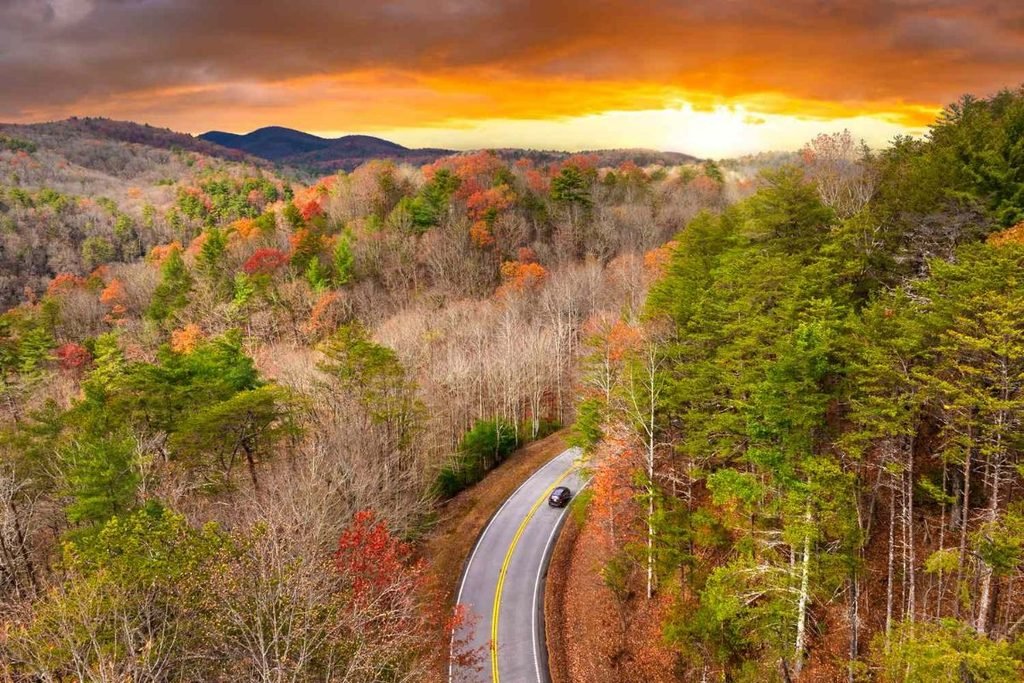
Even experienced travelers can make planning mistakes.
01. Trying to see the entire country
The United States is too large for a short coast-to-coast itinerary. Choose a region instead.
02. Ignoring the season
A destination that works beautifully in summer may have snow, closures, extreme heat, or limited services at another time. Yellowstone, for example, publishes seasonal operating information because facilities and services vary during the year.
03. Booking based only on hotel price
A low-cost hotel far from your activities can increase transportation costs. Calculate the total daily cost, not just the room rate.
04. Underestimating national parks
A national park is not necessarily a single attraction. Roads, trailheads, viewpoints, visitor centers, and accommodation can be widely separated.
05. Scheduling every hour
Unexpected delays happen. Leave open periods in your itinerary.
06. Assuming every beach is the same
Water conditions, parking, waves, crowds, facilities, and nearby restaurants vary considerably. Use beach information that matches the activity you actually want.
07. Ignoring current alerts
Weather, wildfire, storms, road closures, construction, and local restrictions can change travel plans. Check official sources shortly before departure.
A Simple 7-Day U.S. Itinerary Framework
If you are unsure where to begin, use one of these structures.
Option 01: First-time city trip
Days 1–4: New York City
Days 5–7: Washington, D.C.
This creates a strong combination of major city experiences and American history.
Option 02: Southwest road trip
Day 1: Las Vegas
Day 2: Zion
Day 3: Zion
Day 4: Bryce Canyon
Day 5: Grand Canyon
Day 6: Grand Canyon
Day 7: Return travel
Actual driving times depend on your route, season, and road conditions.
Option 03: California coast
Days 1–2: San Francisco
Day 3: Monterey
Day 4: Big Sur area
Days 5–7: Los Angeles or San Diego
This works better with a car and requires checking current road conditions.
Option 04: Florida vacation
Days 1–4: Orlando
Days 5–7: Coastal Florida
This structure works well for Best Beaches in America for families who want theme parks followed by slower beach days.
Useful Technology for Planning Your Trip
Technology can make travel destinations easier to navigate, particularly for international travelers. Before departure, download offline maps for areas where cellular service may be weak.
Useful travel tools include:
- Offline maps
- Airline apps
- Hotel apps
- Translation tools
- Currency converters
- Weather apps
- National park apps
- Digital copies of reservations
- Cloud backups of important documents
You can also review travel technology guides before your trip. For additional device and software advice, see technology tutorials and guides. If you plan to use your phone heavily while traveling, download essential maps and confirmations before leaving reliable Wi-Fi.
How to Choose Between Cities, Beaches, and National Parks
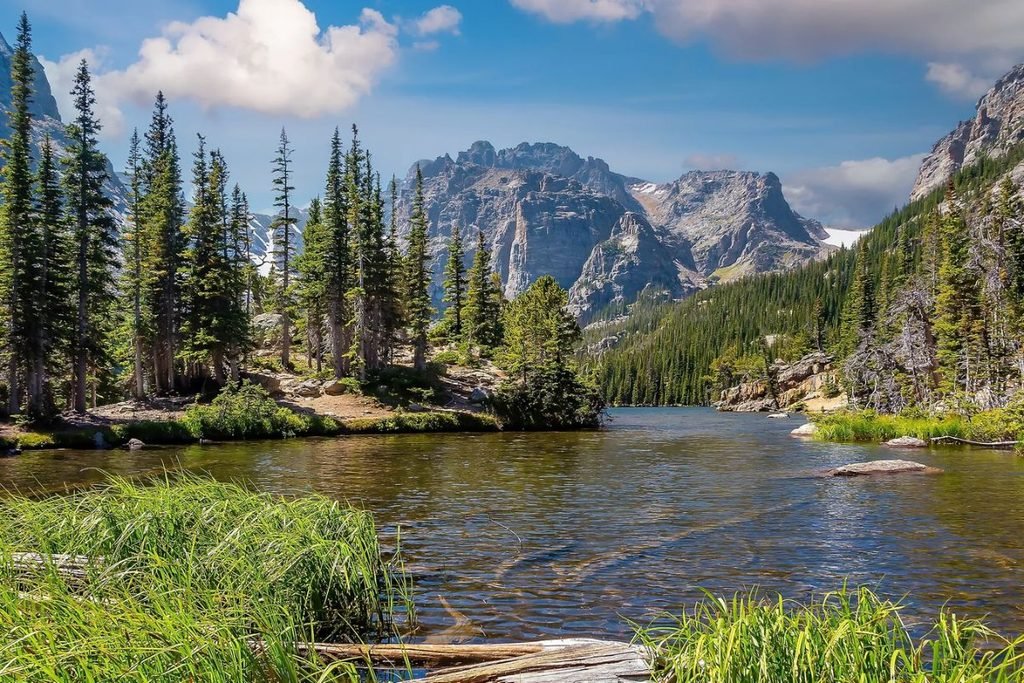
When comparing travel destinations, think about what you want your days to look like.
Choose a city if you enjoy:
- Museums
- Restaurants
- Shopping
- Public transportation
- Nightlife
- Architecture
- Cultural attractions
Choose a beach destination if you want:
- Swimming
- Relaxation
- Water activities
- Coastal walks
- Resorts
- Sun and warm weather
Choose a national park if you prefer:
- Hiking
- Wildlife
- Scenic drives
- Photography
- Outdoor recreation
- Natural landscapes
Choose a road trip if the journey itself is part of the experience.
There is no universally correct choice. The important point is matching the destination to the trip you want.
Conclusion
The United States does not have one definitive list of perfect travel destinations. Its greatest advantage is variety: you can spend a few days exploring museums and neighborhoods in New York City, hike through Utah’s red-rock country, watch wildlife in Yellowstone, relax on a Hawaiian beach, or build a coastal road trip through California.
The most useful approach is to choose based on your actual priorities. Start with your available time, preferred activities, season, transportation needs, and budget. Then select one region and build the itinerary around a small number of meaningful experiences.
For national parks, verify current conditions and reservation requirements through the National Park Service. For international travel, confirm visa or ESTA requirements through the U.S. Department of State. For coastal vacations, compare individual beaches rather than assuming every shoreline offers the same experience.
Ultimately, the strongest travel destinations are the ones that fit your trip—not simply the places that appear most often on a generic list.
Frequently Asked Questions
Q: What are the best travel destinations in the USA for first-time visitors?
Ans: New York City, Washington, D.C., California, Florida, and Hawaii are useful starting points because they offer very different experiences. The right choice depends on whether you prioritize cities, beaches, nature, history, or family beach attractions.
Q: What is the best U.S. destination for a beach vacation?
Ans: Hawaii, San Diego, Miami, Florida’s Gulf Coast, and parts of California are strong choices. Hawaii provides a tropical island experience, while San Diego and California combine beaches with mainland attractions.
Q: How many days do you need for a USA trip?
Ans: There is no fixed number. A three- to five-day city break can work well, while a national park or regional road trip may require a week or longer. Longer trips allow you to reduce travel time between destinations.
Q: What are the best travel destinations in the USA for families?
Ans: Orlando, San Diego, Great Smoky Mountains, and selected national parks can work well for families. The best choice depends on children’s ages, activity levels, and whether you prefer theme parks or outdoor experiences.
Q: Do I need a car when visiting the United States?
Ans: It depends on the destination. New York City and Washington, D.C. can be explored without a rental car, while Yellowstone and many Western national parks are much easier to explore by vehicle.
Q: What are good travel destinations for a U.S. road trip?
Ans: Utah’s national parks, California, Arizona, New England, and parts of the Southeast are strong road-trip regions. Choose routes where attractions are geographically close enough to avoid spending most of the vacation driving.
Q: Are U.S. national parks open year-round?
Ans: Some are, while others have seasonal roads, facilities, or services. Always check the official National Park Service website for the specific park and travel dates.
Q: Do international visitors need a U.S. visa?
Ans: Many foreign travelers need a visa, while citizens or nationals of participating Visa Waiver Program countries may qualify for visa-free travel for eligible short stays with approved ESTA authorization. Requirements depend on nationality and circumstances.
Q: What are the best travel destinations in the USA for nature?
Ans: Yellowstone, Grand Canyon, Zion, Yosemite, Acadia, Great Smoky Mountains, Rocky Mountain National Park, Glacier, and Olympic National Park all provide different types of natural scenery.
Q: What should I book first for a U.S. vacation?
Ans: Start with flights and accommodation once your first date spots are fixed. Then reserve attractions, tours, national park lodging, campsites, or timed-entry experiences that have limited availability. Leave some flexibility for the rest of the itinerary.
Q: Is it better to visit several U.S. destinations on one trip?
Ans: Only if they are geographically compatible with your available time. For a short vacation, staying within one region usually creates a more relaxed experience than crossing the country repeatedly.
Q: How can I make a U.S. trip more affordable?
Ans: Travel during less expensive periods, compare accommodation locations rather than only nightly prices, use public transportation where practical, cook some meals, and concentrate on one region. Free museums, parks, beaches, walking areas, and public attractions can also reduce daily costs.