
 -by
-by Thailand is one of those countries where choosing where to go can be harder than deciding whether to visit. The country combines busy cities, ancient capitals, mountain landscapes, tropical islands, national parks, food markets, and long stretches of coastline. That variety means the right travel destinations depend heavily on your interests, available time, budget, and the season of your trip.
A first-time visitor may want Bangkok, Chiang Mai, and a southern beach destination. A couple may prefer Krabi, Koh Samui, or Koh Lanta. A history enthusiast may get more from Ayutthaya and Sukhothai than from an island resort. Divers may build an itinerary around Koh Tao, while nature lovers may prefer Khao Sok or Kanchanaburi.
This guide explains the most useful travel destinations in Thailand and what each one actually offers. You will find options for Best Beaches, culture, food, history, families, couples, adventure, nightlife, and slower travel. You will also learn how to combine destinations without spending most of your holiday in airports, buses, ferries, and hotel check-ins.
Thailand Travel Destinations at a Glance
Before choosing individual places, it helps to understand Thailand geographically. The country is commonly divided into several broad regions, and each region provides a different style of holiday.
| Destination | Best for | Suggested stay | Main consideration |
| Bangkok | First-time visitors, food, culture | 3–4 days | Hot, busy, and large |
| Chiang Mai | Culture, mountains, food | 3–5 days | Northern weather differs from the south |
| Chiang Rai | Temples, mountains, quieter travel | 2–3 days | More spread out |
| Phuket | Beaches, resorts, nightlife | 3–5 days | Developed and busy in places |
| Krabi | Scenery, beaches, island trips | 3–5 days | Boat transfers may be needed |
| Koh Samui | Resorts, beaches, families | 3–5 days | Island prices can vary |
| Koh Tao | Diving and snorkeling | 3–5 days | Island transport requires planning |
| Koh Phangan | Beaches and nightlife | 3–4 days | Different areas have very different atmospheres |
| Ayutthaya | History and temples | 1–2 days | Often visited from Bangkok |
| Sukhothai | Heritage and archaeology | 1–2 days | Requires more travel time |
| Kanchanaburi | Nature and history | 2–3 days | Attractions are spread out |
| Hua Hin | Easy coastal break | 2–4 days | Less remote than an island |
| Khao Sok | Jungle and nature | 2–3 days | Outdoor conditions matter |
The table is a starting point rather than a ranking. There is no single list of perfect travel destinations for every visitor.
01. Bangkok: The Best Starting Point for Many First-Time Visitors
Bangkok is usually the easiest place to begin understanding Thailand. The capital brings together historic temples, markets, museums, shopping districts, riverfront neighborhoods, restaurants, street food, and modern transport. The Tourism Authority of Thailand highlights places such as Wat Phra Kaew, Wat Pho, Wat Arun, the Golden Mountain, Chatuchak Weekend Market, Yaowarat, and other cultural and shopping areas.
For first-time visitors, Bangkok works particularly well because it offers several types of experiences without requiring a long transfer.
What to do in Bangkok
Consider combining:
- Wat Arun
- Wat Pho
- The Grand Palace and Wat Phra Kaew
- Chao Phraya River areas
- Chinatown and Yaowarat
- Chatuchak Weekend Market
- Local food markets
- Museums and historic neighborhoods
- Modern shopping districts
Do not try to see everything in one day. Bangkok is large, and traffic can make short distances surprisingly time-consuming. A better approach is to group attractions geographically. For example, spend one day around the old city and river, another exploring markets and neighborhoods, and another on shopping, food, museums, or a nearby excursion.
Why Bangkok belongs on many Thailand itineraries
Among the country’s major travel destinations, Bangkok gives beginners the widest introduction to Thai urban life. It also works well as an arrival or departure point. Food deserves special attention. Visitors can explore everything from inexpensive local meals to high-end restaurants.
For a dedicated food itinerary, see this guide to Bangkok street food in Thailand on Explora More on Restaurent.net.
02. Chiang Mai: Northern Culture, Mountains and Slow Travel

Chiang Mai offers a completely different experience from Bangkok. The city combines Lanna cultural heritage, temples, markets, cafés, crafts, mountain landscapes, and access to northern outdoor experiences. The Tourism Authority of Thailand highlights Doi Suthep, Thapae Walking Street, Doi Ang Khang, Nimmanhaemin Road, and Doi Inthanon among Chiang Mai’s attractions.
For travelers who dislike rushing between cities, Chiang Mai can be one of the most comfortable travel destinations for spending several days in one place.
What makes Chiang Mai different?
The city has a slower rhythm than Bangkok, although popular areas can still become busy. The Old City is useful for exploring temples and historic streets, while Nimmanhaemin is associated with cafés, restaurants, shopping, and contemporary city life. Outside the city, mountain landscapes provide a major change of scenery.
Possible activities include:
- Visiting Wat Phra That Doi Suthep
- Exploring the Old City
- Walking through local markets
- Trying northern Thai food
- Visiting Doi Inthanon
- Exploring mountain communities
- Spending time in cafés and craft shops
Who should choose Chiang Mai?
Chiang Mai is particularly suitable for:
- Culture-focused travelers
- Couples
- Families wanting a slower pace
- Food lovers
- Photographers
- Digital nomads and longer-stay travelers
- Visitors who prefer mountains to beaches
One practical point is often overlooked: northern Thailand does not necessarily have the same weather as Phuket or Koh Samui. Check regional forecasts instead of assuming the entire country has identical conditions.
03. Chiang Rai: Art, Temples and Northern Landscapes
Chiang Rai is smaller and more relaxed than Chiang Mai, but it has enough distinctive attractions to justify its own visit. The province is known for Wat Rong Khun, commonly called the White Temple, as well as Wat Rong Suea Ten, Baan Dam Museum, mountain viewpoints, tea-growing areas, and the Golden Triangle region. Among northern travel destinations, Chiang Rai is especially interesting for travelers who enjoy architecture, art, mountain scenery, and cultural exploration.
Things to see
Consider:
- Wat Rong Khun
- Wat Rong Suea Ten
- Baan Dam Museum
- Doi Tung
- Mae Fah Luang Garden
- Golden Triangle
- Mountain viewpoints
Chiang Rai is more spread out than a compact city center. If you want to explore rural attractions, allow extra time for transportation.
Chiang Rai or Chiang Mai?
Choose Chiang Mai if you want a larger selection of restaurants, markets, activities, and city conveniences. Choose Chiang Rai if you prefer a smaller base with distinctive temples, art attractions, mountain scenery, and day trips. You can also combine both. Doing so gives you a broader view of northern Thailand without adding a southern island transfer.
04. Phuket: Convenience, Beaches and a Wide Choice of Activities
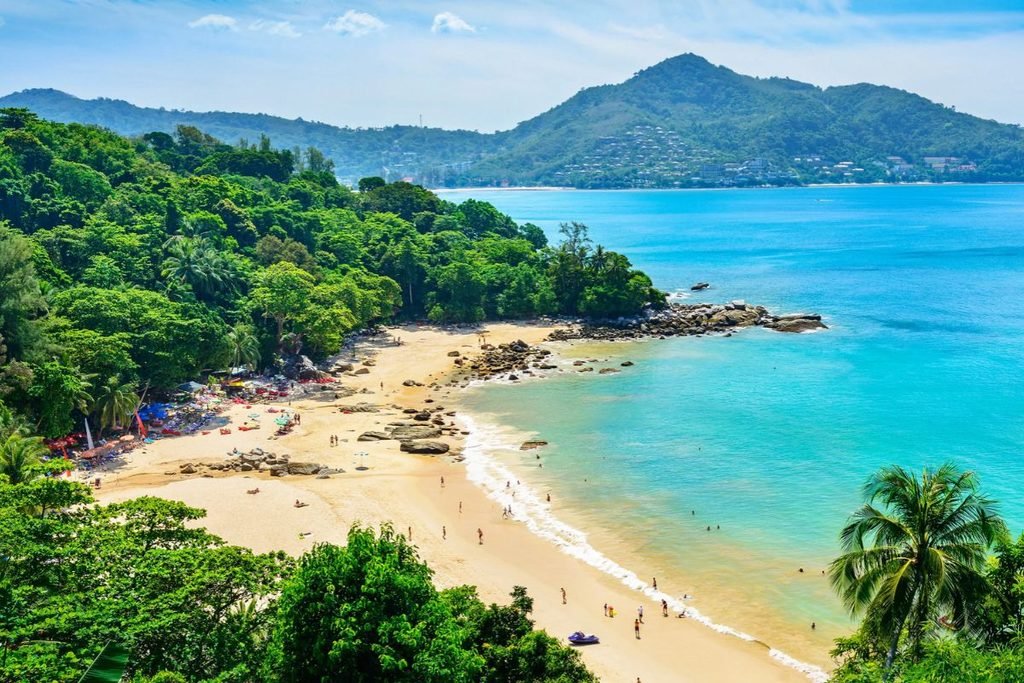
Phuket is Thailand’s largest island and one of the country’s most developed beach destinations. Its strength is variety. The Tourism Authority of Thailand lists beaches including Patong, Karon, Kata, Kata Noi, Kamala, Nai Harn, and Mai Khao. It also notes that southern beaches tend to be busier, while northern areas can be more tranquil. That makes Phuket useful for travelers who want beach time without giving up restaurants, shopping, nightlife, transportation, and sightseeing.
What can you do in Phuket?
A Phuket itinerary can include:
- Beach days
- Snorkeling
- Diving
- Boat excursions
- Phuket Old Town
- Viewpoints
- Local markets
- Restaurants
- Nightlife
- Day trips to nearby islands
Phuket Old Town is particularly valuable for travelers who want something beyond beaches. Its Sino-Portuguese architecture, museums, food, cafés, and historic streets show a different side of the island.
The main trade-off
Phuket is not the best match for everyone. If you want extensive facilities and easy choices, it works very well. If your ideal holiday involves a remote beach and minimal development, a quieter island may suit you better. This distinction is important when comparing travel destinations because popularity does not automatically mean suitability.
05. Krabi: Limestone Cliffs, Beaches and Island Adventures
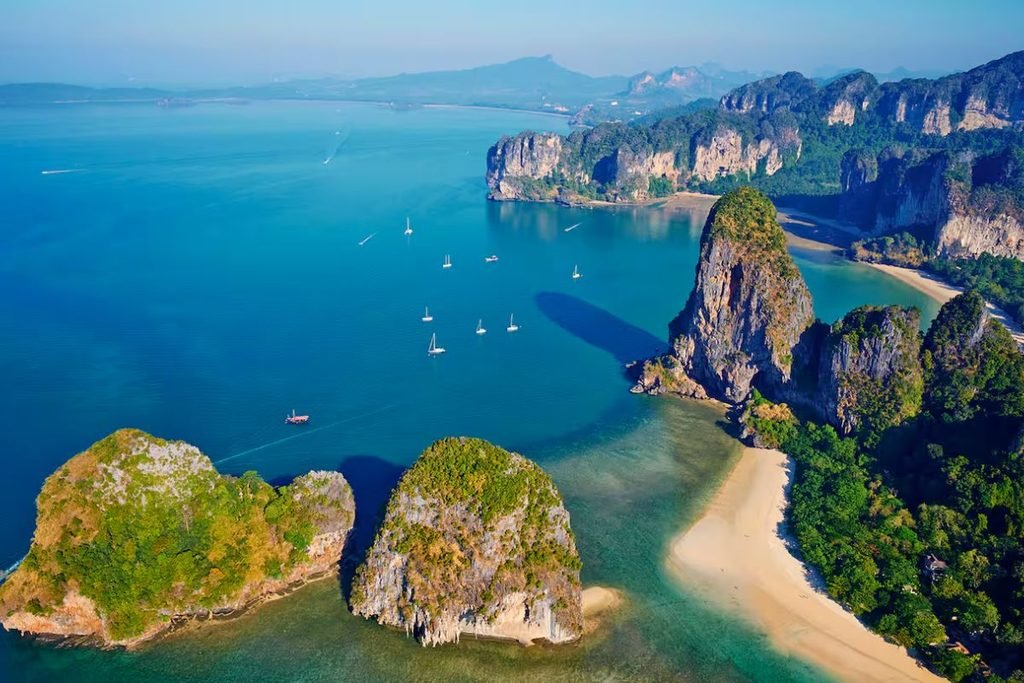
Krabi is one of Thailand’s most visually distinctive travel destinations. The province combines beaches, limestone cliffs, islands, caves, coral reefs, hot springs, and national parks. The Tourism Authority of Thailand describes Krabi as a major base for exploring places such as Railay, Phra Nang, Koh Phi Phi, and Koh Lanta. Ao Nang is an important starting point for boat trips.
Why choose Krabi?
The landscape is the main attraction. Instead of seeing only a flat ocean horizon, travelers often encounter towering limestone formations rising dramatically from the sea. This creates excellent conditions for photography, boat trips, climbing, kayaking, and sightseeing.
Places to explore around Krabi
- Ao Nang
- Railay
- Phra Nang
- Koh Poda
- Koh Phi Phi
- Koh Lanta
- Nearby island groups
Railay is especially popular because it feels island-like despite being connected to the mainland area by geography. Boat access adds to the experience.
Krabi’s practical advantage
Krabi can work as a base rather than simply a beach stop. You can stay in one area and arrange several excursions instead of changing hotels every day. That approach saves packing time and reduces the risk of losing half a vacation day to transfers.
06. Koh Samui: Comfortable Island Travel
Koh Samui is a strong option for travelers who want an island holiday with a broad range of accommodation, restaurants, beaches, activities, and services. The Tourism Authority of Thailand highlights Chaweng, Lamai, and Taling Ngam, while also noting access to Ang Thong National Marine Park. Among the major island travel destinations, Koh Samui is particularly useful for families and travelers who want convenience.
What to expect
Different parts of the island have different personalities. Chaweng is lively and convenient, with many restaurants and activities. Lamai provides another developed beach option without requiring you to stay in Chaweng. Bophut offers a different atmosphere, while quieter coastal areas can provide a more relaxed stay.
Who should choose Koh Samui?
It can work well for:
- Families
- Couples
- First-time island visitors
- Resort travelers
- Wellness travelers
- Travelers wanting day trips
Koh Samui also provides access to other Gulf islands, making it possible to build a multi-island itinerary.
07. Koh Tao: Diving, Snorkeling and Island Life
Koh Tao is smaller than Phuket or Koh Samui, but its underwater activities make it one of the most specialized travel destinations in Thailand. The Tourism Authority of Thailand identifies Koh Tao as one of the country’s major scuba-diving destinations and highlights snorkeling, Sairee Beach, and nearby Koh Nang Yuan.
Why visit Koh Tao?
Choose Koh Tao if you are interested in:
- Scuba diving
- Learning to dive
- Snorkeling
- Boat trips
- Beaches
- Island viewpoints
- Casual nightlife
The island can be particularly attractive for active travelers who want to spend several days around the water instead of simply sitting at a resort.
A practical safety point
Motorbikes are widely used on Thai islands, but unfamiliar roads, steep sections, traffic, and limited riding experience can create serious risks. Tourism Authority guidance specifically warns visitors about motorcycle accidents on Koh Tao and recommends caution. If you are not an experienced rider, consider other transport options.
08. Koh Phangan: More Than the Full Moon Party

Koh Phangan is often associated with its famous Full Moon Party, but reducing the island to nightlife misses much of what it offers. The island has beaches, waterfalls, forests, temples, local communities, and quieter areas. The Tourism Authority of Thailand notes that some beaches remain moderately developed and that the island can support both lively and relaxing holidays. This makes Koh Phangan one of the more flexible travel destinations for travelers who want different experiences within the same island.
Who should visit?
Koh Phangan works for:
- Groups
- Younger travelers
- Nightlife fans
- Couples
- Long-stay travelers
- People looking for quieter beaches away from party areas
The key is choosing your accommodation carefully. If you want nightlife, stay close to the relevant activity. If you want peace, do not assume the whole island feels like the party area.
09. Ayutthaya: Thailand’s Historic Capital
Ayutthaya is one of the most important cultural travel destinations near Bangkok. The historic city was founded around 1350 and became the second Siamese capital. UNESCO recognizes the Historic City of Ayutthaya as a World Heritage property. The ruins include temples, monasteries, prangs, Buddha images, and archaeological remains spread around the historic city.
Why visit Ayutthaya?
It is an excellent choice if you want to understand Thailand’s beaches and modern cities.
You can explore:
- Wat Mahathat
- Wat Phra Si Sanphet
- Wat Chaiwatthanaram
- Historic ruins
- Museums
- Riverside areas
- Local food
Ayutthaya is also relatively easy to add to a Bangkok itinerary. That makes it one of the most practical history-focused travel destinations for a first trip.
Day trip or overnight?
A day trip can work if your schedule is tight. An overnight stay is better if you want a slower experience and more time among the historic areas.
10. Sukhothai: Ancient Thailand Without the Bangkok Crowds
Sukhothai offers a deeper historical experience for travelers willing to travel farther north. The Historic Town of Sukhothai and Associated Historic Towns are recognized by UNESCO as a World Heritage property. The site includes Sukhothai, Si Satchanalai, and Kamphaeng Phet and represents an important period in early Siamese art and architecture. The Tourism Authority of Thailand highlights Sukhothai Historical Park, Wat Si Chum, Wat Mahathat, and other historic sites.
Why choose Sukhothai?
Sukhothai is particularly suitable for:
- History enthusiasts
- Photographers
- Cultural travelers
- Slow travelers
- Visitors who enjoy archaeological sites
The historic park is the main reason to visit. Rather than rushing through a city center, travelers can spend time exploring ancient monuments and the surrounding landscape.
Sukhothai vs. Ayutthaya
Ayutthaya is easier to combine with Bangkok. Sukhothai requires more travel time but can feel more immersive for travelers specifically interested in early Thai history. Both belong on different kinds of cultural itineraries.
11. Kanchanaburi: Waterfalls, Rivers and War History
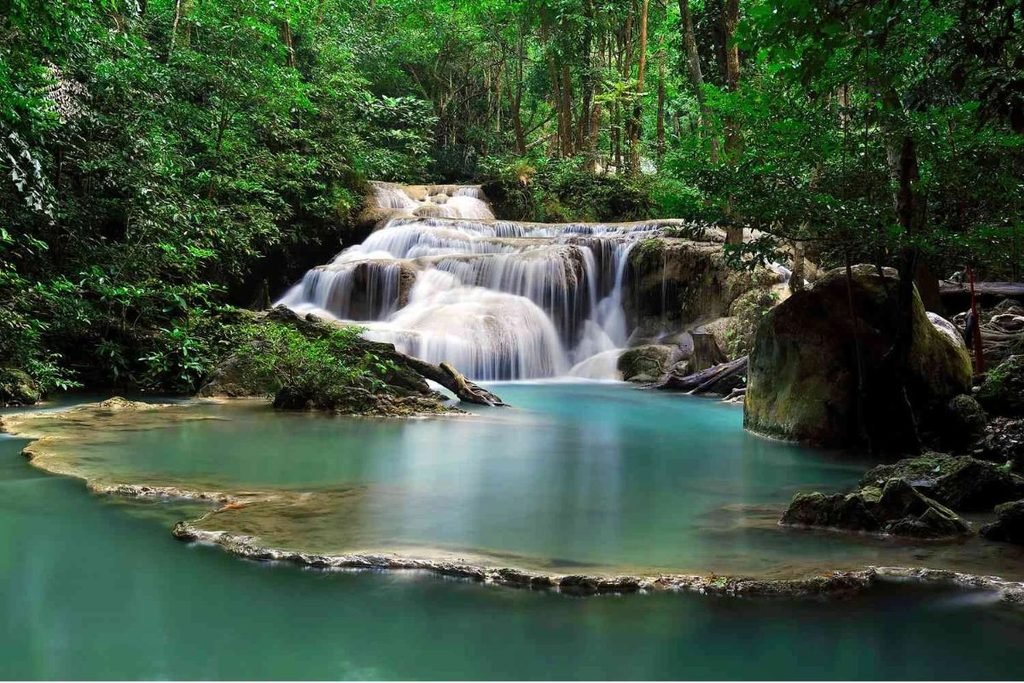
Kanchanaburi combines natural scenery with significant twentieth-century history. The province is accessible from Bangkok and offers waterfalls, rivers, forests, reservoirs, historical attractions, and outdoor activities.
The Tourism Authority of Thailand highlights Erawan Waterfall, Sai Yok waterfalls, Khao Laem National Park, the Bridge over the River Kwai, Kanchanaburi War Cemetery, and World War II museums among the area’s attractions.
What makes Kanchanaburi different?
It combines two categories that travelers often plan separately:
Nature
- Waterfalls
- Forests
- Rivers
- Outdoor activities
- National parks
History
- World War II sites
- Railway history
- Museums
- War cemeteries
- The Bridge over the River Kwai
That combination makes Kanchanaburi one of the most useful travel destinations for a short extension from Bangkok.
12. Hua Hin: An Easy Beach Escape From Bangkok
Hua Hin is a practical choice when you want the coast without committing to an island transfer. The Tourism Authority of Thailand highlights beaches, Takiab Bay, Pala-U Waterfall, Hua Hin Train Station, night markets, golf, and seaside restaurants. The destination is accessible by train, bus, and car.
Among Thailand’s coastal travel destinations, Hua Hin is particularly useful for:
- Families
- Short breaks
- Couples
- Travelers combining Bangkok with the coast
- Visitors who prefer developed destinations
It is not designed to feel like a remote tropical island. Instead, its strength is convenience.
Why choose Hua Hin?
A traveler with only a week in Thailand may not want to spend several hours changing from plane to taxi to ferry. Hua Hin offers an easier alternative. You can combine Bangkok and Hua Hin while keeping transportation relatively straightforward.
13. Khao Sok National Park: Jungle and Limestone Landscapes
Thailand’s travel destinations are often associated with beaches, but the country’s inland nature can be just as impressive. Khao Sok National Park is a major option for travelers who want rainforest landscapes, limestone formations, caves, waterways, hiking, and wildlife experiences. The experience is very different from staying at a beach resort.
Who should visit Khao Sok?
Choose it if you want:
- Jungle scenery
- Outdoor activities
- Boat trips
- Hiking
- Nature photography
- A break from urban areas and beaches
Khao Sok is particularly useful in a longer itinerary because it creates a strong contrast with destinations such as Phuket, Krabi, or Koh Samui.
A practical consideration
Outdoor conditions can affect activities. Rain, trail conditions, water levels, and park regulations can change. Check local information before committing to a specific hike or boat excursion.
14. Koh Lanta: A More Relaxed Island Base
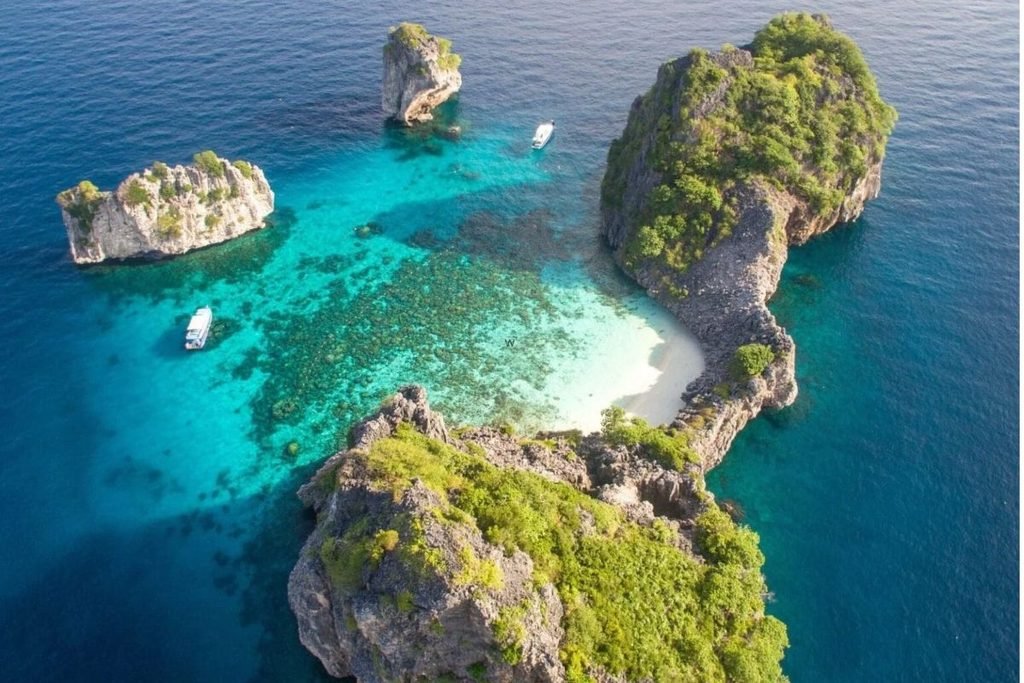
Koh Lanta is worth considering if Phuket feels too developed and smaller islands seem too limited. The island offers beaches, restaurants, accommodation, snorkeling opportunities, and a more relaxed pace. It can suit travelers who want to spend several days without feeling pressured to visit a different attraction every morning.
Who should consider Koh Lanta?
- Couples
- Families
- Long-stay travelers
- Slow travelers
- People who want beach time with reasonable infrastructure
Koh Lanta can also work well for travelers who want to explore the wider Krabi region without staying in the busiest part of Ao Nang.
How to Choose the Right Thailand Destination
The best way to select from Thailand’s many travel destinations is to begin with your trip priorities.
If this is your first Thailand trip
Consider:
Bangkok + Chiang Mai + one southern destination
This gives you:
- City life
- Thai culture
- Food
- Mountains
- Beaches
- Different regional experiences
You do not need to visit five islands to have a complete first trip.
If you mainly want beaches
Consider Phuket, Krabi, Koh Samui, Koh Lanta, Koh Tao, or Koh Kood.
Your choice should depend on whether you value:
- Convenience
- Quiet beaches
- Diving
- Nightlife
- Family facilities
- Island hopping
- Resort comfort
If you love history
Prioritize:
- Ayutthaya
- Sukhothai
- Bangkok
- Chiang Mai
If you want nature
Consider:
- Khao Sok
- Kanchanaburi
- Chiang Mai
- Chiang Rai
- Krabi
If you want nightlife
Look at:
- Bangkok
- Phuket
- Koh Samui
- Koh Phangan
If you want a slower trip
Consider:
- Chiang Mai
- Koh Lanta
- Koh Kood
- Hua Hin
- Sukhothai
Thailand’s Two Main Beach Coasts
Understanding the difference between the Andaman Sea and Gulf of Thailand can prevent a common planning mistake.
Andaman Coast
Major travel destinations include:
- Phuket
- Krabi
- Koh Phi Phi
- Koh Lanta
- Koh Lipe
This side is known for dramatic limestone scenery, islands, Hidden Beach, and marine activities.
Gulf of Thailand
Major destinations include:
- Koh Samui
- Koh Phangan
- Koh Tao
- Chumphon
The Gulf is especially useful for travelers interested in island combinations and diving. Thailand’s weather varies by region and season because the country is influenced by seasonal monsoon systems. The Tourism Authority of Thailand describes distinct rainy, cooler/drier, and hotter periods, while regional patterns can differ. Do not choose an island solely because someone told you that a particular month is “the best time for Thailand.” Check the weather for the exact coast you intend to visit.
Best Time to Visit Thailand
There is no single perfect month for every destination. Thailand’s climate varies by region, and the southern coasts can have different rainfall patterns. The Tourism Authority of Thailand notes that the country experiences seasonal changes influenced by the summer and winter monsoons.
November to February
These months are often attractive for many travelers because parts of the country experience cooler and drier conditions. Northern destinations can be particularly pleasant during this period.
March to May
Temperatures generally become hotter. This can still be a good time for beach holidays, but heat-sensitive travelers should plan outdoor sightseeing around the cooler parts of the day.
June to October
Rainfall becomes more important when planning. That does not mean every day is wet or that travel is impossible. It means travelers should expect greater weather variability and check conditions for the specific region.
For Beach Club, the exact coast matters more than a simple nationwide seasonal label.
How Many Days Do You Need in Thailand?
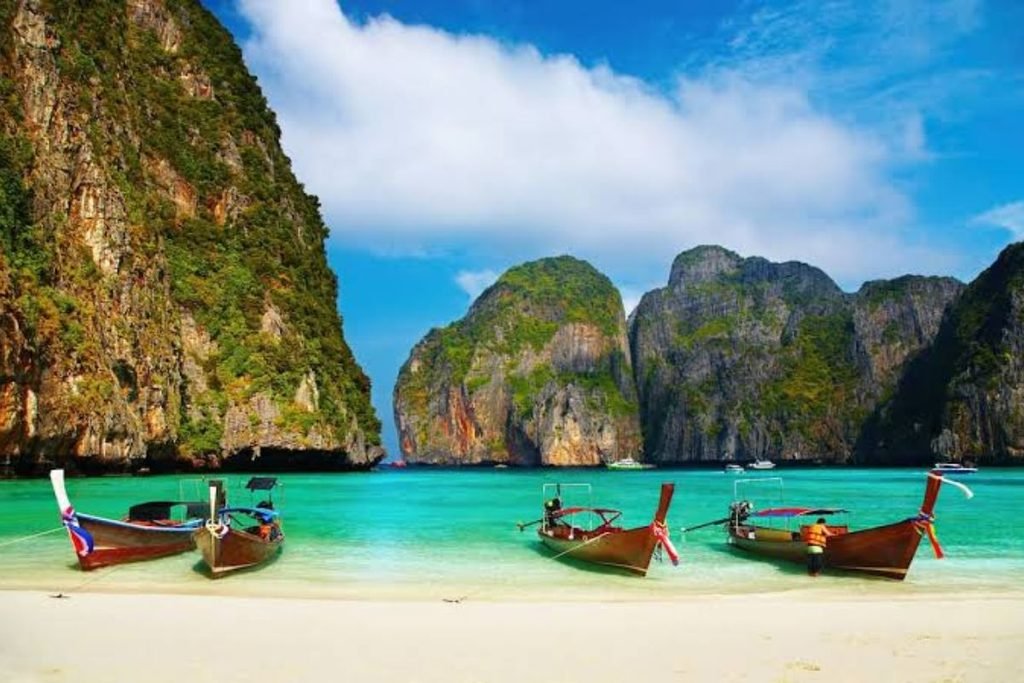
Your ideal itinerary depends on how many regions you want to combine.
5–7 days
Keep the route simple.
Example:
- Bangkok: 3 days
- Phuket or Krabi: 3–4 days
8–10 days
You can add northern Thailand.
Example:
- Bangkok: 3 days
- Chiang Mai: 3 days
- Krabi or Phuket: 3–4 days
12–14 days
You have enough time for a broader trip.
Example:
- Bangkok
- Ayutthaya
- Chiang Mai
- Krabi
- One island
3 weeks or more
A longer trip allows you to slow down.
You could combine:
- Bangkok
- Ayutthaya
- Chiang Mai
- Chiang Rai
- Khao Sok
- Krabi
- Koh Lanta or another island
The key lesson is simple: fewer travel destinations with more time in each can create a better trip than collecting many places.
Common Thailand Travel Planning Mistakes
Even experienced travelers can make avoidable mistakes when planning travel destinations in Thailand.
01. Trying to visit too many islands
Island hopping sounds easy on a map.
In reality, each move can involve:
- Hotel checkout
- Taxi or transfer
- Ferry
- Waiting
- New transportation
- Hotel check-in
Three islands may sound exciting but can consume significant vacation time.
02. Ignoring regional weather
Thailand is not a single weather zone. Always check the destination’s regional forecast.
03. Choosing a destination only because it is famous
A famous place may not fit your travel style.
Ask:
- Do I want nightlife?
- Do I want quiet?
- Do I need easy transportation?
- Do I want nature?
- Do I want culture?
- Do I want luxury?
- Do I want budget travel?
04. Booking the wrong neighborhood
- A city or island can contain completely different areas.
- Phuket’s Patong experience is not the same as northern Phuket.
- Koh Phangan’s party area is not the same as a quiet beach.
- Bangkok’s riverside neighborhoods feel different from commercial districts.
- Research the specific area, not just the destination name.
05. Forgetting travel time
A map can make Thailand look compact. Your itinerary should account for actual transportation, not straight-line distance.
06. Treating old travel information as current
Entry rules, park access, ferry schedules, attraction closures, and visa procedures can change. Check official sources close to departure.
Practical Thailand Travel Tips for Beginners

A few simple habits can make a Thailand trip smoother.
Check entry requirements before booking
Visa requirements depend on nationality and can change. Thailand’s official e-Visa system provides current Thailand Visa categories and application information. Thailand also operates an official Digital Arrival Card system. Travelers should use the official immigration information rather than paying an unofficial website for an arrival-card submission.
Keep your itinerary flexible.
Do not schedule every hour.
Leave room for:
- Weather changes
- Delayed ferries
- Unexpected discoveries
- Rest
- Local markets
- Longer meals
Respect temples and religious sites
Wear appropriate clothing when visiting temples and follow local instructions. Thailand’s religious and cultural sites are not simply photo locations. Treat them as active places of worship and heritage.
Be careful around water.
Beach conditions can change quickly. Follow warning flags and local instructions. Phuket’s tourism guidance specifically reminds visitors to pay attention to red flags before swimming.
Protect natural areas
- When snorkeling or diving, avoid touching coral or marine animals.
- Do not leave plastic, food packaging, or other waste behind.
- These small choices matter in popular coastal destinations.
Food You Should Experience in Thailand
Food is one of the strongest reasons to include several different travel destinations in one trip. Bangkok offers enormous variety, but regional food changes as you move around the country. In the north, look for dishes such as khao soi and northern-style curries. In the south, expect stronger flavors and extensive use of seafood, herbs, and spices. In Bangkok, street food provides an easy introduction to Thai everyday cuisine.
Useful foods to look for include:
- Pad Thai
- Pad Kra Pao
- Som Tam
- Khao Soi
- Tom Yum
- Green curry
- Massaman curry
- Mango sticky rice
- Fresh tropical fruit
- Regional seafood dishes
How to Build a Balanced Thailand Itinerary
Instead of choosing travel destinations randomly, create a route based on geography.
Route 01: First-Time Classic
Bangkok → Chiang Mai → Phuket
Best for:
- Beginners
- Culture
- Food
- Beaches
- Shorter trips
Route 02: Culture and History
Bangkok → Ayutthaya → Sukhothai → Chiang Mai
Best for:
- History lovers
- Architecture
- Museums
- Cultural travel
This route requires more overland planning.
Route 03: Beach and Nature
Bangkok → Krabi → Koh Lanta → Khao Sok
Best for:
- Nature
- Beaches
- Couples
- Outdoor activities
Route 04: Gulf Islands
Bangkok → Koh Samui → Koh Phangan → Koh Tao
Best for:
- Island hopping
- Diving
- Snorkeling
- Beaches
- Nightlife
Do not try to combine every route in one short vacation.
Where Technology Helps With Thailand Travel
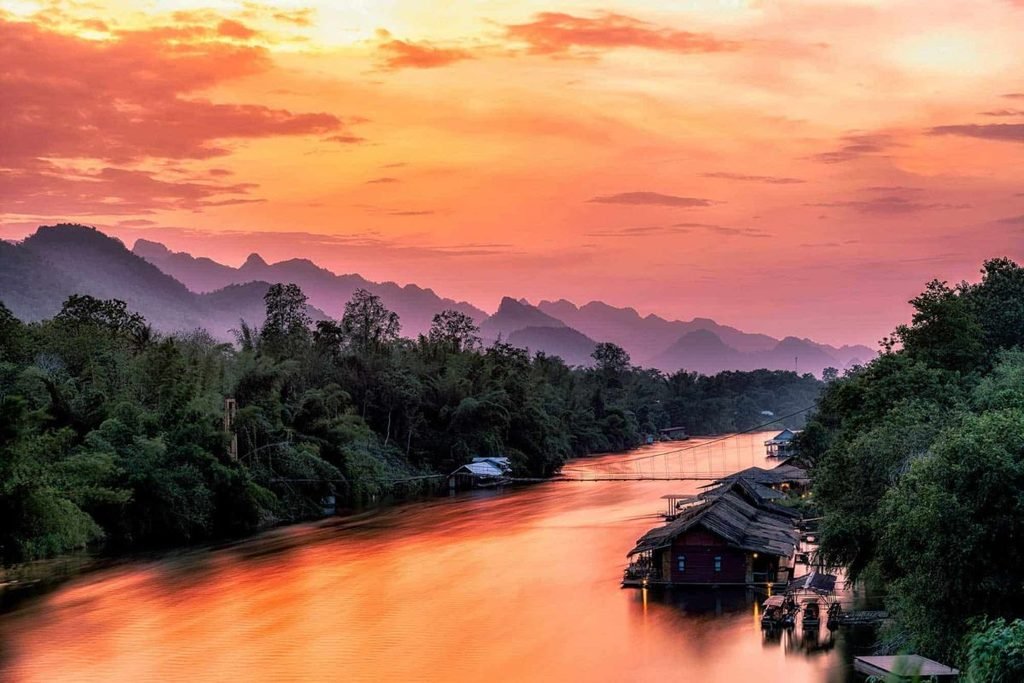
Digital tools can make international travel easier when used carefully.
Before departure, save:
- Hotel addresses
- Airport information
- Offline maps
- Booking confirmations
- Passport copies
- Emergency contact information
- Transport details
An eSIM or local mobile connection can also make navigation and communication easier, especially when traveling between several destinations.
For broader technology and digital travel tools, readers can explore the technology guides available on Tech All World and Techh AtoZ.
Final Thoughts
Thailand’s travel advantage is variety. You can start with temples and street food in Bangkok, move into the mountains around Chiang Mai, explore ancient ruins in Ayutthaya or Sukhothai, and finish beside the sea in Krabi, Phuket, Koh Samui, or another island.
The smartest approach is not to collect as many travel destinations as possible. Choose the most beautiful places that fit together geographically and match the kind of trip you actually want.
For a first visit, a simple combination of Bangkok, Chiang Mai, and one southern base is often enough to experience several sides of the country. Longer trips can add history, national parks, quieter islands, or diving destinations.
Before you leave, verify current entry requirements, weather forecasts, transportation schedules, attraction rules, and marine conditions. Thailand changes from region to region, so planning around those differences will usually produce a smoother and more rewarding journey.
Most importantly, give yourself enough time to experience each place. The best travel destinations are not necessarily the ones you can check off fastest. They are the ones that fit your interests, schedule, and preferred pace.
Frequently Asked Questions
Q: What are the best travel destinations in Thailand for first-time visitors?
Ans: For a first trip, Bangkok, Chiang Mai, and one southern destination such as Phuket or Krabi provide a broad introduction to Thailand. This combination covers city life, culture, food, mountains, beaches, and island activities without requiring an overly complicated route.
Q: Which Thailand destination is best for beaches?
Ans: There is no universal answer. Phuket offers convenience and variety, Krabi provides dramatic limestone scenery, Koh Samui offers comfortable island holidays, Koh Tao is particularly strong for diving, and quieter islands such as Koh Lanta or Koh Kood suit travelers seeking a slower pace.
Q: Is Bangkok worth visiting if I mainly want beaches?
Ans: Yes. Bangkok provides a strong cultural and food experience and is also a major transportation hub. Spending a few days in the capital before traveling south can give you a more balanced understanding of Thailand.
Q: Is Chiang Mai worth visiting on a short Thailand trip?
Ans: Yes, especially if you want temples, northern food, mountain scenery, markets, and a slower pace. However, if you have only five days, adding Chiang Mai and a distant beach destination may create too much transportation time.
Q: Which Thailand destinations are best for couples?
Ans: Couples may enjoy Krabi, Koh Samui, Koh Lanta, Koh Kood, Chiang Mai, or Phuket depending on their interests. Krabi suits dramatic scenery, Koh Samui offers resort convenience, and Chiang Mai provides culture and mountain experiences.
Q: Which destination is best for families?
Ans: Phuket, Hua Hin, Koh Samui, and parts of Krabi can work well for families because they offer accommodation, restaurants, activities, and transportation options. Parents should still check beach conditions and choose accommodation based on the needs of children.
Q: How many Thailand destinations should I visit in two weeks?
Ans: Three or four main bases are usually easier to manage than trying to visit seven or eight places. A practical two-week route might combine Bangkok, Chiang Mai, and one southern region, with a short side trip if transportation fits comfortably.
Q: What is the best month to visit Thailand?
Ans: It depends on where you are going. Thailand’s regions experience different rainfall patterns, and the Andaman coast does not always have identical conditions to the Gulf coast. Check destination-specific weather before finalizing your itinerary.
Q: Are Thailand’s islands expensive?
Ans: Costs vary widely by island, accommodation type, season, transportation, and activities. Developed destinations offer everything from budget accommodation to luxury resorts, while remote islands can have higher transportation or limited-service costs.
Q: Do I need a visa to visit Thailand?
Ans: Visa requirements depend on your passport, purpose of travel, and current Thai immigration rules. Check the official Thai e-Visa and relevant embassy or consular information before booking your trip.
Q: Is Thailand suitable for a solo traveler?
Ans: Yes, many travel destinations in Thailand have extensive accommodation, transportation, tours, restaurants, and visitor infrastructure. Solo travelers should still use normal precautions, especially when riding motorbikes, swimming, hiking, or traveling by boat.
Q: Should I book everything before traveling to Thailand?
Ans: Not necessarily. It can be useful to reserve international flights, your first accommodation, and popular activities in advance. Keep less important parts flexible so you can adapt to weather, transport changes, or destinations you enjoy more than expected.