
 -by
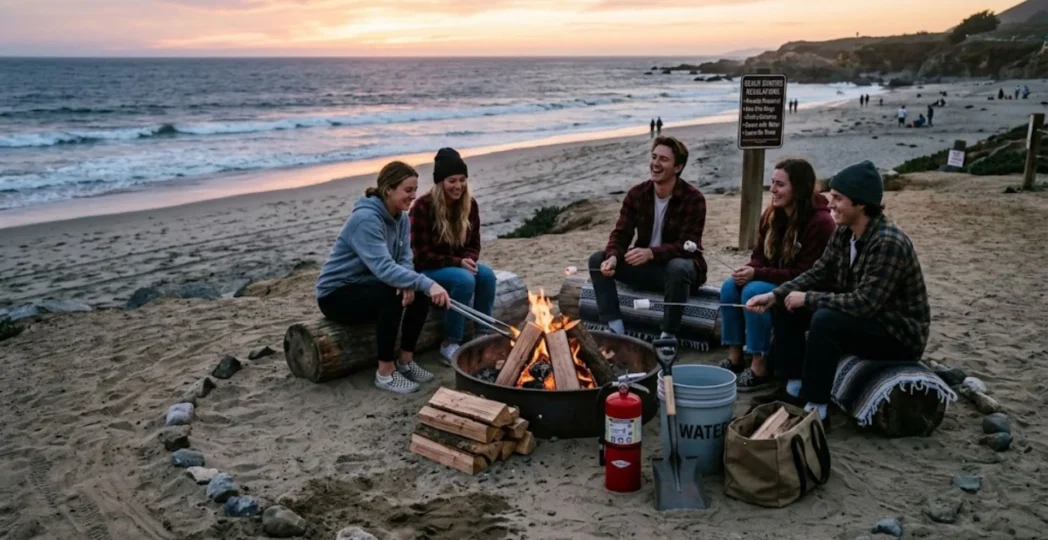
-by Few outdoor activities create the atmosphere of Beaches and Bonfires quite like an evening by the shoreline. The sound of waves, an open horizon, a controlled fire, and time with friends or family can transform an ordinary coastal visit into a memorable experience. However, successful Beaches and Bonfires require thoughtful preparation rather than simply bringing fuel and starting a fire.
Rules for Beaches and Bonfires vary widely by destination. Some beaches permit fires only in designated rings, while others may require permits, restrict approved fuel, or prohibit open flames completely. Before planning your evening, check local regulations and consider weather, wind, tides, wildlife, nearby visitors, and fire-safety requirements.
This guide provides practical advice for planning Beaches and Bonfires responsibly, whether you are enjoying your first coastal gathering or organizing outdoor activities professionally. You will learn how to select an appropriate location, understand local restrictions, prepare essential supplies, manage a permitted fire, organize food, and protect the surrounding coastline. For more travel inspiration and coastal destination ideas, explore Beach Near. You can also find useful restaurant and food-related resources at Restaurent.net.
Ultimately, responsible Beaches and Bonfires focus on enjoyment while protecting people, property, wildlife, and the environment. With careful planning, your Beaches and Bonfires experience can be relaxing, memorable, and respectful.
What Are Beaches and Bonfires?
Beaches and bonfires refer to the experience of gathering on or near a coastline and enjoying a controlled outdoor fire, usually for warmth, cooking, socializing, or relaxation. A responsible beach bonfire takes place only where fires are permitted and follows local rules, fire-safety practices, environmental protections, and proper cleanup requirements.
The phrase can describe several different experiences:
- A small family gathering around a permitted fire ring
- A sunset beach picnic followed by a bonfire
- A camping trip with a designated coastal fire area
- A private event at a beach venue where fires are authorized
- A community celebration organized under local regulations
- A professional tourism or hospitality event with formal safety planning
The important distinction is between a controlled, permitted fire and an unauthorized open flame. A beautiful beach setting does not automatically mean fires are allowed.
Why Beach Bonfires Need Extra Planning
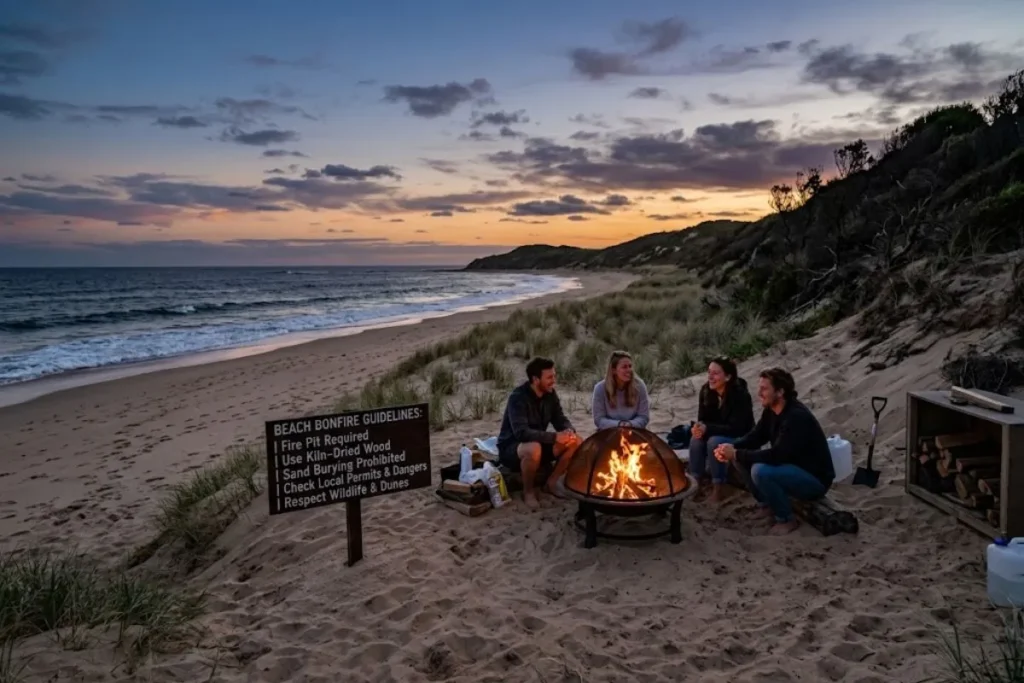
A bonfire in a backyard and a bonfire beside the ocean do not present the same challenges. Coastal environments can change quickly. Wind may increase after sunset. A rising tide can reduce available space. Dry vegetation near dunes can create a fire risk. Smoke can disturb nearby visitors or residents.
Wildlife may also use beaches and surrounding areas for nesting or resting. The most enjoyable beach bonfires usually feel effortless because the planning happened before anyone arrived.
A good plan answers these questions:
- Is a fire allowed at this beach?
- Do I need a permit or reservation?
- Are there designated fire pits or rings?
- What fuel is permitted?
- Will the tide, wind, or weather create problems?
- How will the fire be fully extinguished?
- How will all waste leave the beach?
Before choosing a destination, readers can use beach guides and nearby coastal destinations on Beach Near to research locations and build a more practical trip plan.
Start With Local Rules, Not Firewood
The first step in planning a beach bonfire is checking the rules of the exact location.
There is no universal beach-fire policy. Rules may differ between:
- National parks
- State or provincial parks
- Municipal beaches
- Private beaches
- Resorts
- Campgrounds
- Protected coastal areas
A rule at one beautiful beach should never be assumed to apply to another beach nearby.
Common Beach Bonfire Rules
Depending on the destination, you may encounter rules such as:
- Fires allowed only in permanent fire rings
- Permit or reservation requirements
- Seasonal fire bans
- Restrictions during high winds
- Limits on fire size
- Restrictions on gathering wood
- Approved firewood requirements
- Time limits for fires
- Rules against burning rubbish or treated wood
- Requirements to remove ash or dispose of it in designated facilities
Some areas also temporarily close fire facilities because of weather, wildfire conditions, maintenance, or environmental protection.
Practical recommendation: Check the official website or contact the relevant park, beach, municipality, or property manager shortly before your trip. Do not rely only on an old blog post, social-media video, or review.
How to Choose the Right Beach for a Bonfire
The best beach for a bonfire is not necessarily the most famous food or the most scenic. It is the location that safely supports the experience you want.
Look for Designated Fire Facilities
A permanent fire ring or officially managed fire pit usually provides a better starting point than attempting to create a new fire location. For more inspiration when choosing a warm coastal destination, explore our guide to Tropic Beaches in the USA and discover beaches that may complement your travel plans.
Designated facilities may offer:
- A known location for the fire
- Separation from sensitive areas
- Easier cleanup procedures
- Clearer local rules
- Reduced risk of damaging dunes or vegetation
However, a fire ring does not guarantee that fires are always permitted. Temporary restrictions can still apply. If you are looking for less-crowded coastal destinations to enjoy your next Beaches and Bonfires experience, explore this guide to hidden beach gems for inspiration.
Consider Accessibility
Think about what you must carry. A beach that looks ideal in photographs may require a long walk across soft sand. Carrying water, food, chairs, safety supplies, and permitted fuel can become difficult.
Ask:
- How far is the parking area?
- Is the route suitable after dark?
- Is the beach accessible for children or guests with mobility needs?
- Are restrooms nearby?
- Is there adequate lighting around public access areas?
- Can emergency services reach the general area if needed?
Check the Tide
One of the most overlooked parts of beach planning is the tide. A location that appears spacious during the afternoon may have much less usable sand later. A rising tide can approach seating, equipment, and access routes.
Before settling in, identify:
- The current tide direction
- The expected high-tide period
- A safe route back to the access point
- A location away from the changing waterline
Do not place a fire where rising water could force people to abandon it quickly.
Think About Wind and Smoke
Wind affects both fire behavior and comfort.
Strong or unpredictable wind can:
- Blow sparks
- Increase fire intensity
- Carry smoke toward guests
- Spread burning material
- Make extinguishing more difficult
Even when a fire is technically permitted, poor conditions may make it a bad idea.
Beach Bonfire Location Checklist
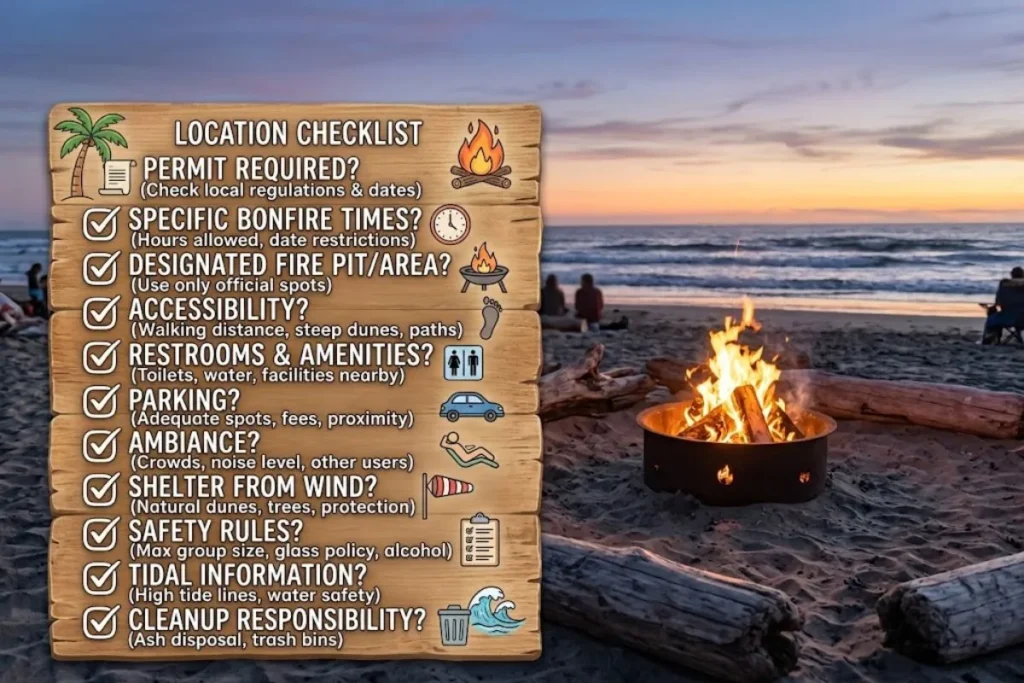
Use this simple checklist before setting up:
- The beach or property allows fires.
- Any required permit or reservation is confirmed.
- No temporary fire restriction applies.
- The fire will be in an approved location.
- The site is away from dunes, vegetation, structures, and sensitive habitat.
- The tide will not reach the area.
- Wind conditions are suitable.
- A clear route exists for leaving after dark.
- Water or another locally appropriate extinguishing method is available.
- Everyone understands the basic safety rules.
Essential Beach Bonfire Supplies
Packing for a beach bonfire does not mean bringing as much equipment as possible. It means bringing what helps you stay safe, comfortable, and responsible.
Core Safety Equipment
Consider packing:
- Water for extinguishing, where appropriate and practical
- A sturdy bucket or container
- A shovel or similar tool if permitted and useful for the site
- A basic first-aid kit
- A flashlight or headlamp
- A fully charged phone
- A power bank for longer trips
- Clearly identified emergency contacts
Follow the local authority’s instructions regarding the preferred method for extinguishing a fire.
Fire and Fuel Supplies
Use only fuel that the location permits.
Avoid burning:
- Trash
- Plastic
- Food packaging
- Treated or painted wood
- Unknown scrap wood
- Materials that may release harmful smoke
- Natural vegetation taken from protected areas
Buying approved firewood locally can also help avoid carrying pests or plant diseases between regions where such movement is regulated.
Comfort Supplies
Depending on the weather and location, useful items may include:
- Folding chairs
- Blankets
- Extra layers
- Towels
- A ground mat
- Reusable cups and plates
- Insect protection where appropriate
- Covered containers for food
- A weather-resistant bag for electronics
For travelers planning food around their coastal visit, beach restaurants and dining ideas can help with meal planning before or after the bonfire.
How to Build and Manage a Safer Beach Bonfire
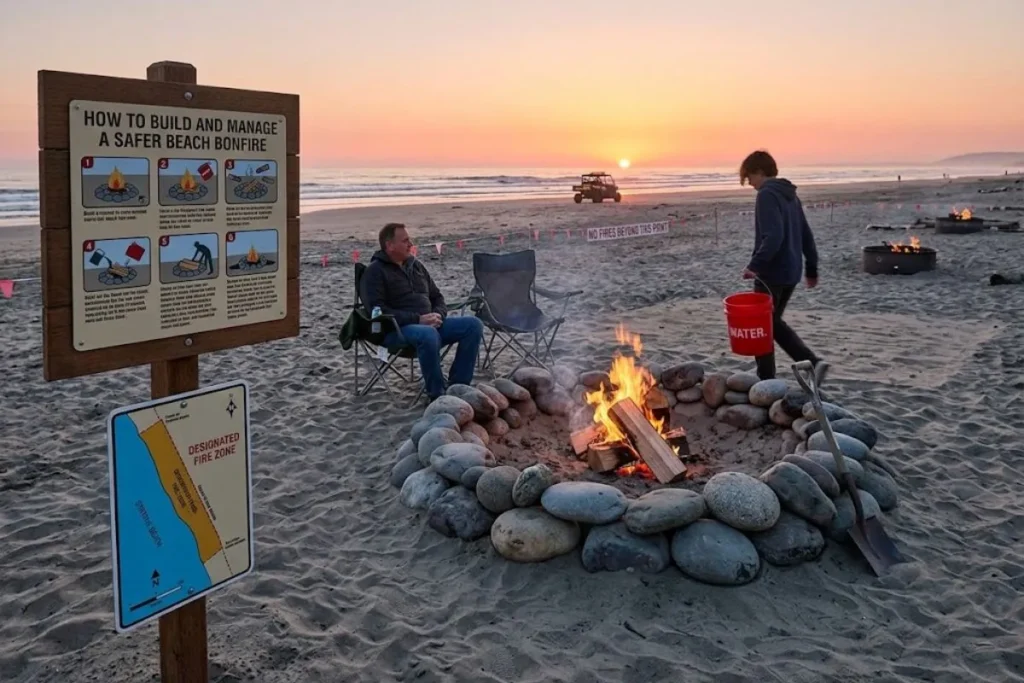
Always follow the exact rules of the location. If fires are allowed only in a permanent ring, use that ring. Do not create a new pit elsewhere. When an authorized fire is permitted, a cautious approach is usually better than building the largest possible blaze.
Step 01: Inspect the Approved Fire Area
Before lighting anything, check for obvious problems.
Look for:
- Trash or flammable debris
- Strong wind
- Nearby vegetation
- Loose items that could blow into the fire
- Unsafe crowding
- Changes in local conditions
If the conditions do not look safe, do not proceed.
Step 02: Keep the Fire Manageable
A smaller fire is generally easier to supervise and extinguish than an unnecessarily large one.
Build only the amount of fire needed for:
- Warmth
- Cooking
- Light, where permitted
- The size of the gathering
More fuel does not automatically create a better experience.
Step 03: Assign Responsibility
One of the simplest safety improvements is making sure someone is responsible for monitoring the fire. For larger gatherings, avoid assuming that “someone else is watching it.”
The responsible person should pay attention to:
- Wind changes
- Children and pets
- Fuel being added
- Sparks
- People approaching the fire
- The planned extinguishing time
Step 04: Keep a Clear Safety Zone
Avoid placing chairs, bags, blankets, or loose clothing too close to the flames. Also keep pathways clear. People should not need to step around the fire to reach the water or exit.
Step 05: Never Leave the Fire Unattended
A fire can change quickly, particularly when wind conditions shift. If the group moves, the fire should be extinguished according to local guidance before it is left behind.
A Simple Beach Bonfire Safety Table
| Situation | Better Response |
| Wind suddenly increases | Stop adding fuel and reassess whether the fire should be extinguished |
| Smoke consistently blows toward guests | Adjust seating if safe, or end the fire if conditions remain uncomfortable |
| Tide begins approaching the setup | Move people and equipment away early; do not wait until the water reaches the area |
| A child wants to manage the fire | Ensure close adult supervision and clear boundaries |
| Someone throws waste into the fire | Stop immediately and use proper waste disposal |
| The group wants to leave | Fully extinguish the fire and confirm the site is safe before departing |
| Local rules are unclear | Do not assume permission; contact the responsible authority or choose another activity |
The Best Beach Bonfire Food Ideas
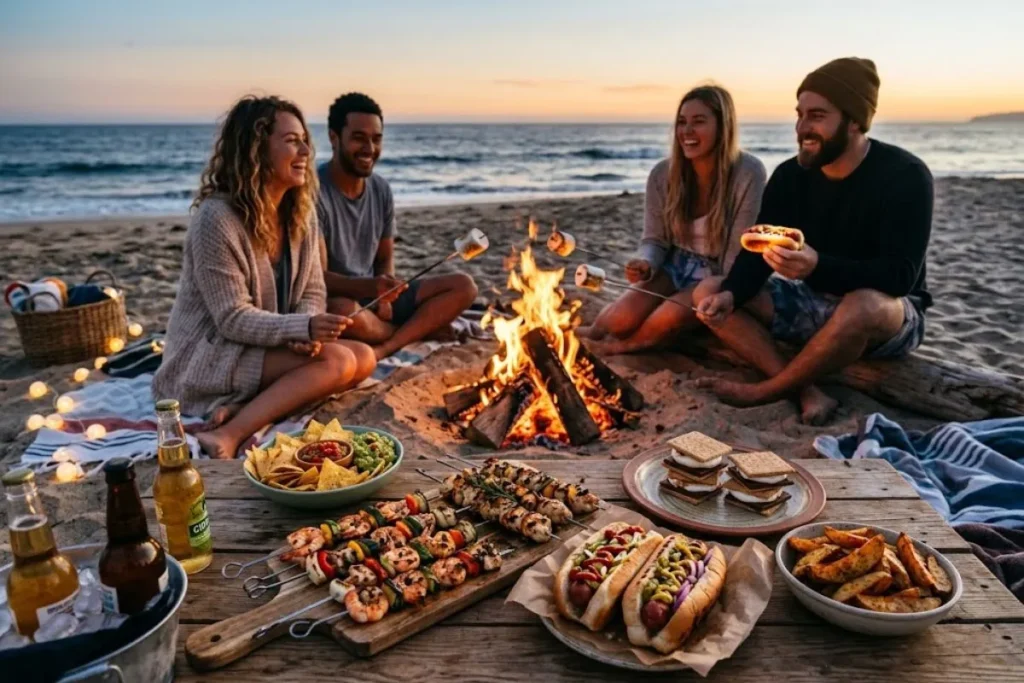
Food can make a beach gathering more enjoyable, but coastal conditions reward simple planning. The best options are easy to transport, easy to protect from sand, and safe to handle.
Easy Options for Beginners
For a first beach bonfire, consider foods that require little preparation:
- Pre-made sandwiches
- Wrapped baked potatoes
- Fruit
- Simple skewers prepared in advance
- Crackers and dips kept in sealed containers
- Marshmallow-style desserts where allowed and safely prepared
- Non-alcoholic warm drinks in reusable insulated containers
Cooking Requires More Attention
If you plan to cook over an authorized fire, think about:
- Food storage temperatures
- Separate containers for raw and ready-to-eat foods
- Hand hygiene
- Proper cooking equipment
- Safe handling of hot surfaces
- Cleanup and waste removal
Do not treat an open beach fire as a substitute for proper food-safety practices. A useful strategy is to prepare most ingredients before leaving home. This reduces knives, packaging, loose ingredients, and unnecessary waste on the beach.
If you’re planning seafood for your coastal gathering, exploring the best seafood buffets can inspire meal ideas before or after your beach bonfire.
Bonfire Food: Fire Cooking vs. Bring-Ready Meals
| Option | Advantages | Limitations |
| Cooking over the fire | Creates a classic bonfire experience | Requires more equipment and supervision |
| Ready-to-eat picnic | Simple and low-maintenance | Less interactive |
| Food prepared nearby and brought to the beach | Reduces beach preparation | Requires careful transport |
| Restaurant meal before the bonfire | Convenient and comfortable | Adds time and cost |
For many groups, the best option is a combination: enjoy a proper meal before arriving, then bring a few simple snacks and warm drinks for the beach.
What to Wear for a Beach Bonfire
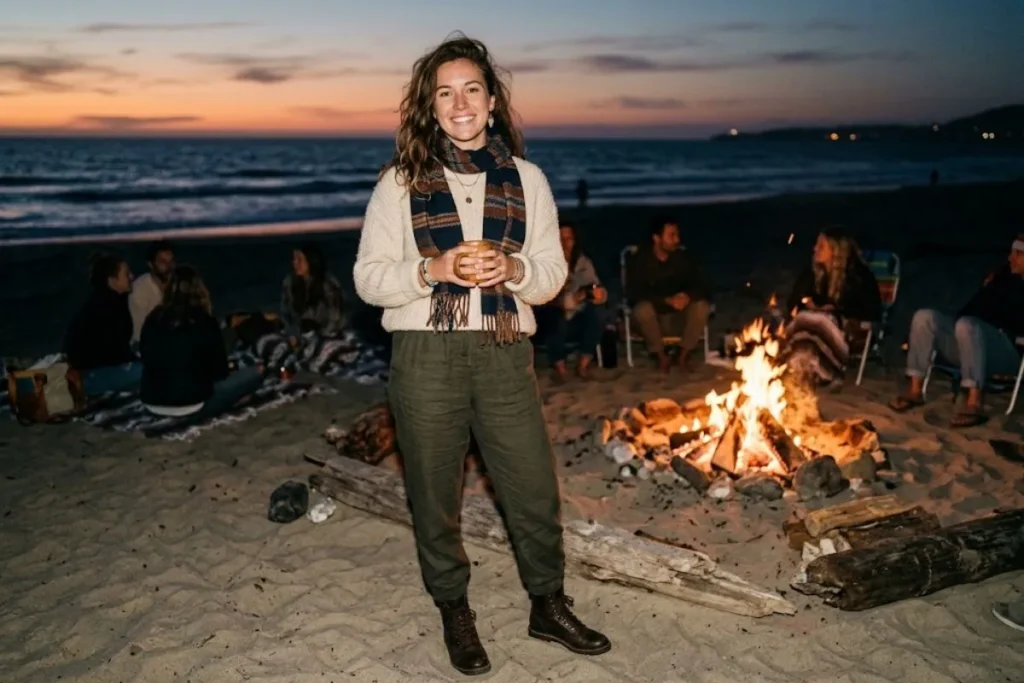
Choosing suitable clothing is important for a comfortable Beaches and Bonfires experience. Coastal temperatures can drop quickly after sunset, while wind and moisture may make the evening feel colder than expected. Before heading out for Beaches and Bonfires, check the evening forecast and prepare clothing that can handle changing conditions.
A practical Beaches and Bonfires outfit may include:
- A comfortable base layer
- A long-sleeved shirt
- A warm jacket or fleece
- Long trousers or suitable coverage
- Secure, comfortable footwear
Layering makes Beaches and Bonfires easier because you can add or remove clothing as temperatures change. Bring an extra layer for longer Beaches and Bonfires gatherings, especially near the water.
Do not depend on the fire as your only source of warmth during Beaches and Bonfires. Avoid loose sleeves, dangling scarves, long accessories, and clothing that can easily move toward flames. Synthetic fabrics may also require extra caution around open fire.
For safe Beaches and Bonfires, choose practical clothing that allows comfortable movement. With thoughtful preparation, Beaches and Bonfires can remain warm, relaxed, and enjoyable. Ultimately, comfortable layers make Beaches and Bonfires more pleasant from sunset through the evening.
Beaches and Bonfires for Families
A family beach bonfire can be enjoyable, but it requires clear boundaries. Children may be fascinated by fire, hot cooking equipment, darkness, and the ocean. Adults should not rely on verbal reminders alone.
Family Safety Tips
- Establish a clear no-crossing zone around the fire.
- Keep children away from the water after dark unless closely supervised.
- Use lighting for walkways and access routes.
- Keep hot food and drinks out of children’s reach.
- Bring extra warm layers.
- Explain the departure plan before darkness falls.
- Make sure children know who is supervising them.
A smaller, shorter event is often easier to manage than an all-night gathering.
Beaches and Bonfires for Couples
Beaches and Bonfires can offer couples a relaxing and memorable way to enjoy the coast together. Instead of choosing a crowded restaurant or busy event, couples can plan a simple evening by the shoreline. A well-prepared Beaches and Bonfires experience can include conversation, sunset views, snacks, and a comfortable atmosphere.
For a romantic Beaches and Bonfires evening, follow these practical steps:
- Choose an authorized location for Beaches and Bonfires.
- Check sunset times, weather, wind, and local fire rules.
- Pack a compact meal, snacks, and water for Beaches and Bonfires.
- Bring blankets and warm layers for evening comfort.
- Keep your Beaches and Bonfires setup simple and organized.
- Plan transportation and a safe departure after dark.
During Beaches and Bonfires, comfort and safety should always come before decoration. Avoid assuming candles, lanterns, or decorative flames are permitted, as some locations may restrict them. Couples should also respect other visitors, wildlife, and the surrounding environment.
With thoughtful planning, Beaches and Bonfires can create an intimate coastal experience. A simple Beaches and Bonfires setup, suitable clothing, permitted fire facilities, and responsible cleanup can make the evening enjoyable. Ultimately, successful Beaches and Bonfires combine romance, preparation, and respect for local rules.
Beaches and Bonfires for Groups and Events
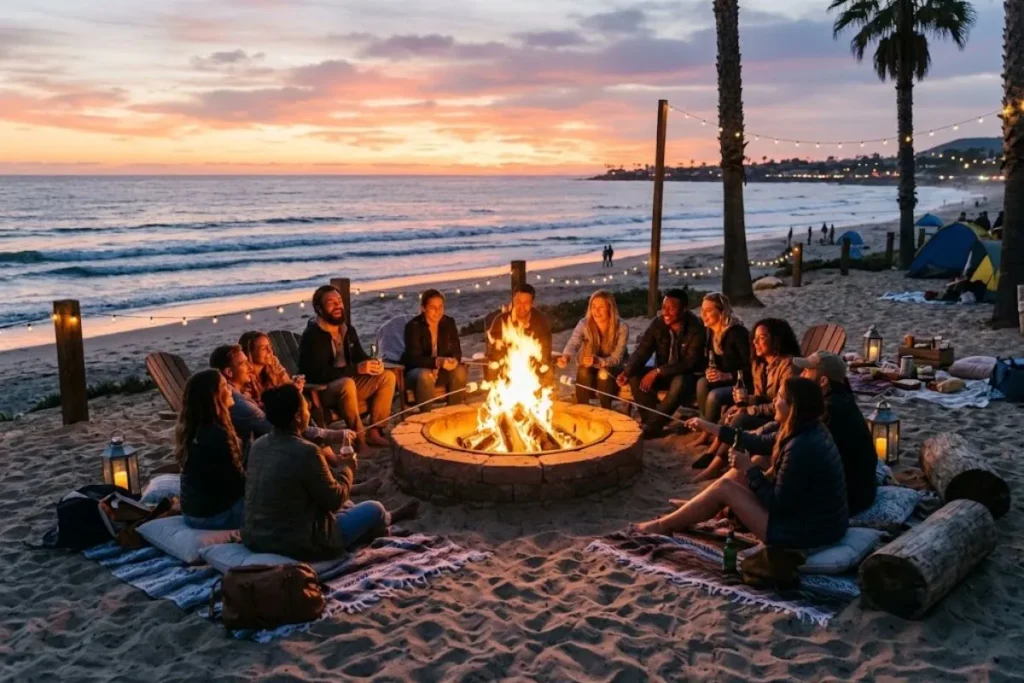
Larger groups introduce more complexity.
More people usually means:
- More waste
- More noise
- More equipment
- More supervision needs
- More pressure on parking and access
- Greater difficulty managing the fire
For an organized event, assign clear responsibilities.
Useful Event Roles
- Location coordinator: Confirms rules, permits, access, and reservations.
- Safety lead: Monitors the fire and changing conditions.
- Food coordinator: Handles food storage and preparation.
- Cleanup lead: Ensures waste and equipment leave the beach.
- Transport coordinator: Helps guests understand arrival and departure plans.
Professional organizers should also consider whether additional permits, insurance, staff, emergency planning, accessibility requirements, or venue-specific rules apply.
Environmental Responsibility: Leave the Beach Better Than You Found It
A beach bonfire should not leave behind a visible or hidden mess.
Commonly forgotten items include:
- Bottle caps
- Food wrappers
- Cigarette waste
- Small pieces of plastic
- Twist ties
- Broken utensils
- Ash
- Charcoal remnants
These items can enter coastal ecosystems and create hazards for wildlife.
Follow a Pack-In, Pack-Out Mindset
Bring a dedicated bag for:
- General waste
- Recyclables, if local facilities support them
- Food waste
- Items that should not be burned
Do not bury waste in the sand. Burying something does not remove it from the environment.
Protect Dunes and Vegetation
Dunes often help protect coastlines and support specialized plant and animal life.
Avoid:
- Walking through restricted dune areas
- Collecting vegetation for fuel
- Digging in protected areas
- Moving natural materials unnecessarily
Use established paths whenever possible.
Be Considerate About Noise and Light
A bonfire can affect more than the people sitting around it.
Keep music and conversation at reasonable levels, especially near:
- Residential areas
- Hotels
- Campgrounds
- Wildlife habitat
Avoid directing bright lights toward nesting or resting areas.
Common Beach Bonfire Mistakes
01. Assuming Every Beach Allows Fires
This is the most basic mistake. A beach may look empty and suitable while still prohibiting fires.
Better approach: Verify the rules for the exact location.
02. Ignoring the Tide
People sometimes focus on sunset and forget that the shoreline changes.
Better approach: Check tide conditions and leave enough space for changing water levels.
03. Building an Oversized Fire
A large fire uses more fuel, creates more sparks and smoke, and can be harder to control.
Better approach: Build only what you need.
04. Burning Waste
Burning rubbish may release harmful smoke and leave residue behind.
Better approach: Pack waste out.
05. Bringing Too Much Gear
Heavy coolers, decorations, large speakers, and unnecessary equipment can turn a simple outing into a difficult transport problem.
Better approach: Prioritize essentials.
06. Forgetting the Walk Back
A beach that is easy to navigate during daylight may feel completely different after dark.
Better approach: Bring reliable lighting and identify the exit route before sunset.
07. Leaving Too Late to Extinguish Properly
People sometimes wait until the entire group is ready to leave before beginning cleanup.
Better approach: Start winding down early so the fire has enough time to be fully extinguished according to local guidance.
Beach Bonfire vs. Backyard Fire Pit vs. Camping Fire
| Feature | Beach Bonfire | Backyard Fire Pit | Camping Fire |
| Main challenge | Wind, tide, local access | Property safety and neighbors | Changing weather and remote conditions |
| Rules | Often location-specific | Local residential regulations | Park or campground rules |
| Environmental concerns | Coastal wildlife and marine litter | Smoke and nearby structures | Vegetation and wildfire risk |
| Access | May require carrying gear across sand | Usually convenient | Depends on campsite |
| Best for | Scenic social gatherings | Frequent casual use | Multi-day outdoor trips |
Each option can be enjoyable. The beach is best when the destination officially supports fires, and the coastal setting adds genuine value to the experience.
If the rules or weather make a beach fire impractical, alternatives can include:
- A permitted beachfront restaurant with an outdoor fire feature
- A campsite with designated fire facilities
- A sunset picnic without a fire
- An indoor meal followed by a nighttime beach walk where permitted
- A public event that provides professionally managed fire facilities
A Step-by-Step Plan for Your First Beach Bonfire
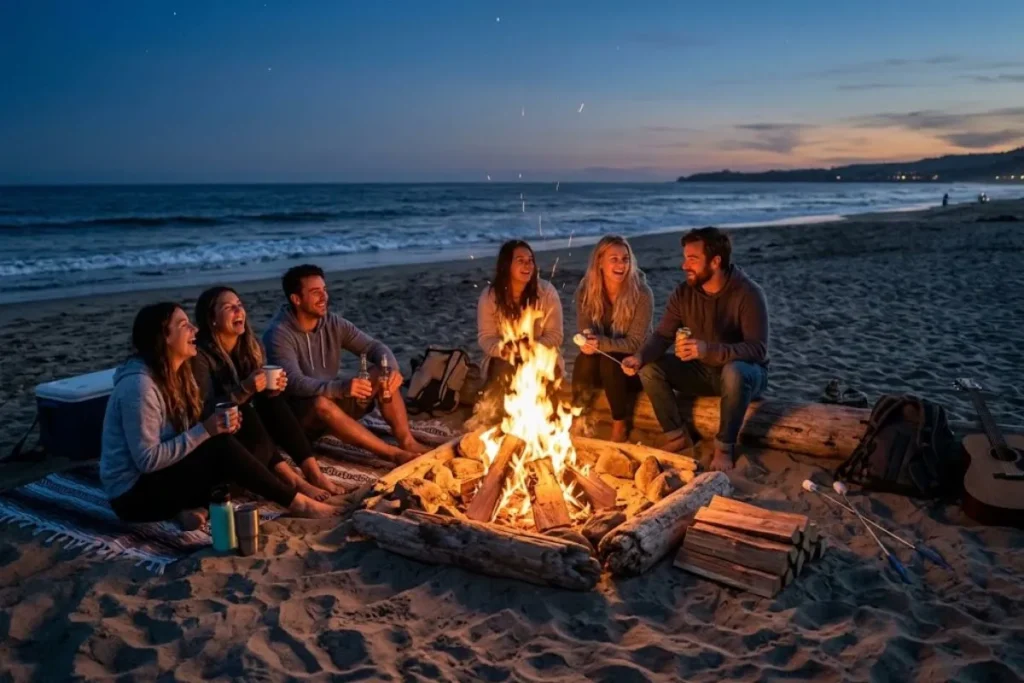
Step 01: Choose the Date
Check:
- Weather
- Wind
- Tide
- Seasonal restrictions
- Opening hours
- Group availability
For travelers combining a beach getaway with a family vacation, our guide to Universal Orlando Resort offers additional ideas for planning attractions and activities.
Step 02: Confirm the Exact Location
Do not stop at the name of the town or general coastline. Confirm the rules for the specific beach or park section.
Step 03: Reserve or Apply for Permission if Required
Some facilities operate on a reservation or permit system. Complete this before purchasing supplies or inviting a large group.
Step 04: Build a Simple Packing List
Divide supplies into:
- Safety
- Food
- Clothing
- Lighting
- Cleanup
- Permitted fuel
Step 05: Plan for Darkness
Confirm:
- Where you will park
- Which route you will use
- Where the nearest restrooms or facilities are
- How the group will leave
- Who will carry the remaining equipment
Step 06: Arrive Early
Arriving before sunset gives you time to:
- Understand the area
- Identify access points
- Check conditions
- Set up calmly
- Adjust your plan if necessary
Step 07: Monitor Conditions
Do not treat the original forecast as a guarantee. Watch the actual conditions.
Step 08: Begin Cleanup Before the End of the Evening
Collect waste, pack equipment, and begin extinguishing the fire with enough time to complete the process safely.
Step 09: Inspect the Area
Before leaving, check:
- Under chairs
- Around the fire area
- Near food preparation areas
- Along your walking route
Leave the site clean and follow the location’s instructions for ash and fire remnants.
Professional Planning Tips for Tourism, Hospitality, and Events
Professionals should go beyond the casual packing checklist.
A managed beach bonfire may require consideration of:
- Written permission or permits
- Site capacity
- Fire restrictions
- Emergency procedures
- Staff training
- Accessibility
- Food-service regulations
- Waste management
- Weather cancellation procedures
- Guest communication
- Insurance or contractual requirements
The exact requirements depend on the jurisdiction and venue.
Build a Go/No-Go Decision Process
Professional organizers benefit from a simple decision process before the event.
Ask:
Are fires permitted today?
If no, cancel or switch to an alternative.
Are wind and weather conditions acceptable?
If no, postpone or change the activity.
Is the approved site available?
If no, do not create an unofficial fire area.
Are the required safety and cleanup resources present?
If no, delay the event.
Does the group size match the approved capacity?
If no, reduce attendance or choose another venue.
This approach prevents last-minute improvisation. For the digital side of travel planning, content teams and tourism businesses may also find travel technology and planning tools or useful technology guides relevant when researching communication, navigation, power, and trip-planning solutions.
Conclusion
Beaches and Bonfires can create unforgettable coastal memories when they are planned carefully and enjoyed responsibly. A successful Beaches and Bonfires experience begins with checking whether fires are legally permitted at the exact beach. Before starting your Beaches and Bonfires gathering, review local regulations, fire restrictions, weather conditions, tide schedules, wind levels, and available facilities.
For a safe Beaches and Bonfires outing, consider transportation, fire equipment, seating, food, drinking water, lighting, and waste disposal. Beginners can keep their Beaches and Bonfires event small and simple, while larger groups should assign clear responsibilities and follow location-specific requirements. Proper preparation can make Beaches and Bonfires more enjoyable and reduce avoidable problems.
Always choose an authorized area for Beaches and Bonfires and keep the fire manageable throughout the evening. Monitor changing weather and wind conditions, maintain a safe distance from people and belongings, and respect nearby wildlife. During Beaches and Bonfires, avoid leaving food, plastic, charcoal, or other waste behind.
The goal of responsible Beaches and Bonfires is to enjoy the shoreline without damaging the environment. After your Beaches and Bonfires gathering, make sure the fire is completely extinguished, and the area is cleaned thoroughly. With thoughtful planning, Beaches and Bonfires can remain a relaxing, memorable, and environmentally responsible way to enjoy the coast.
Frequently Asked Questions
Q01. Are bonfires allowed on all beaches?
Ans: No. Beaches and Bonfires rules vary depending on the beach, park, municipality, country, and property owner. Some locations allow fires only in designated fire rings, while others completely prohibit them. Before planning Beaches and Bonfires, always check the current regulations for the exact location rather than assuming fires are permitted.
Q02. Do I need a permit for a beach bonfire?
Ans: A permit may be required for Beaches and Bonfires, depending on the destination and type of gathering. Some locations have additional requirements for larger groups or organized events. Contact the authority responsible for the beach before arranging your Beaches and Bonfires activity.
Q03. Can I make my own fire pit in the sand?
Ans: Only make a fire pit if local regulations specifically allow it. Many beaches require visitors to use designated fire rings or approved facilities. For safe Beaches and Bonfires, never create a fire area where regulations prohibit it.
Q04. What is the best time for a beach bonfire?
Ans: Late afternoon or early evening can be ideal for Beaches and Bonfires because you can organize your setup during daylight and enjoy the sunset afterward. However, the best time depends on local opening hours, weather, tide conditions, and fire restrictions.
Q05. What should I bring to a beach bonfire?
Ans: For Beaches and Bonfires, bring only equipment and fuel permitted by local rules. You may also need warm clothing, drinking water, food, appropriate seating, lighting, and waste bags. Follow the site’s specific safety requirements and avoid bringing unnecessary materials.
Q06. Can I burn driftwood from the beach?
Ans: Do not assume that driftwood is suitable or legal fuel for Beaches and Bonfires. Some beaches restrict the removal of natural materials because they support coastal ecosystems. Check local regulations before collecting or burning anything found on the beach.
Q07. How do I keep sand out of food?
Ans: Keeping food covered is important during Beaches and Bonfires. Use sealed containers, covered dishes, reusable bags, and a designated eating area. Choose a location protected from strong winds and keep food away from the fire and sandy ground.
Q08. What should I do if the wind becomes strong?
Ans: Strong winds can quickly make Beaches and Bonfires unsafe. Stop adding fuel and assess the conditions immediately. If the fire becomes difficult to control or local guidance recommends extinguishing it, put the fire out completely and move to a safer activity.
Q09. How early should I check beach fire rules?
Ans: Check the rules when planning your Beaches and Bonfires trip and verify them again shortly before departure. Regulations, fire restrictions, weather conditions, and temporary closures can change. A last-minute check helps prevent unexpected problems.
Q10. Can children attend a beach bonfire?
Ans: Children can attend Beaches and Bonfires where the activity is legally permitted, but they require close adult supervision. Keep children away from flames, hot equipment, sharp objects, and the water. Establish clear boundaries before the gathering begins.
Q11. What is the most important cleanup rule?
Ans: Responsible cleanup is essential for Beaches and Bonfires. Remove all personal belongings and waste, follow local instructions for disposing of fire remnants, and make sure the fire is completely extinguished before leaving. Never leave hot coals or burning material unattended.
Q12. What if fires are not allowed at my chosen beach?
Ans: If your destination does not permit Beaches and Bonfires, do not attempt to ignore the rules. Instead, choose a legal alternative such as a designated campground, authorized fire facility, managed coastal venue, or fire-free sunset picnic. Responsible Beaches and Bonfires planning means respecting local regulations while still finding enjoyable ways to experience the coast.



2 Comments