
 -by
Coastal cities offer a special combination of natural beauty, cultural heritage, local cuisine, and outdoor adventure. From the dramatic mountains overlooking Cape Town to the historic waterfront of Dubrovnik and the golden beaches of Rio de Janeiro, these travel destinations show how the sea can shape a city’s identity. Some are famous for their sandy shores, while others stand out for colorful architecture, lively harbors, historic neighborhoods, and spectacular ocean views.
But which coastal cities are worth visiting, and how do you choose the right destination for your travel style and budget? The answer depends on what you want from your trip. A beach lover may prefer warm water and relaxed seaside living, while a photographer might seek dramatic cliffs, colorful streets, or beautiful sunsets. Travelers interested in history and food may enjoy a destination where waterfront walks lead to centuries-old landmarks and traditional restaurants.
This guide explores some of the world’s most beautiful coastal cities across different continents. It explains what makes each destination distinctive, which experiences to prioritize, when to consider visiting, and what practical details to check before booking. Whether you are planning a beach holiday, a cultural city break, or a longer international travel adventure, you will find ideas to help you choose a destination that matches your interests.
What Makes a Coastal City Beautiful?
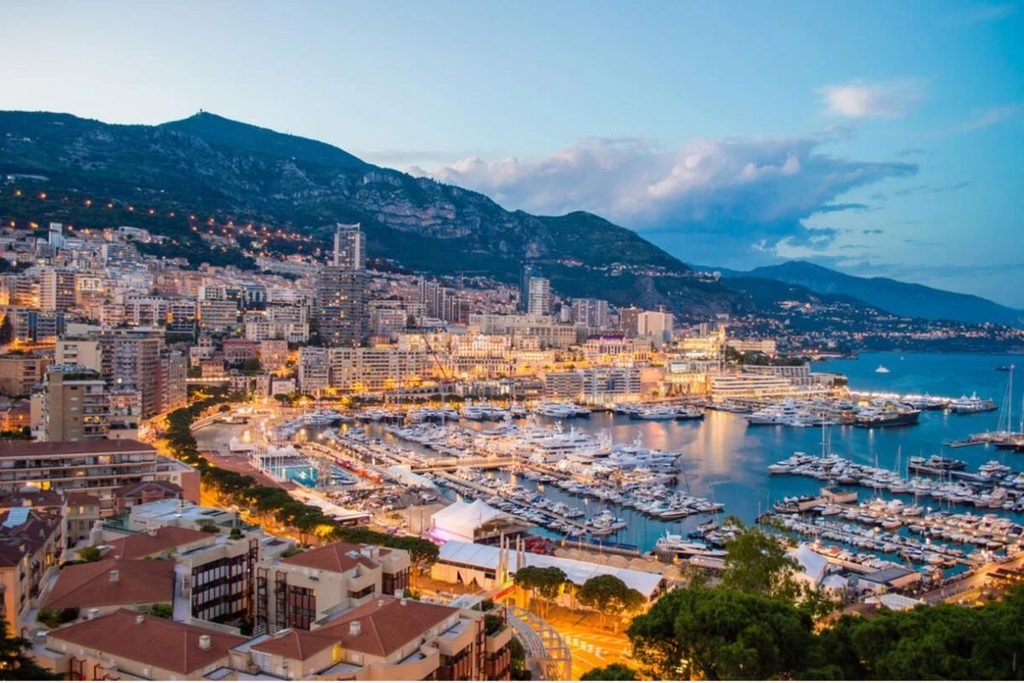
A coastal city is an urban area located beside an ocean, sea, or large coastal inlet. Its relationship with the water often influences its landscape, architecture, food, economy, and daily life. The most beautiful coastal cities are not necessarily those with the whitest sand or bluest water. Their appeal often comes from a combination of natural scenery and human culture.
Several factors help make these destinations memorable:
- Natural landscapes: Mountains, cliffs, beaches, islands, bays, and sheltered harbors create distinctive scenery.
- Architecture and heritage: Historic waterfronts, old fortifications, colorful houses, and modern landmarks give a city visual character.
- Outdoor experiences: Coastal paths, swimming areas, sailing, surfing, and boat trips help visitors enjoy the surrounding environment.
- Food culture: Fresh seafood, regional specialties, markets, and waterfront cafés connect travelers with local traditions.
- Accessibility: Public transport, walkable neighborhoods, and convenient connections make exploring easier.
- Local identity: Fishing traditions, maritime history, festivals, and everyday seaside life provide experiences beyond sightseeing.
Beauty is subjective, so the destinations below are not presented as a definitive scientific ranking. Instead, they represent a varied selection of coastal cities with distinctive scenery, cultural attractions, and travel experiences.
01. Cape Town, South Africa: Where Mountains Meet the Ocean
Cape Town is one of the most visually striking coastal cities in the world. Table Mountain rises above the urban landscape, while the Atlantic coastline offers sandy beaches, rocky headlands, and sweeping ocean views. The combination of mountains, sea, and urban neighborhoods gives the city a landscape that feels dramatically different from many other beach destinations.
Best Things to See and Do
- Table Mountain: A visit to this famous landmark provides expansive views across the city, coastline, and surrounding mountains. Depending on weather and operating conditions, visitors can consider the cableway or a suitable hiking route.
- Camps Bay: This seaside neighborhood is known for its beach, mountain backdrop, restaurants, and sunset views. It works well for travelers who want to combine a beach visit with an evening meal.
- Cape Point and the Cape Peninsula: A day trip around the peninsula offers rugged coastal scenery, viewpoints, and opportunities to explore natural areas. Allow enough time for driving, stops, and walking.
- V&A Waterfront: This busy harbor district combines shopping, dining, entertainment, and waterfront views. It can be a convenient base for exploring some of the city’s visitor attractions.
Who Should Visit?
Cape Town suits photographers, hikers, nature lovers, food enthusiasts, and travelers who want both urban experiences and access to dramatic landscapes. The important consideration is that the Atlantic water can be cold, even when the weather feels warm. Beach conditions, wind, and local safety advice should influence swimming plans.
Travel tip: Plan outdoor activities flexibly. Mountain weather can change, and strong winds may affect viewpoints, hikes, or cableway operations. Check official operating information before setting out.
02. Sydney, Australia: A Harbor City with Famous Beaches
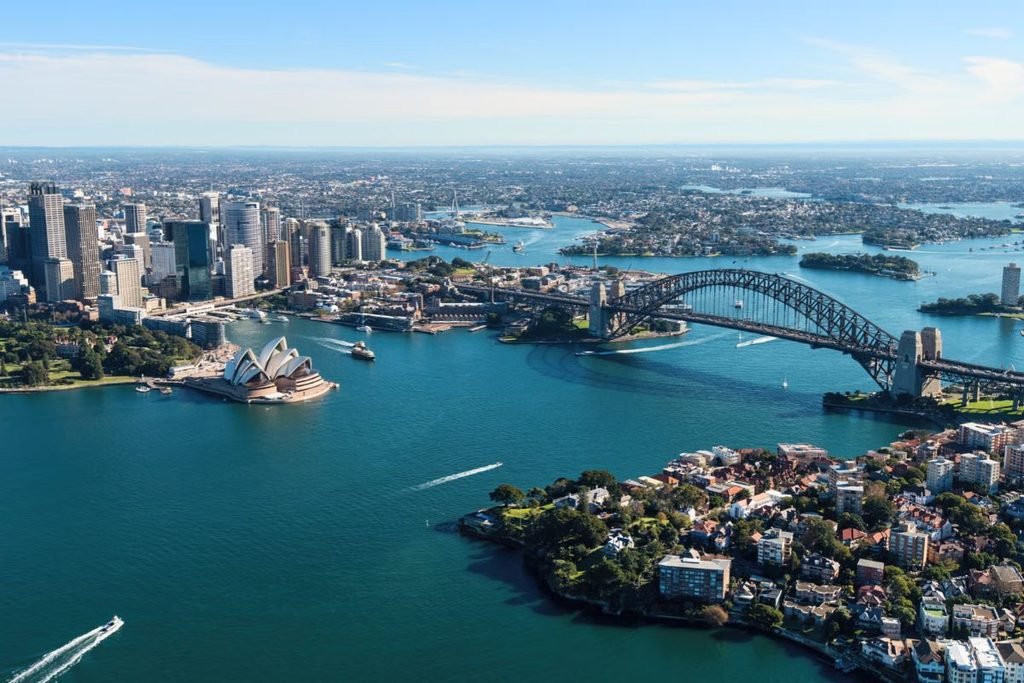
Sydney combines a busy metropolitan atmosphere with a remarkable natural harbor and an extensive coastline. Its waterfront is defined by ferries, sailing boats, parks, sandstone headlands, and architectural landmarks. Few cities make it as easy to combine sightseeing with time by the water.
The Sydney Opera House and Sydney Harbour Bridge create one of the world’s most recognizable urban waterfronts. The Opera House is also recognized as a UNESCO World Heritage property for its architectural and engineering significance.
Best Things to See and Do
- Sydney Opera House: Explore the area around this landmark, enjoy the harbor views, or check the official program for performances and guided experiences.
- Bondi Beach: Bondi is a popular choice for swimming, surfing, cafés, and people-watching. It is also a useful starting point for exploring Sydney’s coastal walking routes.
- Bondi to Coogee coastal walk: This route connects beaches, parks, cliffs, and ocean viewpoints. Check current path conditions and allow extra time for breaks, photographs, and busy sections.
- Sydney Harbour ferry rides: Ferries offer a practical way to experience the harbor from the water while connecting several neighborhoods and attractions.
Who Should Visit?
Sydney is particularly suitable for first-time visitors to Australia, families, active travelers, and people who want a balance of city attractions and beach activities. The main limitation is distance. Sydney’s metropolitan area is large, and two places that look close on a map may take longer to reach by public transport than expected.
Travel tip: Choose accommodation based on your priorities. Staying near the central harbor area makes landmark sightseeing convenient, while a beachside neighborhood may suit travelers who want to spend more time swimming, surfing, and walking along the coast.
03. Rio de Janeiro, Brazil: Beaches Beneath Dramatic Mountains
Rio de Janeiro is famous for its broad urban beaches, green mountains, lively culture, and spectacular views. Its landscape brings together the Atlantic Ocean, Guanabara Bay, forested hills, and densely developed neighborhoods. UNESCO recognizes Rio’s Carioca Landscapes between the Mountain and the Sea as a World Heritage property. The designation reflects the relationship between the city’s natural setting and its cultural landscape, including important mountain, park, and waterfront areas.
Best Things to See and Do
- Copacabana Beach: One of the city’s best-known waterfronts, Copacabana is a place for walking, relaxing, watching beach sports, and experiencing the energy of Rio’s seaside life.
- Ipanema Beach: Ipanema combines ocean views with cafés, restaurants, and neighborhood shopping. Its setting is especially attractive toward sunset.
- Sugarloaf Mountain: Visitors can take the cableway when operating conditions permit and enjoy views of the bay, mountains, and coastline.
- Christ the Redeemer: The monument stands above the city on Corcovado Mountain. Check transport arrangements, weather, and ticket availability before planning a visit.
- Tijuca National Park: For a different perspective on Rio, explore appropriate trails and natural areas in this extensive urban forest, following park guidance.
Who Should Visit?
Rio is a strong choice for beach enthusiasts, photographers, culture seekers, and travelers interested in music, food, and outdoor activities. However, visitors should not assume every beach or neighborhood has identical conditions. Pay attention to local swimming warnings, ocean currents, weather, and personal safety guidance. Use reliable transport and seek current advice about the areas you plan to visit.
Travel tip: Balance beach time with sightseeing. Visiting a mountain viewpoint early and reserving late afternoon for the waterfront can help you experience different sides of the city without rushing.
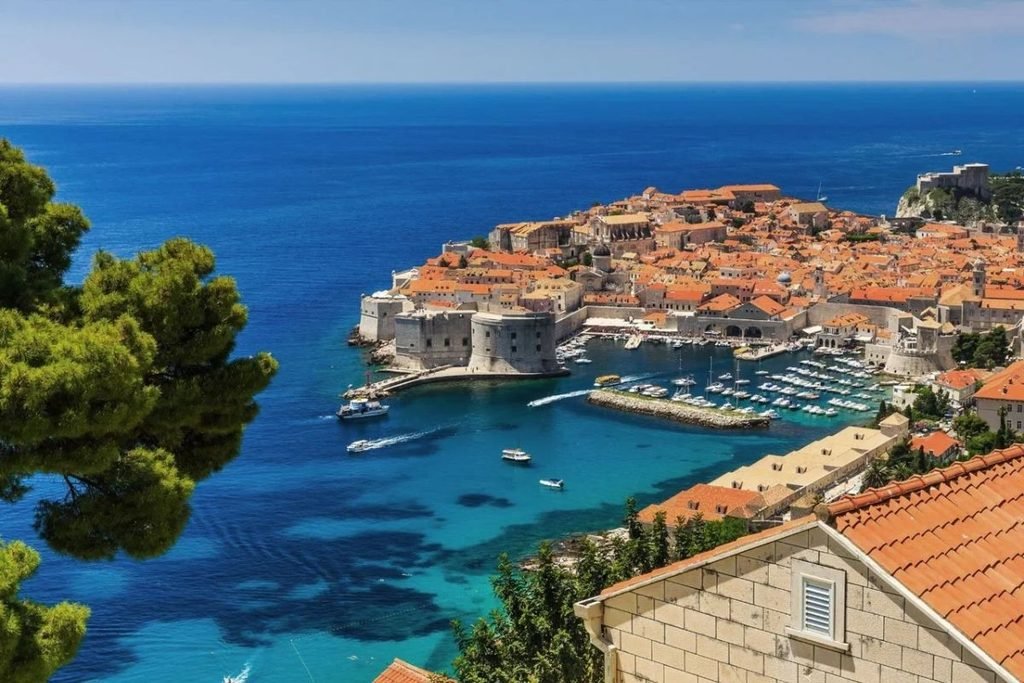
04. Dubrovnik, Croatia: A Historic City Beside the Adriatic
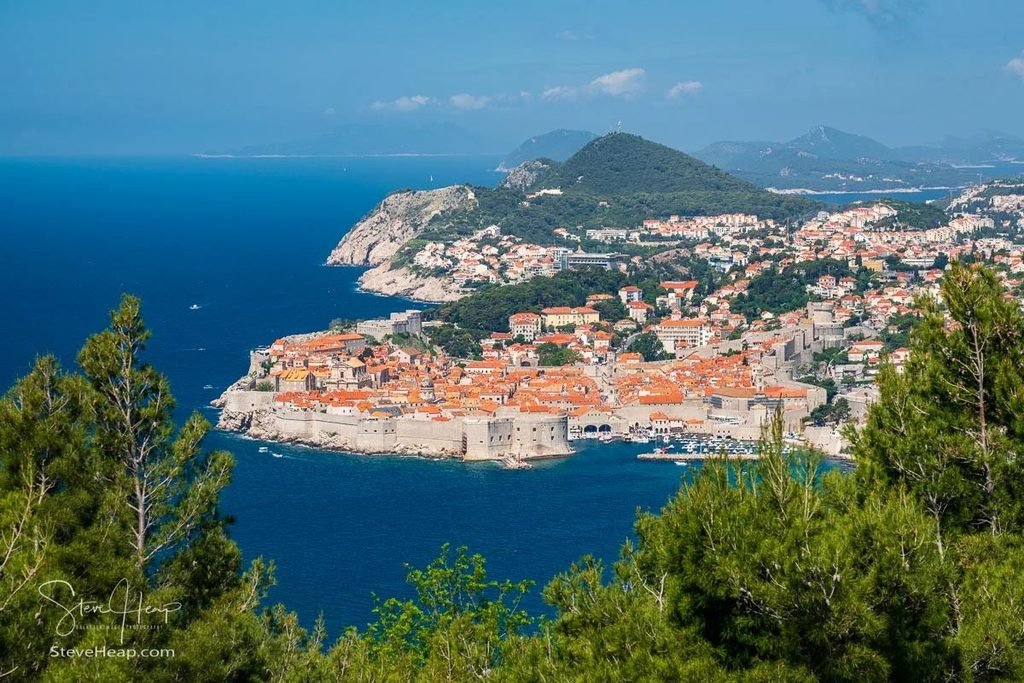
Dubrovnik offers a different kind of coastal beauty. Instead of focusing mainly on a modern beach lifestyle, it combines an old stone city, defensive walls, terracotta rooftops, and clear-looking Adriatic waters. The Old City of Dubrovnik is a UNESCO World Heritage property. Its historic buildings and fortified position on Croatia’s Dalmatian coast reflect the city’s long maritime and commercial history.
Best Things to See and Do
- The Old Town: Walk through the historic streets, visit churches and public squares, and explore the city’s architectural heritage. Comfortable shoes are useful because many surfaces are stone and some routes involve stairs.
- The city walls: Where access is available, walking the walls provides elevated views over the rooftops, harbor, and surrounding sea. Check opening conditions and ticket arrangements before visiting.
- The waterfront and old harbor: Spend time near the harbor to appreciate the city’s relationship with maritime trade and coastal travel.
- Lokrum Island: This nearby island is an option for visitors seeking greenery, rocky swimming spots, and a break from the busiest streets. Check ferry schedules and seasonal access.
- Nearby beaches: Dubrovnik has swimming areas around the city, but many are pebbly or rocky rather than broad stretches of soft sand.
Who Should Visit?
Dubrovnik is ideal for history enthusiasts, romantic couples, photographers, and travelers who want a combination of heritage, scenery, and swimming. Its popularity can mean crowded streets during peak travel periods. Accommodation and meals in the most central locations may also cost more than in less-visited coastal towns.
Travel tip: Explore the Old Town early in the morning or later in the day when conditions are suitable. If swimming is a priority, research the beach surface and water access in advance rather than assuming every coastal area is sandy.
05. Lisbon, Portugal: Historic Streets and Atlantic Beaches
Lisbon sits beside the Tagus River near its meeting with the Atlantic Ocean. Its waterfront setting, historic neighborhoods, tiled façades, viewpoints, and food culture make it an appealing destination for travelers who want more than a conventional beach holiday. Although central Lisbon is not a continuous beach resort, the surrounding coastline provides access to several beaches that can be reached on day trips.
Best Things to See and Do
- Belém: This riverside district is known for important monuments, historic connections with Portugal’s maritime past, and attractive walking areas.
- Praça do Comércio: The large riverside square offers an open view toward the Tagus and provides a convenient starting point for exploring central Lisbon.
- Alfama: Wander through narrow streets, discover traditional architecture, and look for viewpoints overlooking the city and river.
- Cascais: This coastal town west of Lisbon offers beaches, a marina, restaurants, and a relaxed seaside atmosphere. It can be a convenient excursion from the capital.
- Carcavelos Beach: A popular coastal option for beach time and surfing, subject to weather, waves, and local conditions.
Who Should Visit?
Lisbon suits couples, solo travelers, culture enthusiasts, food lovers, and visitors who want historic sightseeing with access to the sea. Travelers seeking a hotel directly beside a broad sandy beach may prefer accommodation outside the central city. Lisbon’s hills can also make walking more demanding than expected.
Travel tip: Use the city as a cultural base and plan a separate beach day. Before choosing a coastal excursion, check train services, beach conditions, and the season’s weather.
06. Vancouver, Canada: Urban Life Surrounded by Coastal Nature
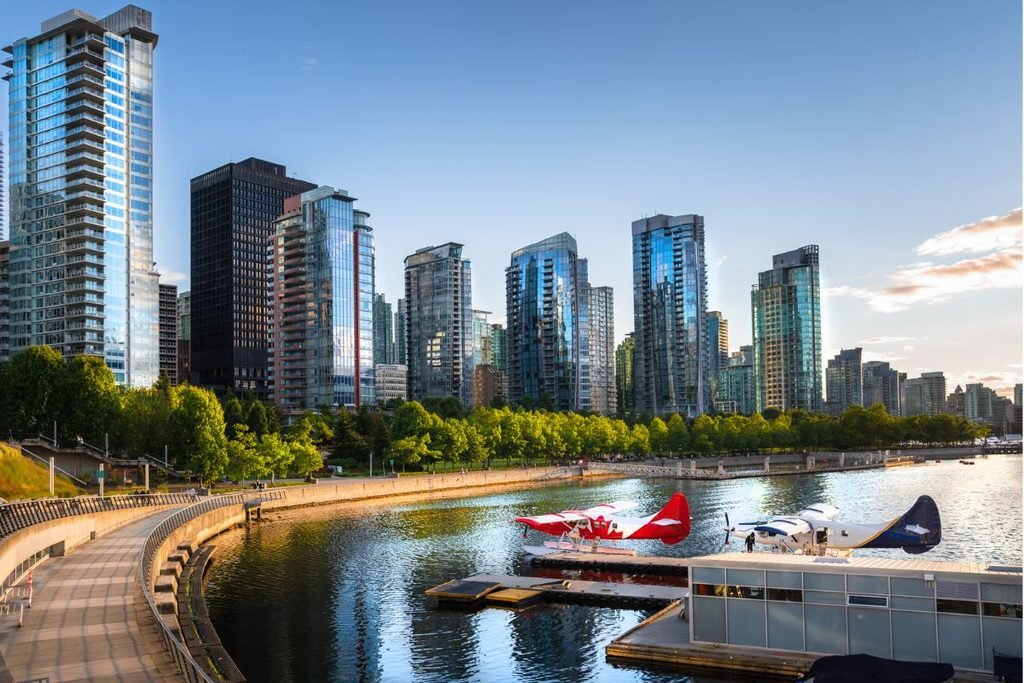
Vancouver stands out for its combination of oceanfront parks, mountain views, forested areas, and a modern city center. The surrounding landscape offers a quieter, greener kind of coastal beauty compared with destinations known for tropical beaches or Mediterranean architecture. The city is especially appealing to travelers who enjoy outdoor recreation but still want access to restaurants, museums, public transport, and urban conveniences.
Best Things to See and Do
- Stanley Park: This large urban park provides forested paths, waterfront scenery, beaches, and views of the city and mountains. The Seawall is a popular route for walking and cycling.
- English Bay: A convenient place to enjoy the waterfront, watch the sunset, or take a break between city activities.
- Granville Island: Explore its public market, independent shops, food options, and harbor surroundings.
- Kitsilano Beach: This neighborhood beach offers open views and a relaxed atmosphere. Facilities and swimming conditions vary by season.
- North Shore excursions: Nearby mountain and forest areas provide opportunities for hiking and scenic outings, depending on weather and trail conditions.
Who Should Visit?
Vancouver is well suited to nature lovers, cyclists, families, and travelers who prefer a mix of city attractions and outdoor activity. It is not a tropical beach destination. Water temperatures are generally cool compared with those in many warm-weather resort regions, and rain can affect outdoor plans.
Travel tip: Pack layers and a waterproof jacket. Even during a pleasant season, waterfront winds and changing weather can make conditions feel cooler than expected.
07. Nice, France: Mediterranean Views and a Relaxed Riviera Atmosphere
Nice sits on the French Riviera, where the Mediterranean Sea meets a city of historic streets, markets, museums, and waterfront promenades. Its setting makes it a useful base for exploring the wider Côte d’Azur while enjoying the character of a substantial city.
The coastline around Nice is especially photogenic because the urban landscape rises behind the curving bay. The atmosphere is Mediterranean, but the beaches differ from the soft-sand shores found in some other destinations.
Best Things to See and Do
- Promenade des Anglais: Walk or cycle along this famous waterfront route, taking in the sea views and the city’s architectural setting.
- Vieux Nice: The old town has narrow streets, colorful façades, local food shops, cafés, and markets.
- Castle Hill: This elevated park and viewpoint provides broad views across the bay, rooftops, and harbor.
- Cours Saleya: Explore the market area and nearby restaurants to discover regional produce and Provençal food traditions.
- Day trips along the Riviera: Depending on transport connections and your interests, consider nearby coastal destinations such as Villefranche-sur-Mer or Menton.
Who Should Visit?
Nice is a good match for couples, art lovers, food enthusiasts, and travelers interested in combining swimming with cultural excursions. Many beaches in Nice are pebbly, which can be uncomfortable for visitors expecting soft sand. Popular waterfront areas may also be busy in summer.
Travel tip: Bring suitable footwear for pebble beaches and compare accommodation locations carefully. Staying near a tram or train connection can make day trips easier without relying on a car.
08. Istanbul, Türkiye: A City Between Two Continents and Two Seas
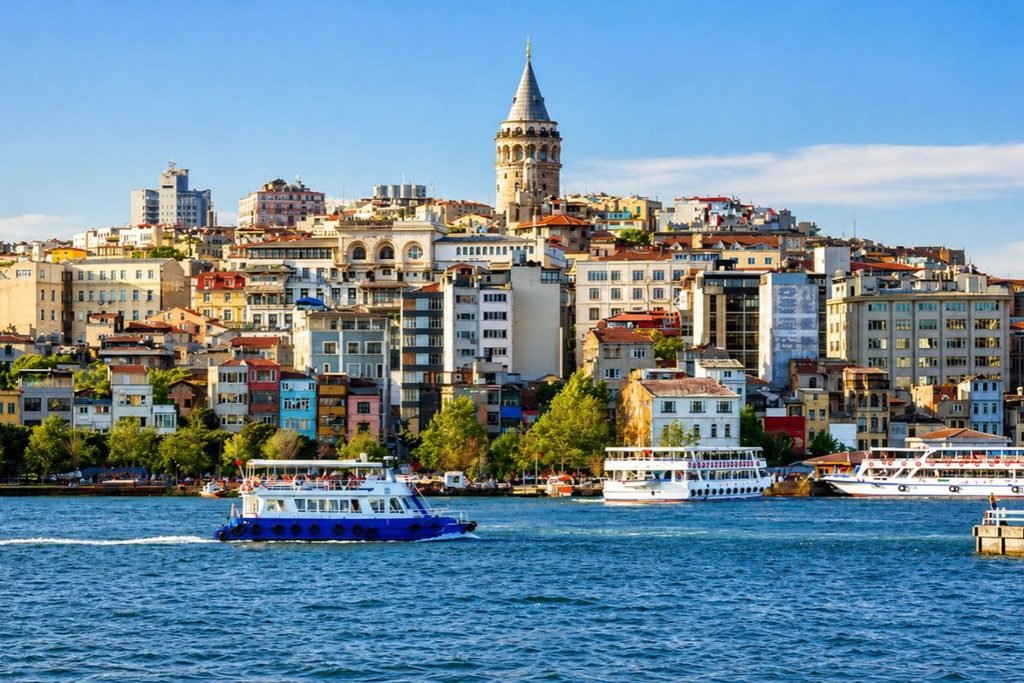
Istanbul is a distinctive coastal destination because its maritime identity is tied to the Bosphorus, the Golden Horn, and the Sea of Marmara. Rather than presenting itself as a conventional beach resort, the city offers historic waterfront neighborhoods, ferry crossings, palaces, mosques, markets, and extraordinary views across the water. Its appeal lies in how daily urban life and centuries of history meet along its shores.
Best Things to See and Do
- Take a Bosphorus ferry or cruise: Seeing the city from the water reveals waterfront mansions, bridges, hills, and neighborhoods that are harder to appreciate from the streets.
- Explore the historic peninsula: Major cultural attractions and historic architecture offer a deeper understanding of Istanbul’s long-standing role as a center of trade and empire.
- Visit the Galata waterfront area: Explore the surrounding streets, cafés, and viewpoints, and consider a walk toward the Galata Bridge to watch the movement of boats and people.
- Discover Kadıköy: On the Asian side, markets, restaurants, and neighborhood streets offer a different perspective on everyday city life.
- Explore the Princes’ Islands: These islands in the Sea of Marmara may suit a day trip, depending on ferry schedules, weather, and seasonal demand.
Who Should Visit?
Istanbul is ideal for history enthusiasts, photographers, food lovers, and travelers who want a waterfront city rich in culture. It is not the best choice if your primary goal is to spend every day on a sandy beach. Traffic, crowds, hills, and travel time between neighborhoods can also affect an itinerary.
Travel tip: Treat ferries as both transport and sightseeing. Plan around the neighborhoods you want to visit rather than attempting to cross the city repeatedly in one day.
09. Barcelona, Spain: Mediterranean Beaches and City Culture
Barcelona combines urban beaches with distinctive architecture, lively public spaces, markets, and a celebrated food scene. It offers a different experience from smaller resort towns because visitors can move between the waterfront and major cultural attractions within the same trip. The city is especially appealing to people who want beach time without giving up museums, shopping, restaurants, and evening entertainment.
Best Things to See and Do
- Barceloneta Beach: One of the city’s best-known beaches, it is convenient for visitors staying near central Barcelona. Expect a lively atmosphere, particularly in warm months.
- The Gothic Quarter: Explore historic lanes, plazas, and architectural details that reveal the city’s older urban character.
- Sagrada Família: Antoni Gaudí’s celebrated basilica is a major architectural attraction. Check official ticket arrangements and access information in advance.
- Park Güell: This landscaped architectural site offers distinctive designs and views over the city. Timed entry may apply to particular areas.
- Waterfront promenades: Walk around the Port Vell area and nearby public spaces to see how the city connects its urban center with the Mediterranean.
Who Should Visit?
Barcelona suits architecture enthusiasts, couples, groups of friends, food travelers, and visitors seeking a balanced city-and-beach break. The central beaches can become crowded, and the urban setting means that the sand and water experience differs from that of a remote island. Travelers should also respect beach rules and avoid leaving belongings unattended.
Travel tip: Book popular attractions ahead when necessary and leave unstructured time in the itinerary. Trying to fit every landmark and a full beach day into a single day often creates an unnecessarily rushed visit.
10. Auckland, New Zealand: A City Shaped by Harbors and Islands
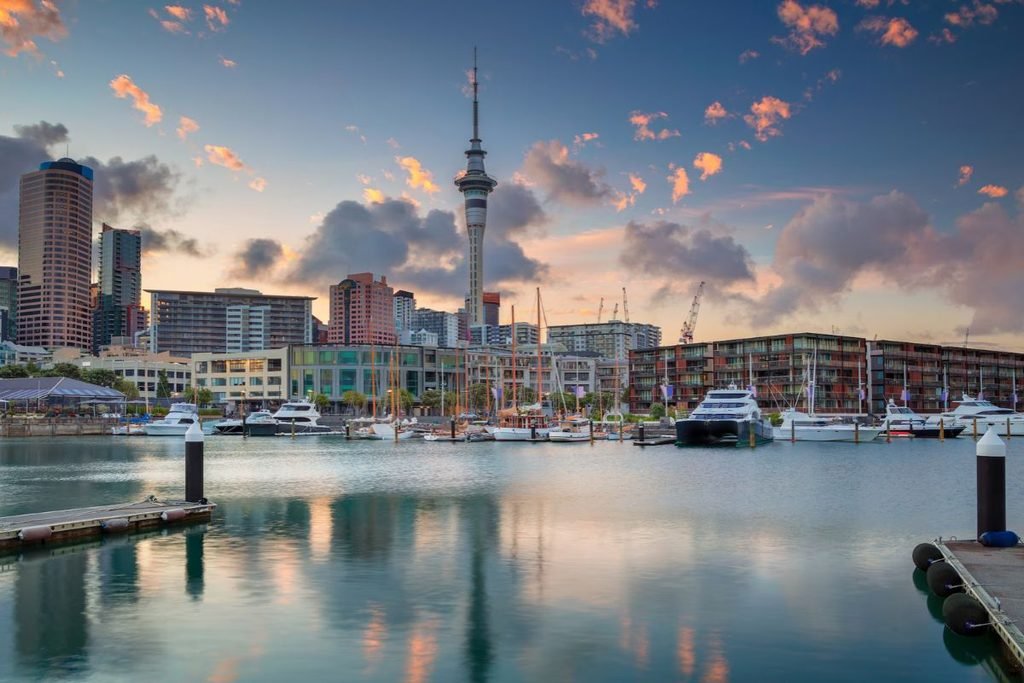
Auckland is built around two major harbors and has access to beaches, islands, volcanic landscapes, and coastal walking routes. Its appeal comes from variety: travelers can enjoy city restaurants and museums one day, then explore a beach or island the next. The surrounding region also offers landscapes that feel very different from the city’s central waterfront.
Best Things to See and Do
- Viaduct Harbour: A convenient area for waterfront dining, walking, and watching boats in the harbor.
- Waiheke Island: Known for beaches, coastal scenery, and vineyards, Waiheke can make a rewarding day trip. Plan ferry connections and onward transport before arriving.
- Mission Bay: This popular seaside area provides a beach, a promenade, and places to eat, with views across the water toward Rangitoto Island.
- Rangitoto Island: The volcanic island offers hiking and distinctive landscapes. Check ferry schedules, walking times, weather, and access guidance.
- West Coast beaches: The Auckland region’s west coast includes dramatic surf beaches with darker sand. Conditions can be rough, so swimming requires particular care.
Who Should Visit?
Auckland suits nature lovers, families, outdoor enthusiasts, and travelers exploring New Zealand beyond its major inland attractions. One important consideration is that the region’s beaches aren’t interchangeable. Sheltered harbor beaches and exposed west coast beaches can have very different waves, currents, and swimming conditions.
Travel tip: Choose each beach according to the activity you want. Check local surf and water-safety guidance, and never assume that a beach is safe for swimming simply because other people are present.
11. Muscat, Oman: Coastal Scenery with Arabian Heritage
Muscat offers a coastal experience shaped by rocky mountains, the Gulf of Oman, traditional architecture, and a strong maritime heritage. Compared with the dense resort development of some international beach destinations, parts of the city feel more closely connected to the surrounding desert and mountains. It can be an excellent choice for travelers seeking a combination of cultural sightseeing and coastal scenery.
Best Things to See and Do
- Mutrah Corniche: Walk beside the waterfront, watch the harbor activity, and explore the surrounding neighborhood.
- Mutrah Souq: Visit the traditional market to discover local crafts, textiles, spices, and other goods. Shopping is also an opportunity to learn about local trading traditions.
- Sultan Qaboos Grand Mosque: This important religious and architectural landmark can be a valuable cultural visit. Check visitor access rules, appropriate dress, and opening times before arriving.
- Coastal viewpoints: Muscat’s setting offers striking contrasts between rocky terrain and the sea. Choose suitable viewpoints and avoid unsafe edges or unmarked routes.
- Beach time: Look into established public beaches or suitable coastal facilities, checking swimming conditions and any local restrictions.
Who Should Visit?
Muscat suits travelers interested in regional culture, architecture, road trips, and coastal landscapes that differ from Europe’s Mediterranean cities. Heat can be a major planning factor, particularly during the hotter months. Walking distances, shade, and transport arrangements also deserve attention.
Travel tip: Plan outdoor sightseeing for cooler parts of the day when practical. Check current entry requirements, local customs, and transport options before traveling.
12. Valparaíso, Chile: Colorful Hills Above the Pacific

Valparaíso brings a distinctive artistic character to the Pacific coast of Chile. Its steep hills, colorful buildings, historic funiculars, street art, and working-port atmosphere give it a very different appearance from polished resort cities. Its appeal is less about a continuous stretch of swimming beach and more about the relationship between urban life, maritime history, and hillside scenery.
Best Things to See and Do
- Historic hillside neighborhoods: Walk through suitable areas to discover colorful façades, murals, stairways, and elevated viewpoints.
- Historic funiculars: Some of the city’s traditional hillside lifts help connect lower streets with higher neighborhoods. Check which services are operating before planning a route.
- Port and waterfront views: Observe the city’s maritime character from appropriate public areas and designated viewpoints.
- Local cafés and restaurants: Spend time sampling regional food and exploring the creative side of the city.
- Nearby coastal excursions: The neighboring coastal area around Viña del Mar offers a different atmosphere, including promenades and beach areas.
Who Should Visit?
Valparaíso is particularly appealing to photographers, art lovers, architecture enthusiasts, and travelers who enjoy cities with strong local character. Steep streets, uneven paving, and changing neighborhood conditions can make walking challenging. Visitors should research routes, use reliable transport, and follow current local safety advice.
Travel tip: Wear comfortable shoes and plan a manageable walking route rather than trying to cover every hill. A guided walk can help explain the city’s history and art while simplifying navigation.
13. San Sebastián, Spain: A Beautiful Bay with a World-Class Food Culture
San Sebastián, also known as Donostia in the Basque language, is one of Spain’s most attractive coastal cities. Located in the Basque Country along the Bay of Biscay, it combines a sweeping crescent-shaped beach, green hills, elegant architecture, and a lively food culture. The city’s compact layout makes it appealing to travelers who want to enjoy the beach, explore historic streets, and discover regional cuisine without spending hours traveling between attractions.
Unlike destinations known mainly for nightlife or large beach resorts, San Sebastián offers a more relaxed combination of seaside scenery and cultural experiences. Its setting around La Concha Bay is especially distinctive, with a curved waterfront promenade and hills framing the city.
Best Things to See and Do
- La Concha Beach: This famous urban beach is the city’s main attraction. Its curved shoreline, promenade, and surrounding hills create a beautiful setting for walking, relaxing, and enjoying views across the bay.
- Parte Vieja (Old Town): Explore narrow streets filled with traditional bars, restaurants, small shops, and historic buildings. The neighborhood is particularly well known for pintxos, small Basque-style servings that allow visitors to sample different local flavors.
- Monte Igueldo: Head to this elevated viewpoint for panoramic views of La Concha Bay and the surrounding coastline. Check transport and attraction opening arrangements before visiting.
- Zurriola Beach: Located near the Gros neighborhood, Zurriola attracts surfers and visitors who enjoy a more energetic beach atmosphere. Waves and currents can vary, so follow local swimming and surfing guidance.
- Monte Urgull: This green hill beside the Old Town offers walking routes, historic features, and scenic viewpoints overlooking the city and sea.
Who Should Visit?
San Sebastián is ideal for couples, food enthusiasts, photographers, and travelers who enjoy combining beach time with cultural exploration. It can also suit visitors who prefer a walkable city with a strong regional identity.
One important consideration is that the weather can be changeable, and the Bay of Biscay does not always offer the warm, sunny conditions associated with Mediterranean beach holidays. Accommodation can also be expensive during busy periods.
Travel tip: Allow at least two full days if your schedule permits. Spend one day exploring the beaches, viewpoints, and Old Town, then use the next to enjoy Basque cuisine and discover more of the surrounding coast. For practical destination planning, consult a current San Sebastián travel guide.
14. Zanzibar City, Tanzania: Swahili Heritage Beside the Indian Ocean
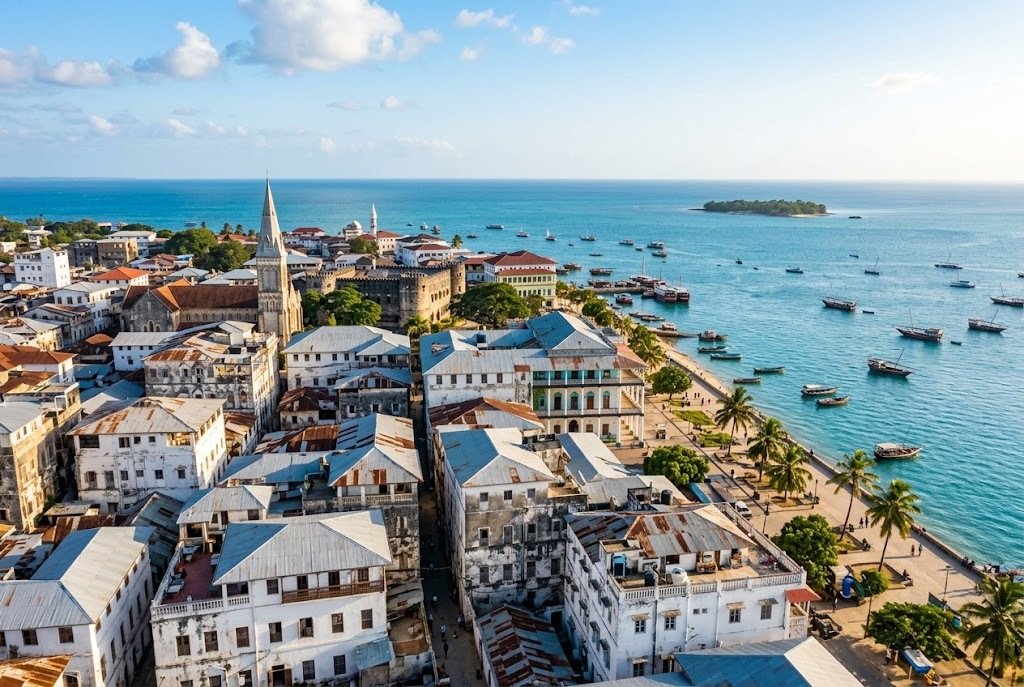
Zanzibar City, located on the island of Unguja off the coast of Tanzania, offers a distinctive combination of coastal scenery, historic architecture, and Swahili culture. Its historic quarter, Stone Town, features narrow lanes, carved wooden doors, traditional buildings, bustling markets, and a waterfront shaped by centuries of Indian Ocean trade.
Zanzibar is different from many conventional coastal cities because its appeal extends beyond the urban shoreline. Visitors can combine cultural sightseeing in Stone Town with excursions to the island’s beaches, spice-growing areas, and marine environments.
Best Things to See and Do
- Stone Town: Wander through the historic streets and discover the architectural influences that reflect Zanzibar’s long connections with East Africa, Arabia, Persia, India, and Europe. Stone Town is recognized as a UNESCO World Heritage property.
- Forodhani Gardens: This waterfront public space is a popular place to enjoy the sea breeze and experience the evening food scene when vendors are operating. Explore local dishes while paying attention to food hygiene and your dietary needs.
- The Old Fort: Visit this historic structure near the waterfront to learn more about the island’s past and explore the surrounding public areas.
- Spice farm excursions: Guided visits to suitable spice farms can introduce travelers to crops such as cloves, cinnamon, and nutmeg, which are closely associated with Zanzibar’s trading history.
- Nearby beaches: Consider an excursion to beaches such as Nungwi or Kendwa for sandy shorelines, ocean views, and opportunities for swimming when conditions are safe. These beach areas require travel beyond the historic city center.
Who Should Visit?
Zanzibar City is a rewarding choice for cultural travelers, couples, history enthusiasts, and beach lovers who want to combine a historic destination with an island holiday. It can also be an appealing addition to a broader Tanzania itinerary.
Travelers should remember that the beaches around the island have different characteristics. Tides can substantially change water access on some coastlines, and marine activities should be arranged with responsible operators who follow local safety and environmental guidance.
Travel tip: Consider spending time in Stone Town before moving to a beach area for a longer stay. Respect local customs, dress appropriately when visiting religious sites, and check current entry requirements and travel advisories before departure. For further planning, explore this Zanzibar travel guide.
15. Málaga, Spain: Mediterranean Beaches and Andalusian History
Málaga is a vibrant coastal city in southern Spain that combines Mediterranean beaches with historic architecture, museums, traditional food, and a lively city center. Located in Andalusia, it provides a useful alternative to smaller resort destinations because visitors can enjoy the sea while also exploring an established urban and cultural center.
The city is particularly appealing to travelers who want a flexible holiday. You can spend the morning exploring historic monuments, enjoy an afternoon by the water, and finish the day at a restaurant serving Andalusian specialties.
Best Things to See and Do
- Playa de la Malagueta: This accessible urban beach is close to central Málaga and offers a convenient place to relax beside the Mediterranean. Facilities and crowd levels vary by season.
- The Alcazaba: Explore this historic fortress complex, known for its architecture, courtyards, and elevated views. It provides an opportunity to understand Málaga’s layered history.
- Málaga Cathedral: Visit this prominent historic landmark in the city center and admire its architecture. Check current visitor access and opening arrangements if you plan to go inside.
- The Roman Theatre: Located near the Alcazaba, this archaeological site offers a glimpse into the city’s ancient past and can be incorporated into a walking tour of the historic center.
- The Picasso Museum: Málaga is the birthplace of Pablo Picasso. The museum provides an opportunity to learn about the artist’s work and artistic development, subject to current exhibitions and opening arrangements.
- Muelle Uno: This modern waterfront promenade offers restaurants, shops, and harbor views. It is a pleasant option for an evening walk after a day of sightseeing.
Who Should Visit?
Málaga is well suited to couples, families, food lovers, history enthusiasts, and travelers seeking a Mediterranean city break with convenient beach access. It can also work as a base for exploring other destinations in Andalusia.
During the warmer months, popular areas may become crowded, and midday heat can make extensive walking uncomfortable. The city beach is convenient, but travelers seeking quieter natural beaches may prefer excursions beyond the central waterfront.
Travel tip: Stay near the historic center if museums, monuments, and restaurants are your priorities. If you expect to spend most of your holiday swimming and relaxing, compare accommodation near the beach with options closer to the city’s cultural attractions. Check seasonal weather and local beach conditions before finalizing your itinerary.
Quick Comparison: Which Coastal City Should You Choose?
The best destination depends on your priorities, not simply how attractive a place looks in photographs.
| Coastal city | Best for | Signature experience | Main consideration |
| Cape Town | Nature and adventure | Mountain and ocean views | Wind, weather, and cold Atlantic water |
| Sydney | Beaches and urban sightseeing | Harbor landmarks and coastal walks | Large metropolitan distances |
| Rio de Janeiro | Beach culture and scenery | Beaches beneath dramatic mountains | Local safety and ocean conditions |
| Dubrovnik | History and Mediterranean views | Fortified Old Town and Adriatic coast | Crowds and potentially high peak-season costs |
| Lisbon | Culture and beach day trips | Historic neighborhoods and nearby Atlantic beaches | Central city is not a continuous beach resort |
| Vancouver | Green spaces and outdoor activities | Seawall, parks, and mountain views | Cool water and changeable weather |
| Nice | Mediterranean lifestyle | Waterfront promenades and Riviera excursions | Pebble beaches and summer crowds |
| Istanbul | History and maritime culture | Bosphorus ferry journeys | Traffic and long cross-city journeys |
| Barcelona | Architecture and city beaches | Cultural attractions beside the sea | Busy urban beaches |
| Auckland | Island trips and coastal nature | Harbor scenery and regional beaches | Different beach conditions around the region |
| Muscat | Culture and dramatic landscapes | Rocky coastlines and traditional markets | Heat and transport planning |
| Valparaíso | Art and historic urban character | Colorful hillside neighborhoods | Steep streets and limited conventional beach access |
How to Choose the Best Coastal City for Your Trip
A beautiful destination is not automatically the best destination for every traveler. Before booking, compare the type of coastline, the season, your available time, and the experiences you want most.
01. Decide What Kind of Coastal Experience You Want
Start by identifying your main reason for traveling:
- For swimming and sunbathing: Consider cities with accessible beaches and conditions suitable for your planned activities.
- For photography: Look for dramatic viewpoints, historic waterfronts, colorful architecture, and landscapes that change with the light.
- For culture and history: Choose destinations where maritime heritage, museums, architecture, and local neighborhoods are easy to explore.
- For outdoor adventure: Prioritize coastal trails, hiking, surfing, kayaking, or island excursions.
- For food and nightlife: Look for a city with a strong local dining scene and convenient evening transport.
This decision helps prevent a common mistake: booking a destination because it looks beautiful online, then discovering that its main attractions do not match your interests.
02. Research the Best Season
Coastal weather can affect nearly every part of a trip, from swimming to mountain viewpoints and boat excursions.
Consider these factors:
- Typical temperatures during your travel dates.
- Seasonal rainfall and wind.
- Ocean temperatures and swimming conditions.
- Peak visitor periods and accommodation demand.
- Seasonal transport or attraction closures.
- Local festivals, holidays, and public events.
Remember that the warmest month is not always the most comfortable month for sightseeing. A city may be more enjoyable during a shoulder season, when temperatures are moderate and visitor numbers are lower, although some seasonal services may operate less frequently. Use official tourism and weather sources for the dates you are considering rather than relying only on general travel advice.
03. Check the Type of Beach
The word beach can describe very different environments:
- Sandy beaches: Often convenient for families and sunbathing, but waves and currents still matter.
- Pebble beaches: Common in parts of the Mediterranean; suitable footwear can improve comfort.
- Rocky shorelines: Attractive for scenery and marine observation, but may have difficult entry points and slippery surfaces.
- Surf beaches: Often better for experienced surfers than casual swimmers.
- Sheltered coves: May provide calmer conditions at certain times, but local hazards can still exist.
Look at the beach’s actual surface, entry points, facilities, and water conditions before planning a full day there.
04. Estimate Your Total Budget
A trip’s cost involves more than accommodation. Compare the full expense of visiting each destination.
| Expense | What to check |
| Flights | Seasonal fares, luggage charges, and arrival times |
| Accommodation | Location, taxes, cancellation terms, and transport access |
| Food | Grocery options, local cafés, and restaurant prices |
| Local transport | Transit passes, ferry tickets, taxis, and transfers |
| Activities | Attraction entry, guided tours, equipment, and excursions |
| Travel insurance | Medical coverage, exclusions, and activity restrictions |
| Additional costs | Mobile data, tips where customary, and emergency funds |
A hotel farther from the waterfront may be better value if public transport is convenient. On the other hand, paying more for a central location may save time and transport costs during a short stay. Compare the total cost rather than choosing a destination solely because its cheapest hotel appears affordable.
05. Choose the Right Neighborhood
The location of your accommodation can change the character of your holiday. Stay near the historic center if you want museums, architecture, restaurants, and evening walks. Choose a beachside area if swimming and coastal activities are your priority.
A neighborhood near a reliable transport connection may be best if you plan to explore several parts of the city. Before booking, check walking distances, hill gradients, transit schedules, airport connections, and the availability of late-night transport.
06. Check Safety and Accessibility
Responsible coastal travel requires more than checking crime reports or reading hotel reviews.
Before leaving, investigate:
- Local swimming flags, lifeguard coverage, and surf warnings.
- Weather alerts and the risk of strong currents.
- Walking-route difficulty and accessibility.
- Local transport and personal-safety recommendations.
- Accessibility information for travelers with limited mobility.
- Entry requirements, travel advisories, and appropriate travel insurance.
For ocean activities, follow local lifeguards and posted warnings. Avoid swimming alone in unfamiliar conditions, and do not assume calm-looking water is safe.
07. Build a Realistic Itinerary
Trying to visit every attraction often makes a coastal trip less enjoyable. A better approach is to group nearby activities and leave room for weather changes.
For a three-day city break, a practical structure might be:
- Day one: Explore the historic center, visit one or two major landmarks, and enjoy a waterfront walk.
- Day two: Spend the main part of the day at a beach or on a coastal excursion.
- Day three: Visit a museum, market, viewpoint, or nearby neighborhood before departure.
This is a flexible example rather than a fixed schedule. Adjust it to transport times, attraction opening hours, mobility needs, and the weather forecast. For a longer trip, consider spending several nights in one location instead of changing hotels every day. Fewer transfers can mean more time enjoying the coast.
Common Mistakes to Avoid When Visiting Coastal Cities
Even a well-chosen destination can disappoint when important practical details are overlooked.
- Assuming every beach is suitable for swimming: Some shorelines have strong currents, powerful waves, pollution warnings, or unsafe entry points. Check local conditions before entering the water.
- Traveling without considering the season: Rain, heat, wind, and crowds can affect the experience. Research the conditions expected during your actual dates.
- Underestimating distances: A coastal city may stretch along many kilometers of shoreline. Check real journey times instead of relying on a map’s appearance.
- Booking only for the view: A waterfront room may be expensive, noisy, or inconvenient for your planned activities. Compare transport, facilities, and the overall location.
- Overloading the itinerary: Too many stops leave little time to enjoy the destination. Prioritize a few experiences and allow room for spontaneous discoveries.
- Ignoring local customs: Dress codes, protected sites, beach rules, and expectations around religious places differ. Learn the basics before arrival.
- Leaving environmental impacts out of the plan: Dispose of waste properly, respect protected habitats, avoid disturbing wildlife, and follow local rules about dunes, cliffs, and marine areas.
Responsible Coastal Tourism: Enjoy the Coast and Help Protect It

Coastal environments are valuable for wildlife, local communities, recreation, and livelihoods. Tourism can support local businesses, but crowded beaches, waste, inappropriate development, and damage to fragile habitats can place pressure on coastal areas. Travelers can make more responsible choices without sacrificing the enjoyment of a trip.
- Support local businesses: Choose locally owned restaurants, guides, markets, and accommodation providers when suitable.
- Reduce waste: Carry a reusable water bottle where safe drinking water is available and dispose of rubbish correctly.
- Respect wildlife: Observe marine animals from a responsible distance and avoid feeding or touching them.
- Protect fragile environments: Stay on designated paths, especially around dunes, cliffs, and nesting areas.
- Follow local guidance: Respect beach closures, protected areas, and water-quality warnings.
- Consider your transport: Use public transport, walking routes, or ferries where practical to reduce reliance on private vehicles.
- Respect residents: Avoid excessive noise, follow local rules, and remember that waterfront neighborhoods are places where people live and work.
Responsible tourism is particularly important in popular coastal cities, where visitor demand can put pressure on public spaces and historic districts. Choosing less crowded visiting times, spending money with local businesses, and following environmental guidance can contribute to a more positive trip for both visitors and residents.
Conclusion
The world’s most beautiful coastal cities offer far more than attractive beaches. They combine natural landscapes, distinctive architecture, local traditions, historic harbors, outdoor activities, and memorable food experiences. Cape Town impresses with its mountains and ocean, Sydney blends harbor landmarks with beach culture, Rio de Janeiro brings together dramatic scenery and vibrant urban life, and Dubrovnik offers a remarkable connection between historic architecture and the Adriatic coast. Meanwhile, Lisbon, Vancouver, Nice, Istanbul, Barcelona, Auckland, Muscat, and Valparaíso each provide a different way to experience life beside the water.
The best destination is ultimately the one that fits your interests, budget, travel dates, and preferred pace. Before booking, research the season, compare accommodation locations, check swimming conditions, and plan realistic travel times. Consider adding cultural attractions and local experiences to your beach itinerary, and make responsible choices that respect the communities and environments you visit.
Start by selecting two or three destinations that appeal to you, compare their practical advantages, and build your trip around the experiences you value most. With thoughtful planning, a coastal holiday can become much more than a collection of beautiful views: it can offer a deeper understanding of the places and people connected to the sea.
Frequently Asked Questions
Q01. Which coastal city is the most beautiful in the world?
Ans: There is no universally accepted answer because beauty is subjective. Cape Town is remarkable for its mountain-and-ocean setting, Rio de Janeiro for its beaches and dramatic landscape, Dubrovnik for its historic waterfront, and Sydney for its harbor and coastal walks. Among the world’s coastal cities, the best choice depends on whether you value scenery, culture, architecture, or beach activities most.
Q02. Which coastal cities are best for a beach holiday?
Ans: Sydney, Rio de Janeiro, Nice, Barcelona, and Cape Town offer combinations of urban attractions and accessible beaches. These coastal cities provide opportunities to enjoy seaside restaurants, waterfront walks, and outdoor activities. However, their water temperatures, beach surfaces, swimming conditions, and seasonal weather differ. Research individual beaches before deciding which destination best suits your holiday.
Q03. What is the best time to visit coastal cities?
Ans: The best time to visit coastal cities depends on the destination and your priorities. Some are most attractive during their warmer months, while others are more comfortable for walking and sightseeing during spring or autumn. Check seasonal weather, ocean conditions, crowd levels, and transport availability for your intended dates.
Q04. Are coastal cities suitable for family vacations?
Ans: Yes. Many coastal cities offer beaches, parks, museums, public transport, and family-friendly attractions. Families should check lifeguard coverage, water conditions, beach facilities, accommodation location, and travel times. A sheltered swimming area may be more suitable than an exposed surf beach, depending on local conditions.
Q05. Which coastal cities are best for couples?
Ans: Nice, Dubrovnik, Lisbon, Cape Town, and Sydney can all suit couples with different interests. These destinations offer scenic walks, restaurants, historic areas, viewpoints, and waterfront experiences. Couples exploring coastal cities should compare the season and accommodation costs and choose activities that match their preferred pace.
Q06. Can I enjoy coastal cities without swimming?
Ans: Absolutely. Waterfront walks, boat trips, historic harbors, museums, coastal viewpoints, markets, and seaside restaurants can make a trip rewarding even if you never enter the water. Istanbul, Lisbon, Valparaíso, and Dubrovnik are particularly interesting coastal cities for travelers who value maritime history and scenery as much as swimming.
Q07. How many days should I spend in a coastal city?
Ans: Two or three days may be enough for a short city break focused on major attractions. Four to seven days can allow a more relaxed pace, beach time, and nearby excursions. Larger coastal cities, such as Sydney, Cape Town, and Istanbul, may justify longer stays, depending on your interests and travel arrangements.
Q08. Are coastal cities expensive to visit?
Ans: Costs vary widely according to the city, season, accommodation, exchange rates, and travel style. Popular waterfront neighborhoods in coastal cities can be expensive, but public transport, local food markets, free public spaces, and accommodation outside the most central districts may help control costs. Compare the complete trip budget before booking.
Q09. What should I pack for a coastal city trip?
Ans: Useful items include comfortable walking shoes, sun protection, a reusable water bottle, weather-appropriate layers, swimwear if needed, and a lightweight rain jacket where conditions warrant it. For trips to coastal cities with rocky or pebbly beaches, consider adding suitable water shoes. Your packing list should reflect the season and planned activities.
Q10. Are all beautiful coastal cities good for swimming?
Ans: No. Beautiful coastal cities may have rocky cliffs, busy harbors, exposed surf beaches, cold water, or areas where swimming is prohibited. Check local water-quality notices, currents, lifeguard information, and designated swimming zones. A beautiful view should never be treated as proof that the water is safe.
Q11. How can I travel responsibly in popular coastal destinations?
Ans: Support local businesses, avoid leaving waste, respect wildlife and protected areas, follow swimming warnings, and use public transport where practical. When visiting coastal cities, explore busy landmarks at less crowded times when possible, respect residents, and follow rules designed to protect beaches and historic sites.
Q12. What should first-time international travelers consider before choosing a coastal city?
Ans: Start with entry requirements, flight connections, total budget, language needs, accommodation location, seasonal weather, and local transport. Before visiting international coastal cities, check travel advisories and insurance coverage, especially if you plan to hike, surf, sail, or take boat excursions. Choose a destination that fits your available time rather than trying to cover too many places in one trip.




1 Comment