
 -by
-by Europe is easy to associate with famous names: Paris, Rome, Barcelona, Venice, Santorini, Amsterdam, and the Amalfi Coast. They deserve their popularity, but they are not the whole story. Some of the continent’s most rewarding experiences can be found in smaller towns, mountain valleys, quiet islands, historic villages, and regional destinations that receive far less international attention. That is where hidden gems become especially appealing.
A useful hidden gem is not necessarily a place that nobody knows about. In 2026, genuinely secret European destinations are rare. Instead, the best alternatives are places that offer remarkable scenery, history, food, architecture, beaches, or outdoor experiences without depending on mass tourism. Current travel coverage shows a growing interest in these less-crowded alternatives as travelers look beyond Europe’s busiest destinations.
This guide highlights 15 places across Europe, from Slovenia’s Alpine landscapes and Greece’s stone villages to Croatia’s hilltop towns, Spain’s medieval architecture, and remote North Atlantic scenery. More importantly, it explains who each destination suits, when to go, what to expect, and how to travel responsibly.
What Are Hidden Gems in Europe?
Hidden gems in Europe are lesser-known or overlooked destinations that offer distinctive cultural, historical, natural, or coastal experiences without the same level of international tourism found at Europe’s most famous hotspots. They can be small towns, islands, mountain regions, villages, or alternative bases near popular attractions.
The term is subjective. A place described as “hidden” by an international traveler may be well known to residents or domestic tourists. For that reason, it is better to think of hidden gems as underexplored destinations rather than completely undiscovered places.
A good hidden-gem destination usually has several of these characteristics:
- A strong local identity
- Interesting history or architecture
- Distinctive landscapes
- Access to nature or outdoor activities
- Local food and traditions
- Fewer international visitors than major tourist centers
- A reason to stay for more than a few hours
- Opportunities to support locally owned businesses
The last point matters. The objective should not simply be to find somewhere “empty.” A better approach is to discover places where tourism can contribute to local communities without overwhelming them. The European Commission has also highlighted lesser-known destinations and sustainable tourism initiatives as ways to spread tourism benefits beyond heavily visited locations.
Why Travelers Are Looking Beyond Europe’s Famous Destinations
The appeal of lesser-known European destinations is not difficult to understand. Popular destinations can offer extraordinary sights, but peak-season travel may also mean crowded streets, expensive accommodation, long queues, and pressure on local infrastructure. Current European travel coverage increasingly focuses on alternatives as overtourism becomes a concern in some famous cities and resort areas. Choosing a smaller destination can offer several advantages.
More relaxed sightseeing
A historic town is often easier to appreciate when you are not constantly moving around large tour groups.
More meaningful local experiences
Smaller destinations can encourage travelers to spend time in neighborhood cafés, family-run restaurants, markets, independent hotels, and local cultural attractions.
Different landscapes
If your European itinerary has been dominated by capitals and major museums, a mountain village, forested valley, or small island can completely change the character of the trip.
A better pace
Many hidden gems work particularly well for slow travel. Instead of checking off five attractions in a day, you can walk, eat, explore, and stay longer.
Better alternatives to famous destinations
You do not always need to abandon a popular region completely. Sometimes the smarter strategy is to choose a nearby alternative. For example, instead of staying in an overcrowded famous resort, you might base yourself in a smaller coastal town and visit the major attraction as a day trip.
15 Hidden Gems in Europe to Add to Your Travel List
The destinations below are not presented as a definitive ranking. “Best” depends on your interests. Some are ideal for beaches and coastal scenery. Others are better for hiking, architecture, history, food, or slow travel.
01. Tübingen, Germany — A Storybook University Town
Tübingen is one of the strongest examples of a destination that can feel surprisingly different from the standard German city-break itinerary. Located in southwestern Germany, the university town combines a historic center, colorful buildings, the Neckar River, cultural attractions, and a lively student atmosphere.
It was named the top hidden gem in the 2026 European Best Destinations ranking, reflecting growing international attention. The old town is the obvious starting point, but the experience is not limited to sightseeing.
What to do
- Walk through the historic center.
- Explore the area around the Neckar River.
- Visit Hohentübingen Castle.
- Explore the Museum of Ancient Cultures.
- See the historic Stiftskirche.
- Take time to experience the university-town atmosphere.
Best for
History, architecture, couples, photographers, and travelers who enjoy walkable cities.
Travel tip
Tübingen works particularly well as an alternative to a conventional major-city itinerary in southwestern Germany. If you enjoy combining culture with a slower pace, give yourself at least a full day rather than treating it as a quick photo stop.
02. Motovun, Croatia — Hilltop Views and Istrian Character
Croatia is no longer an undiscovered country, particularly along the Adriatic coast. But inland Istria offers a different experience. Motovun sits on a hill above the Mirna Valley and is known for its medieval character, stone streets, surrounding countryside, and food culture. It has appeared prominently in recent European hidden-gem lists, including the 2026 European Best Destinations selection. The destination is particularly attractive to travelers who want to combine history with gastronomy.
Why visit?
Motovun is less about collecting attractions and more about atmosphere. Walk through the old settlement, look across the surrounding landscape, and explore Istrian cuisine. The surrounding region is associated with vineyards, olive oil, and truffle-focused gastronomy.
Best for
Food lovers, couples, photographers, road-trippers, and travelers exploring Istria.
Keep in mind
The hilltop setting means walking involves slopes and steps. If mobility is an issue, check current access arrangements before planning your visit.
03. Isola San Giulio, Italy — A Tiny Island on Lake Orta
Italy has no shortage of famous destinations, but Lake Orta can feel considerably quieter than Italy’s better-known lakes. At the center of Lake Orta lies Isola San Giulio, a small island associated with the Basilica of San Giulio and a distinctive religious and architectural heritage. Its scale is part of the attraction. This is not somewhere you visit to fill an itinerary with dozens of attractions. You come to slow down, walk, look at the lake, and absorb the atmosphere.
What makes it special?
- Lake scenery
- Historic religious architecture
- A compact island setting
- The nearby village of Orta San Giulio
- A slower alternative to Italy’s most famous lake destinations
Best for
Couples, photographers, slow travelers, and travelers already exploring northern Italy.
Planning advice
Combine the island with the village of Orta San Giulio and the wider Lake Orta area rather than rushing through it as a short excursion.
04. Bohinj, Slovenia — Alpine Nature Without the Bled Focus
Slovenia is already popular with travelers, but many first-time visitors concentrate heavily on Ljubljana and Lake Bled. Bohinj offers another side of the country.
Located in the Julian Alps, Bohinj combines Lake Bohinj, mountain landscapes, waterfalls, villages, hiking opportunities, and traditional rural culture. Slovenia’s official tourism organization highlights Lake Bohinj, Savica Waterfall, Pokljuka Plateau, Vogel, and traditional Alpine activities among the area’s major attractions. Bohinj has also received recognition for sustainable tourism, including the Slovenia Green Destination platinum label and inclusion in the UN Tourism Best Tourism Villages network.
Things to do
- Walk or cycle around Lake Bohinj.
- Visit Savica Waterfall.
- Explore nearby villages.
- Hike in the Julian Alps.
- Explore traditional Alpine farming culture.
- Use local transport where practical.
Best for
Hikers, families, photographers, nature lovers, and travelers interested in sustainable tourism.
Important distinction
Bohinj is not an unknown secret anymore. Its appeal lies in being a strong alternative to concentrating your entire Slovenian trip around Bled.
05. Zagori, Greece — Stone Villages in the Pindus Mountains
When travelers hear Greece, islands and beaches usually come first. Zagori offers something completely different. Located in the Epirus region of northwestern Greece, Zagori is a mountainous cultural landscape of traditional stone villages, bridges, paths, forests, and dramatic terrain. UNESCO inscribed the Zagori Cultural Landscape as a World Heritage property in 2023. The site includes traditional villages known as Zagorochoria and an interconnected landscape of stone-arched bridges, cobbled paths, staircases, and mountain environments.
Why visit?
Zagori is ideal if you want to see a Greece that has little resemblance to the stereotypical island holiday.
Expect:
- Stone houses
- Mountain villages
- Hiking trails
- Traditional bridges
- Forests and rivers
- Local food
- Dramatic mountain scenery
Best for
Hikers, photographers, architecture enthusiasts, cultural travelers, and adventurous couples.
Planning tip
This is a destination where a rental car or carefully planned transport can make exploration easier, although the exact best option depends on your itinerary. Do not underestimate distances and mountain roads. Build your schedule around the landscape rather than trying to squeeze several villages into a few hours.
06. Albarracín, Spain — Medieval Spain at Its Most Atmospheric
Albarracín in Aragón is an excellent choice for travelers who want historic architecture without centering their trip around Madrid or Barcelona. The town has preserved a strong Islamic and medieval character, with fortified walls, steep streets, towers, historic buildings, and viewpoints over the Guadalaviar River. Spain’s official tourism site identifies its old quarter as a Property of Cultural Interest.
What makes it different?
The setting is as important as the buildings. Rather than being a flat historic center surrounded by modern development, Albarracín climbs dramatically over the landscape.
Best for
History lovers, photographers, road-trippers, couples, and architecture enthusiasts.
Travel tip
Comfortable shoes are essential. The steep streets and uneven surfaces are part of the town’s character but can make extended walking tiring.
07. The Faroe Islands — Wild North Atlantic Scenery
For travelers whose definition of a hidden gem involves remote landscapes rather than historic towns, the Faroe Islands are difficult to overlook. The archipelago sits in the North Atlantic and is known for cliffs, green mountains, coastal villages, hiking, and rapidly changing weather. The official Visit Faroe Islands tourism board provides information on transportation, hiking, accommodation, safety, weather, and responsible travel.
Why go?
The Faroe Islands offer a visual experience that feels very different from Mediterranean Europe.
You can expect:
- Dramatic coastlines
- Small villages
- Mountain hikes
- Sea cliffs
- Waterfalls
- Changing weather
- Strong local traditions
Best for
Hikers, photographers, nature lovers, and experienced independent travelers.
Important warning
Do not treat the Faroe Islands like a conventional beach holiday. Weather can change quickly, and outdoor conditions matter. Check local safety guidance before hiking and follow restrictions or closures.
08. Gerês, Portugal — Portugal’s Green Mountain Escape
Northern Portugal is often overshadowed internationally by Lisbon, Porto, and the Algarve. The Peneda-Gerês region offers a completely different experience, with mountains, forests, waterfalls, traditional villages, and outdoor activities. Recent 2026 travel coverage has highlighted Gerês as an alternative destination for travelers seeking outdoor experiences away from Europe’s more crowded tourism centers.
Best experiences
- Hiking
- Mountain scenery
- Waterfalls
- Village exploration
- Nature photography
- Road trips through northern Portugal
Best for
Outdoor travelers, families, hikers, and travelers extending a Porto itinerary.
Travel tip
A car can be useful for exploring dispersed attractions, but do not assume every mountain road or trail is equally easy. Check local conditions and trail information before setting out.
09. Sighișoara, Romania — A Living Medieval Setting
Romania has become increasingly popular among travelers looking beyond Western Europe’s classic destinations, yet many international visitors still spend too little time in Transylvania’s smaller historic towns. Sighișoara is one of the most visually distinctive. Its historic center features colorful buildings, narrow streets, fortified elements, and the famous Clock Tower.
Why it belongs on a hidden-gem list
Sighișoara gives travelers a chance to experience Transylvania through architecture and everyday town life rather than through a Dracula-focused itinerary alone.
Best for
History lovers, photographers, couples, and travelers exploring Romania by road or rail.
Travel tip
Pair it with other Transylvanian destinations instead of making a long journey solely for a few hours in the old town.
10. Villajoyosa, Spain — A Colorful Mediterranean Alternative
If your idea of a hidden gem involves beaches, colorful architecture, and Mediterranean weather, Villajoyosa is worth considering. Located on Spain’s Costa Blanca, the town is known for its brightly colored waterfront houses and coastal setting. It offers an alternative to concentrating a beach trip around the region’s largest resort centers.
What to expect
- Mediterranean beaches
- Colorful waterfront architecture
- Historic streets
- Local food
- A more traditional coastal-town atmosphere
Best for
Beach travelers, families, couples, photographers, and relaxed Mediterranean trips.
Beach Near perspective
For travelers building a European beach itinerary, destinations such as Villajoyosa demonstrate why it can be useful to look beyond internationally famous resort names. A smaller coastal base can sometimes provide a more balanced combination of beach time, local life, and sightseeing.
11. The Prespa Lakes Region — Quiet Balkan Nature
The Prespa Lakes region sits in the Balkans and crosses national borders, creating a landscape shaped by mountains, wetlands, villages, and wildlife. The Greek portion is particularly appealing to travelers interested in nature and slow exploration. It is not the place to choose if you want nightlife or a packed sightseeing schedule.
Instead, it suits travelers who enjoy:
- Birdwatching
- Nature
- Lakes
- Hiking
- Rural landscapes
- Photography
- Quiet villages
Best for
Nature lovers, birdwatchers, photographers, and slow travelers.
Planning advice
Research seasonal access and local accommodation carefully before visiting. Remote destinations can have fewer services and less frequent transportation than major tourist centers.
12. Trenčín, Slovakia — A Compact Historic City Break
Slovakia is often overlooked on first-time Central European trips in favor of Prague, Vienna, Budapest, or Kraków. Trenčín offers a useful alternative. The city is dominated by its hilltop castle and combines historic streets with a compact urban environment.
Why visit?
It is particularly attractive for travelers who want:
- Medieval architecture
- A smaller city atmosphere
- Local restaurants
- Walkable sightseeing
- A Central European road-trip stop
Best for
Short city breaks, history lovers, couples, and Central Europe road trips.
Planning tip
Trenčín works particularly well as part of a broader Slovakia itinerary rather than as a standalone international trip.
13. The Portuguese Interior — Beyond Lisbon, Porto and the Algarve
Portugal’s coastline gets enormous attention, but the country’s interior offers a completely different style of travel. Historic villages, rural landscapes, vineyards, castles, regional food, and quieter roads make inland Portugal particularly interesting for travelers who have already experienced Lisbon or Porto. Recent European travel analysis has identified the Portuguese interior among areas with relatively low tourism intensity compared with Europe’s major hotspots.
Best for
Road trips, food lovers, photographers, couples, and travelers seeking slow travel.
Why it matters
You do not always need to search for one perfect secret village. Sometimes the hidden gem is an entire region. That approach also helps distribute your spending among smaller communities instead of concentrating everything in one famous destination.
14. Motovun’s Wider Istrian Hinterland — The Road Less Traveled
Motovun itself is gaining attention, but the bigger opportunity is to explore beyond the headline destination. The Istrian interior contains small hilltop settlements, vineyards, olive-growing areas, traditional food producers, and countryside roads.
This is a useful lesson for finding your own hidden gems:
Do not stop at the destination that appears on every list. Explore what lies 20–40 minutes beyond it. You may find a village, viewpoint, restaurant, hiking trail, or local producer that is not competing for the same international attention.
Best for
Food-focused travelers, road trippers, couples, and slow-travel enthusiasts.
15. Northern Wales — Mountains, Coast and Small Towns
Wales is not exactly unknown, but it is often overshadowed in international itineraries by London, Edinburgh, and other major British destinations. Northern Wales provides a powerful combination of mountains, coastline, castles, villages, and outdoor activities. For travelers who want a European destination with dramatic scenery but without the atmosphere of a major capital, it is an excellent option.
Best for
Hikers, road trippers, families, photographers, and outdoor travelers.
Travel tip
Weather can change rapidly in mountainous areas. Plan outdoor activities conservatively and check conditions before hiking.
Hidden Gems in Europe by Travel Style
Choosing destinations based on your travel style is usually more useful than choosing them from a generic ranking.
| Travel style | Destinations to consider | Why |
| Beaches | Villajoyosa, Istrian coast, northern Portugal | Coastal scenery and alternatives to major resorts |
| Hiking | Bohinj, Zagori, Faroe Islands, Gerês, North Wales | Mountains, trails and dramatic landscapes |
| History | Albarracín, Tübingen, Sighișoara, Trenčín | Historic architecture and cultural heritage |
| Food | Motovun, Istria, Portuguese interior | Regional cuisine and local producers |
| Couples | Isola San Giulio, Tübingen, Bohinj, Motovun | Scenic and slower-paced settings |
| Families | Bohinj, northern Wales, Villajoyosa | Outdoor activities and varied attractions |
| Photography | Faroe Islands, Albarracín, Bohinj, Zagori | Distinctive landscapes and architecture |
| Slow travel | Prespa Lakes, Portuguese interior, Zagori, Istria | Rural scenery and relaxed pace |
| Road trips | Istria, Portugal, Romania, northern Wales | Multiple smaller destinations can be combined |
| Nature | Faroe Islands, Bohinj, Gerês, Prespa Lakes | Landscapes, wildlife and outdoor activities |
How to Choose the Right Hidden Gem
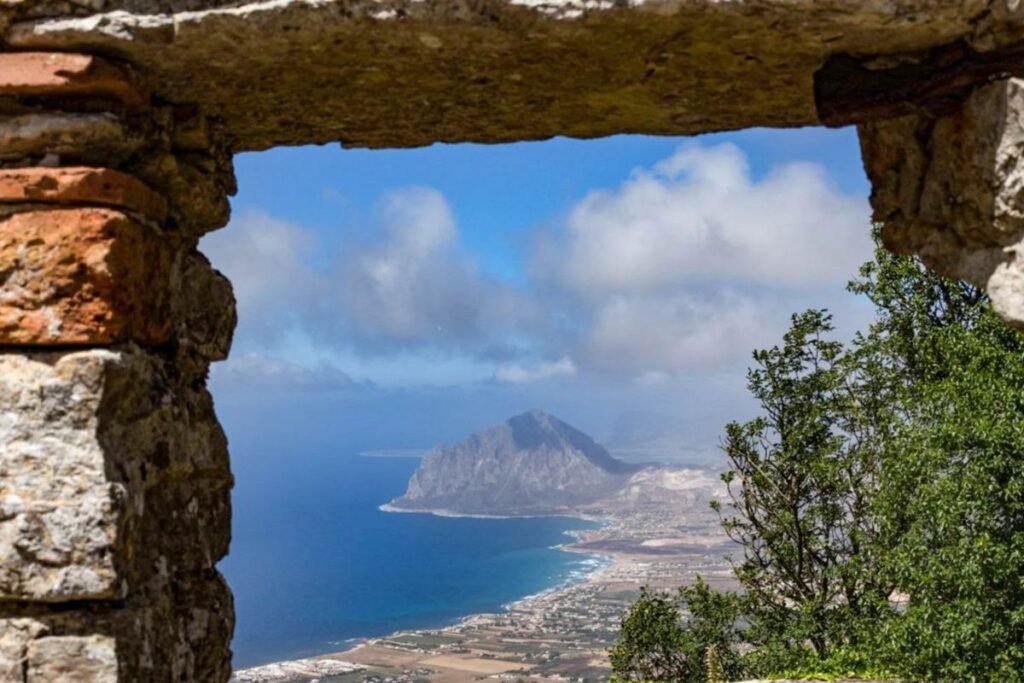
The biggest mistake travelers make is selecting a destination because it looks beautiful in photographs. Beautiful photographs do not tell you whether the destination fits your trip. Before booking, ask five questions.
01. How difficult is it to reach?
A remote island may be spectacular but require multiple connections. A mountain village may require a rental car. A small city may be easily reachable by train. The best destination is often the one that matches your available travel time.
02. How much time do you have?
If you have only four days, spending most of two days traveling to and from an isolated destination may not make sense. For a two-week trip, however, remote destinations become much more practical.
03. What do you actually want to do?
Choose based on experience:
- Beach?
- Hiking?
- Food?
- Architecture?
- Photography?
- History?
- Wildlife?
- Quiet?
A destination can be objectively beautiful and still be completely wrong for your travel style.
04. What is the weather likely to be?
Northern European mountain destinations can have very different conditions from Mediterranean beaches. Do not choose based solely on the average temperature. Rain, wind, daylight hours, snow, and trail conditions can influence the experience considerably.
05. Is the destination truly less crowded when you visit?
A place labeled “hidden” online can become extremely popular during summer. Travel trends change quickly. Current 2026 coverage itself shows how destinations once considered under-the-radar are increasingly entering mainstream travel lists.
Best Time to Visit Europe’s Hidden Gems
There is no single best month for every destination. Instead, think about the type of experience you want.
Spring
Excellent for:
- Flowers
- Hiking
- Mild weather
- Lower-season travel
- Green landscapes
Bohinj, for example, promotes its spring and early-summer wildflower season as a distinct part of the destination calendar.
Summer
Best for:
- Mediterranean beaches
- Long hiking days
- Outdoor activities
- Northern European landscapes
But summer is also when many “hidden” destinations become busiest.
Autumn
Excellent for:
- Wine regions
- Forests
- Photography
- Food-focused trips
- Cooler temperatures
Winter
Best for:
- Mountain destinations
- Christmas markets
- Snow landscapes
- Quiet city breaks
However, some rural destinations have reduced services outside the main season.
How to Travel Responsibly to Hidden Gems
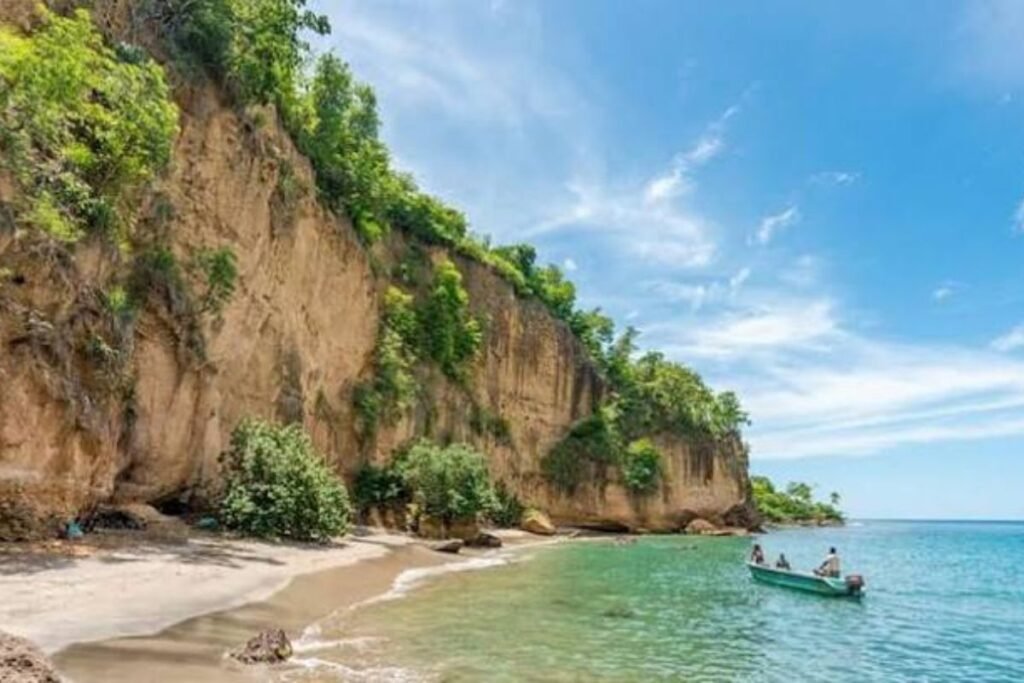
There is an important contradiction in the concept of hidden gems. The more people discover a place through travel websites and social media, the less hidden it becomes. That means responsible travel matters.
Stay locally
Whenever practical, choose locally owned guesthouses, hotels, restaurants, cafés, and tour operators. This can help keep tourism spending within the destination.
Avoid turning villages into photo sets
A village is someone’s home. Do not enter private property simply because a photograph looks attractive.
Respect trails
Stay on marked routes where required and follow local rules. This is especially important in fragile mountain and coastal environments.
Travel outside peak periods
If your schedule allows, shoulder-season travel can reduce pressure on popular places.
Use public transportation where practical
In destinations with good rail or bus connections, public transport can reduce the need for rental cars.
Follow local environmental guidance
The official tourism board for the Faroe Islands, for example, explicitly provides responsible-travel and hiking-safety guidance.
Similarly, destinations such as Bohinj emphasize sustainable tourism and local environmental management.
Common Mistakes When Visiting Lesser-Known European Destinations
Mistake 1: Assuming “hidden” means empty
It does not. A destination can be relatively overlooked internationally and still be busy on weekends or during summer.
Mistake 2: Expecting major-city infrastructure
Small towns may have:
- Fewer hotels
- Limited late-night transport
- Fewer English-language services
- Smaller restaurant selections
- Shorter opening hours
That is part of the trade-off.
Mistake 3: Planning too many stops
A common road-trip mistake is attempting six villages in two days. You may technically visit them, but you will not experience them.
Mistake 4: Ignoring transport
Some destinations are easy without a car. Others are not. Always check the final connection from the nearest airport or major railway station.
Mistake 5: Searching only for Instagram locations
The most memorable part of a small destination may be an ordinary bakery, local market, walking route, village square, or conversation—not the famous viewpoint.
How to Build a Hidden-Gem Europe Itinerary
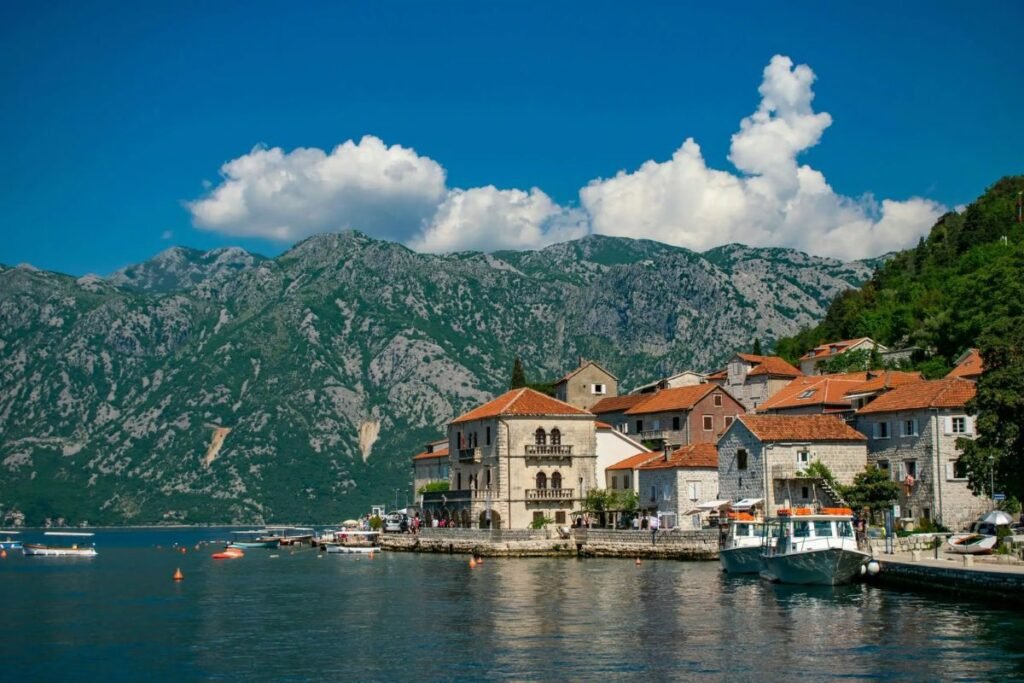
If you want to build a trip around lesser-known places, use this simple approach.
Step 01: Choose one major gateway
For example:
- Munich
- Vienna
- Porto
- Barcelona
- Ljubljana
- Athens
Step 02: Travel outward
Look for smaller destinations within reasonable reach of the gateway.
Step 03: Choose one main experience
For example:
Nature: Bohinj → mountain villages → Julian Alps
Food: Istria → Motovun → rural wineries → coastal towns
History: Spain → Albarracín → Aragón countryside
Adventure: Portugal → Gerês → northern villages
Step 04: Leave unscheduled time
Reserve at least part of each day for spontaneous exploration.
Step 05: Verify current information
Before leaving, check:
- Transport schedules
- Trail conditions
- Attraction opening hours
- Seasonal closures
- Local regulations
- Weather
- Parking rules
- Accommodation availability
This is particularly important for remote destinations.
Hidden Gem vs Famous Destination: Which Is Better?
Neither is automatically better.
| Factor | Hidden-gem destination | Famous destination |
| Crowds | Often lower, but not guaranteed | Often higher |
| Infrastructure | Can be limited | Usually extensive |
| Attractions | Smaller and more local | Numerous and internationally famous |
| Transport | May require planning | Usually easier |
| Accommodation | Smaller selection | Wide selection |
| Local atmosphere | Often more noticeable | Can feel more tourism-focused |
| First-time Europe trip | Good for adventurous travelers | Easier for beginners |
| Spontaneity | Can be rewarding | Usually easier |
| Planning | Often requires more research | Generally straightforward |
| Experience | Slower and more exploratory | Iconic and attraction-focused |
For a first trip to Europe, there is nothing wrong with visiting famous destinations. A strong itinerary can combine both. For example, spend several days in a major city and then move into a smaller region for a completely different experience.
Are Hidden Gems in Europe Cheaper?
Sometimes, but there is no guarantee. A smaller destination may have cheaper accommodation or dining than a major European hotspot, but remote locations can also be expensive because transportation and supplies cost more. The right way to compare destinations is to consider the total trip cost, not just hotel prices.
Include:
- Flights
- Trains
- Rental cars
- Fuel
- Tolls
- Accommodation
- Food
- Attractions
- Local transportation
- Travel insurance
- Backpack and Travel
A destination with a €70 hotel room that requires an expensive rental car may cost more overall than a €110 hotel beside a railway station.
How to Find Your Own Hidden Gems
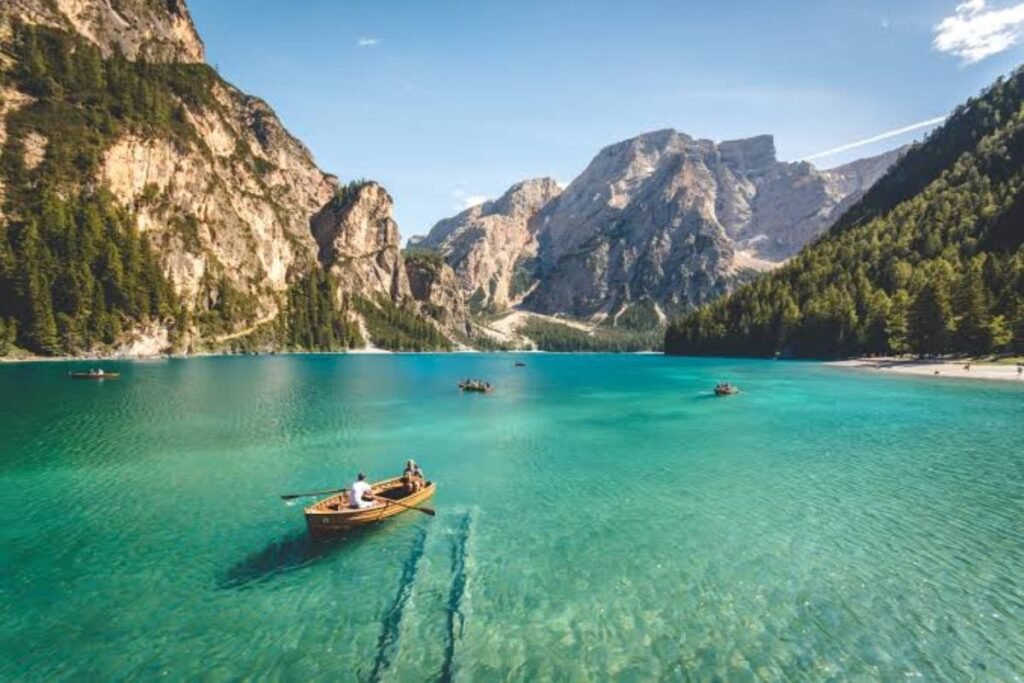
You do not need to rely entirely on travel lists. Try this research method.
Search one level below the famous destination
Instead of searching “best places in Italy,” search for:
- Small towns near Lake Orta
- Villages in northern Italy
- Quiet Italian lakes
- Lesser-known coastal towns in Italy
Do the same for any country.
Look at regional tourism websites
Local tourism organizations can provide information that broad international lists overlook.
Check transportation maps
Rail and bus maps are surprisingly useful for finding practical alternatives.
Look beyond capitals
Regional cities often provide excellent bases for exploring smaller towns.
Read recent traveler discussions
Use community recommendations as ideas rather than unquestioned facts. Always verify important information through official sources.
Final Thoughts
The best hidden gems in Europe are not necessarily places where you can claim to be the only traveler. That idea is increasingly unrealistic. Instead, look for destinations that make you slow down. A mountain village where the journey matters as much as the destination. A small Mediterranean town where you can combine a beach with local life. A historic European city where one afternoon is enough to understand why its residents love it.
A rural landscape where the absence of major attractions becomes the attraction itself. Tübingen, Motovun, Isola San Giulio, Bohinj, Zagori, Albarracín, Gerês, and the Faroe Islands all demonstrate different versions of this idea. When choosing your next trip, do not ask only, “What is the most famous place I can visit?”
Ask instead: Where can I have the kind of experience I actually want? That question leads to better travel decisions—and often to the places you remember longest. For more destination inspiration, travel planning ideas, and coastal travel guides, explore Beach Near.
Frequently Asked Questions About Hidden Gems in Europe
Q1. What are the best hidden gems in Europe?
Ans: Some strong choices include Tübingen in Germany, Motovun in Croatia, Isola San Giulio in Italy, Bohinj in Slovenia, Zagori in Greece, Albarracín in Spain, Gerês in Portugal, and the Faroe Islands. The best option depends on whether you prioritize beaches, nature, history, food, or hiking.
Q2. What is the most underrated country in Europe?
Ans: There is no objective answer. Countries such as Slovenia, Slovakia, Romania, Bulgaria, Bosnia and Herzegovina, and parts of Portugal and Greece can offer experiences that receive less international attention than Europe’s biggest tourist markets.
Q3. Are Europe’s hidden gems actually hidden?
Ans: Usually not. The term is subjective. Many destinations described as hidden gems are well known domestically or regionally. The more accurate description is often “less internationally visited” or “underexplored.”
Q4. What are the best hidden gems in Europe for couples?
Ans: Isola San Giulio, Motovun, Tübingen, Bohinj, and Zagori are particularly appealing for couples who enjoy scenery, food, history, and slower travel.
Q5. What are the best hidden gems in Europe for beaches?
Ans: Consider lesser-known Mediterranean coastal towns and islands rather than automatically choosing the most famous resort. Villajoyosa in Spain and parts of the Istrian and wider Adriatic coast can provide good alternatives depending on the season and your preferred beach style.
Q6. What are the best hidden gems for hiking?
Ans: Bohinj, Zagori, Gerês, the Faroe Islands, and northern Wales are excellent choices for travelers who prioritize hiking and dramatic scenery. Always check local trail and weather conditions before setting out.
Q7. Can I visit Europe’s hidden gems without renting a car?
Ans: Yes, but it depends heavily on the destination. Smaller cities such as Tübingen and some Central European destinations can be easier by train. Remote mountain and rural areas may be considerably more convenient with a car.
Q8. Are hidden European destinations suitable for first-time travelers?
Ans: Yes. Beginners may find smaller cities easier than remote mountain regions. If this is your first European trip, consider combining a famous city with one less-visited destination instead of starting with an extremely remote location.
Q9. When is the best time to visit hidden gems in Europe?
Ans: Spring and autumn are often attractive for travelers seeking milder weather and potentially fewer visitors. Summer is ideal for many beaches and outdoor activities but can still be busy even in lesser-known destinations.
Q10. How can I travel responsibly to hidden destinations?
Ans: Stay in locally owned accommodation, eat at local businesses, respect residents and private property, follow marked trails, avoid littering, observe local regulations, and consider visiting outside the busiest periods when possible.


4 Comments