
 -by
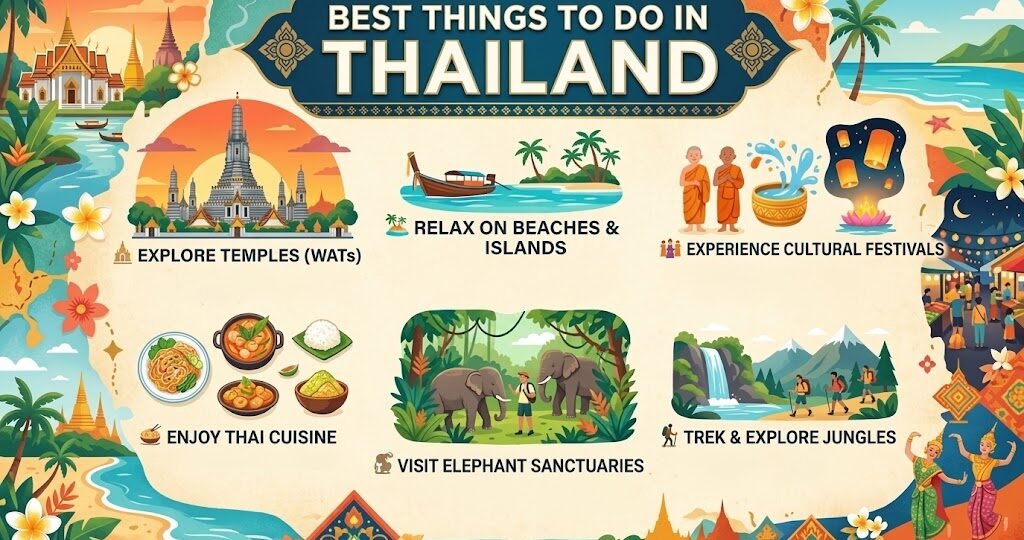
-by Thailand is one of those destinations where choosing what to do can be harder than finding something to do. You can spend a morning visiting centuries-old temples in Bangkok, eat your way through a night market, explore jungle and waterfalls in the north, dive around tropical islands, or simply spend several days on a beach in the south.
The challenge is deciding which Things to do in Thailand actually fit your trip. A seven-day holiday needs a very different plan from a three-week journey, and the best destination also depends on the season, your interests, budget, and tolerance for long transfers. This 2026 guide brings the major experiences together in one practical overview.
You’ll find cultural attractions, beaches and islands, food experiences, outdoor adventures, wildlife encounters, nightlife, historical sites, and suggested itineraries. You’ll also learn how Thailand’s two southern coasts differ, what to consider before booking activities, and how to avoid common first-trip planning mistakes.
Quick answer: The best Things to Do in Thailand include exploring Bangkok’s temples and markets, visiting Ayutthaya or Sukhothai, experiencing Chiang Mai and northern Thailand, enjoying Thai food, exploring islands such as Phuket, Krabi, Koh Samui, and Koh Tao, visiting national parks, snorkeling or diving, and experiencing Thai culture beyond the major tourist centers.
Best Things to Do in Thailand at a Glance
Thailand is geographically diverse, so it helps to match an activity with the region where it makes the most sense.
| Experience | Recommended destination | Best for | Typical time |
| Grand Palace and historic temples | Bangkok | First-time visitors, culture | Half day |
| Street-food exploration | Bangkok | Food lovers | Evening |
| Ancient ruins | Ayutthaya or Sukhothai | History | Half to full day |
| Lanna culture and temples | Chiang Mai | Culture, slower travel | 2–4 days |
| White Temple | Chiang Rai | Architecture, day trips | Half day |
| Jungle and lake scenery | Khao Sok | Nature, adventure | 2–3 days |
| Limestone cliffs and beaches | Krabi/Railay | Beaches, climbing | 2–4 days |
| Island hopping | Phuket, Krabi or Gulf islands | Beaches, snorkeling | 2–4 days |
| Diving | Koh Tao and other marine destinations | Divers | 2–5 days |
| Beach relaxation | Koh Lanta, Koh Samui, Koh Chang and others | Couples, families, slow travel | 3–7 days |
| Night markets | Chiang Mai, Bangkok and other cities | Food, shopping | Evening |
| Muay Thai | Bangkok and other cities | Sports and culture | Evening |
There is no single “best” Thailand itinerary. The right combination depends on what you want to experience.
01. Explore Bangkok’s Grand Palace, Wat Pho and Wat Arun
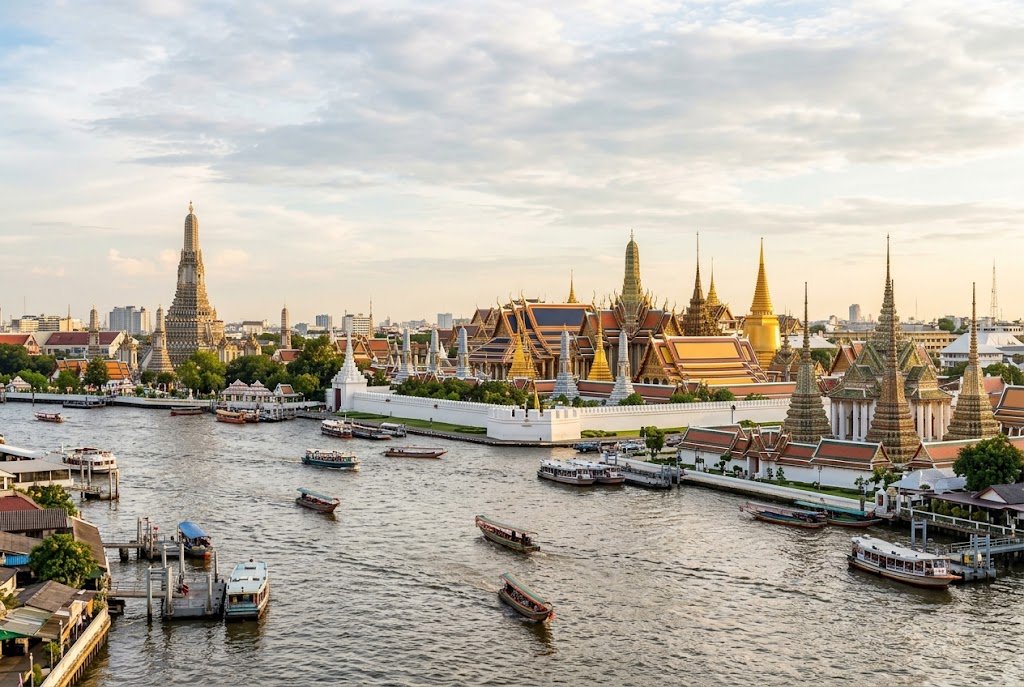
For a first visit, Bangkok provides one of the easiest ways to experience several sides of Thailand in a compact area. Start with the historic temple district. The Grand Palace and Wat Phra Kaew are among the country’s best-known cultural landmarks, while nearby Wat Pho is famous for its large reclining Buddha and traditional Thai architectural details.
Across the Chao Phraya River, Wat Arun provides another distinctive landmark. The important point is not to treat these sites as a checklist. Give yourself time to notice the details: painted murals, roof decorations, statues, courtyards, and the different architectural styles.
Practical tips
- Dress respectfully when visiting temples.
- Carry water because Bangkok can be hot and humid.
- Start early if you prefer cooler conditions and a less hectic experience.
- Check official opening information before visiting, particularly around holidays and special events.
- Avoid planning too many major attractions for the same morning.
Thailand’s Tourism Authority identifies temples and palaces among the country’s major travel experiences, while current travel guides continue to highlight Bangkok’s historic core as a first-trip priority.
02. Take a Chao Phraya River Journey
Bangkok makes more sense when you see how closely the city developed around its waterways. A river journey can be as simple as using a local boat for transportation or as leisurely as taking a sightseeing cruise. The Chao Phraya provides views of temples, bridges, riverside communities, hotels, and modern city development. For independent travelers, using public river transport can also be more interesting than staying entirely inside taxis or tourist vehicles.
Why it is worth doing
A river trip gives you a different perspective on Bangkok. It also creates a natural break between walking-heavy sightseeing activities. If you are traveling with children or older family members, a river-based outing can provide sightseeing without requiring hours of continuous walking.
03. Eat Your Way Through Thailand
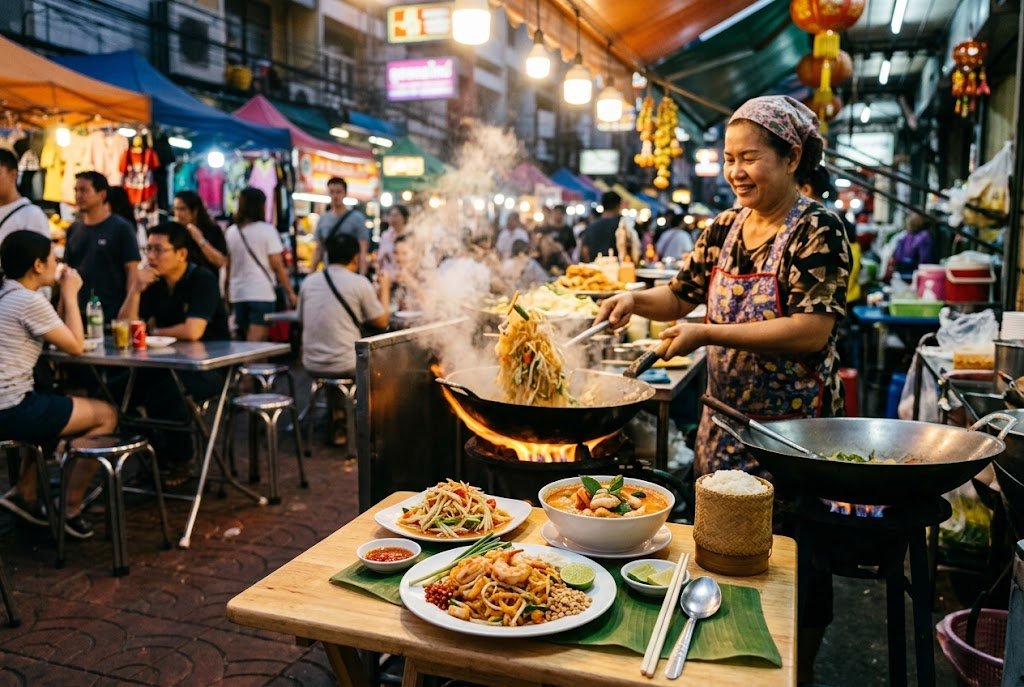
Food should not be treated as something you fit between attractions. For many travelers, eating is one of the most memorable Things to do in Thailand. Try regional dishes rather than limiting yourself to familiar international versions of Thai cuisine.
Depending on where you travel, look for:
- Pad Thai
- Tom Yum
- Green curry
- Massaman curry
- Som Tam
- Khao Soi
- Mango sticky rice
- Thai grilled meats
- Fresh seafood
- Southern Thai curries
- Northern-style sausage and chili dips
Bangkok’s Chinatown, local markets, and neighborhood food areas can be particularly useful for travelers who want variety in one evening. Current travel coverage also highlights Bangkok markets and Chinatown as important culinary experiences.
A better food strategy
Instead of ordering a large meal at one restaurant, consider creating a small tasting route:
- Start with a savory snack.
- Try a noodle or rice dish.
- Add a grilled item or regional specialty.
- Visit a market for fruit or dessert.
- Finish with a drink from a local café or street vendor.
If you have dietary restrictions, communicate them clearly and confirm ingredients rather than assuming a dish is suitable.
For more food-focused travel planning, you can also explore related guides on Restaurent.net.
04. Explore Bangkok’s Markets
Markets reveal a different side of Thailand from formal attractions. Depending on the day and location, you can find fresh produce, clothing, handmade goods, snacks, souvenirs, household products, and prepared food. Chatuchak is one of Bangkok’s most famous markets, while smaller neighborhood and evening markets can provide a less overwhelming introduction to local shopping.
What to remember
Do not assume every market is primarily designed for tourists. Some are working markets where people shop for everyday food and household goods. Be respectful when photographing vendors or people, and ask before taking close-up portraits.
05. Visit Ancient Ayutthaya
If you have additional time in Bangkok, consider a trip to Ayutthaya. The former capital is known for historic ruins, temple remains, and brick structures spread across a broad archaeological landscape. It offers a useful contrast to Bangkok’s modern skyline. One of the best ways to experience Ayutthaya is to avoid rushing between every attraction. Choose several significant sites and leave time for walking or cycling.
Ayutthaya vs. Bangkok
| If you want… | Choose |
| Modern city life | Bangkok |
| Major royal and religious landmarks | Bangkok |
| Ancient ruins | Ayutthaya |
| A historical day trip | Ayutthaya |
| Markets and nightlife | Bangkok |
| Slower sightseeing | Ayutthaya |
Ayutthaya is particularly valuable for travelers who want historical context rather than only beaches and nightlife.
06. Go Further to Sukhothai
Sukhothai is another important historical destination and can be especially rewarding for travelers who enjoy archaeology, architecture, and cycling. The historical park contains the remains of the former Sukhothai Kingdom, including temple structures, Buddha images, and large open spaces. The experience differs from Ayutthaya. Sukhothai generally feels more spacious, making it attractive if you prefer a slower visit.
Which should you choose?
If you have only a short Bangkok-based trip, Ayutthaya is usually easier to incorporate. If you are traveling through northern or central Thailand and have more time, Sukhothai deserves consideration.
07. Discover Chiang Mai’s Temples and Lanna Culture
Chiang Mai offers a very different atmosphere from Bangkok. The city is known for historic temples, northern Thai—or Lanna—influences, markets, cafés, craft traditions, and access to mountainous landscapes. Spend time exploring the Old City rather than trying to see every attraction in one day.
Look for:
- Wat Chedi Luang
- Wat Phra Singh
- Local markets
- Traditional craft shops
- Northern Thai food
- Cooking classes
- Cultural performances
- Mountain viewpoints
Chiang Mai is also a useful base for exploring areas outside the city. Current travel coverage identifies northern temples, food experiences, and cultural activities as major reasons to include Chiang Mai in a Thailand itinerary.
08. Take a Cooking Class
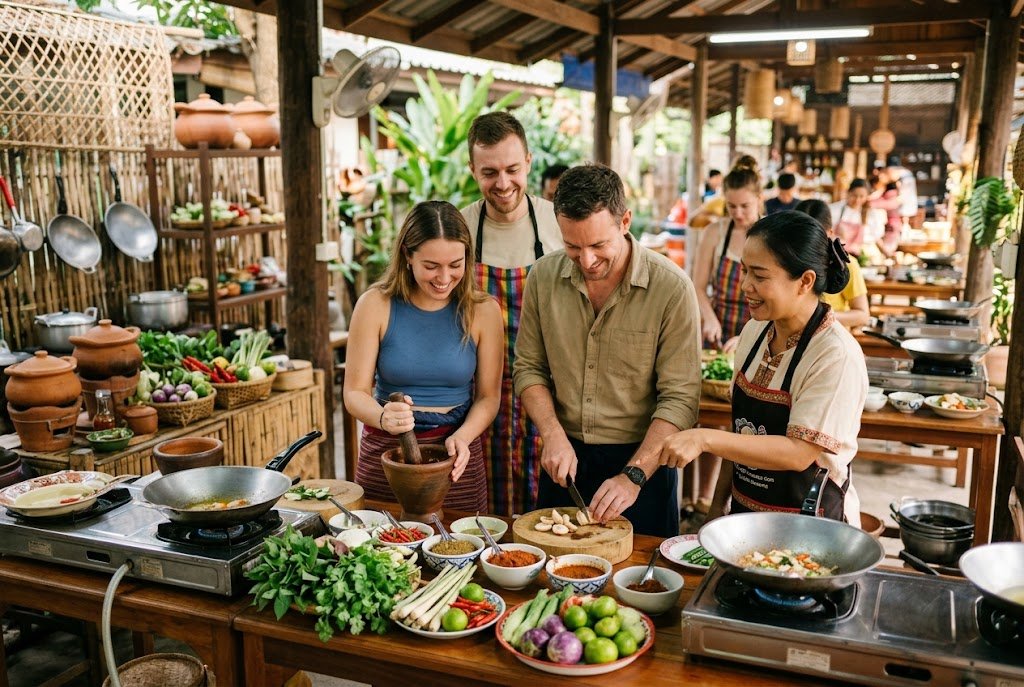
A Thai cooking class can be more useful than simply eating another restaurant meal because it teaches you something you can take home. A good class often combines ingredient introductions, preparation techniques, and hands-on cooking.
For beginners, look for a class that explains:
- How Thai flavors balance sweet, sour, salty, and spicy elements
- How herbs and aromatics are used
- How curry pastes differ
- How to adjust spice levels
- Which ingredients are essential and which have substitutes
A market visit included with the class can make the experience more valuable because you learn what the ingredients look like before they reach the kitchen.
09. Visit Chiang Rai and the White Temple
Chiang Rai is another northern destination worth considering, especially for travelers interested in unusual architecture and regional culture. Wat Rong Khun, commonly called the White Temple, is one of its best-known attractions. Its contemporary artistic design makes it quite different from Thailand’s historic temple complexes.
Do not expect it to function like an ancient archaeological site. Its appeal is largely visual and artistic. Chiang Rai can work as a day trip for some travelers, but spending longer allows you to explore more of the surrounding region rather than seeing only one landmark.
10. Experience an Elephant Encounter Responsibly
Elephant tourism requires more careful decision-making than simply choosing the most popular attraction. Before booking, investigate how the animals are treated.
Be cautious about attractions built around:
- Elephant riding
- Performances
- Forced tricks
- Close-contact activities that prioritize visitor photos
- Chains or visibly restrictive conditions
- Claims about conservation that are difficult to verify
Look instead for operators that clearly explain their animal-welfare policies and minimize unnecessary human-animal interaction. This is an area where “more interaction” does not automatically mean a better experience. Observing elephants behaving naturally can be more responsible than participating in activities designed primarily for tourists.
11. Explore Khao Sok National Park
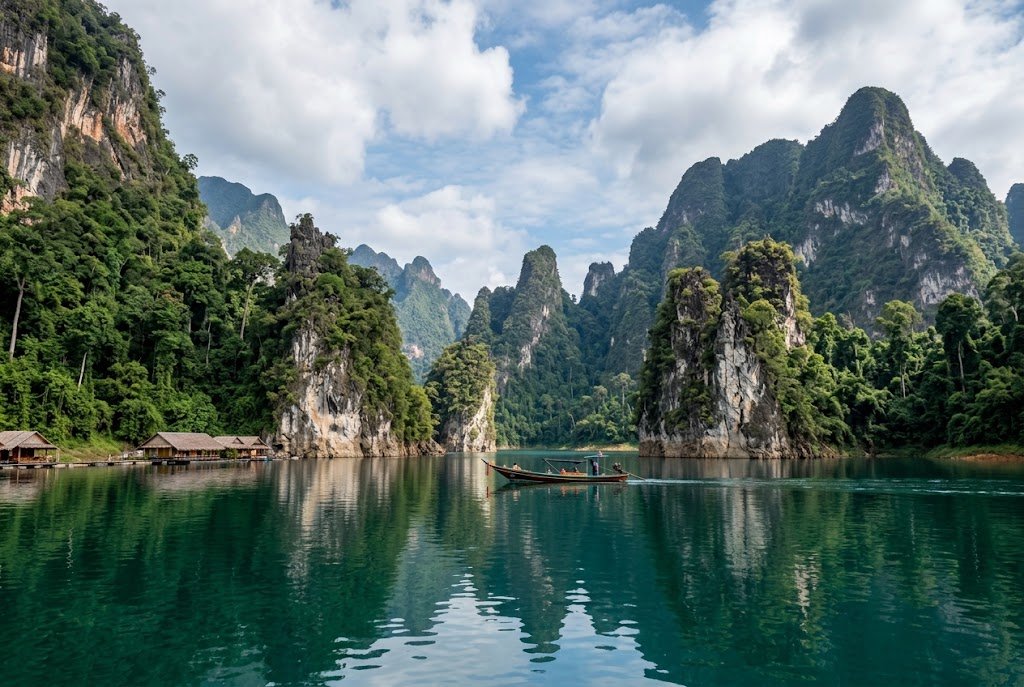
Thailand’s attractions are not limited to beaches. Khao Sok National Park in southern Thailand is one of the country’s major nature destinations. It is associated with rainforest landscapes, limestone formations, and Cheow Lan Lake.
A visit can include activities such as:
- Boat trips
- Jungle trekking
- Wildlife observation
- Cave exploration where conditions and regulations permit
- Scenic viewpoints
- Overnight stays in or around the park
Thailand’s Tourism Authority lists Khao Sok among the country’s notable national parks, alongside destinations such as Doi Inthanon, Erawan and Khao Yai.
Planning insight
Khao Sok is better suited to travelers who can give nature some time. Trying to squeeze a jungle excursion into an already packed island itinerary may turn the experience into a sequence of transfers rather than a genuine nature trip.
12. Relax in Krabi and Explore Railay
Krabi is one of the most versatile bases in southern Thailand. The region combines beaches, limestone cliffs, islands, marine activities, and access to several natural attractions. The Tourism Authority specifically highlights Krabi’s beaches, islands, coral environments, caves, hot springs, and limestone cliffs. Railay is particularly famous for its dramatic limestone scenery.
Things to do around Krabi
- Relax on beaches
- Take longtail-boat trips
- Visit nearby islands
- Go snorkeling
- Try rock climbing
- Explore caves and natural attractions
- Watch sunsets
- Use Ao Nang as a practical base for excursions
For active travelers, Krabi can offer more variety than a purely resort-focused beach destination.
13. Island-Hop Around Southern Thailand
Thailand has three major coastal zones: the southeastern coast, the Gulf of Thailand, and the Andaman coast. The Tourism Authority lists destinations including Phuket, Phi Phi, Koh Lipe, Koh Samui, Koh Tao, and Koh Chang among its island and beach destinations. The biggest planning mistake is treating all islands as interchangeable.
Andaman Coast
Consider destinations such as:
- Phuket
- Krabi
- Koh Phi Phi
- Koh Lanta
- Koh Lipe
- Phang Nga
Gulf of Thailand
Consider:
- Koh Samui
- Koh Phangan
- Koh Tao
- Ang Thong Marine National Park
Eastern Thailand
Koh Chang and nearby islands provide another option for travelers looking beyond the country’s most famous southern hubs.
14. Compare Phuket, Krabi, Koh Samui and Koh Tao
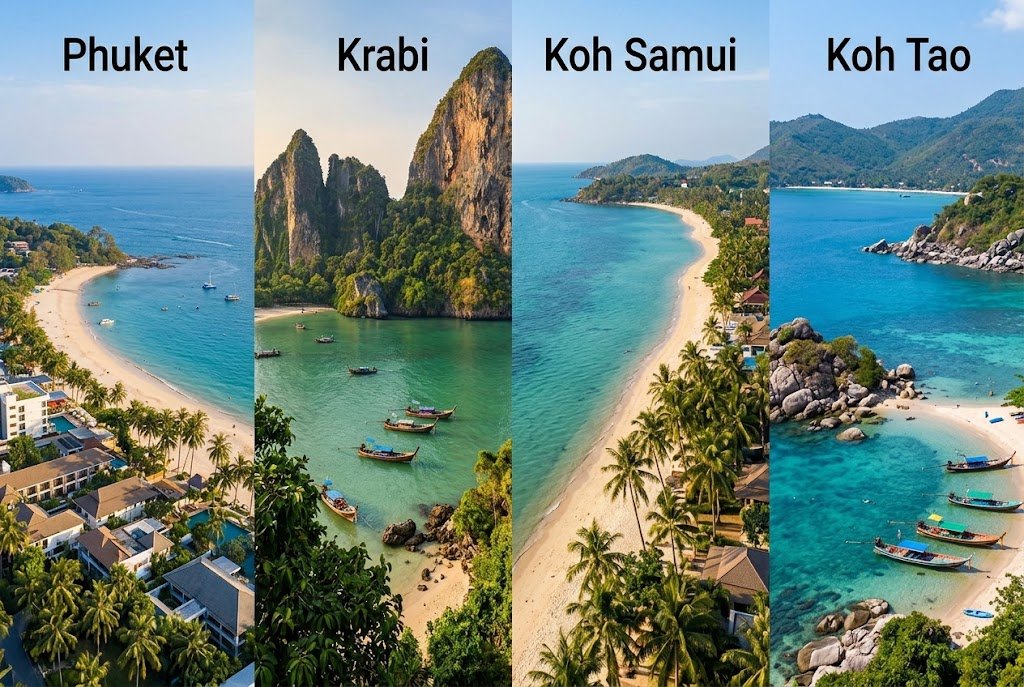
If you are unsure which island region to choose, start with the type of holiday you want.
| Destination | Best suited to | Main appeal |
| Phuket | First-time visitors, families, convenience | Wide choice of accommodation and activities |
| Krabi | Adventure, scenery, island trips | Limestone cliffs and coastal landscapes |
| Koh Samui | Resorts, couples, relaxed holidays | Beaches and developed tourism infrastructure |
| Koh Tao | Diving and snorkeling | Strong focus on marine activities |
| Koh Lanta | Slower beach holidays | More relaxed island atmosphere |
| Koh Chang | Nature and beaches | Forested island scenery |
This is not a ranking. Each destination solves a different travel problem.
15. Go Snorkeling or Scuba Diving
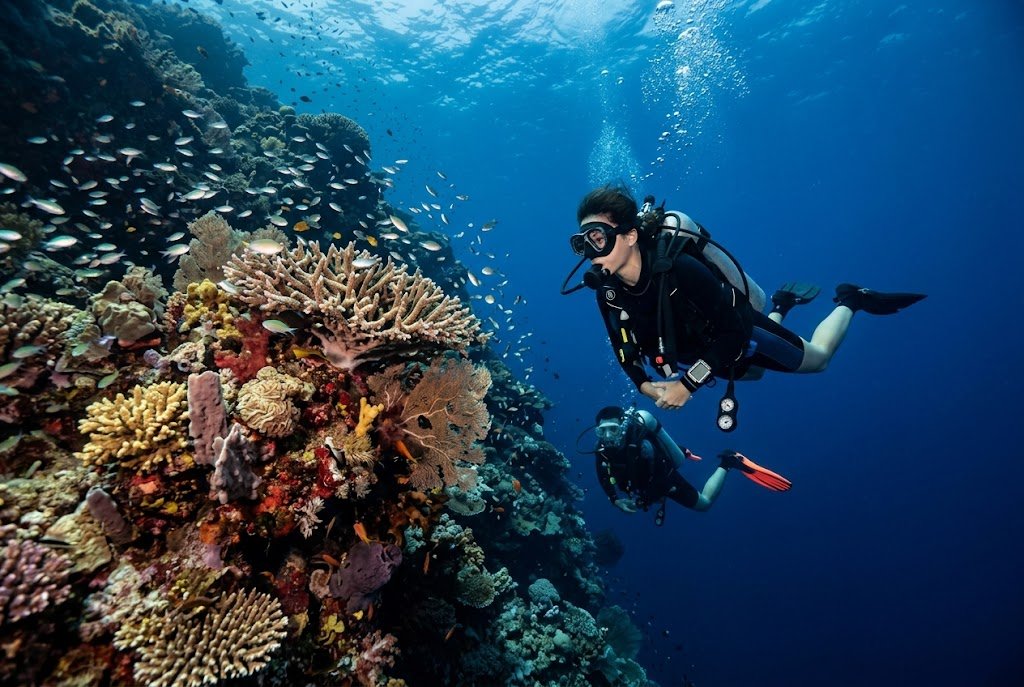
Thailand’s marine environments are a major attraction for travelers who enjoy underwater activities. Snorkeling requires less training and can be suitable for beginners when conditions are appropriate. Scuba diving requires recognized training and certification for activities that require it.
Popular diving and snorkeling areas include parts of:
- Koh Tao
- Phuket
- Krabi
- Koh Lanta
- Similan Islands
- Surin Islands
- Koh Chang
Thailand’s official tourism resources identify diving, snorkeling and marine destinations across both the Andaman Sea and Gulf of Thailand.
Before booking a boat trip
Check:
- Weather and sea conditions.
- Whether equipment is included.
- Maximum group size.
- Transfer time.
- Marine park rules.
- Cancellation arrangements for poor weather.
- Whether the itinerary involves long periods on a speedboat.
Do not chase the largest number of stops. A shorter itinerary with enough time in the water can be more enjoyable than an exhausting island-hopping schedule.
16. Explore Phang Nga Bay
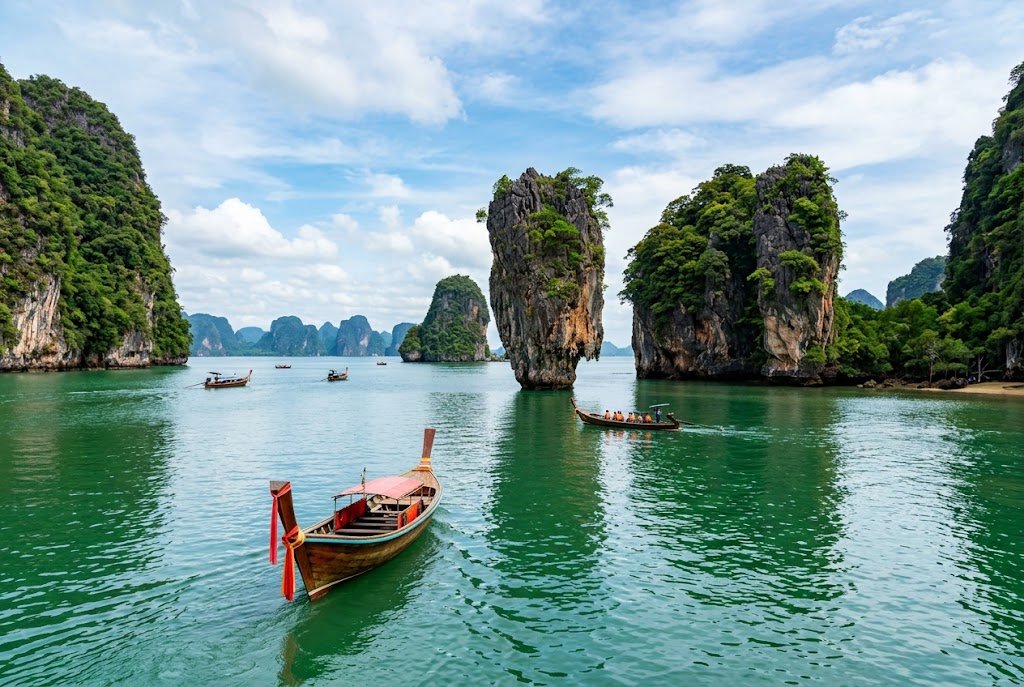
Phang Nga Bay is known for dramatic limestone formations rising from the sea. Boat trips allow visitors to see the landscape from the water and, depending on the itinerary, explore nearby islands, caves, or sea-kayaking routes.
Because the scenery is the primary attraction, consider choosing an itinerary that provides enough time to appreciate the landscape rather than one designed around collecting the maximum number of photo stops. Phang Nga is also home to protected natural areas, so travelers should follow local conservation rules and avoid disturbing wildlife.
17. Visit a National Park
For travelers who want to see a side of Thailand beyond cities and beaches, national parks are an excellent addition.
Possible destinations include:
- Khao Yai National Park
- Doi Inthanon National Park
- Erawan National Park
- Khao Sok National Park
- Mu Ko Ang Thong Marine National Park
- Khao Sam Roi Yot National Park
- Similan Islands National Park
The official Tourism Authority identifies these among Thailand’s major natural destinations. Rules, closures, access arrangements, and fees can change. Check the relevant park or Department of National Parks information before traveling rather than relying on an old blog post.
18. Chase Waterfalls and Mountain Views
Thailand’s northern and western regions provide opportunities for hiking, waterfalls, and mountain scenery. Doi Inthanon, Thailand’s highest mountain area, is a popular base for travelers interested in cooler mountain environments, forest scenery, and waterfalls.
Erawan National Park in Kanchanaburi is another popular nature destination. These excursions require a different mindset from beach holidays. Bring appropriate footwear, water, and protection from sun and rain, and follow marked routes and local safety instructions.
19. Experience Muay Thai
Muay Thai is both a sport and an important part of Thai cultural life. Watching a live match can provide a more authentic introduction than simply seeing the sport in a tourist-oriented performance. If you want to train rather than watch, beginner-friendly classes are available in many destinations.
You do not need to be athletic to take an introductory class. A good beginner session should focus on basic technique, movement and conditioning rather than treating newcomers like professional fighters.
20. Visit Thai Night Markets
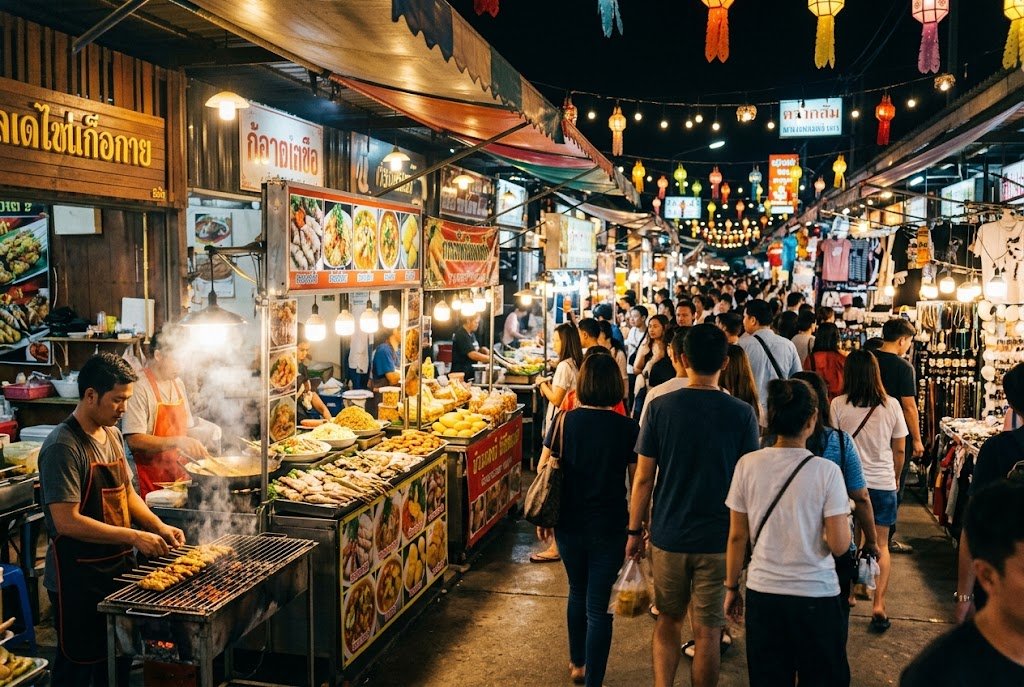
Night markets combine food, shopping and social atmosphere. Chiang Mai, Bangkok, Phuket, Krabi and many other destinations have different forms of evening markets. Instead of searching only for the largest tourist market, ask accommodation staff or local businesses where residents shop and eat.
A market evening can become an easy, low-pressure activity:
Walk → browse → sample food → sit for a drink → continue exploring.
It is also a good way to keep an evening flexible after a busy sightseeing day.
21. Enjoy Thai Wellness and Massage
Traditional Thai massage is another experience associated with Thailand. If you want a massage, choose a reputable establishment that clearly explains the service and lets you communicate any injuries, limitations, or preferences beforehand.
You do not need to choose the most expensive spa. A clean, professional environment and clear communication matter more than elaborate decoration. For travelers building a wellness-focused trip, Chiang Mai, Bangkok, Phuket, and Koh Samui offer many different styles of wellness experiences.
22. Explore Thailand’s Beaches Beyond the Famous Names
One of the most useful pieces of Thailand travel advice is simple: you do not have to visit the most famous beach. Thailand’s official tourism resources list a wide range of coastal destinations, including Koh Chang, Koh Samet, Koh Kradan, Koh Ngai, Koh Muk, Koh Lanta and many others.
A less famous destination may suit you better if your priority is:
- Quiet mornings
- Longer beach stays
- Fewer organized tours
- A slower pace
- Nature
- Small-scale accommodation
If beaches are the main reason for your trip, compare the coast, weather, and transportation before booking flights.
For broader beach-trip planning, see the Beach Near travel guide.
23. Choose the Right Season for Your Destination
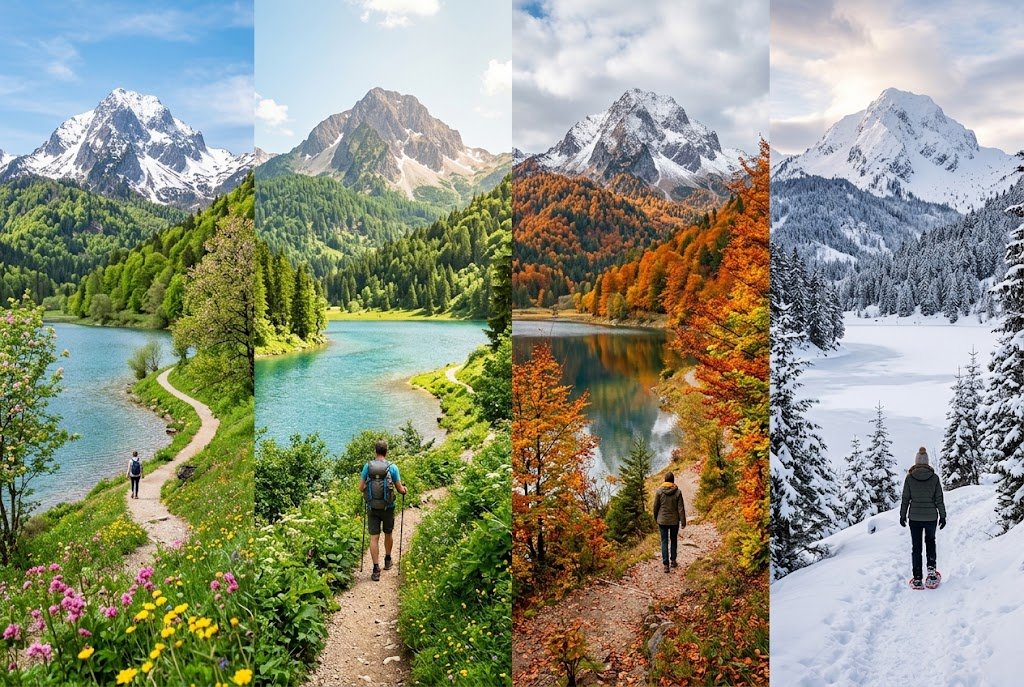
Thailand does not have one simple nationwide “best time to visit.” The country’s climate is influenced by monsoon systems, and conditions vary between regions. The Tourism Authority describes Thailand as having significant seasonal differences, with rainfall and temperatures varying by region.
This matters especially for beach holidays. The Andaman coast and Gulf of Thailand do not always experience their most favorable conditions at exactly the same time. Therefore, do not book an island simply because a generic article says a particular month is “the best time for Thailand.”
Better planning method
First choose:
Activity → destination → coast → travel dates
rather than:
Travel dates → random destination
This small change can significantly improve your itinerary.
24. Build Your Thailand Trip Around Your Travel Style
For first-time visitors
Prioritize:
- Bangkok
- One historical destination
- Chiang Mai or another northern destination
- One southern beach destination
For beach lovers
Consider:
- Phuket
- Krabi
- Koh Lanta
- Koh Samui
- Koh Tao
- Koh Chang
For adventure travelers
Consider:
- Khao Sok
- Krabi rock climbing
- Diving
- Snorkeling
- Hiking
- Kayaking
- National parks
For food lovers
Focus on:
- Bangkok street food
- Northern Thai cuisine
- Southern Thai food
- Cooking classes
- Night markets
- Local markets
For history and culture
Prioritize:
- Bangkok temples
- Ayutthaya
- Sukhothai
- Chiang Mai
- Chiang Rai
- Museums
- Local communities
25. Sample Thailand Itineraries
7 days: Thailand for first-time visitors
Days 1–3: Bangkok
- Grand Palace and temples
- Chao Phraya River
- Chinatown
- Markets
- Thai food experience
Day 4: Ayutthaya
Take a day trip and return to Bangkok or continue your journey.
Days 5–7: Southern Thailand
Choose either Phuket/Krabi or a Gulf destination depending on your dates and interests. This itinerary sacrifices depth for variety, but it works if you have limited vacation time.
10 days: Culture + beaches
Days 1–3: Bangkok
Day 4: Ayutthaya
Days 5–7: Chiang Mai
Days 8–10: Southern beach destination
This provides a stronger cultural component before finishing with relaxation.
14 days: More balanced Thailand
Days 1–3: Bangkok
Days 4–5: Ayutthaya/Sukhothai
Days 6–9: Chiang Mai and surrounding area
Days 10–14: Krabi, Phuket, Koh Lanta or a Gulf destination
Do not try to visit five islands during the final four days. Choose one base and take selected excursions.
26. Common Thailand Travel Mistakes to Avoid
Trying to see everything
Thailand is too large and diverse to experience properly in one short trip.
Changing hotels every night
Frequent transfers consume vacation time.
Ignoring seasonal differences
Weather can vary significantly between regions.
Booking every activity in advance
Some flexibility is useful, particularly when weather affects boat trips.
Choosing attractions solely from social media
A visually impressive place may not match your interests or expectations.
Ignoring temple etiquette
Dress and behavior requirements matter at religious sites.
Treating wildlife tourism as entertainment
Investigate animal-welfare practices before booking.
Forgetting travel time
A destination that looks close on a map may require ferries, buses, transfers, or flights.
Overlooking travel insurance
Medical treatment, cancellations, lost luggage and transportation disruptions can turn a manageable problem into a costly one. Consider appropriate coverage before departure and read the policy exclusions rather than choosing solely by price.
For a related planning resource, see this guide to best travel insurance considerations.
27. Important Thailand Entry Planning for 2026
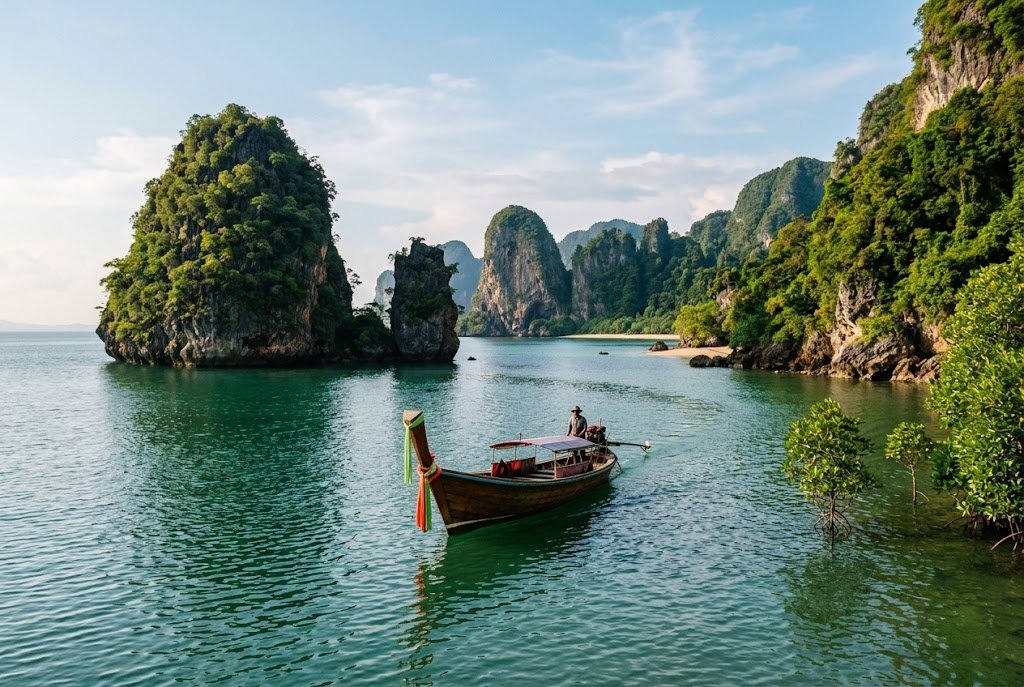
Entry requirements are particularly important because immigration rules can change. As of September 2026, Thailand has revised its visa-exemption and Visa on Arrival arrangements. The Thai Ministry of Foreign Affairs states that the revised measures took effect on 15 September 2026, including changes to the 30-day and 15-day visa-exemption arrangements and the Visa on Arrival scheme.
Travelers should therefore verify their eligibility according to nationality and travel purpose before departure. Do not rely on older articles stating that every eligible traveler automatically receives a 60-day visa exemption. The Thai government specifically revised that framework in 2026.
Thailand Digital Arrival Card
International visitors should also be aware of the Thailand Digital Arrival Card (TDAC). The official Thai Immigration Bureau states that non-Thai nationals entering Thailand must complete the TDAC online before arrival, and the submission should be made within three days before the arrival date. TDAC is an arrival card, not a visa. Use the official Immigration Bureau system rather than relying on unofficial third-party websites.
Thailand Digital Arrival Card — Official Immigration Bureau site
For visas and nationality-specific requirements, use the official Thai government information available at the time you travel.
28. How to Choose the Best Things to Do in Thailand
If you are overwhelmed by the number of choices, use this simple five-step process.
Step 1: Decide your main travel purpose
Choose your top two:
- Culture
- Beaches
- Food
- Nature
- Adventure
- Wildlife
- Nightlife
- Relaxation
Step 2: Choose one primary region
Do not start with ten destinations. Choose Bangkok/central Thailand, northern Thailand, the Andaman coast, the Gulf of Thailand, or eastern Thailand.
Step 3: Check the seasonal conditions
Compare your travel dates with the weather patterns of the specific destination.
Step 4: Add one or two special experiences
Examples:
- Cooking class
- Diving course
- Elephant observation
- Jungle stay
- Muay Thai match
- Historical cycling
- National park hike
Step 5: Leave some empty space
An itinerary does not need to be full from breakfast until midnight.
Some of the most enjoyable travel days happen when you have enough time to stop at a local café, explore a neighborhood, or return to a favorite beach.
Frequently Asked Questions
Q1. What are the best Things to do in Thailand for first-time visitors?
Ans: Start with Bangkok’s temples and food, visit a historical destination such as Ayutthaya, spend time in Chiang Mai or another northern destination, and finish with a southern beach or island. This combination gives you cultural, historical, culinary, and coastal experiences.
Q2. How many days do you need in Thailand?
Ans: Seven days can provide an introduction, but 10–14 days give you more flexibility. Longer trips make it easier to combine Bangkok, northern Thailand, and the islands without spending too much time traveling between destinations.
Q3. Is Bangkok worth visiting if I mainly want beaches?
Ans: Yes. Even beach-focused travelers can benefit from spending two or three days in Bangkok for temples, food, markets, and river experiences before heading south.
Q4. Which is better for beaches, Phuket or Krabi?
Ans: Neither is universally better. Phuket offers a large tourism infrastructure and many accommodation and activity choices, while Krabi is particularly appealing for travelers interested in limestone scenery, Railay, and island excursions.
Q5. Which Thai islands are good for snorkeling and diving?
Ans: Koh Tao is particularly associated with diving, while marine activities are also available around destinations such as Phuket, Krabi, Koh Lanta, Koh Chang, and the Andaman islands. Conditions vary seasonally, so check current local information.
Q6. Is Thailand suitable for a family vacation?
Ans: Yes. Families can choose from beaches, cultural attractions, markets, boat trips, cooking activities, and nature experiences. The best destination depends on children’s ages, mobility, weather, and how much travel time the family can comfortably handle.
Q7. What should I wear when visiting Thai temples?
Ans: Dress respectfully, particularly at major religious sites. Clothing that covers shoulders and knees is a practical choice. Rules can vary by site, so check local requirements.
Q8. What is the best month to visit Thailand?
Ans: There is no single month that is ideal for every part of Thailand. Weather differs between regions and between the Andaman and Gulf coasts. Choose the destination first and then check its seasonal conditions.
Q9. Do I need to complete the Thailand Digital Arrival Card?
Ans: Non-Thai nationals entering Thailand are required to complete the TDAC online before entry. The official system says it should be submitted within three days before arrival. TDAC does not replace a visa when a visa is required.
Q10. Have Thailand’s visa rules changed in 2026?
Ans: Yes. Thailand revised its visa-exemption and Visa on Arrival arrangements, with the new measures taking effect on 15 September 2026. Travelers should check the current rules for their passport and travel purpose before departure.
Q11. What should I avoid doing in Thailand?
Ans: Avoid disrespectful behavior at religious sites, careless wildlife tourism, ignoring local environmental rules, and overloading your itinerary with destinations. Also avoid relying on outdated entry or visa information.
Q12. What is the biggest planning mistake on a Thailand trip?
Ans: Trying to cover too much territory. Thailand rewards travelers who spend enough time in each destination to experience it rather than constantly moving between airports, buses, ferries, and hotels.
Conclusion
The best Things to do in Thailand depend on the kind of trip you want to have. Bangkok can provide temples, markets, river scenery, and some of the country’s most varied food experiences. Northern Thailand adds mountain landscapes, historic temples, and distinctive regional culture. The south offers beaches, islands, diving, snorkeling, limestone cliffs, and marine parks.
Between them are historical cities and national parks that can change the character of an itinerary completely. The practical lesson is to choose fewer destinations and experience them more deeply. Check the weather for your specific region, allow realistic travel time, investigate wildlife experiences carefully, and verify entry requirements shortly before departure.
For 2026 travel, pay particular attention to Thailand’s updated visa arrangements and the Thailand Digital Arrival Card, since older travel articles may contain information that is no longer current. Whether your ideal holiday involves temples, Thai food, jungle, beaches, diving, history, or simply slowing down, Thailand gives you plenty of ways to build a trip around your own interests.