 -by
-by Europe in December feels different from the rest of the year. Historic squares glow under strings of lights, old town streets fill with wooden stalls, and the smell of roasted nuts, gingerbread, baked goods, spices, and warm drinks drifts through the cold air. For many travelers, Christmas Markets are more than just shopping events. They are a way to experience a city through its Winter Sun, food, crafts, music, architecture, and local celebrations.
But choosing among Europe’s many Christmas Markets can be surprisingly difficult. Some are best for grand architecture and large city experiences. Others are better for traditional crafts, medieval surroundings, food, families, couples, or quieter evenings. Opening periods also differ, and some markets continue after Christmas while others close before December 24.
This guide explains how to choose the right Christmas Markets for your trip, which European Countries to visit, what to eat and buy, when to go, how to get between markets, how to manage costs, and what first-time visitors often overlook. It also includes practical planning advice for international travelers who want the festive atmosphere without turning the trip into a stressful checklist.
What Are Christmas Markets?
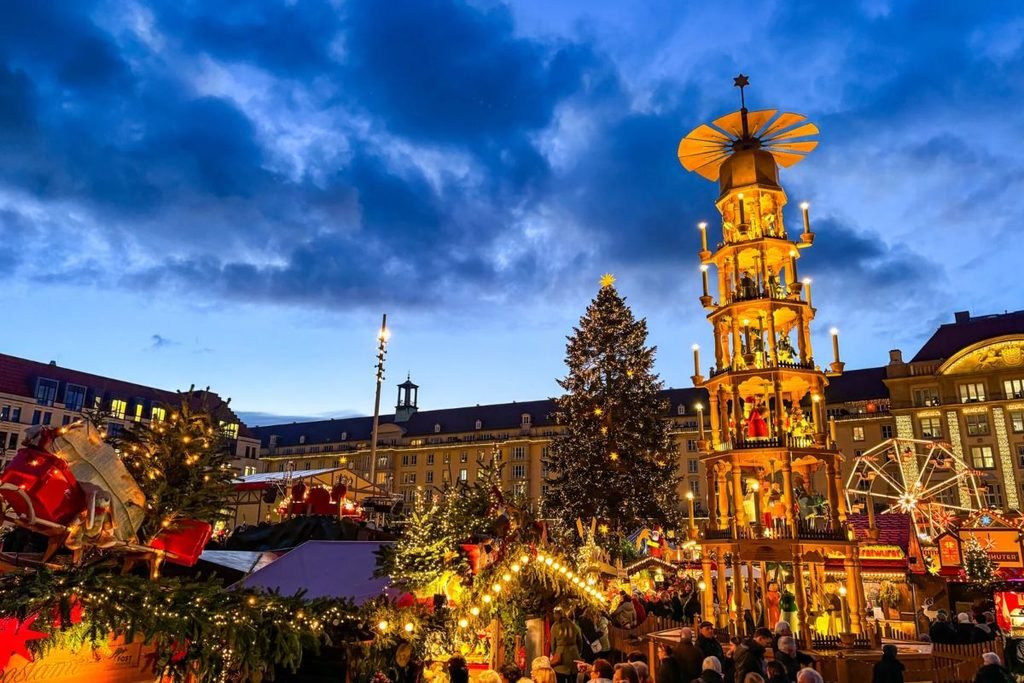
Christmas Markets are seasonal outdoor or indoor markets traditionally associated with the weeks leading up to Christmas. They usually feature decorated stalls selling crafts, ornaments, gifts, regional food, sweets, hot drinks, and seasonal products, along with lights, music, performances, or family activities.
The tradition is particularly strong in Central and Western Europe, especially Germany, Austria, France, Switzerland, Czechia, and neighboring countries. Over time, the idea has spread throughout Europe, with each city adding its own food, architecture, customs, and interpretation.
The most enjoyable Christmas Markets usually work because the market is part of the city rather than an isolated attraction. A visitor can explore an old town, visit a church or museum, stop for a warm drink, browse local crafts, and return to the market after dark.
Why Europe’s Christmas Markets Feel So Special
The appeal of Christmas Markets comes from several elements working together.
Historic surroundings
Many markets occupy central squares surrounded by centuries-old buildings. A stall selling a handmade ornament feels different when you are standing beside a Gothic cathedral, medieval town hall, Baroque palace, or historic street.
Local food
Food is one of the strongest reasons to visit Christmas Markets. Depending on the destination, you may encounter sausages, gingerbread, roasted chestnuts, baked potatoes, pastries, pretzels, waffles, regional cheeses, sweet breads, and other seasonal specialties.
Handmade goods
Traditional markets often include ceramics, wooden decorations, candles, glass ornaments, textiles, jewelry, toys, and regional handicrafts. The best purchases are not necessarily the most expensive ones. A small locally made ornament can be more meaningful than a generic souvenir.
Winter atmosphere
Darkness arrives early in much of Europe during December. That can actually improve the market experience. Lights, illuminated buildings, decorated trees, and warm stalls become more noticeable after sunset.
Cultural traditions
German tourism authorities describe Advent as a season closely associated with regional traditions, seasonal foods, decorations, music, and Christmas customs. Markets are one visible part of that broader cultural season.
The Best Christmas Markets in Europe for Different Travelers
There is no objective winner among Christmas Markets. The right choice depends on the kind of trip you want.
| Destination | Best for | Overall character | Planning advantage |
| Vienna, Austria | First-time visitors | Grand, elegant, varied | Many markets in one city |
| Strasbourg, France | Romance and atmosphere | Historic, Alsatian, highly decorated | Several markets within walking distance |
| Nuremberg, Germany | Traditional experience | Historic and strongly regional | Classic market identity |
| Cologne, Germany | Variety | Multiple themed markets | Easy to combine different experiences |
| Prague, Czechia | Architecture and value-conscious trips | Medieval and atmospheric | Central historic locations |
| Salzburg, Austria | Music and historic setting | Traditional and intimate | Strong cultural atmosphere |
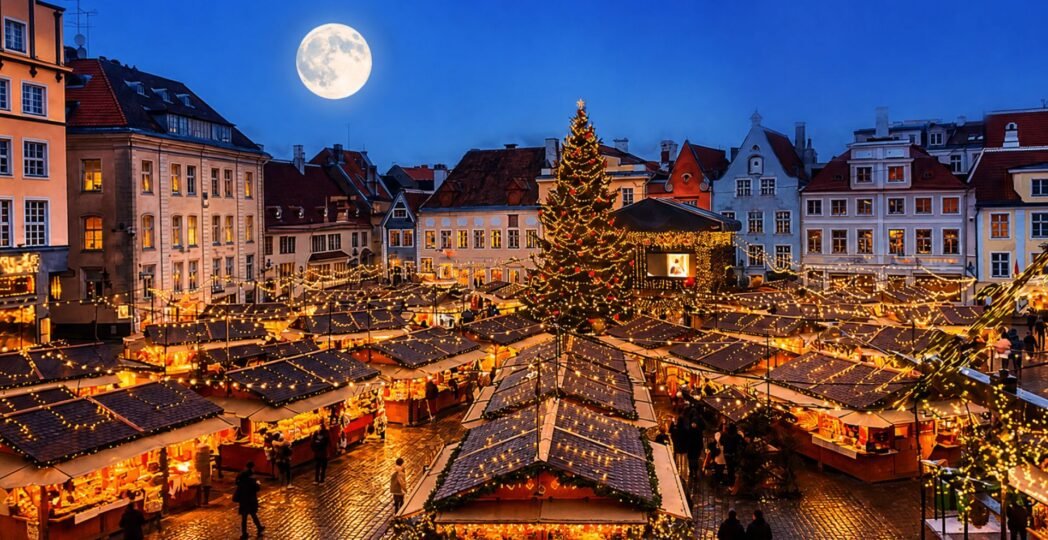
| Tallinn, Estonia | Medieval winter setting | Compact and storybook-like | Easy old-town exploration |
| Budapest, Hungary | Food and city breaks | Lively and contemporary | Markets pair well with sightseeing |
| Rothenburg ob der Tauber, Germany | Small-town romance | Medieval and intimate | Excellent for slower travel |
| Frankfurt, Germany | Large urban market | Traditional with city variety | Strong transport connections |
Vienna: Best for a First Christmas Market Trip
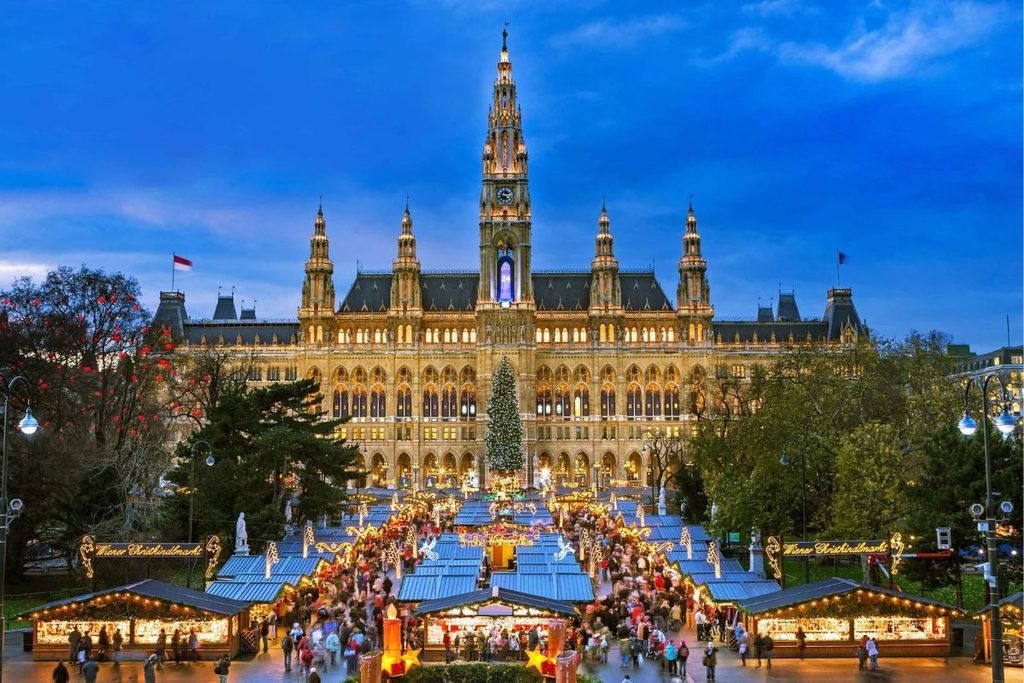
Vienna is particularly useful for beginners because you do not have to depend on one market. The city has numerous seasonal markets spread across different neighborhoods and historic locations. Rathausplatz provides the grandest introduction, while markets around places such as Schönbrunn Palace, Stephansplatz, Freyung, Spittelberg, and Karlsplatz offer different atmospheres.
That variety makes Vienna one of the easiest places to build a personalized itinerary around Christmas Markets.
Choose Vienna if you want:
- Several markets without changing hotels
- Historic architecture
- Classical culture
- Museums and palaces
- Family activities
- Elegant evening walks
- A city break that works beyond the market itself
Vienna also demonstrates why you should not spend an entire trip at one market. Visit one large market, then explore a smaller neighborhood market to experience a different side of the city.
Strasbourg: Best for Storybook Atmosphere
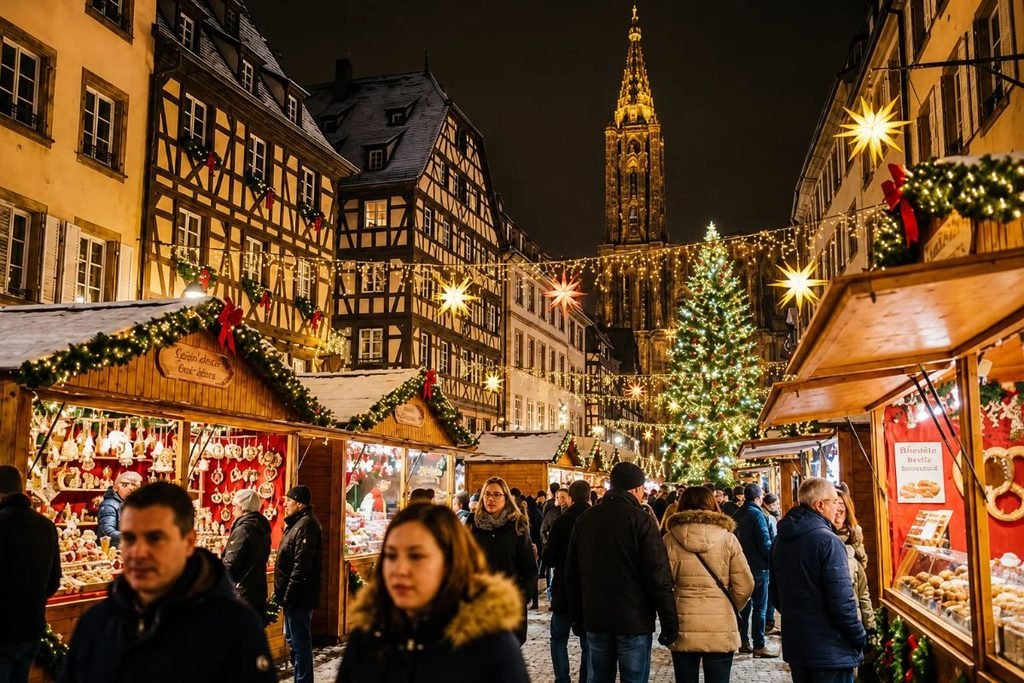
Strasbourg is particularly attractive if the visual setting matters as much as the stalls. The official city Christmas program spreads markets across the historic center, including areas around the cathedral, Place Kléber, Petite France, and other central squares. The markets are close enough to combine with a walking itinerary.
That makes Strasbourg ideal for travelers who want their entire evening to feel festive rather than simply visiting one market. The historic architecture of Alsace also gives the city a distinctive identity. Expect decorated streets, traditional food, regional crafts, and a strong emphasis on the Christmas season.
Nuremberg: Best for Tradition
Nuremberg’s Christkindlesmarkt is one of Europe’s best-known traditional markets. The official market describes its stalls as a “little city of wood and cloth,” with traditional decorations, gingerbread, and regional specialties.
Nuremberg works especially well for travelers who want a market with a strong historical identity rather than a modern winter festival. A visit can also be combined with the city’s museums, historic sites, old town, and other seasonal events.
Cologne: Best for Variety
Cologne is a strong choice if you want more than one market. Different parts of the city host markets with distinct themes and settings. The city tourism office lists locations including markets around the cathedral and Old Town, Rudolfplatz, the harbor area, and other neighborhoods.
This makes Cologne useful for travelers who enjoy comparing atmospheres. You might spend one evening at a traditional market, another near the Rhine, and another around the Old Town. The city also offers an advantage for travelers who do not want every experience to revolve around Christmas. Museums, the cathedral, shopping streets, restaurants, and the Rhine remain important parts of the trip.
Prague: Best for Architecture
Prague combines winter atmosphere with an exceptionally strong historic backdrop. The Old Town Square and Wenceslas Square markets are particularly convenient for visitors because they sit within a walkable central area. Prague’s official city tourism calendar lists these markets among its winter events.
Prague is a good choice if your ideal trip includes:
- Historic architecture
- Churches and squares
- Cafés
- Traditional Czech food
- Evening photography
- A compact city itinerary
One advantage is that you can alternate between sightseeing and Christmas Markets without spending much time traveling across the city center.
Salzburg: Best for Music and Heritage
Salzburg offers a different experience. The city’s market sits around Domplatz and Residenzplatz, creating a historic setting surrounded by major landmarks. The official Salzburg Christkindlmarkt schedule extends into January, which makes it particularly useful for travelers visiting after Christmas.
Salzburg is best suited to travelers who want:
- Historic architecture
- Music and cultural experiences
- Alpine scenery
- A smaller-city atmosphere
- A slower itinerary
It also works well as part of a wider Austria itinerary.
Tallinn: Best Medieval Winter Experience
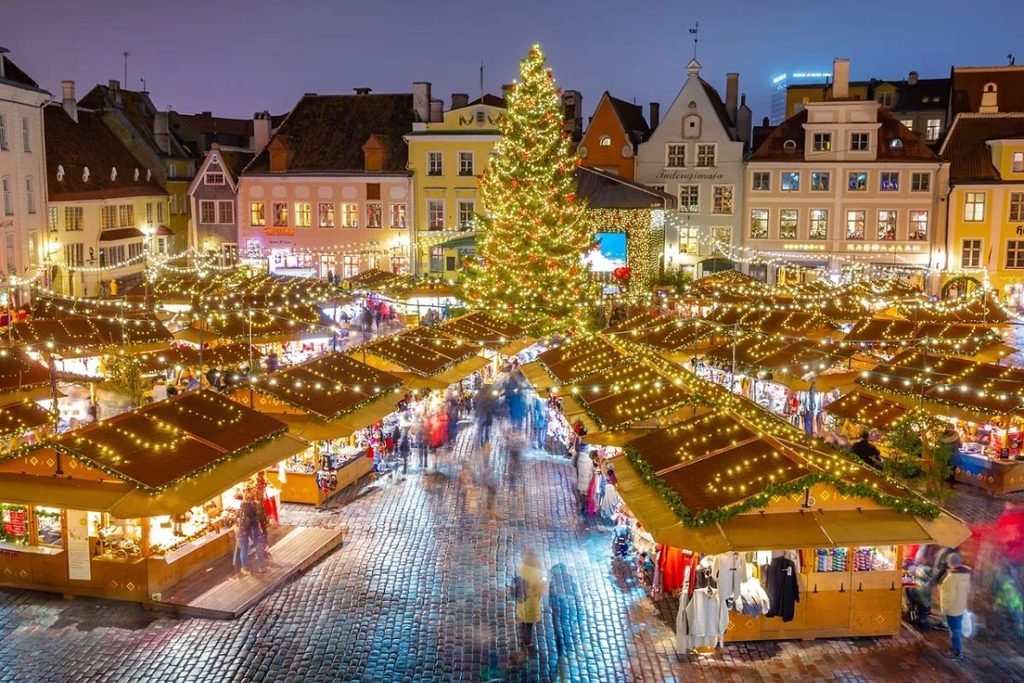
Tallinn is an excellent alternative to the most famous Central European markets. Its medieval Old Town provides much of the atmosphere without requiring elaborate decoration to create a historic feeling. The official Visit Tallinn information notes that the Christmas market operates from late November into early January in 2026. Choose Tallinn if you want a compact destination where the market can be combined with medieval streets, churches, museums, cafés, and winter photography.
Budapest: Best for Food and City Breaks
Budapest combines seasonal markets with thermal baths, architecture, cafés, river views, and a strong food culture. The Advent Basilica market at St. Stephen’s Square is scheduled to run from November 13, 2026, through January 1, 2027. Its program includes local craft exhibitors, food, lighting, and seasonal activities. Budapest is especially useful for travelers who want their Christmas trip to include plenty of non-market experiences.
Rothenburg ob der Tauber: Best for a Small-Town Christmas
Rothenburg is very different from Vienna or Cologne. The town is smaller, medieval, and highly atmospheric. Its Reiterlesmarkt takes place around the historic town center, and the entire old town becomes part of the seasonal experience.
This is a better choice for travelers who prefer:
- Small towns
- Historic streets
- Romantic evenings
- Slow travel
- Photography
- Traditional German atmosphere
The official 2026 schedule lists the market from November 20 through December 23, with a specific closure during the season.
Frankfurt: Best for a Large Urban Market
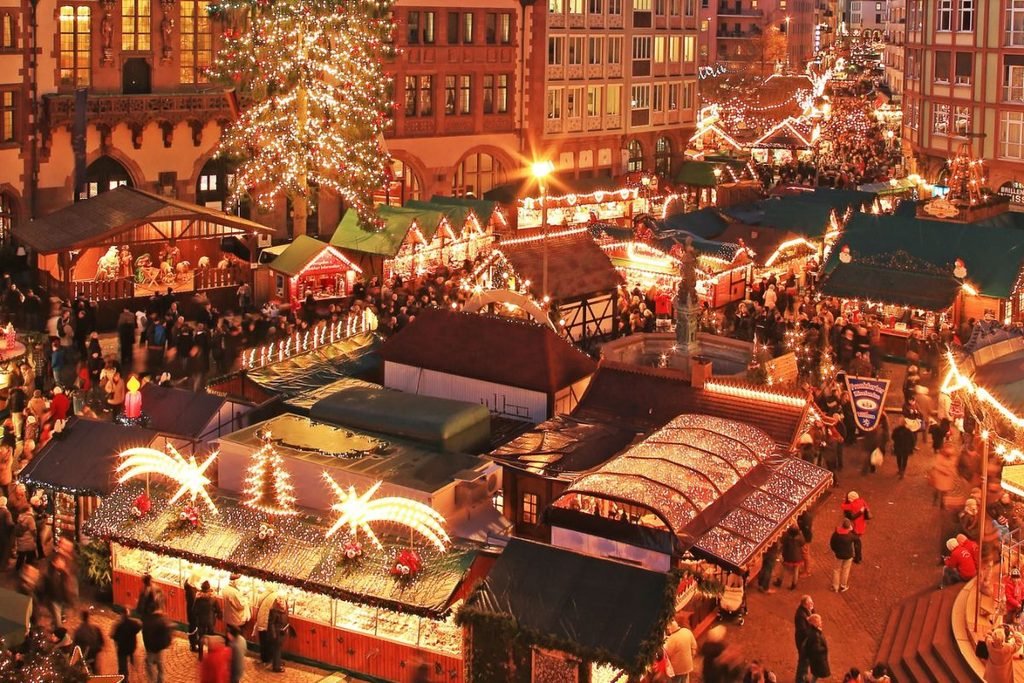
Frankfurt’s market spreads through several central areas and combines traditional elements with the character of a major modern city. The official 2026 program lists more than 230 decorated stalls across locations including Römerberg, Paulsplatz, Hauptwache, and other central areas. Frankfurt can be a practical choice for travelers who want strong transportation connections and a market experience combined with museums, shopping, restaurants, and a large-city environment.
A Practical Christmas Markets Comparison
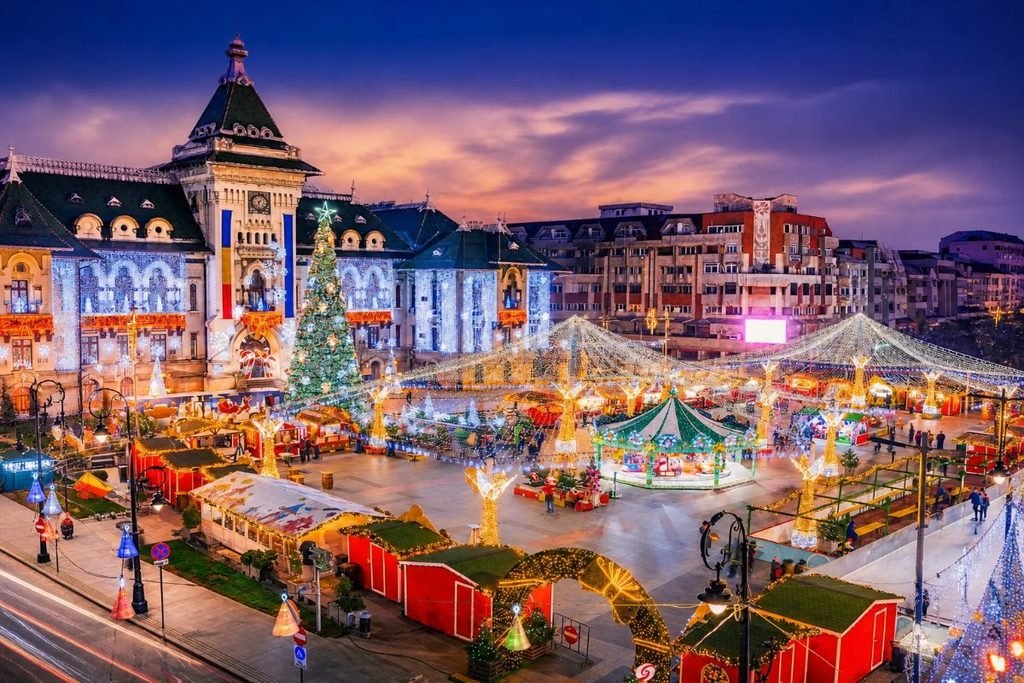
If you are still unsure, use this decision guide:
- Choose Vienna for variety.
- Choose Strasbourg for atmosphere.
- Choose Nuremberg for tradition.
- Choose Cologne for multiple market styles.
- Choose Prague for architecture.
- Choose Salzburg for heritage and music.
- Choose Tallinn for medieval charm.
- Choose Budapest for food and nightlife.
- Choose Rothenburg for romance and small-town atmosphere.
- Choose Frankfurt for a large urban experience.
This is more useful than simply asking which destination has the best Christmas Markets.
When Is the Best Time to Visit Christmas Markets?
Timing can change the experience considerably.
Late November
This is often ideal for travelers who want the festive atmosphere before the busiest Christmas period.
Advantages include:
- Early seasonal decorations
- More accommodation availability in some cities
- More time before Christmas closures
- A strong Advent atmosphere
However, individual markets open on different dates, so check the official schedule before booking.
Early December
This is one of the most balanced periods for Christmas Markets. The festive atmosphere is fully established, and many markets are operating normally. It can be especially appealing for travelers who want a traditional Advent experience without needing to travel immediately before Christmas.
Mid-December
Mid-December often delivers the atmosphere people imagine when they picture European Christmas Markets. The trade-off is demand. Popular cities can become crowded, especially on Friday and Saturday evenings.
Christmas Week
Christmas week requires more planning. Some markets close on December 23 or 24, while others continue through Christmas and into January. Restaurants, shops, museums, and transportation can also operate on holiday schedules. Never assume that a city remains fully open simply because its market is famous.
After Christmas
This can be an underrated option. Some markets continue through December 26 or beyond, and a few run into January. Salzburg, Vienna, Budapest, and Tallinn all have 2026 seasonal programs that extend beyond Christmas in different ways. If your main goal is winter atmosphere rather than Christmas shopping, this period can work particularly well.
What Should You Eat at European Christmas Markets?
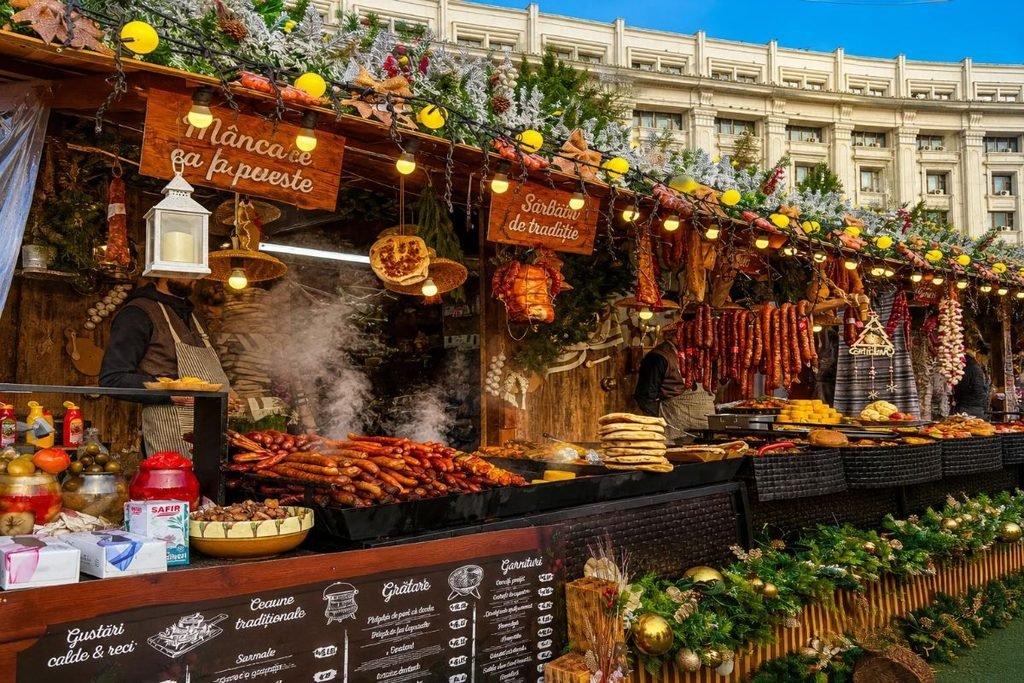
Food is a major part of the experience, and each region has its own traditions.
Depending on the destination, look for:
- Gingerbread
- Roasted chestnuts
- Sausages
- Pretzels
- Stollen
- Marzipan sweets
- Waffles
- Crepes
- Local pastries
- Roasted nuts
- Regional cheeses
- Potato dishes
- Hot chocolate
- Spiced drinks
- Mulled wine or non-alcoholic alternatives
Do not assume every stall represents traditional local food. Large markets can also contain international food.
If authentic regional cuisine matters to you, compare several stalls and look for products associated with the region. For example, Frankfurt highlights specialties such as Bethmännchen and hot apple wine, while Nuremberg is strongly associated with gingerbread and its distinctive small sausages. Food is also one reason to slow down. Instead of buying everything at once, choose one savory item, one sweet item, and one drink, then continue exploring.
What Should You Buy at Christmas Markets?
Shopping is another major part of the experience, but the quality and authenticity of products can vary.
Good things to look for
- Handmade ornaments
- Regional ceramics
- Wooden decorations
- Glass items
- Local textiles
- Candles
- Small artworks
- Traditional toys
- Food products
- Locally made gifts
Questions to ask before buying
- Is this made locally?
- Is the item handmade or mass-produced?
- Can I safely transport it home?
- Does it need special packaging?
- Will customs restrictions affect food or plant products?
- Is the price reasonable compared with similar stalls?
A useful rule is to buy something you could not easily purchase at home.
How Much Time Do You Need?
You do not need a week for every market.
One-day visit
A one-day visit can work for a compact city.
Focus on:
- One major market
- One smaller market
- A historic attraction
- A local meal
- An evening walk
Two to three days
This is often the sweet spot for a city such as Vienna, Prague, Salzburg, Cologne, or Budapest. You have enough time to experience the main market without allowing the market to dominate every hour.
Five to seven days
A longer trip works best when you combine several cities.
For example: Vienna → Salzburg
or
Cologne → Frankfurt → Nuremberg
or
Strasbourg → nearby Alsace towns
The exact route should depend on train schedules and the operating dates of the markets.
How to Plan a Christmas Markets Trip by Train
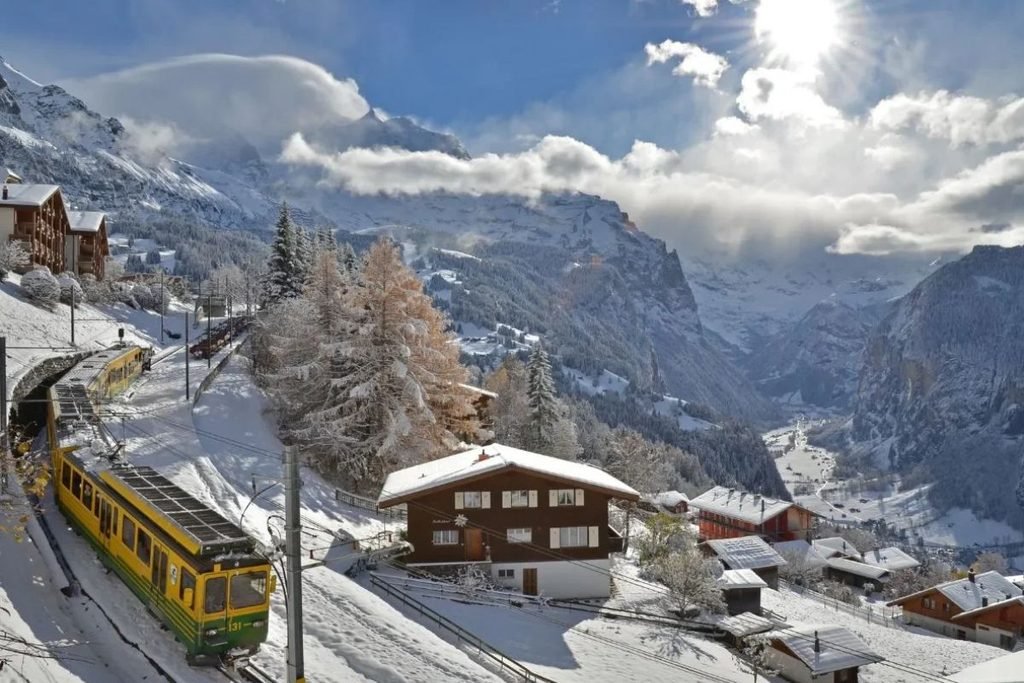
Rail travel can be particularly convenient for a European winter itinerary. Deutsche Bahn’s international network provides connections to numerous European countries, while Eurail offers rail-pass options for eligible international travelers.
Before buying a rail pass, compare:
- Individual ticket prices
- Number of train journeys
- Required reservations
- Travel time
- Flexibility
- Cancellation rules
- Overnight options
A pass is not automatically cheaper. For a multi-city trip, also remember that the shortest distance is not always the best route. A slightly longer train journey may allow you to travel directly between city centers without airport transfers. For practical European itinerary ideas, see Beach Near’s guide to travel destinations in Europe.
How to Build a Multi-City Christmas Market Itinerary
A common beginner mistake is trying to visit too many markets. Instead, choose two or three destinations with a logical transport connection.
Example: Austria
Vienna → Salzburg
This route combines a large capital-city experience with a smaller historic market setting.
Example: Germany
Cologne → Frankfurt → Nuremberg
This provides three different styles without attempting to cross the entire continent.
Example: France and Germany
Strasbourg → German Christmas market destination
The Alsace region sits close to Germany, making a cross-border winter itinerary possible.
The two-night rule
For most travelers, spending at least two nights in a city is more comfortable than constantly changing hotels.
The market itself may only take several hours. The city deserves the rest of your time.
How to Avoid Crowds at Christmas Markets
Popular Christmas Markets can become crowded, especially on weekend evenings.
Try these strategies:
Visit during the daytime
You lose some lighting effects, but you gain more space and easier photography.
Return after dinner
Many visitors arrive immediately after work or dinner. A later visit can sometimes feel calmer.
Visit smaller markets
A famous market is not automatically the most enjoyable one. In Vienna, for example, you can move beyond Rathausplatz and explore smaller neighborhood markets.
Travel on weekdays
If your schedule allows it, Monday through Thursday can provide a calmer experience than Saturday night.
Avoid the most obvious entrance
Large markets often have bottlenecks around major gates and popular photo locations. Walk a few minutes deeper into the market before stopping.
What Should You Wear?
December weather can be cold, wet, windy, or occasionally snowy. Your clothing should prioritize comfort over appearance.
Bring:
- Warm base layers
- Insulated coat
- Waterproof outer layer
- Comfortable walking shoes
- Warm socks
- Gloves
- Hat
- Scarf
- Small umbrella where appropriate
- Portable charger
Shoes are especially important. A European Christmas trip can involve several hours of walking over stone streets, cobblestones, wet pavement, and crowded pedestrian areas. Comfortable footwear can make a bigger difference than another layer of clothing.
How Much Do Christmas Markets Cost?
There is no reliable single price for a European market trip.
Your total budget depends on:
- Flights
- Accommodation
- Local transportation
- Intercity trains
- Food
- Drinks
- Shopping
- Attractions
- Travel insurance
- Visa costs where applicable
The market itself may be free to enter, but that does not mean the trip is inexpensive. A better budgeting method is to create four categories:
01. Fixed costs
Flights, hotels, visas, and major transport.
02. Daily costs
Food, local transport, attractions, and drinks.
03. Shopping budget
Set a separate limit for gifts and souvenirs.
04. Emergency reserve
Keep money available for unexpected transport, weather changes, lost items, or other disruptions.
Christmas Markets for Families
Families should look beyond shopping.
The best family destinations offer activities such as:
- Ice skating
- Carousels
- Children’s workshops
- Seasonal performances
- Santa or Christmas character experiences
- Nativity displays
- Interactive attractions
Vienna is particularly useful because several markets include family-oriented activities. For families, also consider hotel location. Walking back to accommodation after an evening market is much easier than dealing with a long public-transport journey with tired children.
Christmas Markets for Couples

For couples, atmosphere may matter more than the number of stalls.
Consider:
- Strasbourg
- Salzburg
- Vienna
- Rothenburg ob der Tauber
- Prague
- Budapest
A romantic itinerary does not need to include a major market every evening.
A better approach might be: Market → historic walk → quiet restaurant → evening viewpoint
That creates a complete date-night experience instead of spending four hours moving between crowded stalls.
Christmas Markets for Solo Travelers
Solo travelers have an advantage: flexibility.
You can:
- Arrive early
- Leave whenever you want
- Change cities easily
- Spend more time photographing
- Choose small markets
- Eat at communal seating areas
- Join walking tours
Prague, Vienna, Salzburg, Tallinn, and Cologne can work particularly well because they provide plenty of activities beyond the markets. For broader European itinerary planning, Beach Near’s guides to best places to travel in Europe and hidden gems in Europe can help you build a route around your preferred travel. Travel Backpack & Visit Best Places in Europe.
Explore the world’s most beautiful beaches with Beach Near – your gateway to sun, Soccer in the Sand & seaside serenity.
Christmas Markets and Food-Focused Travel
If food is one of your main reasons for traveling, do not judge a market only by its appearance. Research local specialties before arriving.
Make a short tasting list:
- One regional savory dish
- One traditional sweet
- One local hot drink
- One food item you have never tried
This approach prevents you from spending your entire budget on random snacks while still allowing spontaneous discoveries. You can also use Restaurent.net’s Explore More to restaurant guides when you want a sit-down meal rather than eating entirely from market stalls.
Christmas Markets and Digital Travel Planning
Winter travel creates practical technology needs.
You may need your phone for:
- Train tickets
- Digital boarding passes
- Maps
- Translation
- Restaurant reservations
- Weather forecasts
- Market opening hours
- Emergency contacts
- Accommodation information
Download important information before leaving your hotel. Do not rely entirely on mobile data, especially when moving between countries. If you need a travel connectivity option, Techh AtoZ’s explore more to Maya Mobile review provides a separate guide to international eSIM connectivity.
For more remote travel situations, a satellite phone guide can also be useful, although most travelers to destination European cities will not need satellite communication.
Important Mistakes to Avoid
Mistake 01: Booking before checking market dates
A hotel reservation does not guarantee that the market you want will be open. Check the official event calendar first.
Mistake 02: Assuming every market runs through Christmas
Many close before Christmas Eve. Others continue into January. The difference matters.
Mistake 03: Visiting only the most famous market
Large markets are impressive, but smaller markets can provide a more relaxed experience.
Mistake 04: Treating the market as the entire destination
The market may occupy one square. The city contains museums, churches, restaurants, neighborhoods, viewpoints, and cultural attractions.
Mistake 05: Overpacking
You will walk more than expected and may purchase souvenirs. Leave space in your luggage.
Mistake 06: Forgetting cash and payment options
Payment practices vary by stall and destination. Carry a practical payment backup rather than assuming every vendor will accept the same method.
Mistake 07: Ignoring weather
Rain can change the experience quickly. A waterproof layer and suitable footwear are worth packing.
Mistake 08: Trying to visit too many cities
Three enjoyable markets are better than seven rushed stops.
How to Have a More Authentic Christmas Markets Experience
Authenticity does not mean avoiding every tourist place. These events are popular because people genuinely enjoy them.
Instead:
- Look for ways to connect the market to the local culture.
- Try regional food.
- Learn a few local Christmas words.
- Buy one locally produced craft.
- Visit a neighborhood market.
- Go into a historic church.
- Attend a seasonal concert.
- Talk to stallholders when appropriate.
- Explore outside the main tourist square.
These small choices can transform a market visit from sightseeing into a cultural experience.
A Beginner-Friendly Christmas Markets Planning Checklist
Before booking:
- Choose your preferred destination.
- Check official market dates.
- Check passport and visa requirements.
- Compare flight and train options.
- Choose accommodation near public transport.
- Check holiday opening hours.
- Estimate your complete budget.
- Research regional foods.
- Check weather conditions.
- Plan comfortable walking shoes and winter clothing.
Before departure:
- Download tickets.
- Save accommodation details offline.
- Save emergency numbers.
- Download an offline map.
- Carry a payment backup.
- Check your travel insurance.
- Confirm important reservations.
- Leave room in your luggage.
During the trip:
- Start early.
- Explore smaller markets.
- Try local food.
- Take breaks indoors.
- Protect your belongings in crowded areas.
- Do not rush.
- Check official updates if weather affects events.
Current 2026 Christmas Markets Worth Checking
If you are planning a 2026 trip, official schedules already provide useful examples. Vienna’s Rathausplatz market is scheduled for November 13 through December 26, while Schönbrunn’s seasonal market runs from November 6, 2026, into January 6, 2027. Nuremberg’s Christkindlesmarkt is scheduled for November 27 through December 24, 2026. Salzburg’s Christkindlmarkt is scheduled for November 19, 2026, through January 1, 2027. Tallinn’s market is scheduled for November 20, 2026, through January 6, 2027.
Rothenburg’s Reiterlesmarkt is scheduled for November 20 through December 23, 2026. Budapest’s Advent Basilica is scheduled for November 13, 2026, through January 1, 2027. Strasbourg’s official Christmas program is centered on a late-November opening, with multiple markets distributed throughout the historic center. These dates are useful for planning, but always recheck the official event website shortly before departure because individual hours, programs, closures, and special events can change.
Conclusion
Europe’s Christmas Markets are most enjoyable when you stop treating them as a simple sightseeing checklist. Their real appeal comes from the combination of place, season, food, craftsmanship, architecture, and local tradition.
Choose Vienna if you want variety. Choose Strasbourg for an especially atmospheric historic setting. Choose Nuremberg for traditional German character, Prague for architecture, Cologne for variety, Salzburg for heritage, Tallinn for medieval charm, Budapest for food and city life, or Rothenburg for a slower small-town experience.
The smartest approach is to choose one or two markets that genuinely match your interests, then build the rest of the trip around the city. Check official opening dates before booking, allow time for weather and crowds, use trains where practical, and leave room for spontaneous discoveries.
Most importantly, do not measure your trip by the number of Christmas Markets you visit. One memorable evening, with good food, beautiful streets, warm lights, and enough time to enjoy the atmosphere, can be more rewarding than racing through five cities.
For travelers who plan thoughtfully, Europe’s Christmas Markets can become much more than festive shopping. They can be the centerpiece of a winter journey that connects historic cities, regional traditions, local food, and the simple pleasure of slowing down at the end of the year.
Frequently Asked Questions About Christmas Markets
Q01. What are the best Christmas Markets in Europe?
Ans: The answer depends on your travel style. Vienna is excellent for variety, Strasbourg for atmosphere, Nuremberg for tradition, Cologne for multiple themed markets, Prague for architecture, Salzburg for heritage, and Tallinn for medieval winter scenery.
Q02. When do Christmas Markets in Europe usually open?
Ans: Many begin in November and continue through December. Exact dates vary considerably. Some markets close before Christmas, while others remain open through New Year’s or early January.
Q03. Which Christmas Markets are best for first-time visitors?
Ans: Vienna is one of the easiest choices because the city has many markets and attractions within a manageable urban area. Prague, Salzburg, Cologne, and Strasbourg are also strong options depending on your interests.
Q04. Are Christmas Markets free to enter?
Ans: Many city-center markets do not charge a general entrance fee, but individual attractions, ice rinks, rides, concerts, or special experiences may have separate costs.
Q05. What food should I try at Christmas Markets?
Ans: Look for regional specialties rather than choosing only familiar foods. Gingerbread, sausages, roasted nuts, pastries, regional sweets, and seasonal hot drinks are common, but every destination has its own traditions.
Q06. Are Christmas Markets suitable for children?
Ans: Yes. Many markets include children’s attractions, workshops, rides, ice skating, performances, or seasonal displays. Check the individual market program rather than assuming every market offers the same activities.
Q07. Are Christmas Markets open on Christmas Day?
Ans: Not always. Some close before Christmas, while others have reduced schedules on December 24–26. Always check the official schedule for the specific market.
Q08. How many days should I spend at Christmas Markets?
Ans: Two or three nights is usually enough for a focused city trip. If you want several cities, allow additional time for transportation and sightseeing rather than changing destinations every day.
Q09. Which European Christmas Markets are best for couples?
Ans: Strasbourg, Salzburg, Vienna, Rothenburg ob der Tauber, and Prague are strong options for couples because they combine seasonal markets with historic architecture, atmospheric streets, restaurants, and cultural attractions.
Q10. Can I visit several Christmas Markets by train?
Ans: Yes. Rail travel can be particularly practical for multi-city European itineraries. Compare individual tickets with rail passes and check whether reservations are required on your chosen routes.
Q11. Are Christmas Markets expensive?
Ans: The markets themselves may be inexpensive or free to enter, but December travel can become costly because accommodation, transportation, food, and shopping all add up. Build a complete trip budget rather than looking only at hotel prices.
Q12. What should I pack for Christmas Markets?
Ans: Prioritize warm layers, comfortable waterproof footwear, gloves, a hat, a scarf, and a weather-resistant outer layer. You will probably spend more time walking outdoors than you expect.