 -by
-by Traveling alone can give you something group trips often cannot: complete control over your time, budget, pace, and daily plans. You can spend an entire morning on a beach, change cities when you feel ready, eat at a small local restaurant, or simply sit somewhere beautiful without negotiating with anyone else.
But choosing the right travel destinations for a solo trip is not as simple as picking the most popular country on a list. A destination that looks perfect in photographs may be difficult without a car, expensive for one person, challenging for first-time travelers, or less comfortable if you prefer quiet evenings.
This guide compares some of the best travel destinations for solo travelers around the Most Beautiful Places in the World, including cities, islands, coastal regions, and nature-focused escapes. You will learn which places work best for beginners, beach lovers, budget travelers, adventure seekers, and travelers who want meaningful cultural experiences. You will also find practical advice about safety, accommodation, transportation, budgeting, socializing, and planning a first solo trip.
The goal is not to find one universal winner. The best destination is the one that matches your travel style, confidence level, budget, and expectations. If you are still exploring where to go, our guide to the top 10 tourist places in the world offers more inspiration for planning your next trip.
What Makes a Destination Good for Solo Travel?
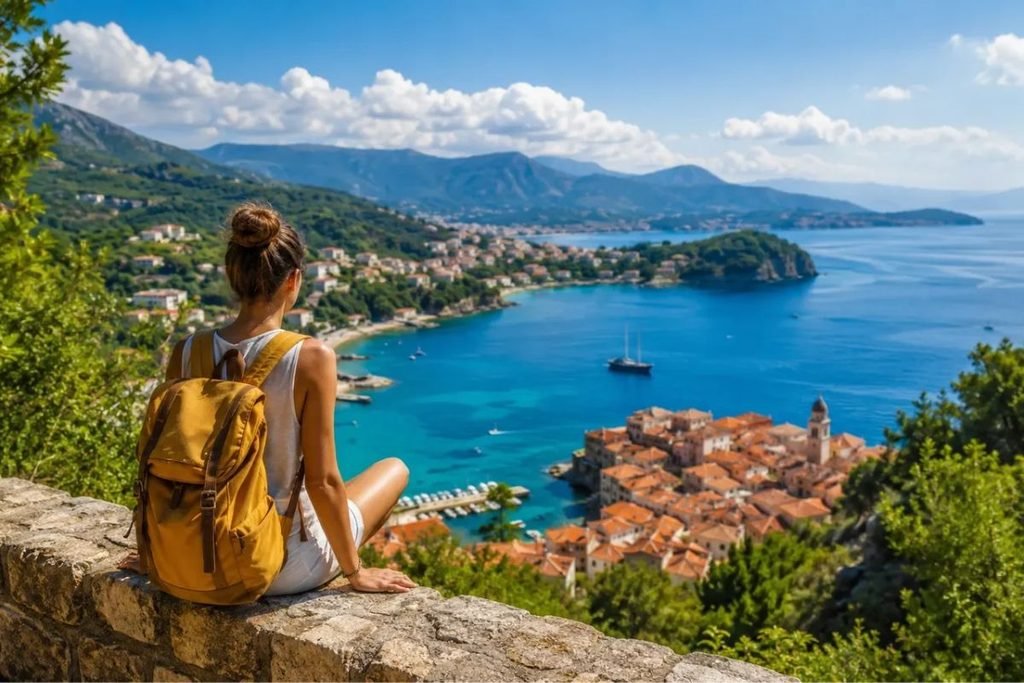
A good solo travel destination makes everyday decisions easier without removing the sense of adventure. You should be able to find suitable accommodation, get around without excessive difficulty, find food without feeling uncomfortable alone, and access help when needed.
For solo travelers, the strongest travel destinations usually offer several of these advantages:
- Reliable transportation or easy-to-use local alternatives
- A range of accommodation for different budgets
- Attractions that are enjoyable alone
- Opportunities to meet other travelers naturally
- Reasonable access to food, shops, and essential services
- Clear tourist information
- Activities that can be booked for one person
- A manageable level of cultural and logistical complexity
- Beaches, nature, historic sites, or other experiences that match your interests
Safety also matters, but it should not be reduced to a simple “safe” or “unsafe” label. Conditions vary by city, neighborhood, transport hub, hiking area, and nightlife district. For current international travelers, check the official advisory information for your nationality before booking. For example, the U.S. Department of State maintains destination-specific advisories and explains that conditions can change at any time.
Best Travel Destinations for Solo Travelers
There is no single ranking that works for everyone. Instead, the following travel destinations are grouped around different solo-travel strengths.
01. Portugal
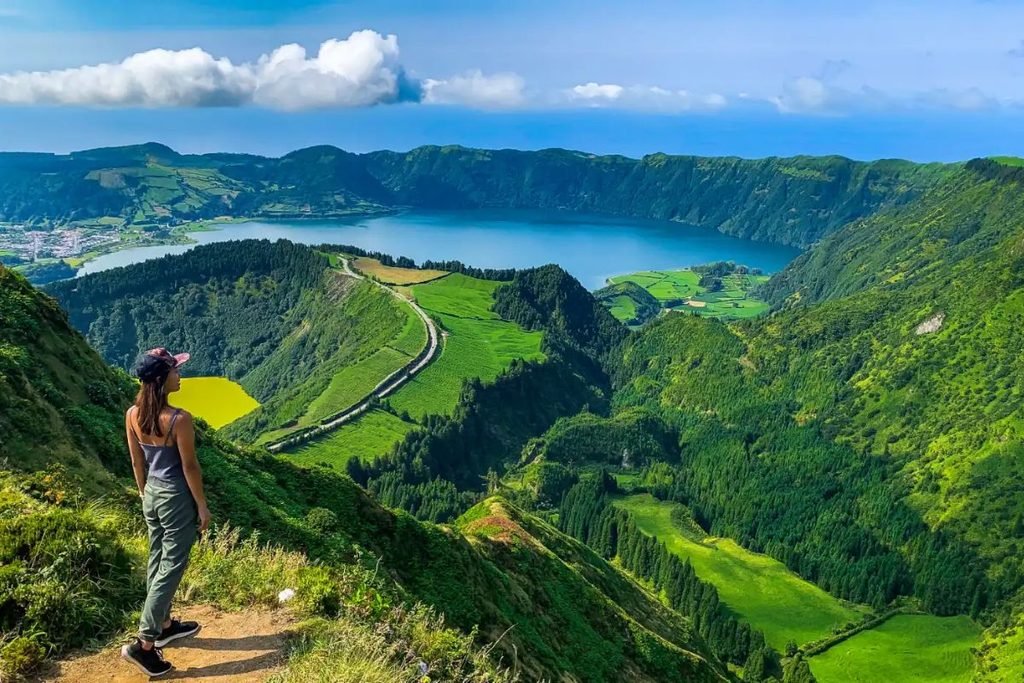
Portugal is one of the easiest choices for travelers who want to combine cities, coastline, food, history, and relatively straightforward transportation. Lisbon works particularly well for a first solo trip because you can combine historic neighborhoods, viewpoints, cafés, museums, day trips, and nearby beaches. Porto offers a different atmosphere with riverside scenery, architecture, food, and access to northern Portugal.
The Algarve is a strong option if beaches are your priority. You can build a trip around coastal towns rather than constantly changing hotels. Portugal’s official tourism organization specifically promotes the country for solo travel and highlights its compact geography, public transportation, beaches, mountains, walking routes, and outdoor activities.
Best for: First-time solo travelers, Europe beginners, beaches, food, city breaks
Solo advantage: You can create a varied itinerary without covering enormous distances.
Potential drawback: Popular coastal areas can become busy during peak periods, so accommodation prices and availability may change considerably by season.
02. Japan
Japan is one of the most distinctive travel destinations for people who want independence without feeling that solo dining or sightseeing is unusual. Tokyo provides almost endless options, while Kyoto offers temples, gardens, traditional neighborhoods, and cultural experiences. Osaka is particularly appealing to travelers who prioritize Japanese food and a lively urban atmosphere.
Japan also has a strong culture of solo dining. Japan’s national tourism organization notes that restaurants, noodle shops, convenience stores, and other everyday services are accustomed to individual customers. Its public transportation network is another major advantage for independent travelers. For a longer trip, consider combining Tokyo, Kyoto, and Osaka with one smaller destination instead of attempting to see the entire country.
Best for: First-time solo travelers, food lovers, culture, public transportation, photography
Solo advantage: Eating alone and navigating cities independently are normal parts of everyday life.
Potential drawback: Language, etiquette, and the sheer size of major cities can feel overwhelming during the first few days.
03. Spain
Spain belongs on almost every shortlist of travel destinations for solo travelers who want a combination of social life, history, food, architecture, beaches, and walkable urban experiences. Barcelona is ideal for travelers interested in architecture, coastal scenery, museums, and city life. Valencia offers a more relaxed Mediterranean combination of city attractions and beaches. Seville provides historic architecture, plazas, food, and a strong cultural atmosphere.
Spain’s official tourism website specifically features routes designed for solo travelers, including experiences built around meeting people, walking, culture, and different trip lengths.
Best for: Social travelers, culture, food, beaches, European city trips
Solo advantage: You can easily alternate between structured sightseeing and spontaneous exploration.
Potential drawback: Pickpocketing and tourist-area theft can be concerns in busy cities, so basic precautions remain important.
04. Thailand
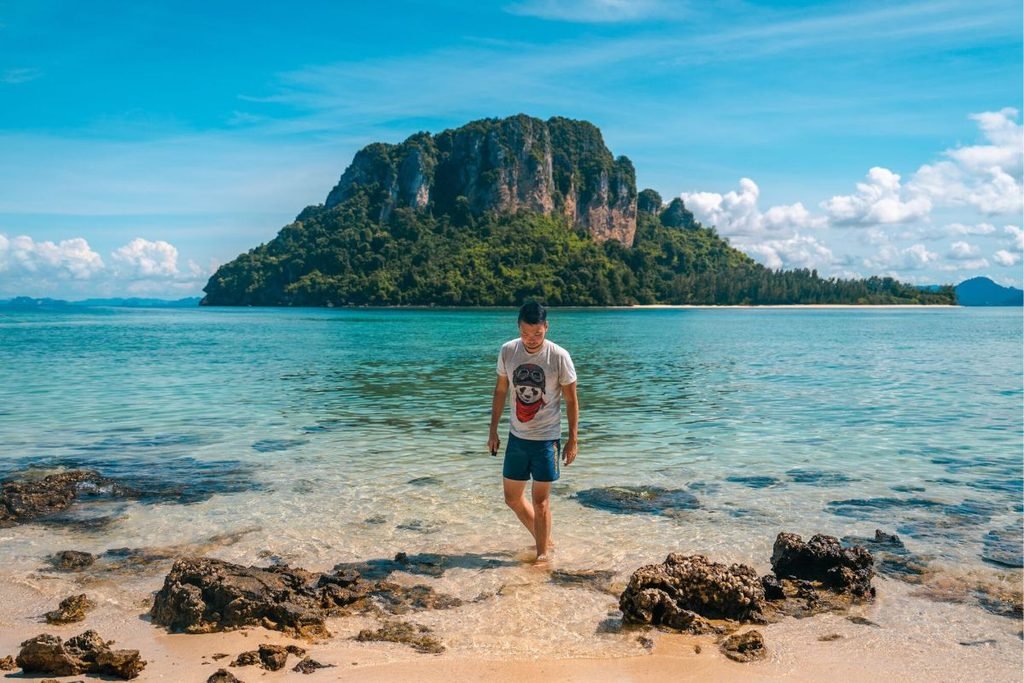
Thailand offers an unusually broad range of experiences for solo travelers. You can spend a few days in Bangkok, move north for culture and mountains, or head south for islands and beaches. Bangkok works well as a starting point because it gives you access to Thai food, markets, temples, nightlife, shopping, and transportation connections. Beach-focused travelers can then continue toward islands such as Koh Samet, Koh Samui, Koh Phangan, Koh Lanta, or other coastal areas depending on the season and route.
For example, Thailand’s tourism authority describes Koh Samet as having numerous beaches, resorts, restaurants, and accommodation options, while also noting seasonal sea conditions and practical considerations such as mosquitoes and limited freshwater resources.
For readers planning a dedicated beach trip, our guide to the best beaches in Thailand can help you compare coastal options.
Best for: Beach lovers, travelers & backpackers, food, nightlife, warm-weather trips
Solo advantage: Hostels, tours, islands, and shared activities can make meeting people relatively easy. If you enjoy combining solo travel with memorable dining experiences, exploring restaurants for couples can also give you ideas for special places to enjoy a meal during your travels.
Potential drawback: Transport connections can take longer than they look on a map, especially when ferries and weather are involved.
05. Bali, Indonesia
Bali in Indonesia remains one of the most recognizable travel destinations for travelers seeking beaches, culture, wellness, nature, and social accommodation. The important thing is to avoid treating Bali as one uniform experience. Kuta and other developed coastal areas have a very different atmosphere from Ubud, Sanur, Amed, or quieter parts of the island.
Indonesia’s official tourism site highlights Bali’s combination of Indonesian beaches, cultural traditions, rice terraces, temples, surfing, diving, and inland experiences.
A first solo trip can work well with a simple structure:
- Spend a few nights around Ubud.
- Move toward a coastal area such as Sanur or another beach region.
- Add a short island or diving experience if appropriate.
- Leave enough unscheduled time instead of changing hotels every day.
Best for: Beaches, wellness, culture, digital workers, social travel
Solo advantage: There is a large variety of accommodation and activities designed around different travel styles.
Potential drawback: Traffic can make short distances surprisingly time-consuming.
06. Vietnam
Vietnam is one of the more versatile travel destinations for travelers who want food, culture, cities, mountains, and Vietnam beaches without building an ultra-luxury itinerary. Hanoi offers history and street food, while Ho Chi Minh City provides a faster urban experience. Central Vietnam can add historic sites and coastal areas, while northern destinations such as Sapa provide mountain scenery.
Vietnam’s official tourism organization has a dedicated solo-traveler guide and highlights options ranging from homestays and hostels to boutique hotels and resorts. It also highlights beach experiences such as Nha Trang and mountain travel in Sapa.
Best for: Budget-conscious travelers, food, culture, beaches, longer trips, Vietnam Beach Resorts.
Solo advantage: Different accommodation styles make it possible to adjust comfort and spending as you travel.
Potential drawback: Road traffic and crossing busy streets can require extra attention, particularly in major cities.
07. Greece
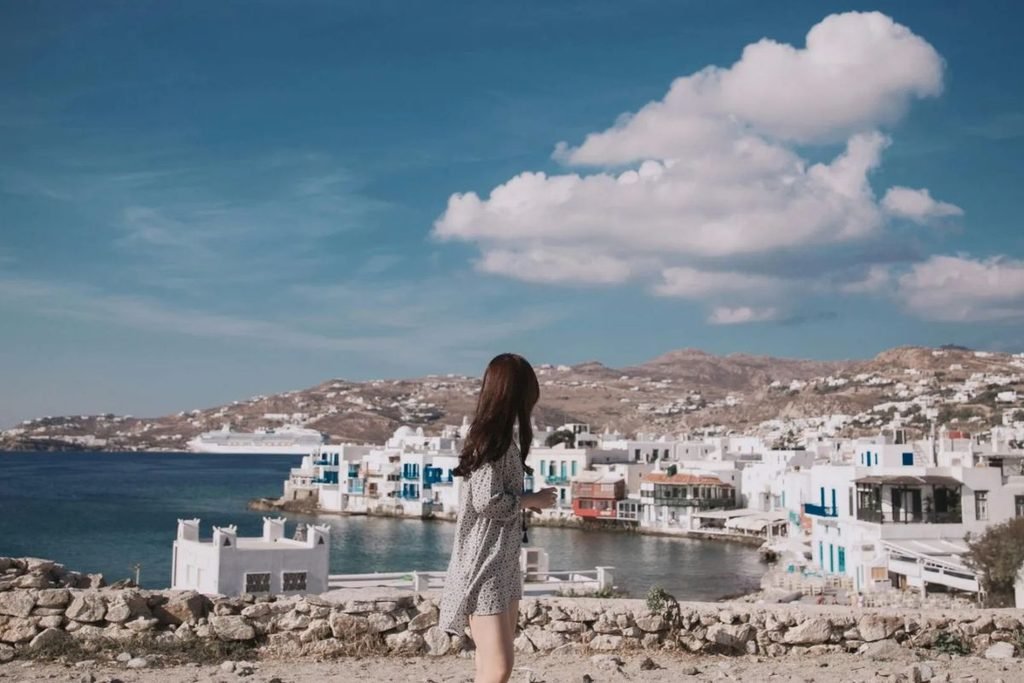
Greece is a strong choice if your ideal solo trip combines ancient history with island and coastal scenery. Athens gives you an easy cultural starting point. From there, you can choose islands according to your priorities rather than trying to visit as many as possible. Travelers seeking nightlife may prefer a busier island, while someone looking for quiet beaches might choose a smaller island or less-developed coastal area.
The official Greek tourism organization promotes experiences ranging from beaches and nature to traditional villages, Greek food, cultural heritage, and slow travel.
Best for: History, islands, beaches, food, relaxed travel
Solo advantage: A simple city-plus-island itinerary can feel complete without requiring constant movement.
Potential drawback: Ferry schedules and seasonal demand require careful planning.
08. Iceland
Iceland is among the most visually dramatic travel destinations for solo travelers who prioritize nature over nightlife. The country offers volcanic landscapes, waterfalls, glaciers, geothermal areas, rugged coastlines, and black-sand beaches. The official Iceland tourism organization also provides regional travel information, route suggestions, transportation information, and safety resources. Iceland is especially appealing if your idea of a successful solo trip means waking up early, driving or joining tours, photographing landscapes, and spending long periods outdoors.
However, independent travel requires respect for weather and road conditions. A remote landscape can be beautiful while still presenting genuine hazards.
Best for: Nature, photography, road trips, solitude, outdoor adventures
Solo advantage: You can structure your days around your own pace.
Potential drawback: Costs can be high, and remote areas require more preparation than an urban trip.
If black-sand coastlines interest you, see our detailed guide to black sand beaches in Iceland.
09. Costa Rica
Costa Rica works particularly well for solo travelers who want outdoor activities rather than a traditional city vacation. You can combine beaches with rainforest, wildlife, hiking, surfing, and wellness experiences. The official tourism board specifically presents Costa Rica as a destination for solo travelers and emphasizes adventure, nature, wellness, sustainability, and beach experiences. A practical itinerary might combine a Pacific beach town with an inland nature area instead of attempting to cover both coasts and several national parks in a short trip.
Best for: Nature, beaches, adventure, wildlife, wellness
Solo advantage: Organized tours can provide structure and social interaction when you do not want to explore every area independently.
Potential drawback: Some rural locations are much easier with a vehicle or organized transport.
10. New Zealand
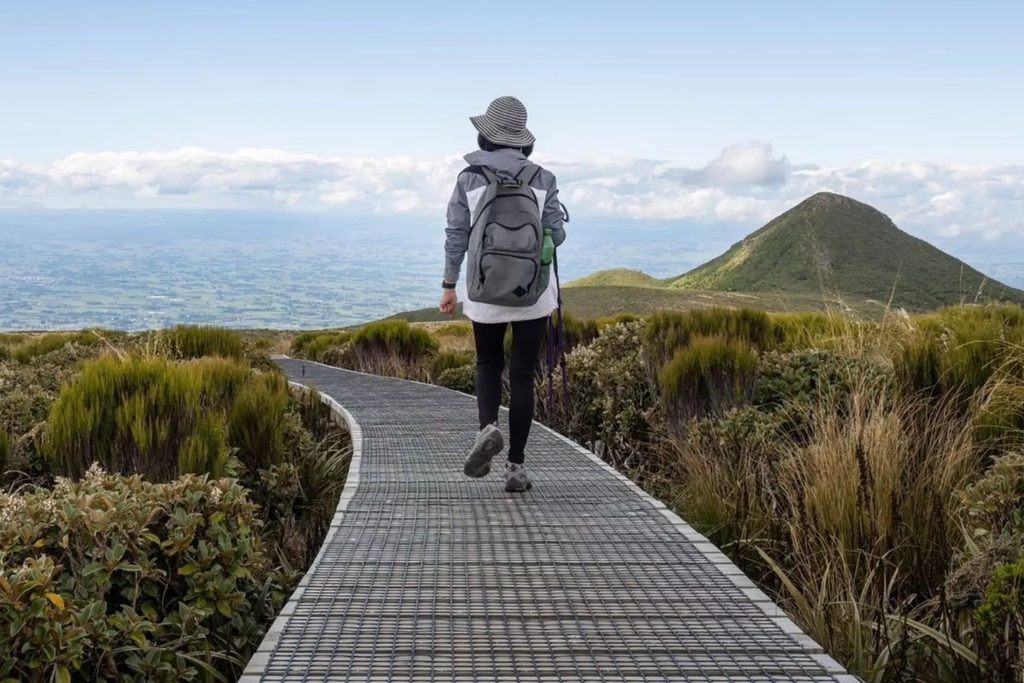
New Zealand is a particularly good fit for active solo travelers who want hiking, scenic drives, outdoor activities, and dramatic landscapes. Tourism New Zealand provides trip-planning information covering itineraries, seasons, climate, health and safety, transportation, and visitor information centers. Queenstown can work as a base for adventure activities, while other regions provide hiking, beaches, mountains, lakes, and smaller communities.
Best for: Hiking, adventure, road trips, nature, photography, health food.
Solo advantage: Outdoor activities can provide natural opportunities to meet other travelers.
Potential drawback: Distances are substantial, and a road-trip itinerary can become tiring if you try to cover too much territory.
11. Singapore
Singapore is a useful choice for travelers who want a compact urban experience with food, culture, architecture, green spaces, and efficient city exploration. The official tourism site highlights neighborhoods including Chinatown, Little India, Kampong Gelam, Marina Bay, Katong-Joo Chiat, and Sentosa, along with food, heritage, nature, and cultural attractions. For a short first solo trip, Singapore can be easier to manage than a country that requires long intercity journeys.
Best for: Short trips, food, urban travel, first-time solo travelers
Solo advantage: You can see a lot without constantly changing accommodation.
Potential drawback: Accommodation can be expensive compared with some Southeast Asian alternatives.
12. Morocco
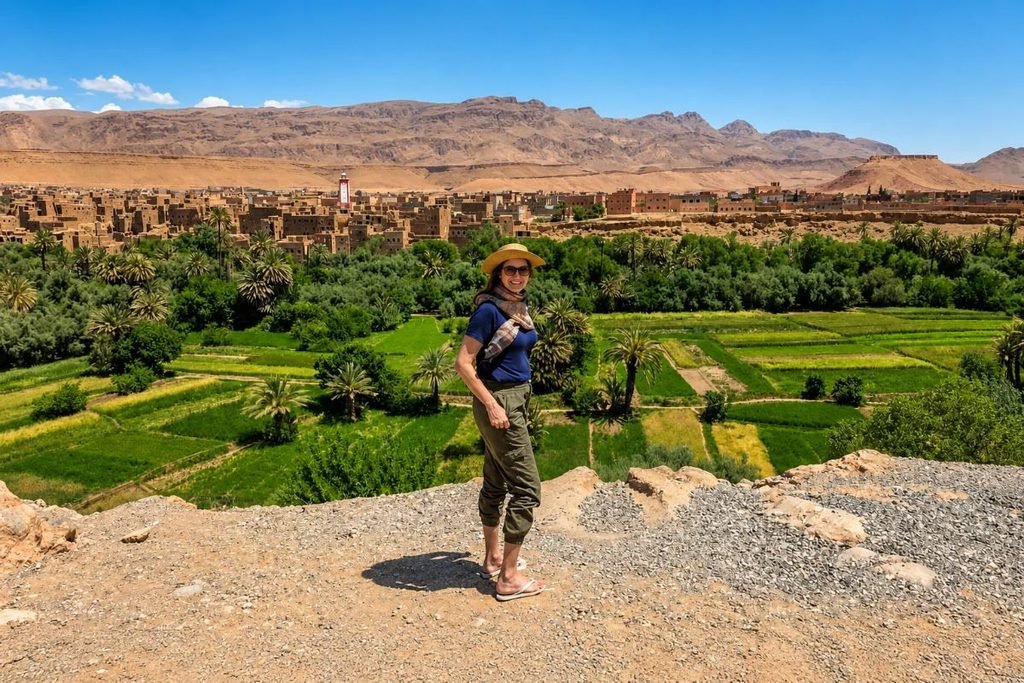
Morocco offers a very different solo experience, combining historic medinas, Atlantic beaches, desert landscapes, mountains, markets, and distinctive food. Marrakech is a popular starting point, but solo travelers can also consider Essaouira, Tangier, Chefchaouen, Agadir, Rabat, or other regions depending on their interests. The Moroccan National Tourist Office provides destination information covering medinas, beaches, desert trips, nature, culture, transportation, accommodation, and travel formalities.
Best for: Culture, photography, food, markets, beaches, adventure
Solo advantage: Guided day trips can add structure and local context without requiring a fully guided vacation.
Potential drawback: The sensory intensity of markets and busy areas can be challenging for first-time solo travelers.
Quick Comparison of the Best Solo Travel Destinations
| Destination | Best for | Trip style | Beach access | Beginner friendliness |
| Portugal | First solo trip | Relaxed | Excellent | Excellent |
| Japan | Culture and food | Organized | Good | Excellent |
| Spain | Social travel | Flexible | Excellent | Excellent |
| Thailand | Beaches and backpacking | Social | Excellent | Very good |
| Bali | Wellness and beaches | Flexible | Excellent | Very good |
| Vietnam | Food and value | Active | Excellent | Very good |
| Greece | Islands and history | Relaxed | Excellent | Very good |
| Iceland | Nature | Independent | Good | Good |
| Costa Rica | Adventure | Active | Excellent | Good |
| New Zealand | Outdoors | Road trip | Excellent | Good |
| Singapore | Short city break | Easy | Good | Excellent |
| Morocco | Culture and adventure | Immersive | Good | Moderate |
These ratings are practical planning judgments rather than official safety rankings. Conditions, costs, weather, and entry rules can change, so verify destination-specific information before departure.
How to Choose the Right Solo Destination
The best travel destinations are not necessarily the most famous. Start with the experience you want and work backward.
Choose by your confidence level.
If this is your first solo trip, prioritize destinations where you can solve basic problems easily.
Look for:
- Easy airport transfers
- Straightforward accommodation
- Reliable transportation
- Tourist information
- Activities that accept individual travelers
- A language environment you can manage
- A city or region that does not require constant relocation
Portugal, Japan, Spain, and Singapore are particularly useful starting points because they offer strong infrastructure and many independent activities.
Choose by trip length.
- For a three- or four-day trip, choose one city or a compact region.
- For one week, you can usually combine two nearby areas.
- For two weeks or more, you have more freedom to combine cities, beaches, nature, and smaller towns.
A common mistake is creating a fourteen-day itinerary with fourteen different hotels. That turns the trip into a transportation project.
Choose by budget
Your real solo budget is not simply the hotel price.
Calculate: Total trip cost = accommodation + transportation + food + activities + insurance + entry costs + emergency reserve
Solo travelers often pay a larger share of accommodation costs because there is no second person to divide a room, taxi, rental car, or private tour. That makes hostels, guesthouses, single rooms, public transportation, local restaurants, and small-group activities particularly useful.
Choose by social preference.
Some travelers want to meet people every day. Others want solitude.
If you want more social interaction, consider:
- Hostels with common areas
- Walking tours
- Cooking classes
- Surf lessons
- Group hikes
- Day trips
- Language exchanges
- Small-group excursions
If you prefer privacy, choose a private room and book only occasional group activities. Solo travel does not mean you have to be social all the time.
Best Beach Travel Destinations for Solo Travelers
Because beach travel is central to the beach, near-niche coastal destinations deserve special attention. Good solo beach trips usually provide more than beautiful sand. Look for a combination of safe swimming conditions, accessible accommodation, restaurants, transportation, activities, and enough people around to avoid isolation.
Strong options include:
Portugal’s Algarve
Ideal for travelers who want European coastal scenery, towns, restaurants, walking routes, and beaches without committing to a remote island.
Thailand’s Islands
Thailand gives solo travelers a wide range of beach personalities, from lively areas to quieter islands.
Bali
Bali combines beaches with inland culture, wellness, food, and outdoor experiences.
Greece
Greek islands work particularly well for travelers who want a slower rhythm and a mixture of villages, beaches, food, and history.
Costa Rica
Costa Rica is better suited to travelers who want beach time combined with hiking, wildlife, surfing, and nature.
New Zealand
New Zealand is ideal when beaches are one element of a much broader outdoor itinerary.
For more coastal inspiration, explore our guides to hidden beaches near you, beach destinations in the world, and white sand beaches.
How to Plan Your First Solo Trip
Planning does not need to be complicated. A simple system can prevent many common problems.
Step 01: Pick one primary region
Do not start by collecting twenty cities.
Choose one region and ask:
- How many days do I have?
- How will I arrive?
- How will I move between locations?
- What do I actually want to experience?
Step 02: Book your first two nights
You do not always need to reserve an entire trip months ahead. However, having the first accommodation arranged can make arrival much easier. Know the address, check-in instructions, transport options, and approximate arrival time.
Step 03: Research transportation
Check whether you can use trains, buses, ferries, domestic flights, walking, taxis, or rideshare services. Transportation can determine whether one of your chosen travel destinations is genuinely convenient for solo travel.
Step 04: Build a flexible daily plan
A useful solo itinerary might contain:
- One major activity
- One flexible activity
- A meal plan
- A transportation plan
- Free time
Avoid scheduling every hour.
Step 05: Save important information offline
Keep offline copies of:
- Passport details
- Insurance information
- Accommodation address
- Emergency contacts
- Flight information
- Transportation reservations
- Important phone numbers
Step 06: Share your itinerary
Tell someone you trust where you are staying and what your general route looks like. You do not need to report every coffee stop. A simple communication plan is enough.
Solo Travel Safety: What Actually Matters
Safety is one of the biggest concerns when comparing travel destinations, but practical habits usually matter more than a simplistic destination ranking. Before leaving, check official travel guidance for your nationality. The U.S. Department of State, for example, uses four advisory levels and identifies specific risk indicators such as crime, terrorism, unrest, health, kidnapping, and natural disasters.
Protect your documents
Carry your passport securely and keep a digital backup of important documents. Do not put all your money and cards in one place.
Be careful with late-night transportation.
If you are unfamiliar with a city, arriving after midnight can create unnecessary stress. Whenever possible, arrange a reliable transfer or know exactly how you will reach your accommodation.
Do not advertise that you are alone.
There is no need to tell strangers your hotel room number, complete itinerary, or how long you will be traveling alone.
Respect local laws and customs.s
Research basic cultural expectations before arrival. Clothing, photography, alcohol, public behavior, religious sites, and transportation rules can vary significantly.
Check local weather and natural hazards.
A beautiful destination can become dangerous because of:
- Storms
- Heat
- Strong surf
- Flash floods
- Volcanic activity
- Avalanches
- Wildfires
- Rough seas
This is particularly important for solo hikers and beach travelers.
Common Solo Travel Mistakes
Even experienced travelers can make avoidable mistakes.
Trying to see too much
You are traveling alone, not racing against a checklist. Fewer destinations often produce better experiences.
Booking the cheapest accommodation without checking location
A cheap traveler booking a room far outside the useful part of town can create higher transportation costs and wasted time. Location matters.
Ignoring arrival time
A hotel that looks perfect during the day may be inconvenient if you arrive late at night.
Underestimating transportation time
A destination can appear close on a map while requiring several transfers.
Forgetting single-person costs
Private tours, rooms, taxis, and rental cars can be expensive when there is no one to share them with.
Planning every day
Solo travel works partly because you can change your mind. Leave room for unexpected discoveries.
How to Meet People Without Losing Your Independence
One of the biggest misconceptions about solo travel is that you must choose between complete isolation and constant socializing. You can do both. Stay in a hostel for two nights and a private hotel for two nights. Join a food tour one afternoon and spend the next day alone. Take a group excursion to a remote area and explore the city independently afterward. This approach is especially useful in travel destinations where you want social contact but also need personal space.
The easiest ways to meet people include:
- Join a walking tour.
- Book a small-group food experience.
- Take a cooking class.
- Stay somewhere with a common area.
- Join a surf or outdoor lesson.
- Attend a local cultural event.
- Use organized day trips for difficult-to-reach areas.
How Much Time Should You Spend in One Place?
For most solo trips, staying longer in fewer places is more comfortable.
A practical guideline is:
- 3–4 days: One city or small region
- 5–7 days: One city plus one nearby area
- 8–14 days: Two or three major bases
- 2–4 weeks: Several regions with slower travel
- One month or more: Consider longer stays and temporary routines
The right pace depends on transportation, your energy level, and the type of trip. A beach vacation may work better with five nights in one town. A city-focused trip might justify moving every three or four nights.
Solo Travel Destinations by Traveler Type
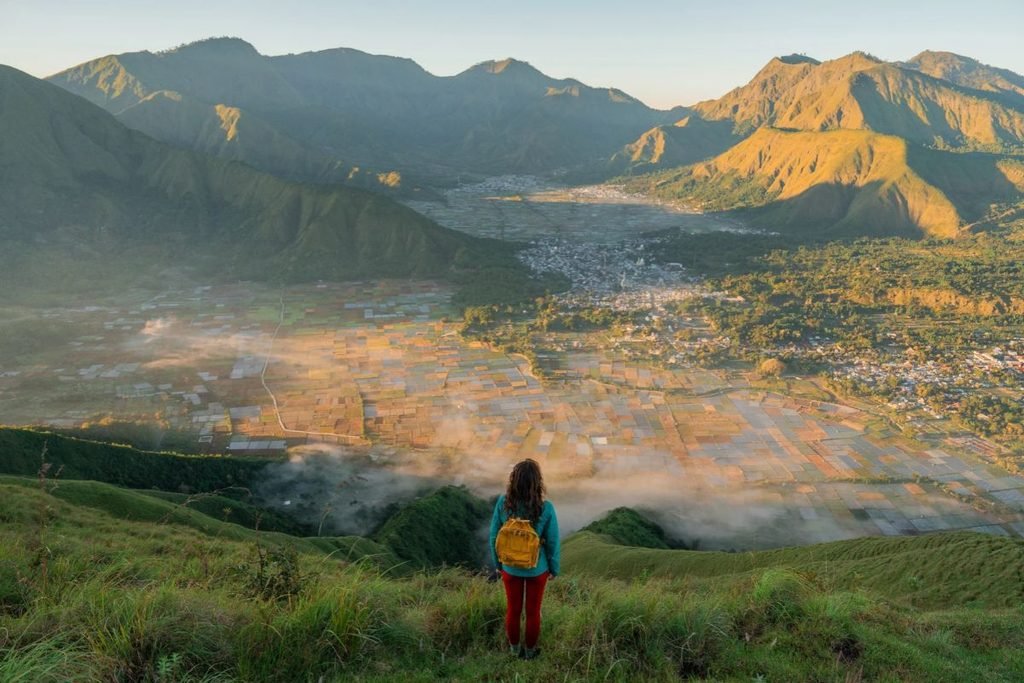
Different travelers need different environments. If you are still deciding where to travel, exploring the best countries to visit can help you compare destinations based on your interests, budget, and travel style.
Best for first-time solo travelers
Portugal, Japan, Spain, and Singapore are strong choices because they combine developed tourist infrastructure with a broad range of activities.
Best for beach lovers
Thailand, Bali, Greece, Portugal, and Costa Rica offer strong combinations of beaches and other activities.
Best for budget travelers
Vietnam and Thailand can provide more flexibility for travelers who are comfortable using local accommodation and transportation. Your actual costs will vary by season, location, accommodation level, and travel style.
Best for nature lovers
Iceland, New Zealand, and Costa Rica are particularly attractive for travelers who would rather spend time outdoors than in major cities.
Best for food lovers
Japan, Spain, Thailand, Vietnam, and Portugal give solo diners plenty of ways to explore local food without needing a group. Japan is especially notable because solo dining is well established in everyday culture.
Best for cultural immersion
Japan, Morocco, Vietnam, Greece, and Spain provide strong opportunities to experience history, traditions, architecture, food, and local communities.
What Should You Pack for Solo Travel?
Pack for independence rather than maximum luggage capacity.
A useful basic list includes:
- Comfortable walking shoes
- Weather-appropriate clothing
- Small day bag
- Universal power adapter
- Phone and charging cable
- Power bank
- Copies of important documents
- Basic medication and first-aid supplies
- Reusable water bottle where appropriate
- Secure wallet or money pouch
- Lightweight rain protection
- Any destination-specific equipment
For beach-focused trips, add reef-safe or environmentally appropriate sun protection where suitable, swimwear, a compact dry bag, beach dress, and footwear appropriate for rocky or uneven shorelines.
Technology can also make independent travel easier. Travelers who want to understand digital privacy, connectivity, or VPN options can explore technology tutorials and digital guides on Tech All World and practical tech guides for travelers on Techh AtoZ.
Food and Dining When Traveling Alone
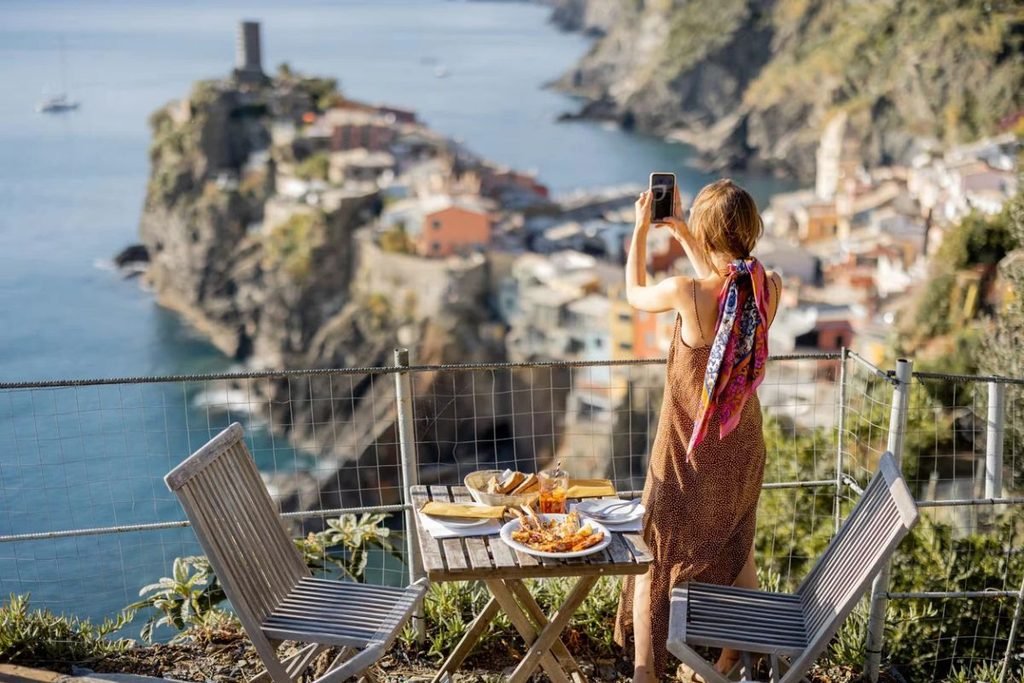
Eating alone is one of the simplest parts of solo travel once you stop treating it as unusual. Start with casual places if you feel uncomfortable. Counter seating, cafés, food halls, bakeries, markets, and small restaurants can be easier than formal dining rooms. In Japan, for example, counter seating and individual dining are common. Beach destinations also provide many natural solo dining options. A casual seafood lunch, sunset café, or local market can be an experience rather than simply a meal.
For U.S.-focused food inspiration before or after your trip, explore coastal restaurants in the USA or our guide to fresh seafood in Orlando.
Responsible Solo Travel
Traveling alone gives you more freedom, but it also gives you more responsibility. Choose locally owned businesses when practical. Respect religious and cultural sites. Follow environmental rules at beaches and protected areas. Avoid taking shells, coral, plants, or wildlife products when local regulations prohibit removal. Do not treat a quiet beach as a place where normal safety rules disappear.
If you visit fragile coastal environments, stay on designated paths, dispose of waste properly, and follow local guidance about swimming, wildlife, fires, and marine activities. Sustainable travel is not only about environmental protection. It also means respecting residents and ensuring tourism benefits the communities you visit.
A Simple Formula for Choosing Your Destination
If you are still unsure which of these travel destinations fits you, score each option from 1 to 5 for:
- Safety comfort
- Transportation
- Accommodation
- Food
- Beach access
- Nature
- Culture
- Social opportunities
- Budget
- Trip length
Then give your three most important categories double weight. For example, a beach lover with only five days might prioritize beach access, transportation, and accommodation. A photographer planning a three-week trip might prioritize nature, cultural variety, and freedom to move around. This method is more useful than blindly following a “top 10” ranking.
10 Practical Tips for a Better Solo Trip
- Start small if you are nervous. A four-day city break can teach you more about solo travel than an overly ambitious month-long itinerary.
- Choose accommodation by location, not price alone.
- Arrive during reasonable hours when possible.
- Keep emergency money separate from your main wallet.
- Download maps before leaving reliable internet access.
- Tell someone your general itinerary.
- Book demanding activities with reputable operators.
- Check weather and local conditions before outdoor activities.
- Leave unscheduled time.
- Do not feel pressured to travel the way other solo travelers do.
Are Expensive Destinations Always Better for Solo Travelers?
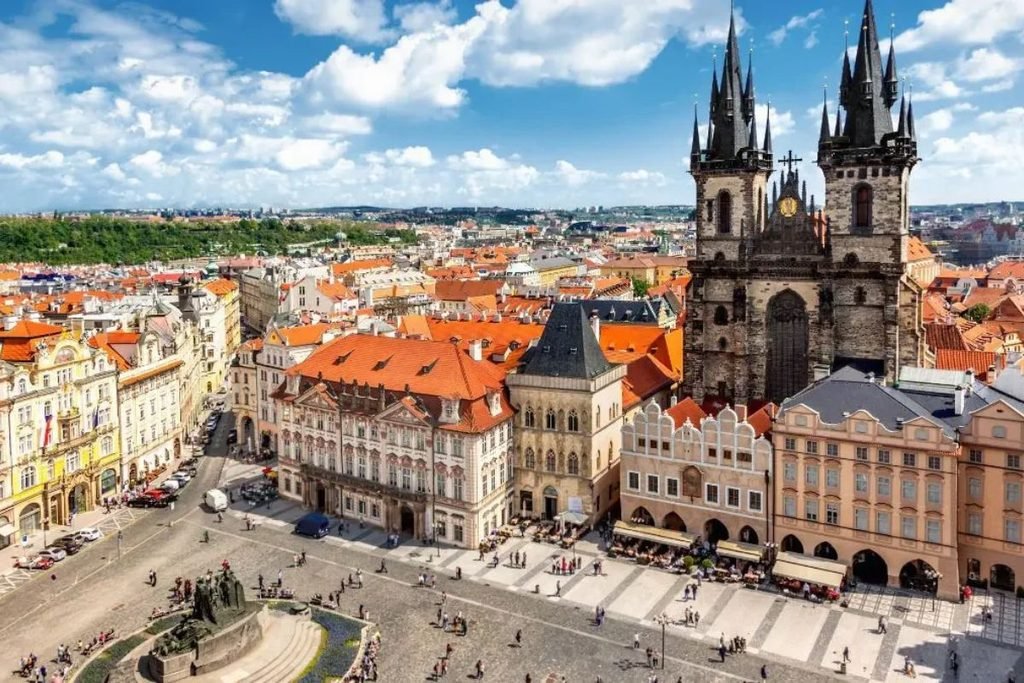
No. A more expensive destination can offer excellent transportation, infrastructure, and comfort, but that does not automatically make it a better solo experience. Likewise, a cheaper destination may require more planning and patience.
The better question is: What does my budget buy me in this destination? For example, a higher-cost country may allow you to travel independently without a car. A lower-cost destination may provide inexpensive accommodation but require longer bus journeys. Compare the complete experience rather than the nightly hotel rate.
Conclusion
The best travel destinations for solo travelers are not defined by a universal ranking. They are defined by how well they match the person taking the trip. Portugal can suit a first-time traveler who wants Beach Vacations and cities. Japan is excellent for independent food and cultural exploration. Thailand and Bali appeal to beach lovers and social travelers. Greece combines islands and history, while Iceland, Costa Rica, and New Zealand offer powerful outdoor experiences. Singapore is useful for a short, structured city trip, and Morocco provides a more immersive cultural adventure.
Before booking, compare transportation, accommodation, weather, local safety information, activities, and your realistic budget. Then build a trip with enough structure to feel comfortable but enough freedom to change your mind. Solo travel does not require constant adventure. Sometimes the best part is simply having the freedom to decide what comes next.
Frequently Asked Questions
Q: What are the best travel destinations for first-time solo travelers?
Ans: Portugal, Japan, Spain, and Singapore are strong starting points because they offer a combination of transportation, accommodation, attractions, and independent travel destinations. Your personal comfort level and budget should still determine the final choice.
Q: Is solo travel safe?
Ans: Solo travel destinations can be manageable when you research your destination, understand local risks, protect your belongings, choose accommodation carefully, and maintain communication with someone at home. Safety varies by destination and can change over time.
Q: What are the best travel destinations for solo beach vacations?
Ans: Thailand, Bali, Portugal, Greece, and Costa Rica are strong options because they combine beaches with accommodation, restaurants, activities, and other attractions. The best choice depends on your preferred climate, budget, and travel destinations.
Q: Is Japan good for solo travelers?
Ans: Yes. Japan has extensive public transportation and a strong culture of solo dining and individual activities. Japan’s tourism organization specifically provides solo travel destination guidance covering transportation, accommodation, dining, safety, and activities.
Q: Is Portugal good for a first solo trip?
Ans: Portugal can be an excellent introduction to independent travel destinations because travelers can combine cities, beaches, countryside, and outdoor activities without crossing enormous distances. Its official tourism organization specifically highlights solo travel and public transportation.
Q: How long should a first solo trip be?
Ans: Four to seven days is a practical starting point. It gives you enough time to experience independent travel while limiting the logistical pressure of a long itinerary.
Q: How can I meet people while traveling alone?
Ans: Stay in social accommodation, join walking tours, take cooking classes, participate in group excursions, attend local events, or book activity-based experiences. You can socialize without giving up your independent itinerary.
Q: Is it cheaper to travel alone?
Ans: Not necessarily. Solo travelers can save by choosing hostels, public transportation, local restaurants, and free activities, but they also lose the ability to split rooms, taxis, and private tours with companions.
Q: Should I rent a car for a solo trip?
Ans: It depends on the destination. A car can be useful in rural areas such as parts of New Zealand, Iceland, or Costa Rica, but it may be unnecessary or inconvenient in cities with strong public transportation.
Q: What should I do if I feel lonely while traveling alone?
Ans: Change the structure of your day. Join a tour, eat in a social setting, call someone at home, visit a busy attraction, or stay somewhere with common areas. Feeling lonely occasionally does not mean you made the wrong decision.
Q: Are solo trips suitable for beginners?
Ans: Yes. The easiest way to start is to choose a manageable destination, keep your first itinerary simple, book your first accommodation in advance, and leave enough flexibility to adjust your plans.
Q: What is the biggest mistake solo travelers make?
Ans: Overplanning is one of the most common problems. Trying to visit too many places can create fatigue, complicated transportation, and unnecessary expense. Give yourself time to enjoy each location.