 -by
-by Europe is one of the easiest regions in the world to build a trip around because its destinations are remarkably different. In one journey, you can combine historic cities, Mediterranean beaches, Alpine scenery, island villages, museums, food markets, and small towns. The challenge is not finding somewhere worth visiting. It is choosing the right places for your time, budget, interests, and travel style.
This guide to travel in Europe focuses on that decision rather than simply presenting a long list of famous cities. You will find the best European destinations for first-time visitors, couples, families, solo travelers, beach lovers, history enthusiasts, food travelers, nature lovers, and people looking for quieter alternatives. You will also learn how to combine destinations efficiently, when to go, how to think about transport, and which common planning mistakes can make a European vacation unnecessarily difficult.
The recommendations below are practical rather than absolute rankings. Paris may be perfect for one traveler and overwhelming for another. A quieter destination such as Slovenia may be a better choice than a famous capital if you value scenery and slower travel.
Where Are the Best Places to Travel in Europe?
For a first European trip, Paris, Rome, London, Barcelona, Amsterdam, Vienna, Prague, and Lisbon are strong choices because they offer a broad mix of attractions, culture, food, accommodation, and transport connections. For beaches, consider Greece, Croatia, Portugal, Spain, southern Italy, and the Balearic Islands. For dramatic nature, look toward Iceland, Switzerland, Norway, Slovenia, Scotland, and the Dolomites.
There is no single “best” European destination. The right choice depends on when you travel, how many days you have, your budget, and what you want to experience. Current 2026 destination roundups continue to highlight both classic cities and less-obvious destinations, reflecting a wider interest in seasonal travel, regional experiences, and places beyond Europe’s busiest tourist centers.
Best Places to Travel in Europe at a Glance
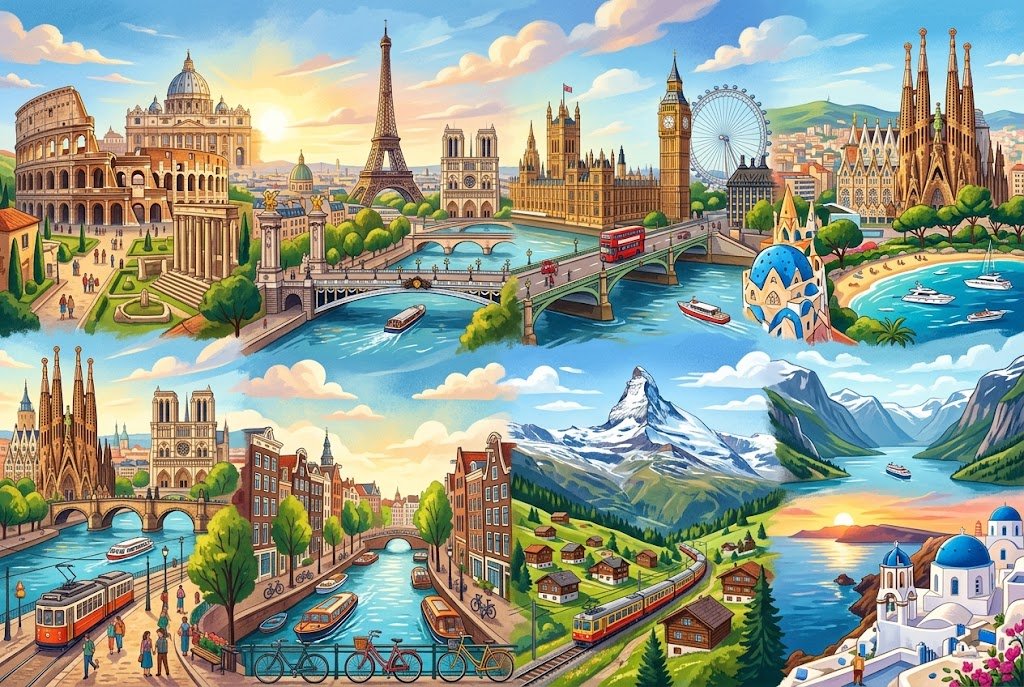
| Destination | Best For | Ideal Trip Length | Travel Style |
| Paris, France | Art, culture, romance | 3–5 days | City break |
| Rome, Italy | Ancient history, food | 3–5 days | Cultural |
| London, UK | Museums, history, entertainment | 4–6 days | Urban |
| Barcelona, Spain | Architecture, food, beaches | 3–5 days | Mixed |
| Amsterdam, Netherlands | Canals, museums, short breaks | 2–4 days | Easy city break |
| Vienna, Austria | Music, architecture, cafés | 2–4 days | Cultural |
| Prague, Czechia | Architecture, history, value | 2–4 days | City break |
| Lisbon, Portugal | Food, viewpoints, coast | 3–5 days | Relaxed |
| Athens, Greece | Ancient sites, food, islands | 3–4 days | Cultural + coastal |
| Santorini, Greece | Scenery, romance, sea views | 2–4 days | Island escape |
| Dubrovnik, Croatia | Old town, Adriatic coast | 2–4 days | Coastal |
| Swiss Alps | Mountains, trains, hiking | 4–7 days | Nature |
| Iceland | Landscapes, road trips | 5–8 days | Adventure |
| Slovenia | Lakes, mountains, smaller cities | 3–6 days | Nature + culture |
| Copenhagen, Denmark | Design, food, relaxed urban travel | 2–4 days | Nordic city break |
| Sicily, Italy | Beaches, food, history | 5–8 days | Slow travel |
This selection intentionally combines famous destinations with places that work well for travelers who want a different pace.
01. Paris, France
Paris remains one of the strongest choices for first-time visitors who want a concentrated introduction to European art, architecture, food, and urban culture. The obvious landmarks include the Eiffel Tower, the Louvre, the Notre-Dame area, Sacré-Cœur, and the Seine. However, a better first trip does not need to become a race between famous attractions. Leave time for neighborhoods, cafés, markets, parks, and museums that match your interests.
Why visit Paris?
- Exceptional museums and galleries
- Historic architecture
- Strong café and restaurant culture
- Romantic atmosphere
- Excellent base for day trips
- Plenty to do in every season
Paris works particularly well for couples and first-time visitors. It is also a useful choice if you want a destination where sightseeing can be mixed with relaxed neighborhood exploration.
Planning tip: Do not schedule every hour. Paris rewards wandering, and a flexible afternoon can become one of the most memorable parts of the trip.
02. Rome, Italy
Rome is difficult to match if ancient history is your main reason for traveling. The Colosseum, Roman Forum, Pantheon, Trevi Fountain, Vatican Museums, and St. Peter’s Basilica provide an extraordinary concentration of historic attractions. Yet Rome is more than monuments. Its food culture, piazzas, neighborhood streets, fountains, and evening atmosphere give the city a distinctly modern personality.
Best for
- History lovers
- First-time European travelers
- Food-focused trips
- Couples
- Short cultural vacations
Rome is also an excellent starting point for exploring more of Italy. Depending on your itinerary, you can continue by train toward Florence, Bologna, Venice, Naples, or other regions.
Common mistake: Trying to see every major attraction in two days. Rome is physically demanding, especially during hot weather. Three to five days gives most first-time visitors more breathing room.
03. London, United Kingdom
London is one of Europe’s most versatile cities. You can spend a morning exploring major museums, an afternoon walking along the Thames, and an evening seeing a West End performance. Historic attractions sit alongside modern neighborhoods, food markets, galleries, parks, and shopping districts. Tripadvisor’s 2026 Travelers’ Choice list places London at the top of its European destination ranking, reflecting its broad appeal among travelers.
Why London stands out
- Major museums
- Royal and political history
- Huge variety of food
- Excellent entertainment
- Diverse neighborhoods
- Strong public transportation network
London is especially useful for travelers who do not want their vacation centered around one type of attraction. Because the United Kingdom is outside the EU and Schengen Area, travelers should check entry requirements separately rather than assuming that rules for continental Europe automatically apply.
04. Barcelona, Spain
Barcelona combines several things that are difficult to find together: historic architecture, Mediterranean beaches, distinctive food, nightlife, and a strong local identity. Antoni Gaudí’s architectural legacy is one of the city’s biggest draws.
The Sagrada Família, Park Güell, Casa Batlló, and other landmarks give Barcelona a visual character unlike most European cities. But do not spend the entire trip around famous buildings. Explore neighborhoods, visit local markets, walk along the waterfront, and leave time for long meals.
Barcelona is particularly good for:
- First European trips
- Beach-and-city vacations
- Architecture enthusiasts
- Food lovers
- Couples
- Young travelers
If you want both urban sightseeing and access to the Mediterranean, Barcelona is one of the easiest choices.
05. Amsterdam, Netherlands
Amsterdam is compact enough for a short trip but rich enough to justify several days. Its canals, historic houses, museums, cycling culture, and neighborhood cafés make it a natural choice for a city break. The biggest planning issue is that many visitors focus almost entirely on the canal belt. That can leave the trip feeling more crowded than necessary.
A better Amsterdam strategy
Spend time beyond the most photographed streets. Explore different neighborhoods, visit museums that genuinely interest you, and use walking or cycling to understand the city’s layout. Amsterdam is particularly convenient for travelers combining several destinations because the Netherlands has strong rail connections with neighboring European countries.
06. Vienna, Austria
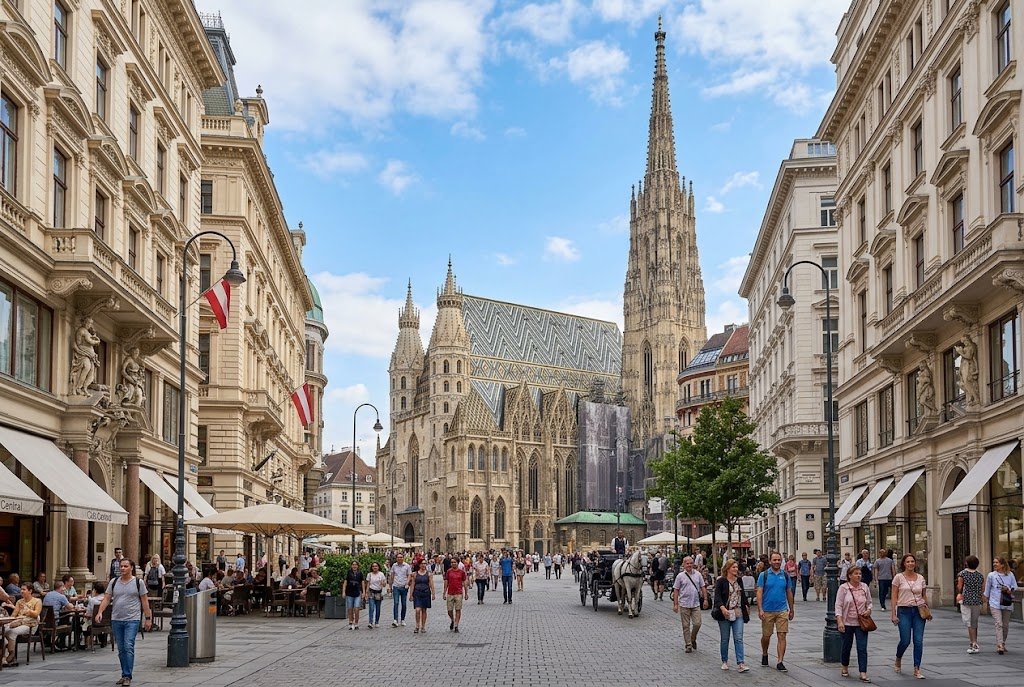
Vienna suits travelers who enjoy architecture, classical music, museums, elegant public spaces, and café culture. The historic center, Schönbrunn Palace, museums, churches, concert venues, and traditional cafés can easily fill several days. Vienna is also a good destination for travelers who prefer a calmer pace than some of Europe’s busiest capitals.
Best for
- Architecture
- Classical music
- Art museums
- Couples
- Mature travelers
- Winter city breaks
Its location also makes it useful for a Central European itinerary that includes Prague, Budapest, or Bratislava.
07. Prague, Czechia
Prague is one of Europe’s most visually distinctive cities. The Old Town, Charles Bridge, Prague Castle, historic churches, and winding streets create the atmosphere many first-time travelers imagine when they picture a European city. But Prague should not be treated only as a postcard destination. Spend time in less tourist-heavy areas, try local food, visit museums, and walk outside the busiest central streets.
Why Prague works for beginners
- Compact historic center
- Strong sightseeing options
- Distinctive architecture
- Good choice for a shorter vacation
- Easy to combine with Central European destinations
Its popularity means central areas can become very busy. Early starts and flexible sightseeing plans can make a significant difference.
08. Lisbon, Portugal
Lisbon is an excellent choice for travelers who want history, food, viewpoints, coastal access, and a relaxed atmosphere. The city’s hills are beautiful but can be tiring. Comfortable shoes are essential, especially if you plan to explore extensively on foot. Lisbon also makes a useful base for exploring nearby destinations such as Sintra and the Atlantic coast.
Lisbon is best for:
- Couples
- Food lovers
- First-time travelers
- Digital and creative professionals
- Short city breaks
- Travelers seeking a slower pace
Portugal’s wider coastline also makes it particularly appealing if your idea of a European vacation includes beaches.
09. Athens, Greece
Athens offers a different kind of European city experience. Ancient monuments dominate the travel conversation, but Athens also has modern neighborhoods, restaurants, markets, nightlife, and a growing contemporary cultural scene. The Acropolis and surrounding archaeological areas are the obvious starting points.
Why choose Athens?
Athens works particularly well when you want to combine history and island travel. You can spend several days exploring the city before continuing toward the Greek islands or mainland coastal areas. For a quieter Greek trip outside peak summer, consider mainland destinations and larger islands where services remain more available.
Seasonal ferry schedules and weather can affect island-hopping plans, so confirm transport before committing to a tightly connected itinerary. Recent travel guidance also emphasizes the advantages of Greece’s shoulder seasons for fewer crowds and a slower experience.
10. Santorini, Greece
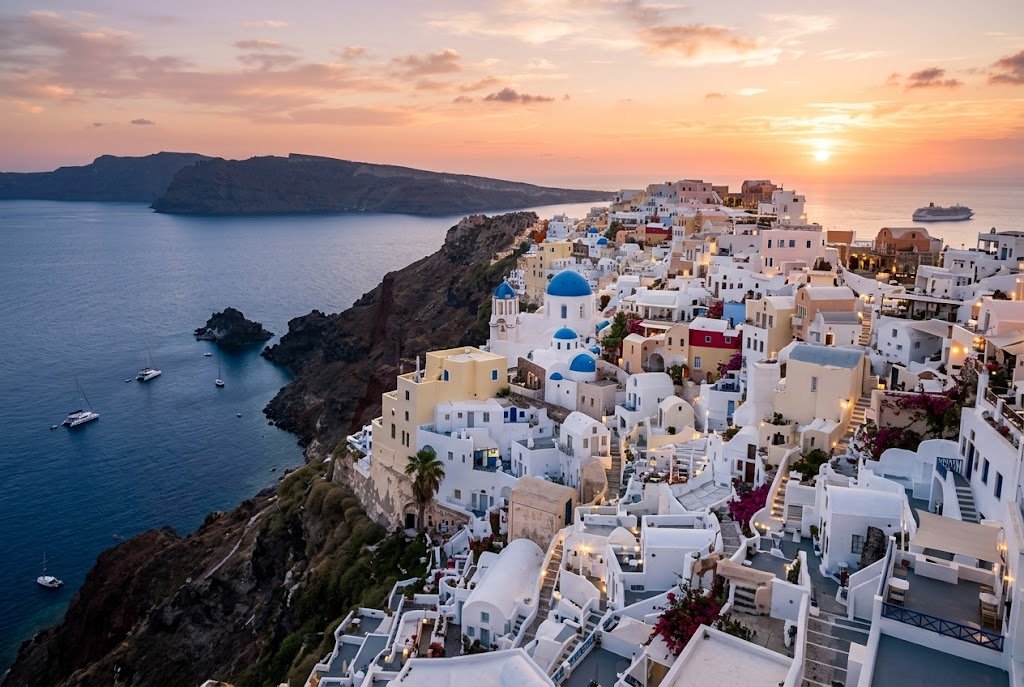
Santorini is famous for its whitewashed architecture, dramatic volcanic landscape, caldera views, and sunsets. It is particularly popular with couples and honeymooners, but it can also work for travelers interested in photography, food, walking, and island scenery. The important question is whether Santorini matches your travel priorities.
Choose Santorini if you want:
- Dramatic scenery
- Romantic accommodation
- Island views
- Boutique experiences
- Short luxury-oriented escapes
Think twice if you want:
- A quiet beach vacation
- Low-cost accommodation
- Extensive nightlife at every time of year
- A destination without crowds
Santorini is beautiful, but popularity affects the experience. Travelers who want a quieter Greek island may prefer less-famous alternatives.
11. Dubrovnik, Croatia
Dubrovnik combines a historic walled city with the Adriatic Sea. The Old Town is the main attraction, but the surrounding coast provides opportunities for swimming, boat trips, viewpoints, and day excursions. It is an especially attractive option for travelers who want European history without giving up a coastal setting.
Practical advice
Do not make Dubrovnik your entire Croatia itinerary automatically. If time allows, consider combining it with other parts of the Croatian coast or nearby destinations. Croatia also works well for travelers who prefer a Mediterranean trip with a mixture of historic towns, islands, beaches, and outdoor activities.
12. The Swiss Alps, Switzerland
If your definition of the best places in Europe is based on scenery rather than city attractions, Switzerland deserves serious consideration. The Swiss Alps provide opportunities for hiking, scenic rail journeys, mountain villages, lakes, and winter sports.
Best for
- Hikers
- Photographers
- Couples
- Outdoor enthusiasts
- Scenic train travelers
- Travelers who prefer nature over nightlife
Switzerland can be expensive, so planning matters. Instead of moving between many places, choose one or two bases and explore the surrounding region. This is a good example of why the “most famous” destination is not always the best destination. A traveler with limited time may enjoy one Alpine region more than a rushed tour of several Swiss cities.
13. Iceland
Iceland is ideal for travelers who want dramatic landscapes rather than traditional European sightseeing. Volcanic terrain, waterfalls, geothermal areas, black-sand beaches, glaciers, and expansive open landscapes create a travel experience very different from Paris or Rome. Reykjavík can serve as the starting point, but the country’s biggest attraction is the landscape beyond the capital.
Consider Iceland if you enjoy:
- Road trips
- Photography
- Hiking
- Geothermal experiences
- Dramatic coastlines
- Adventure travel
Weather can change quickly, and road conditions vary by season. Do not build an itinerary that assumes every road or outdoor activity will operate exactly as planned.
14. Slovenia
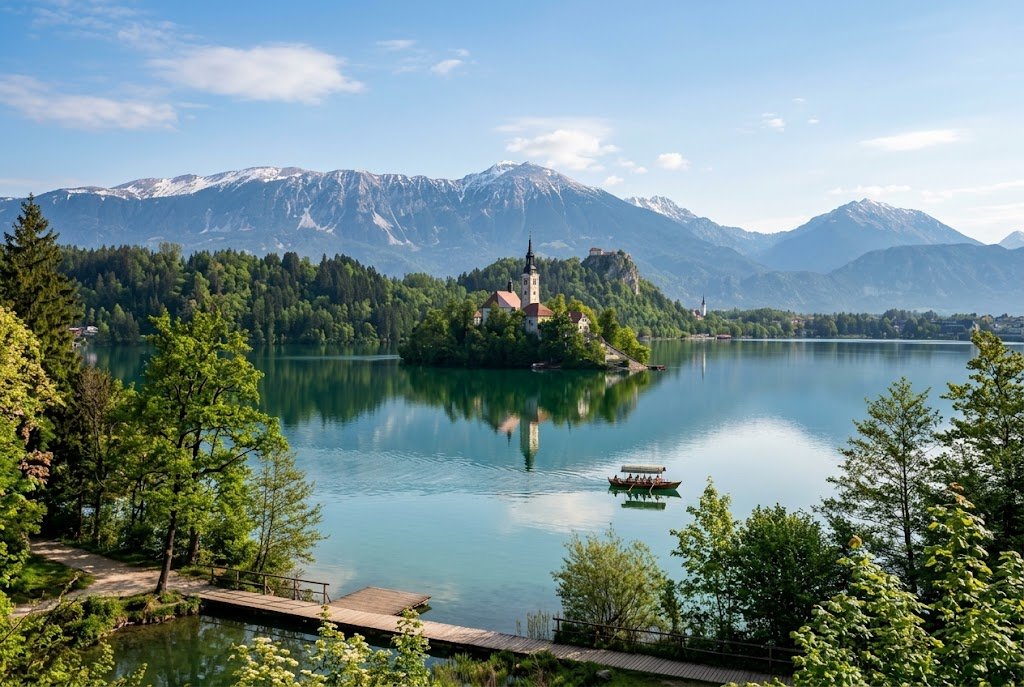
Slovenia is one of Europe’s strongest choices for travelers who want several experiences without constantly changing countries. You can combine Ljubljana, Lake Bled, alpine scenery, caves, forests, and access to the Adriatic coast in a relatively compact itinerary.
Why Slovenia deserves attention
- Beautiful natural landscapes
- Compact geography
- Outdoor activities
- Charming capital
- Alpine and Mediterranean influences
- Good option for slower travel
Slovenia can be especially attractive for repeat European travelers who have already visited the major capitals. Its cultural and natural heritage is also represented in the UNESCO World Heritage system.
15. Copenhagen, Denmark
Copenhagen is a strong choice for travelers interested in Scandinavian design, food, cycling, architecture, and relaxed urban exploration. The city is particularly enjoyable when you avoid treating it as a checklist of attractions. Instead, combine major sights with neighborhood walks, food halls, parks, waterfront areas, and local cultural venues. Copenhagen and the Danish Riviera are also receiving increased attention in 2026 travel coverage, particularly for design, food, culture, and autumn travel.
16. Sicily, Italy
Sicily is a destination for travelers who want variety. You can combine historic cities, archaeological sites, beaches, mountains, markets, island excursions, and distinctive regional cuisine. Palermo, Syracuse, Taormina, Cefalù, Noto, Modica, Ragusa, Mount Etna, and the surrounding coastline each offer a different side of the island. Recent travel coverage has emphasized Sicily’s layered history, varied landscapes, food traditions, and coastal destinations.
Why choose Sicily?
Choose Sicily when you have enough time to slow down. It is better suited to a five-to-eight-day trip than a rushed weekend.
How to Choose the Right European Destination
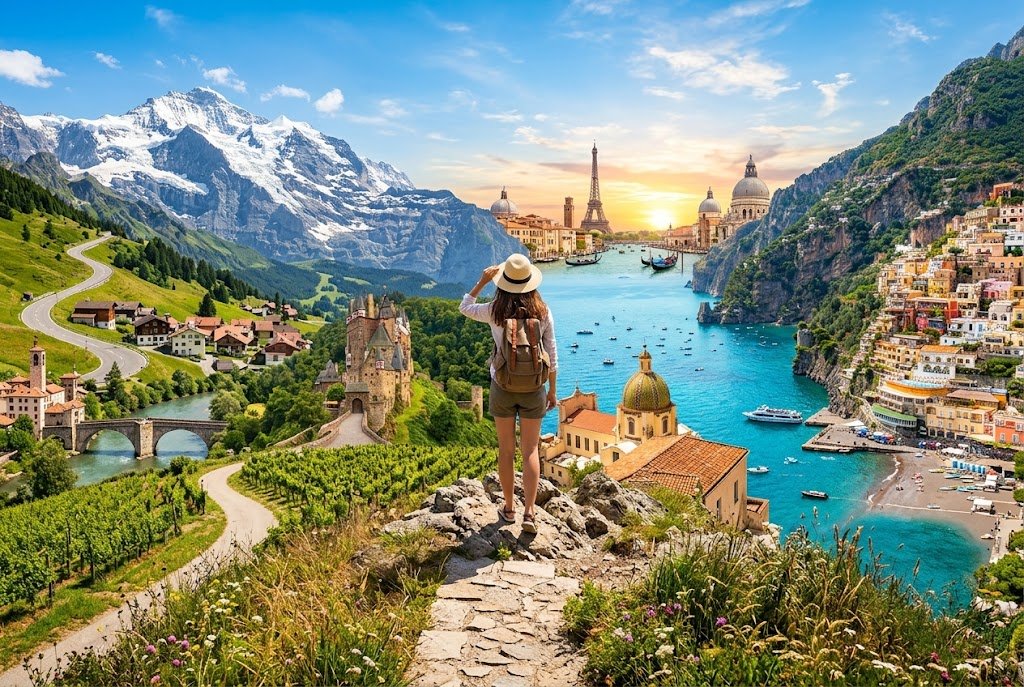
The easiest way to narrow your options is to stop asking, “What is the best place in Europe?” and instead ask, “What kind of trip do I want?”
Best European Destinations by Travel Style
| Your priority | Strong choices |
| First European trip | Paris, Rome, London, Barcelona |
| Romance | Paris, Santorini, Amalfi Coast, Vienna |
| Beaches | Greece, Croatia, Portugal, Spain, Sicily |
| History | Rome, Athens, Prague, Paris |
| Food | Italy, Spain, Portugal, France |
| Mountains | Switzerland, Slovenia, Austria, northern Italy |
| Solo travel | Lisbon, Amsterdam, Copenhagen, Prague |
| Family travel | London, Paris, Barcelona, Copenhagen |
| Nature | Iceland, Norway, Switzerland, Slovenia |
| Art and museums | Paris, London, Amsterdam, Vienna |
| Short city break | Amsterdam, Prague, Vienna, Lisbon |
| Slow travel | Sicily, Slovenia, Portugal, Croatia |
| Winter atmosphere | Vienna, Copenhagen, Iceland, Switzerland |
These are recommendations rather than objective rankings. Your personal interests should determine the final choice.
Best Places for a First Trip to Europe
First-time travelers often make one major mistake: trying to see too much. Europe looks small on a map, but airports, train stations, hotel check-ins, border procedures, transfers, and packing consume time.
For a first trip, consider:
7 days
Choose two destinations.
Examples:
- Paris + London
- Rome + Florence
- Amsterdam + Paris
- Vienna + Prague
- Barcelona + Madrid
10–12 days
Choose two or three main bases.
Examples:
- Paris + Amsterdam + Brussels
- Rome + Florence + Venice
- Barcelona + Madrid + Lisbon
- Vienna + Prague + Budapest
14+ days
You have more flexibility, but resist the temptation to add a new country every two days. A slower itinerary often gives you a better understanding of the places you visit.
UNESCO’s European heritage travel program similarly encourages travelers to stay longer and explore beyond major tourist hubs rather than simply moving rapidly between famous landmarks.
Best Time for Travel in Europe
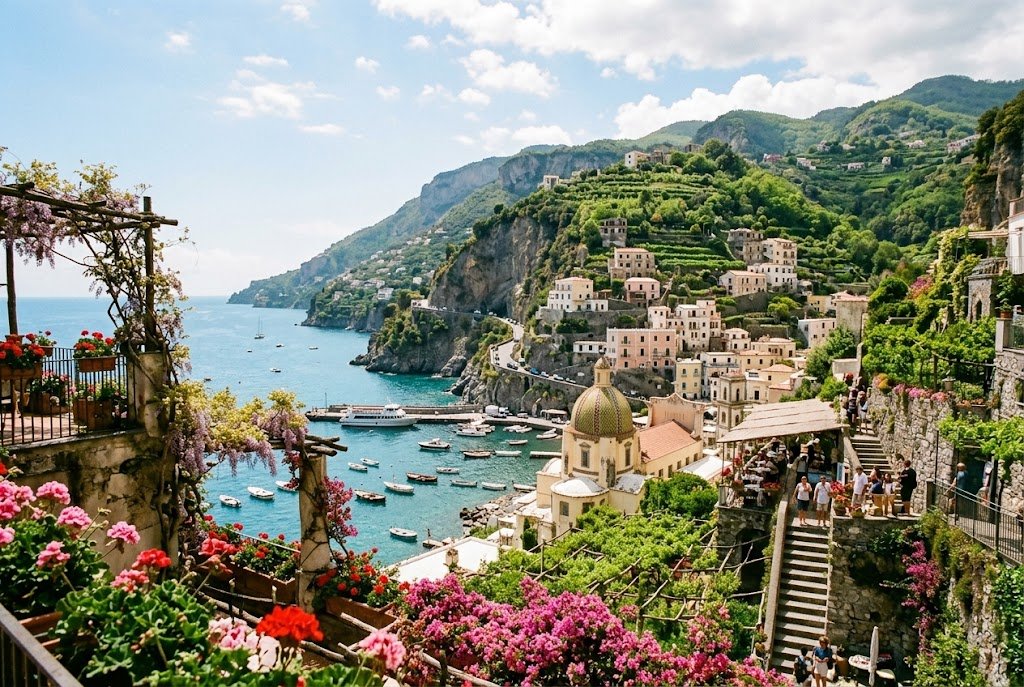
There is no universal best month because Europe covers a large geographical area.
Spring: March to May
Spring can be excellent for city sightseeing.
Advantages
- Milder weather in many regions
- Gardens and parks become attractive
- Generally easier than peak summer in major cities
- Good conditions for walking
Consider
Mountain destinations may still have winter conditions early in spring.
Summer: June to August
Summer is the classic European vacation season.
It is especially attractive for:
- Mediterranean beaches
- Island trips
- Alpine hiking
- Long daylight hours
- Outdoor festivals
The downside is higher demand in many popular destinations. If you dislike crowds or intense heat, consider northern Europe or shoulder-season travel instead.
Autumn: September to November
Autumn is often one of the most interesting periods for city travel. September can retain summer conditions in southern Europe, while October brings a different atmosphere to many cities and rural regions. Travel publications in 2026 have highlighted European autumn travel for cooler temperatures, fewer crowds, food experiences, and seasonal cultural activities.
Winter: December to February
Winter is ideal if you want:
- Christmas markets
- Skiing
- Northern lights opportunities
- Museums and indoor culture
- Quieter city breaks
However, daylight hours and weather can dramatically affect northern destinations.
How to Travel Between European Destinations
Transport is one of Europe’s biggest advantages.
Trains
Rail travel can be particularly useful between major cities. For example, a city-to-city itinerary may work better by train than by flying when stations are conveniently located, and airport transfers would consume additional time. Before buying a rail pass, compare the total cost with individual tickets. A pass is not automatically cheaper for every itinerary.
Flights
Flights become useful for longer distances or island destinations.
However, compare the complete journey:
- Airport transfer
- Check-in time
- Security
- Flight duration
- Arrival transfer
- Time needed to reach your accommodation
A short flight can consume most of a day once the full process is included.
Schengen Area: What Beginners Need to Understand
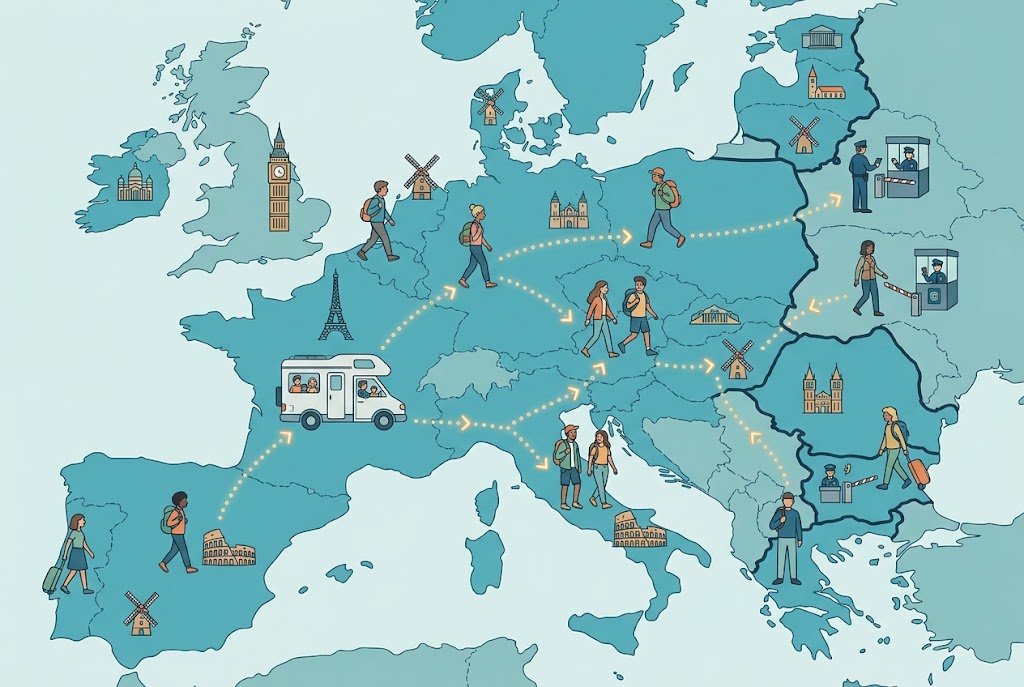
The Schengen Area allows participating countries to operate without routine internal border checks, although temporary controls can be introduced under certain circumstances. It is important not to confuse the European Union with the Schengen Area because they are not identical.
For non-EU travelers, visa and entry requirements depend on nationality and the countries involved. The EU’s official guidance states that non-EU nationals may need a visa and that short-stay Schengen rules generally use a 90-days-in-180-days framework for applicable travelers. Always verify requirements through official government or EU sources before booking a non-refundable trip.
Official starting point: EU travel documents and entry requirements
How to Build a Better European Itinerary
A useful itinerary has three layers:
Layer 01: Major destination
Choose your main city or region.
Example: Rome
Layer 02: Nearby experiences
Add destinations that are practical from your base.
Example: Rome → Florence → Bologna
Layer 03: Flexible time
Keep some unscheduled hours.
This allows you to:
- Rest
- Handle transport delays
- Explore an interesting neighborhood
- Change plans because of weather
- Spend longer somewhere you enjoy
A good itinerary is not the one with the most attractions. It is the one that leaves enough time to actually experience them.
Common Mistakes Travelers Make in Europe
01. Visiting too many countries
Five countries in ten days may sound impressive, but the experience can become a sequence of train stations and hotel rooms.
02. Booking everything too tightly
A delayed train or bad weather can disrupt an itinerary with no flexibility.
03. Ignoring geography
Two destinations may look close on a map but require several transfers.
04. Staying only in tourist centers
Central locations are convenient, but exploring residential neighborhoods can provide a more balanced experience.
05. Assuming every country works the same way
Payment methods, transport systems, reservations, local customs, opening schedules, and entry requirements vary.
06. Planning only around famous attractions
A city is more than its landmarks.
07. Underestimating walking
Historic European centers often involve stairs, cobblestones, hills, and long walking days.
08. Forgetting seasonal closures
Smaller island businesses, mountain services, attractions, and ferry routes can operate differently outside peak periods.
How to Make European Travel More Comfortable

A few simple habits can significantly improve the trip.
Keep digital and offline copies of essential documents
Store copies of:
- Passport
- Visa or entry authorization, when applicable
- Travel insurance
- Accommodation confirmations
- Transport tickets
- Emergency contacts
Avoid changing hotels every night
Two or three nights in one place usually creates a much calmer trip than constantly packing.
Reserve major attractions when necessary
Some famous museums, monuments, and tours have timed entry or limited capacity.
Learn a few local expressions.
Even basic greetings and polite phrases can make everyday interactions easier.
Carry comfortable shoes
This sounds obvious, but European city trips often involve much more walking than travelers expect.
Check local transport before arrival
Knowing how to get from the airport or station to your accommodation removes unnecessary stress after a long journey.
Europe Beyond the Famous Capitals
One of the biggest opportunities for experienced travelers is to move beyond the standard Paris–Rome–London circuit.
Consider:
- Lake Bled, Slovenia for Alpine scenery
- San Sebastián, Spain for food and coastal culture
- Sintra, Portugal for palaces and landscapes
- Algarve, Portugal for beaches and cliffs
- Dolomites, Italy for mountain scenery
- Plitvice Lakes, Croatia for nature
- Scottish Highlands for dramatic landscapes
- Albanian Riviera for Mediterranean coastlines
- Madeira, Portugal for hiking and ocean scenery
- Sicily, Italy for history, food, and beaches
This approach also helps distribute tourism more widely. UNESCO’s heritage travel work specifically promotes going beyond major hubs and spending more time understanding local culture and heritage.
Best European Destinations for Beach Lovers
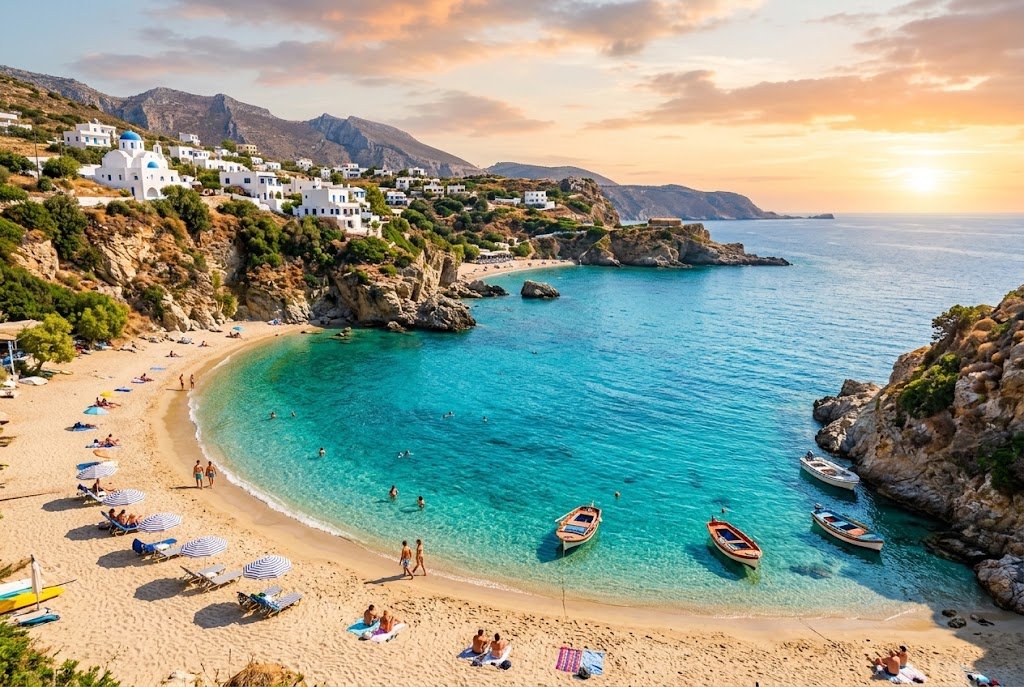
Because Beach Near focuses heavily on coastal travel, Europe offers a particularly rich set of possibilities.
Mediterranean favorites
Greece: Santorini, Crete, Corfu, Rhodes, and other islands offer different combinations of beaches, villages, history, and nightlife.
Croatia: The Adriatic coast combines clear-water swimming areas with historic towns and islands.
Portugal: The Algarve is particularly attractive for cliffs, beaches, coastal walks, and resort towns.
Spain: The Balearic and Canary Islands offer very different beach experiences, while mainland Spain provides extensive Mediterranean and Atlantic coastlines.
Italy: Sicily, Sardinia, Puglia, Campania, and other coastal areas each have their own character.
If your trip is primarily coastal, do not automatically choose the most famous island. Compare beaches, accessibility, seasonality, accommodation prices, and whether you want nightlife or quiet surroundings.
Food Should Be Part of the Destination Choice
Food can completely change how you experience a place. Italy is an obvious choice for regional cuisine, but Spain, France, Portugal, Greece, Croatia, Austria, and many other European countries offer distinctive food traditions.
Rather than searching only for highly rated restaurants, consider:
- Local markets
- Regional specialties
- Neighborhood bakeries
- Family-run restaurants
- Food halls
- Traditional cafés
- Seasonal dishes
For travelers combining sightseeing with food planning, our restaurant-focused resources at Restaurent.net can provide additional destination and dining ideas.
How to Choose Between Cities, Beaches, and Nature
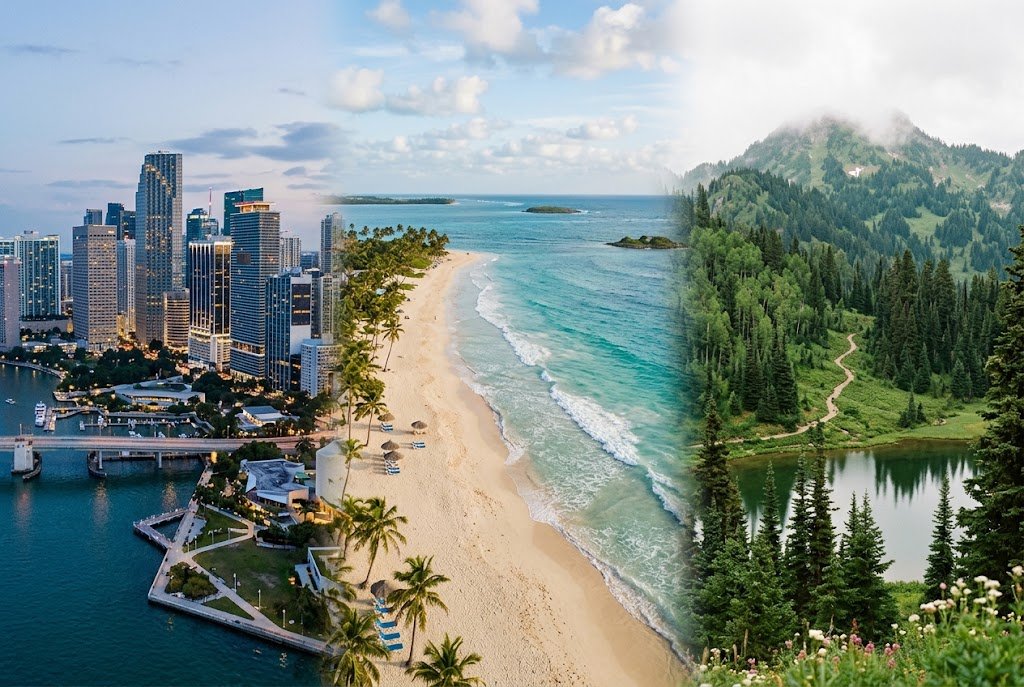
Use this simple decision framework.
Choose a city if you want:
- Museums
- Architecture
- Nightlife
- Restaurants
- Shopping
- Public transport
- Cultural attractions
Choose a coastal destination if you want:
- Swimming
- Beaches
- Boat trips
- Seafood
- Relaxed days
- Scenic sunsets
Choose a mountain or nature destination if you want:
- Hiking
- Photography
- Wildlife
- Scenic landscapes
- Outdoor activities
- A slower pace
Choose a mixed destination if you want everything
Barcelona, Lisbon, Athens, Sicily, Croatia, and Portugal are useful examples because they can combine cultural sightseeing with coastal experiences.
A Simple Planning Formula for Your First European Trip
If you feel overwhelmed by choices, use this five-step process.
Step 01: Pick your main interest
Choose one:
- History
- Food
- Beaches
- Nature
- Architecture
- Art
- Romance
- Family activities
Step 02: Pick your season
Your preferred month may eliminate several destinations immediately.
Step 03: Decide your trip length
Do not plan a 10-day itinerary as if you have 30 days.
Step 04: Choose a region
Instead of selecting random countries, build around a logical geographic area.
For example:
Italy: Rome → Florence → Venice
or
Central Europe: Vienna → Prague → Budapest
Step 05: Leave room for reality
Keep at least some flexibility for weather, transport delays, rest, and spontaneous discoveries. This method is more reliable than copying a “top 20 Europe” list.
Responsible and Sustainable Travel in Europe
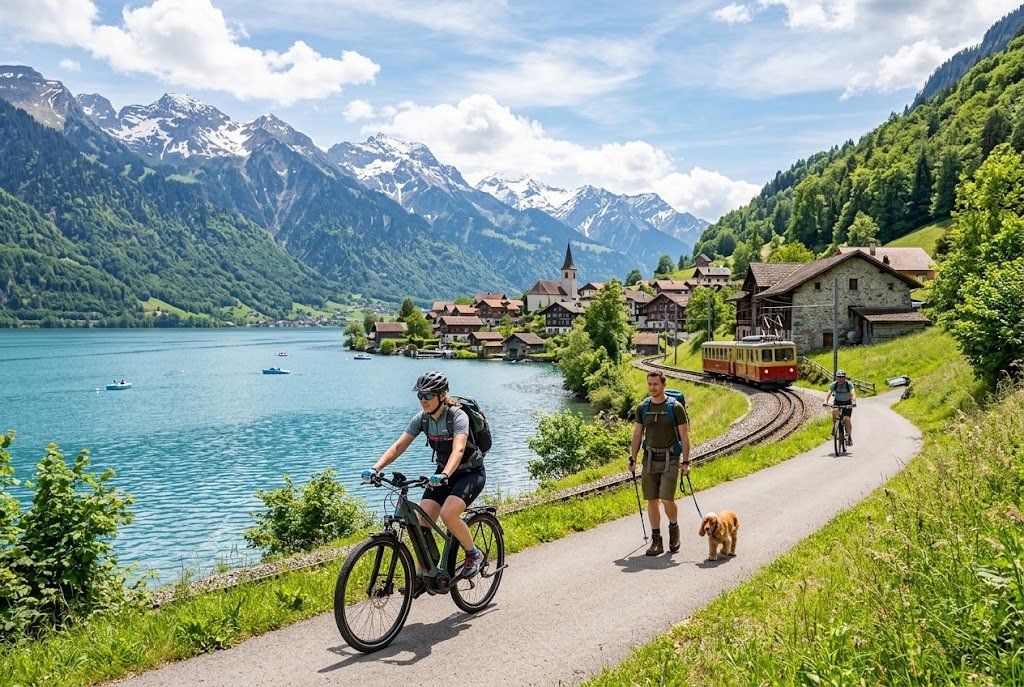
Popular destinations face pressure from high visitor numbers, especially during peak seasons. Travelers can reduce their impact without sacrificing the quality of the trip.
Consider:
- Traveling during shoulder seasons
- Staying longer in fewer destinations
- Using trains where practical
- Supporting locally owned businesses
- Respecting residential neighborhoods
- Avoiding damage to natural areas
- Following local rules at beaches and protected sites
- Visiting less-crowded destinations when appropriate
Sustainable travel does not have to mean avoiding famous places. It can simply mean spending more time in each place and behaving responsibly.
Helpful Resources
For travelers building a broader trip around beaches, food, technology, and practical travel planning, these resources may also be useful:
- Beach Near — beach destinations, coastal travel ideas, and guides for travelers who want to include seaside locations in a European itinerary.
- Restaurent.net — restaurant and food guides that can help with destination-based dining research.
- Techh AtoZ — practical technology guides for travel devices, apps, connectivity, and digital tools.
- Tech All World — technology tutorials, digital trends, software guidance, and buying advice useful for modern travelers.
For official entry and travel-document information, use the EU’s current Your Europe travel guidance rather than relying on an old blog post.
For heritage research, UNESCO’s World Heritage List is another useful primary resource for identifying recognized cultural and natural sites across Europe.
Conclusion
The best places to travel in Europe are not necessarily the destinations with the biggest tourist lists. The right place is the one that fits your available time, interests, season, budget, and preferred pace. For a first trip, cities such as Paris, Rome, London, Barcelona, Amsterdam, Vienna, Prague, and Lisbon provide an excellent introduction.
If beaches are your priority, look toward Greece, Croatia, Portugal, Spain, Sicily, and other Mediterranean destinations. For nature, Switzerland, Iceland, Slovenia, Norway, and the Alps offer a completely different experience. The most important planning lesson is simple: choose fewer places and experience them more deeply.
Build your itinerary around geography, allow time for unexpected changes, verify current entry requirements, and do not be afraid to replace a famous destination with a quieter alternative if it better matches your travel style. Europe gives you enough variety to return many times without repeating the same kind of vacation. Start with the experience you want, then choose the destination that delivers it.
Frequently Asked Questions
Q: What are the best places to travel in Europe for first-time visitors?
Ans: Paris, Rome, London, Barcelona, Amsterdam, Vienna, Prague, and Lisbon are strong first-trip choices. They offer a broad combination of major attractions, culture, food, accommodation, and transport options.
Q: How many days are enough for a Europe trip?
Ans: There is no fixed answer, but seven days is better suited to two main destinations than six or seven. For 10–14 days, two or three bases usually provide a more comfortable experience.
Q: What is the best country to visit in Europe?
Ans: There is no universal winner. Italy is excellent for travelers who want history, food, cities, and varied landscapes. Greece is strong for islands and beaches, while Switzerland is better suited to travelers focused on mountain scenery.
Q: What is the best time to visit Europe?
Ans: Late spring and early autumn are often useful periods for comfortable sightseeing, while summer is particularly attractive for beaches and outdoor activities. Winter is ideal for Christmas markets, skiing, and northern experiences.
Q: Is Europe expensive to visit?
Ans: Costs vary significantly between countries and cities. Accommodation, transportation, attractions, and dining can make major capitals expensive, while smaller destinations may offer different price levels. Your travel style matters as much as the country.
Q: Should I travel by train or plane in Europe?
Ans: Compare the entire journey rather than only travel time. Trains are often convenient between well-connected cities because central stations can reduce airport-transfer time. Flying can make more sense for longer distances or some island routes.
Q: Is Europe safe for first-time travelers?
Ans: Most popular European destinations are accustomed to international visitors, but travelers should still use normal precautions. Pickpocketing and tourist scams can occur in crowded areas, so protect valuables and remain aware of your surroundings.
Q: Do I need a visa to travel in Europe?
Ans: It depends on your nationality, destination, length of stay, and the applicable entry rules. Non-EU travelers should check official requirements before booking. The EU provides guidance for non-EU nationals, including information about short stays in the Schengen Area.
Q: Can I visit several European countries on one trip?
Ans: Yes. Europe’s transport networks make multi-country trips practical, but the number of destinations should match your available time. Two or three well-connected destinations are often more enjoyable than a rushed country-counting itinerary.
Q: What are the best European destinations for beaches?
Ans: Greece, Croatia, Portugal, Spain, Italy, and their islands offer excellent choices. The best option depends on whether you want nightlife, family beaches, dramatic cliffs, secluded coves, or a combination of sightseeing and swimming.
Q: Should I visit famous destinations or hidden gems?
Ans: Do both when possible. Famous destinations often deserve their reputation, but adding a smaller city or region can make your trip more varied and less crowded. A balanced itinerary is usually better than avoiding popular destinations completely.
Q: What should I book before traveling to Europe?
Ans: Book essential transportation and accommodation first. For very popular attractions, timed-entry tickets may also be important. Check visa or entry requirements well before departure and confirm local transport arrangements for your arrival.