 -by
Planning a multi-country Europe trip can be exciting, but choosing destinations, arranging transportation, managing costs, and understanding different entry requirements can quickly become complicated. Europe Trip offers an extraordinary range of experiences within relatively short distances, from historic cities and Mediterranean beaches to Alpine villages, world-class museums, and peaceful countryside. The challenge is deciding how to experience these places without spending your entire vacation packing, traveling, and checking into hotels.
The best Europe trip is not necessarily the one that includes the most countries. It is the one that matches your interests, available time, budget, and travel style. With a realistic itinerary, you can explore several destinations while leaving enough time to enjoy each place. This guide explains how to plan a multi-country European vacation, choose destinations, compare transportation options, estimate expenses, prepare travel documents, and avoid common mistakes. Whether you are traveling to Europe for the first time, planning a family holiday, organizing a romantic getaway, or fitting a vacation around a professional schedule, you will find practical advice to help you build a more comfortable and rewarding journey.
What Is a Multi-Country Europe Trip?
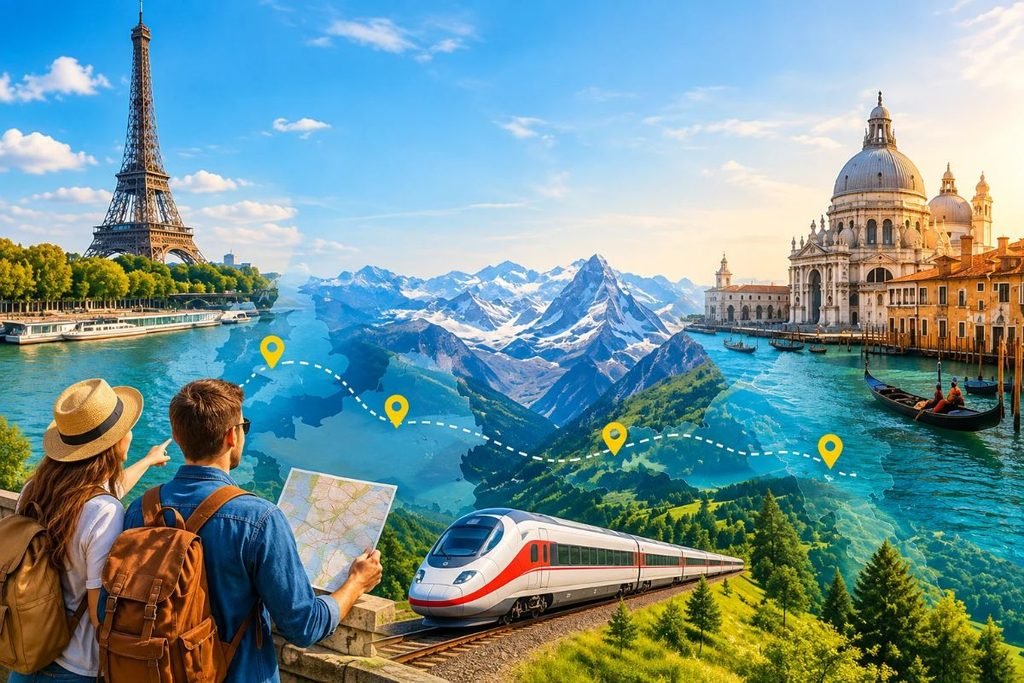
A multi-country Europe trip is a vacation that includes visits to two or more European countries during the same journey. Travelers typically combine nearby destinations by train, bus, flight, ferry, or rental car, depending on the route.
For example, a first-time visitor might travel from France to Belgium and the Netherlands, while a beach lover could combine Spain, southern France, and Italy. Travelers interested in mountains and scenic rail journeys might prefer Switzerland, Austria, and Germany.
The main advantage is variety. You can experience different cultures, cuisines, landscapes, languages, and architectural styles in a single vacation. However, every additional destination introduces transportation costs, accommodation arrangements, and time spent moving between places. A successful itinerary balances exploration with convenience rather than treating the number of countries visited as the main measure of success.
Why Choose a Multi-Country European Vacation?
Europe Trip transport connections and geographical diversity make it particularly attractive for travelers who want to experience several destinations in one holiday.
Experience different cultures in one journey
Crossing a border can introduce you to different food traditions, architectural styles, public transport systems, and local customs. A trip through France, Belgium, and the Netherlands, for instance, can include French café culture, Belgian historic squares, and Dutch canals and cycling routes. Although neighboring countries may share historical influences, each destination has its own identity. Taking time to explore local neighborhoods and regional food makes the journey more meaningful.
Combine cities, beaches, and natural landscapes
A multi-country itinerary can include several types of experiences without requiring separate long-distance vacations.
You could combine:
- Historic cities such as Rome, Paris, or Prague.
- Coastal destinations such as the Algarve in Portugal or the French Riviera.
- Mountain scenery in Switzerland or Austria.
- Cultural attractions in Spain, Germany, or Greece.
- Small towns and rural regions that offer a slower pace.
For readers interested in coastal destinations, a dedicated European beach travel guide on Beach Near would be a useful companion resource when comparing seaside stops.
Make better use of a longer international flight
For visitors traveling from Bangladesh, South Asia, or another region outside Europe, reaching Europe Trip may require a substantial travel budget and considerable time. Visiting several nearby destinations during one trip can help make the journey worthwhile. However, this does not automatically mean that more countries offer better value. Additional flights, hotel changes, baggage charges, and transfers can quickly increase the total cost.
Enjoy flexibility in travel style
A multi-country itinerary can be adapted to different travelers:
- First-time visitors: Focus on familiar transport connections and major attractions.
- Couples: Combine romantic cities, scenic rail journeys, and coastal stays.
- Families: Choose fewer destinations with convenient accommodation and activities for different ages.
- Solo travelers: Prioritize reliable transport, walkable neighborhoods, and well-connected accommodation.
- Outdoor enthusiasts: Build a route around hiking, cycling, lakes, mountains, or beaches.
- Professionals: Choose destinations with dependable connections and enough flexibility to accommodate work commitments.
The best route depends on what you want to experience, not simply which destinations appear most often in travel photographs.
How Many Countries Should You Visit in One Europe Trip?
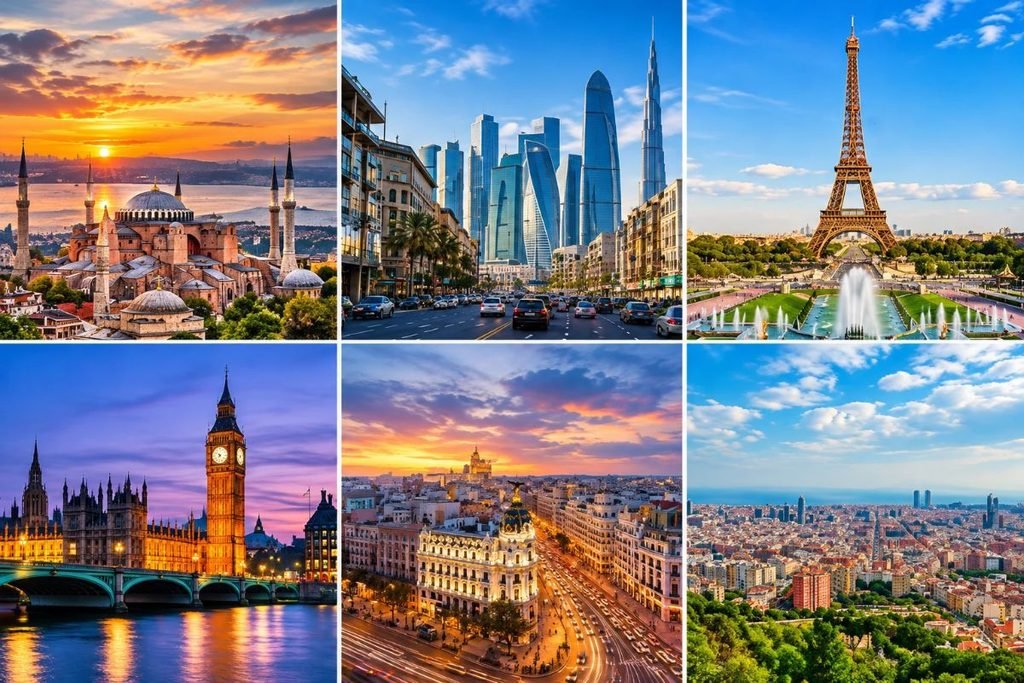
For most travelers, the ideal number of countries depends on the length of the vacation and the amount of time required to travel between destinations. As a practical planning guideline, a trip of 7–10 days often works best with two countries, while 10–14 days can accommodate two or three countries comfortably.
A journey lasting three weeks may allow three to five countries, provided the destinations are geographically compatible, and you do not try to see every major attraction. These are planning suggestions, not strict rules. A short flight can make a distant destination accessible, while a scenic mountain journey or an island transfer may consume much of a day.
| Trip duration | Suggested country count | Recommended approach |
| 5–7 days | 1–2 | Focus on one region and a nearby second destination |
| 8–10 days | 2 | Spend several nights in each main stop |
| 11–14 days | 2–3 | Combine connected destinations with varied experiences |
| 15–21 days | 3–5 | Explore a regional route at a manageable pace |
| 3–4 weeks | 4–6 or more | Allow time for longer journeys and less familiar places |
Why fewer countries can mean a better vacation
Suppose you have ten days and want to visit Paris, Amsterdam, Rome, and Barcelona. The route is possible, but it includes several long-distance transfers, multiple hotel check-ins, and limited time in each city. An alternative is to spend five days in Paris and five in Amsterdam, including a day trip to a nearby town if you wish. You would experience fewer countries but have more time for museums, restaurants, local neighborhoods, and spontaneous discoveries.
Before adding another country, ask three questions:
- Can I reach it without losing most of a vacation day?
- Does it offer an experience that differs meaningfully from my existing stops?
- Can I afford the additional transport and accommodation?
If the answer to these questions is unclear, simplify the route.
Best Multi-Country Europe Trip Itineraries
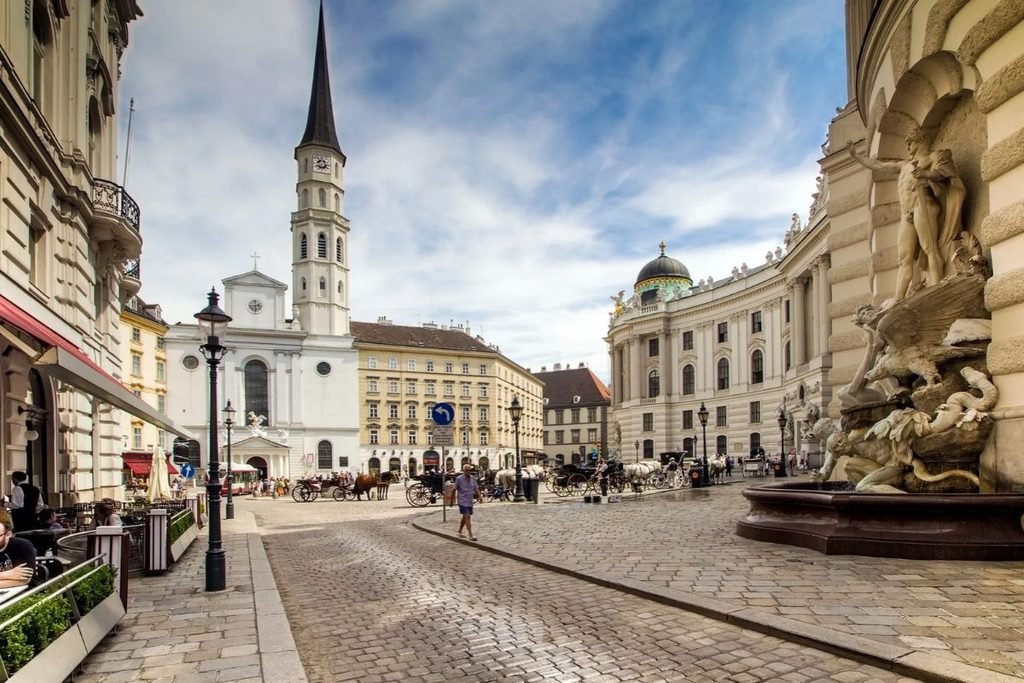
The following sample itineraries are designed around different travel interests. They are planning examples rather than fixed schedules; transportation frequency, journey times, accommodation costs, and seasonal access should be checked before booking.
01. France, Belgium, and the Netherlands: Best for First-Time Visitors
For a first European holiday, this route combines major cultural attractions with convenient international travel and rail connections and a variety of city experiences.
Suggested duration: 9–12 days
| Destination | Suggested stay | Highlights |
| Paris, France | 4 nights | Eiffel Tower area, Louvre, historic neighborhoods, French food |
| Brussels, Belgium | 2 nights | Grand-Place, museums, Belgian cuisine |
| Amsterdam, Netherlands | 3 nights | Canals, museums, cycling culture, historic streets |
How to plan the route
Start in Paris, where you can spend several days exploring museums, monuments, markets, and neighborhoods. Travel onward to Brussels by rail, then continue to Amsterdam. Check current direct train services and station locations before selecting accommodation. If you have extra time, consider a day trip to Bruges from Brussels or to a smaller Dutch city from Amsterdam. A day trip can add variety without requiring another hotel change.
Advantages
- A relatively straightforward route for newcomers.
- Strong rail connections between the principal cities.
- A good mix of museums, architecture, food, and everyday urban life.
Potential drawbacks
- Accommodation in central areas can be expensive.
- Popular attractions may require reservations.
- Three capital-city stops can feel repetitive if you prefer nature or beaches.
Best for: First-time visitors, couples, art lovers, and travelers who enjoy urban exploration.
02. Italy, Switzerland, and France: Best for Scenic Journeys
Suggested duration: 12–15 days
This route combines historic Italian cities, Alpine scenery, and French culture. It works particularly well for travelers who enjoy landscapes as much as major attractions.
| Destination | Suggested stay | Highlights |
| Rome, Italy | 3 nights | Ancient Roman sites, Vatican City, Italian cuisine |
| Florence, Italy | 2 nights | Renaissance art, architecture, Tuscan food |
| Lucerne, Switzerland | 3 nights | Lake views, mountain excursions, historic center |
| Paris, France | 4 nights | Museums, monuments, neighborhoods, dining |
Begin in Rome and travel north through Italy before continuing toward Switzerland. Finish in Paris if the available transport connections and international flights make this arrangement practical. Rail travel can be an appealing part of this itinerary, but do not assume every route is direct or equally convenient. Some mountain journeys require connections, and travel times vary by service.
Compare the total journey, including station transfers, before purchasing tickets. Switzerland can also be significantly more expensive than some neighboring destinations. Consider staying outside the most expensive central areas, comparing accommodation carefully, and deciding in advance which mountain excursions justify the cost.
Best for: Couples, photographers, history enthusiasts, and travelers who want a mixture of culture and natural scenery.
03. Spain and Portugal: Best for Beaches, Food, and Relaxed Travel
Suggested duration: 10–14 days
Spain and Portugal are attractive options for travelers who want warm-weather experiences, coastal landscapes, historic neighborhoods, and regional food.
| Destination | Suggested stay | Highlights |
| Lisbon, Portugal | 3 nights | Historic districts, viewpoints, Portuguese cuisine |
| Algarve, Portugal | 3 nights | Beaches, coastal walks, seaside towns |
| Seville, Spain | 2 nights | Andalusian architecture, plazas, local food |
| Barcelona, Spain | 3–4 nights | Architecture, beaches, museums, Catalan culture |
This itinerary requires more careful transport planning than a simple Paris–Brussels–Amsterdam route. The Algarve, Seville, and Barcelona are not arranged in one perfectly direct corridor, so compare rail, bus, and flight options before committing to the order.
You may prefer to focus on Lisbon, the Algarve, and Seville, leaving Barcelona for another trip. Alternatively, fly into one city and depart from another if suitable international flights are available.
Seasonal considerations: Summer can bring high temperatures, crowds, and strong demand for accommodation in popular coastal destinations. Spring and early autumn may suit travelers who want to combine sightseeing with time by the sea, although weather is never guaranteed. For beach-focused planning, check swimming conditions, seasonal services, local beach access rules, and the distance between your accommodation and the coast.
Best for: Beach lovers, food enthusiasts, couples, and travelers seeking a balance between city sightseeing and relaxation.
04. Germany, Austria, and the Czech Republic: Best for History and Architecture
Suggested duration: 10–14 days
This Central European route combines historic cities, distinctive architectural styles, cafés, museums, and opportunities for day trips.
| Destination | Suggested stay | Highlights |
| Berlin, Germany | 3 nights | Modern history, museums, neighborhoods |
| Prague, Czech Republic | 3 nights | Historic center, Charles Bridge area, architecture |
| Vienna, Austria | 3 nights | Imperial history, music, museums, cafés |
| Salzburg, Austria | 2 nights | Historic streets, Alpine setting, regional excursions |
Start in Berlin, continue to Prague, and travel onward to Vienna and Salzburg. Verify current rail or bus services for each leg. Prague and Vienna offer very different atmospheres despite their historical connections. Berlin adds a modern cultural dimension, while Salzburg provides a smaller-city experience and access to Alpine scenery.
Advantages
- A varied mix of history, architecture, music, and urban culture.
- Opportunities for regional day trips.
- Several travel legs can be completed by train or bus.
Potential drawbacks
- Major attractions can be busy during popular holiday periods.
- A packed schedule may leave too little time for museums or neighborhood exploration.
- Mountain excursions from Salzburg require additional planning.
Best for: History enthusiasts, architecture lovers, cultural travelers, and visitors who want an alternative to the most familiar Western European route.
05. A Family-Friendly Multi-Country Europe Trip
Suggested duration: 10–14 days
Families usually benefit from fewer hotel changes, convenient transport, and accommodation that offers enough space to rest between activities.
A possible route is:
- Amsterdam, Netherlands — 4 nights: Canals, museums suitable for children, parks, and relaxed walking routes.
- Brussels, Belgium — 2 nights: Historic squares, chocolate shops, and manageable sightseeing days.
- Paris, France — 4 nights: Parks, museums, monuments, and family activities.
Choose attractions according to children’s ages and interests. A day with one major attraction and an unstructured afternoon may be more enjoyable than a schedule built around several timed admissions.
If visiting Disneyland Paris is a priority, allow enough time for the park rather than treating it as a quick stop between other attractions. For families with young children, check lift access, stroller policies, room configurations, and the walking distance from accommodation to transport stations.
Best for: Families seeking a manageable route with varied activities and established transport links.
06. A Slower Three-Week European Adventure
Suggested duration: 21 days
Travelers with three weeks can explore a larger region without necessarily changing hotels every two days.
One possible route is:
- Paris, France — 4 nights.
- Amsterdam, Netherlands — 3 nights.
- Berlin, Germany — 3 nights.
- Prague, Czech Republic — 3 nights.
- Vienna, Austria — 3 nights.
- Rome, Italy — 4 nights.
This itinerary includes six countries or country-based stays only if you count the distinct destinations correctly: France, the Netherlands, Germany, the Czech Republic, Austria, and Italy. The route moves across a substantial part of Europe.
Some legs may be long, and traveling between Central Europe Trip and Rome may require a flight or a lengthy rail journey. Check actual services and consider rearranging the route around available flights. For a more relaxed experience, remove one destination and add the extra nights to the places that interest you most.
The key lesson: A three-week vacation gives you flexibility, but it does not eliminate the need to manage distances. Regional routes usually provide a better balance than crossing the continent repeatedly.
Best Time to Plan a Europe Trip
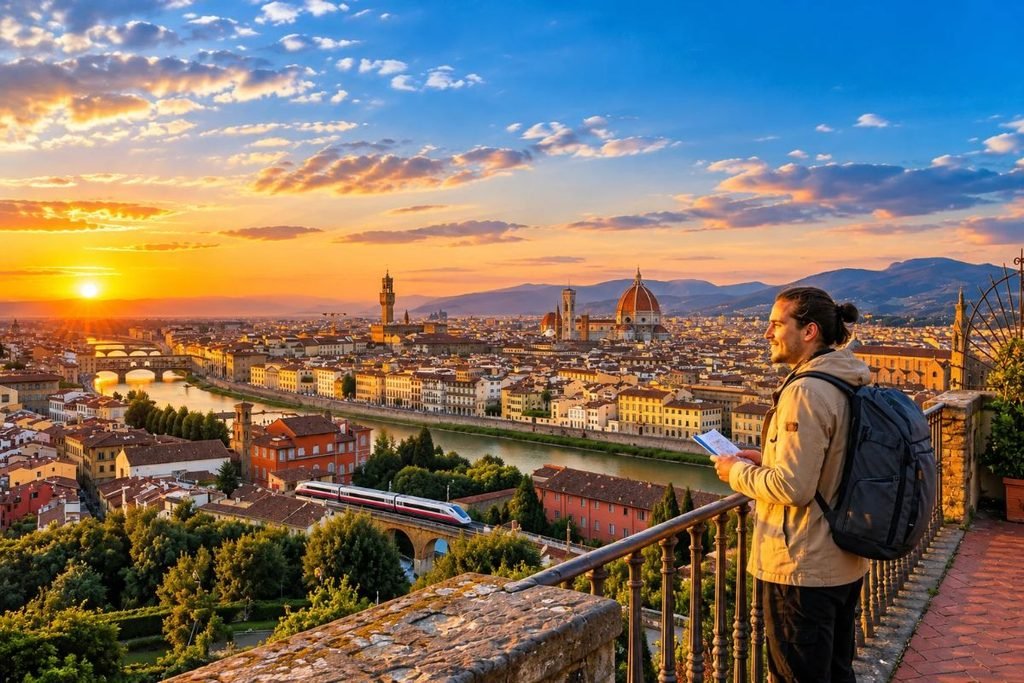
There is no single best month for every European destination. The right season depends on your preferred activities, tolerance for crowds, budget, and the weather conditions you are comfortable with.
Spring: March to May
Spring is a good option for city sightseeing, gardens, and walking tours. Temperatures vary considerably between northern and southern Europe, so pack layers and check local forecasts. Some mountain areas may still have winter conditions.
Summer: June to August
Summer offers long daylight hours and a wide choice of coastal activities. However, popular cities and beaches can be crowded, accommodation demand can be high, and southern European destinations may experience intense heat. Book important services early.
Autumn: September to November
Early autumn can be appealing for city breaks and Mediterranean coastal trips. As the season progresses, daylight decreases, and some seasonal attractions reduce their operating hours. Conditions depend on the country and altitude.
Winter: December to February
Winter suits Christmas markets, museums, historic cities, and certain ski destinations. Expect shorter daylight hours and cold weather in many regions. Some coastal resorts and mountain attractions operate on reduced schedules.
Match the season to your travel goals
| Your main goal | Season worth considering | Important consideration |
| City sightseeing | Spring or autumn | Rain and temperature changes |
| Mediterranean beaches | Late spring to early autumn | Sea temperature and seasonal crowds |
| Alpine hiking | Summer to early autumn, depending on route | Snow, trail openings, and mountain weather |
| Christmas markets | Late November and December | Opening dates vary by city |
| Skiing | Winter, depending on the resort | Snow conditions and lift schedules |
| Lower-cost travel | Shoulder season or selected winter dates | Check actual fares and local events |
Shoulder season refers to the periods between a destination’s busiest and quietest travel seasons. These periods can offer a useful balance of weather, availability, and cost, but savings are not guaranteed.
How to Choose the Best Transportation Between European Countries
Transportation can make or break a multi-country itinerary. A journey that appears short on a map may require airport transfers, security checks, connections, or travel to a station outside the city center. Compare the complete journey rather than the headline ticket price.
Train travel
Trains are particularly convenient on many routes between major European cities. They can provide city-center arrivals, comfortable seating, and opportunities to enjoy the scenery without driving.
Advantages
- Often convenient for connected city-center routes.
- No airport security process for ordinary rail journeys.
- Useful for travelers who want to read, work, or relax en route.
- Can reduce the need for rental cars.
Limitations
- Prices vary by route, departure time, and booking conditions.
- Some routes require connections.
- Reservations or supplements may be required for certain services or rail passes.
- Strikes, engineering work, and disruptions can affect schedules.
Before purchasing tickets from different operators, check whether the booking is a through-ticket or separate contracts. This distinction can affect the assistance available if you miss a connection. The European Union’s official rail passenger rights guidance explains applicable protections and exceptions.
Flights
Flying may be practical when traveling between distant regions, islands, or destinations with inconvenient land connections. For example, a flight can be worth considering for a long journey between Central Europe and southern Italy, depending on the airports and available rail services.
When comparing fares, include:
- Checked baggage and cabin-bag charges.
- Transport to and from both airports.
- Airport waiting time and check-in requirements.
- The possibility of overnight accommodation if a schedule changes.
- The distance between the arrival airport and your hotel.
A low-cost flight is not always the cheapest overall option once transfers and baggage are included.
Buses and coaches
International coaches can be a useful option for budget-conscious travelers. They may serve routes that are expensive or inconvenient by train, although journey times can be longer. Check the baggage allowance, departure terminal, expected travel duration, cancellation conditions, and arrival location before booking. An overnight coach may save the cost of a hotel, but it can also leave you tired and reduce the enjoyment of your first day at the destination.
Rental cars
A rental car makes more sense for countryside exploration, remote beaches, rural accommodation, and destinations with limited public transport. However, driving between major cities may introduce parking charges, traffic, tolls, fuel costs, and restrictions in historic centers.
Before renting, verify your driving licence requirements, insurance coverage, cross-border permission, road rules, and parking arrangements. An international driving permit may be required or recommended depending on your licence and destination.
Train versus flight versus bus
| Factor | Train | Flight | Bus |
| Best use | Connected cities and scenic routes | Long distances and some island routes | Budget-focused journeys |
| Main advantage | Convenient city-center travel on suitable routes | Can cover long distances quickly | Often competitive fares |
| Main drawback | Availability and prices vary | Airport transfers and baggage costs | Longer journey times on many routes |
| Booking priority | Connections and seat reservations | Total cost and airport access | Duration and baggage policy |
| Flexibility | Depends on ticket conditions | Depends on fare conditions | Depends on operator and fare |
Practical recommendation: Build your route around the destinations first, then choose the transport mode for each leg. Do not buy a rail pass or book flights simply because they seem like the standard way to travel in Europe.
How Much Does a Multi-Country Europe Trip Cost?

The total cost depends on the countries visited, travel season, accommodation standard, transportation choices, food preferences, and the number of paid attractions. Because prices change and vary by city, a single budget figure can be misleading. Instead, calculate your expenses by category and compare actual quotes for your travel dates.
Main expenses to include
01. International flights
Your departure city, airline, travel dates, baggage requirements, and booking conditions influence the price. If you are flying from Bangladesh, compare both return flights to one city and multi-city itineraries that let you arrive in one country and depart from another.
02. Accommodation
Accommodation is often one of the highest costs. Hotels in central areas may reduce transport expenses, while accommodation farther away may offer lower nightly rates. Compare the full cost, including local taxes, breakfast, and transport to major attractions.
03. Intercity transportation
Add up every train, bus, flight, ferry, airport transfer, and station transfer. Do not assume that crossing a border is free simply because no routine border checkpoint is expected.
04. Food and drinks
Set a daily allowance based on your preferences. Supermarkets, bakeries, casual restaurants, and self-catering accommodation can help control spending without requiring you to avoid local food.
05. Attractions and activities
List the attractions that matter most and check official ticket prices. Museum passes or city cards may offer value if you will actually use the included attractions and transport.
06. Visa, insurance, and other preparation
Include applicable visa fees, travel insurance, mobile data, baggage storage, laundry, and other preparation costs. Entry requirements depend on your nationality, destination, and travel circumstances.
07. Emergency reserve
Keep an accessible reserve for delays, medical needs, replacement transport, or an unexpected overnight stay. Do not allocate every available amount to prepaid bookings.
A practical travel budget worksheet
Use this formula to estimate the total trip cost: Totalbudget=Flights+Accommodation+Transport+Dailyspending+Preparation+Reserve
For example, if you are planning a 12-day holiday, calculate 11 or 12 nights of accommodation as appropriate, then add every intercity transfer and a daily allowance for food and activities. Use the number of actual nights rather than assuming the trip duration equals the hotel-night count.
Create three budget scenarios:
- Essential: Affordable accommodation, public transport, inexpensive meals, and a small selection of paid attractions.
- Comfortable: Mid-range accommodation, a mixture of casual and sit-down meals, and regular sightseeing activities.
- Premium: Higher-end accommodation, more private transfers, upgraded travel options, and more expensive experiences.
These are spending styles, not universal price categories. A comfortable budget in one city may be insufficient for the same standard in another.
How to save money without reducing the quality of your trip
- Travel outside peak periods when weather and schedules suit your plans.
- Stay longer in each city to reduce transport and check-in expenses.
- Compare the total cost of central and outlying accommodation.
- Book popular attractions through official websites when reservations are required.
- Use public transport where practical.
- Check whether a rail pass is cheaper than buying individual tickets.
- Avoid adding a country solely because a low-cost flight is available.
- Choose a multi-city international ticket if it avoids backtracking, after comparing the full fare.
The goal is not to spend as little as possible. It is to spend on the experiences that matter most to you.
Visa, Passport, and Entry Requirements
Travel documentation deserves attention early in the planning process, especially for travelers visiting several countries on one trip. Europe Trip does not have one universal visa that permits entry to every European country. Requirements depend on the destination, nationality, residence status, purpose of travel, and duration of stay.
Understand the Schengen Area
The Schengen Area includes participating European countries that apply common short-stay border rules. It is not identical to either the European Union or the geographical continent of Europe Trip. Eligible visitors may generally travel within the Schengen Area for short stays under the applicable rules, commonly up to 90 days within a rolling 180-day period.
This is not an automatic entitlement for every nationality: some travelers require a Schengen visa, and specific conditions apply. Countries outside the Schengen Area may have separate entry requirements. The United Kingdom, for example, is not part of the Schengen Area. Do not assume that a visa or entry permission for one European destination automatically authorizes entry to another. Check the official EU guidance for non-EU nationals and the embassy or consulate responsible for your application.
What travelers should prepare
Depending on your circumstances, you may need:
- A valid passport meeting the destination’s validity rules.
- A visa or other required entry authorization.
- Accommodation details.
- Evidence of sufficient funds.
- Return or onward travel information.
- Travel insurance or other supporting documents where required.
- Documents explaining the purpose of your visit.
Requirements can change. Check the official sources before booking non-refundable travel and again before departure.
If you are applying from Bangladesh
Bangladeshi passport holders should verify the visa requirements for every country on their itinerary, including transit destinations. If a Schengen visa is needed, identify the appropriate application process and allow sufficient time for appointments and processing.
Do not assume that holding a valid visa removes the need to meet other entry conditions. Keep copies of important documents securely and carry accessible copies of accommodation and onward travel details. Also confirm whether you need a separate visa or electronic travel authorization for any non-Schengen destination.
How to Plan a Multi-Country Europe Trip Step by Step
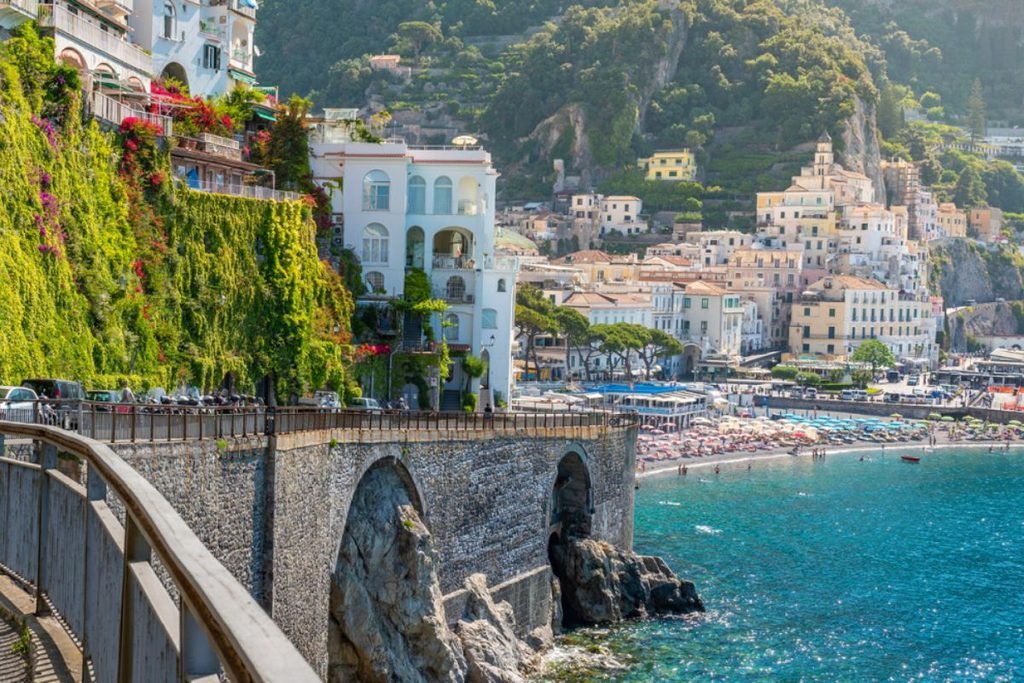
A structured process helps reduce last-minute expenses and conflicting reservations.
Step 01: Define the purpose of the trip
Decide whether the main goal is sightseeing, beaches, culture, nature, food, family activities, or a mixture of interests. Choose two or three priorities. These will help you decide which destinations deserve your limited time.
Step 02: Set the dates and total budget
Choose the number of days available and establish a realistic spending limit. Include international flights, daily expenses, documentation, and an emergency reserve. If your dates are flexible, compare several departure periods before committing.
Step 03: Select a connected group of destinations
Use a map to identify nearby countries and practical transport links. Avoid planning a route based only on how close places appear geographically. Compare door-to-door journey times and look for opportunities to arrive in one city and depart from another.
Step 04: Check entry requirements
Verify visa rules, passport validity, transit requirements, and any country-specific conditions for your nationality. Complete this step before assuming that every destination in your proposed itinerary is accessible.
Step 05: Choose the order of destinations
Arrange your route to reduce unnecessary backtracking. Consider flight availability, rail connections, accommodation costs, and the time needed at each stop. A one-way route is often convenient, but a return journey to the same airport may be cheaper in some circumstances.
Step 06: Book the essential services
Reserve international flights and accommodation once you have checked entry requirements and cancellation conditions. Book time-sensitive attractions and transport that is likely to sell out when necessary. Avoid booking every activity before you understand how much free time your itinerary allows.
Step 07: Organize local transportation
Research airport transfers, public transport tickets, walking distances, and station locations. Download offline maps and save your accommodation addresses. If you are relying on a connecting train, confirm whether the tickets are linked and what happens if the first service is delayed.
Step 08: Leave room for flexibility
Do not schedule every hour. Weather, fatigue, local events, and unexpected delays can change your plans. A flexible afternoon or an extra night in a key destination can make the entire trip more enjoyable.
Common Mistakes to Avoid on a Europe Trip
Even well-planned vacations can become stressful when travelers underestimate practical details.
Trying to visit too many countries
Frequent travel can turn a vacation into a sequence of packing, checking out, waiting, and unpacking. Reduce the country count if transfers leave little time for sightseeing.
Underestimating transport time
A train’s advertised journey duration does not include reaching the station, waiting for departure, or traveling to your hotel after arrival. Flights also require time for airport transfers and check-in. Compare complete journeys, not just the time spent on the vehicle.
Booking accommodation without checking the location
A cheap hotel far from public transport may require expensive transfers and extra travel time. Check walking routes, late-night transport, and access to the places you plan to visit.
Ignoring local holidays and opening hours
Public holidays, major events, and seasonal closures can affect transport, museums, restaurants, and accommodation. Verify opening days and timed-entry rules before building your schedule around a specific attraction.
Assuming all European countries use the same currency
The euro is widely used but not universal across Europe. Check the currency of every destination, your bank’s foreign transaction fees, and the exchange rate before deciding how to pay.
Leaving no room for disruption
A tightly connected itinerary can become expensive when one delay affects several prepaid bookings. Allow reasonable connection time, understand ticket conditions, and consider flexible reservations when the extra cost is justified.
Forgetting travel insurance
Review coverage for medical emergencies, trip interruption, baggage, and relevant activities. Read exclusions carefully, particularly if your plans include skiing, hiking, or other activities that may require additional coverage.
Essential Packing Checklist for a Multi-Country European Vacation
Packing for several countries requires preparation for changing weather, different activities, and repeated transfers.
Travel documents and money
- Passport and required visa documents.
- Copies of bookings and travel insurance details.
- Payment cards and a suitable backup payment method.
- Emergency contacts and accommodation addresses.
Clothing
- Comfortable walking shoes.
- Weather-appropriate layers.
- A light waterproof jacket or umbrella when appropriate.
- Clothing suited to planned activities and local requirements.
Electronics
- Phone and charging cable.
- Power bank that complies with airline rules.
- Suitable plug adapter.
- Offline maps and essential booking confirmations.
Health and personal items
- Regular personal medication in its original packaging, with required documentation where applicable.
- Basic personal-care items.
- Reusable water bottle where practical.
- Any necessary accessibility or mobility equipment.
Keep essential documents, medication, valuables, and one change of clothes in your cabin bag when permitted. Check airline baggage restrictions before packing, especially if multiple airlines are involved.
Safety and Practical Travel Advice
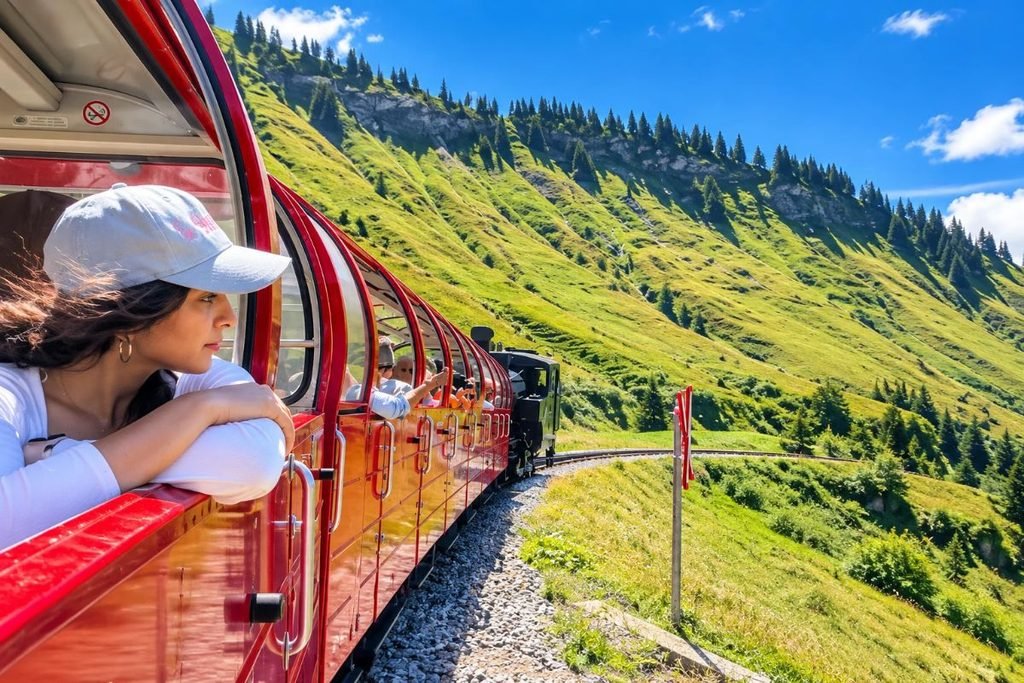
A multi-country itinerary can involve different languages, local rules, and transport systems. Basic preparation makes it easier to respond calmly when plans change.
- Keep valuables secure in crowded transport hubs and tourist areas.
- Use official taxi ranks or reputable ride services.
- Save local emergency numbers and your country’s consular contact details.
- Follow local swimming, hiking, and weather warnings.
- Keep a digital copy of important documents in a secure location.
- Check the latest travel advisories before departure.
- Learn a few polite local phrases and follow local customs.
- Confirm transport schedules directly with operators when disruption is possible.
For train delays and cancellations, retain your ticket and any relevant notices. EU rail passenger rules provide specific protections in qualifying circumstances, but coverage and remedies depend on the journey and circumstances. Consult the official rail passenger rights guidance rather than assuming every ticket has identical conditions.
Conclusion
A successful multi-country Europe trip begins with a clear purpose, a realistic budget, and a route that makes sense geographically. Choose destinations that complement one another, compare complete transportation costs, verify entry requirements, and reserve enough time to enjoy each place rather than rushing through a long list of countries.
For beginners, two or three connected destinations can provide an excellent introduction to Europe’s cultures, landscapes, and food. More experienced travelers can build longer regional journeys around specific interests, from Alpine scenery and historic cities to Mediterranean beaches.
Before booking, review the route, check current official travel information, and confirm the conditions attached to flights, trains, accommodation, and attraction tickets. Keep some flexibility for unexpected discoveries or changes in plans.
The most rewarding itinerary is not necessarily the longest or most expensive. It is the one that allows you to experience the places you care about, travel at a comfortable pace, and return home with meaningful memories rather than exhaustion.
Frequently Asked Questions
Q01. How many countries can I visit in 10 days?
Ans: Two countries are a sensible starting point for a ten-day trip. Three may work if the destinations are close together and you keep transfers manageable. The ideal number depends on your interests and the time required for transportation.
Q02. What is the best route for a first Europe trip?
Ans: Paris, Brussels, and Amsterdam form one practical option because they combine major cultural attractions with established international rail connections. Travelers who prefer mountains, beaches, or smaller towns may find a different regional route more suitable.
Q03. Is a Europe rail pass worth buying?
Ans: It depends on your itinerary, the trains you plan to use, and the cost of individual tickets. Compare the full price of a pass, required reservations or supplements, and the flexibility you need before purchasing one.
Q04. Can I visit several European countries with one Schengen visa?
Ans: A valid Schengen visa generally permits travel within the Schengen Area during its authorized validity and subject to its conditions. It does not automatically cover non-Schengen countries, and travelers must still meet the applicable entry requirements.
Q05. What is the cheapest way to travel between European countries?
Ans: Buses can offer competitive fares, while trains and flights may be better value on particular routes. Compare the complete cost, including baggage, airport transfers, travel time, and the possibility of an extra hotel night.
Q06. Is a multi-country Europe trip suitable for families?
Ans: Yes, provided the route matches the family’s needs. Choose fewer destinations, convenient accommodation, suitable transport, and enough time for meals, rest, and child-friendly activities.
Q07. When should I book flights and hotels?
Ans: There is no universal booking window that guarantees the lowest price. Compare fares and accommodation options as soon as your dates are reasonably firm, especially for popular destinations, peak seasons, and major events. Check cancellation conditions before paying.
Q08. Do I need travel insurance for a European vacation?
Ans: Insurance Europe Trip may be required for certain visa applications and is useful for managing eligible medical and travel-related costs. Check the requirements that apply to your situation and understand exclusions, coverage limits, and claim conditions.
Q09. Should I visit cities or beaches on my first Europe trip?
Ans: Choose based on your interests and the season. A city-focused route offers museums, architecture, food, and public transport, while a coastal route provides opportunities for swimming, seaside walks, and relaxation. Combining both is possible when transport connections and available days allow.
Q10. Can I visit the United Kingdom and Schengen countries on the same trip?
Ans: Yes, you can include both in one itinerary, but the United Kingdom has separate immigration and entry requirements. Check the relevant UK rules and Schengen requirements for your nationality before booking.
Q11. Is it better to book a round-trip flight or an open-jaw ticket?
Ans: An open-jaw itinerary lets you arrive in one city and depart from another. It can reduce backtracking, but the fare may be higher than a conventional return ticket. Compare both options alongside the cost and time of returning to your original airport.
Q12. How much free time should I leave in my itinerary?
Ans: Leave regular periods without scheduled activities and avoid filling every day with major attractions. For many travelers, one principal sightseeing priority per day, supplemented by optional activities, creates a more manageable pace than a packed checklist.