 -by
Europe offers far more than expensive hotels, luxury shopping streets, and crowded tourist capitals. Choose your destination carefully, and you can explore medieval towns, beautiful beaches, mountain villages, historic landmarks, and delicious local food without spending a fortune. The key is knowing where your money goes and planning around seasonal prices.
Some of the most affordable European Countries include Albania, Bulgaria, Romania, Bosnia and Herzegovina, North Macedonia, Serbia, and Poland. Each offers a different experience, from Mediterranean coastlines and lakeside villages to historic cities and lively food markets. Portugal and Hungary can also provide good value when you avoid expensive travel dates and central tourist districts.
This guide compares affordable destinations, explains what makes each place worth visiting, and helps you choose based on your interests, travel style, and budget. You will also find practical accommodation and transportation advice, suggested itineraries, seasonal recommendations, and common mistakes to avoid. Whether you are planning your first European holiday, a backpacking adventure, a couples’ getaway, or a beach-focused escape, the right destination can help you enjoy more experiences without unnecessary spending.
What Are the Cheapest European Countries to Visit?
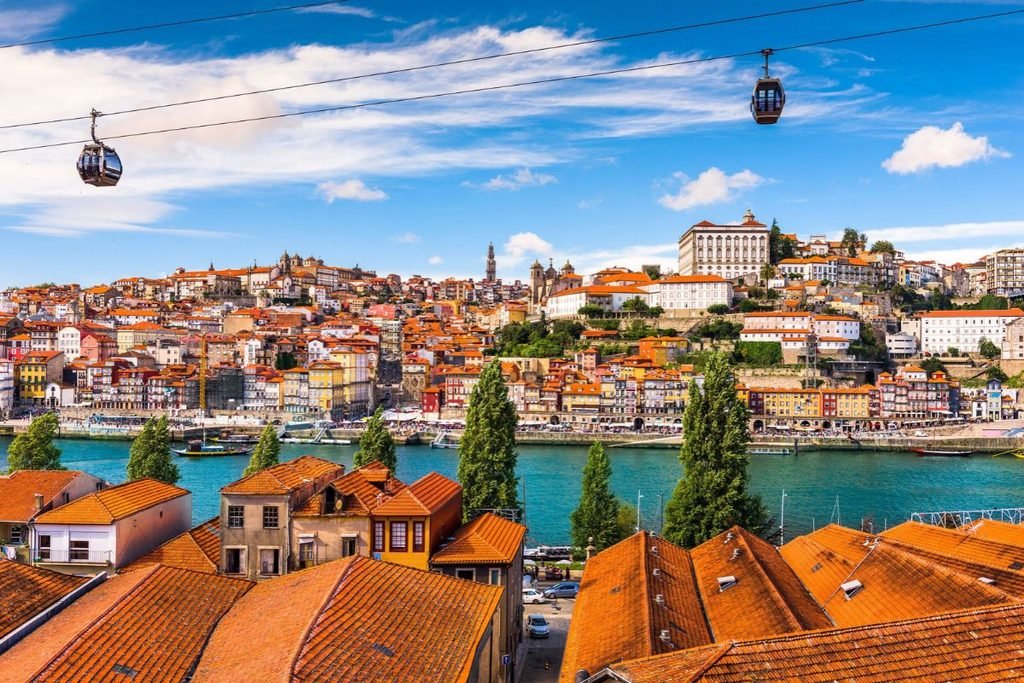
The cheapest destinations depend on accommodation, food, transportation, sightseeing, and the season. Countries in the Balkans and parts of Central and Eastern Europe often offer better value than expensive destinations such as Switzerland, Iceland, and parts of Western Europe.
For many travelers, Albania, Bulgaria, Romania, Bosnia and Herzegovina, and North Macedonia are excellent starting points. Poland and Hungary are particularly attractive for city breaks, while Portugal appeals to travelers who want coastal scenery, historic neighborhoods, and a well-developed tourism network. There is no single destination that is cheapest for everyone. A low-cost hotel does not guarantee an inexpensive trip if flights are costly or local transportation is inconvenient. Compare the complete journey before making your decision.
01. Albania: Affordable Mediterranean Beaches and Mountain Towns
Albania is an excellent option for travelers who want Mediterranean scenery without automatically choosing the higher prices associated with popular resorts in Italy, France, or Croatia. It combines beaches, traditional towns, mountain landscapes, and lively city life. The capital, Tirana, is a practical starting point. From there, you can explore historic Berat, visit the stone streets of Gjirokastër, or travel toward the Albanian Riviera.
Best places to visit:
- Ksamil: Known for clear turquoise water, small islands, and sandy beaches.
- Himarë: A coastal town with beaches, waterfront restaurants, and a more relaxed atmosphere.
- Berat: A UNESCO-listed historic city famous for its traditional architecture.
- Gjirokastër: A historic hillside town with stone houses, a castle, and narrow streets.
- Tirana: A convenient base for museums, cafés, markets, and city sightseeing.
Why it suits budget travelers
Guesthouses, local bakeries, casual restaurants, and buses can help keep spending manageable. However, beach destinations such as Ksamil become much more expensive during the busiest summer weeks. Accommodation near the water may cost considerably more than a room a short distance inland.
Traveling in May, June, September, or early October can provide a useful balance between pleasant weather and seasonal demand. Check local transport schedules before planning day trips, especially outside major cities.
- Best for: Beach holidays, couples, road trips, and nature lovers.
- Watch out for: Summer accommodation prices and limited transport on some routes.
For beach-focused travelers, Albania is one of the most appealing European Countries to consider when comparing scenery with everyday costs.
02. Bulgaria: Black Sea Beaches, Historic Cities, and Mountain Scenery
Bulgaria offers a broad range of experiences at prices that can be lower than those in many other European Union destinations. The country has Black Sea resorts, historic towns, mountain trails, monasteries, and a lively capital.
Eurostat’s 2025 household-consumption price comparison placed Bulgaria at 63% of the EU average, the lowest level among EU countries in that comparison. This measures general consumer price levels, not the exact cost of a holiday, but it helps explain why Bulgaria deserves attention from budget-conscious visitors.
Best places to visit
- Sofia: Explore the Alexander Nevsky Cathedral, historic streets, markets, and cafés.
- Plovdiv: Discover an ancient Roman theatre, an atmospheric Old Town, and creative districts.
- Nessebar: Visit a historic peninsula with traditional buildings and coastal views.
- Varna: Enjoy a seaside city with beaches, parks, and museums.
- Bansko: Consider mountain scenery, hiking, and winter sports.
How to save money
Stay in Plovdiv or Sofia if you want to focus on culture and history. For a beach holiday, compare smaller coastal towns with the busiest resorts before booking. Use public transportation where convenient and check whether a hotel is close enough to walk to the places you want to visit.
Summer is ideal for many beach activities, but accommodation prices rise in popular coastal areas. Spring and autumn work well for city sightseeing and walking, while winter attracts visitors to mountain resorts.
- Best for: Families, beach holidays, culture, and mountain trips.
- Watch out for: Resort pricing in peak summer and winter-sports season.
Bulgaria is especially attractive if you want a mixture of urban sightseeing and coastal relaxation without paying Western European prices for every meal and hotel night.
03. Romania: Castles, Medieval Towns, and Dramatic Landscapes
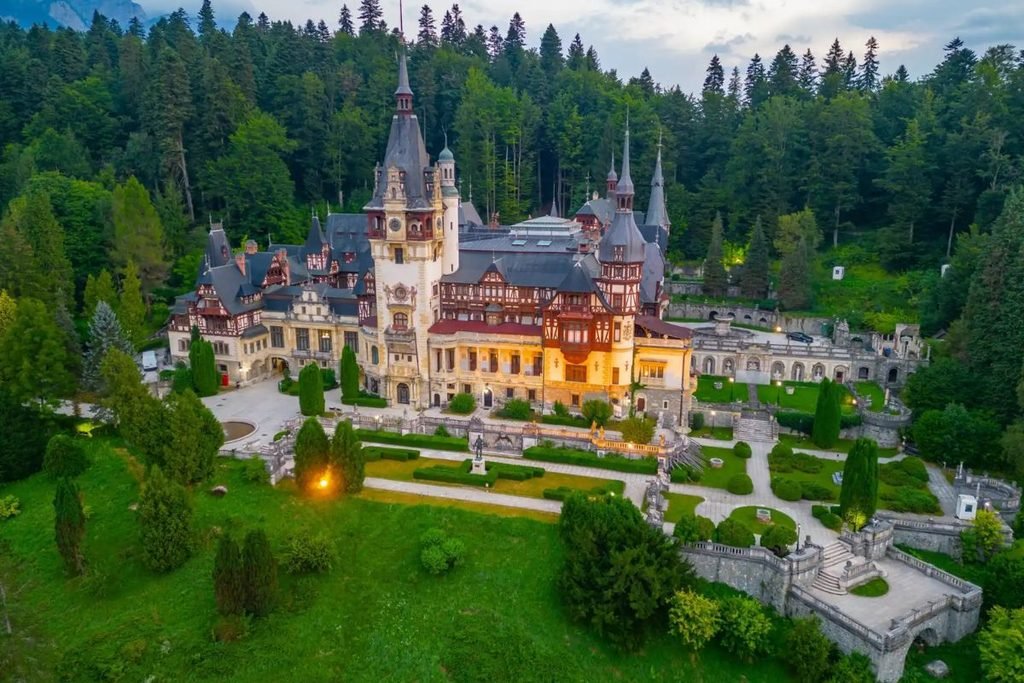
Romania is a strong choice for travelers who enjoy history, architecture, forests, and mountain scenery. It also offers city breaks and rural stays, so you do not need to spend your entire trip in an expensive capital.
The country combines medieval towns in Transylvania with Bucharest’s grand boulevards, traditional villages, and the Carpathian Mountains.
Best places to visit
- Brașov: Explore the historic center and use the city as a base for mountain excursions.
- Sibiu: Wander through a well-preserved old town with distinctive rooftops and squares.
- Bucharest: Visit museums, historic buildings, parks, and food markets.
- Bran Castle: See the famous castle associated with Dracula-related tourism.
- Sighișoara: Discover a colorful medieval citadel and cobbled streets.
Why Romania offers good value
Romania’s food, public transport, and accommodation can be relatively affordable compared with many Western European destinations. Eurostat reported that Romania’s overall household-consumption price level was 65% of the EU average in 2025.
Still, costs vary between cities, tourist attractions, and rural areas. Popular mountain destinations can become busy during holidays, while rental cars and private transfers can raise the overall budget.
For a balanced itinerary, spend a few days in Brașov and Sibiu, then add Bucharest if your flight schedule makes it practical. Trains and buses can connect many destinations, but journey times may be longer than a map suggests.
- Best for: History enthusiasts, couples, families, and nature lovers.
- Watch out for: Long travel times between some destinations and seasonal demand around popular attractions.
Among affordable European Countries, Romania stands out for travelers who want several different experiences in a single trip.
04. Bosnia and Herzegovina: Historic Streets and Mountain Landscapes
Bosnia and Herzegovina is a compelling destination for travelers interested in history, local cuisine, architecture, and dramatic scenery. Its cities reflect a mixture of Ottoman, Austro-Hungarian, and modern influences.
The country can be particularly rewarding for visitors who prefer exploring neighborhoods, historic sites, and natural landscapes rather than spending money on large numbers of paid attractions.
Best places to visit
- Sarajevo: Explore Baščaršija, traditional cafés, historic religious buildings, and museums.
- Mostar: Visit the famous Stari Most bridge and wander through the old bazaar.
- Blagaj: See the historic riverside setting near the source of the Buna River.
- Kravica Waterfalls: Visit a scenic waterfall area, checking seasonal access and admission costs.
- Jajce: Discover a historic town known for its waterfall and medieval heritage.
What makes it affordable?
Local bakeries, casual eateries, guesthouses, and walking-based sightseeing can help reduce costs. Sarajevo and Mostar are useful bases, but it is worth checking bus schedules if you want to visit smaller towns.
The local currency is the convertible mark (BAM), rather than the euro. Keep some local cash available, especially for small purchases or services where card payments may not be convenient.
- Best for: Culture, photography, history, and scenic road trips.
- Watch out for: Limited public transport on some routes and extra costs for guided excursions.
Bosnia and Herzegovina is among the European Countries worth considering when your priorities are meaningful cultural experiences, beautiful landscapes, and a manageable daily budget.
05. North Macedonia: Lakeside Relaxation and Affordable City Breaks
North Macedonia is a good alternative to more crowded European holiday destinations. It combines lake scenery, mountain landscapes, traditional food, and historic city centers without requiring an expensive itinerary. Its best-known destination is Ohrid, a lakeside town with churches, historic buildings, waterfront paths, and access to outdoor activities.
Best places to visit
- Ohrid: Enjoy lakeside walks, boat trips, historic churches, and swimming in warmer months.
- Skopje: Explore the Old Bazaar, museums, bridges, and cafés.
- Matka Canyon: Consider a day trip for hiking, canyon views, and boat excursions.
- Bitola: Visit traditional streets, cafés, and nearby archaeological sites.
- Mavrovo National Park: Explore mountain landscapes and seasonal outdoor activities.
Budget advantages
Small guesthouses, local restaurants, and walking-friendly sightseeing can make North Macedonia a practical destination for a longer stay. Ohrid is particularly appealing when you want a slower pace rather than a tightly packed city itinerary. The country uses the Macedonian denar (MKD). Carry some local currency and check transport arrangements before heading to rural attractions. Summer brings the strongest demand around Lake Ohrid. For lower accommodation costs, compare dates outside major holidays and consider spring or early autumn.
- Best for: Lake holidays, couples, relaxed travel, and nature.
- Watch out for: Seasonal crowds around Ohrid and limited connections to some outdoor attractions.
If you want a European lake holiday without the prices associated with some of the continent’s best-known alpine destinations, North Macedonia deserves a place on your shortlist.
06. Serbia: City Culture, Local Food, and Nightlife
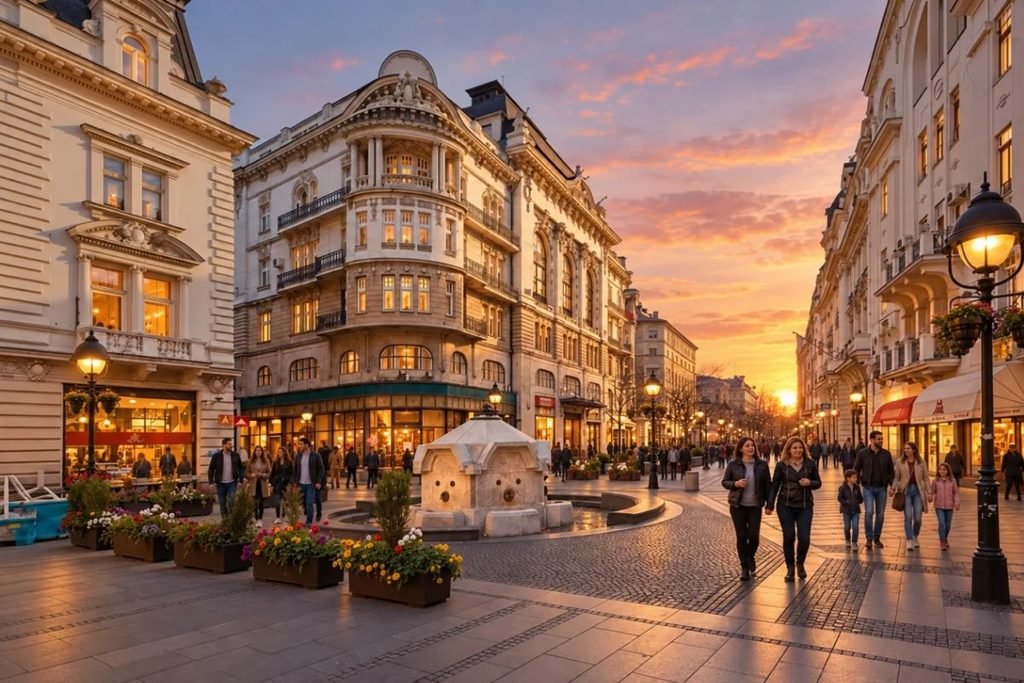
Serbia is a useful option for travelers who prefer city breaks, historic sites, lively cafés, and local food. Belgrade is its main international gateway, while Novi Sad offers a calmer city experience along the Danube.
Best places to visit
- Belgrade: Visit Kalemegdan Fortress, walk along the rivers, and explore the old neighborhoods.
- Novi Sad: Discover the historic center and Petrovaradin Fortress.
- Niš: Learn about the region’s history and enjoy a less tourist-focused city.
- Tara National Park: Explore forested landscapes and outdoor viewpoints.
- Subotica: Admire distinctive Art Nouveau architecture.
How to manage your spending
Serbia’s local restaurants, bakeries, and cafés can offer good value. You can also build a low-cost itinerary around walking, riverside parks, and historic neighborhoods. The currency is the Serbian dinar (RSD), not the euro. Belgrade’s most popular nightlife districts and special events can cost more than everyday city life, so compare prices before booking accommodation near entertainment areas.
- Best for: City breaks, nightlife, architecture, and food.
- Watch out for: Higher prices during major events and the need to plan transport for national parks.
Serbia is a practical choice if you want an urban European trip with opportunities to explore beyond the capital.
07. Poland: Historic Cities and Excellent Public Transport Options
Poland is one of the most versatile European Countries for budget-conscious travelers. It combines historic city centers, museums, food markets, national parks, and Baltic Sea destinations. Eurostat’s 2025 comparison placed Poland’s household-consumption price level at 73% of the EU average. That does not mean every tourist activity costs 27% less, but it provides a useful general comparison.
Best places to visit
- Kraków: Explore the Main Market Square, Wawel Castle area, and historic streets.
- Warsaw: Discover museums, rebuilt historic districts, and modern neighborhoods.
- Gdańsk: Enjoy maritime history, colorful architecture, and access to the Baltic coast.
- Wrocław: Visit the market square, riverside areas, and historic bridges.
- Zakopane: Consider mountain scenery and outdoor activities near the Tatras.
Why it works for budget travel
Poland has a developed transport network and a range of accommodation choices. You can often build a city-based itinerary without renting a car, particularly when visiting Kraków, Warsaw, or Gdańsk. Local food bars, bakeries, public museums, and parks can help keep costs under control. However, popular dates, major events, and mountain resort stays can increase expenses.
- Best for: First-time visitors, families, history lovers, and city breaks.
- Watch out for: Holiday crowds and additional costs for popular attractions or organized excursions.
Poland is an excellent option if you want a convenient, varied trip with historic architecture and plenty of activities beyond sightseeing.
08. Hungary: Budapest, Thermal Baths, and Café Culture
Hungary is best known to many visitors for Budapest, a city of grand architecture, riverside views, thermal baths, historic cafés, and lively neighborhoods. It is a strong choice for a short break or a longer city stay.
Best places to visit
- Budapest: Explore the Parliament area, Buda Castle district, and the Danube waterfront.
- Eger: Visit its historic center, castle, and thermal facilities.
- Pécs: Discover museums, historic buildings, and a relaxed cultural atmosphere.
- Lake Balaton: Consider lakeside towns and swimming during summer.
- Szentendre: Take a day trip to a small town known for its galleries and colorful streets.
Ways to save money
Use public transportation, compare accommodation outside the busiest central areas, and choose a few paid experiences rather than scheduling an expensive activity every day. Budapest’s thermal baths are memorable, but admission and optional services can add up. Check ticket prices in advance and decide whether a particular bath fits your budget. Hungary uses the forint (HUF). Although some tourism businesses may quote prices in euros, do not assume that the euro is the everyday currency.
- Best for: Couples, architecture, wellness trips, and city breaks.
- Watch out for: Tourist-focused restaurant prices and the cost of premium spa experiences.
Hungary provides a good balance between urban attractions and manageable costs, especially if you plan your sightseeing around free walks and public spaces.
09. Lithuania: Historic Old Towns and a Relaxed Travel Pace
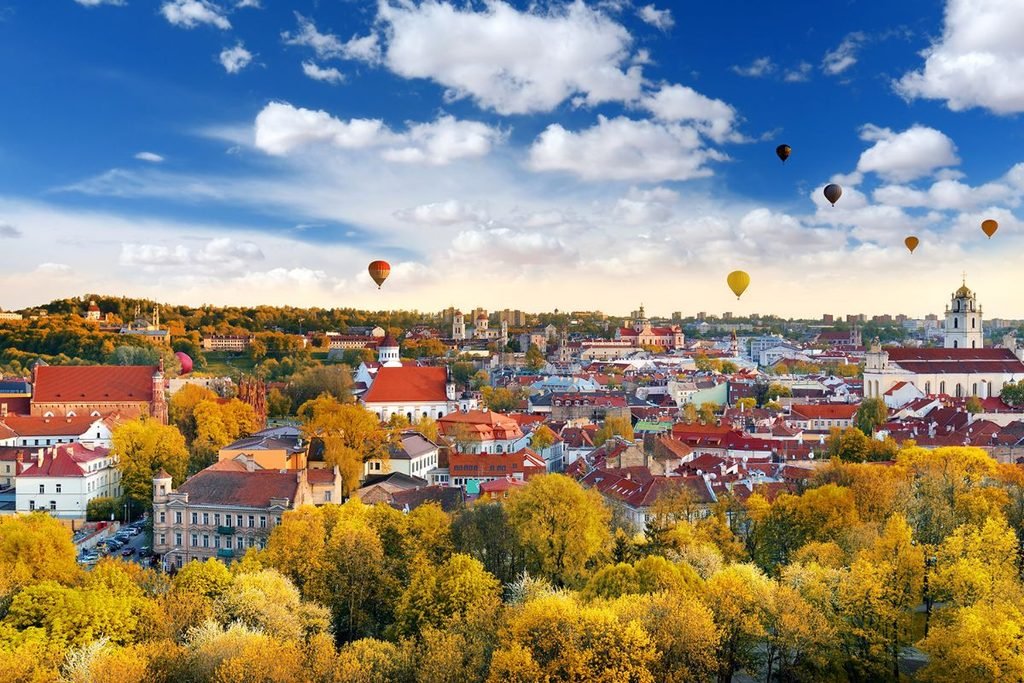
Lithuania is a good choice for travelers who prefer historic architecture, green spaces, cultural attractions, and a slower pace. It may not be the first destination people consider for an inexpensive European holiday, but it can offer strong value outside busy dates.
Best places to visit
- Vilnius: Explore the Old Town, churches, viewpoints, and independent cafés.
- Trakai: Visit the island castle and enjoy the surrounding lakes.
- Kaunas: Discover museums, historic architecture, and local food.
- Curonian Spit: Experience coastal dunes, beaches, and nature.
- Klaipėda: Use this port city as a base for exploring the Baltic coast.
Budget advice
Vilnius is a convenient base for a city break, while regional buses and trains can help you explore other areas. If you plan to visit the Curonian Spit, check ferry connections, local transportation, and any applicable entrance or visitor fees. Summer is appealing for the coast, but popular beach areas can become more expensive. Spring and early autumn may suit travelers who prioritize city walks and cultural sightseeing.
- Best for: Architecture, relaxed city breaks, and nature.
- Watch out for: Extra transport costs on coastal excursions and seasonal accommodation demand.
Lithuania suits travelers who want a quieter alternative to Europe’s busiest capitals without sacrificing cultural attractions.
10. Latvia: Art Nouveau Architecture and Baltic Coastline
Latvia offers a mix of historic city streets, Art Nouveau buildings, forests, and Baltic beaches. Riga is the natural starting point for most short visits, while nearby seaside destinations make it easy to add a coastal day trip.
Best places to visit
- Riga: Explore the Old Town, Art Nouveau district, central market, and riverside.
- Jūrmala: Enjoy sandy beaches and pine forests near the capital.
- Sigulda: Discover castle ruins, forest trails, and scenic views.
- Cēsis: Visit a historic town with a medieval castle complex.
- Kuldīga: Explore traditional architecture and the Venta waterfall.
How to keep costs down
Stay in Riga if you want public transport and a broad choice of accommodation. Plan a beach day in Jūrmala or explore nearby towns by train or bus, checking the cost and schedule beforehand. Latvia uses the euro, which can simplify payments for travelers already carrying euros. However, currency convenience does not necessarily mean the trip will cost less than in a non-euro country.
- Best for: Architecture, nature, city breaks, and beach walks.
- Watch out for: Cool weather outside summer and higher accommodation prices during major events.
Latvia is worth considering when you want a compact itinerary combining urban culture and the Baltic coastline.
11. Portugal: Coastal Towns, Food, and Atlantic Views
Portugal may not be as inexpensive as some Balkan destinations, but it can provide good value for travelers who want beaches, historic cities, scenic train journeys, and a well-established tourism network. The key is choosing your base carefully. Lisbon and Porto are popular and can be expensive during busy periods, while smaller towns may provide better accommodation value.
Best places to visit
- Lisbon: Explore historic neighborhoods, viewpoints, markets, and waterfront areas.
- Porto: Discover riverside architecture, historic streets, and local cuisine.
- Algarve: Enjoy beaches, coastal walks, and dramatic limestone cliffs.
- Coimbra: Visit the historic university city and its cultural landmarks.
- Braga: Explore churches, gardens, and a historic city center.
Budget-friendly approach
Compare accommodation in nearby neighborhoods rather than choosing the most central address automatically. Use public transport in cities and consider regional trains or buses for longer journeys. Beach lovers can save by visiting outside the busiest summer weeks. However, the Atlantic can be cool, and swimming conditions vary by location and season. Check local beach safety information before entering the water. For more inspiration, explore beachNear’s guide to the best beach vacations when comparing coastal destinations.
- Best for: Beach holidays, food lovers, couples, and first-time visitors.
- Watch out for: High-season accommodation prices and the cost of popular coastal excursions.
Portugal is a useful choice when you want a familiar tourism infrastructure and coastal scenery, even if it is not the lowest-cost destination on this list.
12. Czechia: Castles, Historic Squares, and Compact City Breaks
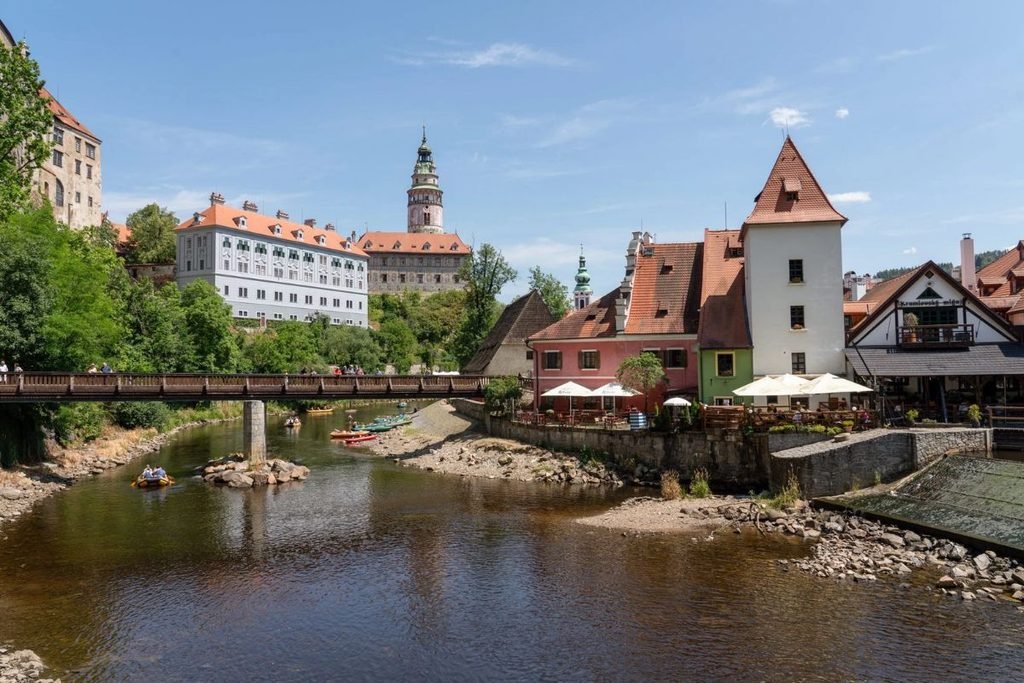
Czechia, also called the Czech Republic, offers historic architecture, castles, museums, cafés, and attractive smaller towns. Prague is the main draw, but exploring beyond the capital can provide a different experience and sometimes better value.
Best places to visit
- Prague: Visit the Old Town Square, Charles Bridge, and the Prague Castle area.
- Brno: Explore a lively university city with museums and historic buildings.
- Olomouc: Discover historic squares, churches, and a less hectic atmosphere.
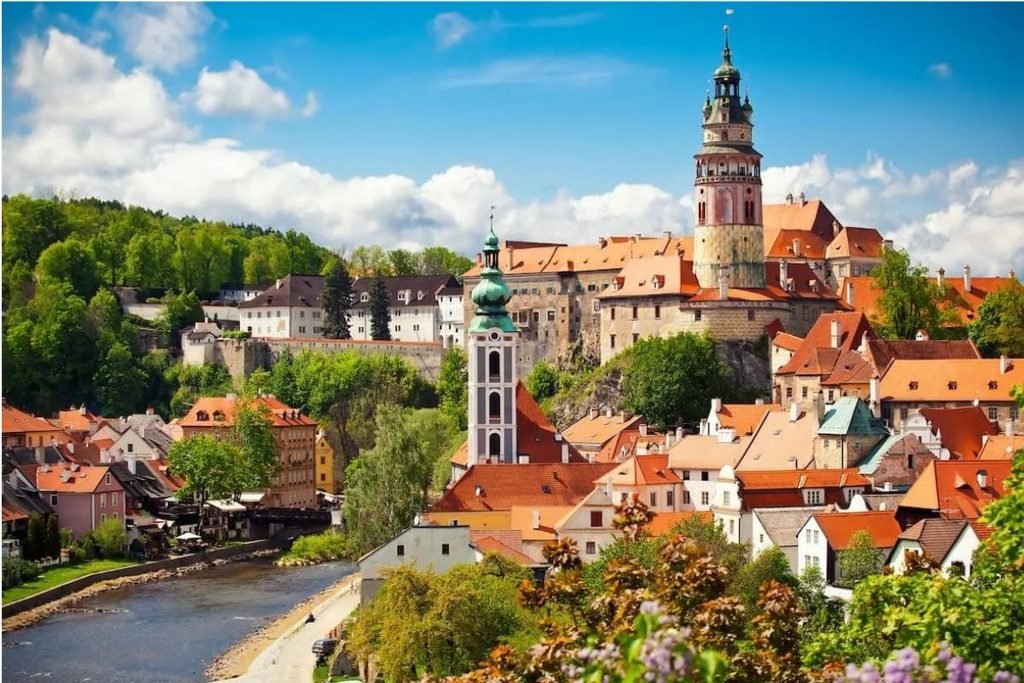
- Český Krumlov: Wander through a picturesque historic center beside the Vltava River.
- Karlovy Vary: Consider the historic spa town and surrounding hills.
How to make the budget work
Prague’s most famous streets can be crowded and costly, especially during peak travel periods. Look for accommodation near convenient public transport, eat away from the busiest tourist squares, and spend time exploring free public spaces. The country uses the Czech koruna (CZK), not the euro. Always check the currency and exchange rate when paying or withdrawing cash.
- Best for: Architecture, history, couples, and short city breaks.
- Watch out for: Central Prague prices and extra costs for day trips to popular towns.
Czechia may not be as cheap as Bulgaria or Bosnia and Herzegovina, but it offers a polished city-break experience that can still fit a thoughtful budget.
Quick Comparison of the Cheapest European Countries
Use this table to narrow your choices before comparing flights and accommodation. The categories are relative planning guidance, not guaranteed price rankings.
| Country | Best experience | Budget advantage | Ideal trip |
| Albania | Mediterranean beaches | Guesthouses and local dining | 5–8 days |
| Bulgaria | Beaches and historic cities | Affordable everyday costs | 5–7 days |
| Romania | Castles and mountains | Regional cities and local food | 7–10 days |
| Bosnia and Herzegovina | History and scenery | Walkable sightseeing and local eateries | 4–7 days |
| North Macedonia | Lakes and mountains | Guesthouses and relaxed itineraries | 4–7 days |
| Serbia | City culture and nightlife | Cafés, bakeries, and city walks | 3–6 days |
| Poland | Historic cities | Public transport and varied accommodation | 5–8 days |
| Hungary | Budapest and thermal baths | Public transport and free attractions | 3–5 days |
| Lithuania | Old towns and nature | Compact city breaks | 4–6 days |
| Latvia | Architecture and beaches | Riga-based sightseeing | 3–5 days |
| Portugal | Atlantic beaches and coastal towns | Regional travel and off-season stays | 5–10 days |
| Czechia | Historic towns and castles | Public transport and smaller-city stays | 4–7 days |
These suggested durations are starting points, not requirements. Travel time, flight availability, and your interests will determine how long you need.
For a broader view of European travel costs, see Budget Your Trip’s European cost rankings. Its traveler-reported averages use a different methodology from national price-level statistics, so do not treat the two sources as interchangeable.
How Much Money Do You Need for a Budget Trip to Europe?
Your total budget depends on your accommodation standards, destination, travel dates, activities, and starting point. A backpacker sharing hostel accommodation will spend differently from a couple booking a private room or a family needing multiple beds. Instead of relying on a single daily figure for every destination, divide your budget into five categories.
01. Accommodation
Accommodation can be one of your largest expenses, particularly in capital cities and coastal resorts.
Consider these options:
- Hostels: Useful for solo travelers and backpackers who are comfortable sharing a room.
- Guesthouses: Often practical in smaller towns and destinations outside major tourist centers.
- Budget hotels: Suitable for travelers who prefer private rooms and predictable services.
- Apartment rentals: Worth comparing for families or longer stays, especially when cooking facilities reduce meal expenses.
Check the final price, not just the advertised nightly rate. Cleaning charges, city taxes, parking, breakfast, and cancellation terms can change the total.
02. Food and drinks
Eating locally can be an effective way to reduce spending without missing the food culture of your destination. Try local bakeries, market stalls, lunch specials, and casual neighborhood restaurants. In some cities, a substantial lunch menu costs less than a comparable dinner. You can also mix restaurant meals with supermarket breakfasts and simple snacks. If you are traveling as a family, check whether accommodation includes breakfast or has a kitchen. For more food inspiration, beachNear readers can explore restaurant and food guides for ideas about finding casual dining options while traveling.
03. Transportation
Do not assume that every cheap destination is easy to explore without a car.
Compare:
- Airport transfers with local public transport.
- Intercity train tickets with bus fares.
- The price of a rental car, fuel, tolls, and parking.
- Day tours against the cost of arranging the same journey independently.
- The cost of traveling between several countries instead of staying in one region.
A two-hour bus journey can be a better financial choice than renting a car for a full day. However, a guided excursion may be more practical for remote attractions with limited public connections.
04. Attractions and activities
You do not need to pay an admission fee every day to enjoy Europe. Historic neighborhoods, parks, public squares, coastal paths, and many viewpoints provide plenty to do. Set aside money for the attractions that matter most to you. For example, a trip to Budapest might include one thermal bath visit, while a trip to Romania might prioritize a castle tour and a mountain excursion. Check official attraction websites for current opening hours, entry fees, booking requirements, and free-entry days.
05. Flights, visas, insurance, and emergency funds
A destination’s local prices tell only part of the story. Flights from your home country may cost more than the accommodation savings you expect to make.
Your total trip budget should include:
- Return flights and checked baggage.
- Visa fees, where applicable.
- Travel insurance.
- Airport transfers.
- Mobile data or roaming.
- Currency conversion and ATM fees.
- An emergency reserve for unexpected costs.
If you are traveling internationally, compare the total cost from departure to return rather than choosing a destination solely because its restaurants and hotels are inexpensive.
Best Time to Visit Europe on a Budget
The right season can make a significant difference to accommodation prices, crowd levels, and the experiences available.
Spring: March to May
Spring can suit city breaks, historic towns, and walking holidays. Flowers and milder weather make many destinations appealing, although Easter and other public holidays can increase prices. Coastal swimming conditions vary.
Summer: June to August
Summer is ideal for many beach destinations, outdoor activities, and long daylight hours. However, coastal resorts and famous capitals can be crowded and expensive. Book early if your dates are fixed.
Autumn: September to November
Early autumn can offer a useful balance of weather, sightseeing, and lower seasonal demand. September and early October are particularly worth comparing for southern European destinations. Later autumn brings shorter days and cooler weather.
Winter: December to February
Winter can suit museum visits, thermal baths, festive markets, and city breaks. Christmas and New Year are exceptions to the low-season rule in many Winter destinations. Coastal attractions may operate on reduced schedules. The cheapest month is not the same everywhere. Compare your preferred dates against accommodation availability, local holidays, flight prices, and the activities you want to enjoy.
For example, visiting Albania in late September may suit someone interested in coastal scenery and relaxed sightseeing. A traveler focused on Christmas markets may prefer December travel in Poland or Hungary, even if that means paying more for accommodation.
How to Choose the Right Affordable European Destination
Not every low-cost destination is right for every traveler. The best choice depends on the experience you want and the amount of planning you are comfortable doing.
If you want affordable beaches
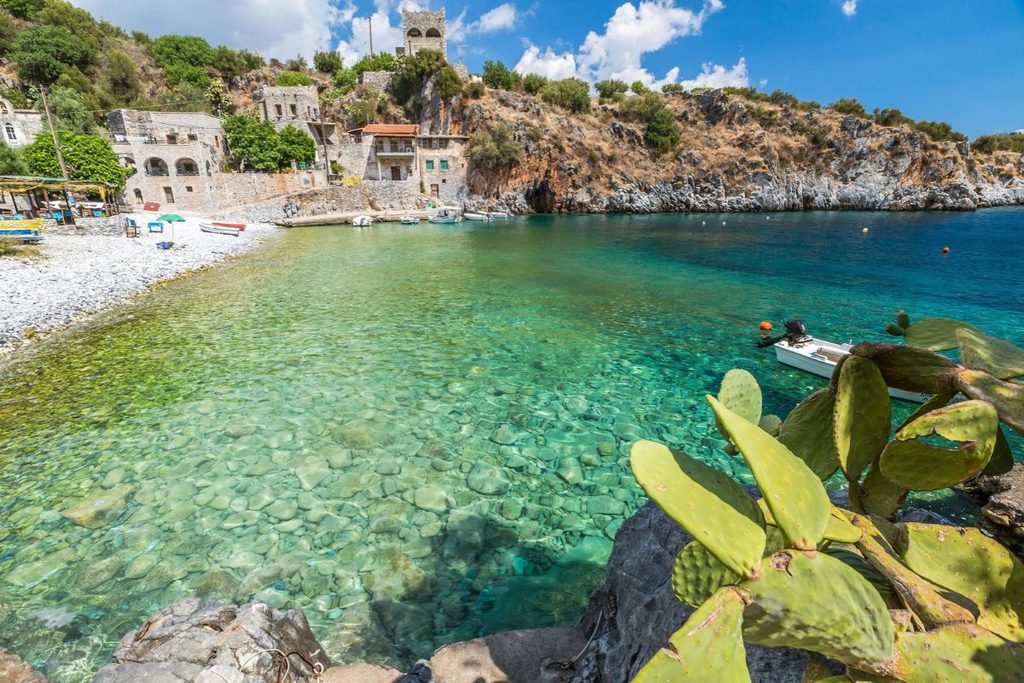
Start with Albania and Bulgaria. Portugal and Latvia are also worth considering, depending on your preferred climate and travel dates. Before booking, check the beach’s location, transport access, seasonal facilities, and whether you need to pay for loungers or umbrellas. A resort can look affordable online but become more expensive when you add transfers and beach services. You can also explore hidden beach destinations for inspiration on choosing quieter coastal places rather than automatically following the busiest tourist routes.
If you want historic cities
Consider Romania, Poland, Serbia, Bosnia and Herzegovina, or Czechia. Choose one or two cities within a manageable travel distance. A slower itinerary often costs less than moving hotels every night, and it gives you more time to explore local markets, museums, and neighborhoods.
If you are traveling alone
Look for destinations with convenient public transport, accommodation with recent reviews, and organized walking tours. Poland, Hungary, Portugal, and Romania can all work for solo travel, depending on the itinerary. Check arrival times carefully. An inexpensive flight that lands late at night may require a costly taxi or an additional hotel night. Share your itinerary with someone you trust and keep copies of important travel documents. For additional inspiration, see solo travel destinations.
If you are traveling as a family
Prioritize accommodation space, easy transport, and activities that suit different ages. Bulgaria, Poland, and Romania can provide a mixture of city attractions, outdoor activities, and family-friendly accommodation. Compare the total cost for everyone rather than relying on a per-person estimate. A family apartment with a kitchen may offer better value than separate hotel rooms, but location and transport costs still matter.
If you want a romantic getaway
Budapest, Kraków, Porto, and the historic towns of Bosnia and Herzegovina offer attractive settings for couples. You can keep costs under control by combining scenic walks, local cafés, and a small number of special experiences. A beautiful hotel is not essential if you choose a convenient base with interesting neighborhoods nearby.
Visa and Travel Requirements You Should Check
Before visiting Europe, confirm whether you need a visa, how long you can stay, and which entry conditions apply to your itinerary. If you hold a Bangladeshi passport, for example, the European Union’s official guidance states that a visa is required for entry into the Schengen area for short stays. Requirements for countries outside Schengen must be checked separately.
Keep these points in mind:
- Schengen visa: A short-stay Schengen visa generally covers visits of up to 90 days within any 180-day period, subject to the visa conditions.
- Country-specific rules: Not every European country follows the same entry arrangements. Do not assume that a Schengen visa automatically grants entry to every destination in Europe.
- Passport validity: Check the applicable passport-validity rules before applying or booking.
- Travel insurance: Review the insurance requirements for your visa and the protection your trip needs.
- Border procedures: The EU’s Entry/Exit System became fully operational across participating Schengen countries on April 10, 2026. The European Travel Information and Authorisation System (ETIAS) is a separate system for eligible visa-exempt travelers. Its official website currently says that it is not yet in operation and that the EU will announce its launch date. Check the official ETIAS website for the latest status.
The cheapest destination is not necessarily the easiest destination to enter. Build visa fees, processing time, documentation, and any required appointments into your plans.
Common Mistakes to Avoid When Planning a Cheap European Trip
Even affordable European Countries can become expensive if you overlook small costs or plan an unrealistic itinerary.
01. Booking flights before checking the route. Compare airport transfers, arrival times, baggage charges, and the cost of reaching your accommodation. A cheaper flight may not be the cheapest overall option.
02. Traveling during peak dates without comparing alternatives. Summer, school holidays, festivals, and major events can push accommodation prices higher. If your dates are flexible, compare several weeks.
03. Changing destinations too frequently. Every move can involve transport fares, baggage storage, transfers, and lost sightseeing time. Staying longer in one area often provides better value.
04. Assuming every country accepts euros. Bulgaria, Romania, and Croatia use the euro, while Albania, Serbia, North Macedonia, Hungary, Poland, and Czechia use their own currencies. Bosnia and Herzegovina uses the convertible mark, and Lithuania and Latvia use the euro. Confirm local payment practices before departure.
05. Choosing accommodation based on the nightly rate alone. A cheaper hotel far from public transport may increase your daily expenses. Compare the location, cancellation policy, taxes, and transport connections.
06. Ignoring visa requirements. Entry rules depend on your nationality, passport, purpose of travel, and destination. Check official requirements before paying for non-refundable flights or hotels.
07. Underestimating travel insurance and emergencies. Medical treatment, missed connections, and unexpected accommodation changes can create high costs. Choose appropriate insurance and keep an emergency reserve.
08. Assuming low prices mean poor quality—or guaranteed value. An affordable destination can offer excellent experiences, but quality varies by property, service, and location. Read recent reviews and verify important details directly with providers.
Conclusion
The best affordable European holiday is not necessarily the one with the lowest hotel price. It is the one that gives you the experiences you want while keeping transportation, food, accommodation, and unexpected expenses within your budget.
Albania and Bulgaria are excellent starting points for beach lovers. Romania and Bosnia and Herzegovina appeal to travelers who enjoy history and scenery, while North Macedonia offers relaxed lakeside escapes. Poland and Hungary suit city breaks, and Portugal remains attractive for coastal exploration when you choose your dates carefully.
Before booking, compare the complete trip cost, check entry requirements, research local transportation, and consider traveling outside peak season. Choose a realistic route instead of trying to see everything at once.
With thoughtful planning, these European Countries can help you experience historic cities, beautiful coastlines, memorable food, and local culture without automatically paying premium prices. Start with two or three destinations that match your interests, compare their real costs, and build your itinerary around the experiences that matter most to you.
Frequently Asked Questions
Q01. What is the cheapest country to visit in Europe?
Ans: There is no single cheapest country for every traveler. Albania, Bulgaria, Bosnia and Herzegovina, North Macedonia, and Romania are strong candidates for affordable holidays. Your final cost depends on flights, accommodation, travel dates, transportation, and activities.
Q02. Which European countries are cheapest for a beach holiday?
Ans: Albania and Bulgaria are useful starting points for a lower-cost beach holiday. Albania offers Mediterranean scenery, while Bulgaria has Black Sea resorts. Portugal and Latvia may also suit particular budgets, but their climates and swimming seasons differ.
Q03. What is the cheapest European Union country to visit?
Ans: Bulgaria is a strong candidate based on general price levels. Eurostat’s 2025 comparison placed Bulgaria at 63% of the EU household-consumption average, followed by Romania at 65% and Poland at 73%. These figures compare general prices rather than complete tourist budgets.
Q04. How much money do I need for a week in Europe?
Ans: Your budget depends on your departure country, accommodation, and travel style. Calculate flights, seven nights of lodging, meals, transport, attractions, insurance, visa fees, and emergency money. Compare actual prices for your dates instead of relying on one daily estimate for the whole continent.
Q05. Which European countries are best for first-time visitors on a budget?
Ans: Poland, Hungary, Portugal, and Romania can be good choices because they offer varied attractions and established tourism services. The best option depends on your interests, transport needs, and visa eligibility. Choose one manageable route rather than trying to visit too many countries.
Q06. What is the cheapest time to travel to Europe?
Ans: Spring and autumn often provide good value outside public holidays and major events. Winter can be cheaper for some city breaks, but Christmas markets and ski resorts may be expensive. For beach destinations, compare late spring and early autumn with peak summer.
Q07. Are Eastern European countries cheaper than Western European countries?
Ans: Many destinations in Central, Eastern, and Southeastern Europe have lower everyday prices than popular Western European destinations. However, prices vary within each country. A busy resort or capital city can cost considerably more than a smaller town.
Q08. Can I travel around Europe without renting a car?
Ans: Yes. Many cities and popular tourist routes can be explored by train, bus, or local public transport. Poland, Hungary, Czechia, and Portugal can be practical options for transport-based trips. For rural attractions or remote beaches, check connections before booking.
Q09. Which European countries are best for solo travelers on a budget?
Ans: Poland, Hungary, Portugal, Romania, and Lithuania are worth considering for solo trips. Compare accommodation reviews, arrival times, transport options, and the location of your lodging. Personal safety and comfort should be considered alongside price.
Q10. Should I visit one country or several on a budget trip?
Ans: For a trip of five to seven days, one country is often the simpler and better-value choice. A longer trip may allow you to combine nearby destinations, provided that transportation, border requirements, and extra accommodation costs make sense.