
 -by
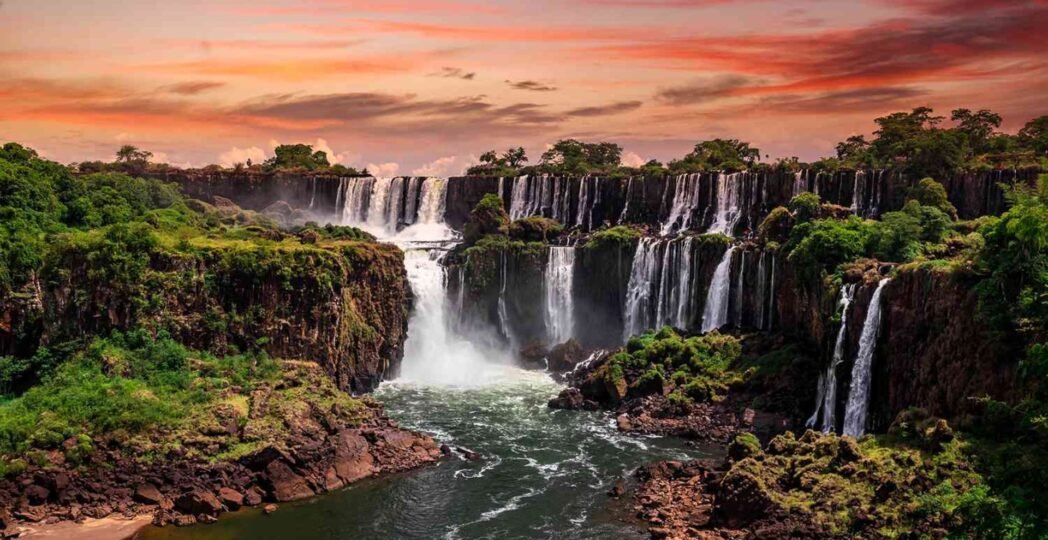
-by Some destinations are beautiful because of turquoise water and white sand. Others impress with enormous mountains, ancient cities, dramatic deserts, tropical forests, glaciers, waterfalls, or landscapes shaped by centuries of human culture. The challenge is not finding beautiful places—it is deciding which ones deserve a place on your lifetime travel list.
This guide brings together 101 beautiful places around the world, with a practical focus on what makes each destination special and what type of traveler is likely to enjoy it. The list deliberately mixes famous landmarks with less obvious choices, because a memorable trip is not always about visiting the most photographed location.
You will find beaches, islands, national parks, historic cities, mountain regions, deserts, lakes, cultural landscapes, and natural wonders across every inhabited continent. You will also find advice for choosing destinations based on your interests, budget, season, fitness level, and travel style.
There is no objective “world’s most beautiful place.” Beauty is subjective, and even highly acclaimed destinations can feel very different depending on weather, crowds, access, and expectations. Consider this a carefully organized travel inspiration list, not a definitive ranking.
What Makes a Place Truly Beautiful?
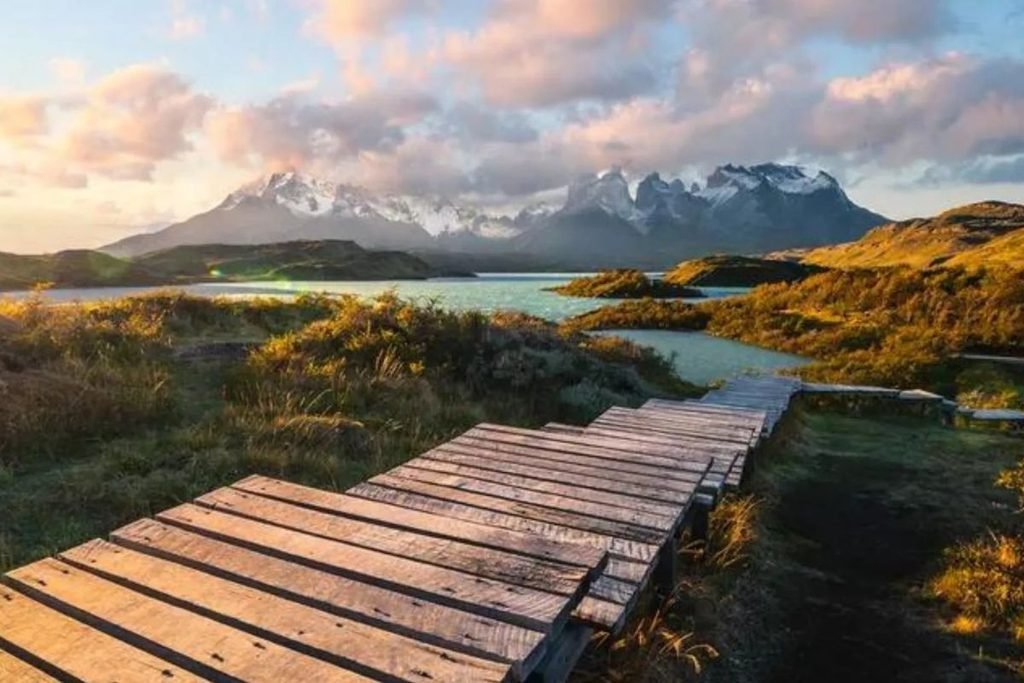
Beautiful places do not all look alike. A destination can stand out because of its natural landscape, architecture, wildlife, cultural heritage, atmosphere, or the contrast between several of these elements.
For example, Milford Sound combines steep mountains, dark waters, waterfalls, and rainforest, while Kyoto’s Arashiyama combines bamboo, temples, gardens, river scenery, and historic architecture. New Zealand’s official tourism site highlights Milford Sound’s Mitre Peak, waterfalls, and wildlife, while Japan’s national tourism organization describes Arashiyama as a landscape where bamboo, temples, historic sites, and seasonal scenery come together.
When choosing destinations, consider:
- Landscape: Mountains, beaches, waterfalls, forests, deserts, glaciers, or volcanic scenery.
- Cultural character: Historic neighborhoods, temples, monuments, traditional communities, and architecture.
- Wildlife: Safaris, marine life, birds, or unusual ecosystems.
- Accessibility: Some spectacular places require long hikes, boats, 4WD vehicles, or altitude tolerance.
- Season: A destination can look dramatically different in summer, winter, rainy season, or spring.
- Crowds: Famous viewpoints may be extraordinary but busy.
- Personal interests: The best destination for a photographer may not be the best choice for a family with young children.
101 Most Beautiful Places to Travel in Your Lifetime
The following list is organized geographically rather than ranked from 1 to 101. That makes it easier to turn the list into realistic regional trips.
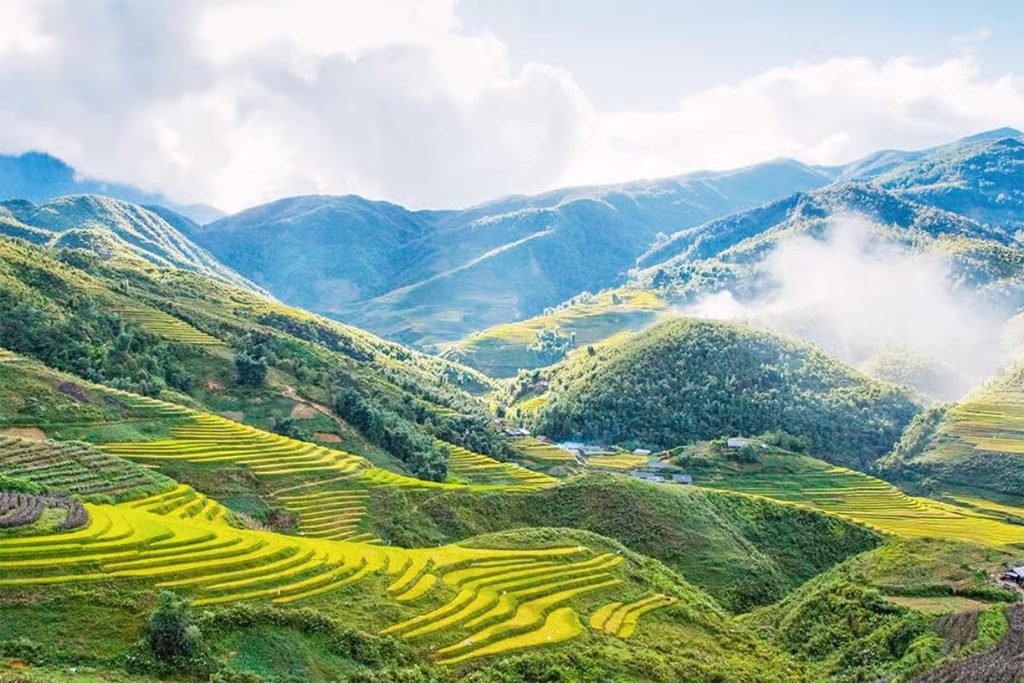
Asia: Mountains, Islands, Temples and Ancient Landscapes
1. Kyoto, Japan
Kyoto is one of the world’s strongest combinations of natural scenery and cultural heritage. Explore traditional streets, gardens and temples, then visit Arashiyama for its bamboo grove, Togetsukyo Bridge and riverside landscape. The scenery changes considerably between seasons.
Best for: Culture, photography, gardens and first-time Japan travelers.
2. Mount Fuji, Japan
Japan’s iconic volcanic mountain provides one of the country’s most recognizable landscapes. Pair views of Fuji with lakes, traditional towns, or a wider journey through the surrounding region.
Best for: Photography and scenic road trips.
3. Ha Long Bay, Vietnam
Limestone islands and towering karst formations rise from the sea, creating an unmistakable coastal landscape. A boat-based experience allows travelers to appreciate the scale of the scenery from the water.
Best for: Couples, photographers, and cruises.
4. Hoi An, Vietnam
Historic architecture, lantern-lit streets, riverside scenery, and nearby beaches give Hoi An a distinctive atmosphere. It works particularly well for travelers who want culture without giving up access to the coast.
5. Ha Giang, Vietnam
Mountain roads, valleys, dramatic limestone scenery, and rural communities make northern Vietnam particularly rewarding for adventurous travelers.
Best for: Road trips and mountain scenery.
6. Angkor Wat, Cambodia
The enormous temple complex near Siem Reap is both an architectural masterpiece and a powerful historical landscape. Sunrise photography is popular, but allowing time to explore beyond the most famous temple creates a richer experience.
7. Luang Prabang, Laos
Golden temples, the Mekong River, colonial-era architecture, and surrounding hills give Luang Prabang a slower, more atmospheric form of beauty.
Best for: Culture, food, and relaxed travel.
8. Zhangjiajie, China
Towering sandstone pillars rise dramatically from a forested landscape. The unusual formations make Zhangjiajie particularly attractive to photographers and hikers.
9. Guilin and Yangshuo, China
The Li River passes through a landscape of rounded limestone mountains and rural scenery. A river journey or cycling excursion around Yangshuo offers different perspectives on the same landscape.
10. Jeju Island, South Korea
Volcanic landscapes, coastlines, waterfalls, and forest trails make Jeju very different from South Korea’s major cities. It is particularly suitable for travelers who want nature combined with comfortable infrastructure.
11. Tiger’s Nest, Bhutan
Taktsang Monastery, commonly known as Tiger’s Nest, is dramatically positioned on a cliff above the Paro Valley. Reaching it requires a hike, making the journey itself part of the experience.
Best for: Hikers, photographers and cultural travelers.
12. Everest Region, Nepal
The Everest region offers immense Himalayan scenery, glaciers, valleys and Sherpa communities. The Nepal Tourism Board describes the region as a landscape of high mountains, glaciers, deep valleys and distinctive settlements.
Best for: Trekkers and serious mountain travelers who enjoy Hang Gliding & Paragliding.
13. Annapurna Region, Nepal
The Annapurna landscape combines enormous peaks with valleys, villages and trekking routes. Annapurna I reaches 8,091 meters, and the massif lies within the Annapurna Conservation Area.
14. Pokhara, Nepal
Pokhara is a gentler introduction to Himalayan scenery. Lakes, green hills and views toward the Annapurna range make it suitable even for travelers who are not planning a demanding trek.
15. Maldives
The Maldives is synonymous with tropical island scenery: shallow lagoons, coral reefs, white sand and small islands surrounded by the Indian Ocean.
Best for: Honeymoons, snorkeling, diving and relaxation.
16. Raja Ampat, Indonesia
Raja Ampat combines forest-covered islands, limestone formations, lagoons and exceptionally rich marine environments.
Best for: Divers, snorkelers and adventurous island travelers.
17. Bali, Indonesia
Bali’s appeal extends beyond beaches. Rice terraces, volcanic mountains, temples, waterfalls and coastal landscapes make it possible to build a varied itinerary.
18. Komodo National Park, Indonesia
Rugged islands, clear water and unusual wildlife create a landscape unlike a conventional tropical beach destination.
Best for: Wildlife, hiking and diving.
19. Palawan, Philippines
Palawan is famous for limestone cliffs, lagoons, beaches and clear tropical water. El Nido and Coron are especially popular starting points.
20. Banaue, Philippines
The rice terraces around Banaue demonstrate how human agriculture can become part of a spectacular mountain landscape.
21. Boracay, Philippines
Boracay is known for its broad sandy coastline and tropical water. It suits travelers looking for a beach vacation with plenty of accommodation and activities nearby.
22. Koh Phi Phi, Thailand
Koh Phi Phi combines limestone cliffs, tropical water and compact island scenery. The Tourism Authority of Thailand identifies Phi Phi Ley, Maya Bay and the surrounding national-park islands among the area’s highlights.
23. Railay, Thailand
Accessible primarily by boat, Railay is surrounded by towering limestone cliffs. It is especially attractive to climbers, beach lovers, and photographers.
24. Koh Lipe, Thailand
Small beaches, clear water, and easy access to marine activities make Koh Lipe appealing for travelers seeking a slower island escape.
For more coastal inspiration, see Beach Near’s guide to Thailand’s white-sand beaches.
25. Haad Yuan and Bottle Beach, Thailand
These quieter Koh Phangan beaches demonstrate that the island is more than its famous nightlife. Remote access, jungle surroundings and smaller beaches can appeal to travelers seeking a less hectic atmosphere.
26. Sigiriya, Sri Lanka
The ancient rock fortress rises dramatically above the surrounding landscape. The combination of archaeology, gardens and elevated sunset views makes Sigiriya one of Sri Lanka’s signature destinations.
27. Ella, Sri Lanka
Mountain scenery, tea plantations, waterfalls and train journeys make Ella particularly attractive to travelers who prefer landscapes over major cities.
28. Cappadocia, Türkiye
Volcanic rock formations, valleys, cave architecture and hot-air balloons create one of the world’s most recognizable travel landscapes.
29. Pamukkale, Türkiye
White mineral terraces descend across the hillside, creating a surreal landscape. Combine the terraces with the nearby ancient ruins of Hierapolis.
30. Petra, Jordan
Petra’s rose-colored rock architecture and narrow Siq create a dramatic approach to one of the world’s most famous archaeological sites.
31. Wadi Rum, Jordan
Red desert, sandstone mountains and enormous open spaces give Wadi Rum a completely different visual character from Petra.
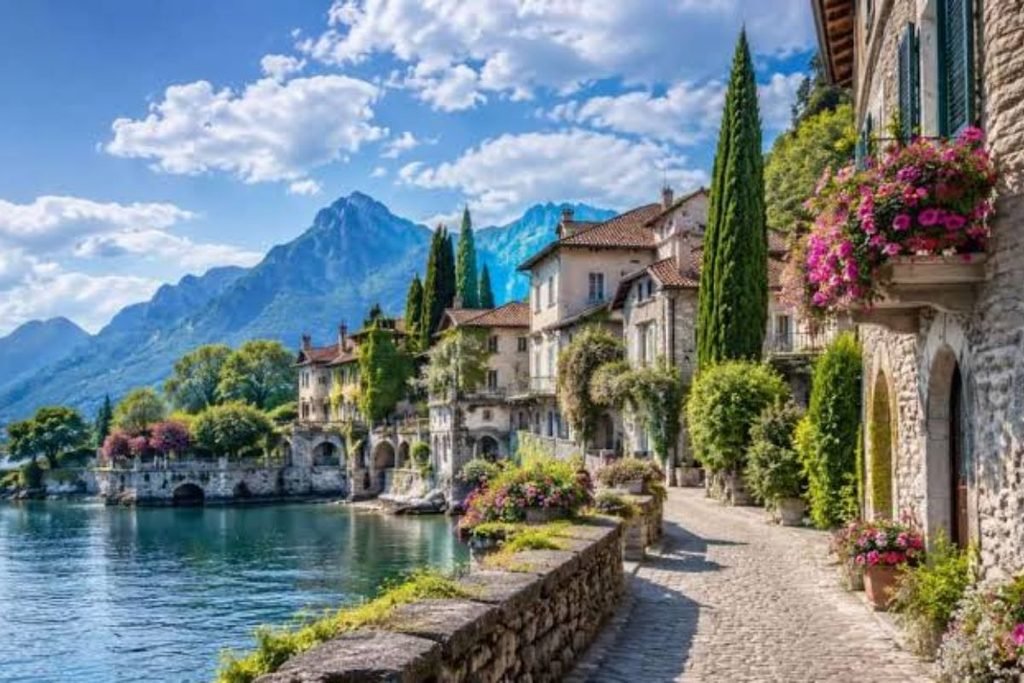
Europe: Villages, Coastlines, Alps and Historic Cities
32. Santorini, Greece
Santorini’s volcanic caldera, whitewashed settlements and Aegean views have made it one of Europe’s best-known island landscapes. The island’s scenery is closely connected to its volcanic history.
Best for: Couples, sunset views and photography.
33. Meteora, Greece
Meteora combines enormous rock pillars with historic monasteries perched above the landscape. UNESCO recognizes the site as a World Heritage property, and Greece’s tourism authority highlights its unusual combination of geology, spirituality and cultural heritage.
34. Amalfi Coast, Italy
Cliffside towns, Mediterranean water, terraced landscapes and winding coastal roads make this one of Italy’s most visually dramatic regions.
35. Dolomites, Italy
Jagged limestone peaks, alpine meadows, mountain lakes and traditional villages make the Dolomites ideal for both summer hiking and winter sports.
36. Venice, Italy
Canals, bridges, historic palaces and narrow streets make Venice beautiful in an architectural rather than wilderness-focused way.
37. Lake Como, Italy
Mountain scenery surrounds a long, deep lake dotted with elegant towns and gardens. It is a strong choice for combining scenery with relaxed sightseeing.
38. Lauterbrunnen Valley, Switzerland
Sheer cliffs, waterfalls, green meadows and alpine villages make Lauterbrunnen one of Switzerland’s most accessible dramatic landscapes.
39. Zermatt, Switzerland
Zermatt is best known for views of the Matterhorn. Hiking paths, alpine scenery and mountain railways make it attractive beyond the winter ski season.
40. Geirangerfjord, Norway
Steep mountains descend into deep blue water, producing the classic Norwegian fjord landscape.
41. Lofoten Islands, Norway
Lofoten combines jagged mountains, fjords, beaches, and fishing villages above the Arctic Circle. Norway’s official tourism guide emphasizes both the spectacular landscape and the region’s fishing and maritime heritage.
42. Norwegian Fjords
Beyond Geirangerfjord, Norway’s network of fjords provides countless combinations of mountains, waterfalls and coastal villages.
43. Iceland’s South Coast
Black-sand beaches, waterfalls, glaciers and volcanic landscapes make Iceland’s southern coast one of Europe’s most dramatic road-trip regions.
44. Jökulsárlón, Iceland
Icebergs drift through a glacial lagoon before reaching the nearby coast, creating an unusual meeting point between ice, water and black sand.
45. Faroe Islands
Sharp cliffs, green mountains, waterfalls and small villages make the Faroe Islands ideal for travelers seeking rugged North Atlantic scenery.
46. Madeira, Portugal
Madeira combines volcanic mountains, cliffs, forests, gardens and Atlantic coastline in a compact island environment.
47. Algarve, Portugal
Golden cliffs, sea caves and sandy beaches make southern Portugal a strong option for travelers who want dramatic coastline without sacrificing comfortable tourism infrastructure.
48. Paris, France
Paris demonstrates that beauty does not require wilderness. Boulevards, bridges, historic architecture, museums, gardens and the Seine create an enormous variety of visual experiences.
49. Chamonix, France
Surrounded by the Alps and Mont Blanc massif, Chamonix offers mountain scenery, hiking and winter activities.
50. Mont-Saint-Michel, France
This tidal island and medieval abbey create a remarkable architectural silhouette, particularly when viewed from the surrounding bay.
51. Plitvice Lakes, Croatia
Turquoise lakes, forest trails and waterfalls create one of Croatia’s most distinctive natural landscapes.
52. Dubrovnik, Croatia
Historic stone walls overlook the Adriatic, producing a memorable combination of architecture and coastal scenery.
53. Hallstatt, Austria
A lakeside village surrounded by mountains, Hallstatt is particularly photogenic. Visiting early or late in the day can provide a calmer experience than the busiest hours.
54. Scottish Highlands, Scotland
Lochs, mountains, moors, castles and rugged coastlines make the Highlands ideal for road trips.
55. Isle of Skye, Scotland
Dramatic cliffs, unusual rock formations, green hills and coastal scenery make Skye a favorite for hikers and photographers.
56. Sintra, Portugal
Palaces, forests, gardens and rocky hills make Sintra an easy addition to a Lisbon itinerary.
57. Swiss Alps
For travelers who want alpine scenery without committing to a single town, the Swiss Alps provide an enormous range of hiking, rail and mountain experiences.
Africa: Deserts, Wildlife and Extraordinary Coastlines
58. Serengeti, Tanzania
Vast grasslands and wildlife create the classic East African safari landscape. The experience is about more than seeing individual animals—the scale of the ecosystem is part of the appeal.
59. Zanzibar, Tanzania
Zanzibar combines tropical beaches, coral waters, historic Stone Town, and Swahili cultural influences.
60. Ngorongoro Crater, Tanzania
The enormous volcanic crater creates a naturally enclosed wildlife landscape with dramatic views from the surrounding highlands.
61. Maasai Mara, Kenya
Open grasslands and abundant wildlife make the Maasai Mara one of Africa’s best-known safari destinations.
62. Amboseli, Kenya
Amboseli is famous for broad savannah landscapes and views toward Mount Kilimanjaro.
63. Cape Town, South Africa
Cape Town brings together mountains, beaches, vineyards, ocean views, and urban culture. Table Mountain provides the city’s defining backdrop.
64. Kruger National Park, South Africa
Kruger is a practical choice for travelers wanting a classic safari experience with extensive infrastructure and varied landscapes.
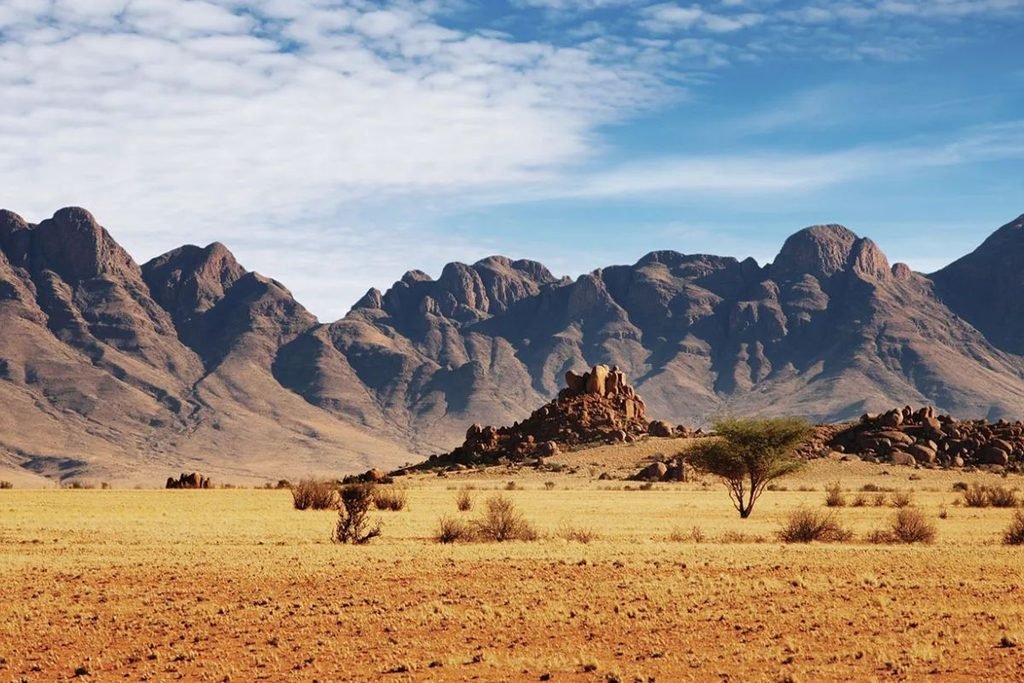
65. Fish River Canyon, Namibia
Enormous canyon walls stretch across an arid landscape, creating a powerful sense of scale and isolation.
66. Sossusvlei, Namibia
Red dunes, dry pans and stark desert landscapes make Sossusvlei one of Namibia’s most recognizable destinations.
67. Skeleton Coast, Namibia
Shipwrecks, dunes, fog and an exceptionally remote coastline create a landscape that feels almost otherworldly.
68. Okavango Delta, Botswana
Seasonal waterways spread across the desert, supporting wildlife and creating an unusual combination of wetlands and dry landscapes.
69. Victoria Falls, Zambia/Zimbabwe
One of Africa’s most famous waterfalls, Victoria Falls combines enormous quantities of moving water with rainforest and gorge scenery.
70. Seychelles
Granite islands, tropical vegetation and beaches create an exceptionally photogenic Indian Ocean environment.
71. Mauritius
Mauritius offers volcanic mountains, lagoons, beaches and diverse cultural influences. It is especially good for travelers wanting both relaxation and activities.
72. Avenue of the Baobabs, Madagascar
The distinctive baobab trees create a landscape unlike almost anywhere else. Visit around sunrise or sunset for softer light and stronger silhouettes.
73. Rwanda’s Volcano Region
Volcanic mountains, green landscapes and protected forests make northern Rwanda an appealing destination for nature-focused travelers.
North America: National Parks, Tropical Coasts and Dramatic Landscapes
74. Banff National Park, Canada
Rocky Mountain peaks, glacial lakes and alpine scenery define Banff. Parks Canada notes that Banff forms part of the Canadian Rocky Mountain Parks UNESCO World Heritage Site.
Important planning note: Access rules can change. In 2026, Moraine Lake Road is closed to personal vehicles, and visitors need to use approved access options such as Parks Canada’s transit arrangements.
75. Jasper National Park, Canada
Large mountain landscapes, lakes, and wilderness make Jasper a strong complement to Banff.
76. Niagara Falls, Canada/USA
The enormous waterfall system is a classic example of a destination where sheer scale matters more than photographic subtlety.
77. Grand Canyon, USA
Layered rock formations and enormous distances create one of the most impressive landscapes in the United States.
78. Yosemite National Park, USA
Granite cliffs, waterfalls, giant trees, and mountain valleys make Yosemite particularly rewarding for hikers and photographers.
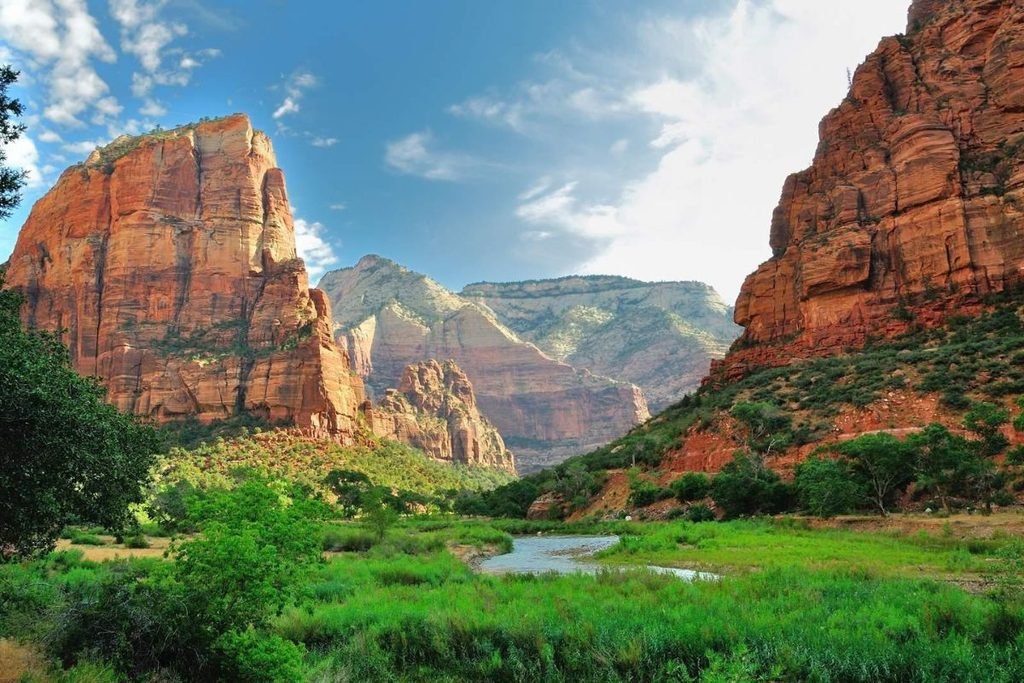
79. Zion National Park, USA
Massive sandstone cliffs and narrow canyon landscapes make Zion excellent for hiking and scenic drives.
80. Yellowstone National Park, USA
Geysers, hot springs, mountains, forests, and wildlife make Yellowstone unusually diverse.
81. Big Sur, California, USA
Cliffs overlooking the Pacific, forested hills, and winding roads create one of America’s classic coastal drives.
82. Hawaii, USA
Volcanic mountains, beaches, waterfalls, and tropical forests allow travelers to experience several landscape types in one island state.
83. Tulum, Mexico
Caribbean coastline and nearby archaeological heritage make Tulum a natural choice for travelers who want beaches and culture in one trip.
84. Oaxaca, Mexico
Oaxaca offers colonial architecture, mountains, traditional culture and distinctive cuisine. It is a useful reminder that beautiful places do not have to be dominated by beaches.
85. Costa Rica’s Arenal Region
Costa Rica’s Volcanic scenery, rainforest and adventure activities make the Arenal area particularly versatile.
86. Manuel Antonio, Costa Rica
Forest, wildlife and beaches come together in a compact coastal environment.
87. Lake Atitlán, Guatemala
Volcanoes surround a deep highland lake dotted with small communities. The landscape changes dramatically depending on weather and viewpoint.
88. Cartagena, Colombia
Colorful historic architecture, Caribbean atmosphere, and coastal culture make Cartagena one of South America’s most visually distinctive colonial cities.
89. Cocora Valley, Colombia
Extremely tall wax palms rise from a green Andean valley, creating a landscape that looks almost unreal.
South America: Andes, Patagonia, Salt Flats and Tropical Wonders
90. Machu Picchu, Peru
Ancient stone architecture sits among steep green mountains in one of the world’s most recognizable archaeological landscapes.
Best for: History, hiking and photography.
91. Rainbow Mountain, Peru
Mineral-colored geological layers create the destination’s famous striped appearance. High altitude is the major consideration, so travelers should not treat this as an ordinary day hike.
92. Patagonia, Argentina and Chile
Patagonia is less a single attraction than a huge region of mountains, glaciers, lakes and wilderness.
93. Torres del Paine, Chile
Sharp granite towers, turquoise lakes, glaciers and broad valleys make Torres del Paine one of South America’s great trekking landscapes.
94. Perito Moreno Glacier, Argentina
The immense glacier provides an accessible introduction to Patagonia’s glacial landscapes.
95. Salar de Uyuni, Bolivia
The world’s largest salt flat creates extraordinary reflections during suitable wet conditions and an almost endless white landscape when dry.
96. Atacama Desert, Chile
Volcanoes, salt flats, geysers, lagoons and extreme dryness create a landscape that feels closer to another planet than a conventional desert.
97. Iguazu Falls, Argentina/Brazil
Hundreds of waterfalls spread across a forested landscape, producing a very different experience from the single immense drop associated with Victoria Falls or Niagara.
98. Lençóis Maranhenses, Brazil
White dunes are interspersed with seasonal freshwater lagoons, creating a landscape that changes significantly through the year.
99. Fernando de Noronha, Brazil
Volcanic islands, clear water, beaches, and marine wildlife make this a strong choice for travelers who prioritize nature and ocean experiences.
100. Galápagos Islands, Ecuador
Volcanic landscapes and unusual wildlife make the Galápagos valuable for travelers interested in nature and evolutionary history rather than conventional sightseeing.
101. Colonia del Sacramento, Uruguay
Historic streets, colonial architecture, and waterfront scenery create a completely different kind of beauty from the mountains and beaches elsewhere on this list.
How to Choose the Best Beautiful Places for Your Trip
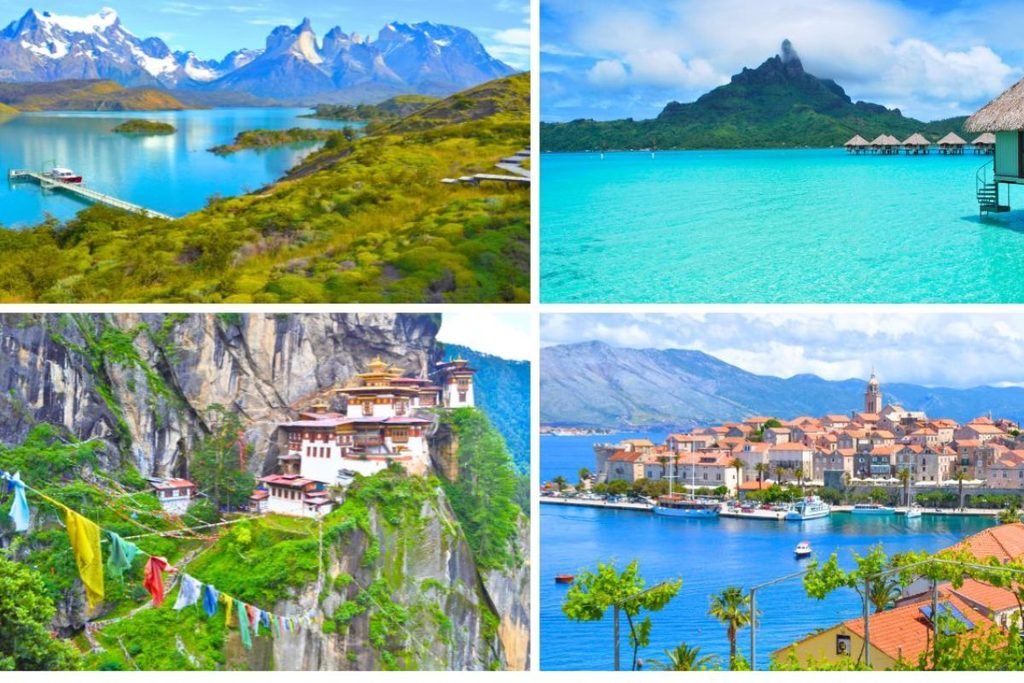
A list of 101 destinations can create a new problem: too many choices. Instead of asking, “What is the most beautiful place in the world?”
Start with a more useful question:
What kind of beauty do I want to experience?
| If you want… | Consider… |
| Tropical beaches | Maldives, Seychelles, Palawan, Koh Lipe |
| Huge mountains | Nepal, Switzerland, Patagonia |
| Wildlife | Serengeti, Maasai Mara, Galápagos |
| Ancient history | Petra, Angkor Wat, Machu Picchu |
| Road trips | Iceland, Scotland, New Zealand, Namibia |
| Romantic scenery | Santorini, Amalfi Coast, Maldives |
| Hiking | Patagonia, Nepal, Dolomites, Torres del Paine |
| Photography | Lofoten, Cappadocia, Salar de Uyuni |
| Culture | Kyoto, Hoi An, Luang Prabang, Oaxaca |
| Family-friendly variety | Hawaii, Costa Rica, Portugal, Canada |
| Quiet nature | Raja Ampat, Faroe Islands, Botswana |
| Beach + culture | Zanzibar, Thailand, Sri Lanka, Mexico |
For First-Time International Travelers
Beginners should not automatically choose the most remote destination. A spectacular place becomes much easier to enjoy when transportation, accommodation, and communication are straightforward.
Good starting options include:
- Japan
- Portugal
- Italy
- Thailand
- Costa Rica
- New Zealand
- Canada
- Greece
These destinations can still provide extraordinary scenery while giving travelers a broad range of accommodation and transportation choices.
For Adventure Travelers
If your idea of a perfect trip includes physical challenges, prioritize:
- Nepal
- Patagonia
- Torres del Paine
- Dolomites
- Iceland
- Lofoten
- Atacama
- New Zealand
- Faroe Islands
However, research trail conditions, altitude, weather, and required permits before committing to a demanding itinerary.
Beach Beauty vs Mountain Beauty: Which Is Better?
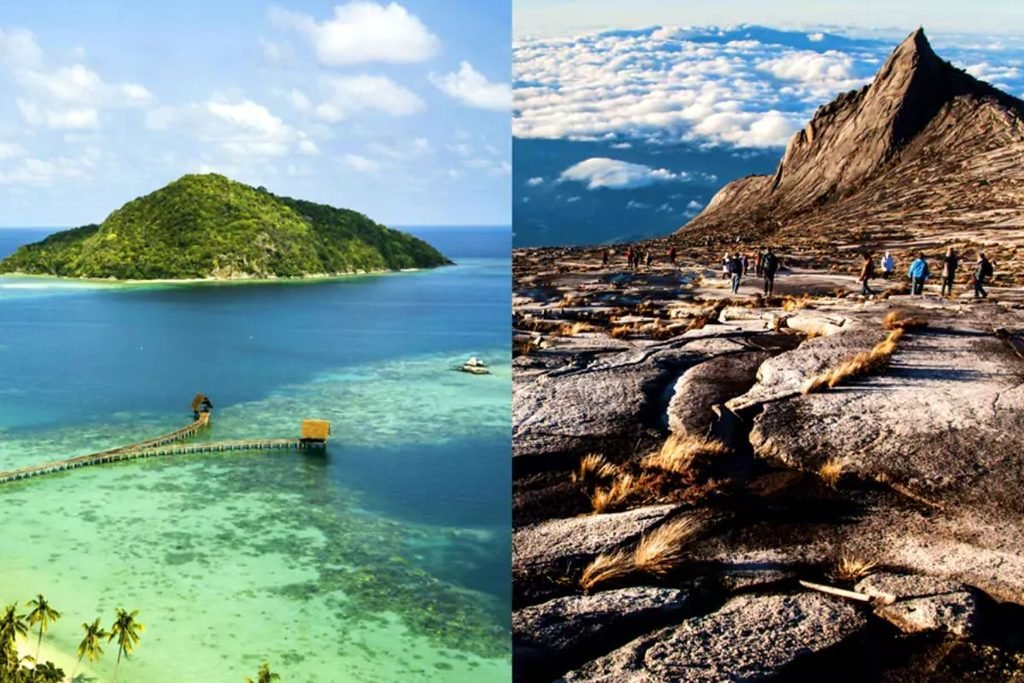
There is no universal winner. Beach destinations are usually better when your priority is relaxation, swimming, snorkeling, water sports, and warm weather. Mountain destinations are often better for hiking, dramatic viewpoints, cooler climates, and active travel. Cultural destinations can be more rewarding when your primary interest is architecture, food, history, and local traditions. A particularly strong strategy is to combine them.
For example:
Thailand: Bangkok + northern culture + southern islands
Italy: Rome + Florence + Amalfi Coast
Japan: Tokyo + Kyoto + Fuji region
Peru: Lima + Cusco + Machu Picchu
New Zealand: cities + mountains + fjords
This creates a trip with visual and experiential variety rather than repeating the same type of attraction every day.
How to Visit Beautiful Places Responsibly
Beautiful destinations are not just backdrops for photographs. They are ecosystems, communities, and cultural landscapes.
Responsible travel can be surprisingly simple:
- Follow local rules. Protected areas may restrict swimming, drones, fires, hiking routes, or access.
- Stay on designated trails. This protects vegetation and reduces erosion.
- Do not touch coral or wildlife.
- Carry reusable essentials where practical.
- Choose local businesses when possible.
- Respect religious and cultural sites.
- Avoid overcrowding fragile viewpoints.
- Check current access information before traveling.
This matters particularly in places experiencing heavy tourism. Even a destination that looks unchanged in photographs can have strict access arrangements designed to protect it.
For example, Banff currently publishes closures and visitor restrictions, while Norway’s tourism authority specifically reminds visitors that Arctic landscapes such as Lofoten are vulnerable and that tourism has an environmental impact.
If you enjoy coastal travel, Beach Near’s guide to discovering underrated destinations is also useful for thinking about how to find quieter places without treating them as disposable “secret spots.”
Common Mistakes When Planning a Trip to Beautiful Places
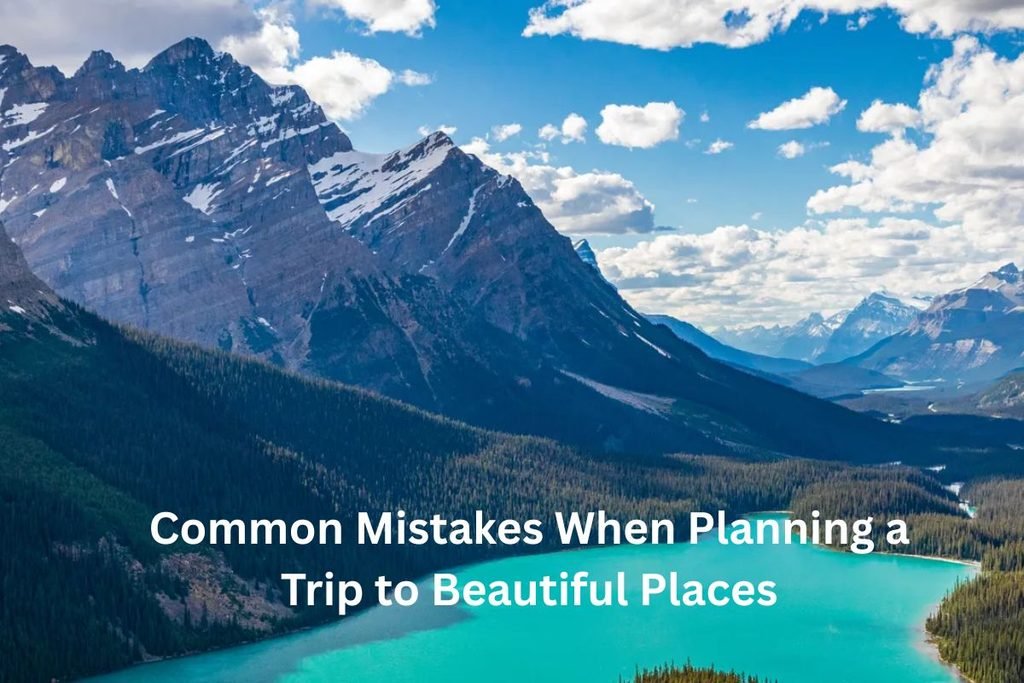
Choosing a destination only because of photographs
A photograph can hide crowds, long travel times, difficult terrain, bad weather, or limited facilities.
Trying to see too much
Visiting five countries in ten days may look impressive on paper but can leave little time to actually experience any of them.
Ignoring the season
The same location can be completely different depending on the month. Snow, monsoon rain, wildfire risk, heat, daylight hours and seasonal wildlife can all affect your experience.
Underestimating altitude
Destinations such as Everest, Rainbow Mountain and parts of the Andes require serious consideration of elevation.
Assuming famous means better
A popular destination may be worth visiting, but a less famous location can provide a quieter and more personal experience.
Planning around social media
Use photographs for inspiration, not as your only source of travel information.
Forgetting access restrictions
National parks and protected areas can change parking, shuttle, hiking, and entry arrangements. Always verify the latest official information before departure.
How to Build a Lifetime Travel List
Instead of trying to visit all 101 destinations, create categories.
Choose:
- 5 beach destinations
- 5 mountain destinations
- 5 cultural destinations
- 5 wildlife destinations
- 5 road-trip destinations
- 5 destinations close to home
- 5 places that challenge you physically
- 5 places you can visit comfortably later in life
Then rank them according to:
Dream value × practicality × affordability × season × personal interest
You may discover that your number-one destination is not the one with the most spectacular photograph.
Final Thoughts
The world’s most beautiful places are not limited to famous beaches or postcard viewpoints. They include Himalayan valleys, volcanic islands, ancient cities, tropical reefs, desert dunes, alpine lakes, wildlife habitats, and ordinary-looking towns that become unforgettable because of the experience around them.
The most useful lesson from a list of 101 beautiful places is that you do not need to visit all of them. Choose the destinations that match your interests, available time, budget, and physical ability. Research the season and current access arrangements, leave enough time to experience each location properly, and treat natural and cultural sites with respect.
Start with one destination that genuinely excites you. Then build your lifetime travel list gradually. The world will still be there—and there is no need to turn beautiful travel into a race.
Frequently Asked Questions
Q: What is the most beautiful place in the world?
Ans: There is no objective answer. Beauty depends on personal preference. Travelers who love beaches may choose the Maldives or Seychelles, while hikers may prefer Patagonia or Nepal, and culture-focused travelers may choose Kyoto or Petra.
Q: Which country has the most beautiful places?
Ans: No single country can objectively claim that title. New Zealand, Japan, Italy, Norway, Switzerland, Thailand, Nepal, Australia, Canada, and many others offer very different forms of natural and cultural beauty.
Q: What are the best beautiful places for first-time travelers?
Ans: Japan, Thailand, Portugal, Italy, Greece, New Zealand,d and Costa Rica are strong options because they combine major attractions with a broad range of travel experiences.
Q: What are the most beautiful beach destinations?
Ans: The Maldives, Seychelles, Palawan, Raja Ampat, Thailand’s islands, Zanzibar, and parts of Hawaii are excellent choices for travelers focused on beaches and tropical scenery.
Q: What are the most beautiful mountain destinations?
Ans: Nepal, Switzerland, the Dolomites, Patagonia, New Zealand, Norway,y and the Canadian Rockies offer some of the world’s most dramatic mountain landscapes.
Q: Which beautiful places are best for couples?
Ans: Santorini, the Amalfi Coast, Maldives, Seychelles, Lake Como, Bora Bora-style South Pacific destinations, and Madeira are popular choices for romantic trips.
Q: Which destinations are best for photographers?
Ans: Cappadocia, Lofoten, Iceland, Patagonia, Salar de Uyuni, Banff, Kyoto, and Namibia offer unusually diverse opportunities for landscape and cultural photography.
Q: Are beautiful places always expensive?
Ans: No. Destination costs vary considerably. You can experience spectacular landscapes through national parks, public beaches, hiking trails, and independent travel without booking luxury accommodation.
Q: What is the best way to avoid crowds at famous destinations?
Ans: Travel during less busy periods where appropriate, start sightseeing early, stay longer rather than rushing through, explore secondary viewpoints,s and consider nearby alternatives. Always verify seasonal access before planning around a quieter period.
Q: How many places should I visit on a two-week vacation?
Ans: For most travelers, two or three main bases are more comfortable than trying to visit many countries. Fewer destinations allow more time for local experiences and reduce transportation stress.
Q: What should I check before visiting a natural attraction?
Ans: Check current entry rules, weather, transportation, trail conditions, permits, safety guidance, opening times, and environmental restrictions. Official park or tourism websites are preferable to relying solely on old social media posts.



7 Comments